


When vehicle owners face electrical problems, the right decision usually depends on damage extent, circuit importance, access difficulty, and long-term reliability. In most cases, wiring repair makes sense when damage is isolated, accessible, and limited to a small section, while full harness replacement becomes the better option when damage is widespread, safety-critical, heat-damaged, corrosion-heavy, or already affected by repeated failed repairs.
That decision starts with understanding what the vehicle wiring harness actually includes and how different types of damage change the repair path. A harness is not just a bundle of wires. It also includes terminals, connectors, grounds, branch circuits, insulation, loom protection, and factory splice points. Once one part fails, the condition of nearby sections often determines whether repair remains practical.
The next layer of the decision is comparison. Vehicle owners usually want to know which option is better for cost, downtime, reliability, and safety. A localized repair often costs less upfront and gets the vehicle back on the road faster. However, a full harness replacement can prevent repeat faults when damage extends beyond what is visible at first glance.
Introduce a new idea: the main content below breaks the decision into clear stages, from defining the problem and judging severity to comparing repair with replacement and handling special cases such as connector pin damage, communication circuits, and OEM versus used harness choices.
What does “wiring repair vs full harness replacement” actually mean?
Wiring repair is a localized fix to damaged circuits, while full harness replacement removes the larger wire assembly and installs a new or replacement harness with its integrated connectors, branches, and protective covering.
To better understand the issue, vehicle owners should separate a small electrical fix from a system-level replacement because those two actions solve very different problems.
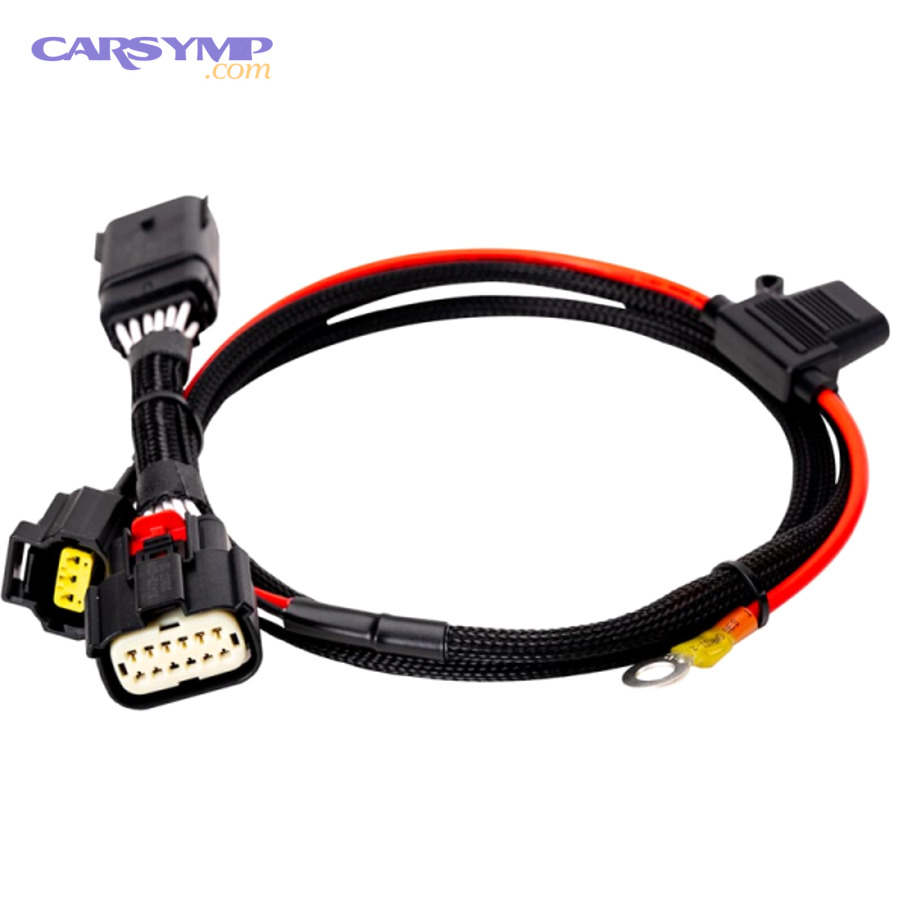
Is wiring repair the same as replacing a wiring harness?
No, wiring repair is not the same as replacing a wiring harness because the scope, labor, and long-term effect are different. A repair targets one damaged section, connector, or splice. A replacement addresses the broader assembly, including multiple branches and often the factory routing across the vehicle.
That difference matters because many owners hear “harness issue” and assume the entire harness must come out. In reality, a technician may repair one wire, replace one pigtail, restore one ground point, or rebuild one connector without touching the rest of the harness. That approach works well when the fault is limited and the surrounding insulation, terminals, and wire conductors remain healthy.
A full harness replacement is much more invasive. It usually involves disconnecting many connectors, routing the new loom through the firewall, dashboard, engine bay, doors, or underbody, and then restoring all mounting clips and branch connections. In some vehicles, the labor is more expensive than the part. In others, the part itself is costly or difficult to source.
This is why the repair-or-replace choice is not only technical. It is also practical. A vehicle owner needs to ask whether the damage is isolated, whether the rest of the harness is trustworthy, and whether labor on a small repair is more reasonable than removing large sections of interior trim or engine components.
What parts of a vehicle wiring harness can actually fail?
There are 7 main failure points in a vehicle wiring harness: wires, insulation, connectors, terminals, splices, grounds, and protective loom, based on the type of electrical and environmental stress placed on the harness.
More specifically, the wire conductor can break from vibration, repeated flexing, or tension. The insulation can melt from heat, chafe against sharp metal, crack with age, or become brittle after oil contamination. Connectors can loosen, seals can fail, and pins can corrode. Factory splice packs can trap moisture. Grounds can oxidize and create voltage drops. The outer loom can split and expose the inner conductors to abrasion and water.
These failures do not all point to the same solution. A cracked loom alone does not justify replacing an entire harness. A melted connector with burned terminals may still be fixable if the damage is confined to one area. However, if corrosion has traveled inside multiple wires under the insulation, or if heat has damaged several adjacent branches, the harness may no longer be a good candidate for patchwork.
The practical lesson is simple: owners should think beyond “a bad wire.” A harness is a network, and the condition of each part helps determine whether repair is durable or whether replacement is safer.
According to the National Highway Traffic Safety Administration, vehicle electrical defects can contribute to fires, lighting failures, and loss of critical functions, showing why harness-related faults must be evaluated as system problems rather than isolated inconveniences.
How can vehicle owners tell whether wiring damage is minor, moderate, or severe?
Vehicle owners can judge wiring damage by checking its spread, depth, circuit importance, and whether the fault is isolated or repeated, with minor damage favoring repair and severe damage often pointing toward replacement.
Let’s explore the issue step by step because damage severity is the first practical filter in any good repair decision.
What signs show that wiring damage is limited enough to repair?
Yes, wiring damage is often limited enough to repair when it affects one section, one connector, or one circuit, especially when the surrounding insulation, copper conductor, and adjacent branches remain clean and stable.
Specifically, isolated abrasion is a common example. If one wire rubbed against a bracket and wore through the insulation, a technician can often remove the damaged section, install the correct-gauge wire, seal the repair properly, and restore protection with loom and secure routing. The same logic applies to a single broken wire near a trunk hinge, one damaged pigtail near a sensor, or one oxidized ground eyelet.
Another strong sign is accessibility. When the damaged section is visible and easy to reach, the repair can be made to a high standard without disturbing half the vehicle. That matters because a clean repair with proper crimps, solder strategy if appropriate, sealed heat shrink, strain relief, and secure re-routing is much more dependable than a rushed repair hidden behind tight trim or engine components.
Damage is also more repairable when the fault is electrically narrow. If the problem affects one accessory, one sensor, or one lighting branch, the odds favor a localized solution. That is especially true when testing confirms that nearby wires still carry correct voltage, ground integrity, and continuity.
This is where Diagnosing shorts and open circuits basics becomes useful. An open circuit usually points to a break, disconnected terminal, or failed splice. A short circuit suggests damaged insulation contacting ground or another conductor. When testing proves that only one location causes the fault, repair becomes much more defensible.
What signs show that wiring damage is severe enough to justify full harness replacement?
Yes, severe wiring damage often justifies full harness replacement when several circuits fail together, corrosion spreads beyond the visible area, heat damages multiple wires, or previous repairs have already made the harness unreliable.
For example, rodent damage rarely affects just one conductor. Animals often chew multiple adjacent wires, tear open loom coverings, and expose connectors to contamination. Heat damage in the engine bay can melt insulation across an entire branch and weaken copper beyond what the eye can easily detect. Water intrusion can move inside the harness and oxidize the conductor under intact-looking insulation, creating intermittent faults long after the outside appears dry.
Repeated repairs are another warning sign. A harness that already contains multiple splices, mismatched wire colors, taped sections, or poorly supported repairs often becomes harder to trust and harder to diagnose. In that case, the next failure may happen inches away from the last one because the root condition was never eliminated.
The most serious cases involve safety-critical or high-load circuits. If the harness damage reaches airbag wiring, ABS wiring, fuel pump power feeds, charging cables, ignition-related circuits, or communication networks, the acceptable margin for uncertainty becomes much smaller. A system with hidden damage is not a good place to gamble on one more patch.
According to a technical service discussion published by InterConnect Wiring, some harnesses are repairable while others are “beyond economical repair,” especially when damage extends across multiple sections and hidden internal deterioration is likely.
Which factors matter most when deciding between wiring repair and harness replacement?
The most important decision factors are damage extent, circuit criticality, location, accessibility, corrosion level, prior repair history, and expected long-term reliability.
More importantly, these factors work together rather than in isolation, so a small visible break does not always mean a small overall problem.
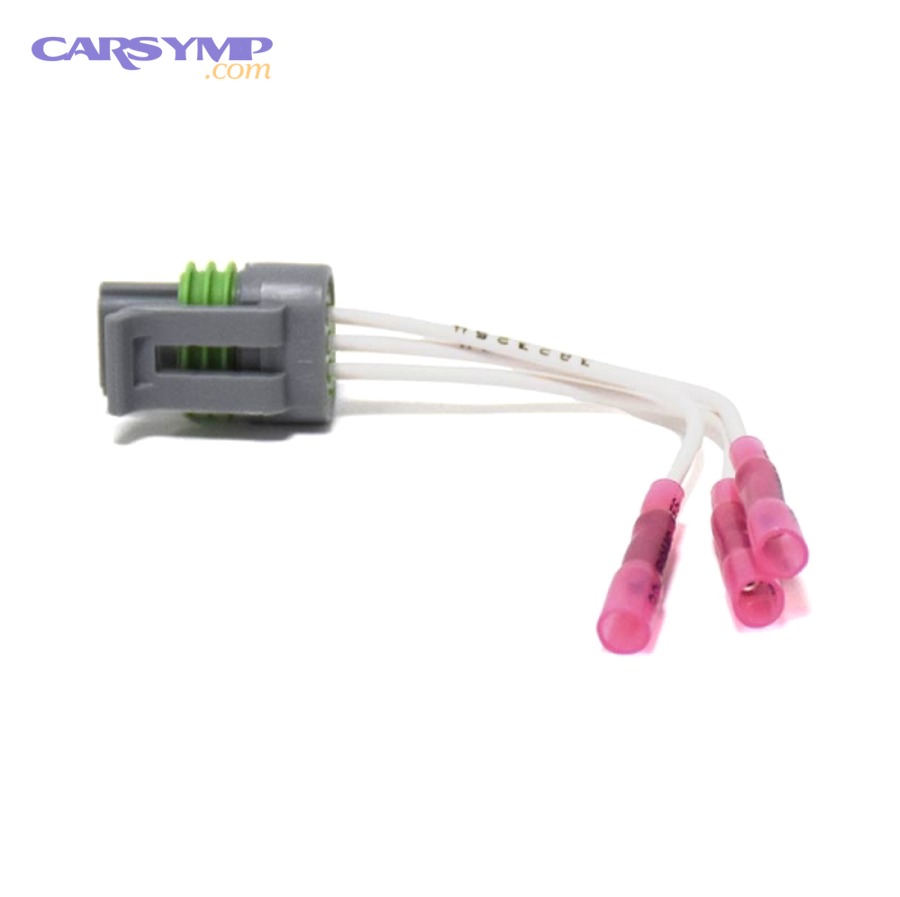
How do safety-critical circuits change the repair decision?
Safety-critical circuits require a stricter standard because failure can disable essential vehicle functions, trigger warning systems, or create dangerous conditions that ordinary convenience-circuit repairs do not.
To illustrate, a damaged speaker wire and a damaged airbag wire do not carry the same consequence. A problem in a radio branch may create annoyance. A problem in the supplemental restraint system can prevent airbag deployment or trigger faults that disable part of the safety system. The same logic applies to ABS circuits, stability control sensors, fuel pump feeds, ignition circuits, and some brake switch circuits.
Because of that risk, many technicians become much more conservative when deciding whether to patch, splice, or replace. They may still repair a safety-related circuit, but only when the manufacturer’s procedures allow it, the damage is fully visible, the repair materials meet the required standard, and post-repair testing confirms proper operation. If those conditions are missing, replacement becomes the safer route.
Vehicle owners should also understand that communication circuits can behave like safety-critical systems in practice. A damaged CAN bus pair or shielded communication line may produce multiple warning lights, module communication faults, and intermittent drivability problems. These are not always good candidates for improvised repair methods.
In short, the more critical the circuit, the lower the tolerance for uncertainty. That single rule helps owners understand why one technician recommends a quick fix for a tail lamp wire but full replacement for a damaged under-dash network branch.
How do damage location and accessibility affect whether repair is worth it?
Damage location strongly affects value because an easy-to-reach repair can be clean and economical, while a buried harness branch can make even a simple fault expensive to correct properly.
For example, a visible engine-bay sensor pigtail may take limited time to inspect, test, and restore. On the other hand, a dashboard harness routed behind HVAC boxes, steering supports, and trim panels can require major disassembly before the actual damage is even confirmed. In such cases, the labor to expose one questionable area may approach the labor to replace a larger harness section entirely.
Location also affects durability. A repair in a high-heat, high-vibration, or high-moisture area needs excellent materials and strain relief. A wire repaired near exhaust heat, suspension movement, or door hinge flexing faces more ongoing stress than a repair in a protected interior section. When the environment is harsh, a good-looking repair may still age quickly if the harness routing problem remains.
This is why technicians weigh physical context as heavily as the electrical fault itself. A minor break in a low-stress area may be a perfect candidate for wiring repair. The same break in an inaccessible, heat-soaked, oil-contaminated zone may make replacement more rational.
According to guidance from several automotive service resources, labor access often changes the economic decision as much as the part price, which is why two similar electrical faults can lead to very different estimates depending on the harness location.
Which is better for cost, reliability, and downtime: wiring repair or full harness replacement?
Wiring repair wins in short-term cost and downtime, while full harness replacement is often better for long-term reliability when damage is widespread, recurring, or difficult to fully inspect.
However, the best choice depends on which criterion matters most in the specific case rather than on a universal rule.

The table below compares the two options across the decision points vehicle owners usually care about most.
| Criterion | Wiring Repair | Full Harness Replacement |
|---|---|---|
| Upfront cost | Usually lower when damage is isolated | Usually higher due to labor and parts |
| Downtime | Often shorter for accessible faults | Often longer because of disassembly and routing |
| Long-term reliability | Good if damage is truly localized | Better when damage is broad or hidden |
| Risk of repeat faults | Higher if unseen deterioration remains | Lower if the damaged assembly is fully replaced |
| Best use case | Single-section or single-connector damage | Multi-branch, corroded, melted, or repeated failures |
| Parts sourcing | Often easier with repair materials or pigtails | Can be difficult if OEM harness is discontinued |
Is wiring repair cheaper in the short term?
Yes, wiring repair is usually cheaper in the short term because it uses fewer parts, less labor, and less vehicle disassembly when the damage is limited and accessible.
Specifically, a technician may only need wire of the correct gauge, terminal tools, sealed connectors, heat-shrink materials, loom covering, and testing time. That keeps the estimate lower than a full harness job that involves removing interior trim, routing long branches, reconnecting multiple modules, and sometimes recalibrating systems afterward.
Repair is also attractive because it can restore function quickly. Many owners need a practical path that gets the vehicle moving again without paying for a complete harness assembly. That is a valid goal when the rest of the system remains healthy.
Still, cheap repair is not always smart repair. If corrosion extends beyond the visible section, or if multiple conductors are brittle, oil-soaked, or heat-damaged, a low estimate can become misleading. The first repair may work briefly, but the next weak spot may fail soon after. In that case, the owner pays twice: once for the repair and again for more diagnosis later.
That is why cost must be tied to certainty. A small bill is only an advantage when the repair solves the real problem and does not simply postpone the bigger one.
Is full harness replacement better for long-term reliability?
Yes, full harness replacement is often better for long-term reliability because it removes hidden damage, restores system integrity, and reduces the chance that nearby weakened sections will fail after one local repair.
More specifically, replacement becomes attractive when the harness contains widespread corrosion, multiple overheated wires, water-damaged branches, repeated splice history, or several unrelated electrical complaints that trace back to the same loom. In those cases, replacement does not just fix the visible fault. It resets the condition of the entire affected assembly.
This matters most in vehicles that already show intermittent symptoms. Flickering power, changing warning lights, intermittent no-start issues, or module communication dropouts often point to deeper instability than one broken conductor. A localized repair might eliminate one symptom while leaving the larger harness condition unresolved.
Replacement also helps when confidence matters more than speed. Fleet vehicles, work trucks, family vehicles used daily, and safety-critical applications often benefit from the predictability of a fresh harness, especially when downtime from repeated diagnosis would cost more than a larger one-time repair.
According to vehicle electrical repair guidance published by service specialists, replacement tends to be the better reliability strategy when technicians suspect hidden deterioration beyond the visible fault area.
What is the step-by-step decision framework for choosing repair or replacement?
The best method uses 5 steps: confirm the fault, measure damage spread, judge circuit importance, compare labor with risk, and choose the option that delivers the most reliable outcome.
Below, that framework turns the repair-versus-replacement question into a repeatable decision rather than a guess.
What questions should you ask before approving a wiring repair?
There are 5 main questions to ask before approving a repair: Is the fault isolated, is the conductor still healthy nearby, are the connectors intact, is the circuit non-critical or repair-approved, and can the repair be protected properly?
First, confirm the fault clearly. Use voltage drop testing, continuity testing where appropriate, load testing, and visual inspection to identify the damaged area. This is where Diagnosing shorts and open circuits basics helps again. If the fault behaves like an open circuit, the technician should locate the break or disconnect. If the fault behaves like a short, the technician should inspect for insulation damage, pinched sections, or conductive contamination.
Second, inspect beyond the obvious damage. A visible break may be only the end point of a larger issue. Pull back loom carefully, inspect adjacent insulation, look for green corrosion in the copper, and check whether water or heat affected neighboring conductors.
Third, judge whether the repair can be made to a durable standard. The correct wire gauge, temperature rating, sealing method, connector fit, and strain relief all matter. A repair that cannot be protected from future flexing, moisture, or abrasion is not a strong repair candidate.
Fourth, evaluate the circuit’s importance. A non-critical lighting or accessory circuit may support a local repair. A safety or communication circuit may require a more conservative approach.
Finally, consider the vehicle’s history. If the same area has failed before, or if the harness already contains multiple old repairs, a fresh patch may not be the best investment.
What questions should you ask before approving full harness replacement?
There are 5 main questions to ask before approving replacement: Are several circuits affected, is hidden damage likely, is the harness available, is labor justified, and will replacement prevent repeat failures better than repair?
To begin, look for spread. If the harness problem crosses multiple branches, connectors, or modules, replacement begins to look more reasonable. The wider the fault footprint, the weaker the case for localized repair.
Then ask whether hidden damage is probable. Heat migration, water intrusion, rodent activity, and prior non-factory repairs all increase the chance that visible damage underrepresents the true condition. When uncertainty is high, replacement offers a cleaner long-term answer.
Next, verify parts availability. Some vehicles still have OEM harnesses available. Others may only offer pigtails, used assemblies, aftermarket options, or custom rebuild services. The decision must reflect what can actually be sourced within the owner’s budget and downtime limits.
Labor is the next checkpoint. Replacement can be the right technical solution but the wrong economic one if access is extreme and the vehicle value is low. On the other hand, labor for repeated diagnosis can exceed the replacement cost over time.
Finally, ask the most practical question: will replacement reduce future risk more than repair? If the answer is clearly yes, then the higher initial estimate may still be the better value.
According to training material widely used in automotive electrical diagnosis, structured testing before parts replacement reduces misdiagnosis and improves repair durability, especially in intermittent harness faults.
When should you repair the wiring, and when should you replace the full harness?
You should repair the wiring when damage is isolated, accessible, and structurally limited, and you should replace the full harness when damage is widespread, safety-critical, repeated, or likely to extend beyond what can be seen.
Thus, the final decision becomes much clearer once the evidence is organized around severity, risk, and reliability rather than emotion or first impressions.
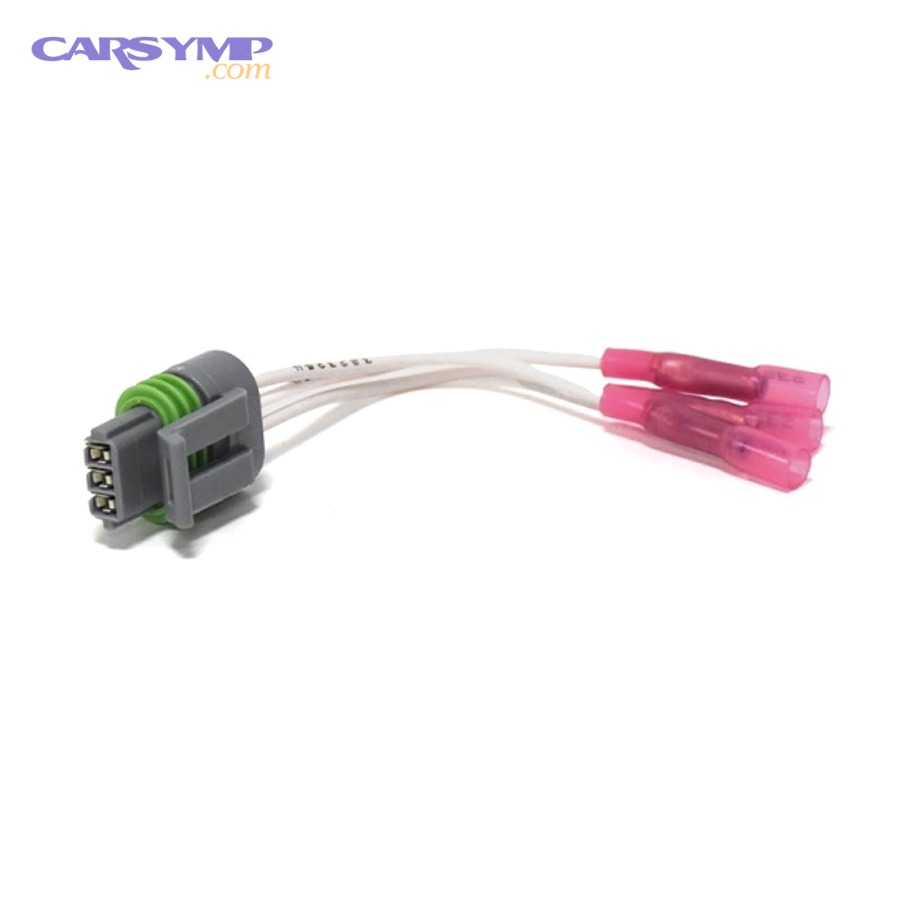
Should you repair the wiring if only one section is damaged?
Yes, you should usually repair the wiring if only one section is damaged, because localized faults can often be fixed cleanly, affordably, and reliably when the nearby harness remains healthy.
That answer is strongest when the conductor damage is confined to one area, the copper is still clean beyond the cut section, the connector body is sound, and the circuit does not sit inside a broader pattern of harness deterioration. In that situation, replacing the entire harness would often add unnecessary labor and cost.
A good repair also solves the cause, not just the symptom. If abrasion caused the failure, the harness must be re-routed or protected. If a ground failed from oxidation, the contact surface must be cleaned and secured. If a connector seal failed, the moisture path must be corrected. Without that root-cause work, even a technically correct repair may not last.
This is also where Repairing corroded connectors and grounds becomes essential. Mild corrosion at a connector or ground point does not always require full harness replacement. Many such faults can be corrected by cleaning the contact area, restoring terminal tension where appropriate, replacing damaged terminals or pigtails, and sealing the connection against future moisture.
Should you replace the harness if damage is widespread or recurring?
Yes, you should usually replace the harness if damage is widespread or recurring, because repeated faults signal reduced system integrity and make each new local repair less predictable and less economical.
Widespread damage changes the logic of the repair. Once multiple branches show brittle insulation, green corrosion, melted sections, rodent chewing, or previous splices, the harness stops behaving like a healthy system with one defect. Instead, it becomes a weak network where each repaired point may expose the next failure.
Recurring faults make the case even stronger. If warning lights, no-start conditions, charging problems, or intermittent module communication return after prior fixes, the owner should stop thinking only in terms of the latest symptom. At that stage, replacement often restores confidence, reduces future labor, and prevents repeated downtime.
In short, vehicle owners should repair when they can define the fault narrowly and correct it completely. They should replace when the harness condition itself has become the problem.
What special cases can make wiring repair or harness replacement more complicated?
The most complicated special cases involve connector pin damage, partial branch replacement, communication or safety-system circuits, and the choice between used, aftermarket, and OEM replacement harnesses.
Besides the main repair-versus-replacement decision, these edge cases deepen the subject because they often change what looks like a simple answer on the surface.
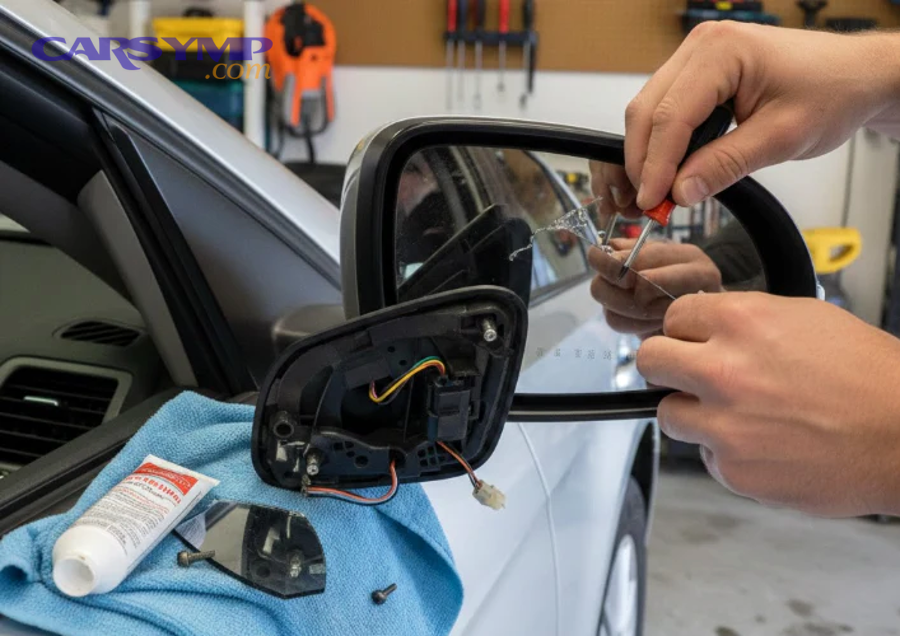
How does connector pin damage affect the choice between repair and replacement?
Connector pin damage can push the decision toward repair or replacement depending on whether the damage is limited to one terminal or has spread into the connector body, wire strands, seal area, or nearby branch circuits.
For example, one loose or slightly corroded terminal may be repairable with terminal replacement, pigtail service, or careful connector restoration. However, if the connector housing is heat-deformed, if several pins are burned, or if corrosion has migrated into the wire under the insulation, the problem is no longer just a terminal issue.
This is another place where Repairing corroded connectors and grounds matters. Corrosion does not only increase resistance. It also weakens terminal tension, creates heat, and causes intermittent connections that confuse diagnosis. A vehicle may show random sensor or module faults when the true cause is simply poor terminal contact.
Owners should remember that connector repair must be precise. Terminal fit, seal integrity, pin drag, and proper crimp geometry all matter. A sloppy connector repair can be worse than the original defect because it creates an unstable electrical joint that passes visual inspection but fails under vibration or heat.
Is a partial harness section replacement better than repairing individual wires?
Yes, a partial harness section replacement is often better than repairing individual wires when damage clusters within one branch, because it restores multiple vulnerable conductors at once without requiring a full vehicle-wide harness replacement.
This option sits between a small repair and a full replacement. For example, a door harness, engine sub-harness, injector branch, or rear lamp branch may be available as a separate section. Replacing that branch can be more durable than repairing five adjacent damaged wires one by one, especially when the whole section operates in a high-flex or high-heat environment.
The advantage is balance. Owners avoid the cost and complexity of replacing the entire harness, but they still remove a concentrated zone of wear or contamination. That is useful when rodent damage, hinge flex, heat exposure, or moisture has affected one branch heavily while the rest of the system remains healthy.
This middle path is often overlooked, yet it is one of the most practical answers in modern electrical repair.
Do communication, ABS, airbag, or ADAS circuits require stricter replacement decisions?
Yes, communication, ABS, airbag, and ADAS circuits often require stricter replacement decisions because these systems rely on precise signal integrity, stable resistance values, and predictable connector performance.
More specifically, communication lines such as CAN circuits depend on proper wiring geometry and electrical characteristics. A poor splice, incorrect repair length, or compromised shielding can create intermittent module communication faults that are difficult to diagnose. Airbag circuits are even more sensitive because resistance changes and connector issues may disable the system or trigger warnings. ABS and ADAS-related wiring also demand consistency because the systems use fast, low-error sensor communication to guide braking and driver-assistance logic.
For that reason, owners should not assume that all wires are equal. A repair that works well on a lighting circuit may not meet the reliability standard expected on a radar, yaw sensor, wheel speed sensor, or restraint-system branch. In these areas, replacement often becomes more attractive when uncertainty remains.
Should you choose a used, aftermarket, or OEM replacement harness?
OEM harnesses are best for fit and consistency, used harnesses are best for budget, and aftermarket harnesses are best only when their quality and application accuracy are clearly proven.
Meanwhile, each option carries trade-offs. OEM parts typically match factory routing, connector design, wire colors, and sealing standards. That reduces installation surprises and preserves system integrity. Their downside is cost and availability, especially on older vehicles.
Used harnesses can save money, but they bring uncertainty. A salvage harness may already have unseen corrosion, hidden flex fatigue, or prior repairs. It may also come from a vehicle with similar age-related weaknesses. Used parts can still make sense for older or lower-value vehicles, but only after careful inspection.
Aftermarket harnesses range from excellent to problematic. Some are designed well for restoration or specific sub-systems. Others fit poorly, omit details, or use lower-grade materials. Owners should treat aftermarket options cautiously unless the brand and application are well supported.
To sum up, the best replacement harness is the one that restores reliability without introducing new uncertainty. For most modern daily drivers, OEM remains the safest choice when available.