


If your car won’t start right after a new battery install, the fix is usually simple: a loose connection, reversed terminals, or a security/immobilizer lockout—not the new battery itself. The fastest way to troubleshoot is to match the symptom (no crank, clicks, crank-but-no-start, or dead dash) to a short checklist that verifies power delivery, ground integrity, and control-system enable signals.
Beyond that first pass, you’ll want to confirm whether the issue is a “power path” problem (battery → cables → starter) or a “permission” problem (immobilizer, neutral safety switch, clutch switch, brake switch). Next, it helps to isolate whether the vehicle is failing to crank or failing to fuel/spark after it cranks, because those two branches use different sensors and fuses.
In some modern cars, a battery change can also trigger module reboots, adaptive resets, or a need for battery registration, which can look like a no-start even when the battery is fine. Additionally, corroded terminals, overlooked ground straps, or damaged cable ends can “pass” a quick visual check but still drop voltage under load.
To begin, treat this as a structured test: verify battery state and connections, confirm the car’s cranking behavior, and then follow a symptom-based path. Giới thiệu ý mới: Below are the step-by-step checks that typically solve most after-replacement no-starts in minutes—before you spend money on parts you don’t need.
Is it normal for a car to not start after battery replacement?
Yes—a no-start after battery replacement can happen, most often due to (1) poor terminal contact, (2) a missed ground/loose cable, or (3) immobilizer/security behavior after power loss. However, once you verify correct polarity, tight connections, and stable voltage under load, the car should start normally; if it does not, the symptom type tells you what to test next.
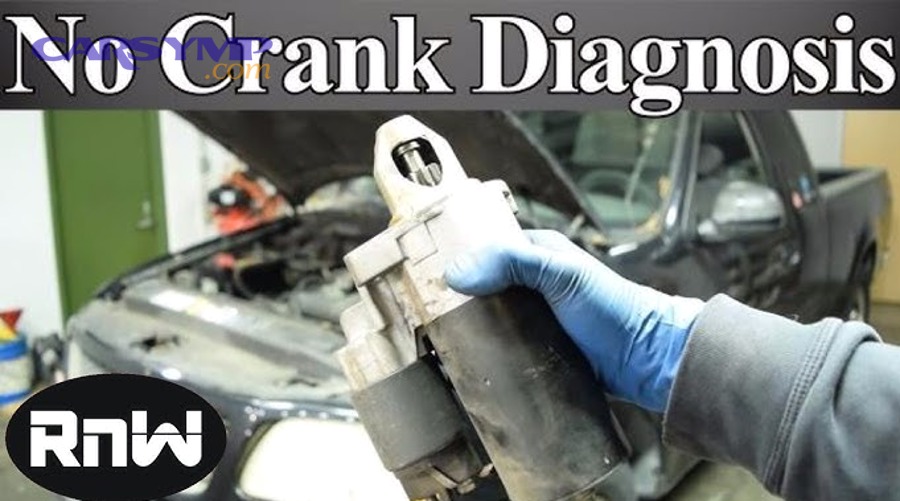
To connect this to the fastest fix, the key question is: does it crank? Because “no crank” points to power delivery or starter control, while “cranks but won’t start” points to fuel/spark/security enable. Next, do a quick visual + hand-check of both battery posts and cable clamps before anything else.
What are the most common “quick mistakes” right after battery replacement?
The most common quick mistakes are: loose clamps, corrosion between clamp and post, mixed-up polarity, and leaving a protective cap/insulator on the new battery’s post area. After that, a partially seated cable end or a loose engine ground strap can mimic a dead battery even when voltage reads fine.
Specifically, even a clamp that “looks tight” can slip if it is not seated low enough on the post taper. For many cars, the clamp must sit fully down on the post, then be tightened until it cannot rotate by hand. In addition, always check that the negative cable is tight at both ends: at the battery and where it bonds to the chassis/engine.
Which symptom group should you identify first?
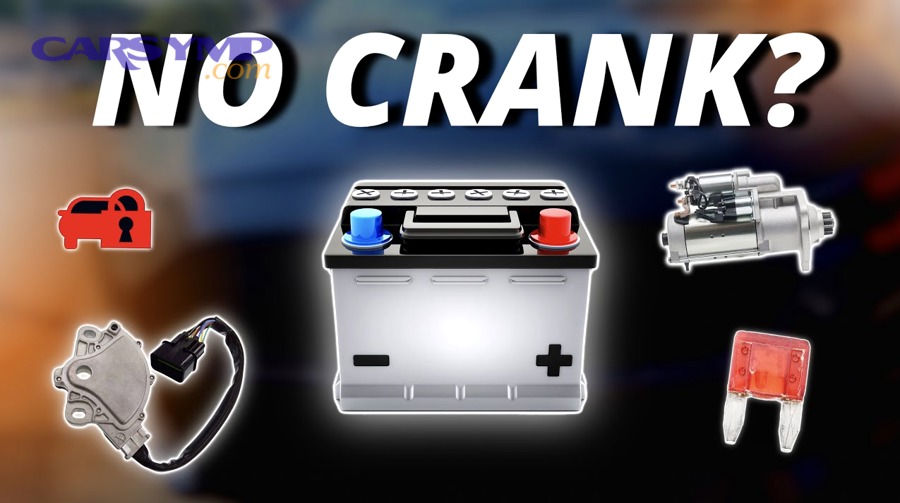
There are four main no-start symptom groups: A) dead dash/no lights, B) clicks/no crank, C) cranks but won’t start, and D) starts then stalls. To start, listen carefully and watch the cluster while turning the key or pressing Start.
A dead dash usually means power isn’t reaching the vehicle network (main fuse, loose terminal, or disconnected ground). Clicking/no crank often means voltage drop or starter relay/solenoid issues. Crank-but-no-start points toward fuel/spark enable, immobilizer, or a blown engine management fuse. Next, use the matching section below for your symptom.
How do you diagnose “dead dash” after a new battery install?
Use a 5-step power-path check to restore dash power: (1) verify battery voltage, (2) verify terminal contact, (3) verify main fuse/fusible link, (4) verify chassis/engine grounds, and (5) verify power distribution at the under-hood fuse box. Next, each step narrows the fault from “battery” to “vehicle power distribution.”
Step 1: Measure voltage at the battery posts (not the cable clamps). A healthy, fully charged 12V battery typically shows about 12.6V at rest; values near 12.0V suggest a low charge. Step 2: Measure again at the cable clamps; any significant difference suggests poor contact. Then, check whether tightening or reseating the clamps restores dash power immediately.
Step 3: Inspect the main fuse/fusible link. Many cars have a high-amp main fuse near the battery or integrated into a battery fuse block; if it blew during installation (for example, from accidental shorting), the entire car may appear dead. After that, confirm the negative ground connection to chassis and engine is secure and not corroded.
What’s the fastest way to spot a bad connection without tools?
Use the “hand twist” test: if you can rotate either clamp on the post by hand, it’s not tight enough, and the car can behave like it has no battery. Next, look for powdery residue (white/blue/green) that indicates corrosion preventing metal-to-metal contact.
Also check the cable end itself—some clamps crack or deform, so they tighten but still don’t clamp evenly. In that case, the fix may be cleaning, reshaping, or replacing the terminal end rather than replacing the battery.
Can a blown main fuse happen during battery replacement?
Yes—a blown main fuse or fusible link can happen if a tool bridges the positive terminal to ground, if polarity is briefly reversed, or if a loose positive lead arcs during installation. After that, the vehicle may show a dead dash, no dome lights, and no response to key fob or Start button.
Because these are high-current circuits, do not bypass with wire or an incorrect fuse. Use the correct rating and type. Next, if the replacement fuse blows again immediately, stop and inspect for an accidental short at the battery fuse block, starter cable, or alternator charge cable.
What should you do if you hear clicks but the engine won’t crank?
Use a 6-step voltage-drop approach: (1) confirm battery charge, (2) clean/tighten terminals, (3) check ground strap, (4) check positive cable to starter, (5) listen for starter relay engagement, and (6) verify cranking voltage doesn’t collapse. Next, this method separates a weak supply from a starter control problem.
First, confirm the battery isn’t undercharged from storage: new batteries can sit on shelves. If the voltage is low, charging can restore cranking. Then, focus on the “hidden” culprit: voltage drop under load. A corroded terminal can show 12.6V at rest yet drop dramatically when the starter draws hundreds of amps.
Try this safe test: turn headlights on, then attempt to crank. If the lights go very dim or cut out, suspect a weak battery or bad connection; if lights stay bright but starter doesn’t turn, suspect starter relay/solenoid or a control interlock. After that, check whether the vehicle is in Park/Neutral (or clutch depressed fully) and that brake switch input is recognized on push-button cars.
How do corroded terminals cause a “click-no-crank” even with a new battery?
Corrosion acts like a resistor between the battery and the starter, so voltage may look normal until high current demand reveals the bottleneck. Next, the starter solenoid may click (it needs less current), but the motor won’t spin because the available voltage collapses under load.
This is why Battery terminal cleaning and anti-corrosion tips matter even after battery replacement. Clean both the post and the inside of the clamp to shiny metal, rinse away residue, dry, then assemble tightly. After that, apply a thin protective layer (proper terminal protectant) to slow future corrosion.
What if it cranks slowly like the battery is weak?
Slow cranking is usually (1) low battery charge, (2) high resistance at terminals/cables, or (3) starter motor wear. Then, the most efficient step is to measure battery voltage while cranking; if it drops excessively, suspect supply issues.
Even without a meter, if a jump pack dramatically improves cranking, the battery may be undercharged or the charging system may be compromised. Next, if the battery is new but repeatedly low, consider alternator output and parasitic draw testing once the car starts again.
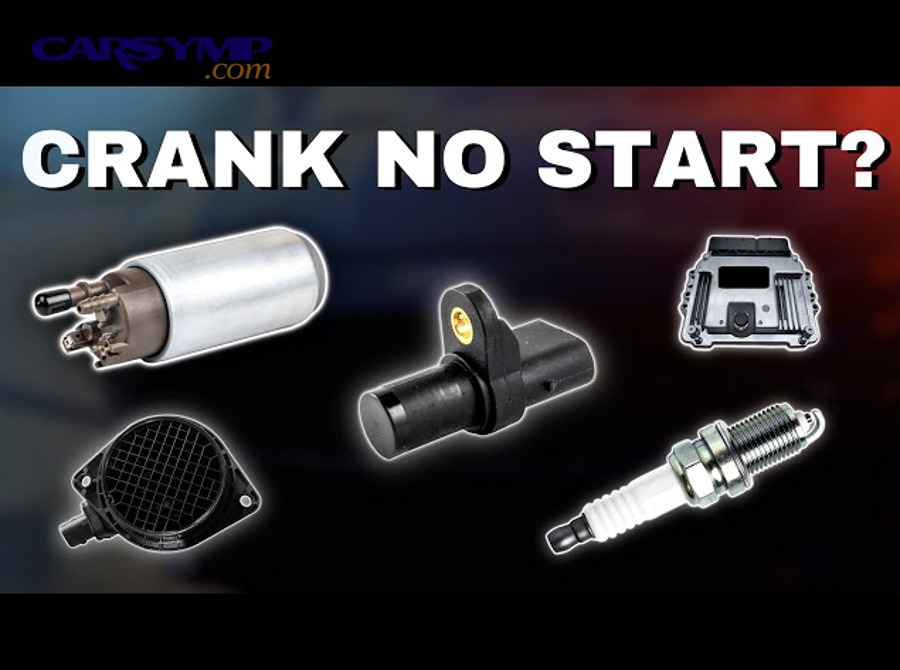
Why does the engine crank but not start after replacing the battery?
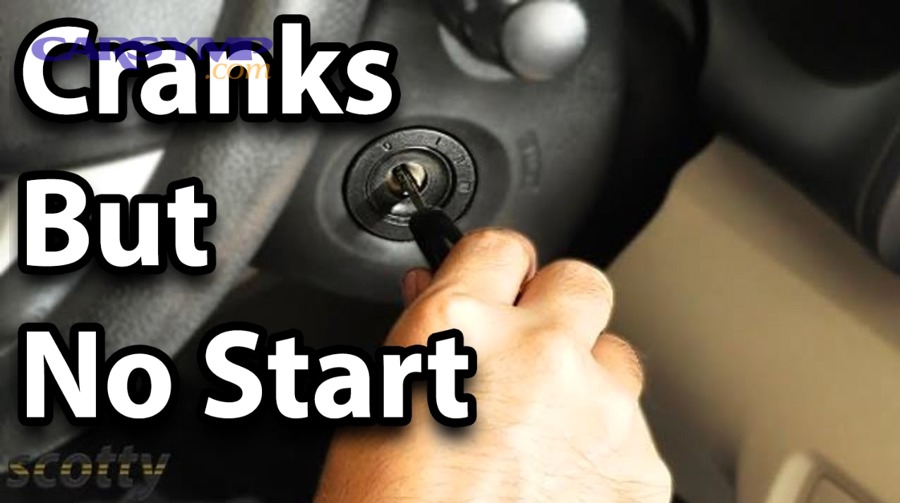
Crank-but-no-start after battery replacement typically happens because (1) security/immobilizer blocks fuel or spark, (2) an engine-management fuse was blown during installation, or (3) a connector/sensor issue appeared coincidentally. Next, the quickest path is to check for security indicators, scan for codes if possible, and confirm critical fuses.
Start with the dash: many cars show a security light or key symbol if immobilizer authorization fails. If the key fob battery is weak or the fob isn’t recognized after a power reset, the car may crank but inhibit starting. Then, try the spare key/fob, replace the fob battery, and ensure you’re following the correct start procedure (brake pedal fully pressed on push-button cars).
Next, check fuses labeled ECM/ECU/EFI/IGN/FUEL PUMP in the under-hood and interior fuse panels. A brief short during installation can pop a small control fuse even if the main fuse survives. After that, listen for fuel pump priming (a short whir) when turning key to ON; no sound can indicate a blown fuel pump fuse/relay or immobilizer block.
Can the immobilizer or security system block starting after power loss?
Yes—immobilizer systems can block starting if the key is not authenticated, if the steering lock is engaged, or if the car’s modules are out of sync after voltage interruption. Next, look for a flashing security light, “Key Not Detected,” or “Immobilizer Active” messages.
Try these practical actions: lock/unlock with the fob, hold the fob near the start button (many cars have a backup transponder reader), and attempt a start with a second key. After that, if the immobilizer remains active, a scan tool that reads immobilizer status can save hours of guesswork.
Which fuses are “high priority” for crank-but-no-start?
High-priority fuses include ECM/ECU power, IGN/coil/injector feed, fuel pump, and sometimes “ETCS” or “EFI” depending on brand. Then, verify both the under-hood and interior panels because some cars split engine-control power across multiple locations.
If you find a blown fuse, replace it with the correct amperage. Next, if it blows again immediately, stop and inspect for a pinched wire near the battery tray, fuse box, or aftermarket accessories connected to the battery.
What if the car starts and then stalls right after battery replacement?
Start-then-stall after battery replacement is often caused by throttle body/idle relearn needs, battery voltage instability, or security authorization dropping after initial crank. Next, you can usually distinguish an idle relearn issue by the way the engine dies: it will run briefly, then fade and stall at low RPM.
For many vehicles, the idle control strategy adapts over time; a battery disconnect can reset learned values. Then, a simple relearn procedure (varies by manufacturer) can restore stable idle—often involving letting the engine idle in Park/Neutral with accessories off for several minutes after a warm-up cycle.
However, if the stall happens instantly and repeatedly with a security light flashing, suspect immobilizer. After that, if the engine stumbles as electrical loads change (fans, lights), re-check terminal tightness and grounds; unstable voltage can confuse modules during the first minutes of operation.
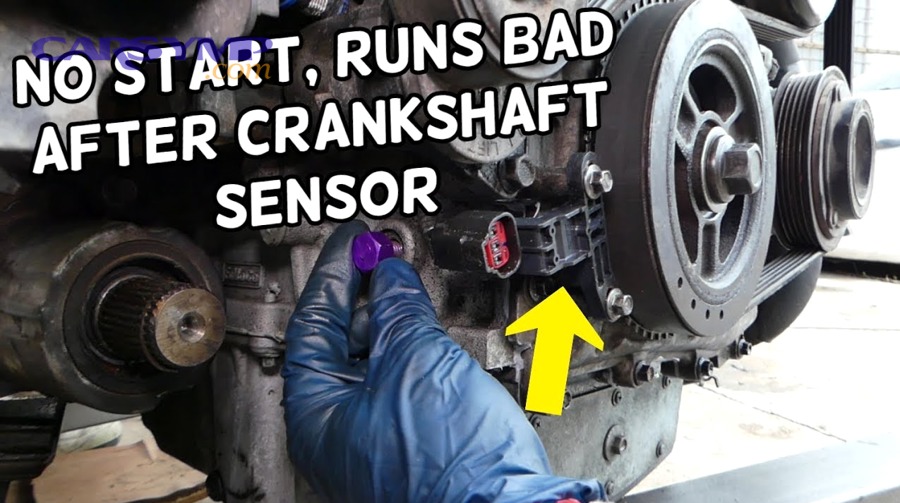
Does throttle body/idle relearn matter on modern cars?
Yes—on many modern cars, idle speed and throttle adaptation are learned values, and a battery reset can temporarily destabilize idle. Next, if the engine runs fine with slight throttle but stalls when you release the pedal, that pattern strongly suggests an idle relearn requirement.
Because procedures vary, consult your owner’s manual or service information for your exact model. After that, if relearn does not help and a check-engine light appears, scan codes for throttle/idle control or air leaks.
How do you confirm the new battery is actually good and properly charged?
Confirm in 4 checks: (1) verify date code and correct spec (group size/CCA), (2) measure resting voltage, (3) test voltage during crank, and (4) confirm charging voltage after start. Next, these checks prevent chasing wiring issues when the battery is undercharged or mismatched.
Even a “new” battery can be partially discharged from shelf time. If resting voltage is low, a full charge is recommended before concluding it’s faulty. Then, watch voltage during cranking—large drops indicate supply weakness, poor connection, or high starter load.
Once running, charging voltage is often around the mid-13s to mid-14s depending on vehicle strategy; some smart-charging systems vary output. After that, if voltage stays near battery resting voltage while running, suspect alternator/charging problems.
How do you avoid misdiagnosis caused by testing on the clamps instead of the posts?
Always test on the lead posts first, because a bad connection can make the clamp read differently than the battery itself. Next, comparing “post voltage” vs “clamp voltage” quickly reveals whether the battery is fine but the connection is not.
This simple habit also helps verify your cleaning work: after cleaning and tightening, post and clamp readings should match closely. After that, re-check after a few starts because some clamps settle slightly.
What are the key battery cable and ground checks after replacement?
Check 5 points: (1) clamp-to-post seating, (2) cable end integrity, (3) chassis ground point, (4) engine ground strap, and (5) positive cable routing to the starter and fuse block. Next, these are the “meronymy” parts of the starting circuit that most often fail quietly.
Look for swollen insulation near the cable end, cracked clamp metal, or a cable that feels stiff and brittle. Corrosion can hide under insulation where the conductor meets the clamp, causing severe voltage drop. Then, check the ground points for paint, rust, or looseness; ground bolts must bite into clean metal.
Also inspect the battery tray area: during battery replacement, it’s common to disturb nearby harnesses, fuse box connectors, or sensor plugs. After that, ensure nothing is pinched under the battery or bracket, especially the positive lead to the fuse block.
How do you clean terminals correctly to prevent repeat no-starts?
Clean terminals in 6 steps: disconnect negative then positive, neutralize residue, brush to shiny metal, rinse and dry, reassemble positive then negative, and protect the joint. Next, doing this well reduces voltage drop and prevents intermittent starting issues.
Use a proper battery terminal brush for the inside of the clamp and the post. Avoid over-applying grease before clamping because it can insulate; protect after you achieve solid metal contact. After that, periodically inspect for early corrosion and retighten if needed.
Why do hidden ground issues show up right after a battery change?
Because the battery change disturbs the circuit: moving cables and brackets can shift a marginal ground into failure, or your new battery’s higher available current reveals weak links by increasing load demand. Next, if the symptom appeared immediately after the job, suspect something that was touched—grounds and terminals first.
That said, some failures are coincidental timing. After that, use consistent testing rather than assumption: verify power path, then permissions, then fuel/spark.
Do some cars require battery registration or reset after replacement?
Yes—some modern vehicles, especially those with smart charging systems, may require battery registration/coding so the vehicle correctly manages charging and battery aging. Next, while lack of registration doesn’t always cause an immediate no-start, it can contribute to charging errors, warning lights, or unstable behavior that complicates diagnosis.
If your car shows battery/charging warnings or unusual electrical behavior after replacement, check whether your make/model uses battery monitoring (IBS/BMS). Then, a scan tool or dealer-level equipment may be needed to register the new battery type, capacity, and technology (AGM vs flooded).
However, do not jump to registration as the first cause of a no-start. After that, confirm basic mechanical/electrical assembly: tight terminals, correct polarity, and intact fuses.

What signs suggest a “module reset” issue rather than a wiring problem?
Module reset issues often present as multiple warning lights, erratic cluster behavior, or “key not detected” messages even with correct battery voltage. Next, if the dash is alive but the car refuses to start with security-related messages, focus on key/fob recognition and immobilizer status.
Try a full power cycle: shut vehicle off, lock it, wait several minutes for modules to sleep, then retry with the fob close to the start button. After that, if the problem persists, scanning for body/immobilizer codes is the most efficient step.
How do you safely troubleshoot without damaging electronics?
Troubleshoot safely by following 7 rules: keep tools insulated, never bridge positive to ground, disconnect negative first, avoid reverse polarity, use correct fuses, support memory if needed (by approved methods), and avoid unnecessary jump-start “sparking.” Next, this prevents blown fuses, module damage, and battery hazards.
When reconnecting, connect positive first and negative last to reduce accidental grounding risk. If you must check for parasitic draw or do fuse testing, use correct meter settings and avoid pulling high-current fuses without guidance. After that, if you smell sulfur/rotten egg, see swelling, or feel heat at the battery, stop and ventilate—battery safety comes first.
What should you never do when the car won’t start after battery replacement?
Never (1) bypass fuses with wire/foil, (2) repeatedly crank for long periods, or (3) ignore signs of overheating or venting. Then, repeated high-current attempts can overheat cables, damage the starter, and worsen a marginal connection into a melted terminal.
Instead, pause, check connections and fuses, and use a structured test. After that, if you need help, provide the exact symptom and what you measured—this makes diagnosis accurate and fast.
What is the most efficient symptom-to-cause checklist?
Use this 4-branch checklist: A) dead dash → terminal/main fuse/ground, B) clicks/no crank → voltage drop/relay/control interlock, C) cranks/no start → security/fuses/fuel-spark, D) starts/stalls → idle relearn/security/voltage stability. Next, this grouping prevents random part replacement.
Below is a compact table that maps each symptom to the most likely causes and first checks, so you can troubleshoot in the right order and avoid missing the simple fix.
| Symptom | Most likely causes | First checks (fast) |
|---|---|---|
| Dead dash / no lights | Loose terminal, reversed polarity event, blown main fuse/fusible link, disconnected ground | Hand-twist clamps; check main fuse block near battery; verify ground points |
| Single click / rapid clicks | Voltage drop at terminals, weak charge, bad cable end, starter relay/solenoid | Clean/tighten; headlight crank test; inspect cable ends and grounds |
| Cranks but won’t start | Immobilizer/key not recognized, blown ECM/EFI fuse, fuel pump inhibit | Watch security light; try spare key; check ECM/EFI/fuel pump fuses and relays |
| Starts then stalls | Idle/throttle relearn, security dropout, unstable voltage from poor connection | Idle relearn procedure; re-check terminals/grounds; scan for codes if available |
Where is the “contextual border” between basic fixes and deeper diagnostics?
The border is reached once you have verified tight/clean terminals, correct polarity, intact main and engine-control fuses, and stable cranking behavior—yet the car still won’t start. Next, that’s when you shift from “after-battery-install basics” into deeper, model-specific diagnostics like immobilizer data, starter command signals, fuel pressure, and sensor readings.
This matters because basic fixes solve the majority of after-replacement no-starts quickly, while deeper diagnostics require either a scan tool, wiring diagrams, or professional testing. After that, the supplementary section below covers the less common but high-impact scenarios people often miss.
Supplementary: What rare or overlooked issues mimic no-start after battery replacement?
There are four overlooked scenarios: (1) battery post adapters or mismatched terminals, (2) damaged cable under insulation, (3) battery monitoring sensor (BMS/IBS) issues, and (4) improper handling of old battery disposal causing rushed installation mistakes. Next, these are less common than loose terminals—but they matter when basics check out.
Can terminal size mismatch or adapters cause intermittent no-starts?
Yes—if the battery posts are a different size or you’re using adapters, clamps may tighten but not contact evenly, causing intermittent power loss under vibration. Then, re-check that the terminal type matches your vehicle (top post vs side post, correct taper), and that any adapter is designed for automotive current loads.
This is a subtle “synonym trap”: a battery can be “compatible” on paper but not mechanically secure without the right terminal interface. After that, replace mismatched hardware rather than over-tightening and cracking the clamp.

How do you detect corrosion hidden under cable insulation?
Hidden corrosion often shows as swollen insulation, stiff cable near the terminal, or green/blue staining creeping under the jacket. Next, the cable may pass visual inspection but fail under starter load because the conductor strands are compromised.
If you suspect this, measure voltage drop from battery post to starter terminal while cranking (or have a shop test). After that, replacing the affected cable section is usually the permanent fix.
Can a battery monitoring sensor (BMS/IBS) fault cause a no-start?
Sometimes—a faulty battery current sensor or its connector can cause charging control errors, warnings, or unusual electrical behavior; in rare cases, it may contribute to start authorization issues or low-voltage events. Next, if your car has a sensor on the negative cable, ensure it wasn’t damaged or left disconnected during replacement.
Because these systems are model-specific, scanning for charging/BMS fault codes can clarify quickly. After that, address any wiring or connector faults before replacing expensive modules.

How should old batteries be handled so you don’t rush the installation?
Old car batteries should be recycled through authorized collection points (auto parts stores, service shops, municipal hazardous waste programs), because lead-acid batteries contain lead and acid. Next, planning Recycling and disposal of old batteries ahead of time reduces the chance you rush the install and miss a clamp, fuse, or ground strap.
Keep the old battery upright, avoid tipping acid, and transport it in a stable container. After that, wipe any residue from the battery tray and inspect surrounding wiring before installing the new unit.
FAQ: After replacement no-start troubleshooting
Should I disconnect the battery again to “reset” the car if it won’t start?
Sometimes, but not as the first step—disconnecting again won’t fix a loose clamp, a blown fuse, or a missed ground, and it can reset modules repeatedly. Next, only do a controlled reset after verifying tight terminals and fuses, and after waiting for modules to sleep if needed.
If you do disconnect, remove the negative first and reconnect it last. After that, retry with the key/fob close to the start button to help authentication.
Do I need a jump start if the battery is brand new?
Not usually, but it can help if the new battery is undercharged or if there’s high resistance in the circuit that a booster temporarily overcomes. Then, if a jump pack makes it start instantly, focus on charging state and connection quality rather than assuming the starter is bad.
Once running, confirm the charging system is replenishing the battery. After that, if the battery repeatedly goes low, check for charging faults or parasitic draw.
What if everything looks fine but the car still won’t crank?
It can still be a control interlock (neutral safety, clutch switch, brake switch), a starter relay issue, or a poor ground that only fails under load. Next, try starting in Neutral, ensure the brake lights work (brake switch), and listen for relay clicks from the fuse/relay box.
If a relay clicks but no crank occurs, voltage-drop testing and starter command testing are the next logical steps. After that, a scan tool can confirm whether the vehicle is requesting a start and why it may be denied.
Could I have damaged something during battery replacement?
Yes, but the most common “damage” is a blown fuse from accidental shorting, not a destroyed module. Then, checking the main fuse and critical engine-control fuses is the fastest way to rule this out.
If a tool bridged positive to ground, inspect the battery fuse block and charge cable connections. After that, if multiple fuses blew, have a professional inspect for shorts before replacing more fuses.
When should I stop and take the car to a shop?
Stop and seek help if you have (1) repeated fuse blowing, (2) overheating cables or burning smell, or (3) immobilizer warnings you can’t clear with a spare key. Next, these situations often require circuit tracing, scan-tool immobilizer data, or safe high-current testing.
Tóm lại, a structured symptom-based checklist solves most after-replacement no-starts quickly, and it keeps you from replacing good parts. After that, deeper diagnostics become efficient because you’ve already confirmed the fundamentals.