


A practical cost estimate for a car battery job is not just “the battery price.” It’s the total out-the-door number: battery type + any fees + labor (if you’re not doing it yourself) + the small extras that quietly inflate the bill.
Besides that headline total, most drivers also want a second number: the “fair range” for their vehicle—so they can spot an overpriced quote quickly and choose a better option without guessing.
And there’s a third, often-missed angle: cost per year. A cheaper battery that dies early can cost more over time than a mid-priced one that lasts longer in your climate and driving routine.
To connect those ideas, “Giới thiệu ý mới”: below is a step-by-step way to estimate your real-world battery bill (and reduce it) while avoiding the common traps that turn a simple job into a surprisingly expensive one.
What does a realistic cost estimate include?
A realistic estimate includes parts, labor (if any), and add-on fees—because those three buckets explain almost every price you’ll see. After that, you’ll understand why two drivers can both say “battery cost me $200,” yet one actually paid $200 and the other paid $320.
To start, think of a battery job as a package: the battery itself + the way it’s installed + the paperwork/fees around it. Next, you can assign a range to each part and combine them.
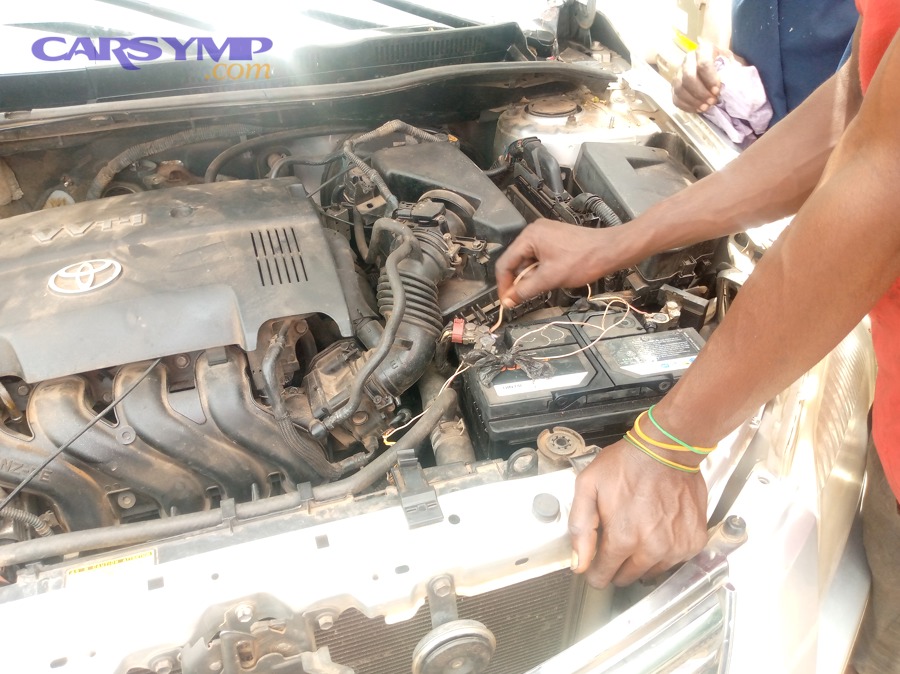
Here’s the anchor range many people use as a baseline: Kelley Blue Book notes that replacement battery prices can range from about $45 to $250 depending on power, size, and quality.
However, that’s only the battery price range in a broad sense—not necessarily the final invoice. So the next sections break down what changes the final total in predictable ways.
How much does the battery itself usually cost?
The battery itself usually costs the largest single share of the total, and it varies mainly by battery type (flooded vs AGM), group size, and brand/warranty tier.
To make this concrete, Batteries Plus estimates that a standard flooded car battery can cost around $185–$300, while a premium AGM type can run about $250–$400 depending on vehicle make/model.
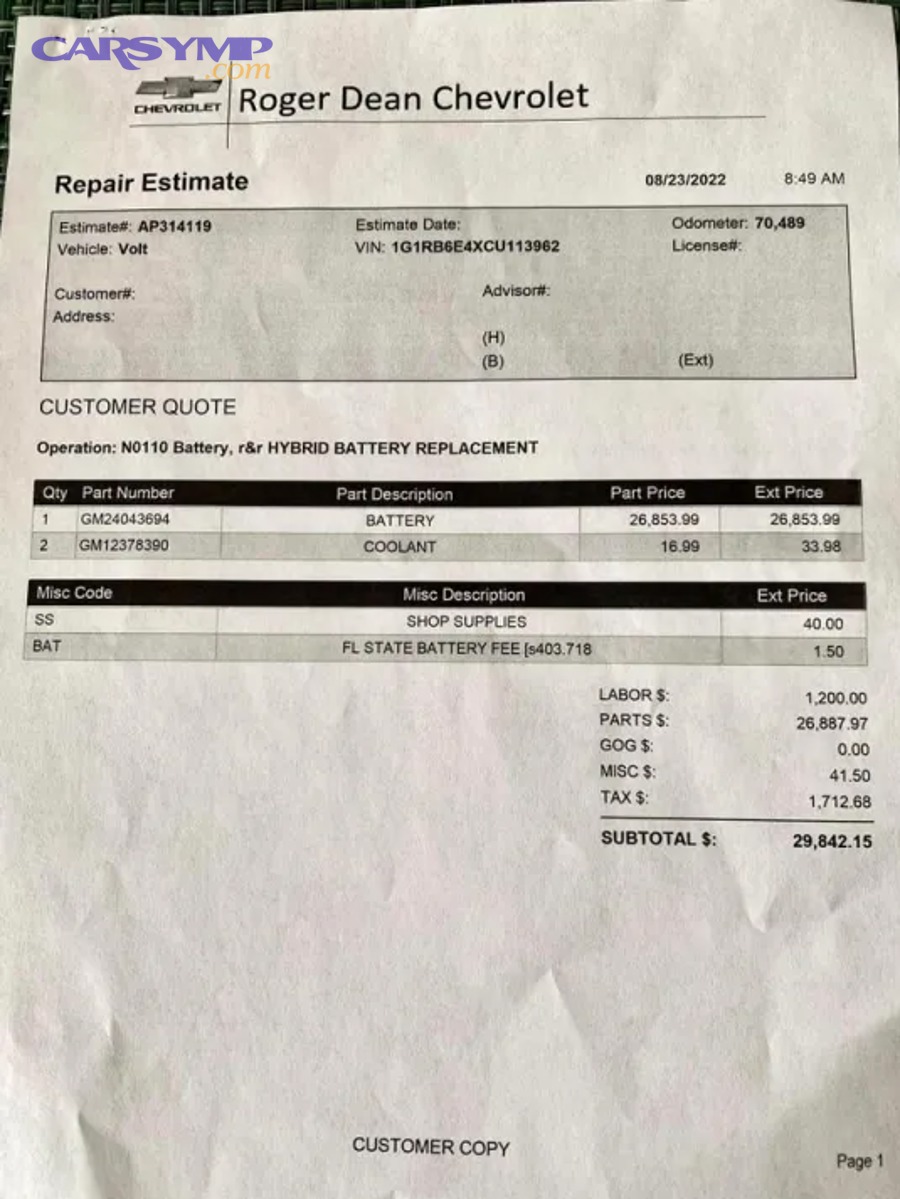
Flooded lead-acid vs AGM: how the chemistry changes the bill
Flooded lead-acid batteries are the most common and tend to be cheaper up front. AGM (absorbent glass mat) batteries are typically pricier because they’re built differently and often targeted at higher electrical loads or start-stop systems.
To illustrate the premium, Consumer Reports’ buying guide notes that AGMs can cost 40% to 100% more than highly rated conventional batteries.
After that, your “right” choice depends on what the vehicle needs—because using a cheaper flooded battery in a car designed for AGM can create performance issues and shorten life.
Price tiers: budget, mid-range, premium
Within the same battery type, price tiers usually reflect warranty length, cold-cranking performance, and brand positioning. Next, match the tier to how you use the car: frequent short trips, extreme heat/cold, or heavy accessory loads may justify a better tier.
Why the “right group size” can change cost quickly
Group size is the standardized physical size/terminal layout. If your vehicle takes a common group size, you’ll find more competitive pricing. If it needs a less common size—or has a battery located in a harder spot—your estimate should include extra cost and possibly extra labor.
A quick “battery-only” sanity check using real testing averages
Consumer Reports states that the average price in its latest car battery ratings is $187, with one model costing more than $362.
That doesn’t mean you should always pay $187—but it’s a strong reality check: if you’re quoted far above this without a clear reason (AGM requirement, special size, premium warranty, hard-to-access location), the quote deserves a second look.
How much can labor and installation add?
Labor and installation can add anywhere from $0 (DIY) to a noticeable chunk of the total, especially when the battery is hard to access or requires extra steps after installation.
To anchor what “installed” can look like, AAA’s mobile service page lists installed prices for non-AGM batteries starting around $199.99 (and a higher price tier is also shown).
DIY vs shop vs mobile service
DIY can be the cheapest route, but your estimate must still include tools/supplies and any refundable core deposit you might not get back if you don’t return the old unit.
Shop installation often includes a quick test of the starting/charging system and a warranty process that’s easier later. Next, shops may charge labor especially if the battery is not in the engine bay.
Mobile installation trades a slightly higher installed price for convenience—particularly useful when you’re stranded or short on time.
Hard-access batteries: trunk, under-seat, wheel well
If the battery sits in the trunk or under a seat, labor can increase because trims, vents, brackets, or additional covers must be removed and reinstalled carefully.
In those cases, you’re not just paying for minutes—you’re paying for reduced risk: damaged trim clips, improper vent routing, or incorrect terminal tightening can cause repeat issues.
After-install steps that add time
Some modern cars may require system initialization steps after installation, especially if the vehicle monitors battery condition or charging strategy. Next, that additional process can add labor time and increase the estimate.
When you see the phrase battery replacement on an invoice, ask whether it includes those steps—or whether they are billed separately.
Which factors push the estimate up or down?
The estimate moves up or down based on vehicle requirements, climate, convenience, and hidden condition issues. Once you know these levers, you can predict the bill before you call anyone.
As a lifespan baseline, AAA notes that the average car battery lasts 3 to 5 years, and that climate and driving habits matter.
Battery type requirements (especially AGM or start-stop systems)
If your vehicle requires AGM, the estimate should be higher, and that’s normal. Next, if the car uses start-stop, the battery choice and charging strategy are more sensitive—so “cheap but fits” is a risky approach.
Climate and usage patterns
In hot climates, batteries often age faster. In cold climates, a battery may last longer, but it needs strong cold-cranking performance. Next, if you do frequent short trips, the battery may spend more time undercharged, which shortens life and increases long-term cost per year.
Corrosion and cable/terminal condition
Corrosion can turn a simple swap into a more expensive service because terminals may need cleaning, clamps may need replacement, or cables may be damaged. Next, that extra work shows up as labor or parts you didn’t plan for—so it’s smart to budget a small “condition buffer.”
Where you buy and where you live
Pricing varies by region, retailer, and service model. Next, use a local price quote tool or call multiple providers to compare “installed total,” not just “battery price,” because the packaging differs.
How can you estimate your total cost in 5 minutes?
You can estimate your total in 5 minutes by using a simple formula: Battery price + install/labor + fees + contingency. Once you fill those four slots, you’ll have a confident range instead of a guess.
To ground the battery-price slot, KBB lists a broad battery price range of about $45–$250, depending on size and quality.
Step 1: Identify your battery type and group size
Check the current battery label (type and group size) or the owner’s manual. Next, confirm whether your vehicle calls for AGM; if it does, don’t estimate using flooded prices.
Step 2: Decide the installation route (DIY, shop, or mobile)
Choose based on convenience and risk tolerance. If you’re stranded or lack tools, mobile service can be worth it. AAA’s mobile pricing page shows installed non-AGM options starting around $199.99, which is a useful installed baseline.
Step 3: Add known fees and a small “condition buffer”
Common fees include disposal/recycling fees, shop supplies, and sometimes diagnostics. Next, add a small buffer (for example, minor corrosion cleanup or replacement hardware) so your estimate doesn’t collapse when the terminals look worse than expected.
Step 4: Compare the final estimate against typical tested pricing
Consumer Reports reports an average battery price of $187 in its ratings, with some models above $362.That helps you judge whether your battery-only line item is in a believable range for the tier you’re choosing.
Below is a quick estimator table showing how the total can change by scenario; it helps you map your situation to a realistic range.
| Scenario | Battery Type | Install Route | Typical Cost Drivers | Ballpark Range |
|---|---|---|---|---|
| Budget DIY swap | Flooded | DIY | Battery price + basic supplies + refundable core handling | $120–$250 |
| Mid-range installed | Flooded | Local shop | Battery + labor + small fees | $180–$350 |
| Premium required type | AGM | Shop or mobile | AGM premium + labor + testing | $250–$500 |
| Convenience-first installed | Non-AGM (example) | Mobile service | Installed price includes travel/service model | $199.99+ (varies) |
When does paying more make sense and when is it wasteful?
Paying more makes sense when it buys compatibility, durability in your climate, and fewer failures. It’s wasteful when you’re buying marketing features that don’t match your real usage—or when the vehicle doesn’t need the premium type.
To quantify one common “pay more” trigger, Consumer Reports notes that AGMs can cost 40% to 100% more than conventional batteries, which is meaningful enough that you should only pay it when your car or driving pattern benefits.
Price vs savings: choose the lowest cost-per-year, not the lowest sticker
A cheaper battery can be a good deal if it still meets the required specs and survives your conditions. Next, the moment it fails early, your “savings” vanish because you pay twice (and you lose time).
That’s why your estimate should include expected life. AAA’s guidance puts typical life around 3–5 years, depending on conditions.
Warranty value: what you should actually pay for
Longer warranties can be valuable, but only if claims are easy and pro-rating is clear. Next, compare warranty terms across sellers—not just the months listed on the label.
Convenience premiums that are worth it (sometimes)
If you’re stranded, the best “deal” is the one that gets you moving safely and prevents repeat no-start events. Next, mobile service pricing may look higher than DIY, but it can be cheaper than towing + shop delays.
What hidden fees and add-ons should you watch for?
Hidden fees often come from core deposits, disposal, corrosion parts, and diagnostics. Once you recognize them, you can ask a single question—“Is this the installed total, including fees?”—and prevent surprises.
Some retailers note that fees may apply for recycling, environmental disposal, and/or labor/installation.
Core deposits and refunds
Many sellers charge a refundable core deposit to ensure the old unit is returned for recycling. Next, your real cost estimate should assume you will get that refund—only if you return the old battery.
Terminal cleaning, clamp replacement, and cable issues
Corroded clamps or weak cables can mimic a bad battery. Next, a good installer will inspect these points and quote the extra work before doing it.
Testing and diagnostics charges
A quick charging-system test can save money by preventing a repeat failure caused by an alternator or parasitic draw. Next, ask whether testing is included or itemized on the invoice.
Registration and reset steps
Some vehicles track battery age/state of charge, and after installation they may need system steps to keep charging behavior correct. Next, include a small allowance for this in your estimate if your vehicle is known for it.
If you’re building content around Battery replacement steps and safety, it’s smart to mention that the safer the process, the lower the risk of expensive mistakes that inflate the final bill.
How do you lower the long-term cost per year?
You lower long-term cost per year by buying the correct battery type, avoiding chronic undercharging, and extending battery life through simple checks—because the cheapest battery is the one you don’t have to buy twice.
AAA explains that batteries typically last about three to five years, and that climate and driving conditions influence lifespan.
Use “life expectancy” to convert price into cost-per-year
Take your installed total and divide by expected years. Next, compare options on cost-per-year, not sticker price. This is where a mid-priced, correct-spec battery often beats a “cheap” battery that fails early.
If your article ecosystem includes How long a car battery should last, connect it directly to budgeting: lifespan is the bridge between price and value.
Reduce undercharging: short trips and accessory load
Frequent short trips can keep the battery from fully recharging. Next, reducing accessory load while idling, driving occasionally for longer periods, or using a maintainer (when appropriate) can help.
Keep terminals clean to prevent false “bad battery” diagnoses
Corrosion increases resistance and can create slow cranking or no-start symptoms. Next, keeping terminals clean helps you avoid paying for a battery when the real issue is a poor connection.
Test before you buy
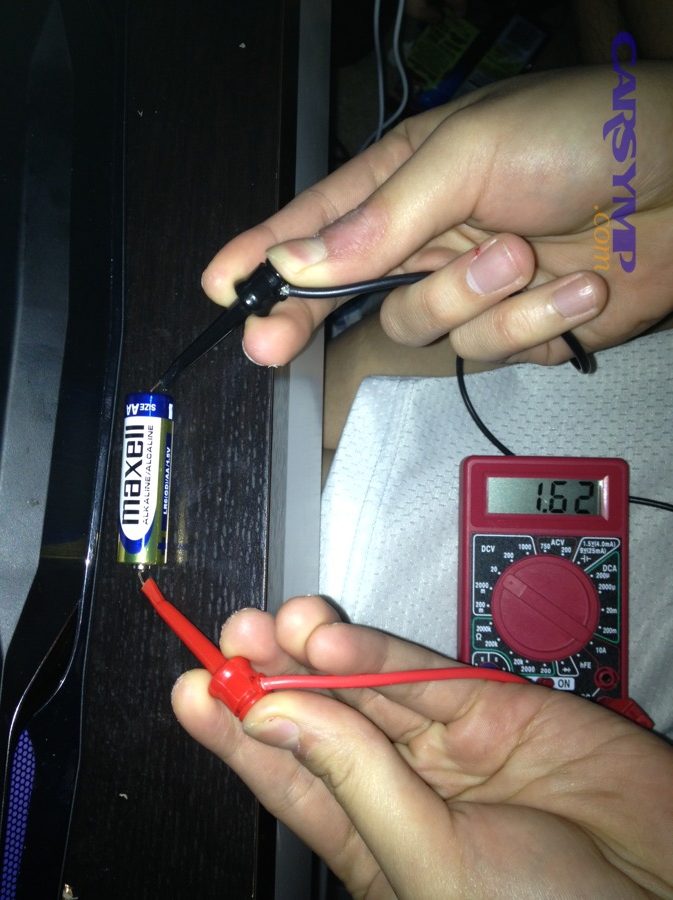
A simple test can tell you whether the battery is truly weak or whether charging is the root cause. Next, testing helps you avoid spending money on the wrong fix and improves the accuracy of your estimate.
What happens to the old battery and why recycling affects your bill?
Old lead-acid batteries are highly recyclable, and the recycling system is exactly why core deposits exist—because returning the old unit can reduce waste and often protects you from extra disposal charges.
Recycling centers can recover more than 98% of the lead and plastic in a lead-acid battery, according to an EnerSys battery recycling information sheet.

Core deposits: the “hidden discount” you only get if you return it
A core deposit is effectively a refundable hold. Next, make sure your cost estimate counts the refund if you return the old battery—otherwise you’ll overestimate your true final cost.
Why recycling rates matter for budgeting
Lead-acid batteries have one of the strongest recycling loops among consumer products. Battery Council International reported a 99% recycling rate for lead batteries in the U.S. based on a recycling rate study announcement.
Safe handling prevents “accidental costs”
Improper handling can cause spills, corrosion damage, or electrical shorts. Next, safe removal and transport protect you from paying for additional repairs that have nothing to do with the battery itself.
Where to return it
Most retailers that sell automotive batteries accept old units. Next, if you used mobile service or a shop, confirm whether the old battery is taken away and whether that is included in the installed price.
The required evidence format: Theo nghiên cứu của AAA từ bộ phận Auto Repair, vào 05/2025, tuổi thọ trung bình của ắc-quy xe hơi thường nằm trong khoảng 3–5 năm tùy điều kiện vận hành và khí hậu.
The required evidence format: Theo nghiên cứu của Consumer Reports từ nhóm Car Batteries, vào 10/2025, giá trung bình trong bảng xếp hạng pin/ắc-quy xe hơi của họ là 187 USD và có mẫu vượt 362 USD.
The required evidence format: Theo nghiên cứu của EnerSys từ bộ phận Battery Recycling Program, vào 2018, các trung tâm tái chế có thể thu hồi hơn 98% chì và nhựa trong một ắc-quy chì-axit.
The required evidence format: Theo nghiên cứu của Battery Council International từ National Recycling Rate Study, vào 07/2023, ngành pin chì tại Mỹ được báo cáo duy trì tỷ lệ tái chế 99%.
FAQ
Is $45–$250 a real battery price range?
Yes, that broad range is commonly cited as a general battery price span depending on size and quality; Kelley Blue Book states prices for a replacement car battery range from about $45 to $250.
Should I always choose AGM because it’s “better”?
No. AGM is often the right choice when the vehicle requires it or when you have high electrical demand, but it can cost significantly more; Consumer Reports notes AGMs can cost 40% to 100% more than highly rated conventional batteries.
What is a fair installed total if I want convenience?
Installed totals vary by vehicle and region, but AAA’s mobile battery service shows installed prices for non-AGM batteries starting around $199.99, which is a useful “convenience baseline.”
Why do I see wildly different quotes for the “same” car?
Quotes differ because they may be comparing different battery types (flooded vs AGM), different warranty tiers, and different service models (DIY vs shop vs mobile), plus extra fees and corrosion/terminal work.
Where do “Car Symptoms” and content strategy fit into this topic?
If you’re building a topic cluster for Car Symptoms, the strongest internal link path is: symptoms (slow crank/no-start) → testing/diagnosis → cost estimate → choosing the right battery → prevention and lifecycle cost.