


Recycling and disposal of old batteries is safest when you match the battery’s chemistry to the right drop-off path, then prepare it to prevent leaks, sparks, or fires.
Beyond “where do I take it?”, most people need clarity on what not to do—like tossing certain batteries into household trash or curbside bins—and how to store them until you can recycle.
You’ll also want a practical map of local options, from retailer take-back and household hazardous waste sites to auto parts stores, plus a quick way to identify common battery types at home and in vehicles.
Here’s the full step-by-step logic—what the battery is, what risks it carries, and exactly how to recycle or dispose of it responsibly—so you can act confidently. After đây is the core guide.
Why do old batteries require special recycling and disposal?
Old batteries require special recycling because many contain reactive materials or heavy metals, and damaged cells can spark or ignite even when they seem “dead.”
To connect the “why” to real-world action, the next step is understanding the two core risks—chemical contamination and fire—then mapping them to battery types.
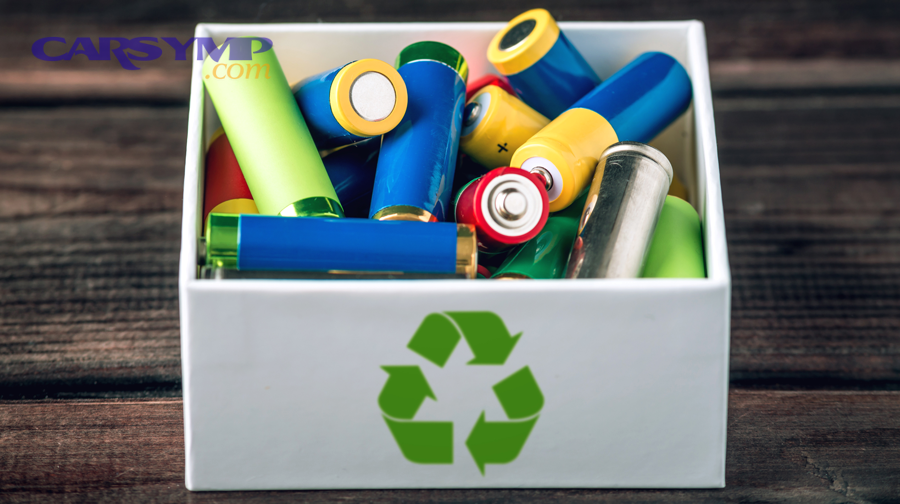
At end-of-life, batteries are not a single category; they’re a family of chemistries with different failure modes. Some leak corrosive electrolyte, some contain metals that can harm health or ecosystems if mishandled, and some—especially lithium-based formats—can ignite when crushed, punctured, or short-circuited during collection or processing. That’s why “just recycle it” is not enough; you need the right channel, safe preparation, and correct handling timing.
One reason safety guidance has tightened is the rising number of battery-related fires in waste and recycling systems. Theo nghiên cứu của Fire Rover từ bộ phận theo dõi sự cố cháy công khai, vào 01/2026, dữ liệu cho thấy có 448 vụ cháy cơ sở rác và tái chế được báo cáo công khai ở Mỹ và Canada trong năm 2025.
Below is a quick risk-and-route map to help you decide what to do before you even leave the house. Cụ thể hơn, focus on the battery’s chemistry label (Li-ion, NiMH, NiCd, Pb/lead-acid, alkaline) rather than its shape.
Bảng này giúp bạn phân loại nhanh từng nhóm pin/ắc quy theo rủi ro chính và tuyến xử lý an toàn (trash vs drop-off vs retailer take-back).
| Battery type (typical examples) | Main risk if mismanaged | Best end-of-life route |
|---|---|---|
| Lead-acid (car starting battery) | Corrosive acid + lead exposure; heavy and spill risk | Return to retailer/auto parts store or HHW program |
| Lithium-ion (phones, power tools, laptops, e-bikes) | Fire risk from crushing/short circuits; damaged cells unstable | Dedicated battery drop-off / certified recycler / retailer take-back |
| Rechargeables (NiMH, NiCd, small sealed lead-acid) | Fire risk (shorting), toxic metals in some chemistries | Rechargeable battery collection programs |
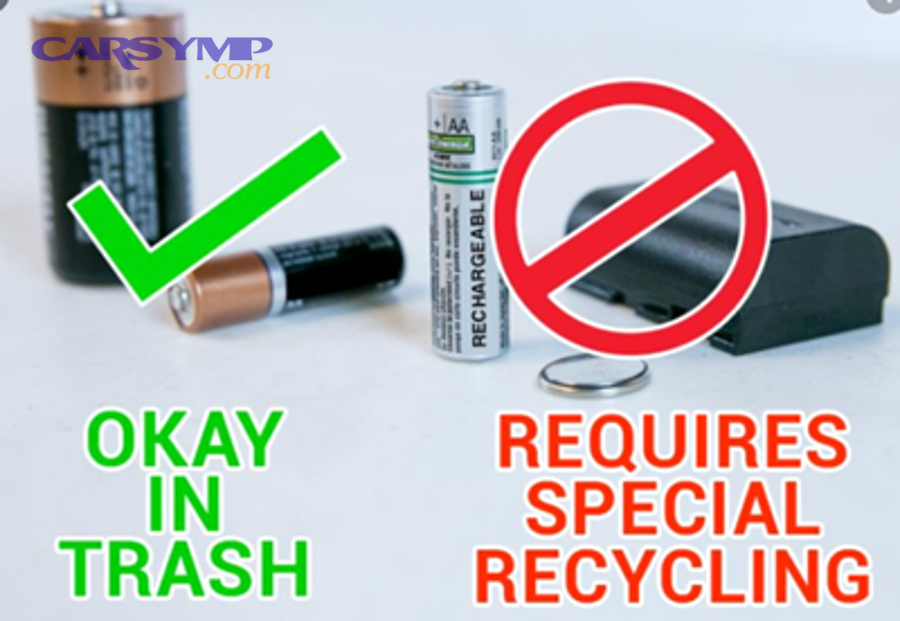
| Alkaline & zinc-carbon (AA/AAA/C/D, some 9V) | Lower hazard in many communities, but still valuable metals | Prefer recycling when available; local rules vary |
| Button/coin cells (key fobs, watches, hearing aids) | Swallowing hazard + shorting/fire risk for lithium coin cells | Specialized recycler / retailer take-back; store safely |
Quan trọng hơn, the “special handling” is not overkill: it reduces the chance of short circuits in your home, in your car on the way to a drop-off, and at the facility where batteries are sorted. Once you treat batteries as small energy containers—not “dead objects”—the rest of the disposal logic becomes straightforward.
Can you put used batteries in the trash or curbside recycling?
No—many used batteries should not go in household trash or curbside recycling, especially rechargeable and lithium-based batteries; alkaline disposal may be permitted in some communities, but recycling is often recommended.
However, the safe move is to identify the chemistry first, then follow the specific do-not-trash rules for lithium, rechargeable, and automotive batteries.
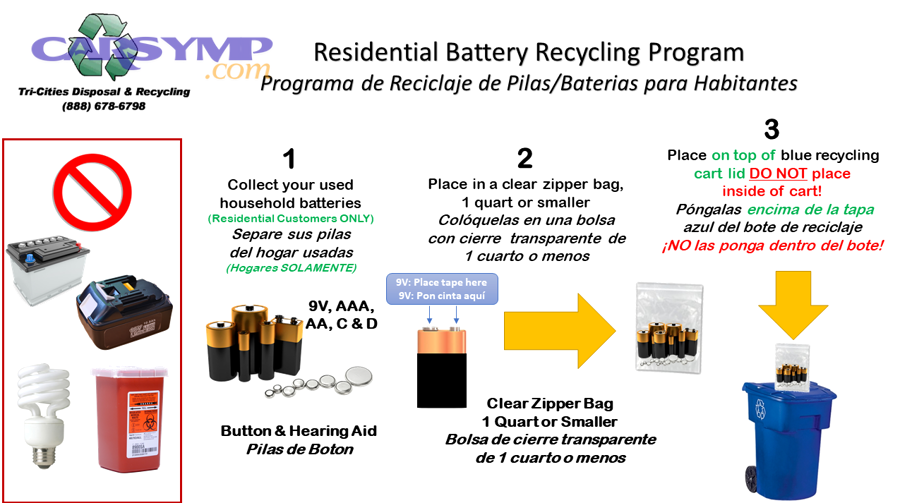
Here’s the practical decision tree you can use in under 30 seconds:
- If it says Li-ion / lithium / rechargeable / NiMH / NiCd / SSLA / Pb: do not put it in trash or curbside bins; plan a proper drop-off.
- If it’s a car battery (lead-acid): return it to a retailer, auto parts store, dealership, or a household hazardous waste program—never trash or curbside bins.
- If it’s alkaline/zinc-carbon (common AA/AAA/C/D): local rules vary; some communities allow trash, but recycling is often recommended when you have access.
- If it’s a coin/button cell: treat as higher risk; store safely and use a dedicated recycler or participating retailer take-back.
On the U.S. EPA’s household battery guidance, alkaline and zinc-carbon batteries can be placed in household trash in most communities, but the EPA still recommends sending them to battery recyclers or checking with local/state waste authorities.
For rechargeable and lithium-based batteries, the “don’t trash it” rule is tied to safety: the same EPA guidance warns to prevent fires from lithium-ion batteries by taping terminals and keeping batteries separated, and it states these batteries should never go in household garbage or recycling bins.
The automotive exception is even clearer: lead-acid batteries contain sulfuric acid and lead, and the EPA guidance recommends returning them to a retailer or household hazardous waste collection program rather than trash or municipal recycling bins.
The “why” behind this strictness is measurable: Theo nghiên cứu của Battery Council International từ National Recycling Rate Study, vào 07/2023, báo cáo xác nhận ắc quy chì ở Mỹ duy trì tỷ lệ tái chế 99%—một chuẩn mực để đưa pin/ắc quy đúng tuyến thay vì vào rác.
Tóm lại, if you’re unsure, default to recycling drop-off or household hazardous waste—because the downside of a wrong guess (fire or contamination) is much higher than the small effort of using the right channel.
How should you store and prepare batteries before drop-off?
Store and prepare used batteries by preventing terminal contact, isolating damaged units, and keeping them cool and dry until you can drop them off.
To make this easy, the next section breaks preparation into a short checklist you can repeat every time you clear out a drawer or garage shelf.
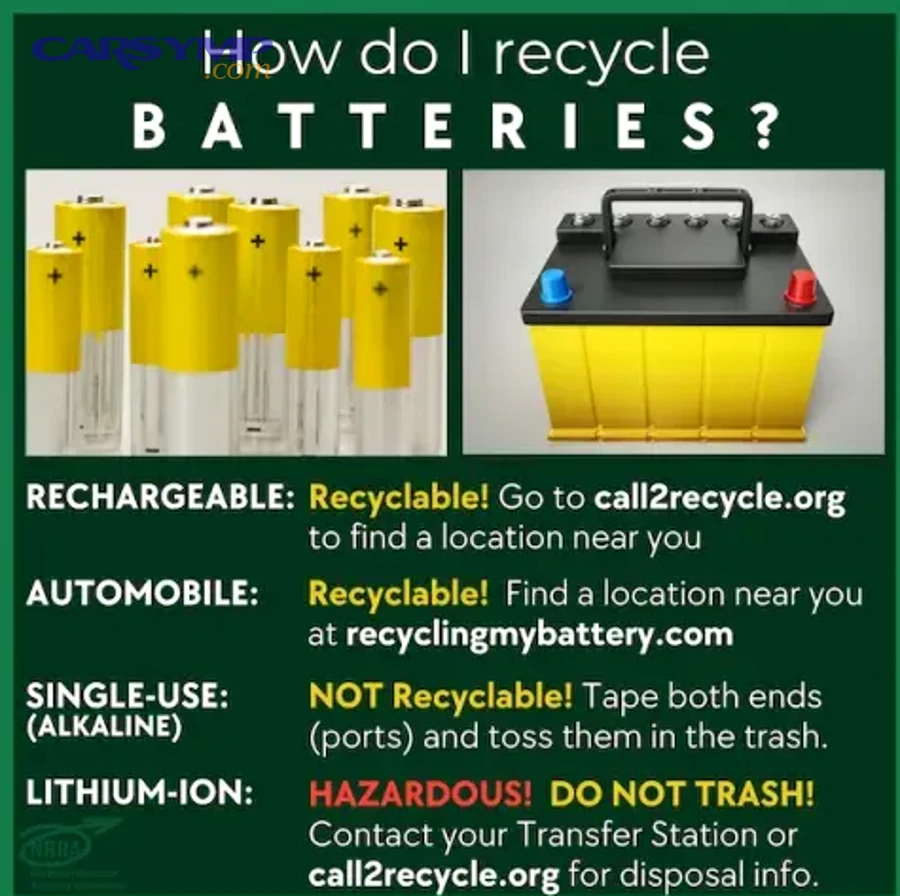
Step-by-step preparation checklist (safe for most households):
- Identify the chemistry label (Li-ion, NiMH, NiCd, Pb, alkaline, lithium metal). If you can’t find it, treat it like a higher-risk battery and use a specialty drop-off.
- Tape exposed terminals on lithium-ion, rechargeable packs, and any 9V batteries. For 9V especially, a single contact can short quickly because both terminals are on the same end.
- Bag or separate batteries so metal-to-metal contact is unlikely. Use individual plastic bags or keep them in original retail packaging when possible.
- Keep damaged, swollen, leaking, or hot batteries isolated in a non-flammable container (and follow local guidance for damaged batteries, which may require special handling).
- Store in a cool, dry place away from direct sun, flammables, and high-traffic areas where they could be crushed.
The EPA’s household battery guidance explicitly recommends taping terminals and/or placing batteries in separate plastic bags to prevent fires from lithium-ion batteries, and warns never to place those batteries in household garbage or recycling bins.
To reinforce why the small prep steps matter, Theo nghiên cứu của U.S. Environmental Protection Agency từ trang hướng dẫn quản lý pin gia dụng, vào nội dung cập nhật hiện hành, cơ quan này nhấn mạnh thao tác dán băng keo vào cực pin và tách riêng pin là biện pháp trực tiếp giảm nguy cơ cháy do chập mạch.
Đặc biệt, don’t rely on “it’s drained” as a safety guarantee. Batteries can retain enough energy to spark even when devices stop powering on, and physical damage can trigger failures later. This is why preparation is a non-negotiable part of recycling and disposal of old batteries, not a nice-to-have.
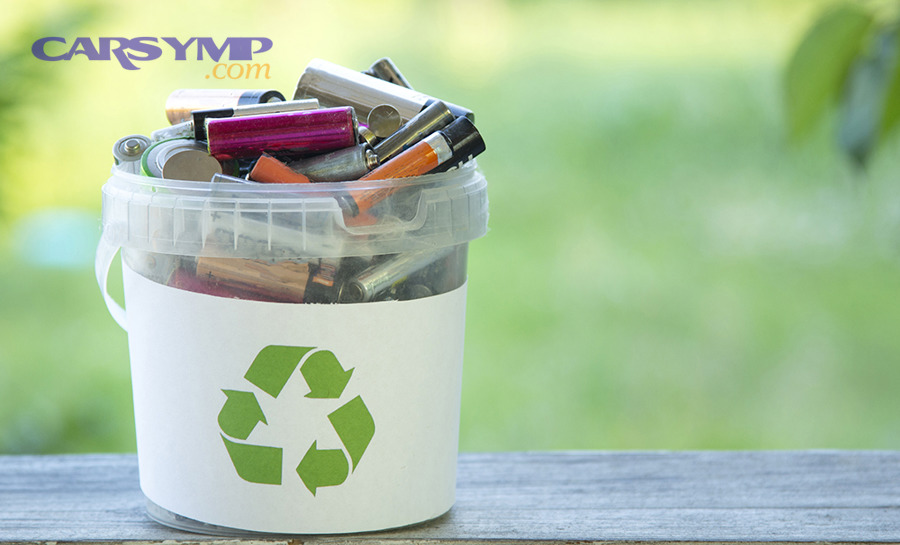
If you’re collecting mixed batteries (AA/AAA plus small packs), a simple household system helps: one container for alkaline, one for rechargeables, and a small sealed pouch for coin cells. Then you can bring each group to the correct drop-off without sorting stress on the day you go.
Where can drivers and homeowners recycle batteries locally?
You can recycle most batteries locally through retailer take-back bins, household hazardous waste collection points, and (for car batteries) auto retailers or dealerships that accept returns.
Dưới đây is the practical “where-to-go” map, organized by convenience and battery type so you can pick the fastest safe option near you.
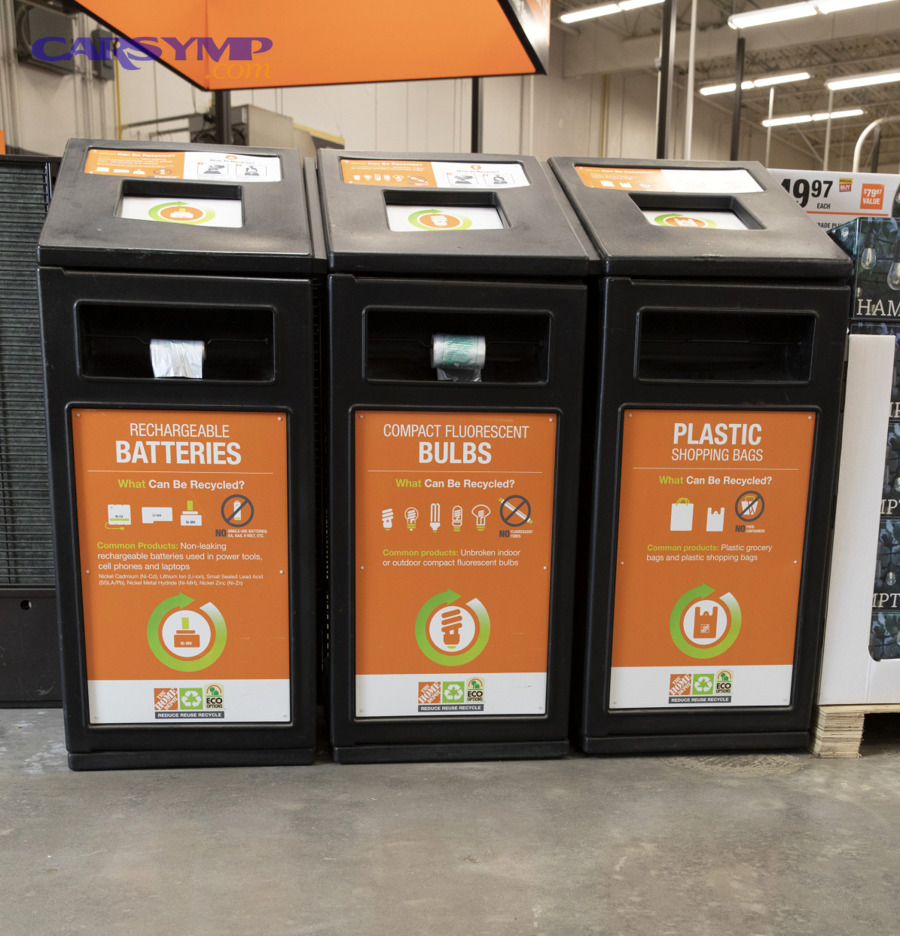
Local options that cover most needs:
- Retailer take-back bins (often for rechargeables): Many large retailers host battery collection bins for common rechargeable batteries and small sealed lead-acid formats. Always confirm accepted types at the bin or online locator before dropping off.
- Household hazardous waste (HHW) sites/events: City/county programs accept a broad range (including lithium, button cells, and sometimes alkaline). The EPA notes waste batteries can be recycled or taken to household hazardous waste collection points.
- Auto parts stores / battery retailers / dealerships: Best for lead-acid car batteries, which are widely collected through retail return systems. The EPA recommends returning lead-acid batteries to a battery retailer or HHW program.
- Certified electronics recyclers: Useful when batteries are embedded in devices or non-removable; you bring the whole device to a certified program.
For quick reassurance that these channels are actually used at scale, Theo nghiên cứu của The Home Depot từ nhóm Eco Actions, vào năm 2022, họ cho biết đã tái chế 180,000 ắc quy chì và 1,300,000 pounds pin sạc—một minh chứng rằng kênh thu hồi tại cửa hàng có thể xử lý khối lượng lớn khi người dùng bỏ đúng nơi.
If you need a “one trip” plan, bring: (1) a taped-and-bagged bundle of rechargeables, (2) a separate bag for coin cells, and (3) your car battery kept upright in a stable box in the trunk. Then choose a retailer bin for rechargeables and an auto retailer/HHW option for lead-acid. This reduces the common mistake of mixing everything into one bag and hoping the drop-off point sorts it safely.
To make your first drop-off smoother, watch the short overview below on how lead battery recycling is handled at industrial scale:
Even if the video focuses on lead batteries, the mindset transfers: safe collection, secure transport, controlled processing, and closed-loop material recovery.
What happens after batteries are collected: how recycling works by type?
Battery recycling works differently by chemistry, but the shared goal is the same: recover valuable materials safely while preventing fires, spills, and harmful releases.
To understand what your drop-off achieves, the next step is to see the “type-by-type” path from collection to material recovery—and why some types are easier to recycle than others.
1) Lead-acid (car batteries): These are typically broken down into three main components—lead, plastic, and acid—then processed so materials can return to manufacturing. The biggest win is that lead is highly recoverable in established systems.
The closed-loop effect is documented: Theo nghiên cứu của U.S. Environmental Protection Agency từ case study thu gom ắc quy chì, vào 2025, cơ quan này trích dẫn nghiên cứu của Battery Council International cho biết ắc quy chì sản xuất tại Mỹ có hơn 80% vật liệu tái chế.
2) Lithium-ion (electronics and tools): These require careful sorting, discharge/neutralization steps in some systems, and specialized processing to recover metals and materials (depending on facility technology). The core safety challenge is preventing thermal runaway when batteries are crushed or shorted, which is why prep at home (taping terminals) is so emphasized.
3) Nickel-based rechargeables (NiMH, NiCd): These are commonly accepted in rechargeable programs and processed to recover metals. Because they are rechargeable, they frequently arrive in mixed consumer streams—so labeling and sorting matter.
4) Alkaline and zinc-carbon: These are lower hazard in many local rules, but still contain useful metals. Recycling availability varies by region and partner programs, which is why your local solid waste authority or an HHW program is often the best “universal” fallback.
Bên cạnh đó, the collection network matters as much as the processing. Battery Council International describes a coast-to-coast system for lead battery collection and notes a sustained recycling rate of 99% in the U.S.
When you drop off correctly, you’re not only reducing landfill inputs—you’re feeding a logistics chain that’s designed for safe containment, tracking, and recovery. That’s the difference between “disposal” (getting rid of it) and “recycling” (returning it to production).
How do regulations and labels affect battery disposal decisions?
Regulations and labels matter because they determine which batteries can enter household trash, which require specialized recycling, and how batteries must be handled and transported to prevent hazards.
Để bắt đầu, treat labels as your “legal and safety shorthand,” then follow the rules that apply to the battery’s chemistry and format.

In the U.S., several rule layers influence what happens next:
- Federal battery law influence: The EPA references Public Law 104-142 (The Mercury-Containing and Rechargeable Battery Management Act), which helped phase out certain mercury-containing batteries and provides for recycling of nickel cadmium and small sealed lead-acid batteries, among others.
- State-level recycling laws: Some states add requirements or extended producer responsibility programs; if you travel, don’t assume the same rules apply everywhere.
- Transport and handling constraints: Larger batteries and certain chemistries can trigger special shipping/handling rules; this is why damaged batteries are often excluded from standard drop-off bins and require special instructions.
Here’s a practical reading guide for common labels and markings:
- “Li-ion” or “Lithium”: treat as high fire risk if shorted or damaged; prioritize dedicated drop-off and terminal protection.
- “NiMH” / “NiCd”: rechargeable program eligible; do not trash; keep separated.
- “Pb” / “Lead-acid”: automotive/backup power category; return to retailer/HHW.
- No label but looks like a coin cell: treat as coin/button; keep away from children; recycle via specialty channel.
To tie the “rules” back to outcomes: Theo nghiên cứu của Battery Council International từ National Recycling Rate Study công bố 07/2023, hệ sinh thái thu gom–tái chế giúp duy trì tỷ lệ 99% cho ắc quy chì, cho thấy khi quy định và điểm thu hồi rõ ràng, người dùng có xu hướng bỏ đúng tuyến thay vì vứt vào rác.
Quan trọng hơn, labels are the fastest way to reduce decision fatigue. If you can read “Li-ion” or “Pb,” you can choose the correct route without guessing—and guessing is what causes most disposal mistakes.
Contextual border: Up to this point, you’ve learned how to classify batteries, why the rules exist, how to store them safely, and where to take them. Next, we shift from end-of-life handling to upstream choices that reduce how many old batteries you generate in the first place.
Beyond recycling: how to reduce battery waste through smarter choices
Reducing battery waste is about choosing the right battery for the job, using devices in ways that extend battery life, and planning predictable replacement cycles so fewer batteries end up damaged or prematurely discarded.
Tiếp theo, you’ll see four high-impact habits that cut battery waste without sacrificing convenience.

The scale of collection infrastructure shows why upstream behavior matters: Theo nghiên cứu của The Battery Network (Call2Recycle) từ báo cáo tác động hiển thị trên trang định vị, vào dữ liệu công bố hiện hành, hệ thống cho biết đã tái chế hơn 175 million pounds pin và có hơn 20,000 điểm thu hồi.
Choose the right chemistry for the job (rechargeable vs single-use)
Rechargeables reduce waste when used in high-drain or frequent-use devices (controllers, toys, flashlights, tools), while single-use alkalines can be reasonable for low-drain, long-shelf-life needs (clocks, remotes) when recycling access is limited.
However, the waste-minimizing choice is the one that prevents early failure: overusing single-use cells in high-drain devices increases leak risk, while buying rechargeables for “rare use” devices can lead to storage problems if they sit discharged for years.
To keep the flow practical, match the battery to the load and your habits, then keep a small recycling pouch ready so the end-of-life step is automatic rather than delayed.
Maintain devices to extend battery life
Battery life improves when devices are kept clean, contacts are corrosion-free, and batteries are removed from rarely-used devices that may leak over time.
For example, cleaning battery contacts in a remote or toy can prevent intermittent draw that kills cells early, and storing batteries at moderate temperatures reduces self-discharge and swelling risk.
This matters because the easiest battery to recycle is the one that stays intact; damaged batteries often need special handling and may be rejected from standard bins.
Handle car battery life cycles without surprises
Drivers can reduce waste by replacing car batteries proactively (before deep failure), avoiding repeated jump-start cycles that stress the battery, and returning the old unit immediately through established take-back channels.
In practice, a predictable routine reduces “panic disposal,” where a dead battery sits in a hot garage, gets tipped or cracked, or is transported unsafely. When you plan battery replacement as a normal maintenance task, end-of-life handling becomes a quick, safe return rather than a lingering hazard.
If you’re diagnosing vehicle issues, many people start with “Signs you need a new car battery” and then forget the final step: bringing the old battery back into the closed-loop system. Likewise, on newer vehicles, topics like “Registering a new battery on modern cars” can distract from the essential disposal move—return the old battery to a retailer/collection program rather than storing it indefinitely at home.
Tóm lại, good lifecycle habits reduce the chance that a battery becomes damaged before it reaches the recycler.
Plan for emergencies and recalls
Keep a small “battery safety kit” at home: electrical tape, zip-top bags, and a sturdy container. This lets you isolate a hot, swollen, or damaged battery immediately and safely until you can get special handling guidance.
Additionally, treat recalled or defective batteries as a separate category—standard drop-off bins may refuse them. In those cases, follow manufacturer or program-specific instructions to avoid putting staff and facilities at risk.
Đặc biệt, this habit prevents the most dangerous failure mode: loose batteries mixing with metal items in a junk drawer or trash bag, then shorting later during transport or sorting.
Frequently asked questions about recycling and disposal of old batteries
Most disposal confusion comes from mixed battery drawers and unclear local rules, so the safest FAQ answers emphasize chemistry identification, fire prevention, and using established take-back channels.
Below are the most common questions people ask—answered in a way that helps you decide immediately.

The baseline rule is supported by national guidance: Theo nghiên cứu của U.S. Environmental Protection Agency từ trang hướng dẫn pin gia dụng, vào nội dung hiện hành, cơ quan này nêu rõ một số loại pin không được bỏ vào rác gia dụng hoặc thùng tái chế đô thị, đặc biệt là pin sạc và pin lithium.
Do I need to tape every battery terminal?
You don’t need to tape every alkaline AA/AAA terminal, but you should tape terminals for lithium-ion, rechargeable packs, and 9V batteries, and you should separate batteries to prevent contact—especially if you’re transporting a mixed batch.
Are alkaline batteries “safe enough” to throw away?
In many communities, alkaline and zinc-carbon batteries can go in household trash, but recycling is still recommended when available and you should verify with your local or state solid waste authority.
What should I do with button/coin batteries from key fobs and watches?
Store them out of children’s reach, prevent shorting by taping or bagging, and use a specialized recycler or participating retailer take-back because coin cells can pose both ingestion hazards and (for lithium) fire risk when shorted.
What’s the safest one-sentence rule if I’m still unsure?
If you can’t confidently identify the battery chemistry, treat it like a rechargeable/lithium battery: tape or separate it, keep it dry and cool, and bring it to an HHW site or a reputable battery drop-off program rather than trash or curbside bins.