Master How-To Battery Replacement for Drivers: DIY vs Shop
Battery replacement is the fastest way to restore reliable starts when your 12-volt battery is weak, failing, or no longer holding charge. In practical terms, it’s a straightforward swap—yet the details (fit, ratings, connections, and modern vehicle electronics) decide whether the fix lasts for years or causes repeat headaches.
Beyond “will it start,” the next concern is choosing a battery that matches your vehicle’s needs—especially if you drive in heat, cold, short-trip patterns, or have start-stop features. A smart choice reduces surprise no-starts and protects sensitive modules from low-voltage stress.
Cost is the third common worry: parts-only pricing can look cheap, but labor access, corrosion, and vehicle-specific procedures can change the total. Knowing what drives price helps you decide whether to handle it yourself or pay for convenience.
To keep the process clear, you’ll move from symptoms → selection → safe installation → post-install checks, then finish with what people often overlook. After that, you’ll be able to replace the battery with confidence—or walk into a shop knowing exactly what you’re paying for.
What is battery replacement, and what problem does it actually solve?
Battery replacement is the process of removing an aging 12-volt automotive battery and installing a new one that matches your vehicle’s fit and electrical demands, restoring proper cranking power and stable voltage for the starter and onboard electronics. Next, it helps to understand why batteries fail so you can prevent repeat issues.
A modern car’s battery does two jobs at once: it delivers a high burst of current to crank the engine, and it stabilizes voltage so computers, sensors, and modules behave normally. When the battery gets weak, you don’t just get slow cranking—you can also get random warning lights, glitchy infotainment, erratic start-stop behavior, or intermittent electrical oddities that feel like bigger failures than they really are.
To see the “real” role of the battery, think of it as a buffer: the alternator supplies power once the engine is running, but the battery absorbs spikes and fills dips. That’s why a battery can be “good enough” to start sometimes, yet still cause strange low-voltage behavior at other times (especially after sitting overnight or after short trips).
According to research published by AAA’s Automotive team in May 2025, the average car battery lasts 3 to 5 years depending on climate and driving conditions—meaning many replacements are time-driven, not just failure-driven.
If you want a shorthand, battery replacement solves two common realities: (1) you need dependable cold starts, and (2) you need stable system voltage so electronics stop “acting haunted.”
What warning signs suggest your car battery is failing?
Yes—there are clear warning signs a battery is failing, and the most reliable ones combine starting behavior, lighting/voltage clues, and age. Next, you’ll learn to group symptoms so you can separate a dying battery from a charging or connection problem.
Many people search for “Signs you need a new car battery” and expect one magic symptom. In real life, it’s a pattern. Watch for these groups:
- Cranking and start quality: slow crank, repeated clicking, or the engine fires only after a second attempt.
- Voltage/lighting behavior: headlights dim at idle, interior lights pulse, dash flickers during crank.
- After sitting: starts fine after driving, but struggles after overnight parking or a weekend off.
- Odd electronics: infotainment reboots, windows act weird, start-stop disables itself.
- Age and environment: 3+ years in hot climates, frequent short trips, heavy accessory use.
There’s a practical reason these symptoms cluster: battery internal resistance rises with age, and available cranking current drops. So anything that increases demand (cold mornings) or reduces charge (short trips) makes the weakness show up sooner.
According to research shared by AAA in May 2025, a battery is more likely to need attention once it hits the three-year mark, and average lifespan is commonly 3–5 years depending on conditions.
When you notice these clusters, the “Car Symptoms” are not just annoying—they’re useful breadcrumbs that tell you whether replacement is the right move or whether you should inspect cables and charging first.
How long do car batteries typically last in real driving?
Most car batteries last about 3–5 years, but real driving can shorten or extend that window depending on heat, vibration, and how often the battery is kept near full charge. Next, you’ll map your driving pattern to a realistic replacement timeline.
The phrase “How long a car battery should last” sounds like a single number, but the better answer is a set of conditions:
- Heat accelerates aging: Hot climates speed chemical degradation and water loss (even in many “maintenance-free” designs).
- Short trips undercharge: If you frequently drive 5–10 minutes, the alternator may not replenish what the start consumed.
- Vibration matters: Loose hold-downs and rough roads can increase internal wear and plate damage over time.
- Accessory load is real: Dashcams, aftermarket audio, and frequent key-on accessory use raise demand.
Use a simple rule: if your battery is older than three years, start testing it regularly—especially before seasonal temperature extremes. A quick load test or conductance test can reveal weakness before the first “dead battery” morning.
According to research posted by AAA’s automotive guidance in May 2025, the average car battery lifespan is 3 to 5 years, with climate and driving conditions as key drivers.
That research-based range gives you a planning tool: replacement is often smarter as preventive action at the edge of that window than as an emergency after a no-start.
How do you pick the correct battery size, terminals, and rating for your vehicle?
You choose the correct battery by matching physical fit (case size and terminal layout) and required performance (starting power and reserve capacity) to your vehicle’s specification. Next, you’ll learn how to confirm fit without guessing.
Many selection mistakes happen because people shop by “it’s a 12-volt battery” instead of by fit + spec. The most important items to match:
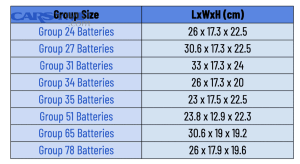
- BCI group size (fit): standardizes case dimensions and terminal locations so cables reach and the hold-down fits.
- Terminal orientation: positive/negative placement and post style (top posts vs side posts) must match your cables.
- Cold Cranking Amps (CCA): higher is generally better for cold starts, but it must meet at least OEM requirement.
- Reserve capacity (RC) / Ah: helps support accessories and stability during idle/stop-start events.
- Vent/AGM requirements: some vehicles require vent tubes or specific battery types.
This is where “How to choose the right battery group size” becomes practical: group size is not marketing—it’s compatibility. If you install the wrong size, you risk loose mounting, stretched cables, or terminal strain that causes intermittent connection failure.
According to research published by Battery Council International in its technical guidance on group sizing, the BCI Group Size system standardizes dimensions, terminal locations, and performance characteristics to ensure compatibility across makes and models.
To confirm quickly: check your owner’s manual, the label on the existing battery, or a reputable fitment tool from a parts supplier—then verify the terminal layout visually before you buy.
Which battery technology fits your vehicle best?
The best battery technology depends on your vehicle’s electrical demands: some cars do well with conventional flooded designs, while others (especially with start-stop or high accessory load) perform better with sealed designs like AGM. Next, you’ll weigh tradeoffs without overpaying.
If you’re doing an “AGM vs flooded battery comparison,” focus on what changes in real ownership:
- Charging behavior and resistance: AGM designs often accept charge faster and handle high loads better, which matters for stop-start patterns.
- Vibration resistance: AGM is typically more resistant to vibration and can be a better fit for rougher use cases.
- Maintenance and leakage risk: AGM is sealed and spill-resistant; flooded designs are more traditional and may be cheaper.
- Price: AGM is usually more expensive up front; flooded is often the value pick for simpler electrical systems.
Below is a quick matrix to help you choose based on how you drive and what your car expects. This table helps you decide which technology aligns with your vehicle features and budget.
| Decision Factor | Conventional Flooded | AGM |
|---|---|---|
| Best for | Basic electrical load, value-focused replacements | Start-stop, higher accessory load, frequent short trips |
| Vibration resistance | Moderate | Higher |
| Spill/leak risk | Higher than sealed designs | Lower (sealed, spill-resistant) |
| Typical cost | Lower | Higher |
According to research published by AAA in July 2025, AGM batteries can have substantially lower internal resistance than flooded batteries—one reason they can handle higher-demand systems more effectively.
Bottom line: if your car came with AGM (or the manual specifies it), don’t downgrade. If your car is simple and the manual allows it, flooded can be a smart value choice.
How do you replace a car battery safely, step by step?
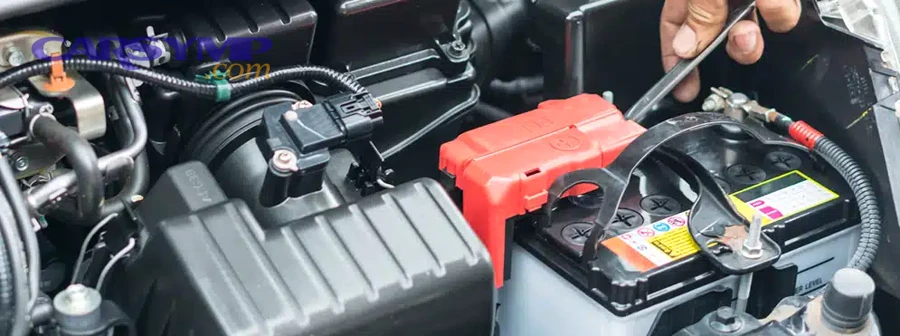
Use a simple, safe method: power down the vehicle, disconnect the negative terminal first, remove and swap the battery, then reconnect the positive first and negative last—finishing with a stability check. Next, you’ll learn the safety details that prevent sparks, burns, and broken electronics.
Many guides call this “Battery replacement steps and safety,” but the key is not speed—it’s sequence and protection:
- Prepare: Park, engine off, keys away, lights off. Wait a minute for modules to sleep.
- Protect: Wear eye protection and gloves. Remove metal jewelry. Keep tools clear of both terminals at once.
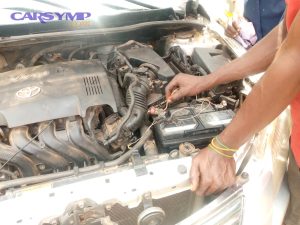
- Disconnect: Loosen negative (-) terminal first and secure it away from the post. Then remove positive (+).
- Remove: Undo hold-down clamp, lift battery straight up (it’s heavy), keep upright.
- Clean/inspect: Check tray, cables, and hold-down. Address corrosion before installing the new battery.
- Install: Set new battery, secure hold-down, connect positive (+) first, then negative (-).
- Verify: Ensure terminals are tight, check that the battery is secure, start engine, confirm no warning lights.
To see the process visually (including tool handling and safe terminal order), here’s a practical walkthrough:
According to research published by the University of Minnesota from its health & safety unit in October 2021, hydrogen gas associated with batteries can accumulate in poor ventilation and present an explosion hazard—one reason ventilation and spark prevention matter during battery work.
Finally, treat the battery like a chemical and electrical device: keep sparks away, keep it upright, and never allow a tool to bridge both terminals.
What should you expect to pay, and what affects the final price?
You can expect battery pricing to range widely based on size, power, and quality, and the final total changes with access, installation labor, and whether your vehicle needs electronic setup. Next, you’ll break cost into predictable parts so you can budget accurately.
If you’re searching for a “Battery replacement cost estimate,” separate parts from installation and fees:
- Battery price: driven by group size, CCA/RC, and technology (flooded vs AGM).
- Labor/access: easy under-hood swaps are quick; trunk/seat batteries can take longer.
- Core charge: refundable deposit when you return the old battery.
- Environmental fees/tax: depends on location and retailer.
- Modern vehicle setup: some cars need battery registration or reset procedures.
This table summarizes common cost components and what they represent. It helps you compare quotes apples-to-apples.
| Cost Component | What it covers | Why it varies |
|---|---|---|
| Battery (part) | The new battery itself | Group size, CCA/RC, technology (AGM often higher) |
| Labor/installation | Removal, install, cleaning, testing | Battery location, corrosion, access difficulty |
| Core charge | Deposit refunded on return | Retailer policy and local rules |
| Fees/tax | Environmental and sales tax | State/local regulations |
According to research and pricing guidance summarized by Kelley Blue Book, replacement car battery prices commonly range from about $45 to $250 depending on power, size, and quality.
Also note: convenience services can bundle testing, delivery, and installation. That can be worth it if access is difficult, you’re stranded, or you want the warranty handled end-to-end.
Why won’t the car start after a new battery is installed?
Yes, a car can still fail to start after a new battery if there’s a loose connection, a damaged cable, a security/immobilizer issue, or an underlying charging or starter problem. Next, you’ll follow a fast, low-guesswork checklist before replacing more parts.
People often panic and assume the new battery is defective. Start with the most common “After replacement no-start troubleshooting” causes:
- Terminal clamp not tight: If the clamp rotates by hand, it’s too loose. Tighten until solid, not until crushed.
- Wrong terminal on wrong post: Verify polarity and cable routing.
- Bad ground connection: Check the negative cable where it bolts to chassis/engine; clean and tighten.
- Main fuse/fusible link: Some cars blow a main link if a short happened during install.
- Security/immobilizer behavior: Some vehicles need a key relearn sequence after power loss.
- Starter or charging issue: If it starts once and then dies again, check alternator output and parasitic draw.
This table helps you match the symptom to the first check, so you don’t jump straight into expensive diagnostics.
| What you see | Most likely cause | First action |
|---|---|---|
| Clicking, lights dim hard | Loose/dirty terminal connection | Clean posts, tighten clamps |
| No crank, lights normal | Starter trigger/fuse/immobilizer | Check fuses, security light, starter signal |
| Starts then dies later | Charging or parasitic draw issue | Test alternator output, check draw |
According to research-based lifespan guidance from AAA (posted May 2025), many “dead battery” events happen in the 3–5 year range—so if the battery is new and the no-start persists, connections and the charging system deserve immediate attention.
If you want the fastest win: re-check terminal tightness and ground points first—those are the most common post-install causes and the easiest to fix.
How do you clean terminals and prevent corrosion after installation?
Clean terminals by neutralizing corrosion, brushing metal contact surfaces to bright metal, and protecting the connection with proper coatings—then verify tightness so vibration can’t reintroduce resistance. Next, you’ll lock in a “clean connection” that keeps voltage stable for years.
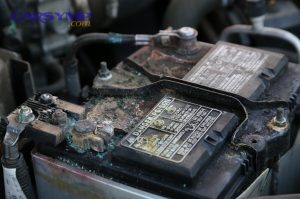
A clean, tight connection matters as much as the battery itself. Corrosion acts like a resistor: it reduces available starting current and can create unpredictable electrical behavior. The phrase “Battery terminal cleaning and anti-corrosion tips” becomes simple when you follow a repeatable method:
- Neutralize: Use a baking-soda-and-water mix on corrosion (avoid flooding sensitive components).
- Brush: Use a terminal brush on both the inside of the clamp and the battery post until shiny.
- Rinse and dry: Remove residue, dry thoroughly.
- Protect: Apply terminal protectant spray or a thin coating of dielectric grease on the outside surfaces (not between the metal contact points).
- Secure: Tighten clamps properly and ensure the battery hold-down is solid.
Corrosion often returns when gases vent from the battery or when connections are slightly loose. So prevention is not only chemical—it’s mechanical: a stable clamp and hold-down reduce micro-movement that “pumps” corrosion back into the joint.
According to research published by AAA in May 2025 emphasizing testing and maintenance habits across battery life, regular checks become more important as batteries age—because resistance at terminals and cables can mimic battery failure.
Once you’ve cleaned and protected the terminals, recheck them after a week of driving—especially if the old battery had heavy corrosion.
Do some vehicles require battery registration or electronic setup?
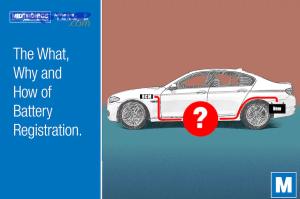
Yes—some modern vehicles require battery registration (or coding) after replacement so the charging system and energy management logic treat the new battery correctly. Next, you’ll learn when it matters and what can happen if you skip it.

“Registering a new battery on modern cars” is most common on vehicles with advanced energy management: they track battery age, state-of-charge behavior, and charging strategy. When you install a new battery, the car may need to reset that learned aging model.
How to know if your car needs it:
- Owner’s manual/service info mentions battery registration, IBS, BMS, or energy management.
- Vehicle uses start-stop and is picky about battery type and charging behavior.
- Battery is in trunk/under seat with venting and monitoring sensors (common in European makes).
What can happen if you skip it varies: the car may overcharge or undercharge the new battery, shortening its life, or may show warning messages. Some vehicles also require window/sunroof “one-touch” relearns or steering-angle sensor calibration after power loss.
According to research and technical explanation shared by Carista in October 2025, many modern BMW models require battery registration due to intelligent battery sensing and charging management, reinforcing that replacement can be more than a physical swap on certain platforms.
If you’re unsure, ask the parts supplier whether your VIN indicates registration, or call a shop that can scan for battery adaptation/reset procedures.
Contextual border: Up to this point, you’ve covered the core path—symptoms, selection, safe install, cost, and post-install stability. Next, you’ll step outside the “install-only” mindset and handle the overlooked end of the process: what to do with the old battery and how to make the swap environmentally and legally clean.
Where should the old battery go after removal?
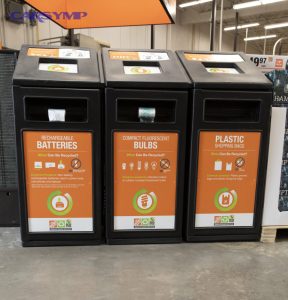
Take the old battery to a retailer, service center, or recycling facility that accepts lead-acid batteries—because they are hazardous waste if dumped, but highly recyclable when handled correctly. Next, you’ll see why returning it is both safer and often financially beneficial.
“Recycling and disposal of old batteries” is not just a green tip—it’s the standard pathway for lead-acid batteries. Most retailers charge a refundable core deposit because the old battery has value as a recyclable product.
What to do:
- Return it where you bought the new battery to recover the core charge (when applicable).
- Transport safely: keep it upright, avoid tipping, and place it in a bin or cardboard tray to contain any residue.
- Never trash it: it can leak acid/lead and violates disposal rules in many places.
According to research announced by Battery Council International from its recycling study work in July 2023, the U.S. lead battery industry maintains a remarkable 99% recycling rate, highlighting how established and effective the recycling network is for these batteries.
So the “right finish” of your battery replacement is simple: return the old battery, collect your core refund, and keep hazardous materials out of landfills while supporting a proven recycling loop.
Frequently asked questions
These are the most common questions people ask during battery replacement, with short, direct answers you can apply immediately. Next, if your situation doesn’t match any of these, treat it as a sign to test the charging system and connections more carefully.
Is it safe to replace a car battery yourself?
Yes, it’s safe if you follow protective steps: eye protection, no sparks/flames, disconnect negative first, and avoid bridging terminals with tools. This is basic auto maintenance you can do confidently when you respect the battery as both chemical and electrical equipment.
Do I need to reset anything after installing the new battery?
Sometimes. You may need to reinitialize auto-up windows, reset clock/radio settings, and on some vehicles perform battery registration. If you notice warning messages or start-stop issues afterward, consult a scan tool procedure or a shop that handles auto electrical repair.
Should I replace battery cables too?
Replace cables if you see heavy corrosion under insulation, swollen ends, cracked insulation, or if voltage drop testing shows excessive resistance. If terminals won’t tighten properly even after cleaning, cable ends may be stretched or damaged.
Why does my new battery keep dying?
If the new battery discharges quickly, suspect a parasitic draw, an alternator/charging problem, or a connection/ground issue. A battery can be new and still go flat if the vehicle isn’t charging correctly or something is staying awake and drawing power.
{
“@context”: “https://schema.org”,
“@type”: “FAQPage”,
“mainEntity”: [
{
“@type”: “Question”,
“name”: “Is it safe to replace a car battery yourself?”,
“acceptedAnswer”: {
“@type”: “Answer”,
“text”: “Yes, if you use eye protection, prevent sparks, disconnect negative first, and avoid bridging terminals with tools.”
}
},
{
“@type”: “Question”,
“name”: “Do I need to reset anything after installing the new battery?”,
“acceptedAnswer”: {
“@type”: “Answer”,
“text”: “Sometimes. You may need to reset windows, clock/radio settings, and some vehicles require battery registration.”
}
},
{
“@type”: “Question”,
“name”: “Should I replace battery cables too?”,
“acceptedAnswer”: {
“@type”: “Answer”,
“text”: “Replace cables if corrosion is severe, ends are damaged, or testing shows excessive resistance.”
}
},
{
“@type”: “Question”,
“name”: “Why does my new battery keep dying?”,
“acceptedAnswer”: {
“@type”: “Answer”,
“text”: “Common causes include parasitic draw, charging system problems, or poor cable/ground connections.”
}
}
]
}