


Choosing between synthetic and conventional motor oil is mostly about matching your engine’s needs (viscosity + required spec) and your driving reality (cold starts, heat, towing, short trips)—then deciding whether synthetic’s added stability is worth the extra money. In practice, synthetic oil is usually the safer “set-and-forget” choice for modern engines and harsher conditions, while conventional oil can be perfectly fine when you follow the right interval and the oil meets the manufacturer’s specification.
Next, viscosity is where the comparison becomes real: the “W” rating affects cold-start flow, while the second number protects at operating temperature. That means the better choice is often less about the word “synthetic” and more about how reliably the oil maintains film strength and flows quickly under your climate and workload.
Moreover, cost isn’t just “synthetic costs more.” The decision is really cost per mile and what you get in return: longer stability, better resistance to breakdown, and sometimes longer oil-change intervals when your owner’s manual and oil-life monitor allow it.
Introduce a new idea: once you understand how protection, viscosity, and interval connect, you can pick the right oil in minutes—and avoid the common mistakes that waste money or increase wear.
What is the difference between synthetic and conventional motor oil?
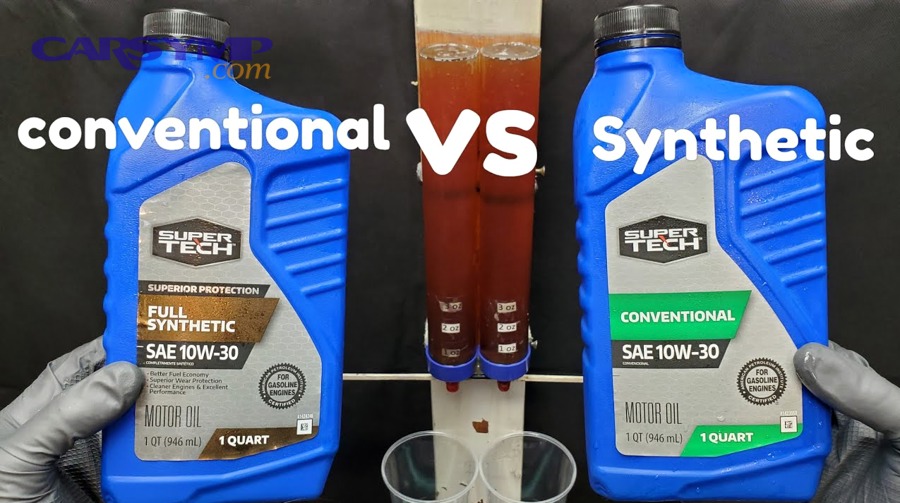
Synthetic motor oil is an engineered lubricant built from highly refined or chemically created base stocks with strong stability, while conventional oil is refined from crude oil; synthetic typically offers better consistency, cleanliness control, and performance under temperature extremes.
Specifically, the “difference” isn’t a single feature—it’s a bundle of base oil purity, additive strategy, and stability over time, which all affect how your engine experiences cold starts, heat, and long service intervals.
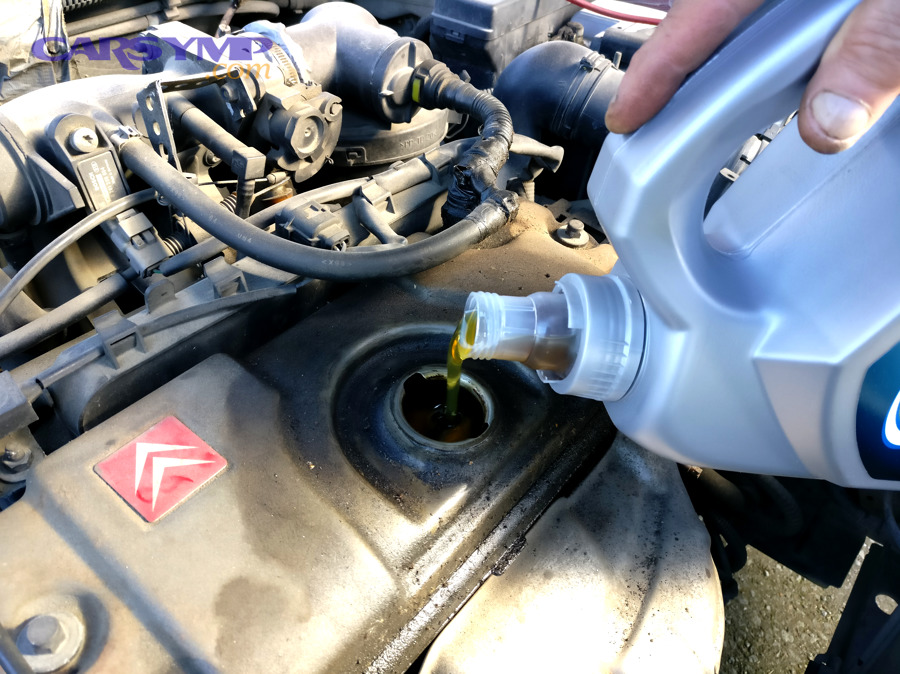
What does “full synthetic” mean, and how is it different from synthetic blend and conventional?
There are three main shelf types of motor oil: conventional, synthetic blend, and full synthetic, based on how the base oil is produced and how much synthetic base stock is used.
To better understand your choice, think of them as a spectrum:
- Conventional oil: refined from crude oil; designed to meet minimum specifications for many engines when changed on time. Purdue’s extension explains conventional oils are mostly base oil plus an additive package that supplies detergency, wear protection, corrosion control, and more. (ag.purdue.edu)
- Synthetic oil: manufactured from feedstocks (Purdue notes synthetic oils can be made using ethylene gas extracted from natural gas) and is typically “cleaner” and more uniform, which helps stability. (ag.purdue.edu)
- Synthetic blend: a mix of base oil groups; Purdue notes blends are made by combining API Groups 2, 3, and 4 and cannot contain more than 30% synthetic. (ag.purdue.edu)
Where drivers get tripped up is assuming “full synthetic” automatically means “best.” In reality, the best oil is the one that meets your owner’s manual viscosity and required specification and matches your usage.
How do base oils and additive packages change performance and engine cleanliness?
Base oil and additives change performance because engine oil does far more than “make things slippery”—it controls deposits, carries contaminants to the filter, prevents corrosion, manages foam, and maintains viscosity across temperature swings. Purdue lists multiple roles of engine oils, including reducing sludge/deposits, dispersing contaminants for filter removal, transferring heat, and maintaining acceptable viscosity for hot and cold operation. (ag.purdue.edu)
Here’s how the moving parts connect:
- Base oil purity and uniformity influences how predictable the oil is under heat and stress. Cleaner, more uniform base stocks generally resist breakdown more consistently.
- Additives are often what separates oils with the same viscosity grade. Detergents and dispersants help keep engines clean; anti-wear additives protect high-pressure contact points; antioxidants slow oxidation; and seal conditioners can help older engines. (ag.purdue.edu)
- The oil filter completes the system. Oil doesn’t “store” contaminants forever—it suspends and transports them so the filter can capture them. That’s why oil choice and filter choice should be made together, especially when you extend an oil change interval. (ag.purdue.edu)
Evidence: According to a study by AAA’s automotive engineering research team, in 2017, synthetic oils outperformed conventional oils by 47% on average across standardized tests covering shear stability, deposit formation, volatility, cold-temperature pumpability, and oxidation resistance. (newsroom.aaa.com)
Does synthetic oil protect an engine better than conventional oil?
Yes—synthetic oil usually protects an engine better than conventional oil because it tends to (1) resist heat/oxidation longer, (2) maintain viscosity and film strength more consistently, and (3) reduce deposit formation risk under severe driving.
However, the protection advantage only becomes meaningful when you connect it to real use: stop-and-go traffic, short trips, towing, extreme temperatures, and longer service intervals.
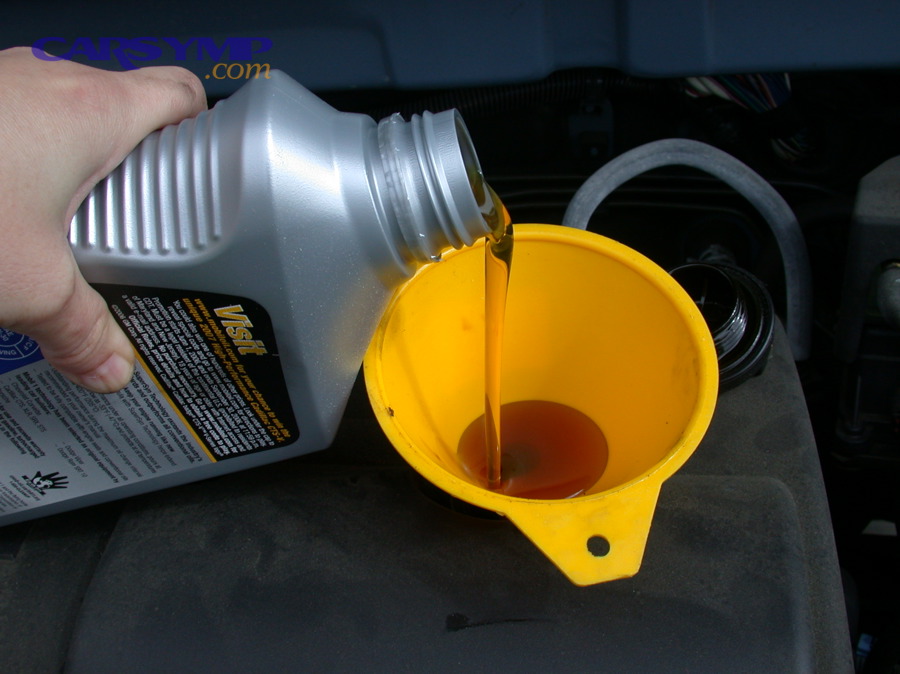
Does synthetic oil reduce wear and deposits in real driving (stop-and-go, short trips, high mileage)?
Yes—synthetic oil can reduce wear and deposits in real driving because short trips and stop-and-go cycles are “hard mode” for oil: the engine may not stay hot long enough to evaporate moisture and fuel dilution, and repeated heat cycling accelerates oxidation and sludge precursors.
Moreover, even if you do everything right, cold start moments are inherently stressful. Purdue describes that when it’s cold, oil thickens, and there’s a brief moment after startup when oil from the pan hasn’t circulated everywhere; that’s why manufacturers caution against high RPM until oil pressure stabilizes. (ag.purdue.edu)
If your driving includes any of the following, synthetic’s stability advantage tends to show up faster:
- Short trips (under ~10–15 minutes) where oil doesn’t fully stabilize
- Stop-and-go city driving with frequent heat cycling
- Turbocharged and/or direct-injection engines that run hotter in localized zones
- Towing and hauling where oil film strength matters under load
- High-mileage engines where ring pack deposits and consumption tendencies become more relevant
This is also where High-mileage oil: when it helps becomes important. High-mileage oils are not a gimmick for every car; Purdue notes high-mileage motor oils are formulated for vehicles around 75,000+ miles and include additives such as seal enhancers intended to mitigate leaks associated with aging seals. (ag.purdue.edu)
So if your older engine seeps oil, burns a little between services, or has hardened seals, high-mileage oil can be a smart “fit”—whether it’s conventional or synthetic—because it targets the problem you actually have.
Is conventional oil “good enough” for some cars and driving patterns?
Yes—conventional oil can be good enough because (1) many engines are designed to run on oils that meet current API/ILSAC specs, (2) wear and deposits can be controlled with routine service, and (3) the owner’s manual interval often matters more than oil marketing.
On the other hand, “good enough” has boundaries. Conventional oil is most defensible when:
- Your climate is moderate (not extreme cold/heat)
- Your engine is not heavily stressed (no towing/track use)
- You follow the correct oil change interval and use a quality filter
- The oil meets the exact viscosity grade and required specification
Evidence: According to a publication by Purdue University Extension, in 2025, a Consumers Union taxi-cab comparison found no measurable differences in wear between engines using conventional versus synthetic oil when both groups followed routine oil changes over 100,000 miles. (ag.purdue.edu)
How does viscosity behave in synthetic vs conventional oil across temperature extremes?
Synthetic oil wins in cold-start flow stability, conventional can be acceptable in mild climates when changed on time, and a synthetic blend can be a practical middle ground for moderate temperature swings and cost control.
Meanwhile, the core idea is simple: viscosity is your oil’s “thickness behavior,” and temperature is the force that constantly tries to change it.
Which oil flows faster at cold start—synthetic or conventional—and why does that matter?
Synthetic typically flows faster at cold start because it tends to maintain better low-temperature pumpability and requires fewer viscosity-index improvers, which helps it move from the oil pan to critical components more quickly.
More specifically, cold start is where “0W-20 vs 5W-30” becomes more than numbers. Purdue explains that when it’s cold, oil can thicken “like molasses,” and at startup there’s a brief moment where fresh oil doesn’t circulate in all zones; the residue left from shutdown is what protects components until full flow returns. (ag.purdue.edu)
Practical takeaway for drivers:
- If you live in a cold region, choosing the correct “W” rating is a bigger deal than choosing synthetic vs conventional.
- If your manual allows multiple viscosity grades, synthetic often provides a margin of safety in cold cranking and pumpability.
- If you do short trips in winter, you’re stacking two stressors: cold oil + frequent starts.
Which oil holds up better under heat, towing, and high RPM driving?
Synthetic generally holds up better under heat and load because it resists oxidation and viscosity breakdown more effectively, while conventional oil can thin and degrade faster under sustained thermal stress.
Besides, heat isn’t only “engine temperature.” It’s also:
- Turbocharger bearing zones
- Piston ring belt areas
- Long climbs or towing where oil film strength is under pressure
When you tow or drive aggressively, the oil’s job is to maintain a protective film while also resisting chemical breakdown. That’s one reason many manufacturers recommend a different viscosity for severe service/towing—because the oil must stay strong at operating temperature.
Evidence: According to a study by AAA’s research team, in 2017, synthetic oils averaged 47% better performance than conventional oils across tests that included oxidation resistance and viscosity-related changes. (newsroom.aaa.com)
Is synthetic oil worth the higher price when you factor in oil-change intervals and total cost?
Synthetic oil is worth it for drivers who face severe conditions, value longer stability, or follow longer manufacturer intervals; conventional is best for strict budget control with shorter, consistent service; and synthetic blends fit drivers who want a compromise.
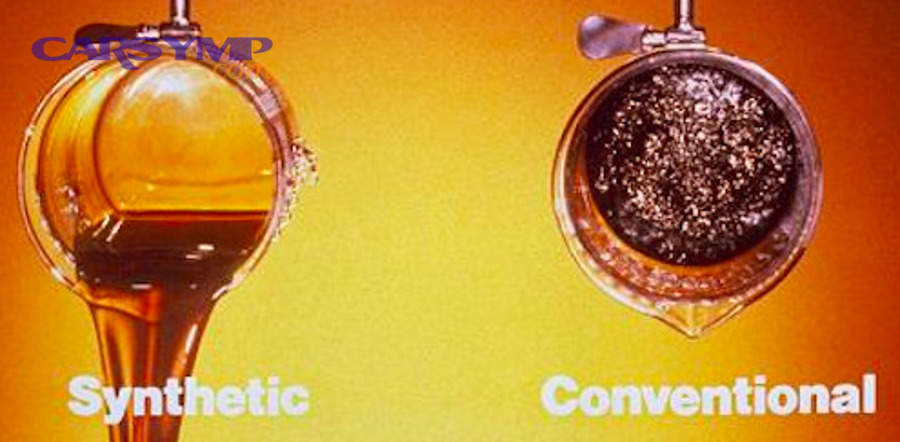
However, the smart way to judge “worth it” is not price-per-quart—it’s cost per mile and risk management.
How do you compare cost per mile between synthetic and conventional oil?
You compare cost per mile by dividing your total oil change cost by the miles you safely run that oil: Cost per mile = (oil + filter + labor) ÷ miles on the interval.
To illustrate, here’s a simple table that shows what the math is doing. (These are example scenarios to explain the structure—your real numbers depend on your car, oil capacity, and service pricing.)
| Scenario | Total oil change cost | Interval | Cost per mile |
|---|---|---|---|
| Conventional, shorter interval | $60 | 5,000 mi | $0.012 |
| Synthetic, longer interval | $90 | 7,500 mi | $0.012 |
| Synthetic, extended (if allowed) | $90 | 10,000 mi | $0.009 |
The point is that the extra spend can disappear if your interval legitimately increases—but only if your manual/oil-life monitor supports it.
This is also where an Oil change cost estimate becomes a practical decision tool. Don’t estimate by guessing—build it from:
- Oil capacity (quarts)
- Oil type price
- Filter price
- Labor/shop fee or DIY supplies
Evidence: According to a study by AAA, in 2017, the average price difference between a conventional and synthetic oil change at AAA Approved Auto Repair facilities was $32. (newsroom.aaa.com)
When does synthetic save money (or not) in real life?
There are four common driver profiles where synthetic either saves money, saves hassle, or doesn’t pay back—based on how intervals and conditions combine.
More importantly, this is the moment where your “oil choice” becomes a system choice: oil + interval + filter + driving pattern.
1) Short-trip city drivers (often severe service)
- Synthetic may not “save money” if you still must change more frequently due to severe service.
- Synthetic can still be worth it because it offers more stability against fuel dilution and deposit formation between oil changes.
2) Highway commuters (steady heat, fewer starts)
- You may be able to use longer OEM intervals, making synthetic cost per mile competitive.
- Conventional can also be fine if the manual allows it and intervals are followed.
3) Towing/hauling and extreme climates
- Synthetic often pays back through stability and protection margin.
- Conventional becomes riskier because heat/load accelerates breakdown.
4) Low-mileage annual drivers (time-limited intervals)
- If you hit the “change by time” rule before miles, synthetic’s interval advantage shrinks.
- In this case, choosing a spec-correct oil and a strong filter may matter more than chasing long mileage intervals.
And don’t ignore Oil filter quality differences. If you’re aiming for longer intervals, a bargain filter that goes into bypass early can undercut the whole plan. Purdue explains that filters used with oils rated for longer intervals must hold more contaminants (dirt-holding capacity) and that capture efficiency (often expressed via beta ratio) is not always easy to find, but it matters. (ag.purdue.edu)
What oil-change interval should you actually follow for synthetic vs conventional?
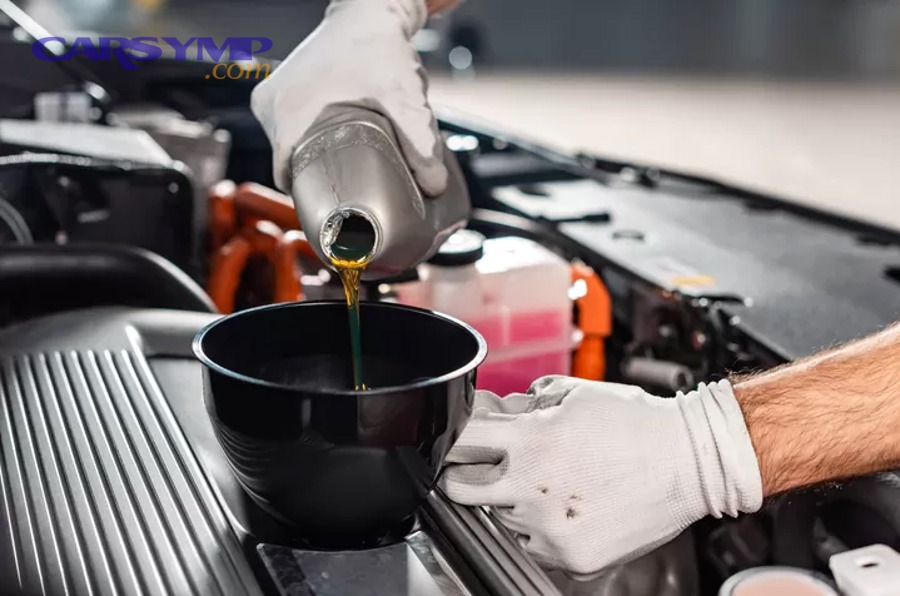
The right interval is the one your owner’s manual or oil-life monitor specifies, adjusted for severe service, because interval depends on driving conditions more than oil marketing—and both synthetic and conventional oils fail if you run them too long.
Then, once interval is correct, oil type becomes your “margin” for harsh conditions and consistency.
Should you follow the owner’s manual, the oil-life monitor, or a fixed mileage rule?
Yes—you should follow the owner’s manual and/or oil-life monitor first because the manufacturer designs the interval around engine design, emissions hardware, and operating conditions; a fixed mileage rule is only a fallback.
However, if you drive under severe service, you should default to the more conservative schedule the manual provides. Purdue emphasizes starting with the owner’s manual and notes that failing to follow recommendations can void warranty expectations, especially during coverage periods. (ag.purdue.edu)
A practical hierarchy that works for most drivers:
- Owner’s manual required spec + viscosity (non-negotiable)
- Oil-life monitor (if your vehicle uses one and you drive mixed conditions)
- Severe-service schedule (if you do frequent short trips, towing, idling, or extreme temps)
- Fixed mileage rule only when you lack better guidance
And yes—your oil change interval should also consider time. Even if you don’t drive much, moisture and contamination can still accumulate.
What driving conditions shorten oil life regardless of oil type?
There are six main conditions that shorten oil life—regardless of whether you use synthetic or conventional—based on contamination load, heat cycling, and incomplete warm-up.
Moreover, these are the conditions that make “normal intervals” unreliable:
- Short trips where oil doesn’t reach stable temperature
- Stop-and-go driving with repeated heat cycling
- Towing/hauling that increases load and temperature
- Extreme heat or extreme cold that stresses viscosity and oxidation stability
- Dusty environments that increase particulate contamination and filter load
- Frequent idling that can increase fuel dilution and soot/contaminants
Evidence: According to a publication by Purdue University Extension, in 2025, oil performance can drop sharply when service is delayed (not a linear decline), and short-trip drivers often benefit from more frequent oil changes. (ag.purdue.edu)
How do you choose the right oil for your car in 5 minutes?
There are five steps to choose the right motor oil: match the manual’s viscosity, confirm required specifications, pick oil type based on driving severity, choose a filter that fits the interval, and set an oil change plan you’ll actually follow.
Next, if you use that sequence, you avoid the biggest mistake: paying for “premium” oil while ignoring the spec or using a weak filter.
What viscosity grade and OEM spec should you match first (before choosing oil type)?
You should match viscosity grade and required specification first because an oil that doesn’t meet the correct viscosity or required standard can reduce protection, affect fuel economy, and potentially create warranty conflicts—regardless of being synthetic.
More specifically, your checklist should look like this:
- Find the recommended viscosity in the manual (e.g., 0W-20, 5W-30). Purdue explains the first number (with “W”) relates to cold-start viscosity, while the second number relates to viscosity at operating temperature. (ag.purdue.edu)
- Confirm the required service rating/spec (API/ILSAC and any OEM approvals).
- Don’t “thicken up” casually. Many engines are designed around specific viscosity targets for oil flow, variable valve timing, and hydraulic systems. If the manual offers alternate viscosities for towing or high heat, follow that guidance rather than guessing.
Once you lock those in, choosing synthetic vs conventional becomes much clearer—and safer.
Which drivers should choose synthetic, which can choose conventional, and who should choose a blend?
There are three main driver groups: synthetic is best for severe conditions and modern stressed engines, conventional can work for mild conditions with consistent service, and blends fit moderate conditions when you want a cost compromise.
Meanwhile, use this decision tree:
Choose synthetic if you:
- Drive short trips often, especially in cold weather
- Tow/haul, drive in extreme heat, or push RPM regularly
- Own a turbocharged or performance-oriented engine
- Want maximum stability with longer manufacturer intervals
- Care about deposit control and oxidation resistance margins
Choose conventional if you:
- Drive mostly steady, moderate-climate routes
- Prefer shorter, consistent oil change intervals
- Have an engine whose manual allows conventional that meets the required specs
Choose a synthetic blend if you:
- Drive mixed conditions and want better stability than conventional without full synthetic cost
- Want a practical middle ground for seasonal temperature swings
Finally, if your vehicle is older and you’re dealing with seepage or consumption, consider High-mileage oil: when it helps—especially if you’re around the 75,000-mile mark and you want seal-conditioning support. Purdue describes high-mileage oils as including seal enhancers intended to mitigate leaks often associated with older engines. (ag.purdue.edu)
Evidence: According to a study by AAA, in 2017, synthetic oils outperformed conventional oils by 47% on average in standardized performance tests, and the average oil change price difference reported was $32—which helps quantify both benefit and cost. (newsroom.aaa.com)
What rarely-discussed factors can change the “best oil” choice for your engine?
Rarely-discussed factors are the tie-breakers: LSPI sensitivity in small turbo GDI engines, volatility (Noack) that affects consumption and deposits, shear stability that changes real viscosity over time, and used oil analysis that validates extended intervals.
Besides, these factors matter most when you’re pushing intervals, running hot, or dealing with turbo/direct-injection quirks.
Does low-speed pre-ignition (LSPI) risk affect oil choice for small turbo GDI engines?
Yes—LSPI risk can affect oil choice because modern turbocharged gasoline direct-injection engines can be sensitive to lubricant chemistry, and certain oil formulations and specifications are designed to reduce LSPI frequency.
More specifically, LSPI isn’t a “noise” issue—it can be a damaging combustion event. Technical literature notes LSPI frequency is sensitive to engine oil composition. (saemobilus.sae.org)
Practical guidance (without overcomplicating it):
- Follow the exact spec your manufacturer calls for.
- If your manual references a modern standard (often tied to newer API/ILSAC categories), don’t downgrade.
- If you modify your engine or run high boost, treat oil selection as a reliability component, not an afterthought.
What is Noack volatility, and can it affect oil consumption and deposits?
Noack volatility is a standardized measure of how much oil evaporates under high heat, and yes, higher volatility can contribute to oil consumption and deposit formation because more light fractions can vaporize and move through the crankcase ventilation system.
However, you don’t need to memorize the test to use it. You only need to know the behavior: oils that evaporate more easily can increase top-off needs and may contribute to deposits in high-heat areas—especially in turbo engines.
If you notice you’re adding oil between services, volatility and engine condition both matter—so treat it as a diagnostic clue, not just a product complaint.
What is shear stability, and why can the oil thin out over time even if the label says 5W-30?
Shear stability is the oil’s ability to maintain its intended viscosity under mechanical stress, and oil can thin over time because viscosity modifiers and the oil’s structure can be mechanically stressed—especially in high-load, high-shear zones.
More importantly, this explains why two “5W-30” oils can behave differently after thousands of miles. It also explains why high-stress use (towing, track days, turbo heat) can make a more stable formulation worthwhile.
Should you use Used Oil Analysis (UOA) to extend intervals safely?
Yes—UOA can help extend intervals safely if you’re attempting longer-than-normal service, operating under severe conditions, or managing a fleet, because it measures oil condition and contamination trends rather than guessing by mileage alone.
Meanwhile, UOA is not magic. It’s most useful when:
- You want to validate a longer interval your driving pattern might support
- You suspect fuel dilution, coolant contamination, or excessive wear metals
- You’re optimizing maintenance costs for multiple vehicles
Purdue notes that operators often test oil for contaminants and use results to determine whether to change oil earlier or later based on condition—plus spot potential problems before they become expensive. (ag.purdue.edu)
Evidence: According to a publication by Purdue University Extension, in 2025, oil testing can be used to assess contamination and oil condition to inform oil change timing and identify developing problems early. (ag.purdue.edu)