


A modern tune-up includes inspection, testing, cleaning, and selective replacement of wear items that affect engine performance, drivability, and reliability. In today’s cars, that usually means spark plugs, filters, fluid checks, ignition-related components, belts, hoses, battery condition, and a scan for stored fault codes rather than the old-style manual adjustments associated with carburetors and distributors. (kbb.com)
That broad definition matters because many drivers still hear the word tune-up and expect one fixed service. In practice, a tune-up now overlaps with scheduled maintenance, but it remains useful as a consumer-friendly term for a bundle of engine-related checks and replacements that help a vehicle run properly. (auto.howstuffworks.com)
Drivers also want to know what is actually included, what is not, and how to judge value before approving work. That is why a clear Tune-up checklist by mileage, an itemized service list, and a realistic Tune-up cost estimate matter more than the label alone. (kbb.com)
Many owners also search for timing and symptoms, because the real question is often whether the car needs attention now. Introduce a new idea: the sections below explain what a modern tune-up includes, how it differs from routine maintenance, and the most useful Signs your car needs a tune-up. (cars.com)
What Does a Modern Tune-Up Include Today?
A modern tune-up includes inspection, testing, and replacement of key wear items rather than old-fashioned mechanical adjustment.
To better understand that service, it helps to separate the legacy idea of a tune-up from the checklist modern drivers actually pay for.

On a current gasoline vehicle, a tune-up usually centers on parts that directly affect combustion and airflow, plus the supporting checks that confirm the engine management system is operating correctly. Shops commonly include spark plug replacement when due, inspection of ignition coils or wires where applicable, engine air-filter inspection or replacement, fluid-condition checks, belt and hose inspection, battery and charging checks, and an OBD-II scan to look for trouble codes or misfire history. That package can expand or shrink depending on mileage, vehicle design, and the maintenance schedule in the owner’s manual. (kbb.com)
Modern cars rarely need the timing, idle-speed, carburetor, and distributor adjustments that defined the classic tune-up. Electronic fuel injection, coil-on-plug ignition, and onboard computers have replaced most manual tuning tasks, so the modern service is closer to preventive maintenance plus diagnostics than to literal engine tuning. (auto.howstuffworks.com)
Is a Modern Tune-Up Still the Same as a Traditional Tune-Up?
No, a modern tune-up is not the same as a traditional tune-up because modern cars self-manage ignition and fueling, use longer-life parts, and rely on diagnostics instead of frequent manual adjustment.
However, the term survives because drivers still need a simple name for a service that restores smooth running and catches wear before it causes a misfire or drivability complaint.
A traditional tune-up often meant adjusting ignition timing, replacing points and condenser parts, servicing a distributor cap and rotor, tuning a carburetor, and checking plug wires at relatively short intervals. On most late-model vehicles, those components either no longer exist or no longer need periodic adjustment. Instead, the focus has shifted to replacing long-life spark plugs when due, confirming sensors and fuel trims look normal, inspecting intake and vacuum-related components, and verifying that the engine can still deliver clean combustion. (auto.howstuffworks.com)
That distinction matters when you compare estimates. If one shop sells a tune-up as “spark plugs and scan,” while another includes fluids, filters, and additional cleaning, the same term can describe very different scopes of work. That is why asking for an itemized list matters more than asking whether the shop offers a tune-up.
Which Parts Are Usually Included in a Modern Tune-Up Checklist?
There are several common tune-up items: spark plugs, air filter, fuel-related service where applicable, fluid checks, diagnostic scanning, and inspection of belts, hoses, and battery condition.
More specifically, the exact list depends on mileage, manufacturer recommendations, and whether the engine shows symptoms.
The most common replacement item is the spark plug, because it remains central to clean ignition. Air filters are another frequent inclusion, especially when dirty or restricted. Some vehicles or service packages also include a PCV valve, fuel filter if the design uses a serviceable one, and throttle-body or fuel-injector cleaning when carbon or deposits affect idle quality. Shops may also inspect engine oil level and condition, coolant, brake fluid, and transmission fluid, even if those fluids are not always replaced as part of a tune-up itself. (autozone.com)
Drivers should read the term “included” carefully. A real tune-up checklist should distinguish between inspect, clean, test, and replace, because those four actions carry different labor times and different prices. That one distinction often explains the gap between a basic service and a higher Tune-up cost estimate.
According to Kelley Blue Book in January 2026, a typical tune-up may include an oil change, tire rotation, and inspection of spark plugs, belts, hoses, and related components, while Cars.com reported in December 2025 that modern tune-up-related service can also include engine air-filter changes, throttle-body cleaning, injector cleaning, PCV valve replacement, and fluid service. (kbb.com)
How Do Mechanics Define a Tune-Up on Modern Cars?
Mechanics usually define a modern tune-up as a preventive engine-service package built around wear-item replacement, inspection, and diagnostic verification.
To better understand that definition, it helps to look at how the term applies on fuel-injected vehicles and where it overlaps with regular maintenance.
On a service counter, tune-up is often shorthand rather than a factory term. A technician may use it to describe “the maintenance items that most directly affect how the engine starts, idles, accelerates, and burns fuel.” That wording fits today’s cars because the engine computer already handles real-time adjustment, leaving technicians to verify inputs, replace worn components, and investigate codes or symptoms. (kbb.com)
What Is a Tune-Up on a Fuel-Injected, Computer-Controlled Vehicle?
A tune-up on a fuel-injected, computer-controlled vehicle is a maintenance-and-diagnostic service focused on wear parts, airflow, ignition quality, and fault-code review.
Specifically, the purpose is not to “retune” the engine manually but to restore the conditions the computer expects.
On these vehicles, ignition timing, air-fuel ratio adjustments, and idle control happen electronically. Because of that, a tune-up usually begins with scan-tool data and service history. If the vehicle is near a spark-plug interval, the plugs may be replaced. If there is a rough idle complaint, the technician may inspect for vacuum leaks, evaluate fuel trim behavior, inspect the intake tract, or clean the throttle body if deposits are present. If a misfire code exists, the job may include targeted testing of coils, plugs, compression, or injectors rather than a generic parts swap. (cars.com)
This is also why two late-model cars with the same mileage may receive different recommendations. One might only need plugs and filters, while another needs diagnosis because the computer has already detected performance faults.
What Is the Difference Between a Tune-Up and Regular Maintenance?
A tune-up emphasizes engine-performance-related service, while regular maintenance covers the full schedule of fluids, tires, brakes, filters, and inspections across the vehicle.
However, the two often overlap, which is why the term can confuse drivers.
Regular maintenance follows the manufacturer’s service intervals and usually includes basics such as oil and filter changes, tire rotation, brake inspection, and periodic fluid replacement. A tune-up may borrow some of those items, but it is more narrowly associated with engine running quality and preventive replacement of ignition and intake-related parts. In other words, regular maintenance is the full program, while a tune-up is a subset or service package that focuses on how the engine performs today. (kbb.com)
For drivers, the practical takeaway is simple: a “tune-up” is only useful language if the shop explains exactly which maintenance tasks and which diagnostic checks are included. Without that list, the name alone has limited value.
Which Services Are Most Commonly Replaced, Cleaned, or Checked During a Tune-Up?
A tune-up usually combines replacement items, cleaning tasks, and inspection/testing tasks to improve engine operation and confirm nothing is being overlooked.
Below, the service is easier to understand when you divide it by action rather than by marketing label.
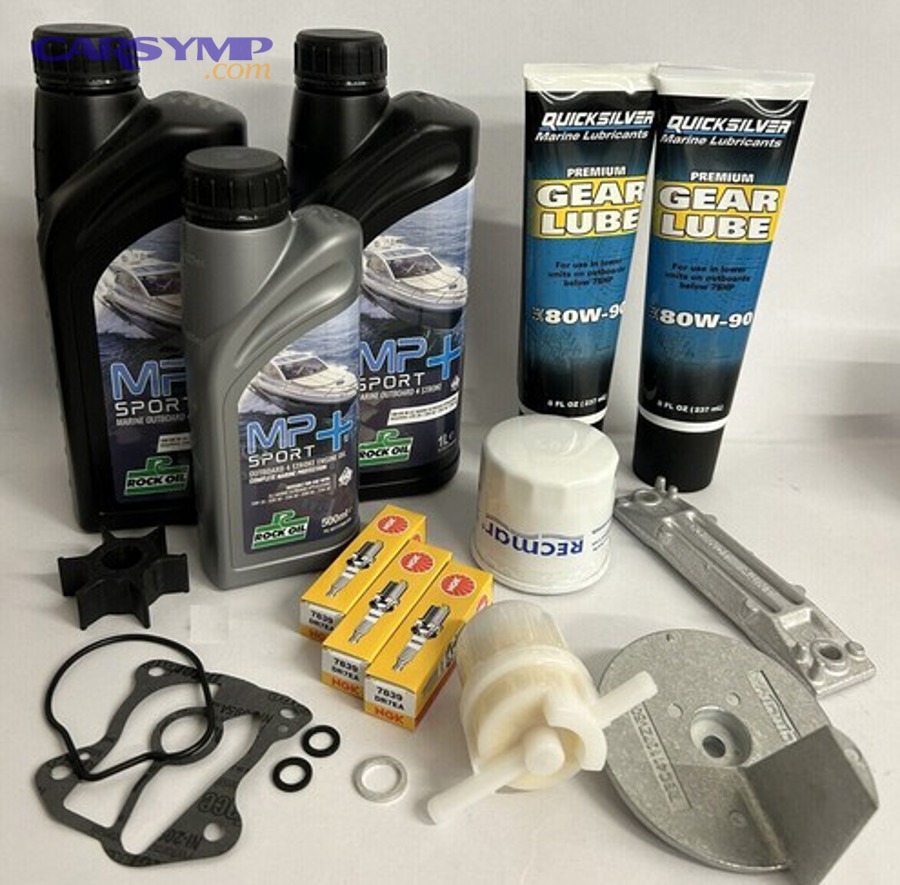
The replacement side usually targets wear items. The cleaning side addresses deposit buildup. The inspection side checks systems that influence performance or warn of a bigger problem. Taken together, those actions explain why one “tune-up” may be modest and another may be fairly involved.
Which Components Are Commonly Replaced During a Tune-Up?
The most commonly replaced tune-up components are spark plugs, engine air filters, and other serviceable wear parts identified by mileage or condition.
For example, some vehicles may also need a PCV valve, fuel filter, or ignition-related parts, but only when design and schedule call for them.
Spark plugs remain the cornerstone because they directly affect combustion quality. Modern iridium or platinum plugs last much longer than older designs, but they still wear and eventually widen their gap or lose efficiency. Toyota notes that spark plugs commonly last around 80,000 miles, while some manufacturers schedule them later depending on engine and plug type. Honda’s Maintenance Minder system also uses service codes that specifically call for spark plug replacement when required. (toyota.com)
Air filters are another common item because a severely restricted filter can reduce responsiveness, even though it does not necessarily improve fuel economy on modern fuel-injected vehicles the way many drivers assume. The U.S. Department of Energy’s FuelEconomy.gov states that replacing a clogged air filter on modern fuel-injected vehicles improves performance but not MPG. (fueleconomy.gov)
Other replaceable items depend on the vehicle. Older or specific designs may still use serviceable plug wires. Some engines use a replaceable PCV valve. Some maintenance packages include cabin filters because drivers associate them with a full service visit, even though they do not affect engine tuning. This is why a good estimate should separate core engine items from convenience add-ons.
Which Systems Are Commonly Inspected or Tested During a Tune-Up?
A tune-up commonly checks the ignition system, battery and charging system, belts, hoses, fluids, and onboard fault data.
More importantly, these tests help confirm whether the engine merely needs maintenance or whether it has a deeper problem.
A technician may scan for misfire codes, look at pending codes, and review freeze-frame data if a fault has been stored. Battery voltage and charging output may be checked because weak electrical supply can mimic engine issues. Belts and hoses are inspected for age cracks, swelling, or leaks. Fluids may be checked for level and condition, because low or contaminated fluids can point to maintenance neglect or developing mechanical trouble. (kbb.com)
The table below summarizes a practical tune-up checklist by mileage that drivers can use as a starting point. It does not replace the owner’s manual, but it shows how tune-up-related items often appear over time.
| Mileage Range | Common Tune-Up Focus | Typical Actions |
|---|---|---|
| 15,000–30,000 miles | Inspection-heavy phase | Check air filter, inspect battery, scan for codes, inspect belts/hoses, review fluids |
| 30,000–60,000 miles | Early wear-item phase | Replace filters as needed, inspect plugs depending on model, inspect intake system, service fluids by schedule |
| 60,000–100,000 miles | Major tune-up phase on many vehicles | Replace spark plugs if due, inspect coils, check throttle body/injector condition, scan for performance codes |
| 100,000+ miles | Deep maintenance phase | Replace plugs on many models if not already done, inspect aging hoses and belts, reassess fluids, test battery/charging, evaluate drivability complaints |
That table matters because a modern tune-up is usually mileage-sensitive, not calendar-generic. A 25,000-mile vehicle and a 110,000-mile vehicle do not need the same checklist, even if both owners ask for a tune-up.
According to AutoZone’s tune-up guide, common tune-up replacement parts include spark plugs, plug wires, air filters, and fuel filters, while its maintenance guidance also recommends regular inspection of fluids, belts, and related systems according to vehicle use and schedule. (autozone.com)
When Does a Driver Need a Modern Tune-Up?
Yes, modern cars still need tune-up-related service, mainly when the maintenance schedule calls for it or when the engine shows clear symptoms.
Then the smart approach is to match mileage-based maintenance with symptom-based diagnosis instead of waiting for performance to fall sharply.

Do Modern Cars Still Need Tune-Ups at Certain Mileage Intervals?
Yes, modern cars still need tune-up-related service at certain mileage intervals because spark plugs, filters, fluids, and inspection points still wear over time.
However, those intervals are longer than they used to be, and they vary widely by manufacturer and engine.
For many late-model gasoline vehicles, spark plugs may last roughly 80,000 to 100,000 miles or more, depending on plug type and OEM schedule. Toyota states that spark plugs usually last around 80,000 miles and are changed during routine scheduled maintenance. Honda’s system uses service codes to signal spark plug replacement rather than relying only on a fixed sticker-style reminder. (toyota.com)
That means a tune-up checklist by mileage should always begin with the owner’s manual. Online advice is useful for orientation, but the vehicle-specific schedule is the real authority because it reflects the engine’s design, emissions controls, and factory testing. A shop that recommends a tune-up much earlier than the schedule should be able to explain why in vehicle-specific terms.
What Signs Suggest Your Car May Need a Tune-Up?
Common Signs your car needs a tune-up include rough idle, hesitation, hard starting, misfires, poor fuel economy, weak acceleration, and a check-engine light.
Besides mileage, these symptoms matter because they signal that combustion, airflow, or electronic control may no longer be working as intended.
Cars.com lists engine misfires, hesitation, stalling, poor mileage, hard starting, and failed emissions results among the classic signs that something tune-up-related or diagnosis-related needs attention. The U.S. Department of Energy also advises drivers not to ignore the check-engine light, noting that certain maintenance faults can significantly reduce fuel economy. (cars.com)
Drivers should also watch for subtle clues. A car that starts fine when warm but struggles when cold, a vehicle that feels sluggish under load, or an engine that shakes slightly at stoplights may be telling you that spark quality, air delivery, or fuel delivery has degraded. Those symptoms do not always mean “get a tune-up and it will be fixed,” but they do mean the vehicle needs informed attention soon.
When symptoms appear, diagnosis becomes just as important as maintenance. A misfire caused by a vacuum leak, a failing injector, or low compression will not be cured by replacing spark plugs alone. That is why symptom-based tune-up work often starts with a scan and testing before parts are recommended.
According to the U.S. Department of Energy, fixing a serious maintenance problem such as a faulty oxygen sensor can improve mileage by as much as 40%, which shows why drivers should treat warning lights and drivability symptoms as a prompt for timely inspection rather than as something to postpone. (energy.gov)
How Does a Modern Tune-Up Improve Performance and Reliability?
Yes, a modern tune-up can improve performance and reliability by restoring combustion quality, catching wear early, and preventing small issues from becoming expensive failures.
More specifically, the gains are usually smoothness, dependability, and restored responsiveness rather than dramatic horsepower increases.
On healthy modern cars, tune-up results are often subtle because computers compensate for wear until they cannot. Once new plugs replace worn ones or a restricted filter is changed, the car may idle more smoothly, start more cleanly, and respond more consistently to throttle input. The improvement feels like a vehicle returning to baseline rather than suddenly becoming more powerful than before. (autozone.com)
Can a Tune-Up Help Restore Fuel Economy, Power, and Smooth Operation?
Yes, a tune-up can help restore fuel economy, power, and smooth operation when worn plugs, neglected maintenance, or unresolved faults are reducing efficiency.
However, the size of the improvement depends on whether the vehicle was actually out of spec to begin with.
If spark plugs are badly worn, combustion quality can suffer and the engine may need more effort to deliver the same performance. If a sensor-related fault affects fuel control, mileage can fall significantly. If the air filter is clogged on a modern fuel-injected car, throttle response may improve after replacement even if MPG does not rise much. Those distinctions matter because not every tune-up item delivers the same kind of benefit. (fueleconomy.gov)
This is also where drivers should be realistic about a Tune-up cost estimate. Paying for plug replacement at the correct interval often makes sense. Paying for vague “performance services” without evidence of need is harder to justify. The best value comes from maintenance that aligns with mileage, symptoms, and scan results.
How Does a Tune-Up Help Prevent Bigger Engine Problems?
A tune-up helps prevent bigger engine problems by replacing wear items on time, identifying weak systems early, and reducing the chance that minor faults cascade into larger repairs.
In addition, preventive inspection is often what reveals leaks, electrical weakness, or neglected service before they leave you stranded.
A worn spark plug can push an ignition coil harder. An unresolved misfire can damage the catalytic converter. A weak battery can create inconsistent starts and misleading electronic symptoms. Cracked hoses can introduce unmetered air and trigger lean-running conditions. None of these issues is guaranteed, but all of them become more likely when basic maintenance is ignored. That preventive logic is the strongest reason modern cars still benefit from tune-up-related service. (cars.com)
In practical terms, that means the tune-up is less about chasing performance and more about protecting reliability. For most drivers, smooth starts on a cold morning, predictable acceleration in traffic, and fewer surprise repairs are more valuable than any marketing promise.
According to FuelEconomy.gov and the U.S. Department of Energy, regular maintenance helps avoid fuel-economy losses from worn spark plugs and related issues, reinforcing the idea that preventive service protects both running quality and operating cost. (fueleconomy.gov)
How Does the Meaning of a Tune-Up Change Across Vehicle Types and Service Terms?
The meaning of a tune-up changes by vehicle type, engine design, and shop terminology, but the safest interpretation is always manufacturer-scheduled maintenance plus symptom-based diagnosis.
Below, the differences become clearer when you compare hybrids, turbo engines, diagnostic services, and the way repair shops market the term.

Is a Tune-Up Different for Hybrids, Turbocharged Cars, or Newer Engines?
Yes, a tune-up can differ across hybrids, turbocharged cars, and newer engines because service intervals, access, and component stress vary by design.
Meanwhile, the underlying rule remains the same: follow the maintenance schedule for the exact engine you own.
Hybrids still have gasoline engines if they are not full EVs, so they still use spark plugs, filters, and fluids on scheduled intervals. Honda’s Maintenance Minder documentation includes spark plug replacement among service sub-items, and Toyota notes that spark plugs are part of routine scheduled maintenance. Turbocharged engines, on the other hand, may be more sensitive to correct spark plug condition, proper oil service, and intake-system integrity because boost pressure magnifies small weaknesses. (toyota.com)
Newer engines may also use direct injection, variable valve timing, and more sophisticated emissions hardware. That technology reduces the need for old-school tune-ups, but it increases the value of correct diagnostics and precise maintenance intervals.
What Is the Difference Between a Tune-Up, an Engine Diagnostic, and a Full Maintenance Service?
A tune-up targets engine-related maintenance, an engine diagnostic identifies the cause of a specific problem, and a full maintenance service covers the broader factory schedule for the whole vehicle.
On the other hand, these categories overlap enough that shops often bundle them together.
If your car runs normally and is simply due for spark plugs and inspections, tune-up language makes sense. If the check-engine light is on and the engine shakes, you primarily need diagnosis, even if the final repair includes tune-up parts. If the car is due for oil, tires, brake inspection, cabin filter, and coolant, that is better described as full scheduled maintenance. Clear naming helps drivers avoid paying for the wrong kind of visit. (kbb.com)
A useful rule is this: maintenance follows time and mileage, while diagnostics follows symptoms and fault codes. The best service advisors know when to separate those two conversations.
Why Do Some Shops Still Use the Term “Tune-Up” for Modern Cars?
Shops still use the term tune-up because drivers recognize it, ask for it, and associate it with restoring performance and preventing trouble.
However, the word is now more of a communication shortcut than a precise technical label.
The term survives because it is familiar and easy to market. Many owners do not ask for “scheduled combustion-related preventive maintenance”; they ask for a tune-up. Good shops adapt to that language but explain the exact parts and tests involved. Less careful sellers may use the term loosely, which is why itemized estimates matter so much. (auto.howstuffworks.com)
For drivers, the takeaway is not to reject the term but to clarify it. Ask what the service includes, what is recommended because of mileage, what is recommended because of symptoms, and what evidence supports each item.
Should Drivers Follow a Generic Tune-Up Checklist or the Manufacturer’s Schedule?
Drivers should follow the manufacturer’s schedule first and use a generic checklist only as a supplemental guide.
Thus, the owner’s manual is the safest foundation because it is written for your engine, your emissions system, and your service intervals.
Generic articles are helpful for understanding what a tune-up usually involves, but they cannot know whether your vehicle needs plugs at 60,000, 80,000, 100,000, or 120,000 miles. They also cannot account for severe-service conditions, turbocharging, hybrid systems, or brand-specific maintenance monitors. That is why the owner’s manual and service minder system should guide decisions, while general advice helps you ask better questions. (toyota.com)
In short, the smartest tune-up plan is simple: start with the factory schedule, adjust for real symptoms, request an itemized estimate, and use a general checklist only to make sure nothing obvious is being missed. That approach gives you the best balance of cost control, reliability, and confidence when reviewing any Tune-up cost estimate.