


Transmission solenoid failures can often be reduced, though not always eliminated, by keeping transmission fluid clean, protecting the electrical circuit, controlling heat, and responding early to subtle shift problems. In practical terms, drivers prevent many avoidable failures when they follow the correct service schedule, use the right fluid, and do not ignore delayed, harsh, or inconsistent shifting.
The first layer of prevention is understanding what usually harms a solenoid in the first place. Dirty or degraded fluid can leave varnish and debris inside the valve body, while poor fluid cleanliness can slow hydraulic response and make a solenoid work harder than it should. At the same time, weak connectors, damaged insulation, or unstable voltage can create electrical faults that look like major transmission damage before a full failure actually occurs.
The second layer is maintenance discipline. Transmission service, leak checks, and periodic inspections matter because solenoids live inside a system that depends on stable pressure, clean passages, and reliable electrical signals. That is why preventive care is usually more effective than waiting until transmission solenoid replacement becomes the only option.
The third layer is early detection and smart diagnosis. Many vehicles show symptoms or set codes before a solenoid completely fails, and some even need software updates or relearn procedures after repair. Next, the main content explains how prevention works, what causes the problem, which habits protect the system, and how to tell prevention apart from repair.
What are transmission solenoid failures, and can they be prevented?
Yes, transmission solenoid failures can often be prevented or delayed through clean fluid, healthy wiring, controlled heat, and timely maintenance. To better understand that prevention goal, it helps to define what the solenoid does and why failure usually reflects a larger system problem rather than a random isolated event.
What does a transmission solenoid do in an automatic transmission?
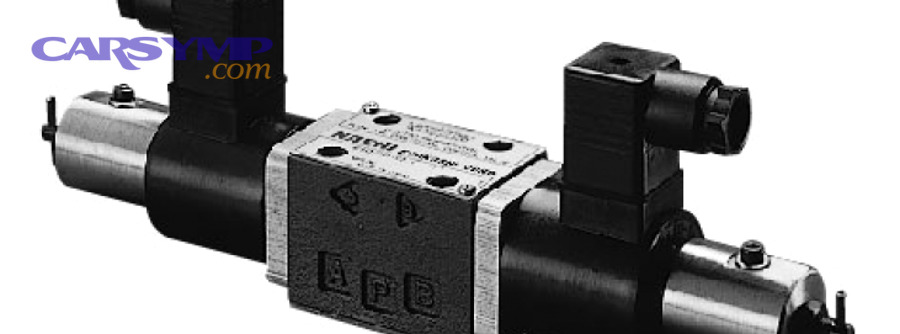
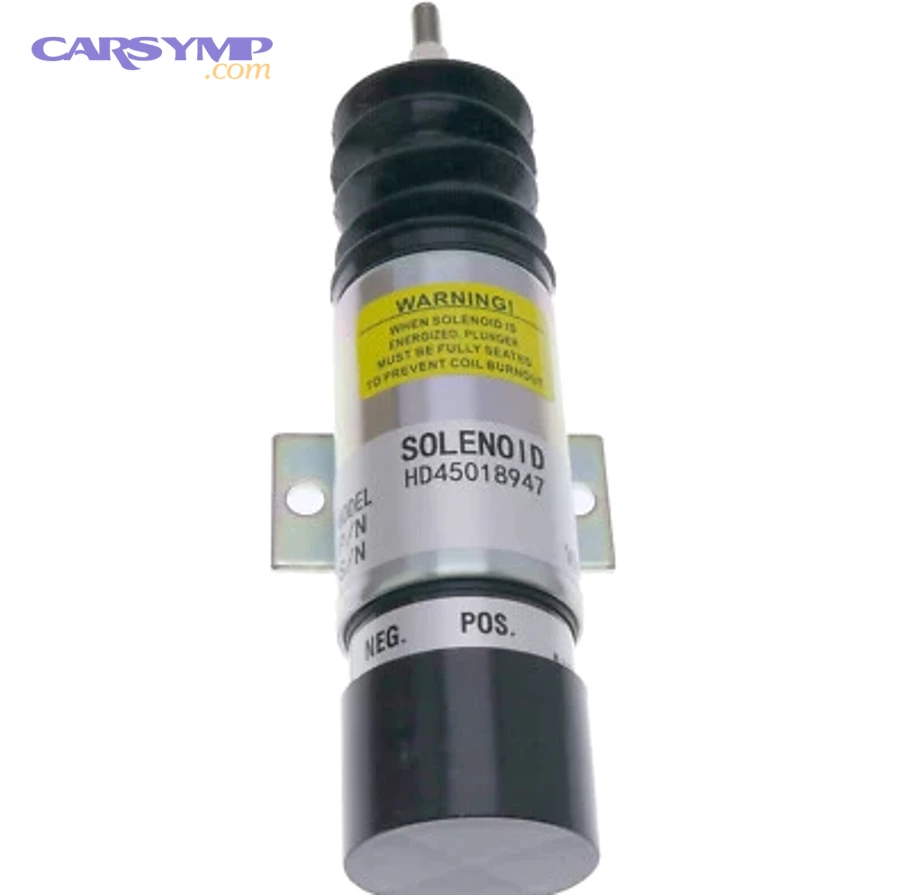
A transmission solenoid is an electrically controlled valve actuator inside an automatic transmission that directs hydraulic fluid to help manage gear changes, pressure control, and clutch engagement. Specifically, the solenoid converts electrical commands from the transmission or powertrain control module into mechanical hydraulic action. That makes it a central bridge between electronics and shifting behavior.
When the control module decides the transmission should upshift, downshift, lock the converter, or adjust line pressure, it uses one or more solenoids to open, close, or modulate fluid passages in the valve body. In many modern units, shift quality depends not only on whether a solenoid works, but also on how quickly and consistently it responds. A sluggish solenoid can create flare shifts, delayed engagement, or harsh gear changes even before it fails completely.
This is why prevention is a systems issue. The solenoid depends on clean fluid to move properly, on good wiring to receive accurate signals, and on stable pressure to do its job. If any one of those supporting conditions breaks down, the transmission may show symptoms that appear mechanical even though the root problem is electrical or hydraulic.
Can regular maintenance really prevent transmission solenoid failures?
Yes, regular maintenance can reduce the risk of preventable transmission solenoid failures, but it cannot stop every age-related or internal electronic failure. More importantly, maintenance lowers exposure to the most common triggers: contaminated fluid, overheating, low fluid level, and neglected electrical issues.
Regular service matters because many solenoid complaints begin as contamination or heat problems, not immediate electrical burnout. Old fluid can oxidize, lose friction characteristics, and carry debris through the valve body. That buildup can slow a pressure-control or shift solenoid enough to create drivability issues long before the unit becomes fully inoperative. Likewise, a transmission leak that goes unaddressed can reduce hydraulic stability and make shift control erratic.
Maintenance also helps technicians find problems sooner. A routine inspection can uncover damp connectors, harness rubbing, signs of overheating, or early codes before the driver needs a full transmission solenoid replacement. That timing matters because early correction is usually cheaper and less disruptive than waiting until the transmission enters limp mode or begins to slip badly.
According to Valvoline Global, automatic transmission fluid commonly needs service somewhere in the 30,000 to 100,000 mile range depending on vehicle design and operating conditions, reinforcing that fluid care is a major part of long-term transmission protection.
What causes transmission solenoid failures most often?
There are four main causes of transmission solenoid failure: fluid contamination, electrical faults, heat stress, and internal valve body wear. To better understand prevention, each cause should be viewed as a category of stress rather than a single defect.
Which fluid problems increase the risk of solenoid failure?
Fluid problems that raise solenoid failure risk include dirty fluid, the wrong fluid specification, low fluid level, overheated fluid, varnish buildup, and debris circulation. More specifically, these problems reduce hydraulic precision and can make a healthy solenoid behave like a failing one.
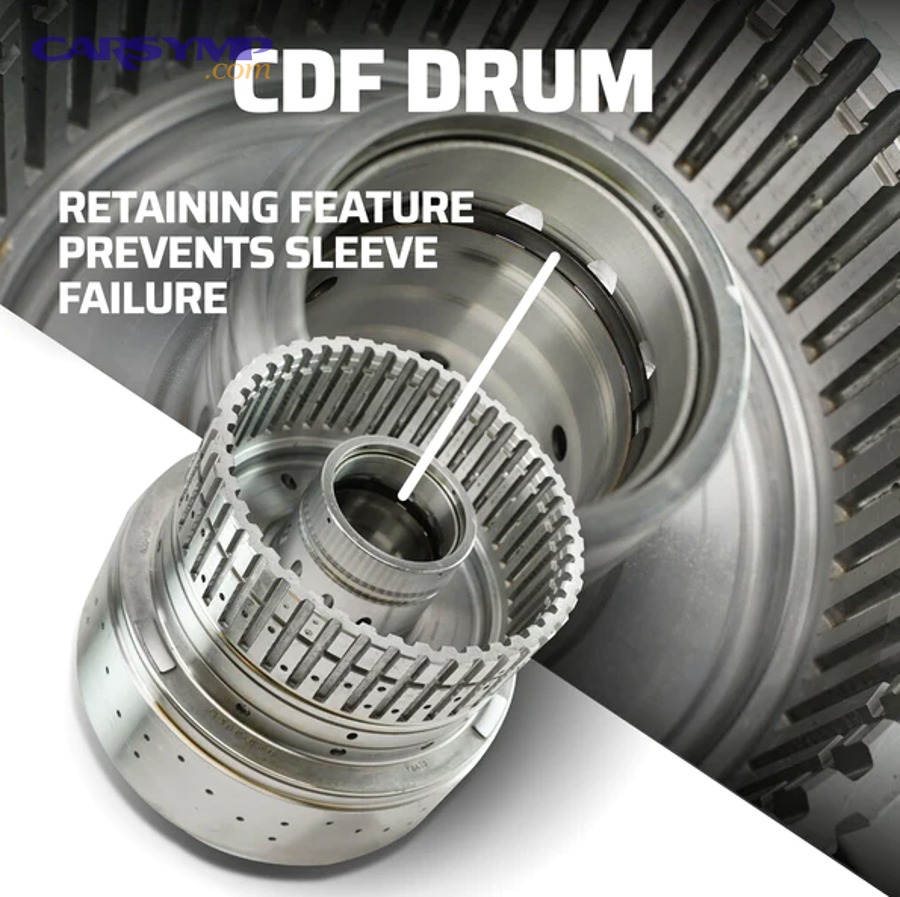
Contaminated fluid is one of the biggest threats because solenoids and valves work through narrow passages and precise movement. As fluid ages, heat and oxidation can thicken it or leave varnish on internal surfaces. Fine clutch material, metal particles, or moisture contamination can then circulate through the valve body. In that environment, a shift solenoid may stick, respond slowly, or lose pressure control accuracy.
Low fluid level creates a different kind of risk. Even if the solenoid itself is still electrically sound, poor hydraulic supply can produce delayed engagement, flares, or harsh shifts that mimic solenoid failure. Drivers sometimes replace parts too early because they misread a fluid problem as a component problem. That is why fluid cleanliness is not a minor maintenance detail; it is a direct performance factor in how the solenoid and valve body function together.
Wrong fluid can also be harmful. Modern automatic transmissions often require a specific fluid chemistry and friction profile. Using a substitute that does not meet the manufacturer’s specification can alter pressure behavior and clutch timing. Over time, that extra mismatch adds stress to both the hydraulic circuit and the adaptive controls trying to compensate for it.
Which wiring and connector problems lead to solenoid damage or malfunction?
The wiring issues that most often affect solenoids are corrosion, loose terminals, damaged insulation, unstable voltage, poor grounds, and internal harness wear. In addition, electrical faults can be intermittent, which makes them especially easy to ignore until symptoms become more serious.
A solenoid coil needs the proper voltage and command signal to operate as designed. If the connector has corrosion, the circuit may develop resistance or dropouts. If a harness rubs through near the case or engine bay, the control signal may short or open only under vibration or heat. These intermittent faults can produce random harsh shifts, delayed shifts, or stored diagnostic trouble codes that seem inconsistent from one drive to the next.
Voltage stability matters as well. Overvoltage and undervoltage both stress electromagnetic components. In a real vehicle, the problem may begin with charging system irregularities, weak grounds, or connector damage rather than the solenoid itself. That is one reason DIY solenoid replacement risks are higher than many drivers expect: replacing the part without testing the circuit can leave the true fault untouched.
Tameson notes that improper voltage supply is one of the most common causes of solenoid coil burnout, and both overvoltage and undervoltage can damage the coil.
What maintenance habits help prevent transmission solenoid failures?
The most effective maintenance habits are using the correct fluid, servicing it on time, fixing leaks early, monitoring shift changes, and checking electrical connections before symptoms escalate. Let’s explore those habits in the order that gives drivers the biggest preventive payoff.
What fluid and transmission service practices matter most?
The most important service practices are following the manufacturer’s interval, using the exact approved fluid, maintaining proper fluid level, and replacing the filter when the design allows it. Specifically, these steps protect the hydraulic environment that solenoids need to operate accurately.
A smart maintenance plan starts with the owner’s manual, not a generic mileage rule. Some transmissions need service earlier under severe use such as towing, heavy traffic, mountain driving, or repeated short trips in high heat. Others are marketed as “filled for life,” but even those units can suffer when fluid degrades under real-world stress. The practical takeaway is simple: follow the official schedule, then shorten the interval when operating conditions are harder than normal.
Fluid level matters just as much as fluid age. Underfill can create aeration, pressure instability, and delayed engagement. Overfill can also cause foaming and erratic hydraulic behavior. Many late-model transmissions have precise checking procedures, including temperature ranges and level ports, so guesswork is risky.
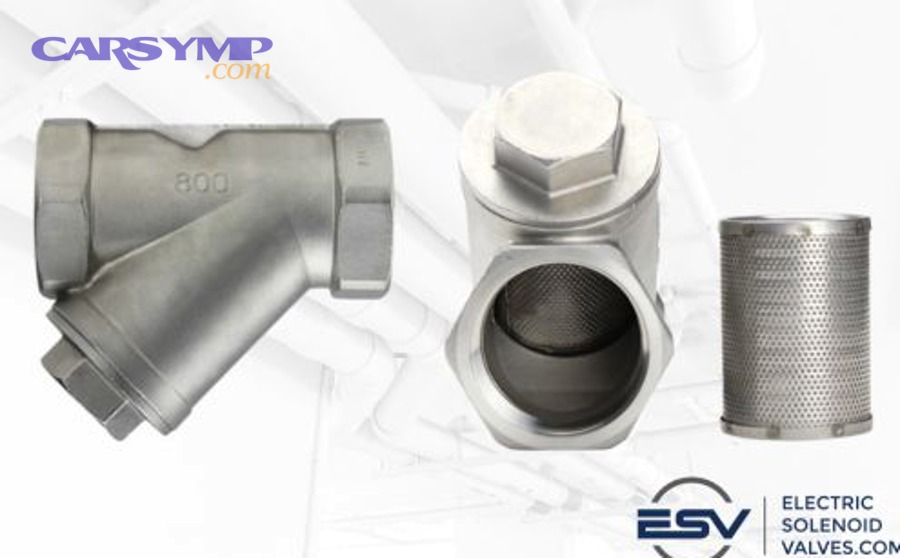
Filter service, when applicable, is another preventive layer. A clogged or neglected filter can restrict flow and make the entire hydraulic system less stable. Some vehicles allow pan-drop service with filter replacement, while others require more involved access. When a shop recommends fluid service because shift quality is changing, the goal is often to restore hydraulic consistency before the driver reaches the point of transmission solenoid replacement.
These service choices also affect money and downtime. Solenoid replacement labor time varies widely because some vehicles allow relatively direct pan access, while others require significant disassembly or valve body work. That is why prevention is often cheaper than repair, especially when you compare routine service with a later Transmission solenoid replacement cost estimate that includes diagnostics, fluid, seals, and labor.
What inspection habits help catch problems before the solenoid fails?
The best inspection habits are watching for leaks, scanning for codes, listening to shift feel changes, and checking connectors before a warning light appears. More importantly, those habits help catch faults when they are still small enough to isolate.
Drivers do not need advanced shop equipment to notice early clues. A fresh leak on the driveway, a new hesitation into Drive, a single harsh 2-3 shift, or an occasional flare under light throttle can all signal that the transmission is no longer operating consistently. These signs do not always mean the solenoid is bad, but they do mean the system deserves attention.
A scan tool adds another useful layer. Even inexpensive tools can sometimes reveal pending transmission-related codes or show that the vehicle has stored a history fault. When that happens, it becomes easier to distinguish a one-time odd shift from a repeatable electrical or hydraulic issue. In professional diagnosis, technicians also review live data and pressure-related behavior to see whether the problem is isolated to a solenoid circuit, a valve body issue, or a broader transmission condition.
Electrical inspection matters too. A visual check for bent pins, moisture intrusion, brittle loom, or harness chafing can prevent unnecessary parts replacement. Many avoidable repairs happen because people assume the solenoid is defective when the real issue is the path the signal travels through.
What warning signs suggest a solenoid problem is starting?
The most common warning signs are delayed shifts, harsh engagement, gear hesitation, slipping sensations, limp mode, and stored transmission-related codes. However, these signs should be treated as early warnings, not final proof of a bad solenoid.
What are the early symptoms of a failing transmission solenoid?
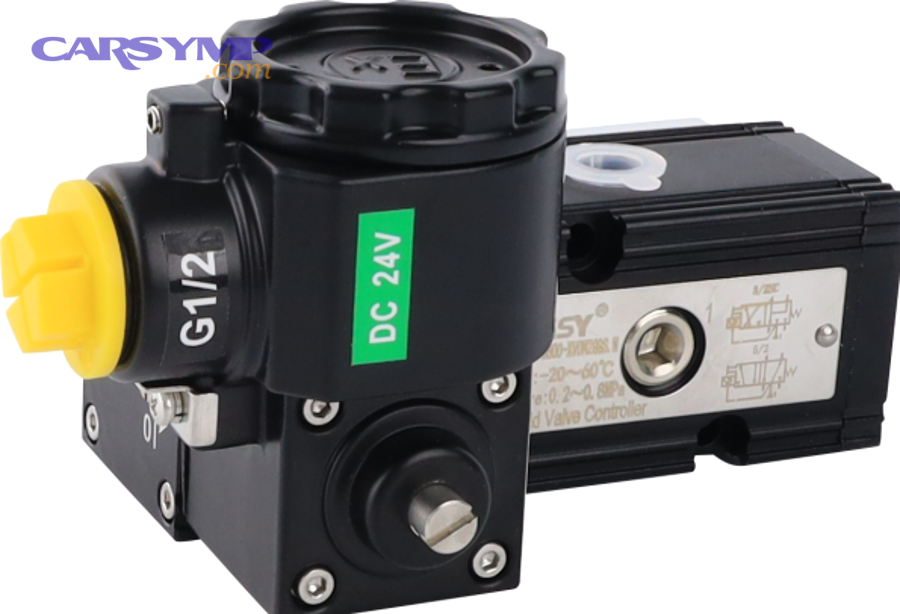
Early solenoid symptoms usually include delayed upshifts or downshifts, sudden harsh shifts, hesitation into gear, inconsistent shift timing, and an illuminated check engine light. For example, a vehicle may drive normally when cold but shift poorly after heat builds, which often points to a developing hydraulic or electrical weakness.
Another common symptom is inconsistent behavior. One drive may feel normal, while the next includes a hard engagement or a flare between gears. That inconsistency matters because intermittent faults are common in solenoid circuits and valve body contamination problems. A full mechanical failure tends to become progressively obvious, but a solenoid-related issue can come and go for weeks before it becomes undeniable.
Some vehicles also enter a protective mode. The transmission may lock into a limited gear range or display a warning while storing a trouble code related to shift performance or solenoid operation. In that situation, continuing to drive without diagnosis can create secondary wear because the control system is no longer managing pressure and clutch timing as intended.
Ford technical service bulletins filed with NHTSA describe harsh engagement, harsh shifts, delayed shifts, and codes such as P0751 and P0756 as symptoms associated with certain transmission control and valve body issues, showing how early drivability symptoms and DTCs often appear before a complete failure story is clear.
How do solenoid-related symptoms compare with broader transmission problems?
Solenoid-related symptoms usually show up as inconsistent or command-related shift errors, while broader transmission problems more often involve persistent slipping, noise, or progressive clutch damage. However, the line is not always clean because one issue can trigger another.
A fluid problem may look like a solenoid problem. A worn clutch pack may look like an electrical timing problem. A valve body bore wear issue may create the same harshness a driver would blame on a bad shift solenoid. That overlap is exactly why symptom comparison matters. Solenoids control events, but they do not work in isolation.
A helpful distinction is pattern. If the issue appears in one or two shift events, changes with temperature, or comes with a solenoid circuit code, the diagnosis often starts with the control and hydraulic side. If the vehicle has chronic slipping under load, burnt-smelling fluid, or debris indicating internal wear, the fault may extend beyond the solenoid. In that case, replacing a single component may not solve the real problem.
This is also where DIY solenoid replacement risks become most obvious. A driver might replace one part based on a code and still have the same shift issue because the deeper cause sits in the valve body, clutch circuits, or calibration strategy.
Which driving and operating habits help protect transmission solenoids?
The best driving habits for solenoid protection are avoiding chronic overheating, reducing repeated heavy-load stress, warming the vehicle sensibly, and reacting quickly when shift behavior changes. In addition, daily use patterns often determine whether a minor weakness stays minor or becomes an expensive repair.
Which driving conditions put the most stress on transmission solenoids?
The most stressful conditions are heavy towing, stop-and-go traffic, steep grades, extreme heat, repeated hard acceleration, and long service neglect. Specifically, these conditions increase fluid temperature and force the control system to work harder and more often.
Heat is the common thread. Automatic transmissions rely on fluid not only for lubrication but also for hydraulic control and cooling. When temperatures rise repeatedly, fluid oxidizes faster, seals harden sooner, and varnish forms more easily. That hotter, dirtier environment puts additional demand on the solenoids and the fine hydraulic circuits they control.
Stop-and-go traffic creates a different pattern of stress. It forces repeated low-speed shifts, converter activity, and pressure changes. Towing and mountain driving add load and temperature at the same time. Aggressive throttle use compounds the pressure demand. None of those habits automatically destroys a transmission, but they do justify more attentive maintenance and earlier inspection intervals.
Drivers can lower risk by giving the transmission time to engage before accelerating hard, by maintaining the cooling system, and by addressing even small leaks promptly. A vehicle that shifts slightly differently on a hot day is giving useful information. Ignoring that change is what turns a preventable condition into a repair bill.
Is preventing solenoid failure different from repairing a bad solenoid?
Yes, prevention and repair are different because prevention reduces stress before damage occurs, while repair corrects a fault after the system has already shown failure signs. More importantly, prevention is usually cheaper, less invasive, and less likely to miss the bigger cause chain.
Preventive care focuses on fluid service, inspection, temperature control, and early diagnosis. Repair begins when the vehicle already has symptoms, codes, or performance loss. At that point, technicians may need circuit testing, pan removal, valve body inspection, or calibration updates. The longer the issue has been present, the greater the chance that secondary wear has developed.
This difference affects cost planning. A routine service visit may involve fluid, a filter where applicable, and inspection time. By contrast, a realistic transmission solenoid replacement cost estimate may include diagnostic labor, fluid refill, pan gasket or seal materials, programming or relearn procedures, and, in some vehicles, significant teardown. That is why solenoid replacement labor time can vary from a relatively manageable service window to a much longer job depending on design and access.
In short, the cheapest solenoid repair is often the failure that never fully develops because the driver acted when the first signs appeared.
How do diagnosis methods and repair access affect transmission solenoid prevention and long-term reliability?
Diagnosis methods and repair access strongly affect long-term reliability because the right testing finds the real cause, while the wrong shortcut often replaces the symptom instead of the problem. Below, the article shifts from pure prevention into the deeper decisions that influence whether prevention and repair actually hold.

Can scan data and diagnostic codes reveal solenoid trouble before major symptoms appear?
Yes, scan data and codes can reveal developing solenoid trouble before major symptoms appear because control modules often detect performance irregularities early. To illustrate, a pending or stored code may show that a circuit or shift event is drifting out of range even when the driver only feels a mild hesitation.
Good diagnosis uses more than the code label. A P07xx family code may point toward a solenoid or shift-performance problem, but the useful insight comes from context: which gear event is affected, whether the issue occurs hot or cold, whether the code returns immediately, and how live data compares with commanded behavior. Technicians also look for voltage irregularities, adaptation values, and repeatable road-test patterns.
This early data matters for prevention because it creates a window before catastrophic wear. If the problem is low fluid, connector corrosion, or sluggish hydraulic response, fixing it early may avoid a larger repair. If the system shows broader pressure or clutch issues, the scan data helps prevent the mistake of blaming the wrong part.
What is the difference between pan-drop access and full teardown access for solenoid-related service?
Pan-drop access is simpler and cheaper when the solenoid or filter is reachable from the transmission pan, while full teardown access is necessary when the design buries components deeper inside the unit. More specifically, access determines labor time, repair scope, and how practical preventive service remains.
A pan-drop service usually allows the technician to inspect fluid condition, check for debris, replace the filter where applicable, and access certain solenoids or the valve body. That makes it helpful for early intervention because the shop can inspect the hydraulic environment before the problem becomes severe. For vehicles designed this way, a targeted repair may be possible without removing the entire transmission.
Full teardown is different. Some transmissions require major disassembly or removal from the vehicle to reach the affected components. In those cases, the repair threshold is higher, the cost is higher, and the margin for misdiagnosis is smaller. That is another reason why delayed attention is expensive. Once the issue progresses past early symptoms, the owner may face not just a solenoid question but a major labor question.
How do valve body problems compare with single-solenoid problems?
A single-solenoid problem affects one control component, while a valve body problem affects the hydraulic control assembly more broadly. However, the two are closely linked because a contaminated or worn valve body can make a good solenoid behave badly.
A bad individual solenoid may create a circuit code, a repeatable issue in one shift event, or a clear performance fault after testing. A valve body problem can be broader and messier. Bore wear, stuck valves, cross leaks, or contamination may create multiple symptoms that seem unrelated at first. The transmission may shift harshly in one gear, hesitate in another, and show inconsistent adaptation behavior over time.
This distinction matters because many repair plans go wrong here. Replacing a single solenoid may not solve a pressure-control problem caused by valve body wear. On the other hand, condemning the whole assembly too early can waste money if the real fault is a connector or isolated component. Accurate testing protects both reliability and budget.
Transmission Digest has noted that if a solenoid or clutch-control valve is slow due to wear or contamination, the control module may not compensate quickly enough, leading to harsh or flared shifts with limited initial clutch damage.
Can software calibration or adaptive shift behavior affect how solenoid problems appear?
Yes, software calibration and adaptive shift behavior can change how solenoid-related problems appear because the control system constantly adjusts timing and pressure based on learned behavior. Moreover, that means some shift complaints are partly mechanical, partly hydraulic, and partly calibration-related.
Modern transmissions learn driver input, clutch fill characteristics, and pressure requirements. If a component begins to respond slowly, the system may compensate for a time. That compensation can delay obvious symptoms, but it can also make the eventual complaint seem inconsistent. After repair, some vehicles need relearn procedures or updated programming so the control module can match the restored hardware behavior.
This is especially important after transmission solenoid replacement. A part can be installed correctly and still deliver disappointing results if the transmission needs adaptation, pressure learn procedures, or a control update. That is one more reason DIY solenoid replacement risks are real: the repair may involve more than swapping a component.
NHTSA-filed service information for certain transmissions describes pressure learn procedures and software-related actions as part of restoring normal shift operation, showing that calibration and relearn can materially affect post-repair behavior.
Conclusion
Preventing transmission solenoid failures is less about chasing a single part and more about protecting the system that part lives in. Clean fluid, strong fluid cleanliness habits, correct service intervals, healthy wiring, controlled heat, and early diagnosis all work together to reduce the chance that a small issue grows into a major transmission event.

For drivers, the key lesson is timing. If you respond when shifts first become delayed, harsh, or inconsistent, you preserve more repair options and keep costs more manageable. If you wait until the vehicle is in limp mode or slipping badly, the conversation often shifts from maintenance to transmission solenoid replacement, from routine inspection to a larger transmission solenoid replacement cost estimate, and from simple service to longer solenoid replacement labor time.
That is why prevention remains the smartest strategy. It protects the transmission, supports more reliable shifting, and reduces the chance that a solvable maintenance issue turns into a repair that is harder, riskier, and more expensive than it needed to be.