


The best info to provide when booking a repair is the information that lets a shop plan the right time, the right people, and the right parts—before your car ever rolls into the bay. When you share the right details up front, the appointment goes smoother and the diagnosis is faster.
Just as important, the same details reduce surprises: fewer “we didn’t know it was doing that,” fewer delays while the shop calls you back, and fewer misunderstandings about what you approved.
You also protect your budget and your schedule by setting clear constraints early—what matters to you, what can wait, and what must be confirmed before any extra work happens.
To tie it all together, here’s a practical, shop-friendly way to communicate—Giới thiệu ý mới—so the service advisor can translate your words into a technician-ready work order.
Quick takeaway: Provide vehicle ID + symptoms + timing/conditions + history + constraints + logistics. Then confirm how approvals and updates will work.
What vehicle details should you share before you choose a time slot?
Share your vehicle’s identity and baseline condition—year/make/model, mileage, and any major configuration—so the shop can match the job to the right technician, tools, and time window. To begin, think “Who is the car?” before “What is the problem?”
Next, connect those basics to the shop’s planning. A shop schedules differently for a late-model hybrid vs. a high-mileage SUV, and they may need special tools or certified technicians depending on the platform.

Include these “identity” items:
- Year, make, model, and trim (or engine size if you know it).
- VIN (best) or license plate + state (helpful for records).
- Current mileage and whether it’s approximate or exact.
- Powertrain type (gas, diesel, hybrid, EV) and transmission type if known.
- Modifications that affect diagnosis (aftermarket intake, lift kit, non-stock wheels/tires, tuning).
Specifically, mileage is not “small talk.” It helps the shop prioritize likely wear items and decide whether to allocate extra time for inspection. It also affects parts selection, because some components vary by production run and configuration.
To make this easier, you can simply text a photo of your registration and a photo of the odometer. That’s usually faster than typing and reduces mistakes.
Also share any “constraints” that change the plan, such as “the car must be back by 5 pm,” “I need it safe for a road trip tomorrow,” or “I’m comparing estimates.” These aren’t demands; they’re context that helps the shop propose the best path.
Finally, avoid vague vehicle labels like “a Toyota sedan.” The difference between trims and engines can change labor times and parts compatibility.
Theo nghiên cứu của Cox Automotive từ Under the Hood: Opportunities and Challenges in the Service Industry, vào Dec 2023, chủ xe trung bình đưa xe đi bảo dưỡng/sửa chữa 2.5 lần/năm, nên việc chuẩn hóa thông tin xe ngay từ đầu giúp giảm ma sát khi tần suất ghé xưởng tăng.
How should you describe the problem so it can be reproduced?
Describe symptoms in a way a technician can repeat: what you notice, when it happens, how often, and what changes it. Next, translate feelings (“it drives weird”) into observable facts (“pulls left under braking”).
To explain, a “repairable” description includes triggers and patterns—because many issues only appear under specific conditions like cold starts, high humidity, heavy load, or highway speed.
What exactly do you feel, hear, or smell?
State the symptom as an observation: noise, vibration, warning light, smell, leak, or performance change. Then add a simple qualifier (loud/soft, constant/intermittent) and the location (front left, under dash, rear).
For example: “A high-pitched whine near the passenger side of the engine bay” is far more diagnostic than “my engine sounds bad.”
To keep it precise, use comparisons: “like a grinding sound,” “like a click-click,” “smells like burning plastic,” or “smells like fuel.”
When does it happen, and what were you doing?
Give the condition set: cold start vs. warm, turning left vs. right, braking lightly vs. hard, accelerating uphill, idling at a stoplight, using AC, driving above 60 mph.
More importantly, note what makes it stop. That’s often the biggest clue. For instance, “noise disappears when I tap the brake” is a powerful breadcrumb.
How often, how long, and how quickly is it changing?
Quantify frequency and trend: “once per day,” “every time I start,” “only after 20 minutes,” “getting worse over two weeks.” Then connect it to a timeline event: a pothole hit, a jump start, a battery replacement, or a long trip.
If you can, describe whether the issue is stable, worsening, or intermittent—because intermittent problems often require more diagnostic time.
Which warning lights, messages, or codes do you see?
List exact dashboard text if there is any. If you have a scan tool, share the code(s) and freeze-frame info—but don’t assume the code is the final answer. Codes are clues, not verdicts.
To illustrate, a check-engine light plus “rough idle only when AC is on” is much more informative than “check-engine is on.”
Theo nghiên cứu của J.D. Power từ U.S. Customer Service Index (CSI) Study, vào Mar 2023, thời gian chờ lịch hẹn được ghi nhận tăng so với giai đoạn trước đó, nên mô tả triệu chứng có điều kiện giúp giảm khả năng phải quay lại nhiều lần để tái hiện lỗi.
What recent history should you disclose to prevent repeat work?
Share recent repairs and maintenance that relate to the symptom, plus anything that changed right before the problem started. Next, focus on “what was touched” because new symptoms often trace back to recent work or new parts.
More specifically, a shop can avoid duplicating tests (and avoid wrong turns) when they know what’s already been done, what parts were replaced, and what results you got.
Which maintenance items were done recently?
List recent oil changes, battery replacement, brakes, tires, alignment, spark plugs, coolant service, transmission service, or any “flush” work. Include dates and mileage if you have them.
If you don’t remember exact dates, approximate is fine—“about three months ago” is still valuable.
What repairs were attempted for the same symptom?
If you visited another shop, tell the new shop what they diagnosed and what they replaced, plus whether it helped. Bring the invoice if possible. This is not about blame; it’s about building a reliable chain of evidence.
Also share any parts you supplied yourself. Aftermarket parts can vary in fit and quality, and that can affect diagnosis.
Did anything unusual happen right before the issue began?
Examples include: dead battery and jump start, fuel from a new station, pothole strike, towing, severe weather, a long road trip, or a dashboard update. These events matter because they narrow the search space.
To keep the story clean, stick to “observable timeline” rather than theories. Let the technician connect the dots.
Are there previous intermittent issues that might connect?
Sometimes the “new” problem is a louder version of an old one: a faint noise that is now obvious, or a rare stall that is now frequent. Mentioning that history helps the shop look for root causes instead of symptoms.
Theo nghiên cứu của AAA từ Auto Repair Survey, vào Dec 2016, 63% người lái xe cho biết họ không tin tưởng ngành sửa chữa xe nói chung, nên việc bạn mang theo hóa đơn/lịch sử sửa chữa giúp cuộc trao đổi minh bạch hơn và giảm nghi ngờ không cần thiết.
What constraints should you state so estimates and approvals don’t go sideways?
State your decision rules up front: what you authorize, what needs approval, and what budget boundary you want respected. Next, confirm how the shop will communicate estimates and changes before work expands beyond the original request.
To explain, most disputes are not about a single part—they’re about expectations. Your goal is to define “yes,” “no,” and “ask me first.”

Do you want diagnosis first, repair second?
If you’re unsure of the root cause, it’s reasonable to request a diagnostic step first. Ask what the diagnostic fee covers (tests, scan, inspection) and whether it can be applied toward the repair if you proceed.
Also ask what information you’ll receive after diagnosis: photos, measurements, codes, or a written explanation. This sets a standard of clarity.
What’s your budget boundary or “call me above” threshold?
A simple rule helps: “Please call/text me for approval before any additional work or parts above $X.” This keeps you in control without forcing the shop to guess your comfort level.
If you have flexibility, say so. For example: “I’m okay with safety items up to $X, but non-urgent items can wait.”
Are warranties, insurance, or roadside plans involved?
Tell the shop if the repair might be warranty-related, if you have an extended service plan, or if insurance is part of the claim. These factors can change documentation needs and approval steps.
Bring relevant paperwork or a policy number, and confirm whether the shop works directly with that provider.
How do you want to approve recommendations?
Prefer written approvals by text/email when possible. It creates a clear record of what you authorized and when, which protects both you and the shop.
In the middle of all this, the phrase appointment booking matters because it’s not only selecting a time—it’s establishing a shared agreement about scope, process, and permissions.
Theo nghiên cứu của Texas Office of the Attorney General từ Car Repair Tips, vào (nội dung hướng dẫn công khai cập nhật liên tục), việc có văn bản/ủy quyền rõ ràng cho các bước kiểm tra, tháo lắp, chẩn đoán giúp hạn chế hiểu nhầm về phí phát sinh và phạm vi công việc.
What logistics details make drop-off and pick-up frictionless?
Share practical logistics—where the car will be, how it will arrive, how you’ll be reached, and when you can pick it up. Next, treat logistics as “operational data” that prevents delays when the shop needs a fast decision.
More importantly, logistics affect time-to-start. A shop can’t begin diagnosis if they can’t access the vehicle, contact you, or verify how you want keys handled.

How will the car arrive: drive-in, tow, or after-hours drop?
Say whether you’re driving it in, having it towed, or using an after-hours key drop. If it’s a tow, share the expected arrival window and whether the car rolls/steers/brakes safely.
If you’re dropping after-hours, confirm where to park, how to secure keys, and whether you should leave notes inside the vehicle.
What’s the best way to reach you fast?
Provide a primary number and an alternate contact if you may be unavailable. Specify whether you prefer calls, texts, or emails and the hours you can respond.
To minimize back-and-forth, ask the shop to send photos or a digital inspection link if they use one.
What must be inside the car for access?
If you have wheel locks, aftermarket lug keys, alarm quirks, or a keyless fob issue, tell the shop. Include the location of the wheel lock key, and make sure the shop has permission to access it.
If the glove box contains warranty paperwork or service records, mention it so nothing is missed.
When can you pick up, and what’s your urgency?
Be clear about timing: “I can pick up after 4 pm,” “I need it by tomorrow morning,” or “I’m flexible this week.” This helps the shop set realistic expectations and prioritize appropriately.
Before the next section, here’s a simple checklist you can copy/paste when you contact a shop.
This table contains a concise booking checklist and helps you avoid forgetting key details that often cause delays.
| Category | What to send | Example message |
|---|---|---|
| Vehicle ID | Year/Make/Model, VIN, mileage | “2018 Honda CR-V, VIN…, 92,400 miles” |
| Symptoms | What/when/how often/conditions | “Grinding only when braking downhill, warm” |
| History | Recent repairs + results | “Pads/rotors replaced 3 weeks ago; noise remains” |
| Constraints | Budget threshold + approvals | “Call/text before anything above $300” |
| Logistics | Drop-off method + contact | “Tow arriving 10–12; text updates preferred” |
Theo nghiên cứu của Cox Automotive từ Under the Hood: Opportunities and Challenges in the Service Industry, vào Dec 2023, 48% chủ xe cho biết họ bực bội vì ít nhất một yếu tố trong trải nghiệm dịch vụ, trong đó có thời gian lâu hơn dự kiến và giá cao hơn ước tính—logistics rõ ràng giúp giảm “trượt kỳ vọng” ngay từ cửa vào.
What info helps the shop pre-plan parts, tools, and diagnostic time?
Tell the shop whether you need a diagnosis, a specific repair, or a maintenance package, and whether the vehicle is safe to drive. Next, help them anticipate parts availability by sharing urgency, prior quotes, and any constraints on brands or sourcing.
To illustrate, the same symptom can require very different scheduling depending on whether it’s a “check and advise” visit or a “replace and confirm” visit.
Is it a specific repair request or an investigation?
If you’re confident about the needed repair, say what you want done and why. If not, say you want a diagnosis first and you want the shop’s plan for confirming the root cause.
Either way, clarity prevents the shop from ordering parts too early or allocating too little time for testing.
Is the vehicle safe to drive right now?
If there are safety red flags—brake pedal sinking, overheating, loss of power steering, fuel smell, severe vibration—say so. This helps the shop advise whether towing is safer and schedule the car appropriately.
Don’t downplay safety symptoms to “get an earlier slot.” It can backfire if the shop must stop work to manage risk.
Are there part preferences or constraints?
If you prefer OEM, aftermarket, or remanufactured parts, say so. If you want only certain brands, specify them. If you’re open to equivalents to speed up the repair, mention that flexibility.
If you already have a written estimate from another shop, sharing it can help align expectations—though the shop may still need to verify.
Are there modifications that change parts fitment?
Lift kits, oversized tires, custom exhaust, tuning, and non-stock wheels can affect alignment specs, sensors, and clearance. Mention them so the shop can plan the correct approach.
Theo nghiên cứu của J.D. Power từ 2024 U.S. Customer Service Index (CSI) Study, vào Mar 2024, thời gian chờ lịch hẹn trung bình cho xe phân khúc phổ thông được ghi nhận khoảng 5.2 ngày, nên cung cấp rõ “cần chẩn đoán hay cần làm ngay” giúp shop đặt đúng độ ưu tiên và hạn chế đổi lịch.
How do you set expectations for updates, payment, and changes to the plan?
Agree on how the shop will update you, what happens if parts are delayed, and how you’ll approve additional work. Next, make the communication loop explicit: when you’ll hear back, what you’ll receive, and what your “go/no-go” rule is.
More specifically, a repair plan is a living document. The shop needs a reliable way to reach you when new findings appear.
How often will you receive updates, and in what format?
Ask for a realistic update cadence: “When should I expect the first call?” and “Will you message photos if you find something?” This prevents you from waiting all day with no signal.
Also confirm what the shop will do if they can’t reach you: pause work, proceed to a capped amount, or move to the next step only after approval.
What payment methods and deposits are required?
Some repairs or special-order parts may require a deposit. Ask early so you’re not surprised. Confirm whether the shop accepts card, cash, financing, or digital payment links.
If you need an invoice for reimbursement (fleet, warranty plan, insurance), mention that up front so documentation is prepared correctly.
How will parts delays and labor time changes be handled?
Ask what happens if parts are backordered or if the repair reveals additional needed work. A good shop will explain options: alternative parts, partial reassembly, or rescheduling.
In this context, it’s helpful to understand Cancellation and reschedule policies explained as a practical part of planning—not as fine print—because schedule changes affect bay availability and parts ordering.
What do you consider “must-call” findings?
Define your priority: safety issues first, then “prevent future breakdown,” then “comfort/convenience.” This helps the advisor present recommendations in a way that matches your values.
To keep it efficient, ask for a short summary plus photos, then a longer explanation only if you need it.
Theo nghiên cứu của Cox Automotive từ Under the Hood: Opportunities and Challenges in the Service Industry, vào Dec 2023, “trust” là lý do quay lại đại lý giảm từ 62% (2021) xuống 54% (2023), nên việc thống nhất quy tắc cập nhật/duyệt phát sinh ngay từ đầu giúp xây niềm tin bằng minh bạch quy trình.
How do you request mobility support without surprises?
Ask early about transportation support and eligibility requirements, then confirm the rules in writing. Next, treat mobility as a mini-contract: what’s included, what’s insured, and what you must provide (license, deposit, fuel rules).
To explain, mobility solutions can be limited by availability and repair type, so early communication prevents last-minute disappointment.

What details should you provide when asking for transportation help?
Share your drop-off time window, approximate repair duration expectation (if known), and your must-be-somewhere deadlines. If you can be flexible, say so—flexibility often increases your chances.
Ask if transportation is limited to certain distances or hours, and whether you need to schedule it in advance.
What should you confirm for a temporary vehicle?
If a loaner is offered, confirm driver requirements (age, license), insurance expectations, deposit amount, mileage limits, and fuel policy. Also ask what happens if the repair extends longer than planned.
When you talk about Loaner car and shuttle options, make sure you clarify whether it’s first-come/first-served, whether it’s free or paid, and whether it’s tied to certain repair sizes.

How do you minimize pickup delays when you return?
Ask for a completion alert policy: “Will you text when it’s ready?” Confirm shop closing time and after-hours pickup rules if you might arrive late.
If payment is required before release, ask if they can send a pay-by-link option. That can save time at the counter.
What’s the polite way to ask without pressuring the shop?
Use neutral language: “Do you have any transportation support available, and what are the requirements?” This keeps the conversation cooperative, and it helps the shop offer the best realistic option.
Theo nghiên cứu của J.D. Power từ U.S. Customer Service Index (CSI) Study, vào Mar 2023, các yếu tố tiện lợi (như valet/tiện ích phục vụ) được xem là phần của trải nghiệm dịch vụ, nên bạn hỏi rõ điều kiện hỗ trợ di chuyển giúp tránh hiểu nhầm và tăng hài lòng sau sửa.
Contextual border: Up to this point, you’ve covered the “must-have” booking information that drives scheduling and diagnosis. Next, we’ll switch to advanced details—useful but optional—that can speed things up further for complex or modern vehicles.
Advanced details that can speed diagnosis on modern vehicles
Optional details like photos, short videos, and vehicle data can shorten the “guessing” phase when the issue is intermittent or complex. Next, choose only what’s relevant so the shop gets clarity, not clutter.
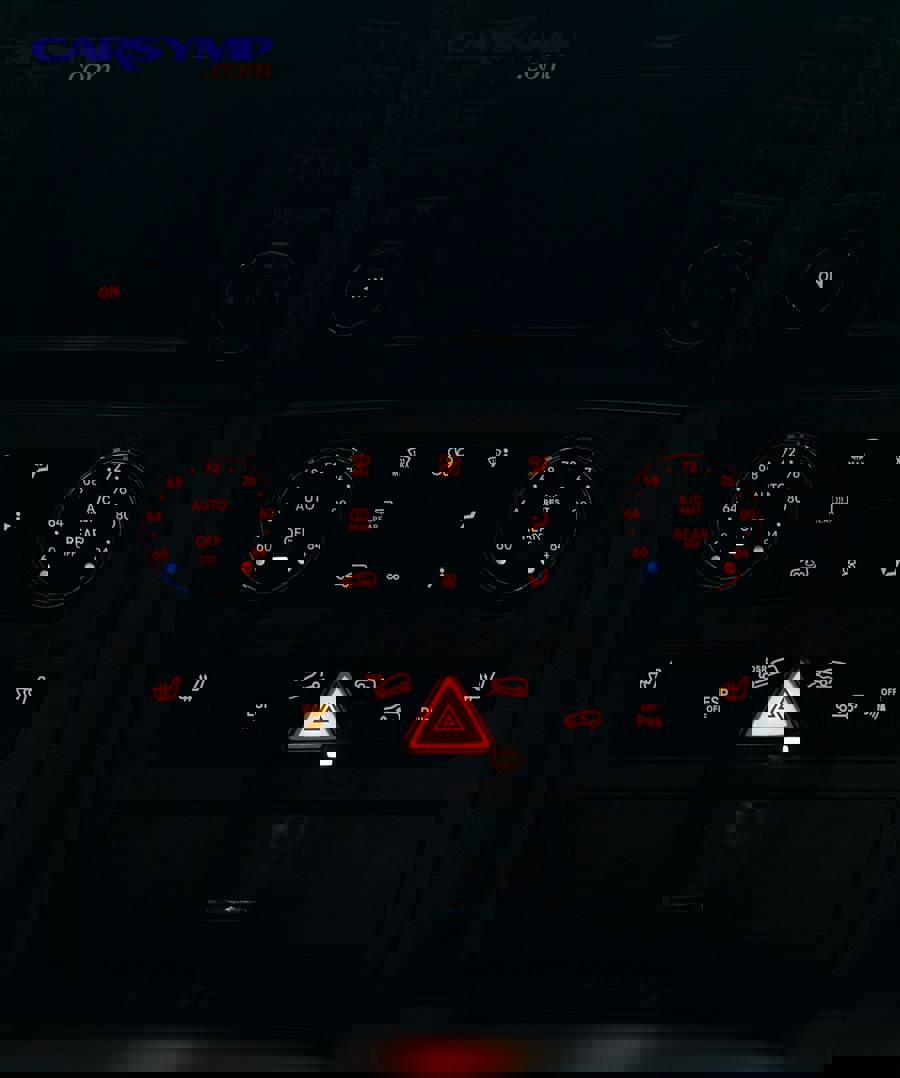
Can you send a quick video or audio clip?
Yes—if the issue is a noise, vibration, or warning message. Record 10–20 seconds showing the dashboard and the sound. Add one sentence describing the condition (“happens at 45–55 mph” or “only during cold start”).
However, don’t record while driving. Have a passenger record, or capture it safely when parked.
Should you share scan tool data or screenshots?
If you have codes, screenshots can help, especially with freeze-frame data. Still, treat it as supporting evidence. The shop may need to confirm with professional equipment and test procedures.
If you don’t have codes, don’t feel pressured to buy a scanner just to book. Symptom clarity often matters more.
What about EVs, hybrids, and advanced driver systems?
For EVs/hybrids, mention any high-voltage warnings, charging irregularities, or changes in range. For driver-assistance systems, mention sensor impacts like windshield replacement, bumper impacts, or alignment changes.
Also share any recent software updates, because behavior can change after updates.
How do digital inspections and photo reports fit in?
If the shop offers a digital vehicle inspection (DVI), ask if you’ll receive photos and measured values (tread depth, brake pad thickness, battery test result). This makes approvals clearer and reduces “he said, she said.”
Theo nghiên cứu của MDPI từ Predictive Maintenance and Predictive Repair of Road Vehicles—Opportunities, Limitations and Practical Applications, vào 2024, xu hướng sử dụng dữ liệu và chẩn đoán dự đoán tăng lên khi xe ngày càng phức tạp, nên chia sẻ dữ liệu phù hợp (ảnh/clip/mã lỗi) có thể rút ngắn vòng lặp chẩn đoán.
Below is a related video that can help you understand how a service advisor translates your description into a repair order, which is the “bridge” between your words and the technician’s tests.
Frequently Asked Questions
Is it okay if I don’t know what’s wrong with the car?
Yes. You don’t need the answer—you need a repeatable description. Focus on what you observe, when it happens, and how it’s changing, then ask for a diagnosis-first plan and clear approval steps.
Should I tell the shop what I think the problem is?
You can share your suspicion, but keep it secondary. Lead with symptoms and conditions, then add “I wonder if it could be X” as a hypothesis, not a conclusion, so the technician stays objective.
What’s the single most helpful thing I can do before contacting the shop?
Send two photos: your registration (or VIN) and your odometer, plus a short symptom note with conditions. That combination is fast, accurate, and immediately usable for scheduling and diagnosis.
How do I avoid misunderstandings about added services?
Set a clear approval rule (“call/text before anything above $X”), ask what the diagnostic fee includes, and request written estimates and photo evidence where possible. Consistent documentation protects both sides.