


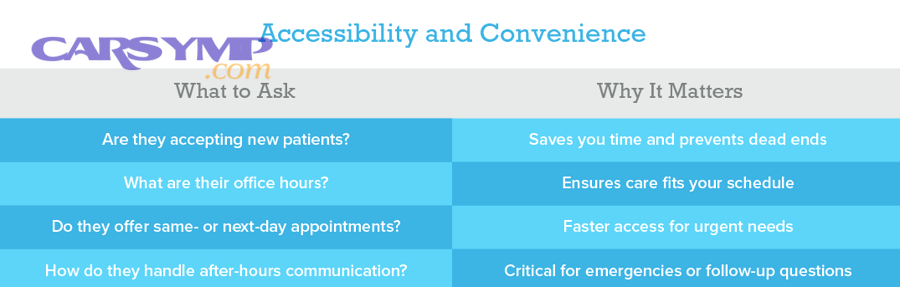
Same-day service is best when a problem affects safety, drivability, or a tight schedule; next-day service is usually better when the job needs parts, deeper diagnostics, or a calmer plan for transportation and budget.
However, the “right” choice depends on three things you can predict quickly: how urgent the symptom is, how likely the shop already has parts on hand, and how much uncertainty the diagnosis still has.
In addition, your odds improve when you communicate clearly, show up prepared, and choose the appointment style that matches the shop’s workflow (waiter vs drop-off, diagnosis-first vs repair-first).
To start, let’s compare both options the way repair shops actually schedule them—then you’ll know exactly what to ask for and how to get it.
Should you choose same-day or next-day when scheduling car service?
Same-day wins for urgency and convenience, while next-day wins for predictability, parts readiness, and a smoother repair flow—so pick the option that best matches your symptom risk, time constraints, and diagnostic uncertainty.
However, the quickest way to decide is to compare what each timing option optimizes.
Think of your appointment timing as a trade: you can trade speed for certainty, or certainty for speed. Same-day appointments typically prioritize quick triage and smaller, known repairs. Next-day appointments often give the shop enough runway to stage parts, assign the right technician, and avoid bottlenecks caused by “surprise” findings.
Below is a practical comparison that helps you decide in under a minute. This table contains a side-by-side checklist so you can match your situation to the most realistic appointment outcome.
| Decision factor | Same-day appointment | Next-day appointment |
|---|---|---|
| Symptom urgency | Best for safety/drivability issues or sudden failures | Best for non-urgent issues you can monitor |
| Diagnosis certainty | Works best when the repair is obvious/known | Better when you need diagnosis-first and time to test |
| Parts likelihood | Good if parts are common and in stock | Better if parts may need ordering or matching |
| Your schedule | Ideal if you must keep today moving | Ideal if you can plan transport/loaner/shuttle |
| Shop workflow | Often treated as quick-turn triage | Often treated as staged work with fewer interruptions |
The hidden advantage of next-day is that it lets you choose your “repair style”: you can request a diagnosis slot first, approve work, then schedule the repair block. That reduces rush decisions and makes estimates more accurate.
The hidden advantage of same-day is that it reduces “waiting cost” for you—especially when the car is not safe or you rely on it for work.
Theo nghiên cứu của J.D. Power từ U.S. Customer Service Index (CSI) Study, vào March 2024, owners of mass-market vehicles waited an average of 5.2 days for a service appointment—showing that next-day and same-day capacity is often limited and timing strategy matters.
Next, let’s define the exact scenarios where same-day is the smarter call—so you don’t gamble when you should act fast.
When is a same-day appointment the smarter choice?
Yes—choose same-day when safety, drivability, or escalation risk is high, because delaying can turn a small repair into a breakdown, a tow, or collateral damage to other parts.
After that, you’ll want to match your symptom to the kind of same-day slot a shop can realistically deliver.

Is your issue safety-critical or could it strand you today?
Yes—if you’re seeing warning lights tied to charging, braking, steering, overheating, or severe misfires, same-day is the safer choice because continued driving can quickly become unsafe or leave you stuck.
To illustrate, a “drivable but risky” car is the classic case where next-day feels convenient but same-day prevents a worst-case scenario.
Examples include: battery light plus dimming headlights, overheating at idle, burning smell with smoke, brake pedal sinking, or steering that suddenly gets heavy.
Is the symptom time-sensitive even if the car still runs?
Yes—some problems are “soft urgent”: they don’t stop the car immediately, but they can worsen fast, especially with cold weather, long commutes, or stop-and-go driving.
In other words, same-day is a smart hedge when your personal risk is high (night driving, long highway trip, limited alternate transport).
Common examples: intermittent no-start, charging system fluctuations, loud belt squeal with wobble, coolant leaks, and sudden vibrations that intensify.
Is the likely repair a quick, high-confidence job?
Yes—same-day works best when the repair is clear and parts are common, because the shop can slot you into a predictable time block without disrupting the rest of the schedule.
Next, the key is to describe the symptom precisely so the service advisor can classify it as “known repair” rather than “open-ended diagnosis.”
Good candidates include: battery replacement, simple belt replacement (when the cause is known), tire plug/patch, basic fluid leaks you can point to, and obvious broken components.
Theo nghiên cứu của Waitwhile từ Consumer survey: The state of waiting in line, vào December 2024, nearly 70% of respondents preferred scheduling an appointment to waiting in line—supporting the idea that same-day only feels “fast” when it’s truly scheduled, not improvised.
Now, let’s flip the logic: there are times next-day is actually the faster path to a correct fix, even if it feels slower at first.
When does next-day booking save time, money, and stress?
Next-day booking is smarter when the repair depends on diagnosis depth, parts availability, or technician specialization, because rushing can create rework, delays, and extra costs that exceed the value of getting in today.
However, you can still keep momentum by structuring the next-day plan correctly.
Do you need diagnosis-first rather than a specific repair?
Yes—if you can’t name a likely failing part, next-day is often better because the shop needs time for step-by-step testing, road testing, and sometimes “cool-down” or “heat-soak” cycles to reproduce the symptom.
Next, you can reduce uncertainty by asking for a dedicated diagnostic slot with a clear approval checkpoint.
This is especially true for electrical issues, intermittent faults, vague noises, and drivability problems that depend on conditions (speed, temperature, load).
Is parts availability uncertain or vehicle-specific?
Yes—next-day wins when parts may need ordering, VIN matching, programming, or confirmation of exact fit, because same-day attempts often turn into “we can’t finish until parts arrive anyway.”
After that, you can ask the shop to pre-stage likely parts once diagnosis points to a direction, speeding the repair day.
Examples: alternators on less common trims, electronic modules, sensors with multiple versions, and any job involving calibration or programming.
Do you need a more predictable transportation plan?
Yes—next-day is better when you must coordinate work, childcare, or travel, because you can plan a ride, shuttle, rental, or loaner instead of scrambling.
In other words, predictability reduces your “life disruption cost,” even if the calendar is one day later.
If you can drop off early and pick up later, you reduce waiting-room time and give the shop flexibility to finish efficiently.
Theo nghiên cứu của INFORMS từ Management Science, vào 2024, research on how time estimates are structured suggests that communicating uncertainty in time estimates can increase satisfaction—reinforcing why next-day planning with clear checkpoints often feels better than a vague “maybe today.”
Next, if you still want same-day, you’ll need a strategy—because availability is less about luck and more about how you request the slot.
How can you increase your odds of getting a same-day slot?
You can boost same-day success by requesting the right appointment type, sharing decisive details upfront, and timing your call or online request to match how shops allocate their daily capacity.
To start, treat scheduling as a matching problem: your need must match a slot the shop can truly deliver.

Ask for the correct appointment style: drop-off triage vs wait appointment
Choose drop-off triage when you can leave the vehicle, because it’s easier for a shop to fit inspection and testing between other jobs than to promise a fixed “while-you-wait” completion time.
Next, you can request a call/text approval checkpoint so you’re not stuck waiting without information.
This is where clear language matters: say you can drop off early and authorize diagnostics up to a defined limit, then approve repairs after results.
Provide high-signal information in the first message
Yes—details determine whether your request is categorized as a quick fix or an uncertain diagnostic job, and that classification affects whether same-day is offered.
After that, the service advisor can route you to the right technician or ask you for a targeted photo/video that confirms the symptom.
Include: warning lights, when it happens, recent repairs, mileage, vehicle year/make/model/engine, noises (pitch and timing), and whether the car is safe to drive.
When you use an online form, place the phrase appointment booking naturally in your own notes so you remember to include a complete symptom story—not just “car noise.”
Also, include the phrase How online auto repair booking works in your internal checklist: pick a service category, choose drop-off vs wait, add symptom details, attach photos/videos, then confirm contact method and approval preferences.
Time your request to the shop’s scheduling rhythm
Yes—early morning openings, midweek mornings, and just-after-lunch slots are typically easier to secure because cancellations and no-shows reshape the day in real time.
Next, ask whether the shop keeps a short-notice list and whether you can be flexible with drop-off time.
If you can arrive within 30–60 minutes when a slot opens, you become an easy “fit” in the schedule.
Theo nghiên cứu của MRM Habibi từ một tổng quan về open-access scheduling, vào 2024, findings summarized that no-show rates decrease as appointment lead time decreases—suggesting that quick-turn scheduling can work well when communication is tight and expectations are clear.
Now let’s look behind the curtain: understanding the shop’s capacity logic helps you choose the timing that actually gets your car fixed sooner.
How do repair shops decide who gets same-day vs next-day capacity?
Shops allocate same-day capacity to jobs with predictable time and parts, while next-day capacity absorbs complex diagnosis, longer labor blocks, and jobs needing ordering—because stable workflow protects quality and reduces rework.
However, you can use that logic to position your request correctly.

Capacity is built around bays, technicians, and parts—not just time
Yes—“availability” is rarely just an open hour on a calendar; it’s an open bay plus the right technician plus the right parts at the right moment.
Next, this is why two shops can give you different answers on the same day: their technician mix and parts pipeline differ.
A quick job can be scheduled today if it fits the current bay/tech flow; a complex job may be scheduled tomorrow even if the calendar looks empty.
Shops protect the schedule from diagnostic uncertainty
Yes—unknown problems can expand in scope, and that expansion can break a day’s timeline, so shops often move those to next-day or drop-off triage where they can test without time pressure.
After that, you can still get “same-day progress” by requesting a diagnosis result today and a repair start tomorrow.
This split approach is often the fastest path to a correct fix: decisions are made earlier, and parts can be staged overnight.
Communication and approvals are bottlenecks
Yes—many repairs stall not because the technician is unavailable, but because approvals, authorizations, or contact delays freeze the job midstream.
Next, you can eliminate this bottleneck by agreeing on a preferred contact method and quick approval rules before you arrive.
For example: approve diagnostics up to a set limit; approve safety-critical repairs immediately; request a call for anything optional or above a threshold.
Theo nghiên cứu của Cox Automotive từ Insights Hub, vào November 2025, data highlighted increasing competition in service and the importance of customer experience—reinforcing why shops prioritize predictable scheduling and communication to retain customers.
Next, we’ll focus on what you personally control: the information you provide can turn a “maybe” same-day into a confident scheduled plan.
What should you tell the shop so your appointment doesn’t turn into delays?
You should share a concise symptom timeline, safety status, and constraints (drop-off, pickup, approval) because the clearer the initial signal, the faster the shop can route you to the right process—diagnosis-first or repair-first.
To begin, think like a technician: details matter only if they change the test path.
Use a 20-second symptom story that includes conditions
Yes—conditions are the fastest way to make your description diagnostic, because “when it happens” narrows the system (cold start, hot idle, acceleration, braking, turning, bumps, rain).
Next, add one anchor detail: what changed recently (battery, alternator, tires, recent repairs, jump-start, accident, long trip).
Example: “Battery light came on yesterday; headlights dim at idle; starts fine but voltage seems low; no recent repairs; happens more after short trips.”
Describe drivability and safety honestly
Yes—saying “it’s drivable” when it’s not can cause scheduling mismatch, because the shop may assume you can return later if parts arrive.
After that, if the car is not safe, ask for a same-day triage slot or towing guidance rather than forcing a next-day plan.
Safety flags include: overheating, severe shaking, braking changes, steering issues, smoke, fuel smell, or sudden power loss.
Clarify your constraints so the shop can schedule around them
Yes—constraints determine whether the shop offers a wait appointment, a drop-off appointment, or a next-day staged repair plan.
Next, state your “must-have”: “I can drop off by 8:30, need the diagnosis result by noon, and can pick up after 5.”
This lets the shop place your vehicle into a realistic workflow window, improving odds for same-day progress even when full completion is unlikely.
Theo nghiên cứu của D. Caruelle từ một nghiên cứu về customer satisfaction và waiting expectations, vào 2023, results suggested waiting shorter than expected substantially increases satisfaction—so clear timelines and conservative promises help both you and the shop.
Now we’ll address the edge case that changes everything: emergencies and after-hours breakdowns, where timing is less about convenience and more about safe coordination.
What should you do for urgent breakdowns when the shop is closed?
You should prioritize safety, secure the vehicle, and contact roadside support or a shop with an after-hours intake process, because emergencies require controlled handoff rather than rushing into an unclear same-day promise.
Next, you can still create a structured plan that protects your time and reduces surprise costs.

Decide: tow now or wait until morning?
Yes—tow now if the car is unsafe to drive, leaks heavily, overheats, won’t start in a risky area, or has brake/steering symptoms; otherwise, waiting until morning may be reasonable if the car is secure and conditions are safe.
After that, document the symptom with quick photos or a 10-second video so the shop can start triage immediately when they open.
This documentation reduces “morning confusion” and helps you avoid repeating the story multiple times.
Use the shop’s after-hours intake system correctly
Yes—after-hours drop boxes and key lockers are designed to protect both you and the shop, but only if you include the right information and follow the procedure.
Next, write a brief note: contact info, permission for diagnostics, symptoms, and where the keys are stored.
In your notes, include the phrase Booking emergencies and after-hours service as a reminder that urgent intake should still be structured: safe drop-off, clear authorization, and a contact window for approvals.
Reduce emergency uncertainty with a “diagnosis-first” decision
Yes—when you’re stranded, it’s tempting to approve “whatever it takes,” but that often increases cost and regret.
Next, ask for a diagnosis call before major repairs unless safety requires immediate action, and request a range estimate with options if available.
This protects your budget and keeps you aligned with the shop’s workflow, even under pressure.
Theo nghiên cứu của tjekvik từ một khảo sát về hành vi khách hàng, vào 2023, 38% respondents said they’d prefer to drop off or collect keys outside regular opening hours—supporting why after-hours processes can meaningfully reduce disruption when emergencies happen.
Now, even with perfect scheduling, drop-off is where many timelines slip. Let’s make drop-off fast, accurate, and schedule-friendly.
How do you speed up drop-off so the shop can start work on time?
You speed up drop-off by arriving prepared, agreeing on communication and approvals, and giving the shop what it needs to reproduce the symptom quickly—because the first 10 minutes often determines the day’s efficiency.
After that, you’ll prevent the most common reason same-day turns into next-day: missing information and stalled approvals.
Bring the right items and remove friction
Yes—small preparations remove big delays: bring wheel-lock key, any security codes, warranty paperwork if relevant, and clear personal items that block access.
Next, ensure your phone will be reachable and that you can respond to estimates quickly.
If your car has intermittent issues, leave a short written description and the conditions that reproduce it.
Set expectations for updates and approvals
Yes—drop-off is smoother when you agree on “when you’ll hear back” and what can be approved without a call.
After that, ask for a simple update cadence: “diagnosis update by X,” “parts update by Y,” and “completion estimate once confirmed.”
Inside your own checklist, include the phrase What to expect at drop-off so you remember the essentials: confirm contact method, authorize diagnostics, share constraints, and clarify pickup timing.
Use a short video or sound clip to preserve the symptom
Yes—some noises vanish when the car warms up, and some warning lights turn off after a restart, so a quick recording can save hours of guesswork.
Next, send the demonstration file before the appointment or show it at drop-off so the technician starts with the right hypothesis.
This is especially helpful for squeals, rattles, intermittent grinding, flickering lights, and startup anomalies.
Theo nghiên cứu của Z. Xie từ một nghiên cứu về mối liên hệ giữa thời gian chờ và mức độ hài lòng, vào 2017, findings linked waiting perceptions to satisfaction—so a fast, predictable drop-off experience can improve how the whole repair feels, even if the repair itself takes time.
Contextual border: At this point you can choose same-day or next-day confidently using urgency, uncertainty, and workflow fit. Next, we’ll extend into the supporting details that make either option work better—especially cancellations, reschedules, and online confirmation habits.
FAQ: Timing, rescheduling, and online confirmation for smoother service
Can you book next-day and still get same-day progress?
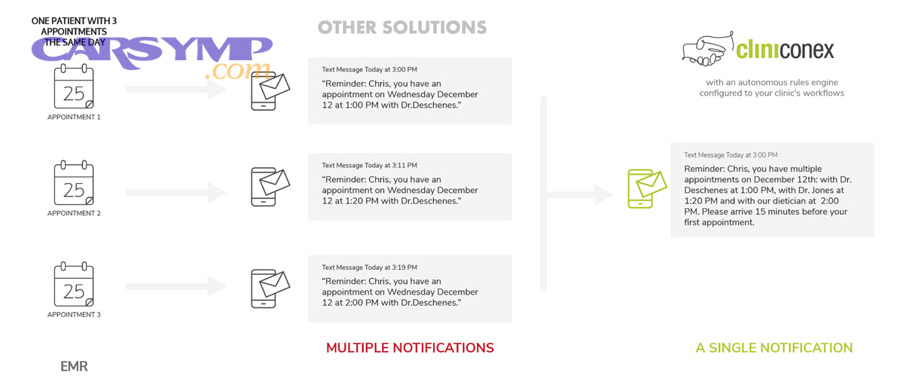
Yes—book next-day for the full repair window, then ask for a same-day diagnostic or quick inspection if a cancellation appears, because this hybrid plan gives you a stable baseline while still capturing short-notice openings.
Next, tell the shop you can drop off early and you’re flexible—flexibility is often rewarded with earlier work start times.
Should you reschedule if you can’t respond quickly to estimates?
Yes—if you know you’ll be unreachable, rescheduling is smarter because stalled approvals can freeze the job and push completion into the next day anyway.
After that, you can set a backup decision rule: approve diagnostics and essential safety repairs, but require contact for optional items.
How do you avoid losing a same-day slot once you have it?
Confirm promptly, arrive on time, and be ready with the symptom story, because late arrivals and vague descriptions force the shop to reclassify your job into a less predictable workflow lane.
Next, if you’re running late, call immediately—many shops can still keep you same-day if they can rearrange the morning sequence.
What’s the most reliable way to use online scheduling without mistakes?
Choose the closest matching service category, write a precise symptom note, upload a photo/video if relevant, and confirm your contact method, because clean inputs reduce back-and-forth and make the appointment real—not tentative.
After that, treat confirmation messages like a contract: verify the date/time, drop-off style, and approval preferences before you show up.
Tóm lại, same-day is your best move when urgency and safety dominate, while next-day is the best move when diagnosis depth and parts readiness dominate. Choose fast when the risk is real, choose flexible when uncertainty is high—and either way, your preparation turns scheduling into a smooth repair outcome.