


Choosing the best local repair shop is a HOW-TO decision: you want reliable diagnostics, fair pricing, and repairs that last—without guesswork or pressure.
To make that choice practical, you also need a repeatable way to shortlist options, then verify quality with the same filters every time you search for a top rated mechanic.
In addition, you should learn how to read reviews, evaluate certifications, and compare estimates so your “cheap” quote doesn’t turn into a costly comeback.
Giới thiệu ý mới: Below is a step-by-step framework you can use today, whether you need an oil change next week or a major repair tomorrow.
How do you start the search for a top rated mechanic without wasting time?
Start by building a shortlist from three sources—trusted referrals, consistent review patterns, and shops that specialize in your vehicle type—so you reduce risk before you ever call.
To begin, use the same filters in the same order, so each next step “inherits” trust from the previous one.
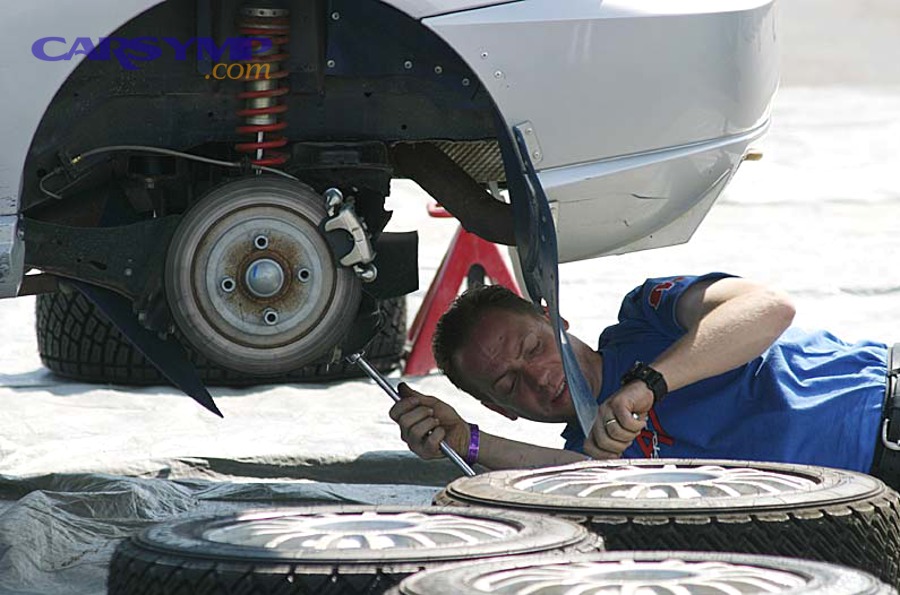
Which sources of recommendations actually predict a good local shop?
Yes, referrals can predict quality, but only if they match your use case: similar car type, similar budget, and similar expectations about communication and warranties.
Next, treat each referral as a starting point, not a final answer.
- High-trust referrals: friends who maintain cars carefully, rideshare drivers, delivery drivers, local fleets, and parts-counter staff who see which shops buy quality parts.
- Medium-trust referrals: neighborhood groups that share details (invoice photos, warranty outcomes, follow-up results).
- Low-trust referrals: vague “they’re cheap” recommendations with no mention of diagnosis, timelines, or warranty support.
To illustrate, if a friend praises a shop for quick brake service, that doesn’t automatically validate engine diagnostics or electrical work; match the referral to the repair category you need.
How should you read online reviews so you don’t get fooled by hype?
Use a “pattern check”: you’re looking for repeated themes about diagnosis accuracy, communication, and how problems were handled after the repair—not just star ratings.
Then, compare those themes across platforms instead of trusting a single score.
- Look for: mentions of clear estimates, photo/video inspections, written warranty terms, and “fixed the problem on the first visit.”
- Be cautious with: bursts of reviews in a short time, reviews that read like ads, or lots of praise with no specifics.
- Pay extra attention to: how the shop replies to negative reviews—professional, factual, and solution-focused replies often indicate good process.
For example, “They explained what failed, showed me the worn part, and gave options” is more predictive than “Best shop ever!!!”
Why does specialization matter when choosing a local repair shop?
Specialization matters because modern cars require brand-specific procedures, scan tools, and service information, and a shop that routinely works on your make/model will diagnose faster and avoid trial-and-error.
Next, confirm that the specialization is real, not marketing.
- Ask: “How many of my model do you see monthly?” and “Which common failures do you watch for on this engine/transmission?”
- Check: whether the shop stocks common parts for your platform or has established supplier relationships.
- Verify: they can explain known service bulletins or typical maintenance intervals in plain language.
This creates a clean “móc xích”: a focused shortlist makes certification checks and estimate comparisons much easier later.
What credentials and affiliations should a top rated mechanic and shop have?
A top rated mechanic and shop should have verifiable training (certifications), current diagnostic capability, and a documented process—because credentials alone are helpful, but process is what protects you.
Next, use credentials as a gateway, then validate the shop’s behavior with a few targeted questions.
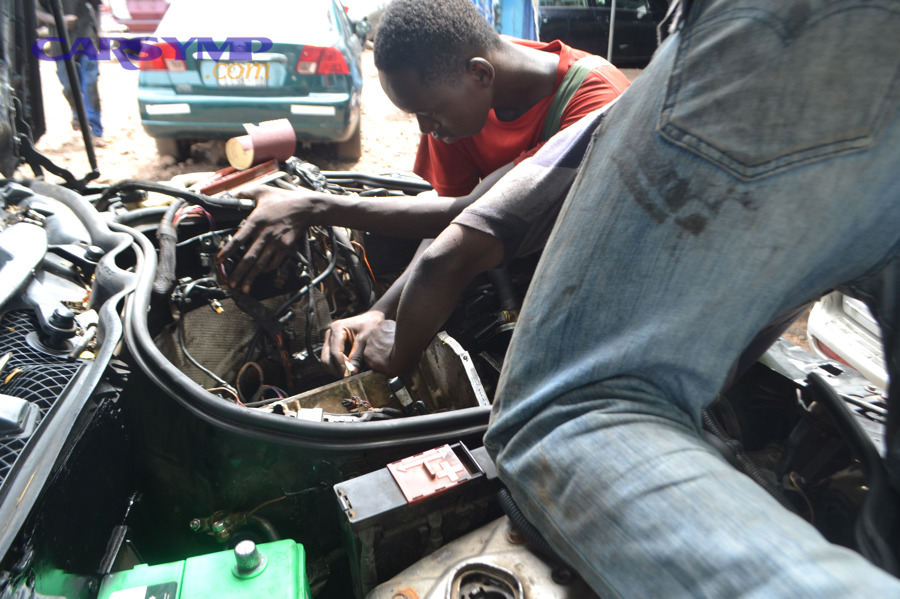
Which certifications are most meaningful for everyday car owners?
The most meaningful certifications are the ones you can verify and that align with the work you need, because a brake specialist and an electrical diagnostician are not interchangeable.
Next, ask the shop to show proof rather than relying on wall décor.
- ASE credentials: look for technicians certified in the systems you’re repairing (brakes, engine performance, electrical, HVAC).
- OEM training: especially valuable for newer cars with ADAS, turbocharging, hybrids, or brand-specific software procedures.
- State/local licensing: where applicable, it signals baseline compliance and consumer protection standards.
Specifically, a shop that can explain how training translates into better diagnostics (not just faster part replacement) is usually the one that saves you money over time.
What shop programs or networks can add extra accountability?
Programs with published standards can add accountability because they often require periodic inspections, complaint handling, or minimum equipment and training thresholds.
Then, treat the program as a signal, not a guarantee.
- Approved shop networks: some organizations vet facilities for cleanliness, equipment, training, and customer satisfaction practices.
- Local fleet accounts: shops trusted by fleets often demonstrate consistency and process discipline.
- Warranty partners: if a shop is recognized by service contract administrators, it may streamline claims—yet you still need to judge repair quality.
To be clear, accountability works best when the shop’s day-to-day communication matches the standards their affiliation claims.
How can you confirm a shop’s diagnostic capability before the first visit?
You can confirm capability by asking what scan tools, service information systems, and test procedures they use—because “we’ll scan it” is not the same as a measured diagnosis.
Next, listen for process words that indicate they test before replacing parts.
- Good signs: they mention live data, smoke testing, voltage drop testing, pressure testing, or manufacturer procedures.
- Good behavior: they can describe how they will prove a part is bad, not just assume it.
- Good documentation: they offer inspection sheets, photos, or digital vehicle health reports.
This is the bridge to the next section: once capability is credible, you must ensure the estimate is transparent.
How can you judge transparency in estimates, parts, and warranties before you approve work?
You can judge transparency by requiring a written estimate that separates labor, parts, fees, and taxes, and by confirming what changes require your authorization—because clarity prevents surprise charges.
Next, use the estimate structure to compare shops on fairness, not just price.
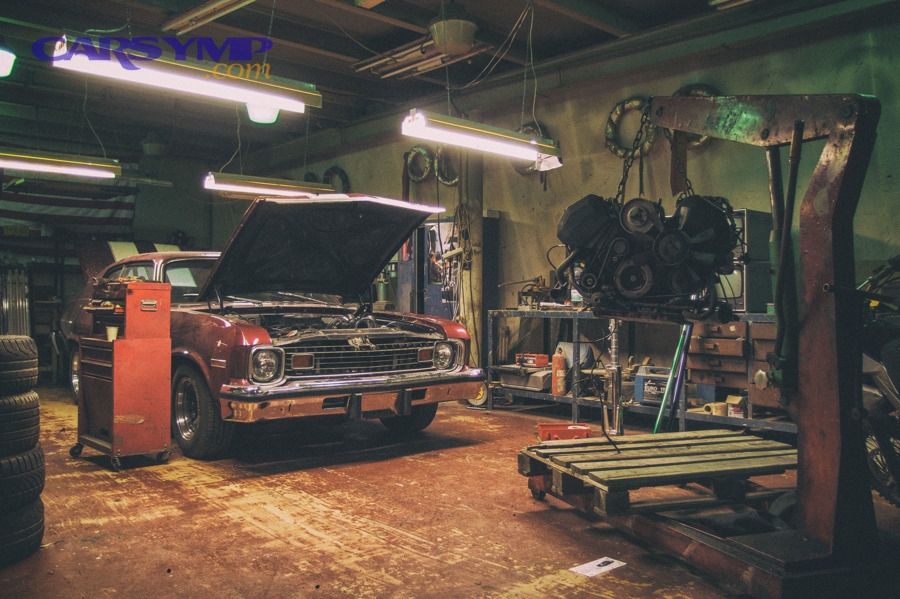
What should a “good” written estimate include?
A good estimate includes itemized labor operations, parts descriptions (brand/grade where possible), shop supplies, diagnostic fees, and the exact conditions that can change the final total.
Then, you use those details to stop vague upsells.
- Labor: hours and rate, plus what the labor covers (diagnosis, removal/install, calibration, road test).
- Parts: OEM vs aftermarket, new vs remanufactured, and whether core charges apply.
- Fees: environmental, disposal, shop supplies—listed explicitly, not hidden.
- Authorization: a clear rule: “No additional work without your approval.”
For example, a strong estimate reads like a checklist; a weak estimate reads like a guess.
How do you evaluate parts quality without being a mechanic?
You evaluate parts quality by asking for options (good/better/best), understanding warranty coverage, and matching part grade to how long you plan to keep the car.
Next, connect parts quality to total ownership cost, not just today’s invoice.
- OEM: often best for sensors, electronics, and fitment-critical components.
- Aftermarket premium: can be excellent for many wear items if the brand is reputable and the shop stands behind it.
- Budget parts: can be fine for short-term ownership, but only if you accept the risk and warranty terms are clear.
Specifically, ask: “If this part fails under warranty, what do you cover—parts only, labor, or both?”
What repair warranty terms should you ask for up front?
You should ask for warranty length, what’s covered (parts and labor), and the process for claim handling, because a warranty that’s hard to use is not real protection.
Then, confirm the warranty is written on the invoice.
- Coverage scope: parts + labor, and whether diagnostic time is included for a comeback.
- Exclusions: misuse, unrelated failures, or modifications—spelled out plainly.
- Transferability: helpful if you might sell the car soon.
Now you’re ready for the next “móc xích”: once transparency is solid, you can compare costs fairly—especially labor.
How do you compare labor rates and total cost fairly across local shops?
You compare fairly by standardizing the job description, comparing the full estimate (not just hourly rate), and checking what’s included—because the cheapest rate can still produce the highest final bill.
Next, use a simple apples-to-apples method so your comparisons stay objective.
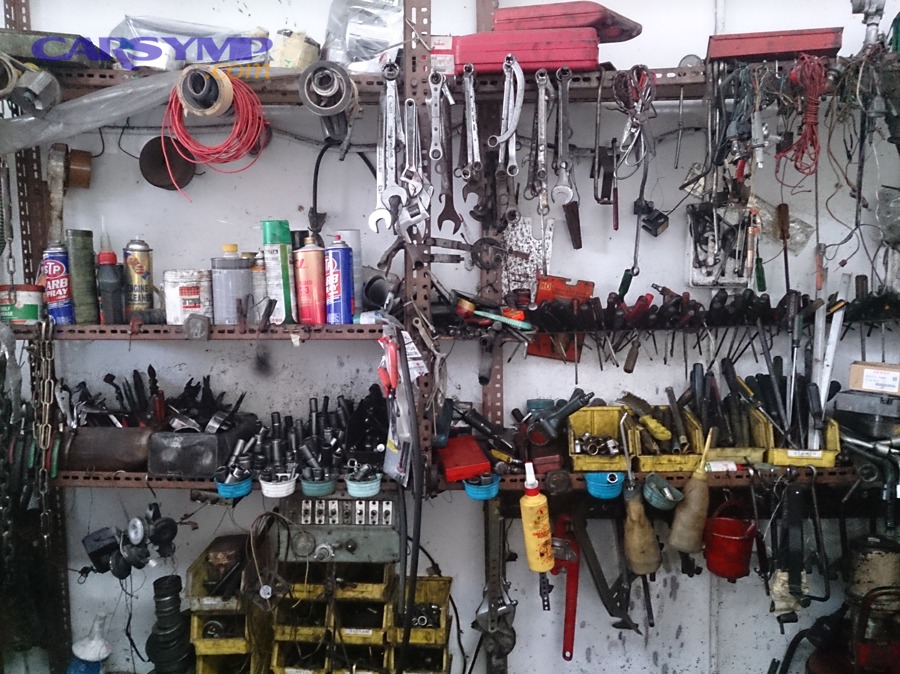
What is the best way to get comparable quotes from different shops?
The best way is to request quotes using the same information: your VIN, mileage, symptoms, and the specific service request, because different assumptions create different prices.
Then, you can spot which shop is estimating responsibly.
- Provide: VIN, mileage, warning lights, and when the issue happens (cold start, hot idle, braking, turning).
- Ask: whether the quote includes diagnosis, shop fees, calibrations, and a road test.
- Confirm: parts grade and warranty for each quoted option.
In practice, this is exactly how you avoid chasing a vague promise of “we’ll do it cheaper.”
How should you interpret labor rate differences in your area?
Labor rate differences often reflect technician training, equipment investment, insurance and compliance costs, and how much time a shop budgets for correct diagnosis and verification.
However, your goal is value: correct repair the first time.
- Higher rate can be worth it if the shop documents diagnosis, uses proper procedures, and reduces repeat visits.
- Lower rate can be fine if process and warranty are strong and the shop specializes in your vehicle.
- Red flag if a shop is far cheaper than everyone else with no explanation and no itemization.
To keep your evaluation grounded, don’t forget to ask what’s included in diagnostic time and post-repair verification.
Which cost comparison table helps you decide quickly?
This table helps you compare quotes by showing what each shop includes, so you can see total value instead of focusing on one number.
It helps you avoid missing hidden fees, missing calibrations, or weak warranty coverage.
| What to compare | Shop A | Shop B | Shop C |
|---|---|---|---|
| Written estimate itemized? | Yes/No | Yes/No | Yes/No |
| Parts grade (OEM/premium/budget) | — | — | — |
| Diagnostic included or separate? | — | — | — |
| Calibrations / programming included? | — | — | — |
| Warranty (parts & labor) and length | — | — | — |
| Total out-the-door estimate | — | — | — |
When you fill this out, you’ll naturally learn top rated mechanic behavior patterns: they explain inclusions before you have to ask.
What should you look for when you visit a shop in person?
You should look for evidence of process: organized workflow, clear customer communication, safe lifting practices, and documented inspections, because these are the visible footprints of consistent workmanship.
Next, connect what you see to what you will receive on the invoice and in the warranty.
How does shop organization relate to repair quality?
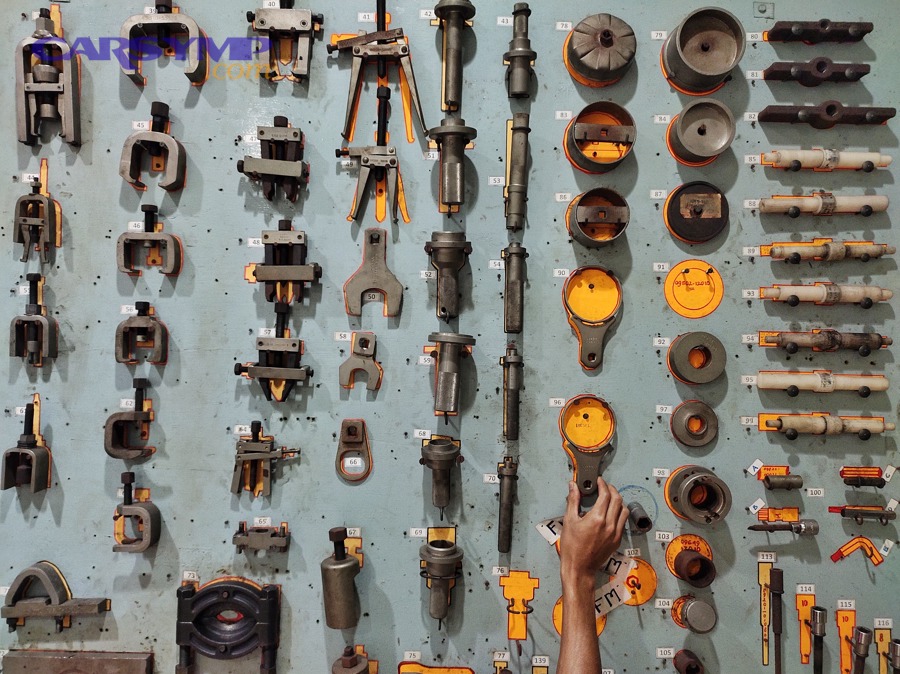
Shop organization matters because it reduces mistakes: parts labeling, torque procedures, cleanliness around sensitive components, and consistent inspection steps all become easier in a disciplined environment.
Then, notice whether organization is functional, not cosmetic.
- Good signs: tools stored logically, work areas kept clear, vehicles staged by job status, parts tagged to each vehicle.
- Good safety: lift arms properly placed, wheel chocks used, battery protection and fender covers used.
- Good process: technicians refer to service info, not just memory, especially for torque specs and procedures.
For example, a shop can be busy and still be organized; chaos is the warning sign, not activity.
What questions reveal whether a shop has a repeatable process?
The right questions reveal whether the shop tests, documents, and verifies, because those steps separate professional diagnosis from guesswork.
Next, listen for specifics and willingness to show evidence.
- Diagnosis: “How will you prove the cause before replacing parts?”
- Options: “Can you explain repair options and the tradeoffs?”
- Verification: “What do you do after the repair to confirm it’s fixed?”
- Communication: “Will you call/text me before any additional work?”
A shop that answers clearly is building trust through method, not charisma.
How can a waiting room and front-desk experience help your decision?
Front-desk experience matters because it predicts communication during your repair: timelines, approvals, and how updates are handled when something changes.
Then, use small signals to infer the bigger relationship.
- Good signs: they confirm your concern in their own words, write it down, and explain the next step.
- Good updates: they promise a time for diagnosis results and keep that promise.
- Bad signs: they rush approvals, avoid specifics, or won’t put anything in writing.
This “móc xích” sets you up for the safest way to commit: test the shop with a small job first.
How do you test a new local repair shop with a small job before committing?
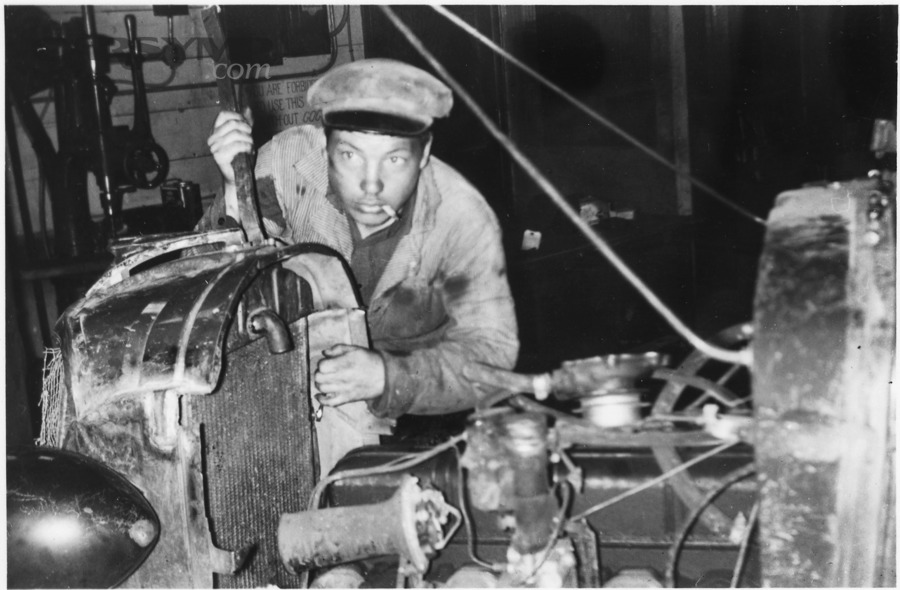
Test a new shop by starting with a low-risk service—inspection, oil change, tire rotation, or a simple maintenance item—so you can evaluate communication, documentation, and workmanship without betting your budget.
Next, measure the shop’s process, not just the final price.
Which “trial services” reveal the most about quality?
The best trial services are the ones that naturally require inspection and explanation, because they reveal whether the shop is honest and detail-oriented.
Then, watch how they present findings.
- Oil change with inspection: do they check leaks, fluids, filters, and note tire/brake status?
- Brake inspection: do they measure pad thickness and rotor condition rather than guessing?
- Battery/charging test: do they show results and explain what “good” looks like?
Specifically, the difference between a good shop and a risky one often appears in how they document “not urgent yet” items without fear tactics.
What should the shop give you at the end of the trial visit?
They should give you a clear invoice, any inspection notes, and a recommendation list prioritized by safety and urgency, because that proves they can guide you long-term.
Next, use their recommendations to judge whether they are balanced.
- Balanced recommendations: safety items first, maintenance next, “watch items” last with reasonable timelines.
- Unbalanced recommendations: urgent tone for everything, no measurements, no evidence, no tradeoffs.
- Professional touch: they explain what happens if you wait, and how long you can realistically wait.
This is how you build a relationship with a top rated mechanic instead of hopping shops under stress.
What video can help you understand the process of choosing a mechanic?
This video can help you recognize what trustworthy communication and shop standards look like, so you can compare your local options with a clear mental checklist.
Then, apply the same checklist the next time you call a shop for an estimate.
When should you choose a dealership, an independent shop, or a specialty shop?
Dealerships are strongest for warranty and brand-specific programming, independents often offer the best value for routine repairs, and specialty shops are ideal for complex systems—so the best choice depends on the job type and your vehicle’s technology.
Next, match the shop type to the risk level of the repair.
Which jobs are usually best at a dealership?
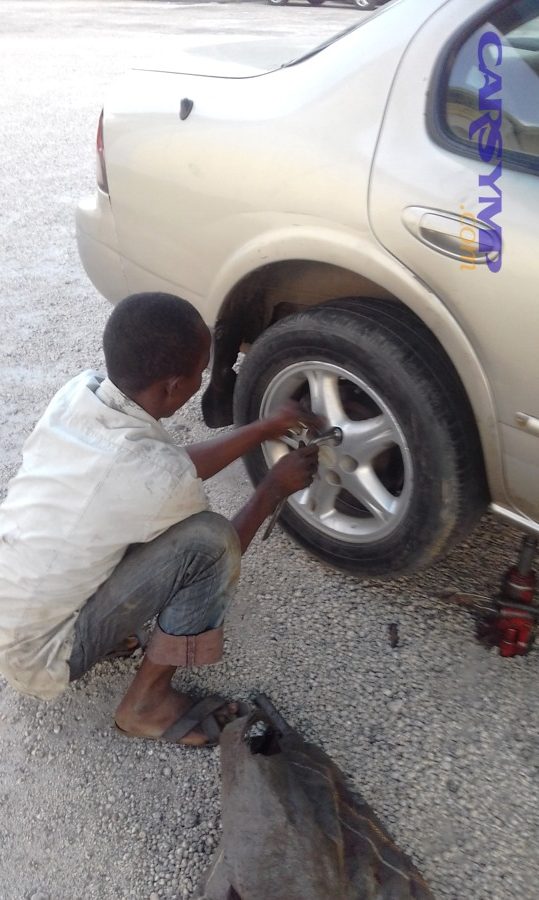
Dealerships are often best for factory-warranty repairs, software updates, recalls, and advanced programming or calibrations on newer vehicles.
However, confirm cost and timelines before assuming it’s the only option.
- Best cases: recalls, warranty claims, complex module programming, ADAS calibration tied to OEM procedures.
- Questions: “Is this covered by warranty/recall?” and “What’s the diagnostic charge if it isn’t?”
- Watch for: high parts markups when an independent could use equivalent OEM parts.
In short, dealerships can be excellent when the repair requires direct manufacturer systems and policies.
Which jobs fit a strong independent shop?
A strong independent shop is ideal for maintenance, brakes, suspension, cooling system work, and many drivability repairs—especially when they have proven diagnostics and clear warranties.
Next, validate specialization and equipment if your vehicle is newer or more complex.
- Best cases: routine services, wear items, common repairs, and many mid-level diagnostics.
- Value advantage: often more flexible parts choices and personalized communication.
- Relationship advantage: long-term history improves diagnostic speed and preventive planning.
This is where a consistent, communicative top rated mechanic can become your long-term partner, not a one-time vendor.
When is a specialty shop the smartest option?
A specialty shop is smartest when the system is complex and mistakes are expensive—such as transmissions, European performance platforms, hybrids/EVs, or advanced electrical diagnostics.
Then, pay for expertise to avoid repeat repairs.
- Best cases: transmission rebuilds, turbo diagnostics, hybrid battery systems, complex electrical issues.
- What to verify: their exact specialty experience, diagnostic tools, and warranty terms for major work.
- What to expect: higher labor rates that often reflect fewer misdiagnoses and better verification.
Now that you can match shop type to job type, it’s time for a contextual border: let’s shift from “how to choose” to the specific warning signs that tell you to walk away.
What red flags warn you away from a local repair shop?
Yes, there are clear red flags—pressure tactics, refusal to provide written details, vague diagnoses, and inconsistent stories—because trustworthy shops rely on evidence and consent, not urgency and confusion.
Next, treat these warnings as “stop signs” that protect your money and your car.
Which communication behaviors are immediate deal-breakers?
Deal-breakers include pushing repairs without showing evidence, refusing to itemize costs, or starting work before you approve, because that breaks the trust contract.
Then, protect yourself by insisting on documentation.
- Pressure language: “You must do it now” without explaining risk and options.
- No paperwork: “We’ll explain later” instead of a written estimate.
- Unapproved work: changing the scope without your consent.
For context, phrases like “best auto repair shop near me” matter far less than whether the shop respects your authorization step.
What estimate patterns suggest hidden fees or unnecessary work?
Warning patterns include lump-sum quotes, unclear fees, and vague “recommended services” with no measurements, because those patterns make it hard to challenge or compare the cost.
Next, ask for specifics that force clarity.
- Vague line items: “Tune-up,” “service package,” “system cleaning” without defined tasks.
- No measurements: brakes “bad” without pad thickness; battery “weak” without test results.
- Stacked add-ons: shop supplies and fees that appear only at checkout.
If you’re learning “How to compare labor rates locally,” this is the moment to request itemization and compare the out-the-door total—not a partial number.
Which shop conditions hint at poor workmanship risk?
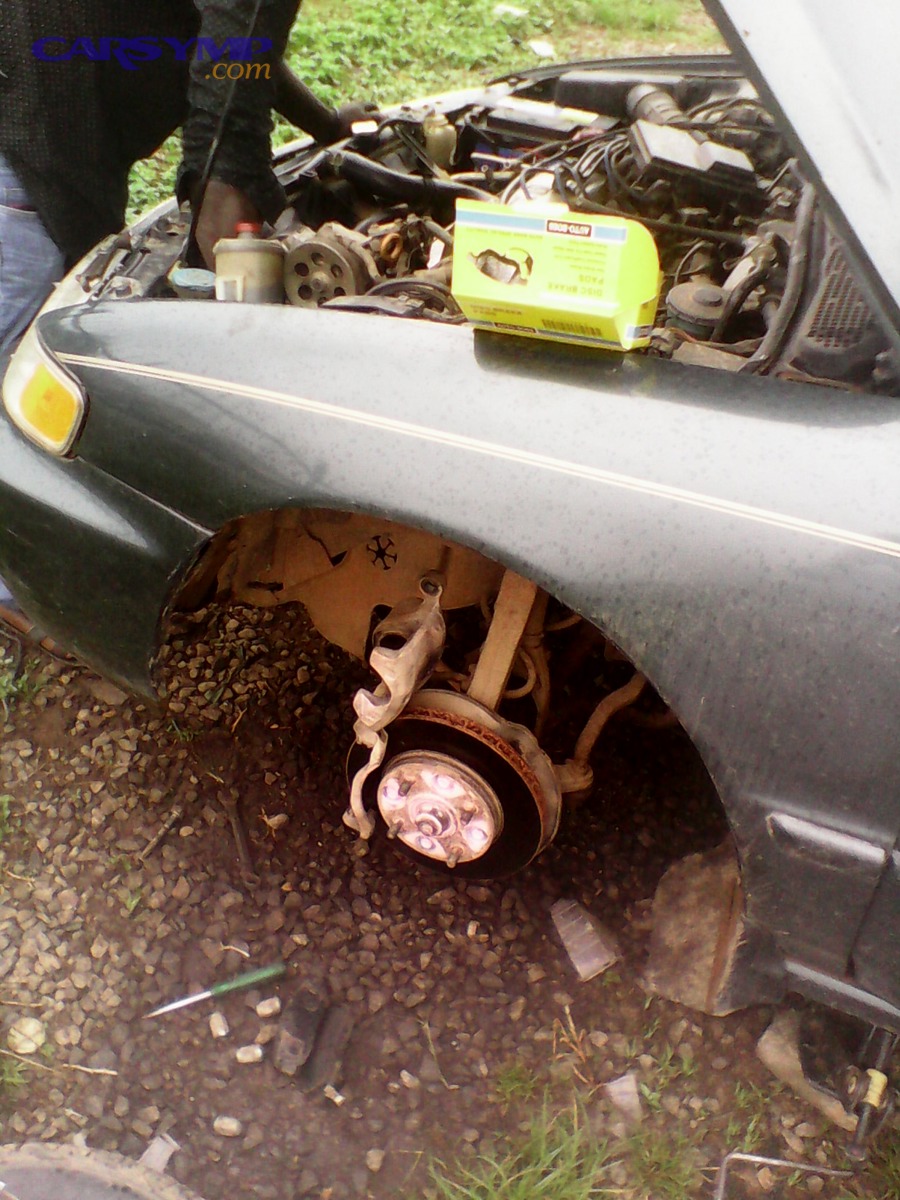
Poor workmanship risk can show up as unsafe lifts, sloppy parts storage, repeated comebacks, or technicians guessing instead of testing, because weak process creates repeated failures.
Then, trust what you observe.
- Safety gaps: unstable vehicles on lifts, missing protective covers, careless handling around electronics.
- Process gaps: no inspection forms, no evidence, no verification step after repair.
- Culture gaps: dismissive answers when you ask basic questions.
These are practical “Signs of a trustworthy neighborhood mechanic” in reverse: when the basics are missing, the risk rises fast.
How do you avoid being trapped after a bad first visit?
You avoid being trapped by limiting authorization, keeping communication in writing, and asking for old parts back when appropriate, because control over scope protects your budget.
Next, use documentation as your exit plan.
- Limit scope: approve diagnosis first, then decide on repairs after you see findings.
- Get it in writing: estimates, timelines, warranty terms, and approvals.
- Keep records: invoices and notes, which help if you need a second opinion.
If you want a neutral place to store and review your notes, you can keep a simple checklist in a document or even reference a resource page like carsymp.com alongside your invoices to stay organized.
Frequently asked questions about choosing a local repair shop
These answers summarize the most common decision points, so you can act quickly when your car problem feels urgent.
Next, use them as a final “móc xích” to confirm your decision before you book.
Should I pick the cheapest quote if the symptom seems simple?
No—pick the clearest process, not the cheapest number, because simple symptoms can have multiple causes and cheap “parts swapping” often leads to repeat visits and higher total cost.
Then, choose the shop that explains how they will confirm the cause and verify the fix.
How many shops should I call before deciding?
Call three shops if possible, because it gives you a realistic price and process baseline without overwhelming you.
Next, compare the clarity of their questions and their estimate structure, not just the final total.
Is it okay to bring my own parts to save money?
Sometimes, but it can reduce warranty coverage and create disputes about part quality, because the shop can’t control what they didn’t source.
Then, ask the shop’s policy first and compare the savings against reduced protection.
What if I feel pressured during the estimate conversation?
Walk away if pressure replaces evidence, because a trustworthy shop can persuade with measurements, photos, and options—not urgency.
Next, request the estimate in writing and take time to compare calmly.
How do I know I’ve found the right long-term shop?
You’ve found the right shop when communication is consistent, documentation is routine, and repairs hold up over time, because reliability is a pattern, not a promise.
Tổng kết lại, the best local repair shop is the one that earns your trust through process—clear estimates, verified diagnosis, fair options, and a warranty they honor—so you can maintain your car with confidence.