


If you need a Brake dust shield rubbing fix, the goal is simple: restore a safe, consistent clearance between the thin backing plate and the spinning rotor so the metal-on-metal contact stops immediately and stays gone.
Beyond the noise, you also want to confirm you’re not masking a bigger brake issue—because the same “scrape” sound can be mistaken for rotor or pad problems if you skip a quick inspection and clearance check.
You’ll also learn how to recognize direction- or speed-dependent rubbing, what changes after recent brake work, and which adjustments are safe versus what should be replaced rather than bent back.
To start, focus on identifying the exact contact edge and the reason it moved; after that, the repair is usually a controlled bend, a re-center, or a replacement—done in a way that doesn’t create a new problem. To begin, let’s confirm the shield is truly the culprit.
Is your brake dust shield actually rubbing the rotor?
Yes—it’s very likely the dust shield is rubbing if the sound is a light metallic scrape that changes as the wheel rotates, especially after hitting debris or after brake service; however, you should verify it with three checks: visual witness marks, a hand-spin drag test, and localized sound direction.
To connect this to a clear decision, next you’ll confirm whether the noise follows wheel speed (one rotation = one scrape point) and whether it disappears when you gently move the shield a few millimeters away.
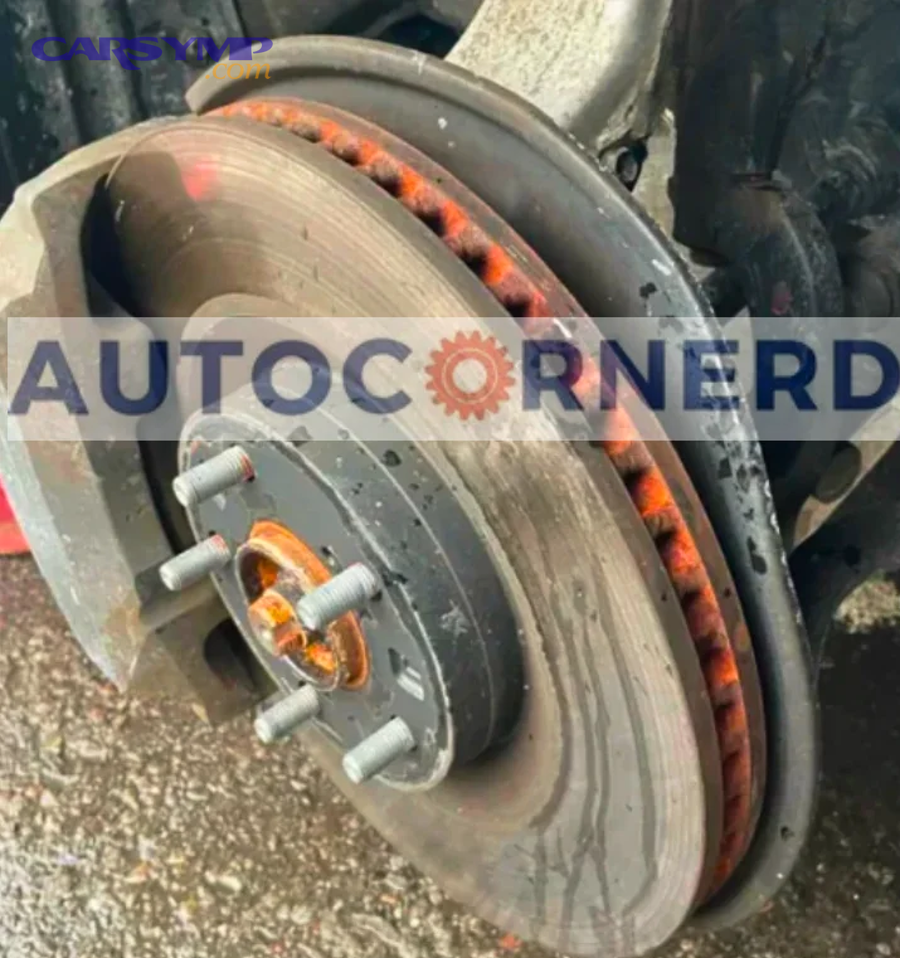
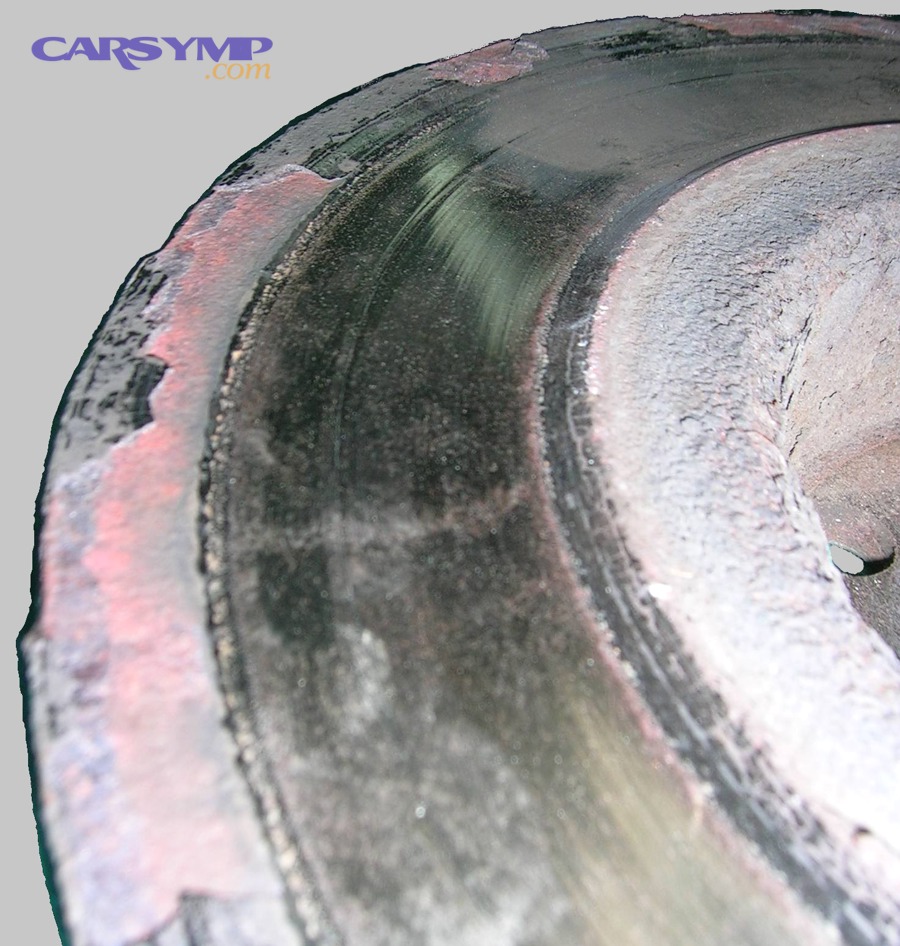
Check 1: Look for witness marks. A rubbing shield often leaves a shiny arc on the shield lip (polished bare metal) or a faint ring on the rotor hat/outer edge. Specifically, use a flashlight and look behind the rotor where the shield’s curved rim runs parallel to the rotor’s circumference.
Check 2: Spin the wheel/rotor by hand. With the car safely lifted and secured, rotate the wheel slowly. If the contact is constant, you’ll hear a repeating “shhh-shhh” scrape. If it’s intermittent, it may only touch at one bent section or when the suspension loads slightly.
Check 3: Gently deflect the shield. Using a plastic trim tool, a long screwdriver (carefully), or a gloved hand, nudge the shield away from the rotor. If the sound immediately stops and returns when you release it, you’ve found a direct cause-and-effect.
Red flag: If the sound occurs only when braking, gets louder under pedal pressure, or you feel pulsation, treat it as a broader brake concern first. After that, you can still correct shield clearance, but you’ll do it knowing you didn’t overlook something more serious.
What causes a brake dust shield to rub?
There are five common causes: a bent lip, trapped debris, rust swelling/warping, incorrect assembly after service, or clearance changes from worn/incorrect parts; the fix depends on which cause is present, so you should classify it before bending anything.
To keep the repair predictable, next you’ll match what you see (bend pattern, contact location, looseness) to the most likely mechanism and choose the least invasive correction.
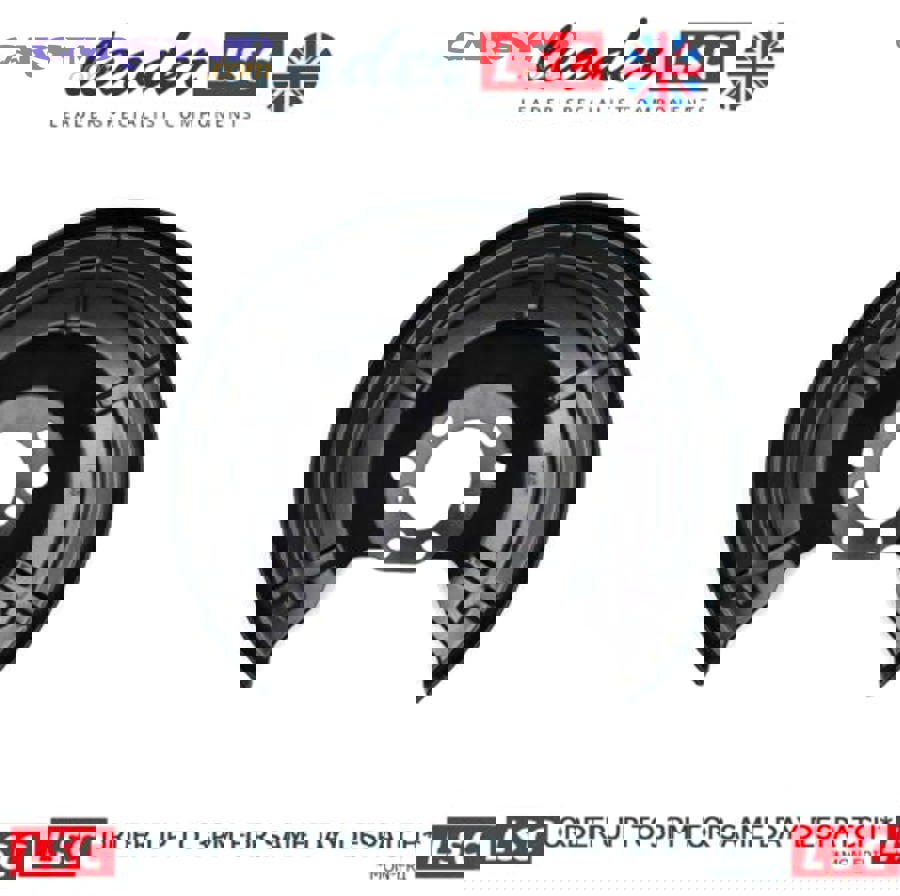
Cause A — Bent outer rim (most common). The shield is thin stamped metal; it bends from a curb strike, road debris, or a tool bump during rotor removal. The rim gets pushed toward the rotor and touches along a short arc.
Cause B — Pebble or packed debris behind the rotor. A small stone can lodge between the rotor and the shield, creating a harsh, intermittent scrape that may vanish after reversing or after a few turns. In other words, the shield may be fine; the debris is the “temporary spacer.”
Cause C — Rust expansion and distortion. Corrosion thickens the shield edge or deforms mounting points. This is common where road salt is used; the shield can warp and “walk” closer over time.
Cause D — Assembly shift after brake work. During pad/rotor replacement, the shield gets bumped and is never re-centered. Sometimes the rotor is seated slightly differently if rust on the hub face wasn’t cleaned, changing the rotor plane relative to the shield.
Cause E — Hardware/fitment mismatch. Incorrect rotor hat offset, wrong rotor diameter, missing clips, or mispositioned caliper bracket hardware can change clearances so the shield touches even when it isn’t bent much.
Below is a quick reference to help you decide what to do first; this table shows the most typical rubbing patterns and the fastest first action to test the hypothesis.
| What you notice | Most likely cause | Fastest first action |
|---|---|---|
| Constant light scrape at all speeds | Bent rim or warped mounting | Locate contact arc; pry shield outward slightly |
| Intermittent harsh scrape, may disappear suddenly | Pebble/debris trapped | Reverse slowly a few feet; then re-check behind rotor |
| Scrape after recent brake service | Shield bumped or rotor not fully seated | Inspect hub/rotor seating; confirm shield centering |
| Rubbing returns repeatedly over weeks | Rust distortion or loose mounting | Check fasteners; inspect corrosion at mounting points |
| New rotor/pads and sudden new noise | Fitment mismatch | Verify part numbers and rotor dimensions/offset |
Key idea: don’t “over-bend” as a guess. Next, you’ll decide whether it’s safe to drive while you diagnose, because that determines whether you fix it in the driveway immediately or schedule deeper work.
Can you drive when the dust shield is rubbing?
It depends: you can sometimes drive a short distance if braking feels normal and the sound is a light scrape from the shield only, but you should avoid driving if you have any braking change, heat smell, grinding, or visible rotor scoring—because those suggest more than a shield clearance issue.
To guide your next step, first separate “annoying” from “unsafe” using quick safety checks that take less than two minutes and prevent costly rotor damage.
Drive only a short distance (if all are true):
- Brake pedal feel is normal (no sinking, no sponginess, no pull).
- No ABS/brake warning lights related to braking performance.
- The noise is a light metallic brushing that matches wheel rotation, not a deep grind under braking.
- No burning smell or smoke near the wheel after a brief roll.
Do not drive (stop and inspect):
- The noise gets louder when you press the brake pedal, or you feel vibration/pulsation.
- The wheel area gets unusually hot after a short drive (possible dragging pad/caliper issue).
- The sound is a heavy grinding, especially accompanied by reduced stopping power.
- You see deep grooves on the rotor face or metal dust accumulating quickly.
In practice, a dust shield rub is often more irritating than dangerous, but it can still gouge the rotor hat or edge if ignored. Next, you’ll pinpoint the exact rubbing spot quickly so your correction is precise rather than a broad bend that creates new contact elsewhere.
How do you confirm the rubbing spot quickly?
The fastest method is a three-step locate-and-mark routine: hand-spin to hear the arc, visually search for polished contact, then mark and re-spin to verify—this gives you a clear target so you bend only where needed.
To keep the flow efficient, next you’ll use simple tools (light, chalk/marker, feeler gap) and avoid removing parts unless the shield can’t be accessed safely.
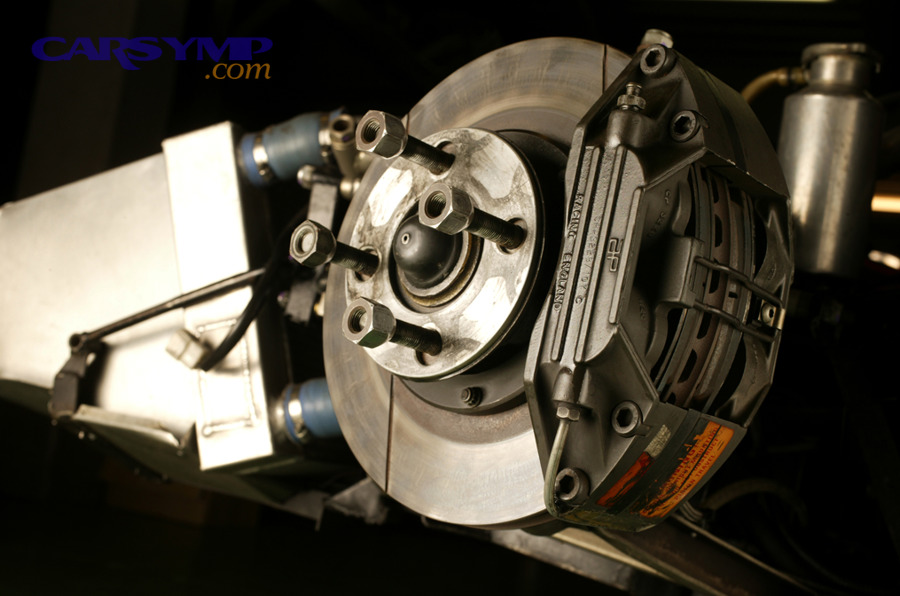
Can you locate contact without removing the wheel?
Yes—often you can by turning the steering to expose the rotor edge, shining a light through the spokes, and gently levering the shield while hand-spinning; however, if visibility is poor or the wheel design blocks access, removing the wheel is safer and faster overall.
To move forward smoothly, after that you’ll decide whether the “spoke access” method is sufficient or whether a wheel-off inspection prevents guesswork.
What does the contact mark look like?
A true rub mark is typically a bright, polished line on the dust shield lip or a matching shiny ring where it’s been “buffed” by the rotor edge; for example, rusted metal will appear scraped clean in a narrow arc.
To keep your correction accurate, next you’ll mark the arc with chalk so you can see whether your adjustment improved clearance after one re-spin.
How do you verify clearance after adjustment?
The best verification is silence plus free rotation: spin the rotor/wheel and confirm no scraping and no drag spikes; in addition, check the gap visually around the arc you corrected and ensure it isn’t now touching elsewhere.
Now that you’ve located the spot, next you’ll choose the right fix strategy based on severity—minor rubs usually need only a controlled bend, while severe distortion may need re-centering or replacement.
How to fix minor dust shield rubbing without removing the rotor?
The most reliable minor repair is a controlled outward bend at the contact arc using a lever tool and small, repeated adjustments—this typically restores clearance in minutes without disturbing caliper bolts or rotor seating.
To avoid creating a new rub, next you’ll use a “bend-check-bend” rhythm and work only on the specific section you marked.
What tools work best for a safe bend?
A long screwdriver, a small pry bar, or angled pliers can work; the safest approach is using a broad contact lever (or a plastic trim tool) to spread force and avoid kinking the shield. In other words, you want a gentle curve, not a sharp crease.
To keep the metal from cracking, next you’ll apply force gradually and avoid bending at the same sharp line repeatedly.
Where exactly should you bend?
Bend at the outer lip that runs parallel to the rotor’s circumference, not at the mounting bolts—because moving the lip restores clearance while leaving the shield’s alignment intact. Specifically, bend the exact arc with witness marks.
To ensure the fix holds, after that you’ll re-spin the wheel and listen for silence through a full rotation.
How much clearance is “enough”?
“Enough” means the shield cannot touch even when it flexes slightly; aim for a visible, consistent gap around the corrected area. However, don’t over-bend so far that the shield can catch debris more easily or interfere with other components.
Once minor rubbing is gone, next you’ll test for conditions that recreate contact—turning, bumps, and brake application—so you know the clearance is stable in real driving.
How to fix severe rubbing by removing the wheel and re-centering the shield?
For severe rubbing, the best fix is wheel-off inspection plus re-centering: remove the wheel, confirm rotor seating, straighten distorted areas, and tighten/secure shield mounting so it sits concentric to the rotor again.
To make the work systematic, next you’ll approach it as alignment: first confirm the rotor plane, then set the shield position, then verify full-rotation clearance.
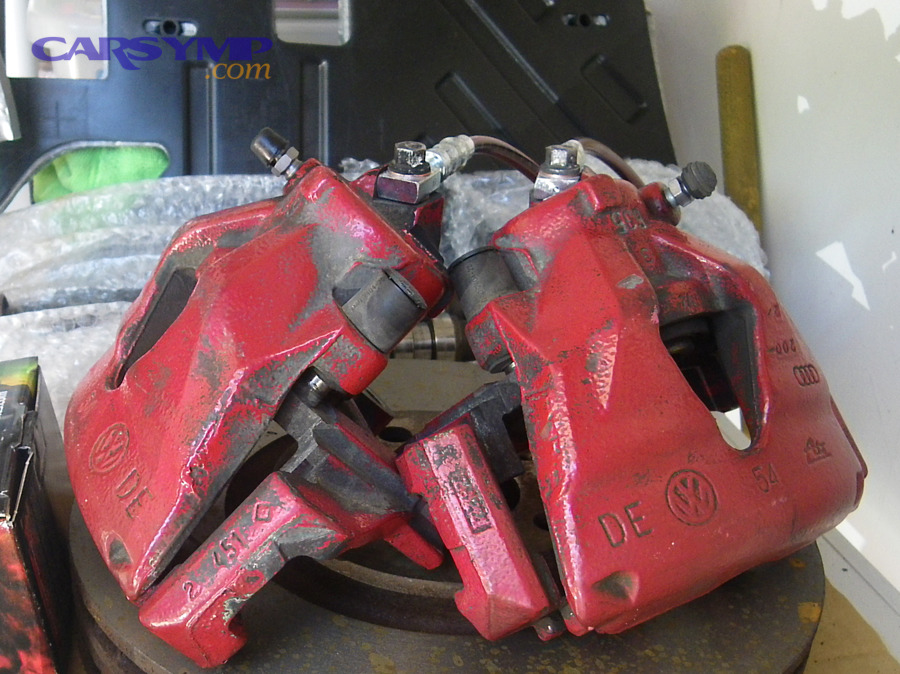
Should you remove the caliper or rotor?
Usually no—you often don’t need to remove the caliper or rotor just to re-center the shield; however, if the shield is trapped behind the rotor edge in a way you can’t access, or if mounting bolts are hidden, deeper disassembly may be required.
To keep risk low, next you’ll attempt wheel-off access first, because it solves most cases while avoiding brake hydraulic disturbance.
How do you re-center a shield that’s “off round”?
Re-centering means restoring a uniform radius: push/pull small sections around the arc so the shield follows the rotor evenly. For example, if one quadrant is closer, bend that quadrant outward rather than bending the entire perimeter.
To prevent a wavy edge, after that you’ll use multiple small corrections around the circle instead of one aggressive bend.
What if the shield is loose at its mounting points?
If it’s loose, tighten or replace the fasteners and inspect the shield holes for rust “ovalizing” (elongation). In addition, confirm the shield isn’t trapped between components incorrectly, which can shift it as you drive.
Once it’s secure, next you’ll confirm rotor seating on a clean hub face, because even a small rust ridge can tilt the rotor and reduce clearance on one side.
Why does the rubbing noise change with speed or direction?
It changes because the shield can flex under load, debris can move, and rotor runout or suspension geometry can alter clearance dynamically—so the contact may appear only at certain speeds, during turning, or in specific driving directions.
To connect symptoms to causes, next you’ll map when the sound appears (straight vs turning, forward vs reverse, braking vs coasting) and use that pattern to pick the correct correction.
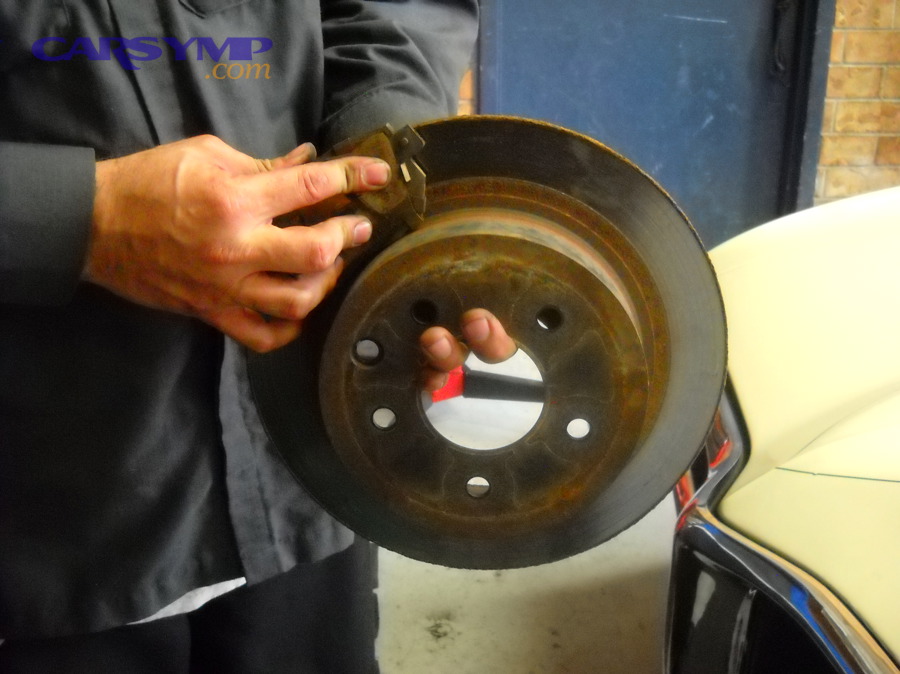
What does it mean if the sound is louder at low speed?
A low-speed loud scrape often means intermittent contact at one bent point: at slow rotation you hear each touch clearly; at higher speeds it blends into a continuous hiss. Therefore, focus on finding a single witness-marked arc.
To narrow it down further, next you’ll hand-spin and listen for one “hot spot” per rotation.
What if it only happens during turns?
If it happens mainly while turning, the likely reason is clearance change from steering/suspension load: the knuckle, hub, or shield position shifts slightly and the closest point makes contact. In that case, you may need slightly more clearance than a straight-line test suggests.
To keep the fix durable, after that you’ll test both full-left and full-right steering positions after adjustment.
What if it appears after you back up?
Sometimes reversing dislodges or repositions debris, or the shield flexes differently; this is where the pattern often aligns with the phrase Noise only when reversing causes—a clue that something is moving rather than a constant geometric interference.
To make a clean decision, next inspect for small stones and confirm the shield edge isn’t curled inward where the rotor’s direction can “pull” it into contact.
How to prevent the dust shield from rubbing again?
Prevention comes from three habits: avoid kinking the shield during brake work, keep hub/rotor mounting surfaces clean, and protect the shield from rust-driven distortion—these reduce repeat contact far more than simply bending it “far away.”
To make the fix last, next you’ll treat the root cause you identified (service bump, corrosion, looseness, fitment) instead of only treating the symptom (noise).
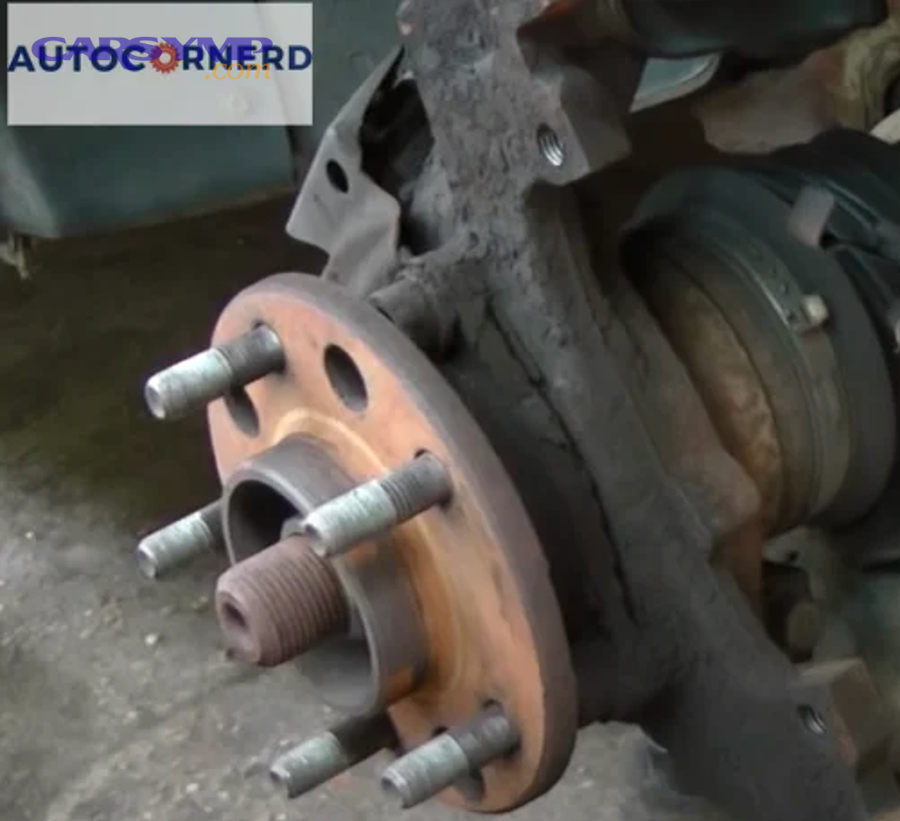
What should you do differently during brake service?
Use the shield as a no-pry zone: avoid levering against it when removing rotors, and don’t hang a caliper in a way that swings tools into the shield. In addition, after reassembly, do a quick spin test before the wheel goes back on.
To make this actionable, next build a habit: “spin the rotor, listen, confirm clearance” every time pads or rotors are touched.
How does hub rust affect clearance?
Rust on the hub face can make the rotor sit slightly off-plane, shrinking clearance on one side of the shield even if the shield itself is fine. Therefore, cleaning the hub-to-rotor mating surface helps maintain predictable spacing.
To avoid repeat issues, after that use a wire brush and ensure the rotor sits flush before torquing the wheel.
Does corrosion protection help the shield itself?
Yes—light rust conversion or protective coating on the shield (where appropriate and away from friction surfaces) can slow edge swelling and mounting distortion. However, don’t coat areas that could flake into the braking surfaces.
With prevention handled, next you’ll decide whether your shield is still structurally worth keeping, because some shields are too thin, cracked, or rust-holed to stay stable.
When should you replace the dust shield instead of bending it?
You should replace it when bending would be temporary or unsafe: cracks, severe rust perforation, deformed mounting holes, or repeated re-contact are the key indicators; bending works best only when the metal still has stiffness and shape memory.
To choose confidently, next you’ll evaluate the shield like a thin spring: if it can’t hold a shape without fluttering or cracking, replacement is the cleaner path.
What does “too rusted” look like?
“Too rusted” means the edge is flaking, layered, and fragile, or you can see holes near mounting points. For example, if you bend it and it crumbles or creases sharply, it likely won’t hold clearance for long.
To avoid repeat repairs, next consider replacement if you see structural weakness near bolts or stamped ribs.
Is trimming ever acceptable?
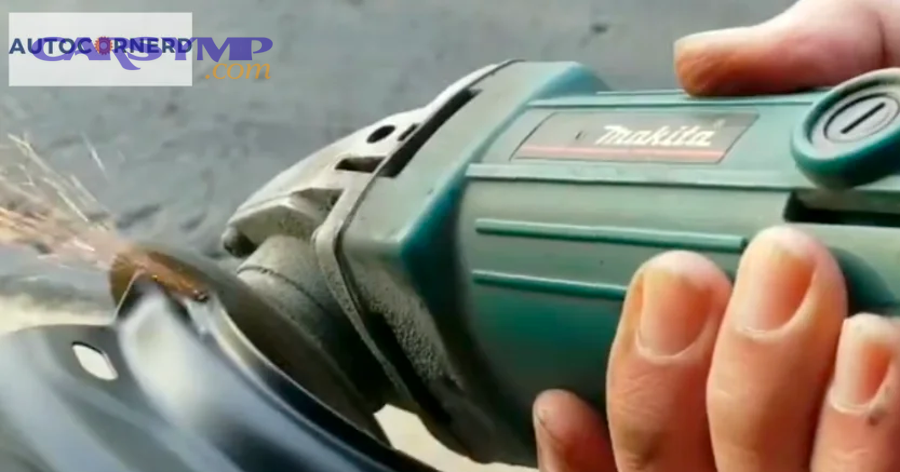
Sometimes—careful trimming of a small interfering lip can work if the shield is otherwise solid, especially when clearance is tight due to configuration changes. However, trimming should be controlled and minimal so you don’t create sharp edges or weaken mounting stability.
To keep it safe, after that deburr edges and re-check that no metal filings remain near friction surfaces.
What about removing the shield entirely?
Removal can stop rubbing, but it’s a tradeoff: you gain clearance while losing some protection from splash and debris. In other words, it’s a last-resort workaround when replacement isn’t practical or the shield repeatedly interferes.
Before choosing removal, next confirm you’re not hiding a fitment issue that will cause other problems later.
What should you check after the fix?
After the fix, confirm silence, consistent clearance, and normal braking by doing a spin test, a short low-speed roll, and a heat check—because a quiet driveway test doesn’t always replicate steering load, bumps, and brake application.
To finish with confidence, next you’ll run a short, structured post-repair checklist and confirm the sound isn’t coming from a different component.
What is a smart post-repair checklist?
A good checklist is spin → steer → brake → re-check: spin the wheel, test at full-left/full-right steering, do gentle braking at low speed, then re-inspect the witness-mark area. In addition, listen with windows down near a wall so reflections amplify subtle scraping.
To make the result durable, after that re-check once more after a day of driving, because shields can settle slightly.
How do you rule out other rotating scrape sources?
Rule-out is about pattern matching: shield rub follows wheel speed and often persists without braking, while pad wear indicators or hardware issues often change more with brake pedal input. For example, a bent shield usually scrapes while coasting, not only under braking.
This is where doing a broader brake noise diagnosis mindset helps: you’re not just silencing a sound; you’re confirming the system’s behavior is consistent and explainable.
What should you do if the noise returns immediately?
If it returns immediately, treat it as a geometry or fastener issue: re-check mounting stability, rotor seating on the hub, and whether the shield is contacting only under steering load. Next, revisit fitment—incorrect parts can recreate the same clearance problem no matter how well you bend the shield.
Contextual Border: The main fix is now complete. Next is expanded context—how this rubbing relates to other brake sounds, how to avoid misdiagnosis, and how to communicate the issue clearly if you’re involving a shop.
Supplementary: How do you distinguish dust-shield rub from other brake noises?
Dust-shield rub is usually a light metallic brushing that follows wheel rotation and often persists while coasting, whereas other brake noises often correlate more strongly with pedal pressure, heat, or pad/rotor condition—so you should compare sound triggers before concluding the shield is the only cause.
To keep your decision grounded, next use trigger-based identification rather than relying on how “loud” or “sharp” the noise seems.
How can you describe the sound in a useful way?
Describe it by trigger, tempo, and texture: when it happens (coast/brake/turn), whether it matches wheel speed, and whether it sounds like brush/scrape/grind. For example, saying “it scrapes once per wheel rotation” is more diagnostic than “it’s really loud.”
To share a consistent framework, many guides summarize Types of brake noises and what they mean; use that idea to translate your observation into a likely source (shield, pad wear indicator, rotor scoring, hardware contact).
What patterns most often fool people?
A common trap is confusing shield rub with pad wear or rotor damage when the driver notices it after service. In addition, repeating contact from a shield can sound like a “grind” even though it’s not a pad-to-rotor friction material issue—especially in echoing environments like parking garages.
To reduce false conclusions, always confirm by physically moving the shield and re-testing for immediate change.
How do you handle reverse-only or direction-dependent cases?
Direction-dependent cases often involve debris shifting or shield flex rather than a fixed bend; that’s why the earlier cue Noise only when reversing causes is valuable as a pattern, not a final answer. Next, inspect for trapped stones and curled edges that can “catch” in one direction.
When should you escalate to professional inspection?
Escalate if you have braking performance changes, excessive heat, warning lights, or visible rotor face damage. In that scenario, the noise may be one symptom among several, and a shop can verify caliper function, rotor runout, and hardware installation integrity.
If you’re documenting your work and want a consistent vocabulary across your maintenance notes, you can log the symptom and resolution on Car Symp as “shield-to-rotor interference corrected by re-centering/bending with verified clearance,” which keeps future troubleshooting cleaner.
FAQ
Below are common questions that come up after a rubbing fix; they help you confirm you didn’t miss a related issue and clarify what “normal” looks like afterward.
Will bending the dust shield damage it?
Not usually if you bend it gently in small steps, but repeated sharp bending can crack thin, rusted metal. Therefore, if the shield creases easily or flakes, replacement is safer than forcing it.
Why did the rubbing start right after new rotors or pads?
Because the shield is often bumped during service, or the rotor sits slightly differently if hub rust wasn’t cleaned. In addition, a fitment mismatch can reduce clearance, so verifying correct parts and proper seating matters.
Can a small rock cause the same scraping sound?
Yes, and it can be surprisingly loud; the sound may change suddenly or disappear after reversing or turning. Next, check behind the rotor for trapped debris before making major bends.
How do I know I’m not hiding a real brake problem?
Confirm that braking feel and stopping performance are unchanged, the noise exists while coasting (not only under pedal input), and the sound stops when the shield is deflected. After that, do a short road test and heat check to confirm normal operation.
Should I add spacers to solve rubbing?
Rarely; spacers are more of a configuration-specific solution when clearance is inherently tight. Therefore, treat them as an advanced option only after verifying the shield is properly centered and the parts are correct.