


If your A/C clutch won’t engage, the system is usually being blocked on purpose (low/high pressure protection, electrical control, or sensor logic) or the clutch hardware can’t pull in (coil, air gap, bearing). The fastest way to nail an AC clutch not engaging diagnosis is to test the command path first, then confirm refrigerant conditions, and only then blame the compressor.
Many drivers describe this as compressor clutch not kicking: the button lights up, the fans may run, but there’s no click and no cold air. That symptom often points to a missing clutch “enable” signal (fuse/relay/pressure switch) rather than a failed compressor pump.
Because modern cars interlock A/C with engine load and cooling protection, you also need to separate “A/C request” (what you asked for) from “A/C permission” (what the car allows). That difference explains why the clutch may refuse to engage even when the rest of the HVAC seems normal.
To connect the dots, Giới thiệu ý mới: below is a step-by-step diagnostic flow that starts with quick, low-risk checks and ends with deeper electrical and mechanical tests—so you don’t waste money replacing the wrong part.
AC clutch not engaging diagnosis; compressor clutch not kicking; A/C relay; A/C fuse; pressure switch; clutch coil resistance; clutch air gap; ECU A/C request; evaporator; condenser; expansion valve; R-134a; R-1234yf
What does it mean when the A/C clutch will not engage?
Definition: An A/C clutch not engaging means the electromagnetic clutch is not pulling the drive plate into the pulley, so the compressor shaft doesn’t spin—even if the engine is running and you press A/C. Next, that single symptom can come from control logic, electrical supply, or clutch hardware.
Mechanically, a typical clutch has a pulley bearing that spins all the time, and a drive plate that only locks to the pulley when the coil energizes. When the coil creates a magnetic field, it pulls the plate across a small air gap and couples engine power into the compressor.
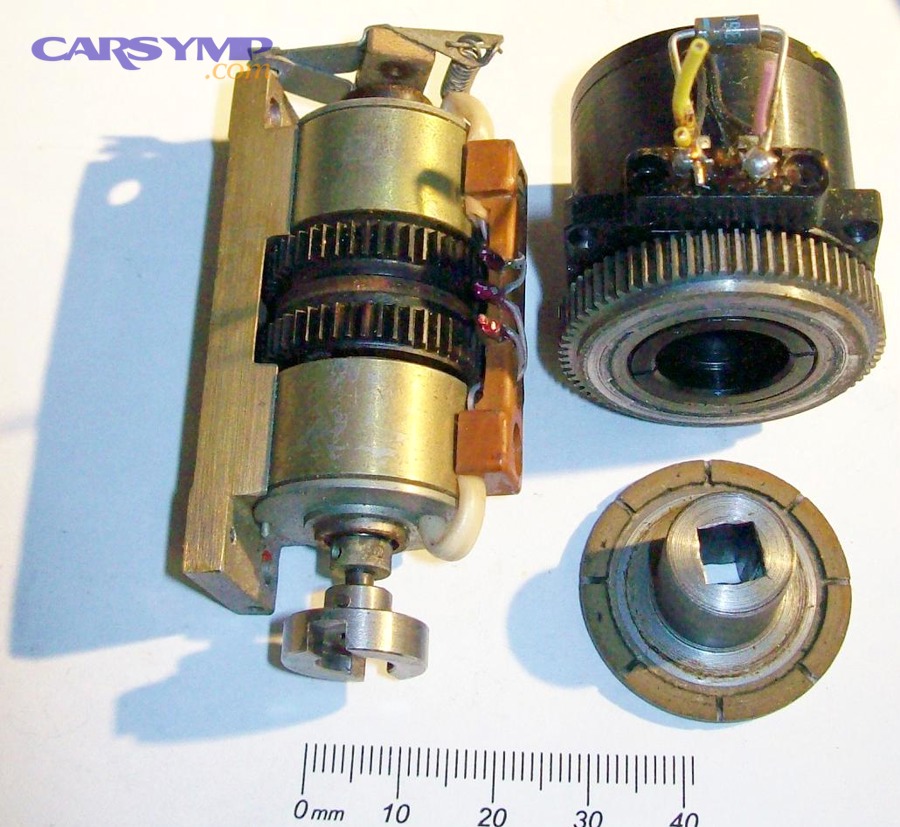
Electrically, the clutch coil is just a load in a longer chain: A/C request → control module decision → relay → clutch coil power and ground. A break anywhere in that chain looks the same from the driver’s seat: no click, no cooling.
From a macro diagnostic perspective, treat this as three buckets: (1) “Not allowed” (pressure switch, engine protection, HVAC logic), (2) “Not powered” (fuse/relay/wiring/ground), and (3) “Can’t pull in” (coil resistance, air gap, seized bearing). To move from symptoms to certainty, you’ll test the buckets in that order.
According to research by Innova from its Fix & Advice unit, in April 2025, pressure-switch faults can lead to compressor shutdown behavior that mimics a clutch failure.
Is low refrigerant the most common reason the clutch won’t click on?
Boolean: Yes—low refrigerant is one of the most common reasons the clutch won’t engage, because the system prevents operation at unsafe pressures; however, fuse/relay faults and coil issues can produce the same symptom. Next, confirm low charge before buying parts.
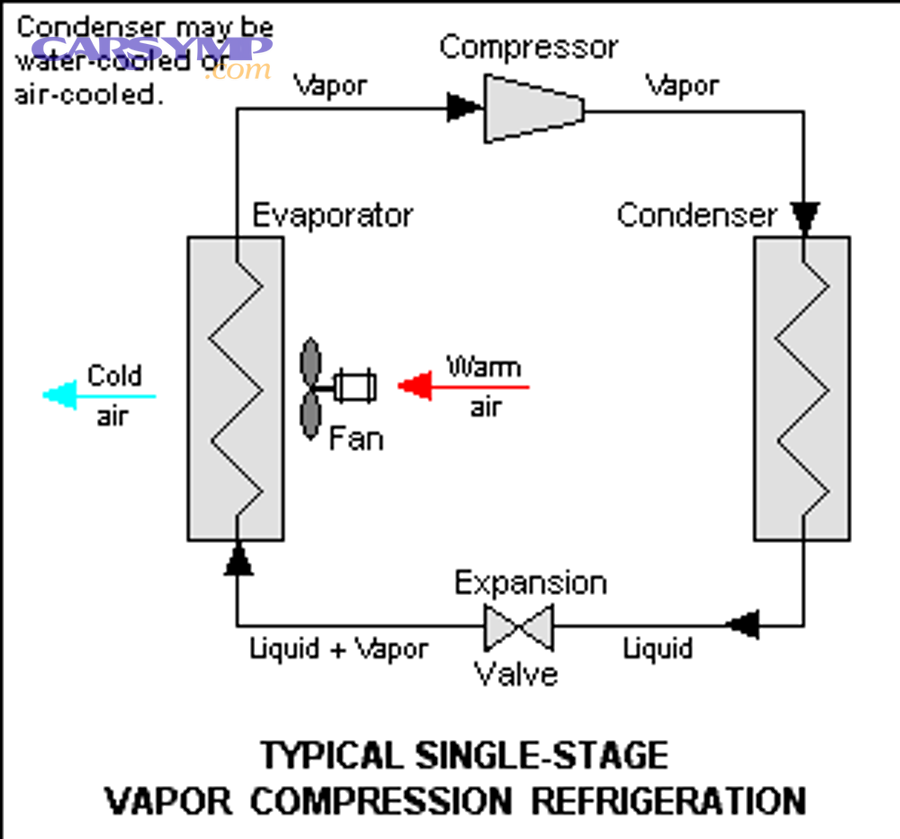
Reason 1 (most important): The low-side/cycling pressure switch (or pressure sensor logic) can open the clutch circuit when pressure drops below a threshold, protecting the compressor from running with insufficient refrigerant/oil circulation.
Reason 2: Low charge often correlates with a leak, and many vehicles won’t allow sustained clutch engagement if pressure behaves abnormally (short-cycling or never reaching a stable range).
Reason 3: If the system is severely low, static pressure can look “not crazy” when the engine is off, yet pressure drops too far immediately when you request A/C—so the car blocks clutch engagement to avoid damage.
To keep the flow tight: if you hear the radiator fan change speed when you press A/C but the clutch still never clicks, the car may be receiving the request but refusing permission due to pressure logic. That’s the sign to check pressures and switches before you replace the compressor.
According to research by A/C Pro® (Energizer Auto) from its Help & Advice unit, pressure guidance tables show typical low/high side ranges by ambient temperature for both R-134a and R-1234yf systems.
Which quick electrical checks should you do first (fuse, relay, command)?
How-to: Start with three fast checks—fuse integrity, relay function, and presence of a clutch command—because they can confirm “not powered” in minutes. Next, you’ll decide whether to chase wiring or move on to pressure logic.
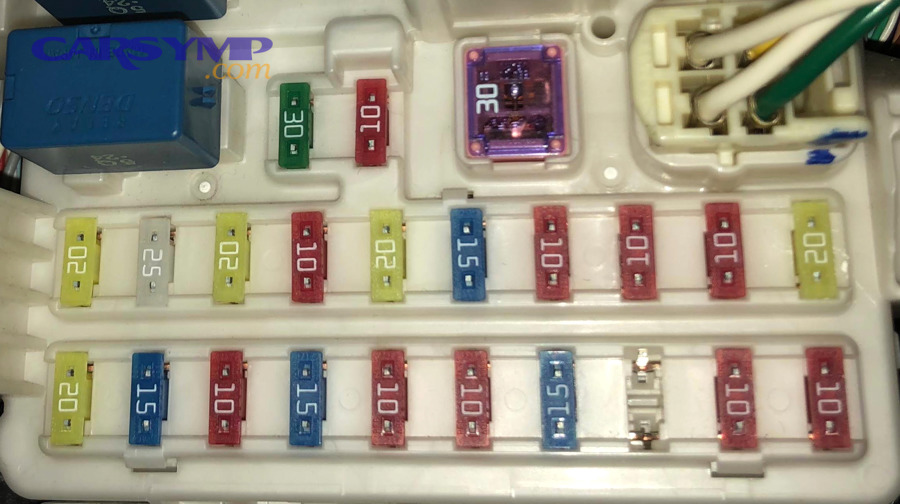
Does the A/C fuse look good and test good under load?
Answer: A fuse can look intact yet fail under vibration or heat, so a quick test with a meter (or swapping with a known-good same-rating fuse) is more reliable. Next, if the fuse is good, you move to the relay and control side.
Check both the A/C clutch fuse and any HVAC/ECU fuse that feeds the relay coil. Some vehicles split these circuits: one fuse feeds the clutch power path, another feeds the relay coil or module logic.
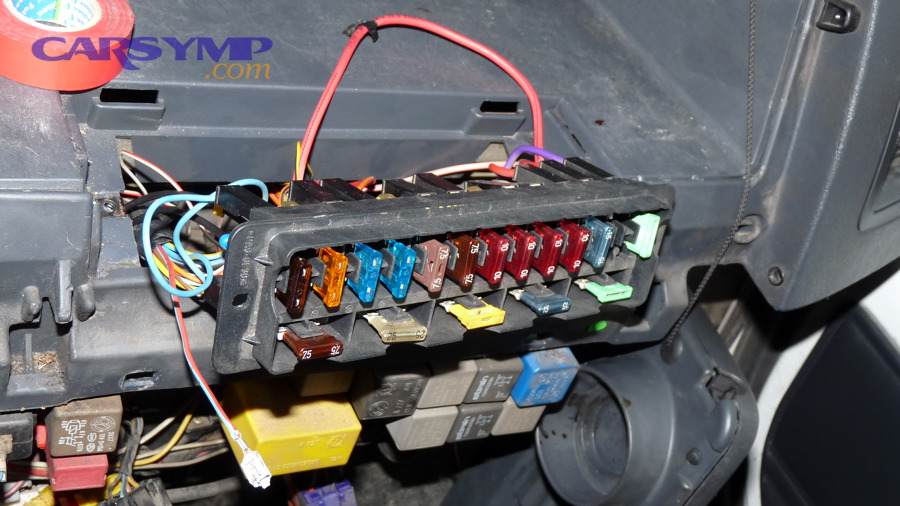
Can you swap the A/C relay with an identical relay?
Answer: Yes—relay swapping is a clean, reversible test if you match the part number and pin layout. Next, if swapping changes behavior (clutch clicks), you’ve isolated a common failure point without touching refrigerant.
Relays fail by burnt contacts (no power delivery) or weak coils (no actuation). A relay that clicks doesn’t guarantee it passes current; it may click but still have high resistance across contacts.
Is the clutch actually receiving voltage when A/C is commanded?
Answer: If the clutch connector never sees battery voltage (or a proper ground path), the clutch cannot engage, regardless of refrigerant charge. Next, you’ll test for voltage at the clutch connector while the A/C is requested.
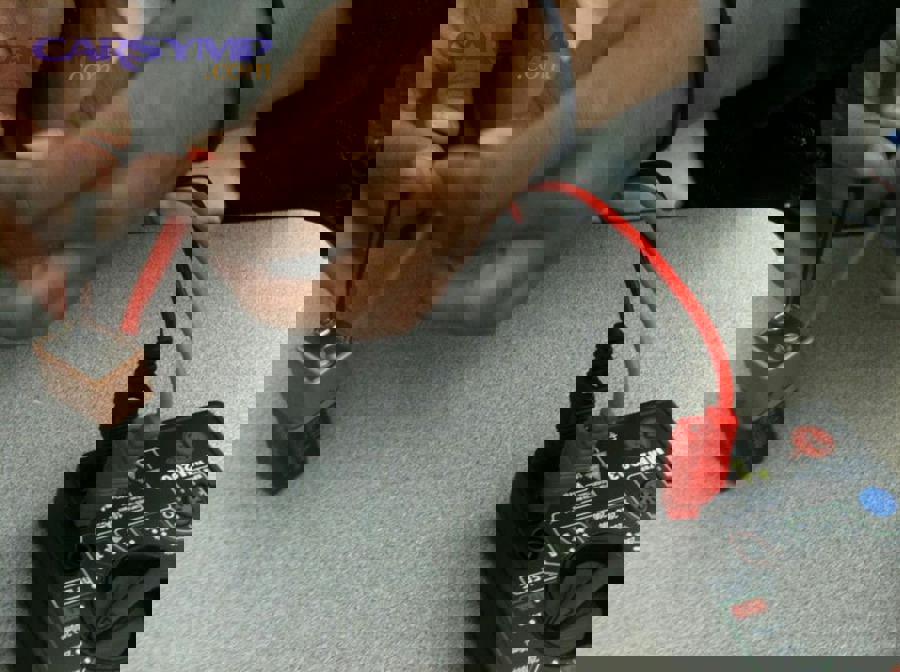
Back-probe the connector with care: engine running, A/C on, blower on, and watch for voltage pulses or steady voltage depending on the vehicle’s control strategy. If you see command voltage but no engagement, you’re likely in the “can’t pull in” bucket (coil/air gap/mechanical).
How do you test clutch coil resistance and the clutch air gap?
How-to: Measure coil resistance and inspect air gap because these directly determine whether the magnet can pull the plate in. Next, you’ll interpret the ohms reading and decide if the clutch is electrically healthy.
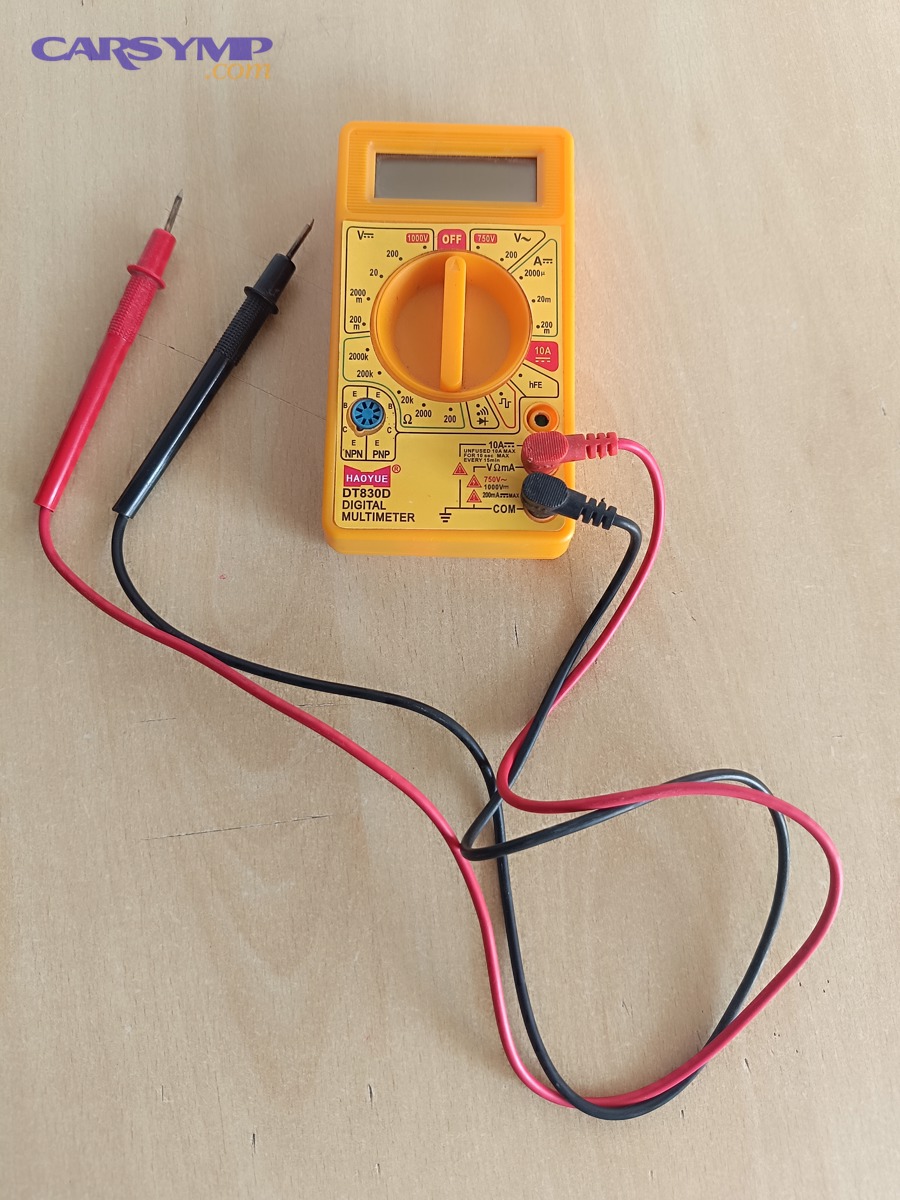
What resistance reading suggests a healthy clutch coil?
Answer: Many automotive clutch coils fall in a low-ohms range; an open circuit (infinite) or near-zero short is a strong failure indicator. Next, compare your reading to known guidance for clutch coils.
As a practical benchmark, the clutch coil should not be wildly outside typical ranges; an open winding prevents magnetism, while a shorted winding can blow fuses or drag voltage down so the clutch never pulls in.
According to research by MACS (Mobile Air Climate Systems Association) from its Technical Tips unit, in September 2021, a “sweet spot” for many clutch coils is around 3.5–4.0 ohms, and values far outside that range warrant supplier guidance.
How does air gap cause “compressor clutch not kicking” even with good voltage?
Answer: If the air gap is too large, the magnetic force may be insufficient to pull the plate in, so you get voltage but no click. Next, you’ll inspect for wear, shims, and heat damage that increase the gap.
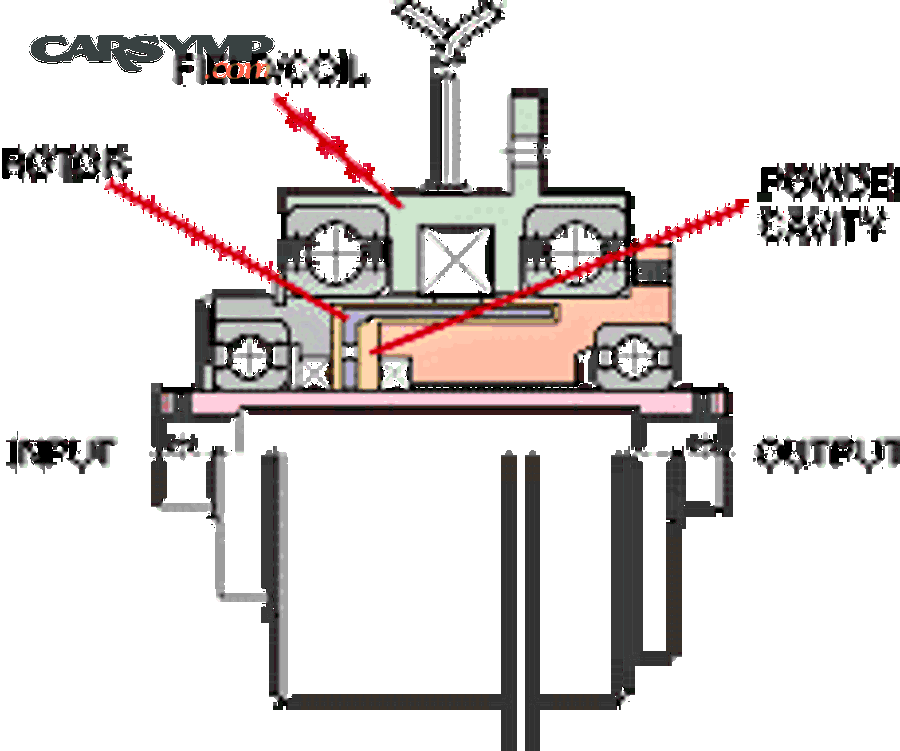
Wear on the friction surfaces, weak coil strength (due to heat), or incorrect shimming after prior work can all increase the gap. The result is the same: intermittent engagement when cold, no engagement when hot, or engagement only at higher RPM (not recommended to rely on).
How do pressure switches and sensors block clutch engagement?
Definition: Pressure switches/sensors are safety and control devices that open or modulate the clutch circuit when refrigerant pressure is too low or too high. Next, you’ll map which switch is responsible and test it without guessing.
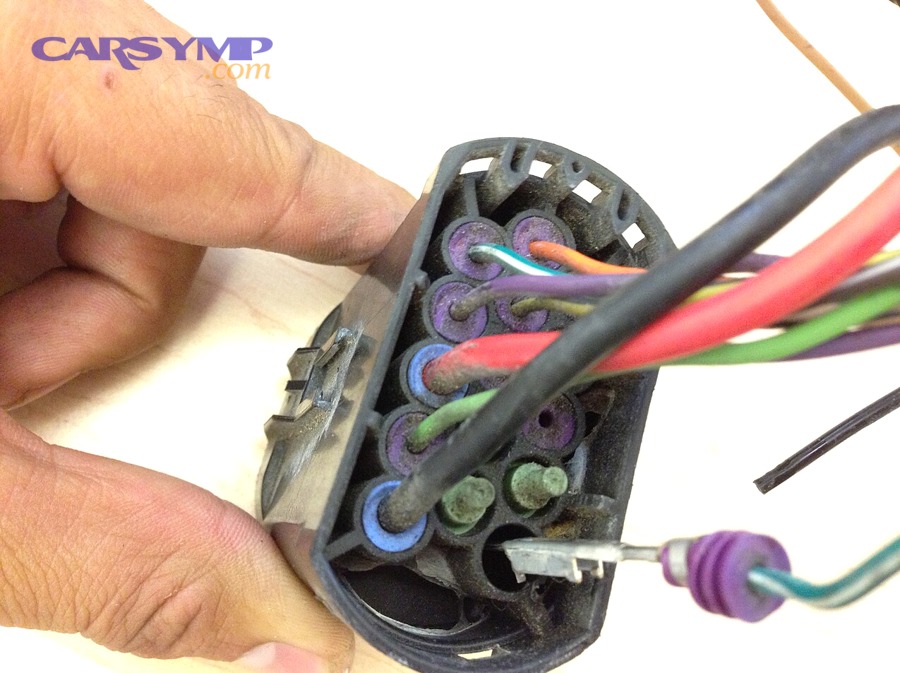
What is the low-pressure (cycling) switch doing?
Answer: It senses low-side pressure and can disengage the clutch when pressure drops below a threshold to protect the compressor and stabilize evaporator operation. Next, you’ll verify whether the system is truly low or the switch/sensor is lying.
On some systems it’s a simple on/off switch; on others it’s a pressure sensor feeding the ECU, which then decides whether to energize the relay. That difference matters: you may have perfect wiring but still no clutch if the ECU never grants permission.
According to research by GPD from its Tech Tips unit, the compressor cycling switch senses low-side pressure and is used to control the compressor clutch.
What about high-pressure protection?
Answer: If high-side pressure is excessive (airflow restriction, overcharge, condenser issue), the system can disable the clutch to prevent damage. Next, you’ll treat “won’t engage” and “engages then drops out” as two different pressure stories.
High-pressure cutout is often triggered by poor condenser airflow, inoperative fans, blocked fins, or overcharge. If your clutch engages briefly then disengages quickly with fans roaring, suspect high pressure rather than a bad coil.
What do system pressures tell you before you blame the clutch?
How-to: Use pressure guidance to decide whether the refrigeration circuit is plausibly charged and flowing, because a clutch that never engages may be responding to unsafe pressures. Next, you’ll compare your readings to ambient-temperature ranges.
Before you connect anything, use basic safety: eye protection, avoid venting refrigerant, and don’t open the system unless you have recovery equipment. If you use gauges, keep hoses tight and never “burp” refrigerant to atmosphere.
This table contains typical low-side and high-side pressure ranges by ambient temperature for quick comparison, helping you decide whether your readings look “in the ballpark” or point to undercharge, restriction, or overcharge.
| Ambient Temp (°F) | R-134a Low Side (PSI) | R-134a High Side (PSI) | R-1234yf Low Side (PSI) | R-1234yf High Side (PSI) |
|---|---|---|---|---|
| 65 | 25 | 135–155 | 28–38 | 135–154 |
| 70 | 35–40 | 145–160 | 33–43 | 145–159 |
| 75 | 35–45 | 150–170 | 38–48 | 149–168 |
| 80 | 40–50 | 175–210 | 43–48 | 173–205 |
| 85 | 45–55 | 225–250 | 49–58 | 220–243 |
| 90 | 45–55 | 250–270 | 49–58 | 243–261 |
| 95 | 50–55 | 275–300 | 53–58 | 266–289 |
Interpreting the “shape” matters more than a single number. For example, low-low often suggests insufficient charge, while low-high can suggest a restriction at the expansion device. Meanwhile, high-low can point to compressor efficiency issues—yet you still need to confirm the clutch is truly being commanded and powered.
Also note the legal and environmental issue: guidance explicitly warns that venting refrigerant is illegal and the system should be serviced correctly.
How can airflow problems masquerade as a clutch problem?
How-to: Check airflow and heat rejection because poor airflow can drive pressures out of range and trigger clutch shutdown logic, making it look like “no clutch.” Next, rule out the easy HVAC restrictions before deeper electrical work.
Can a clogged cabin filter reduce cooling even if the clutch works?
Answer: Yes—restricted cabin airflow can make the A/C feel weak or “not cold” even when the compressor is functioning. Next, treat airflow as its own diagnostic lane so you don’t confuse comfort issues with clutch engagement.
In real-world troubleshooting, it’s common to chase the clutch when the actual complaint is low vent airflow. That’s why many professional workflows include Cabin air filter and airflow checks early, especially when the blower sounds loud but airflow feels weak.
According to research by Deltona Tire from its Blog unit, in April 2025, a clogged cabin air filter restricts airflow and reduces A/C efficiency, forcing the system to work harder and diminishing perceived cooling.
How does condenser airflow affect clutch engagement?
Answer: If the condenser can’t reject heat, high-side pressure can spike and the system may disable the clutch to protect components. Next, confirm radiator fans, condenser cleanliness, and airflow paths before assuming an electrical fault.
Typical signs include: clutch engages briefly then drops out, fans ramp aggressively, cooling improves at highway speed but fails in traffic, or pressures climb rapidly. Those patterns are different from a dead relay or open coil.
When should you suspect the compressor itself versus the control circuit?
Comparison: The control circuit is more likely when you have no command voltage at the clutch; the compressor/clutch assembly is more likely when you have command voltage but no engagement. Next, use symptoms to choose the right branch of testing.
Control-circuit clues (permission problem)
Answer: No relay click, no voltage at the clutch connector, and scan data showing “A/C request: YES” but “A/C permitted: NO” points to logic interlocks. Next, you’ll look at pressure sensor values, engine temp, and fan faults.
On many vehicles, a scan tool can reveal why permission is denied: high engine coolant temperature, implausible pressure readings, or a fan control fault that would allow high pressure.
Clutch/compressor clues (hardware problem)
Answer: Voltage present at the clutch with no click, burnt clutch smell, abnormal pulley noise, or intermittent engagement that changes with temperature points to clutch hardware. Next, confirm coil resistance and air gap before condemning the whole compressor.
A failing pulley bearing can also change the clutch gap as it heats, causing “works cold, fails hot.” That symptom is strongly consistent with magnet/air-gap limitations rather than an ECU decision.
Is it safe to “jump” the clutch for testing?
Boolean: Sometimes yes for controlled testing, but it’s risky and not appropriate for many modern systems; you can damage wiring, trigger overpressure, or bypass safety logic. Next, treat any jumping as a last-resort diagnostic step and prefer scan-tool and relay testing.
If a technician uses a direct power feed briefly, it’s to answer one narrow question: can the clutch physically pull in? Even then, the test must be short, monitored, and stopped immediately if pressures behave dangerously or if abnormal noises occur.
Never force engagement if you suspect the system is empty, severely low, or overpressurized. Also avoid doing this on vehicles that use variable displacement compressors without a conventional clutch, or those with ECU-managed current control.
For the same goal with less risk, prefer these alternatives: (1) relay swap, (2) test light at the clutch connector during command, (3) scan tool to command A/C output (when supported), and (4) verifying pressure sensor plausibility.
What repair paths make sense once you’ve identified the cause?
Grouping: There are three practical repair paths—simple electrical fixes, component replacements, and full-system service—based on whether your failure is in controls, clutch hardware, or refrigerant conditions. Next, choose the least invasive repair that matches your confirmed test result.
Path A: Simple electrical fix (minutes to an hour)
Answer: If you found a blown fuse, bad relay, corroded connector, or missing ground, fix that first because it’s cheap and highly causal. Next, re-test engagement before touching refrigerant.
Clean terminals, repair chafed wiring, and confirm voltage drop under load. Many “compressor clutch not kicking” cases end here.
Path B: Clutch hardware fix (air gap, coil, bearing)
Answer: If voltage is present but the clutch won’t pull in, address coil resistance issues, excessive air gap, or bearing drag. Next, decide whether your vehicle supports clutch service separately or requires compressor replacement.
Some compressors allow clutch-only servicing; others are packaged so tightly that labor makes a complete compressor replacement more sensible. Your diagnostic certainty is what protects you from unnecessary expense.
Path C: Refrigerant and system-condition fix (leak, restriction, overcharge)
Answer: If pressures indicate undercharge or abnormal behavior, the correct fix is leak detection and proper service (recover, evacuate, recharge by spec), not guesswork. Next, treat “quick top-off” as temporary unless you’ve confirmed no leaks.
Here is the important nuance you should not skip: AC not cold fix is not always “add refrigerant”—it’s often “find the leak, repair it, then recharge correctly.” That approach protects the compressor and prevents repeated clutch lockouts.
Contextual border: Up to this point, you’ve covered the most common, high-yield causes. Below are advanced patterns and rare failures that can still create an A/C clutch not engaging story even after the basics check out.
Advanced pitfalls and FAQs about clutch engagement
Definition + How-to: Advanced issues usually involve intermittent electrical control, sensor plausibility, or heat-related clutch behavior that only shows up under certain conditions. Next, use the questions below to diagnose the “weird cases” without losing the main flow.
Why does the clutch engage sometimes, then stop after a few minutes?
Answer: Intermittent dropout often points to overheating coil, rising air gap, or pressure protection (especially high-side spikes at idle). Next, watch whether the dropout correlates with temperature, traffic, or fan operation.
If it fails mostly at idle or in hot weather, suspect heat rejection and pressure cutout. If it fails after the compressor warms up regardless of airflow, suspect coil weakening or excessive gap.
Can the pressure sensor be wrong even if the system is charged?
Answer: Yes—implausible sensor readings can cause the ECU to deny A/C permission even when the refrigerant charge is fine. Next, compare sensor data to gauge readings (when safely available) and look for wiring faults at the sensor connector.
This is where a scan tool pays off: if the ECU believes pressure is dangerously low or high, it will block the clutch by design.
What’s the safest way to use pressure guidance without misreading it?
Answer: Use pressure ranges only as context, not as a guarantee, because pressures vary with humidity, airflow, RPM, and metering device behavior. Next, compare trends (low/low, low/high, high/low) rather than chasing one “perfect PSI.”
When someone asks for an AC pressure chart by ambient temp, the goal is quick plausibility: do your numbers make sense for the weather, and do they move logically when fans and RPM change?
FAQ: Should you replace parts before confirming voltage and coil resistance?
Answer: No—replace parts only after you confirm whether the issue is “not allowed,” “not powered,” or “can’t pull in,” because each bucket has different fixes. Next, if you’re unsure, start over with fuse/relay/voltage tests, then verify coil resistance guidance.