


Sticking caliper symptoms usually feel like brake drag—your car doesn’t roll freely, one wheel runs hotter, and stopping feels uneven. If you’re searching for seized caliper signs, the goal is simple: spot the pattern early before heat and friction snowball into bigger brake damage.
Beyond the obvious “pulling” feeling, seized caliper signs can hide in small clues—an odd smell after a short drive, one wheel dustier than the others, or a single corner that squeaks and then goes quiet when you press the pedal. After đây, we’ll map these clues to what’s happening inside the caliper.
Many drivers also want a safe way to confirm suspicion without guessing. We’ll cover quick checks you can do at home (without risky shortcuts), plus what to watch for if the problem is intermittent—sticking only after rain, after highway braking, or after the car sits overnight.
To begin, think of this as a “heat + friction” story: one brake corner is working when it shouldn’t. After đây, we’ll break down the symptoms by feel, by sight, and by simple tests so you can act with confidence.
What do sticking caliper symptoms feel like behind the wheel?
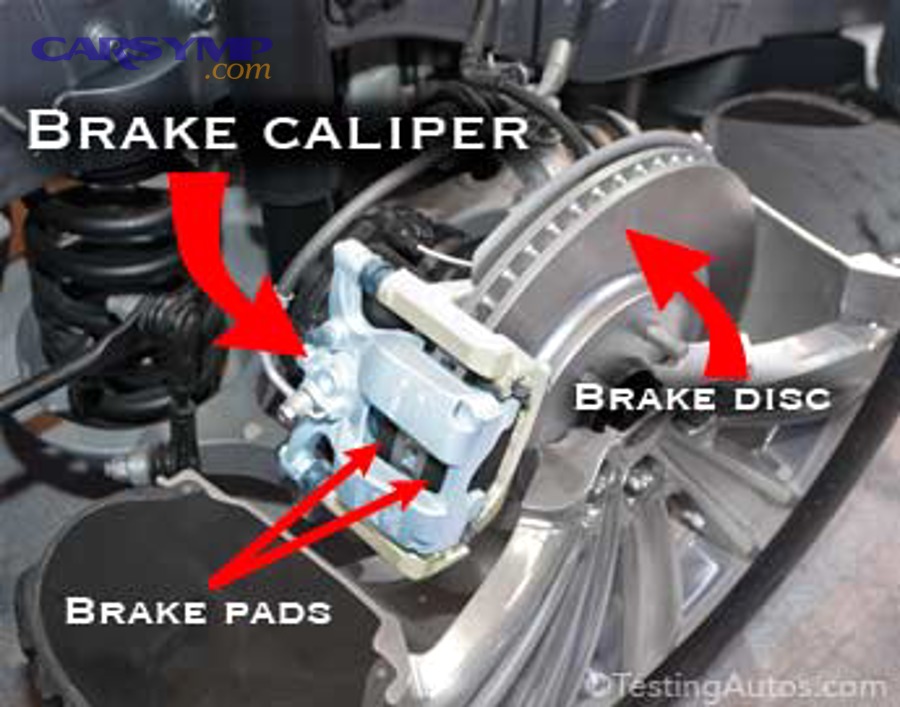
Sticking caliper symptoms feel like the car is resisting motion, pulling to one side under braking, or needing more throttle to maintain speed. Next, use these driving sensations to narrow down which wheel is misbehaving before you even lift the car.
Does the car pull or drift when you brake lightly?
Yes—if one caliper is dragging, braking force becomes uneven and the vehicle may pull toward the side with more braking. To understand this better, focus on light, steady pedal pressure (not a panic stop), because mild braking makes imbalance easier to notice.
A sticking caliper can clamp slightly even when you’re not braking; then when you do press the pedal, that corner “joins early,” making the steering feel off-center. However, pulling can also come from tire issues or alignment, so treat it as a directional clue—not a final verdict.
- Pull during braking only: more suspicious of braking imbalance than tire alignment.
- Pull at cruising speed too: consider tire pressure, tire conicity, or alignment alongside brakes.
- Pull appears after a few minutes of driving: heat-related sticking is more likely.
Do you feel drag, sluggish acceleration, or reduced coasting?
Yes—drag is one of the clearest sticking caliper symptoms: the car feels heavy, coasts poorly, and fuel economy can drop. After that, compare how the car rolls on a gentle slope (in a safe area) versus how it used to behave.
Drivers often describe it as “the car won’t glide.” On automatic cars, you might notice less smooth “creep.” On manuals, you may need a bit more throttle to get moving. The key detail: it can be subtle at first, then suddenly worse once the brake heats up.
Is there vibration, steering shake, or pedal pulsation after driving?
Sometimes—heat and uneven friction can create vibration, especially after repeated braking. However, vibration doesn’t automatically mean the rotor is damaged; it can also come from pad deposits or uneven contact caused by dragging.
Pay attention to timing. If vibration shows up only after a longer drive (or after braking downhill), it supports the “overheating corner” theory. If it’s present all the time, other causes may be involved.
Do you smell burning or notice smoke near one wheel?
Yes—burning odor or smoke from a single wheel is a high-confidence warning sign of excessive heat. Important, if you smell burning after normal driving (not a track day or mountain descent), treat it as urgent.
Heat comes from friction: pads rubbing the rotor when they shouldn’t, or failing to release fully. If smoke appears, stop safely, keep distance, and avoid touching the wheel—components can be hot enough to burn skin instantly.
Which seized caliper signs can you see at the wheel and brake parts?
Seized caliper signs you can see include uneven pad wear, one rotor surface looking overheated, and one wheel showing heavier dust or staining. Next, match visible clues to the mechanical failure mode—slide pins, piston, or pad hardware.
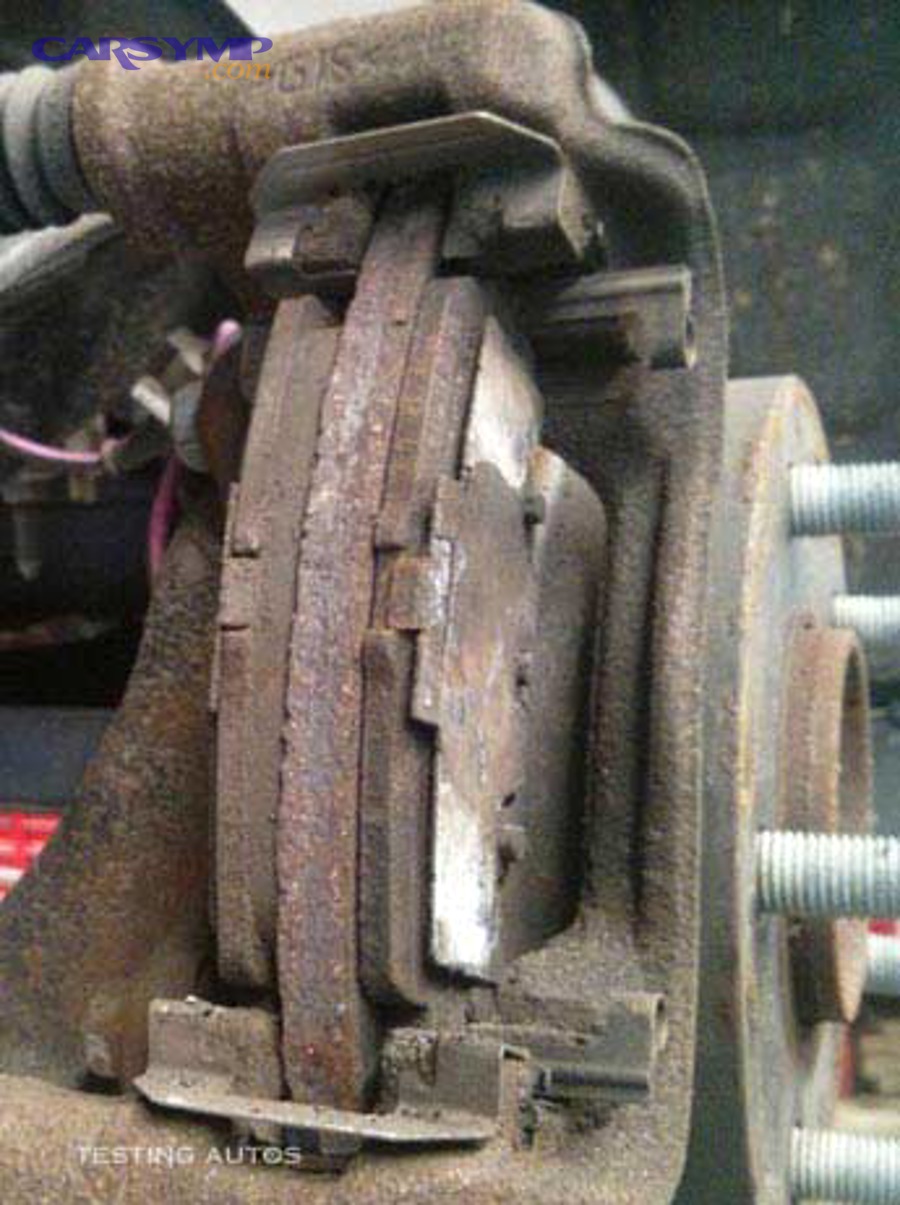
Uneven brake dust pattern: why one wheel looks dirtier
One wheel that’s consistently dustier often indicates that corner is doing more friction work than the others. To be specific, more friction equals more pad material shedding, which shows up as darker dust on the wheel spokes or barrel.
Brake dust alone isn’t proof—driving conditions and pad material matter—but “one corner only” is the pattern that aligns with a sticking caliper.
Rotor discoloration, hotspots, or heat rings
Discoloration can indicate overheating from continuous contact. After that, look for a rotor face that appears darker, bluish, or patchy compared with the opposite side on the same axle.
Heat rings and patchy surfaces can develop when the pad drags or when contact pressure is uneven. If you see cracking, severe scoring, or heavy blueing, it’s a strong “stop and inspect now” signal.
Pad wear that is not symmetric (inner vs outer)
Asymmetric pad wear suggests the caliper isn’t sliding or clamping evenly. Next, compare the inner pad and outer pad thickness on the same wheel if you can view them (some designs make this easier than others).
- Inner pad much thinner: often points to slide pin issues or caliper movement problems.
- Outer pad much thinner: can happen when sliding action is compromised in the opposite direction.
- Both pads thin on one wheel only: that corner may be dragging overall.
Fluid leak marks near the caliper or on the tire
Visible wetness around the caliper or streaks on the tire can be a serious safety issue. After that, don’t assume it’s only “a small seep”—brake fluid is critical to stopping and leaks can worsen quickly.
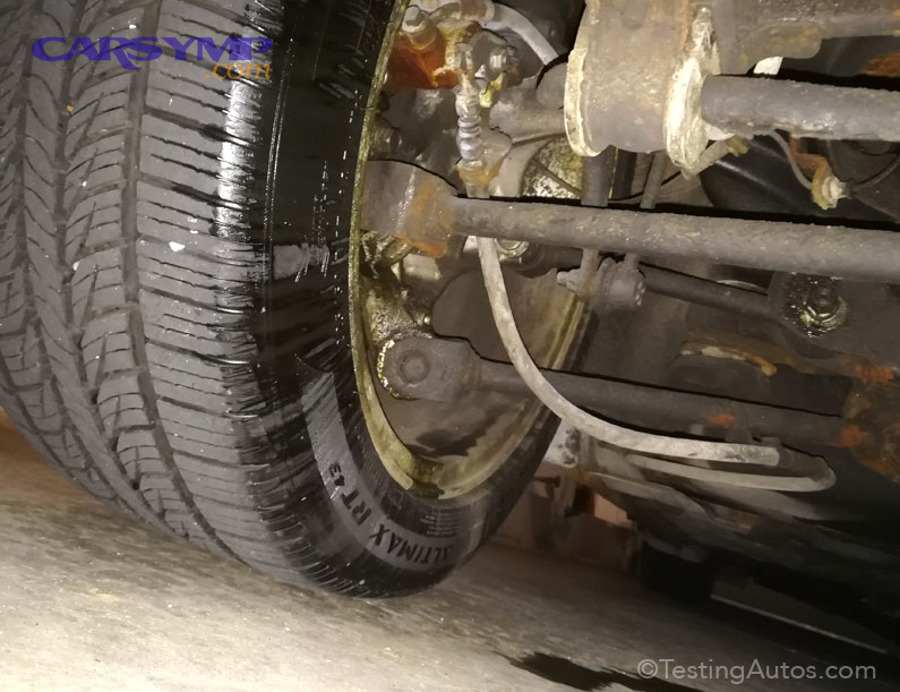
A leak may also correlate with sticking: damaged seals or boots can allow contamination that accelerates corrosion, or a failing piston seal can change retraction behavior. Either way, visible fluid is a “repair now” condition.
Why does a brake caliper start sticking in the first place?
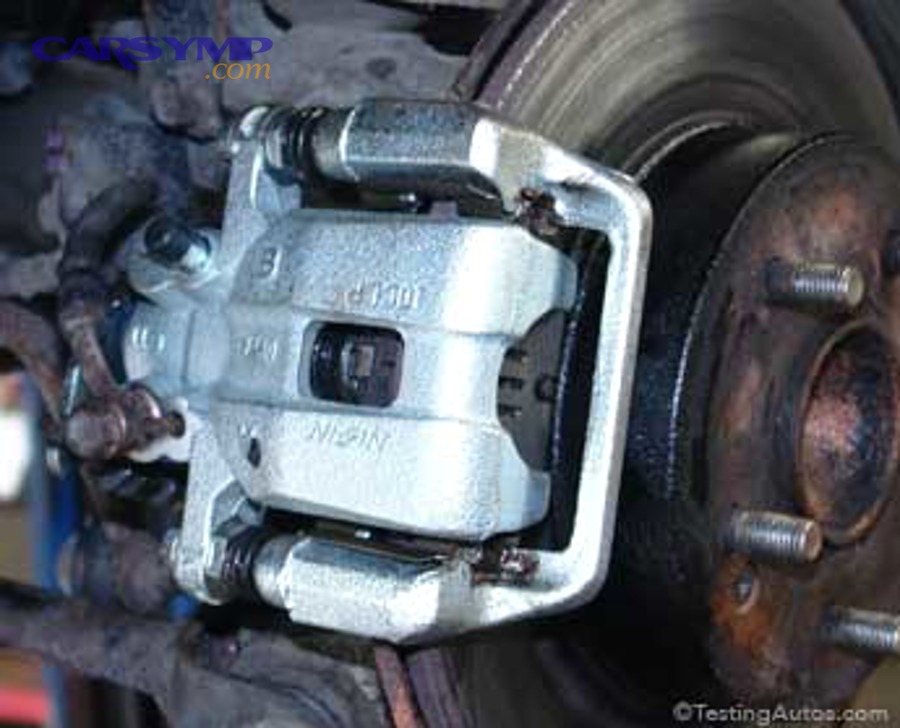
A brake caliper typically sticks because sliding surfaces seize, piston movement becomes restricted, or pads bind in their hardware due to corrosion and heat. Next, identify which mechanism is most likely, because the symptoms—and the fix—change with the root cause.
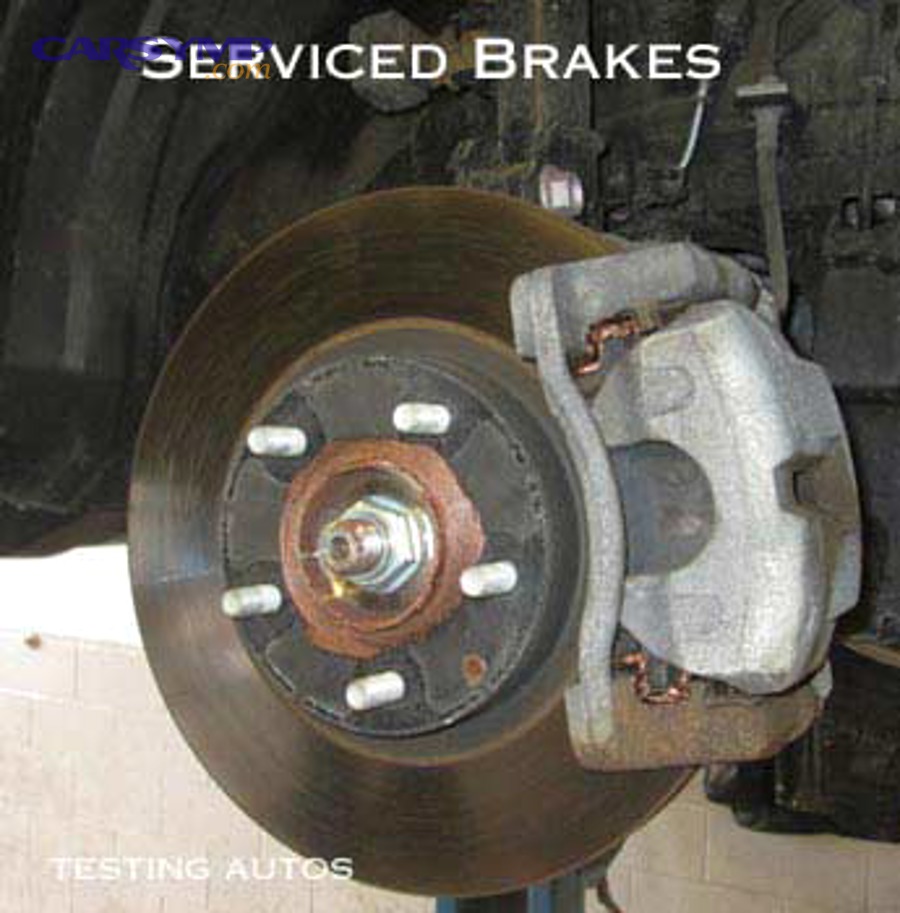
Corrosion on slide pins and brackets (the most common “hidden” cause)
Corrosion can prevent the caliper from moving freely, leaving pads partially applied. To begin, remember that many everyday cars use floating calipers that must slide smoothly on guide pins to release evenly.
When boots tear or lubrication washes out, moisture and road salt accelerate rust. The caliper may still “work” but retract poorly, causing light drag that grows into severe overheating.
- Clue: symptoms worsen after rain, winter driving, or a long period parked.
- Clue: one pad wears faster than the other on that wheel.
- Risk: heat buildup, warped-feeling braking, and premature pad/rotor wear.
Piston not retracting smoothly (seal roll-back issues, contamination, or heat damage)
The piston should retract slightly when you release the brake, aided by seal elasticity. After that, if the piston face is corroded or the bore is contaminated, the piston can “hang,” leaving pressure on the pads.
Overheating can harden seals and boots, making the piston movement less consistent. This is why a dragging caliper can become a self-reinforcing cycle: drag creates heat, heat damages seals, and damaged seals increase drag.
Pads binding in the abutment clips or hardware
Pads must slide freely in their guides to apply and release evenly. Next, if rust forms under clips or on bracket lands, the pad ears can bind—acting like a caliper problem even if the piston and pins are fine.
This can be intermittent: you brake, the pad moves, then it sticks in a partially applied position. It often presents as squeaks at low speed and a “hot corner” after a short drive.
Hydraulic pressure not releasing as fast as it should (a “pressure trap” scenario)
Sometimes the issue isn’t mechanical sticking but trapped hydraulic pressure keeping the caliper applied. However, the symptom pattern usually includes drag that changes suddenly—like brakes freeing after you stop, or getting worse after repeated braking.
In real-world diagnosis, technicians compare mechanical binding versus pressure retention by observing how the wheel behaves after cracking a bleeder and by checking hose condition and system behavior. In the body of your inspection notes, this is where phrases like Caliper vs hose vs master cylinder diagnosis become relevant, because the “sticking feel” can have more than one hydraulic pathway behind it.
- Entity: Brake caliper
- Root attributes: drag, heat, uneven braking force, pad retraction
- Unique attributes: slide pin corrosion, piston seal roll-back, pad ear binding
- Rare attributes: pressure trap behavior, intermittent release after cooling
How can you confirm a sticking caliper safely at home?
You can confirm a sticking caliper by comparing wheel temperature, checking free wheel rotation when lifted, and inspecting pad/rotor clues—without risky shortcuts. Next, follow a step-by-step routine that prioritizes safety and avoids burns and unstable jacking.
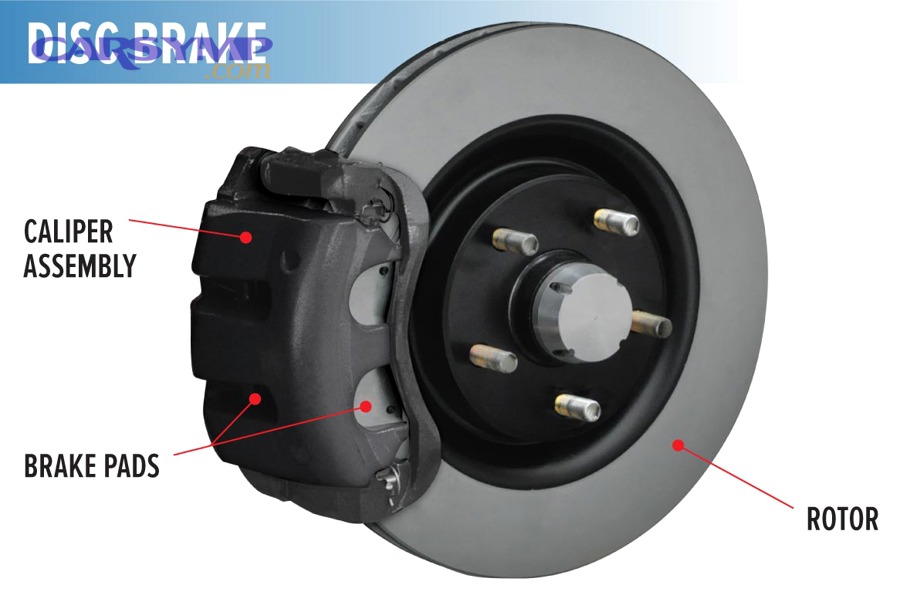
Step 1: Controlled drive, then a careful heat comparison
Do a short, normal drive (5–10 minutes) with minimal braking, then compare heat at each wheel area. After that, never touch the rotor or caliper directly—use a no-contact infrared thermometer if available, or feel heat radiating near (not on) the wheel cautiously.
- Normal: similar temperatures left-to-right on the same axle.
- Suspicious: one wheel noticeably hotter than the other side.
- Urgent: smell, smoke, or heat so intense you can’t approach the wheel comfortably.
Step 2: Lift safely and check for free rotation
With the car properly supported on jack stands, spin each wheel by hand and compare resistance. Next, the key is comparison: one wheel that stops quickly or feels “gritty” relative to the opposite side supports the drag hypothesis.
Important safety notes:
- Use solid jack points and stable stands—never rely on the jack alone.
- Keep the transmission in neutral only when safely lifted and chocked (follow your vehicle manual).
- If the wheel is extremely hot, let it cool first—heat can hide the real feel and can burn you.
Step 3: Quick visual checks of pads, boots, and hardware
Look for torn dust boots, missing clips, or pad ears that appear corroded and tight in their guides. After that, inspect the rotor face for localized discoloration and the caliper area for any wetness that suggests a leak.
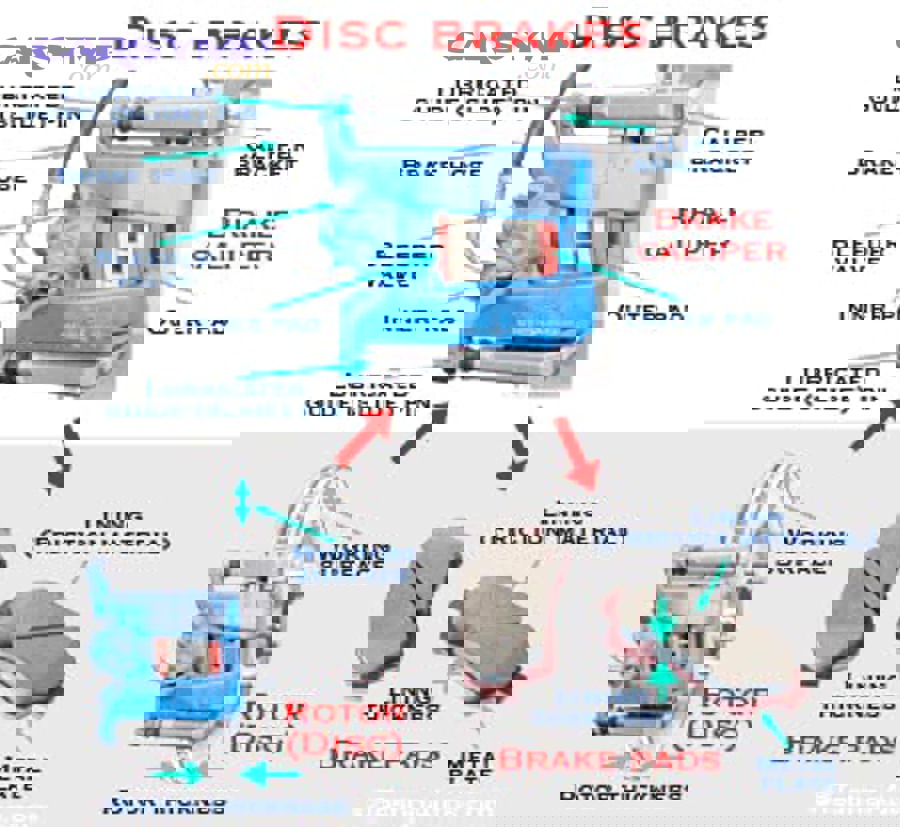
If you can view pad thickness, compare inner vs outer pad. Large differences on one wheel strongly suggest a sliding or movement problem.
Step 4: A practical “release” clue (without improvising risky methods)
If drag is present, a technician-level clue is whether the drag changes after the system cools or after the pedal is pumped and released. However, don’t attempt improvised bleeding or line loosening unless you are trained—brake fluid handling errors can create dangerous air in the system.
If you want a visual walk-through of the safe inspection flow (heat check + free spin + pad/rotor clues), the video below can help you structure the process.
Use a simple table to connect symptoms to likely mechanisms
This table helps you translate what you observe (feel/heat/wear) into the most likely sticking mechanism, so your next step is more precise.
It also helps prevent a common mistake: replacing parts based on one symptom without confirming the pattern.
| Observed clue | Most likely mechanism | Quick confirmation | Main risk if ignored |
|---|---|---|---|
| One wheel much hotter after short drive | Drag from sticking slide/piston or pressure retention | Compare temps left-right; check free spin on stands | Overheating, brake fade, rotor damage |
| Inner pad wears much faster than outer | Caliper not sliding smoothly | Inspect pins/boots; compare pad thickness | Rapid pad wear, pulling, vibration |
| Both pads thin on one wheel only | Constant light drag at that corner | Wheel doesn’t spin freely; dust/heat pattern | Heat-soak, reduced economy, noise |
| Wetness near caliper or streaks on tire | Fluid leak (seal/line) affecting function | Visual inspection; fluid level check | Loss of braking ability, safety hazard |
What damage can a sticking caliper cause if you keep driving?
A sticking caliper can overheat the rotor and pads, reduce braking effectiveness, and accelerate wear across nearby components. Next, treat this as more than “extra pad wear”—heat can cascade into safety and cost issues fast.
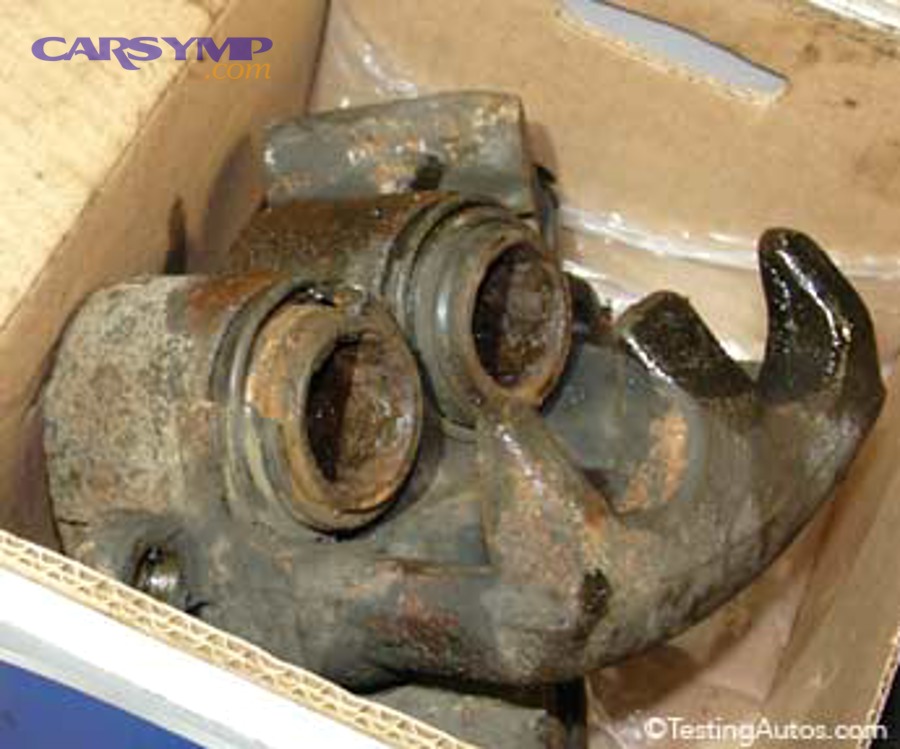
Heat buildup and brake fade risk
Continuous contact generates heat even when you’re not braking. After that, the system can reach temperatures where stopping distances increase, pedal feel changes, and braking becomes inconsistent—especially after repeated stops.
Heat also stresses seals and boots, increasing the chance that the sticking becomes worse over time instead of stabilizing.
Rotor surface damage and vibration complaints
Overheating can change the rotor’s surface condition and how the pad transfers material to it. However, the “vibration” drivers feel can come from uneven friction layers as much as from permanent rotor deformation.
This is where driver perception can be tricky: the car may “feel” like a rotor issue, but the root may still be the dragging corner causing uneven contact patterns.
Pad glazing, noise, and uneven stopping behavior
Overheated pads can glaze, increasing noise and reducing bite. Next, a glazed pad can squeal when cold, then go quiet when hot, or vice versa, depending on material and surface condition.
In the repair planning stage, it’s common to see references like Uneven pad wear causes and fixes because the pad’s wear pattern is both a clue and a consequence of sticking.
Collateral wear: wheel bearings, tires, and fuel economy
Heat radiates into the hub area and increases rolling resistance. After that, you may see faster tire wear on that corner (from dragging and pull corrections), and you’ll often notice reduced fuel economy from constant friction load.
While not every dragging caliper destroys a bearing, chronic heat cycling and load can shorten the life of adjacent components.
When is it unsafe to drive, and what should you do next?
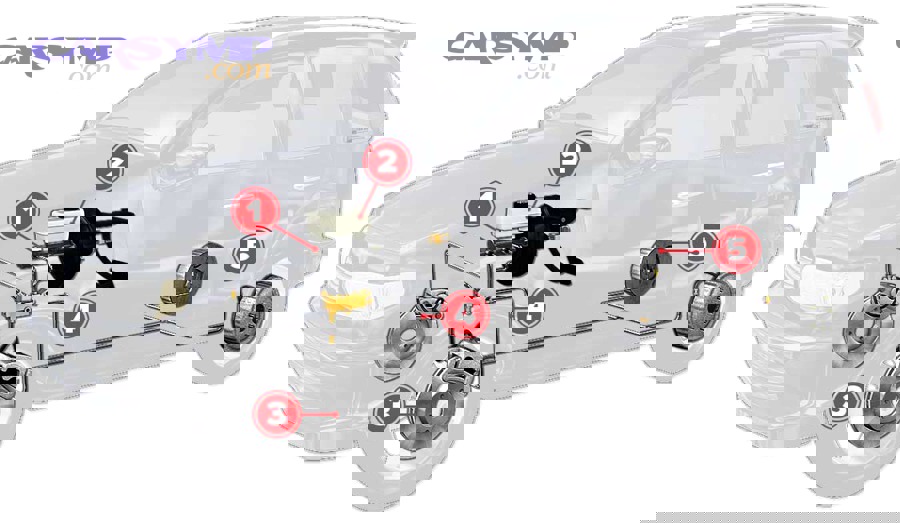
It’s unsafe to drive if you have smoke, a burning smell, severe pulling, a wheel that’s too hot to approach, or any sign of brake fluid leakage. Next, use the urgency checklist below to decide whether to park, tow, or cautiously move the vehicle a short distance.
Immediate stop / tow conditions
If any of these appear, stop driving and arrange towing. Important, brakes are not a “drive it and see” system when heat and leaks are involved.
- Smoke from a wheel area
- Strong burning odor after routine driving
- Visible fluid leak near the wheel or on the tire
- Severe pull that changes lane position under braking
- Wheel extremely hot compared with others
If you must move the car a short distance (risk-managed approach)
If the car must be moved for safety (e.g., off a road), do it slowly and avoid repeated braking. After that, stop and let it cool if heat is building, and never pour water on hot brakes—rapid cooling can shock components and create additional problems.
Also avoid parking brake use if you suspect the rear caliper is involved and the parking brake mechanism is integrated there; it can lock the system further.
What a shop will typically check (so you can communicate clearly)
A proper inspection focuses on confirming drag, pinpointing the mechanism, and verifying the system releases correctly. Next, you can describe your observations in a structured way: “one wheel hotter,” “pull under light braking,” “inner pad thinner,” “drag after rain,” and “burning smell after a short drive.”
At this point in the conversation with a mechanic, you’ll often see planning language such as brake caliper replacement and Caliper replacement cost estimate because once sticking is confirmed, the next decision is whether service is sufficient or component renewal is safer.
FAQ: Quick answers about sticking caliper symptoms
Yes—most sticking caliper symptoms follow a repeatable pattern: heat at one wheel, uneven wear, and drag that worsens with driving time. Next, use these FAQs to avoid common misreads and to decide your safest next step.
Can sticking caliper symptoms come and go?
Yes. Intermittent sticking is common when corrosion is just beginning or when heat expands parts and changes clearance. After that, the problem often becomes more consistent as wear and heat damage accumulate.
Is one hot wheel always a sticking caliper?
No, but it’s a strong clue. However, a parking brake issue, bearing friction, or tire contact problems can also create heat. That’s why pairing heat with drag and pad/rotor clues is more reliable.
Will a sticking caliper always make noise?
No. Noise depends on pad material, hardware condition, and how the pad contacts the rotor. Next, treat silence as neutral—heat and drag matter more than sound.
Can I just “lubricate something” and fix it?
Sometimes service resolves slide-pin or pad-hardware binding, but it’s not guaranteed. After that, if the piston or seals are compromised, service alone may not restore reliable release behavior.
Contextual Border: The sections above focus on identifying and confirming symptoms (macro context). Below, we shift into long-term habits and prevention details (micro context) that reduce recurrence and protect braking consistency.
How to prevent sticking from coming back long-term
You prevent repeat sticking by keeping sliding surfaces clean and protected, managing moisture and salt exposure, and verifying free movement during brake service. Next, use the habits below as a practical maintenance system rather than a one-time fix.
Maintenance timing: inspect before symptoms become obvious
Regular inspection matters most in wet climates and salt-belt regions. After that, ask for a brake inspection that explicitly includes checking pad movement, slide condition, and boot integrity—not only pad thickness.
Even if brakes “feel fine,” early corrosion can be found while it’s still serviceable.
Protect the sliding system: boots, correct lubricant, and clean bracket lands
The sliding system fails when boots tear, grease washes out, or rust builds under clips. Next, quality service means cleaning the bracket lands, ensuring pad ears move freely, and using the correct high-temperature brake lubricant in the correct locations.
Over-lubrication or using the wrong product can attract grit, so “more grease” isn’t automatically better.
After any brake work, verify free movement and balanced behavior
A simple post-service check is confirming the wheel spins freely and braking is even left-to-right. After that, pay attention for a week: any burning smell, pull, or sudden dust imbalance is a sign something didn’t seat or slide correctly.
Driving habits that reduce heat spikes and corrosion effects
Heat accelerates damage and corrosion loves moisture. Next, avoid resting your foot on the brake pedal, don’t hold heavy brake pressure at long stops after hard braking, and rinse road salt when possible during winter.
These habits don’t replace mechanical maintenance, but they lower the stress that turns mild sticking into severe overheating.