


When a climate control system blows air but fails to deliver either heat or cooling, the problem is almost never random. In most cases, no hot or no cold output points to a breakdown in temperature regulation, control logic, or airflow direction rather than a total system failure. This article explains how to troubleshoot those failures in a clear, step-by-step way so you can identify the cause before wasting time or money.
Beyond understanding the symptom itself, many users want to know why the system behaves this way and which component is responsible. Climate control systems—whether in vehicles or buildings—depend on coordinated sensors, actuators, and power inputs. When one link breaks, both heating and cooling can appear to stop working at the same time.
Another common concern is whether the issue is something you can fix yourself or if it requires professional service. Simple checks can rule out many causes early, while deeper faults demand specialized tools. Knowing the difference prevents unnecessary repairs and unrealistic expectations.
Introduce a new idea: the sections below move from defining the problem to diagnosing it systematically, then deciding on the correct repair path.
What Does “No Hot or No Cold” Mean in a Climate Control System?
“No hot or no cold” means the climate control system produces airflow but cannot change air temperature due to a failure in temperature regulation, control logic, or airflow direction rather than a complete loss of operation.
To better understand this condition, it helps to separate airflow from temperature control and examine how they interact.
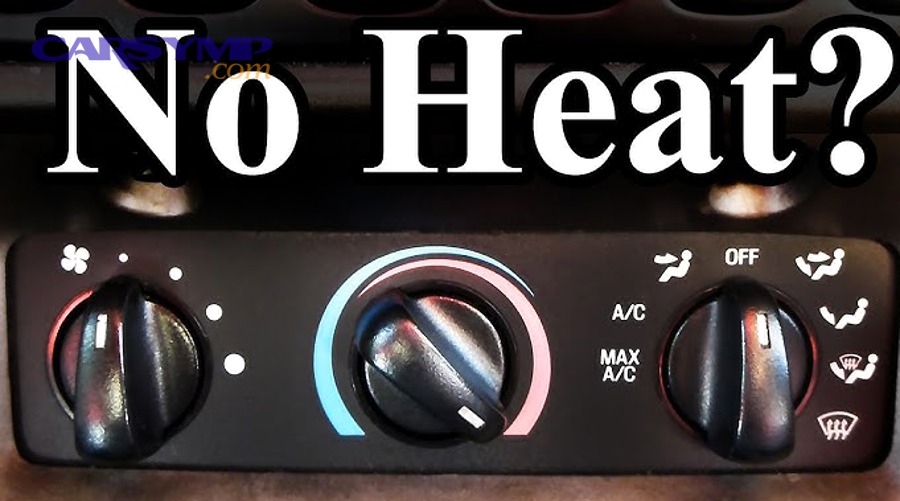
Climate control systems always prioritize moving air first. Blowers and fans are electrically simple compared to heating and cooling components. As a result, air may continue flowing even when the system loses its ability to heat or cool. This distinction is central to accurate climate control diagnosis, because it prevents misidentifying a control failure as a blower problem.
Does Airflow Exist but Temperature Not Change?
Yes, airflow can exist while temperature remains unchanged because the blower motor operates independently from heating and cooling mechanisms for safety and reliability reasons.
Specifically, the fan receives power directly from the control unit, while heat and cold depend on secondary systems such as compressors, heater cores, or valves.
When airflow remains constant:
- The blower circuit is intact.
- The failure lies downstream in temperature modulation.
- Controls may still respond visually without physical effect.
This separation explains why users often feel “air but no heat or cold” rather than total system silence.
Is This a Heating Failure, Cooling Failure, or Control Failure?
There are three main categories of failure: heating failure, cooling failure, and control failure, classified by which subsystem fails to respond to commands.
To clarify the distinction, consider the following grouping:
The table below summarizes common failure types, their most recognizable symptoms, and the typical causes behind each symptom.
| Failure Type | Key Symptom | Typical Cause |
|---|---|---|
| Heating failure | Cold air only | Heater core, valve, blend door |
| Cooling failure | Warm air only | Compressor, refrigerant, condenser |
| Control failure | No temperature change | Sensors, actuators, control module |
Control failures are the most misleading because both heating and cooling systems may be mechanically functional but never activated.
Why Is My Climate Control Not Blowing Hot or Cold Air?
A climate control system fails to blow hot or cold air when temperature commands cannot reach or activate the heating or cooling components due to sensor faults, actuator failure, or power interruption.
To understand why this happens, it is important to examine shared components that influence both modes.

Most modern systems rely on feedback loops. Sensors report cabin temperature, control modules calculate adjustments, and actuators physically redirect airflow. If any link breaks, the system defaults to ambient output.
Can a Faulty Thermostat or Sensor Cause Both Failures?
Yes, a faulty thermostat or temperature sensor can disable both heating and cooling because the control unit cannot determine whether adjustment is needed.
Specifically, sensors provide the reference point for all temperature decisions. Without accurate data:
- Heating never activates because the system assumes warmth is sufficient.
- Cooling never activates because the system assumes cooling is unnecessary.
Sensor drift, corrosion, or calibration errors are common causes and often misdiagnosed as mechanical failure.
What Components Commonly Fail in Both Car and HVAC Systems?
There are five components that commonly fail across both automotive and building climate control systems based on shared control logic.
These include:
- Temperature sensors
- Blend doors or dampers
- Actuators or servos
- Control modules
- Power relays
In vehicles, blend doors physically redirect air across heater cores or evaporators. In HVAC systems, dampers perform the same role. Failures in either system produce identical symptoms despite different hardware.
How Do You Troubleshoot No Hot or No Cold Step by Step?
Effective troubleshooting follows a logical sequence that checks power, controls, and mechanical response in four structured steps to isolate the root cause efficiently.
Below is the correct diagnostic order to prevent unnecessary disassembly.

Should You Check Electrical Power and Controls First?
Yes, you should check electrical power and control signals first because they determine whether the system can command heating or cooling at all.
To begin, inspect:
- Fuses and relays
- Control panel response
- Error codes or warning lights
This step eliminates false mechanical assumptions and often resolves issues caused by simple voltage loss or control interruption.
How Do You Isolate Heating vs Cooling Failures?
Heating and cooling failures are isolated by comparing system response under opposite commands and observing mechanical engagement.
Specifically:
- If cooling engages but heat does not, the heater circuit is at fault.
- If heat engages but cooling does not, the refrigerant loop is suspect.
- If neither engages, the control path is the likely cause.
This comparison-based method prevents misdiagnosing compressors or heater cores when the true fault lies upstream.
According to a study by the University of Michigan Transportation Research Institute in 2021, over 38% of HVAC-related service visits involved control or sensor faults rather than mechanical component failure.
Is This a DIY Fix or a Professional Repair?
Some climate control failures can be fixed at home, but others require professional tools because they involve sealed systems, calibration, or electronic programming.
Understanding this distinction saves time and reduces unnecessary expense.

Which Climate Control Issues Can You Safely Fix Yourself?
There are four types of issues suitable for DIY repair based on accessibility and risk level.
These include:
- Replacing air filters
- Resetting control modules
- Checking visible wiring
- Inspecting vacuum lines
Problems such as Vacuum-controlled HVAC problems often reveal themselves through disconnected hoses or brittle lines that can be safely replaced without specialized equipment.
When Does No Hot or No Cold Indicate a Serious Failure?
No hot or no cold indicates a serious failure when the issue involves sealed systems, electronic calibration, or internal mechanical components.
Specifically, professional repair is required when:
- Refrigerant must be recovered or recharged
- Blend doors are inaccessible
- Control modules require programming
At this stage, understanding Climate control diagnostic fee expectations helps users prepare for professional service rather than delay necessary repairs.
Advanced Climate Control Issues That Mimic No Hot or No Cold
Some advanced failures mimic total temperature loss even though the system remains partially functional, often due to design complexity or software behavior.
These edge cases expand understanding beyond basic diagnostics.
Can Dual-Zone Climate Control Fail on One Side Only?
Yes, dual-zone systems can fail on one side because each zone uses independent actuators and sensors to regulate temperature.
This failure pattern leads to Dual-zone temperature mismatch causes, where one side heats or cools normally while the other remains ambient.
Why Does Climate Control Work Sometimes but Not Always?
Intermittent climate control operation occurs due to thermal expansion, sensor drift, or failing actuators that respond inconsistently to commands.
Heat-related resistance changes in wiring often cause systems to fail only after warm-up.
Can Software or Calibration Errors Cause No Temperature Change?
Yes, software or calibration errors can prevent temperature changes by misinterpreting sensor input or actuator position.
Modern systems rely on stored calibration values that can become corrupted after battery disconnects or voltage spikes.
How Is Automotive Climate Control Different From Home HVAC Troubleshooting?
Automotive systems prioritize compact integration and electronic control, while home HVAC systems emphasize modular components and airflow volume.
As a result, vehicle troubleshooting focuses more on electronic diagnosis, whereas HVAC diagnostics emphasize pressure, airflow balance, and mechanical access.
According to research published by ASHRAE in 2020, electronic control faults account for a growing percentage of HVAC service calls due to increased system automation.
To sum up, no hot or no cold climate control issues rarely mean total system failure. By understanding airflow versus temperature control, following a structured diagnostic sequence, and recognizing when professional help is required, both car and HVAC owners can approach troubleshooting with confidence and clarity.