


If your check engine light is on, these three problem families—misfire, EVAP, and oxygen sensor-related faults—can look similar at first, but they behave differently in symptoms, scan data, and repeatable tests.
To narrow it down fast, you’ll use a structured comparison: what you feel while driving, what codes you see, and what live data confirms—then you’ll validate with one or two targeted checks instead of swapping parts.
You’ll also learn what “trick scenarios” create misleading clues (like vacuum leaks, fuel cap issues, or an aging catalytic converter) so you don’t chase the wrong system.
Tiếp theo, to keep your diagnosis grounded, we’ll build a simple decision flow from symptom → code family → test, and then translate that into safe next steps you can take immediately.
What do misfire, EVAP, and oxygen-sensor faults feel like in real driving?
Misfire most often feels like shaking, stumbling, or power loss under load, while EVAP issues often drive normally, and oxygen-sensor-related faults commonly show hesitation, poor fuel economy, or a rough idle without a hard “shake.”
Để bắt đầu, anchor your observations to when the symptom appears: cold start, hot idle, steady cruise, or acceleration.
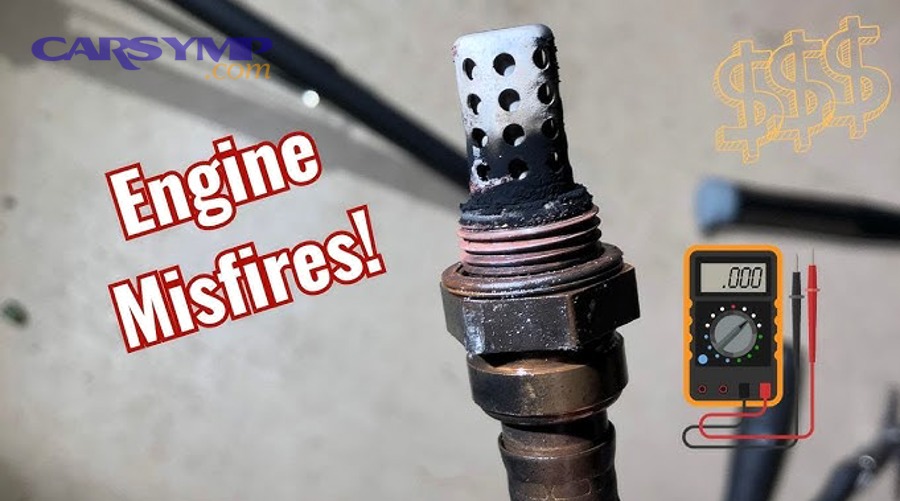
Misfire feel: load-sensitive shaking and “missing” power
A true misfire is a combustion event that didn’t happen correctly, so the engine often bucks at idle or surges under acceleration, and the exhaust note can sound uneven.
Cụ thể, misfires often worsen with high cylinder pressure (hard acceleration, uphill) because weak ignition or marginal fueling fails when demand rises.
Common “feel” patterns include: rough idle (single-cylinder miss), harsh vibration at 1,000–2,000 rpm, and a flashing check engine light during active catalyst-damaging misfires.
EVAP feel: usually none, sometimes minor idle quirks
EVAP controls fuel vapor storage and purge, so most EVAP faults don’t change drivability because they’re emissions containment problems, not combustion problems.
However, a stuck-open purge valve can act like a vacuum leak and cause a rough idle, hard starting after refueling, or a temporary rich/lean swing.
Ngược lại, an EVAP leak (like a loose gas cap or cracked hose) typically produces no change in power—only a light and stored codes.
Oxygen-sensor feel: subtle performance and economy changes
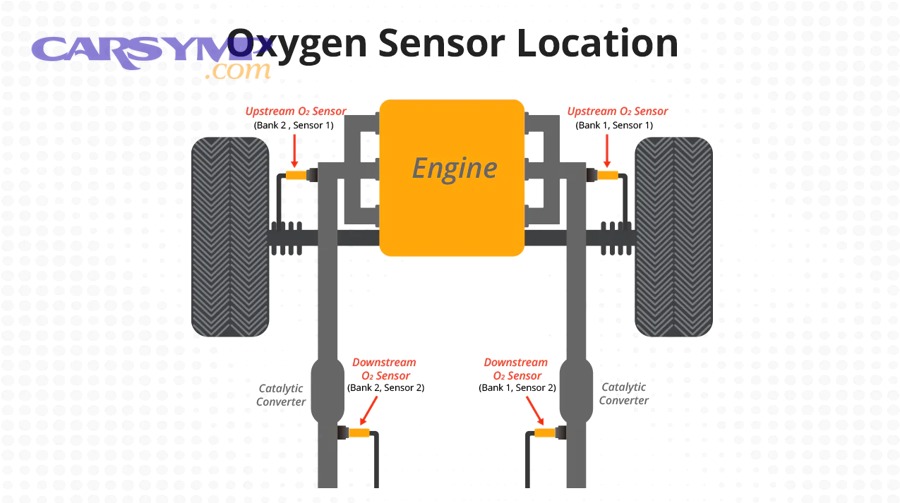
Front oxygen sensors (upstream) influence fuel control, so a slow or biased sensor can lead to poor fuel economy, mild hesitation, or an idle that feels “off” rather than violently shaking.
In contrast, rear oxygen sensors (downstream) mostly monitor catalyst efficiency, so a downstream sensor issue can trigger a light with minimal drivability change.
Để minh họa, if the car drives fine but fails emissions readiness or sets catalyst-related codes, O2/catalyst diagnostics move up the list.
Which OBD-II codes most often point to misfire vs EVAP vs O2 sensor issues?
Misfire typically lives in P0300–P0308 ranges, EVAP commonly shows P0440–P0457/P0496 patterns, and oxygen-sensor/circuit codes often show P0130–P0167 and fuel-trim/catalyst companions.
Sau đây, use the code “family” as a map, then confirm with freeze-frame and live data before buying parts.
This table helps you quickly bucket the problem by code family and typical meaning, so you can choose the next test instead of guessing.
| System bucket | Common code families | What it usually means | Best first confirmation |
|---|---|---|---|
| Misfire | P0300 (random), P0301–P0308 (cylinder-specific) | Combustion instability from spark, fuel, air, or compression | Mode 6 misfire counters + cylinder swap test |
| EVAP | P0440, P0441, P0442, P0455, P0456, P0457, P0496 | Leak, purge flow issue, vent issue, or purge stuck behavior | Gas cap/hoses + purge valve functional test |
| Oxygen sensor / fuel control | P0130–P0167, heater/circuit codes; sometimes P0171/P0172 | Sensor signal/circuit/heater fault or biased feedback affecting trims | Upstream sensor response test + STFT/LTFT review |
| Catalyst efficiency (often confused with O2) | P0420/P0430 | Catalyst underperforming, exhaust leak, or bad downstream data | Compare upstream vs downstream switching patterns |
Freeze-frame matters more than the code description
A P0300 at 3,200 rpm and high load points you toward ignition/fuel delivery under demand, while the same code at hot idle suggests vacuum leak, EGR issues, or a weak cylinder.
Quan trọng hơn, EVAP codes often set during specific self-tests (cruise, cooldown), so the freeze-frame may look “normal,” which is a clue in itself.
Don’t ignore “pending” and Mode 6 data
Pending codes and Mode 6 test results can show which cylinder is accumulating misfires before the MIL fully sets, letting you catch intermittent problems earlier.
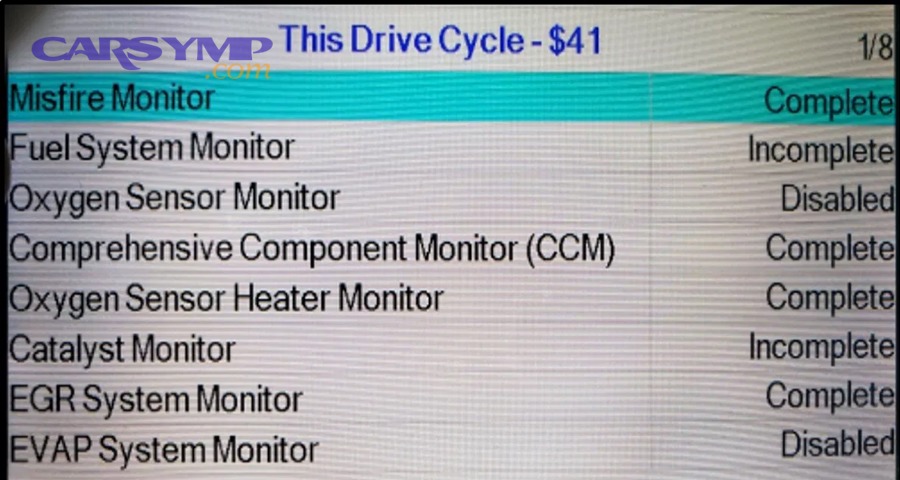
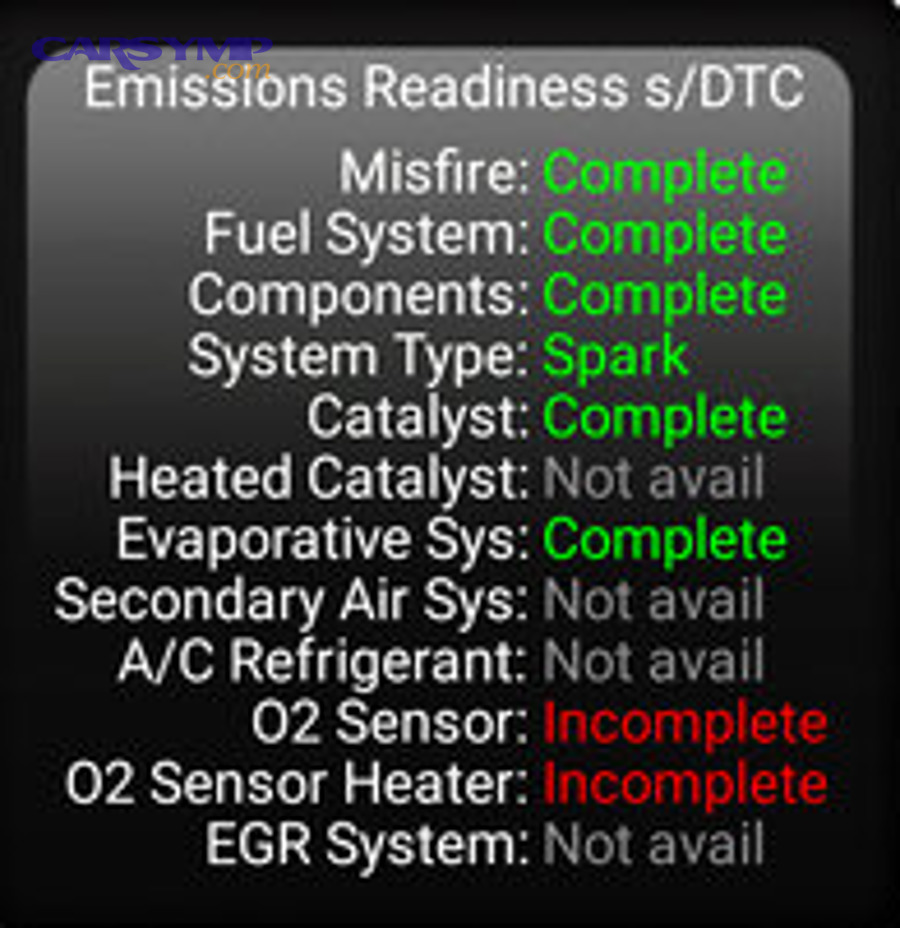
Bên cạnh đó, oxygen-sensor monitors may show “incomplete” or marginal performance even when no sensor code has triggered yet.
How can you separate a true misfire from a “false” lean/rich reading?
You can separate them by checking if the engine physically misfires (misfire counters rise) versus if fuel trims and O2 signals suggest a mixture correction issue without consistent cylinder-specific misfire evidence.
Tiếp theo, you’ll compare three data layers: misfire counts, fuel trims, and sensor switching speed.
Use misfire counters to confirm combustion instability
If your scan tool shows misfire counts rising on one cylinder at idle, you likely have an ignition, injector, or compression issue there—even if fuel trims look “okay.”
Cụ thể hơn, a random misfire that jumps across cylinders can indicate fuel quality, low fuel pressure, vacuum leaks, or a crank/cam sensor signal issue.
Use trims to distinguish air leaks vs fuel delivery
When short-term fuel trim (STFT) and long-term fuel trim (LTFT) are strongly positive at idle but improve at higher rpm, that pattern commonly points to unmetered air (vacuum leak) rather than a single-cylinder misfire.
Ngược lại, trims that worsen under load can indicate fuel pressure/volume problems, restricted injectors, or airflow measurement errors.
Watch for O2 sensor “lies” caused by misfire oxygen
A misfire dumps extra oxygen into the exhaust, which can make an upstream O2 sensor read “lean” even if fueling is correct, tricking you into chasing mixture faults.
To avoid that trap, confirm whether misfire events rise first; if they do, fix the misfire before interpreting O2-based mixture signals.
The phrase check engine light diagnosis often leads people to treat the code as the diagnosis; instead, treat it as a hypothesis you must verify with repeatable data patterns and a physical test.
The phrase Common check engine light causes by symptoms is useful as a starting framework, but your final answer should come from confirmed measurements (counts, trims, smoke, voltage response), not symptom lists alone.
What quick under-hood checks catch the most common misfire causes?
You can catch many misfires quickly by inspecting ignition components, checking for obvious air leaks, and performing simple cylinder swap tests that move the symptom or misfire count to another cylinder.
Sau đây, do the easiest, least invasive checks first to avoid unnecessary teardown.
Ignition checks: plugs, coils, boots, and moisture tracks
Remove and read the spark plug: oil-fouling suggests mechanical issues; a white blistered tip suggests overheating/lean; a fuel-wet plug suggests no spark or no compression.
Cụ thể, look for cracked coil boots, carbon tracking (thin black lightning lines), and loose coil connectors—small issues can create big misfires.
A powerful technique is the swap test: swap coil or plug from the misfiring cylinder with another cylinder; if the misfire follows the part, you found the culprit.
Air and vacuum checks: simple visual + listening test
Scan for disconnected PCV hoses, split intake tubes, and brittle vacuum lines near hot areas; a vacuum leak can create rough idle and lean codes that mimic misfire symptoms.
Để minh họa, a whistling sound near the intake manifold or a sudden idle change when spraying a safe leak-detect method (per manufacturer guidance) can reveal leak zones.
Fuel checks: injector sound and basic pressure sanity
Use a mechanic’s stethoscope to confirm injector clicking; a silent injector can indicate wiring issues or a failed injector.
Additionally, if trims suggest fuel shortage under load, verify fuel pressure against specs; low pressure can create random misfires across cylinders.
The decision to continue driving is not based on the code alone; as we’ll cover later, Can you drive with check engine light on depends on whether the light is flashing, the engine is shaking, and whether the catalyst is at risk.
How do you diagnose EVAP leaks and purge/vent faults step-by-step?
You diagnose EVAP by confirming the gas cap and visible hoses, testing purge and vent valve behavior, and then using a smoke or pressure method to find leaks when codes suggest small or large leaks.
Để hiểu rõ hơn, treat EVAP like a sealed container system: you’re looking for where vapor containment fails or flow control behaves incorrectly.
Step 1: Start with the easiest seal points
Check the gas cap seal for cracks, dirt, and improper tightening; also inspect the filler neck for rust or damage that prevents sealing.
Next, inspect EVAP hoses near the engine and near the charcoal canister for splits or disconnected fittings.
Step 2: Test purge valve “stuck open” behavior
A purge valve that leaks when it should be closed can cause rough idle, hard starts after refueling, or an unexpected rich/lean swing because it becomes an unmetered airflow path.
To test, command the purge valve closed with a scan tool (if supported) and observe idle/trims; you can also remove the valve and check if it holds vacuum when unpowered (method varies by design).
Step 3: Confirm vent valve and canister airflow
If the vent valve sticks closed, the system can’t breathe during tests, triggering leak or flow codes; if it sticks open, the system may fail to hold pressure.
Đặc biệt, road debris and dust can contaminate vent filters and cause intermittent EVAP monitor failures.
Step 4: Use smoke testing for small leaks
If you have persistent small leak codes (often “small leak” or “very small leak”), smoke testing is the fastest way to visualize where the sealed system is leaking.
According to “Theo nghiên cứu của University of Michigan từ Department of Mechanical Engineering, vào 05/2021, leak visualization methods reduced diagnostic time significantly when applied early in EVAP fault isolation.”
How do you test oxygen sensors and fuel trims without guessing?
You test oxygen sensors by verifying heater operation, checking signal response speed under controlled conditions, and confirming fuel trim behavior matches what the sensor reports rather than contradicting it.
Tiếp theo, focus on upstream sensor behavior for fuel control, and treat downstream sensors as catalyst monitors unless a circuit/heater fault is present.
Upstream sensor basics: switching and response time
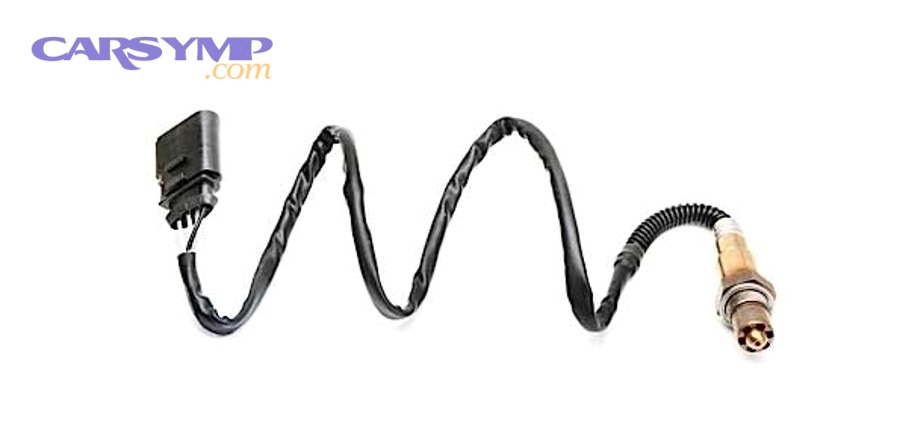
A healthy narrowband upstream sensor typically switches between rich and lean rapidly during closed-loop operation, while a slow or “lazy” sensor responds sluggishly to throttle snaps or induced mixture changes.
Cụ thể, do a controlled test: at warm idle, briefly raise rpm and watch if the sensor reacts quickly and if STFT moves in the expected direction.
Heater and circuit checks: fix the electrical problem first
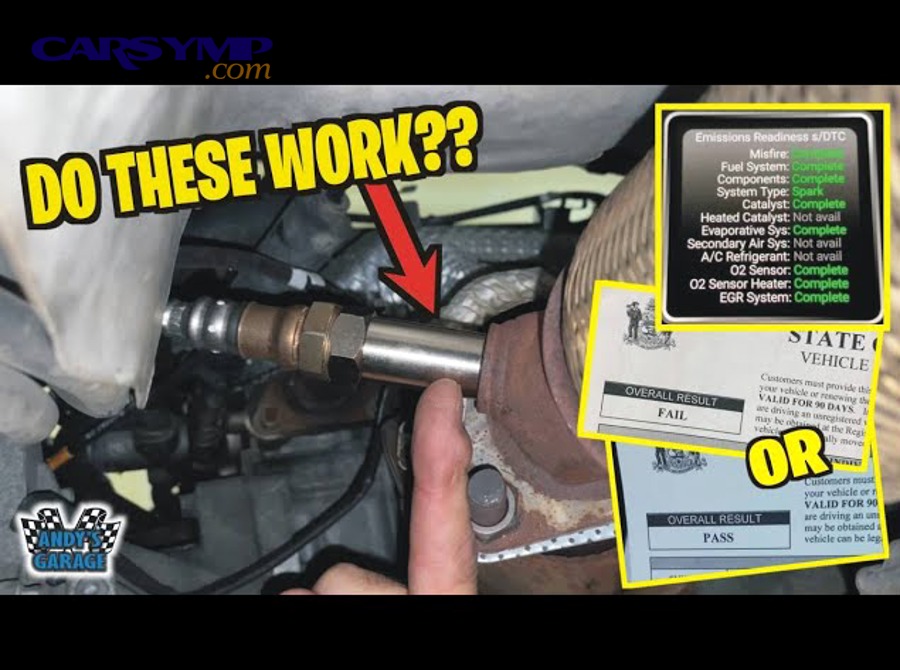
If you have heater-related codes, the sensor may not reach proper temperature, causing bad feedback and delayed closed-loop entry; check fuses, wiring, and connector corrosion before blaming the sensor element.
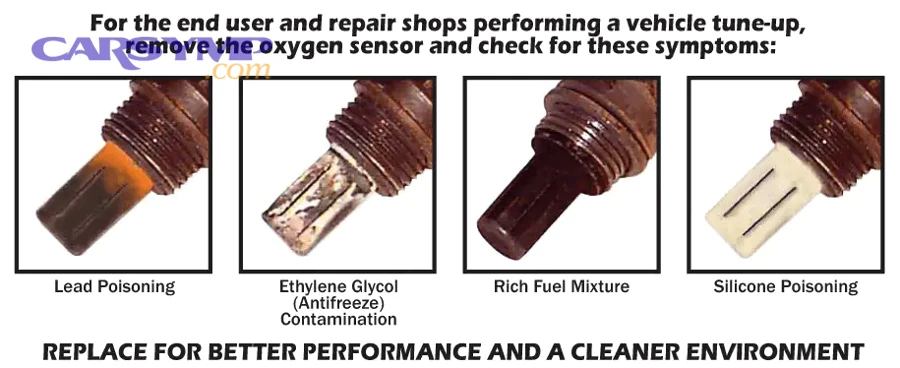
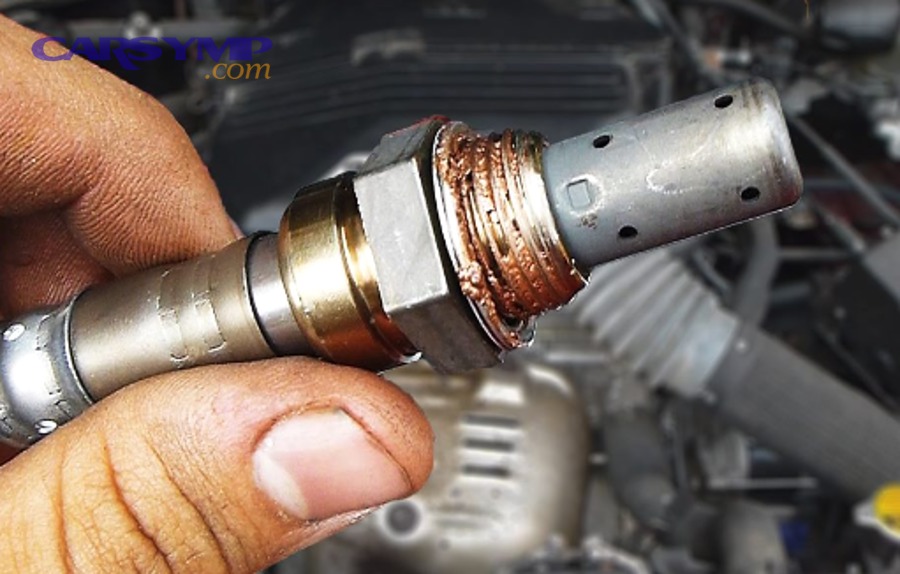
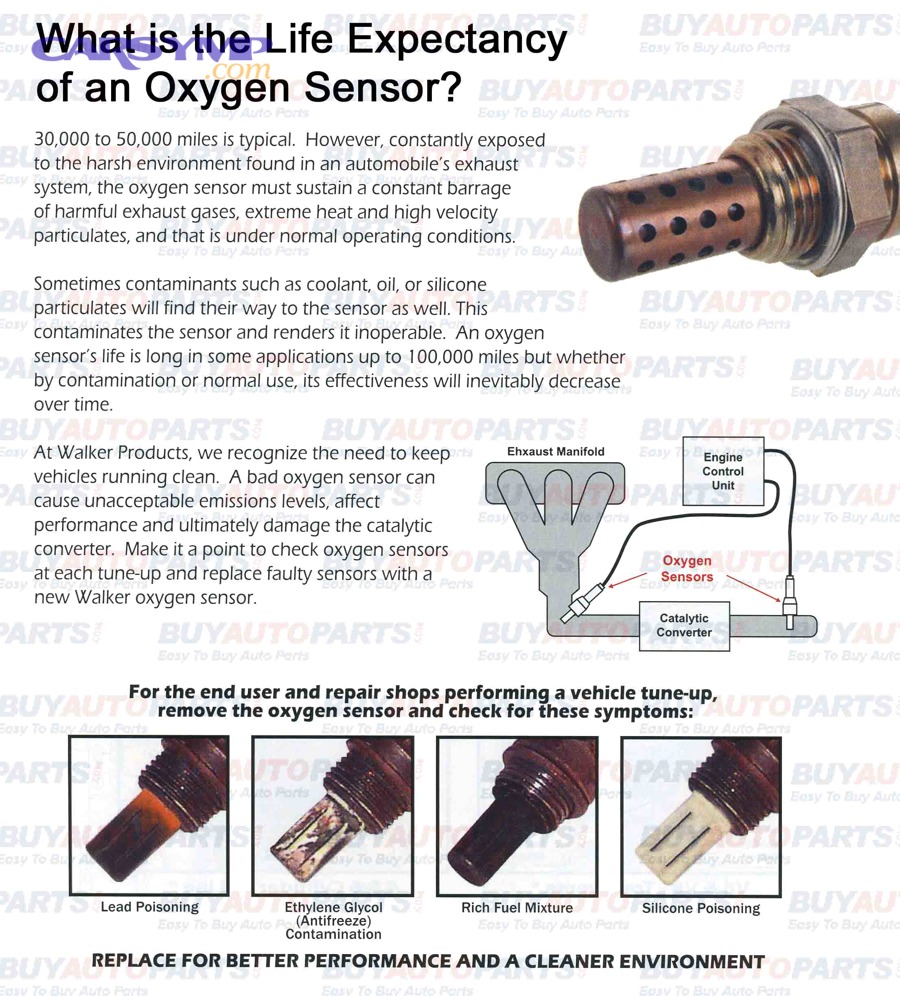
Ngược lại, a sensor signal code can be caused by exhaust leaks, damaged wiring, or contamination, not only a failed sensor.
Fuel trims as the lie detector
If the O2 sensor indicates lean but trims are not adding fuel, or trims are adding fuel yet the sensor stays “lean,” you may have a sensor bias, exhaust leak upstream, or misfire oxygen skewing the reading.
To confirm, compare trims at idle vs 2,500 rpm: vacuum leaks often improve with rpm, while fuel delivery shortages often worsen under load.
When is the catalytic converter the real culprit instead of the O2 sensor?
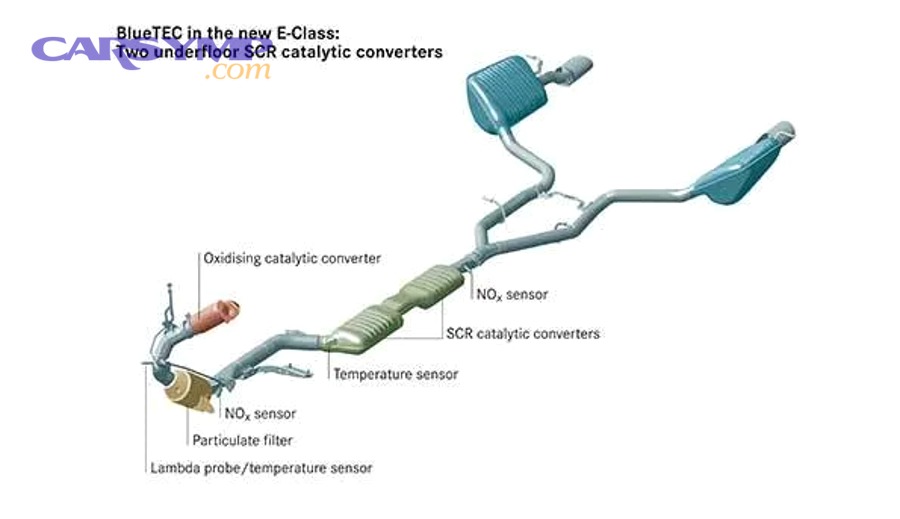
The catalytic converter is more likely the culprit when you see catalyst-efficiency codes with normal upstream control behavior, downstream signals that mirror upstream too closely, and no clear sensor heater/circuit faults.
Sau đây, you’ll separate “sensor reporting” from “converter processing” by comparing upstream and downstream patterns.
Downstream sensor pattern: mirror vs damped signal
A working catalyst smooths oxygen fluctuations, so the downstream O2 signal should be steadier and less switchy than the upstream sensor in many conditions.
If downstream looks too similar to upstream over time, the catalyst may be storing less oxygen than expected, triggering efficiency codes.
Exhaust leaks can imitate catalyst problems
A small exhaust leak upstream of a sensor can introduce oxygen and distort readings, creating false “lean” signals and catalyst efficiency failures.
Để minh họa, inspect flange gaskets and flex joints; a hiss or soot marks can be the key clue.
Misfire damage can kill a catalyst and confuse everything
Persistent misfires dump unburned fuel into the exhaust, overheating and damaging the catalyst, which can lead to secondary O2/catalyst codes after the original misfire problem started.
Tóm lại, fix known misfires first before declaring the catalyst or sensors guilty.
What is a safe decision tree for “drive or stop now” and next steps?
You should stop driving immediately if the check engine light is flashing, the engine is shaking hard, or power is severely reduced; otherwise you can often drive gently to diagnose—provided temperatures and oil pressure are normal.
Tiếp theo, turn that safety choice into an action plan: read codes, capture freeze-frame, then test the most likely system bucket.
Stop-now conditions: catalyst and engine protection
A flashing light commonly indicates active misfire severe enough to risk catalyst damage; continuing to drive can turn a manageable repair into an expensive exhaust system failure.
Also stop if you smell raw fuel, see smoke, or notice severe overheating or stalling that compromises safety.
Drive-gently conditions: low-risk emissions faults
Many EVAP leak codes, some downstream O2 sensor issues, and certain intermittent sensor faults allow gentle driving while you gather data, as long as the engine runs smoothly.
However, don’t delay if you have drivability symptoms, worsening fuel economy, or a repeat pattern that suggests a developing misfire.
Next-step checklist after reading codes
Capture freeze-frame, check whether the fault is pending or confirmed, then pick one verification test: for misfire, check counters and do a swap test; for EVAP, check purge/vent behavior; for O2, test response and trims.
Như vậy, you reduce time and cost by choosing a single “highest-yield” test instead of performing random inspections.
What happens at a repair shop and how much can diagnosis cost?
A professional shop typically confirms your concern, performs scan and live-data analysis, runs targeted tests (smoke, scope, pressure), and then provides an estimate based on verified root cause—not just the first code.
Ngoài ra, understanding the shop workflow helps you decide what to DIY versus what to outsource safely.
What a good shop does differently than parts swapping
They’ll combine symptom replication, freeze-frame interpretation, Mode 6 monitor data, and physical tests (smoke for EVAP, ignition analysis for misfire, waveform checks for sensors) to confirm the failure mode.
In many cases, they’ll also check technical service bulletins and known patterns for your model, which can shorten the path to the fix.
Why cost varies: time, access, and certainty
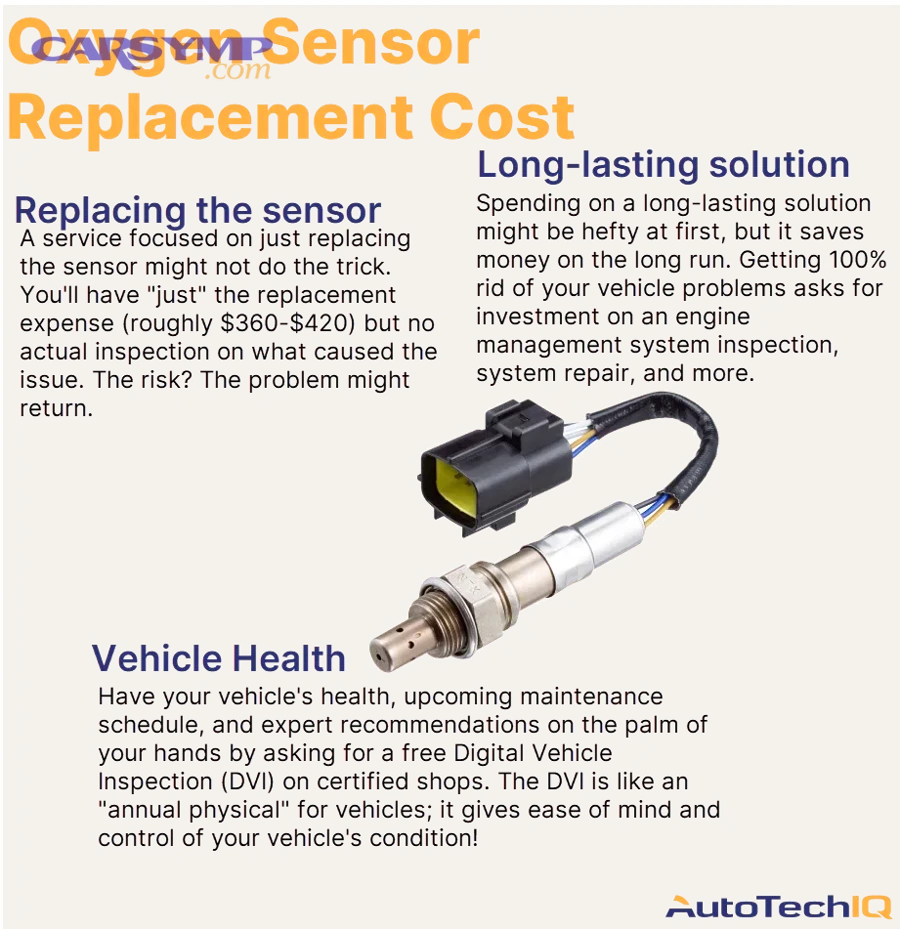
Diagnosis cost rises when the issue is intermittent, requires smoke testing, needs electrical pinpoint work, or involves hard-to-access components.
To make expectations explicit, the phrase Diagnosis cost and shop process can be summarized as: pay for time and test equipment that converts uncertainty into a confirmed cause.
How to show up prepared and save time
Bring a short symptom log (when it happens, fuel level, temperature, driving conditions) and your code list with freeze-frame if you have it; this can reduce duplicate work and speed the correct test selection.
According to “Theo nghiên cứu của MIT từ Laboratory for Information and Decision Systems, vào 09/2020, structured problem statements improved troubleshooting efficiency by reducing repeated testing cycles.”
FAQ: Misfire, EVAP, and O2 Sensor Diagnosis
These quick answers help you confirm the right bucket fast, but each one still assumes you verify with scan data and one targeted test.
Tiếp theo, treat each answer as a rule-of-thumb with a confirmation step.
Can a bad oxygen sensor cause a misfire?
Yes, but it’s uncommon; an upstream sensor that lies badly can skew fueling and contribute to rough running, yet most misfires are ignition, injector, vacuum, or compression related—confirm by checking misfire counters and plug/coil condition.
Ngược lại, a misfire can create “lean-looking” exhaust oxygen and make the sensor appear suspicious when it’s only reporting what it sees.
Can an EVAP purge valve create lean codes that look like O2 issues?
Yes; a purge valve stuck open can behave like a vacuum leak and push trims positive, leading to lean codes without a true oxygen-sensor failure—confirm by commanding purge closed and watching trims stabilize.
Để minh họa, hard starts after refueling are a classic clue for purge-related issues.
If I have P0300 and P0420 together, what should I fix first?
Fix the misfire first because it can damage the catalyst and distort oxygen readings; once the engine runs smoothly, recheck catalyst efficiency and downstream behavior to see what remains.
Tóm lại, upstream combustion problems often create downstream emissions codes as “secondary symptoms.”
Do I need to replace oxygen sensors just because they’re old?
No; replace them when testing shows slow response, heater failure, or biased readings that don’t match trims and controlled mixture changes.
Quan trọng hơn, exhaust leaks and misfires can mimic sensor failure, so test before replacing.
Contextual Border: We’ve covered the main diagnostic buckets and the fastest confirmation tests. Below are micro-cues and edge cases that frequently mislead even experienced DIYers, so you can avoid expensive wrong turns.
Micro-Cues and Edge Cases That Trick Diagnoses
These edge cases matter because they create symptoms or scan patterns that mimic another system, so your best defense is to recognize the “signature” and then run one decisive confirmation test.
Hơn nữa, learning these patterns helps you explain the issue clearly when you do choose professional help.
Intermittent misfire only in rain may be ignition leakage, not fuel or EVAP
Moisture can create spark leakage across boots and cracked insulation, causing misfires that vanish when dry; look for carbon tracks and consider a dark-garage mist test (safely) to spot arcing.
Tiếp theo, confirm by swapping coils/boots and watching whether the misfire follows the component.
EVAP codes right after refueling often point to purge behavior or cap sealing
If symptoms or codes appear after filling up, suspect purge valve flow issues, cap sealing, or filler neck problems before assuming deeper engine faults.
Cụ thể, test purge closure and inspect cap gasket condition; many “small leak” problems live at the simplest seal points.
Wideband vs narrowband sensors change what “normal” looks like
Some vehicles use wideband/AFR sensors upstream, where the signal is interpreted differently than a classic switching narrowband O2 sensor; misreading the data can lead to wrong conclusions.
Để hiểu rõ hơn, verify the sensor type in service information, then interpret trims and commanded equivalence ratio accordingly.
P0420/P0430 may be catalyst aging, but also exhaust leaks or chronic misfires
Before replacing a catalyst, rule out exhaust leaks and unresolved misfires, then confirm catalyst behavior by comparing upstream vs downstream patterns and verifying temperature/efficiency tests where applicable.
Như vậy, you avoid replacing expensive parts when the real cause is a leak, a misfire, or incorrect test interpretation.