


If you’re trying to tell engine knock (spark knock/pinging) from a true rod bearing knock, the fastest path is to match the sound to the conditions: spark knock is typically a higher-pitched ping/rattle that shows up under load, while rod knock is a deeper, heavier knock that often follows RPM and can worsen as oil thins when warm.
Next, it helps to understand what each noise means mechanically and financially: combustion knock usually points to fuel/ignition/heat issues you can often correct, but rod bearing knock often signals internal wear that can escalate quickly if you keep driving.
Then, you’ll want safe, repeatable checks you can do in minutes—listening points, RPM sweeps, load changes, and quick “does it improve?” tests—so your knocking noise diagnosis is based on patterns rather than guesses.
Introduce a new idea: once you can classify the knock, you can choose the right next step—anything from changing driving habits and fuel quality to shutting the engine down and planning a repair.
What is the difference between engine knock (spark knock/pinging) and rod bearing knock?
Engine knock wins in being a combustion-event rattle under load, rod bearing knock is best identified as a deeper mechanical impact from the bottom end, and “spark knock/pinging” is optimal as the synonym cluster that clarifies you’re talking about detonation-style knock—not random tapping.
To better understand the difference, focus on what is colliding (or detonating) and when it happens, because those two signals separate combustion knock from bearing knock faster than any single sound clip.
In plain terms, spark knock/pinging is abnormal combustion. The air-fuel mixture in the cylinder begins to auto-ignite in pockets, creating sharp pressure spikes that sound like pinging, tinkling, or a rattle—often described as “marbles in a can.” It’s tied to combustion timing, fuel quality, heat, and load.
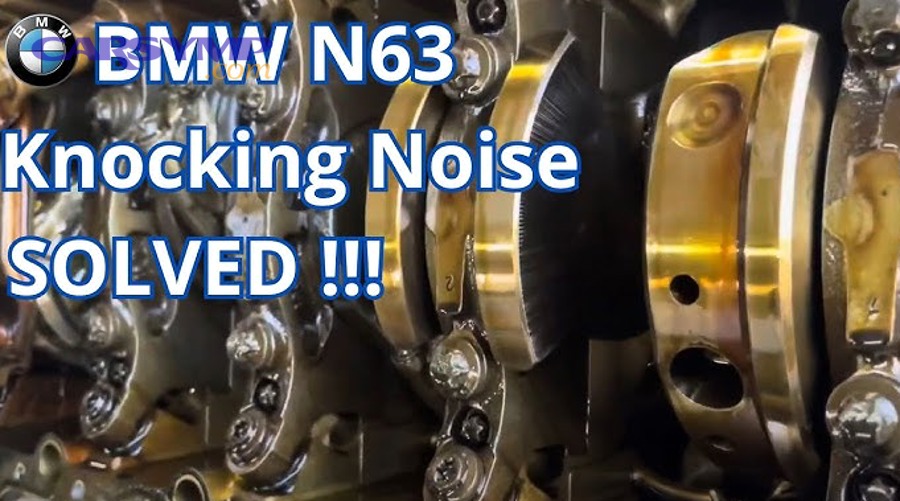
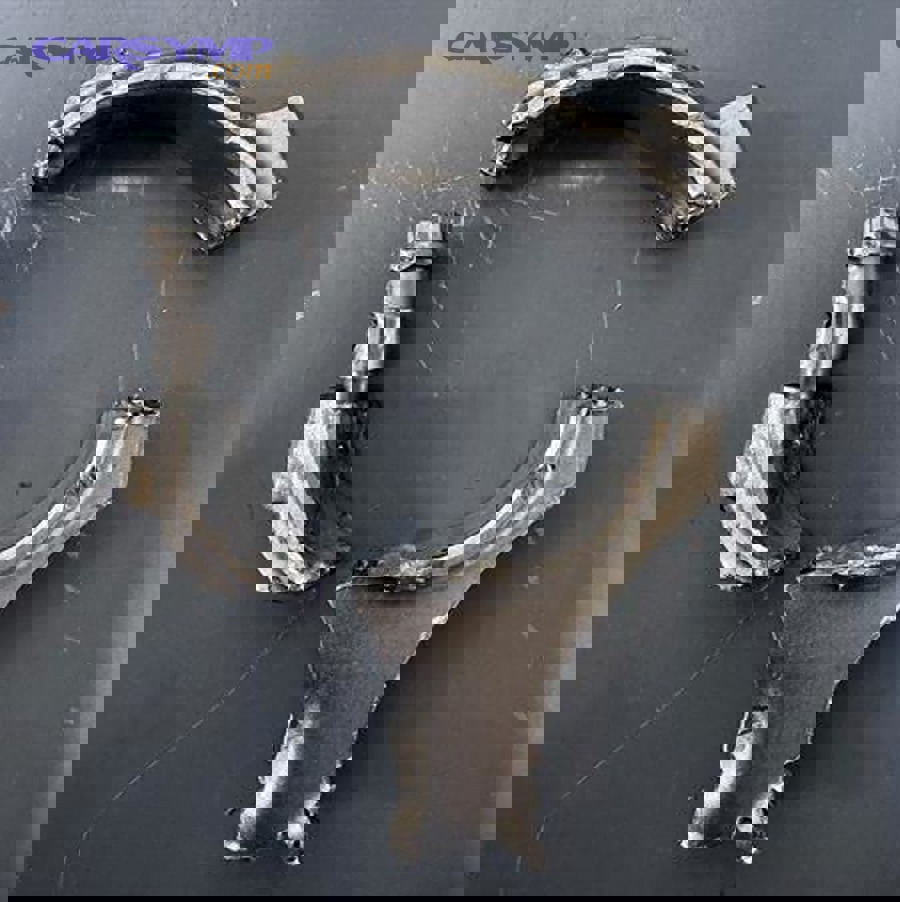
Rod bearing knock is mechanical. A connecting rod rides on a thin film of pressurized oil around the crankshaft journal. When clearance grows (wear) or the oil film fails (low oil, low pressure, starvation), the rod can tap/hammer against the crank journal. That impact creates a deep, rhythmic knock that’s typically more ominous and often grows louder as the problem worsens.
Is engine knock the same as detonation or pinging?
Yes—engine knock (in this context) is the same phenomenon people commonly call detonation or pinging, and you can recognize it by (1) a higher-frequency “ping/rattle,” (2) appearing mostly under load, and (3) often improving when you reduce load or increase octane.
Next, the key is to treat “spark knock/pinging” as the practical synonym and use operating conditions to confirm it—because the same engine can sound quiet in the driveway but knock loudly on a hill.
Spark knock is most common when the engine is lugging (low RPM, high throttle), running hot, or operating with insufficient knock resistance (low octane for the engine’s needs). Modern engines often sense knock and pull timing, but sustained knock can still damage components over time.
Is rod knock always a sign of a failing bearing?
Yes—rod knock is strongly associated with rod bearing clearance or oil-film failure, and it’s identified by (1) a deeper bottom-end knock, (2) a rhythmic pattern that follows engine speed, and (3) a tendency to worsen with heat, load, or low oil pressure.
Then, because a true rod bearing knock is a meronymy clue (the rod bearing is a part of the system making the noise), you should treat it as a bottom-end warning until proven otherwise.
Rod knock doesn’t always mean the engine will seize immediately, but it often means the bearing surface is already compromised. If you continue driving, the bearing can overheat, smear, spin in its housing, or lead to catastrophic failure.
How can you identify engine knock vs rod knock by sound alone?
There are 4 main sound-based identifiers—pitch, rhythm, operating trigger, and location—based on how the noise behaves across RPM and load.
Specifically, a reliable knocking noise diagnosis uses a short checklist rather than a single clue, because echoes, accessories, and exhaust rattles can trick your ears.
Think of sound like a fingerprint:
- Spark knock/pinging: sharper, higher-frequency “tink tink,” often irregular, usually only under load.
- Rod bearing knock: lower-frequency “knock knock,” more rhythmic, often audible with light throttle and can persist across conditions once severe.
Does rod knock sound deeper and slower than spark knock?
Yes—rod knock typically sounds deeper and more “thuddy” than spark knock, and you can tell it apart because (1) it follows RPM like a drumbeat, (2) it often grows louder under light acceleration, and (3) it rarely disappears instantly with a small change in fuel or timing.
However, the fastest way to lock this in is to compare Knock at idle vs acceleration clues, because spark knock is rarely strongest at a free-rev idle.
Rod knock often presents as:
- Deep metallic thud from the lower engine
- Rhythmic with engine speed
- More noticeable when you blip the throttle from idle (light load) or during a steady cruise when the bearing is badly worn
Spark knock/pinging often presents as:
- Light metallic pinging
- More obvious during uphill pulls, passing, or low RPM/high gear
- Sometimes disappears when you ease off the throttle or downshift
Where do you hear each noise—top of engine or oil pan area?
There are 3 practical listening zones—valve cover/top end, engine block midsection, and oil pan/bellhousing area—based on where the noise transmits most strongly.
In addition, using location as a tie-breaker prevents mislabeling a harmless tick as a catastrophic knock.
A quick listening map:
- Top end (valve cover, injector rail area): more likely valvetrain tick, injector tick, or light pinging resonance
- Mid block (near cylinders): can carry both combustion knock and mechanical noise; use conditions to separate
- Oil pan/lower block: where rod bearing knock often “feels” strongest, especially through the pan or block skirt
Tip for DIY drivers: a mechanic’s stethoscope helps, but even a long screwdriver (handle to ear, tip to engine—carefully) can highlight whether the loudest point is the top or bottom of the engine.
When does each knock happen—idle, acceleration, load, cold start, or warm engine?
There are 5 main timing patterns—idle, tip-in acceleration, steady load, cold start, and hot operation—based on temperature and cylinder pressure conditions.
More importantly, once you map when the knock happens, you can stop guessing and start classifying the noise with confidence.
Use this mental matrix:
- Spark knock/pinging: most likely under load, especially when hot or lugging
- Rod bearing knock: may be heard at idle (if severe), often grows with RPM and can worsen when warm
Does spark knock happen mostly under load and go away at idle?
Yes—spark knock usually appears under load, and you can confirm it because (1) it’s most obvious during acceleration or climbing, (2) it often fades when you lift off the throttle, and (3) it may reduce when you downshift and raise RPM.
Next, treat load as the trigger: combustion pressure rises under load, and that’s when end-gas auto-ignition becomes more likely.
Common spark knock scenarios:
- Rolling into the throttle at low RPM in a higher gear
- Hot day + AC on + uphill
- After a carbon buildup period (short trips, heavy deposits)
- After refueling with lower octane than the engine needs
If you can’t reproduce it in neutral, that’s normal—spark knock is often hard to trigger without cylinder pressure from real driving load.
Does rod knock get louder with RPM and when the engine is warm?
Yes—rod knock often gets louder as RPM rises and oil thins when warm, and you can recognize it because (1) the knock becomes more consistent with speed, (2) hot idle may sound worse than cold idle, and (3) oil-pressure symptoms may appear as the issue progresses.
Then, remember why heat matters: warm oil is less viscous, so a worn bearing has less film strength to cushion impacts.
Typical rod bearing knock patterns:
- Audible during a light throttle blip from idle
- More noticeable at steady cruise (once bad)
- Can become a constant knock that never fully goes away
- May coincide with low oil pressure warning (not always at first)
If the knock is loud and persistent, avoid repeated revving “to test it.” A failing bearing can worsen quickly under load.
What quick tests can confirm whether it’s spark knock or rod knock?
There are 5 quick confirmation tests—load change, RPM sweep, fuel/knock resistance check, listening point isolation, and oil condition check—based on whether the noise responds like combustion or like mechanical clearance.
To illustrate, you’re not trying to prove a theory; you’re trying to see which system the knock “obeys.”
Here’s a safe order that works for most DIY drivers:
- Reduce load (ease throttle, downshift)
- Change RPM (gentle sweep, no hard revs)
- Change fuel conditions (only if safe/appropriate)
- Listen at zones (top vs bottom)
- Check oil level/condition (always)
Can higher-octane fuel or reducing load stop spark knock quickly?
Yes—spark knock often improves with higher knock resistance or reduced load, and you can verify it because (1) easing throttle reduces the sound, (2) downshifting reduces lugging-related pinging, and (3) higher octane can reduce or eliminate the knock if fuel quality is the driver.
Next, treat this as a controlled experiment: make one change at a time and see if the sound predictably improves.
Practical “drive test” (safe, conservative):
- If knock appears, lift slightly: spark knock often fades quickly
- Downshift and keep RPM in a more comfortable band: pinging often reduces
- If your manual recommends premium and you used regular, refuel appropriately (don’t mix random additives excessively)
If the knock disappears with these changes, your odds shift toward spark knock/pinging rather than rod bearing knock.
Can a cylinder cut-out test help identify rod knock?
Yes—a cylinder cut-out approach can help isolate rod knock, and it works because (1) reducing combustion load on one cylinder can change the knock, (2) rod knock often responds to cylinder load changes, and (3) the “change on one cylinder” pattern is uncommon for spark knock.
However, because DIY cut-out methods can be unsafe on modern ignition systems, it’s best to treat this as a professional scan-tool test rather than a driveway hack.
What a shop may do (safely):
- Use a scan tool to perform a controlled power balance test
- Disable or trim fueling per cylinder briefly and monitor noise change
- Combine with chassis ears or stethoscope readings near the oil pan
If the knock changes noticeably when a specific cylinder load is reduced, it supports a mechanical source associated with that cylinder’s rod/bearing—though it still requires confirmation.
Can an oil-pressure check and oil inspection point to rod bearing issues?
Yes—oil pressure and oil inspection can point toward rod bearing problems because (1) worn bearings can reduce hot idle oil pressure, (2) metallic debris can appear as shimmer or flakes, and (3) an oil filter inspection can reveal bearing material.
In addition, this is one of the safest checks you can do early in the process.
DIY-safe checks:
- Verify oil level (low oil can cause or worsen bearing noise)
- Note whether oil is unusually thin, smells burnt, or is heavily contaminated
- If you’re due for an oil change, inspect the drain oil under bright light for metallic sparkle
- Consider cutting open the old oil filter only if you know proper safety and disposal
If you find obvious metal in the oil, prioritize shutting the engine down and planning next steps rather than continuing “tests.”
What causes engine knock vs rod knock, and what does each imply for damage risk?
Engine knock is best explained by fuel/ignition/temperature causes, rod knock is best explained by oil film failure and bearing clearance causes, and rod knock is the higher-risk condition for rapid damage.
More specifically, once you connect cause → symptom, you can choose targeted fixes instead of replacing parts blindly.
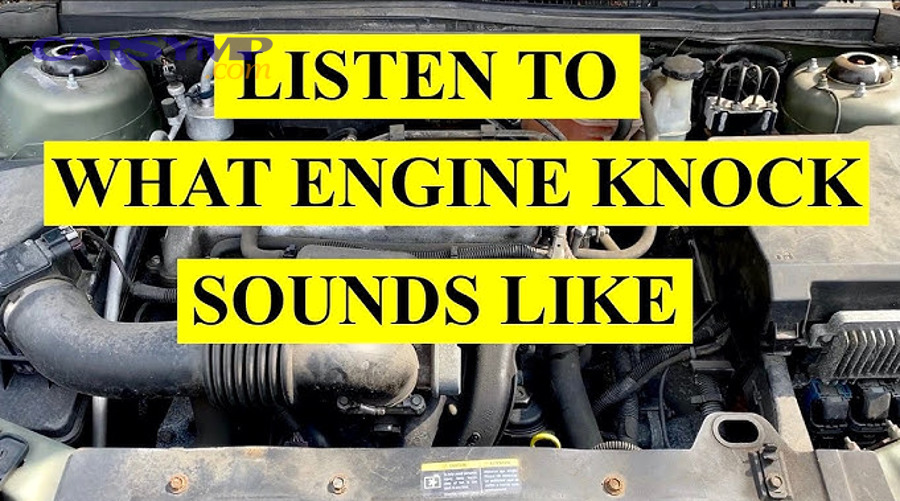
What are the most common causes of spark knock/pinging?
There are 6 common causes of spark knock/pinging—low octane, excessive heat, carbon deposits, incorrect timing/tune, lean mixtures, and incorrect spark plugs—based on what increases end-gas temperature and pressure.
Next, use causes as a checklist, because spark knock is often multi-factor.
Most common triggers:
- Fuel knock resistance mismatch: regular fuel in an engine calibrated for premium, or poor fuel quality
- Overheating/heat soak: cooling system issues, clogged radiator, failing fan, low coolant
- Carbon buildup: raises effective compression and creates hotspots
- Ignition timing/tune issues: aggressive timing, aftermarket tune, wrong calibration
- Lean condition: vacuum leaks, MAF issues, fuel delivery problems
- Wrong plugs: incorrect heat range can contribute to abnormal combustion behavior
Spark knock risk varies:
- Light, occasional pinging under heavy load may be manageable after corrective action
- Persistent heavy knock can damage pistons, rings, and bearings over time
According to a study by University of Nottingham from the Faculty of Engineering, in 2018, advancing spark timing to produce knock intensity around 6 bar increased instantaneous NO and HC emissions by up to 60% compared with non-knocking conditions.
What are the most common causes of rod bearing knock?
There are 5 common causes of rod bearing knock—low oil level, oil starvation, contaminated oil, wear/overload, and overheating—based on what destroys the oil film or accelerates clearance growth.
Then, because rod bearings rely on a consistent hydrodynamic oil wedge, anything that interrupts oil flow can turn into audible knock fast.
Common root causes:
- Low oil level: leaks, burning oil, neglected checks
- Oil starvation events: hard cornering with low oil, pickup issues, clogged pickup screen, aeration/foaming
- Contamination: coolant in oil, fuel dilution, debris from prior failure
- Wear and clearance growth: high mileage, poor maintenance intervals, repeated heavy loads
- Overheating: oil breakdown, bearing surface distress
Rod knock damage risk:
- Once the bearing surface is compromised, the process can accelerate—heat increases wear, wear increases clearance, clearance increases impact, impact increases heat.
Which one is more dangerous to keep driving with—rod knock or spark knock?
Rod knock is more dangerous to keep driving with than spark knock because (1) it can escalate to catastrophic failure quickly, (2) it often indicates active metal-to-metal distress, and (3) it can destroy the crankshaft or rod if the bearing fails completely.
However, severe spark knock can also be destructive, so the right move is to classify the knock and respond with the appropriate urgency.
A practical severity ladder:
- Light pinging only under heavy load: reduce load, correct fuel, check cooling and tune inputs
- Heavy pinging even at moderate throttle: stop pushing the engine; diagnose fueling/ignition/cooling promptly
- Deep rhythmic knock at idle or on light throttle: treat as potential rod bearing knock; limit run time; plan inspection/repair
Repair cost estimate for common knocks (context table)
To make the decision clearer, the table below summarizes typical repair directions and cost ranges (highly variable by vehicle, location, and engine design). It’s meant to help you plan the next step after your knocking noise diagnosis—not replace a professional quote.
| Noise type (most likely) | Common fix path | Typical scope | Rough cost range (USD) |
|---|---|---|---|
| Spark knock / pinging | Fuel/cooling/tune inputs | Diagnostics + corrections | $0–$400 (often) |
| Carbon-related pinging | Decarbon service + tune verification | Cleaning + inspection | $150–$800 |
| Rod bearing knock | Internal engine repair | Bearings/crank work or rebuild | $2,000–$8,000+ |
| “Not a knock” rattle | Heat shield/exhaust repair | Hardware/fasteners | $50–$300 |
Use this as a planning tool, not a quote—your goal is to avoid spending “engine rebuild money” on a noise that’s actually a heat shield.
What should you do next if you suspect spark knock or rod knock?
You should treat suspected spark knock by reducing load and correcting fuel/heat/tune contributors, but you should treat suspected rod bearing knock by minimizing run time and planning inspection because the failure mode is more destructive.
Next, turn your diagnosis into action, because the fastest way to lose money is to keep driving while hoping the sound “goes away.”
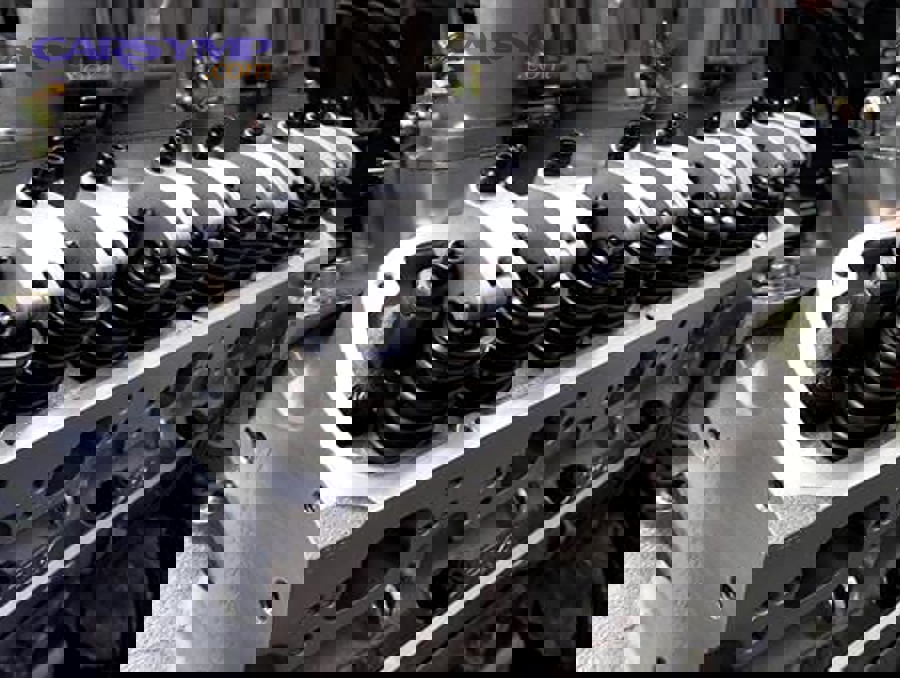
Start with the safest universal steps:
- Check oil level and coolant level (when safe and cool)
- Avoid heavy throttle and lugging until you confirm the noise type
- Pull basic scan data if you can (codes, misfires, knock-related timing behavior)
Should you stop driving immediately if you suspect rod knock?
Yes—you should stop driving if you suspect rod knock because (1) continued operation can rapidly worsen bearing damage, (2) low oil pressure or debris can cascade into crank/rod failure, and (3) the repair can go from “bearings” to “engine replacement” in a short time.
Then, the most responsible move is to protect the engine from further load until you know what you’re dealing with.
Stop-driving red flags:
- Knock is deep, rhythmic, and present at idle
- Noise increases quickly with even light throttle
- Oil pressure warning light appears (or oil pressure is clearly low when hot)
- Metal glitter in oil, or oil looks severely contaminated
If you must move the vehicle for safety, keep it minimal: low RPM, minimal throttle, shortest distance—then shut down.
What are the safest first fixes to try for spark knock before paying for repairs?
There are 4 safest first fixes for spark knock—reduce lugging, use correct fuel, address heat, and verify basic tune inputs—because each directly reduces knock tendency without invasive work.
In addition, these steps double as diagnosis: if the knock responds, you’ve learned something valuable.
Safe first-fix checklist:
- Stop lugging the engine
- Downshift earlier, avoid wide-open throttle at low RPM
- Use the manufacturer-recommended fuel
- If premium is required/recommended for your engine, don’t force regular
- Control heat
- Verify cooling fan operation, radiator condition, coolant level, and that the engine isn’t overheating
- Check the basics that skew combustion
- Correct spark plug type and heat range
- Fix vacuum leaks and obvious intake issues
- Address check-engine lights and misfires promptly
If spark knock persists despite correct fuel and normal operating temperatures, it’s time for deeper diagnostics (fuel trims, timing behavior, carbon deposits, EGR function where applicable).
What other noises are commonly mistaken for rod knock or spark knock?
There are 4 common “false knock” categories—valvetrain/injector tick, piston slap, exhaust/heat shield rattle, and flexplate/flywheel noise—based on where the sound originates and how it reacts to load and RPM.
To begin, treat this section as a safety net: it prevents you from misdiagnosing a cheaper rattle as a bottom-end failure.
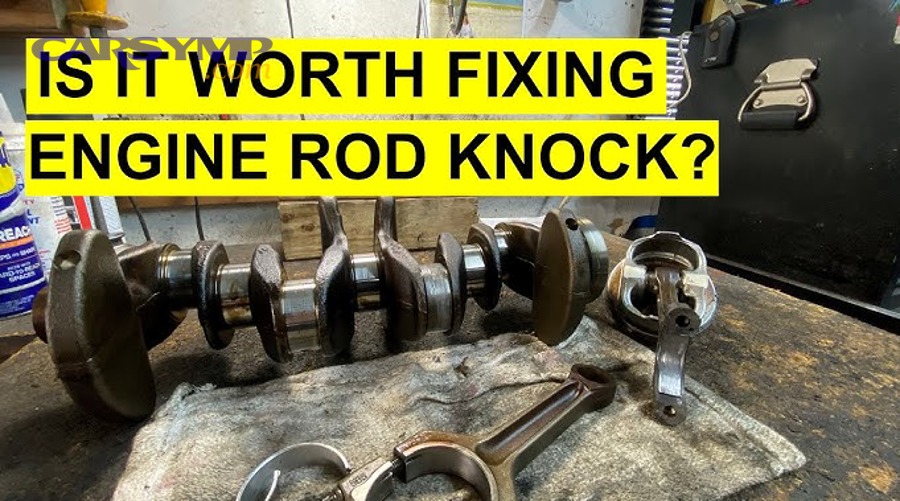
Is lifter tick or injector tick a “knock,” and how can you tell the difference?
No—lifter tick and injector tick are not the same as rod knock, and you can tell because (1) they’re higher-pitched, (2) they’re strongest at the top of the engine, and (3) they often have a fast, crisp “tick tick” instead of a deep thud.
Next, use location plus pitch: top-end ticks often sound alarming, but they behave very differently from bottom-end bearing knocks.
Common traits:
- Injector tick (especially direct injection): fast, consistent ticking near the injector rail; often normal
- Lifter/valvetrain tick: tapping near valve cover; may change with oil viscosity and engine speed, but typically not a deep knock
If you can clearly pinpoint the loudest sound at the valve cover with a stethoscope, it’s more likely top-end than rod bearings.
Can piston slap sound like rod knock, especially on cold starts?
Yes—piston slap can mimic a knock on cold starts because (1) it can sound hollow and rhythmic, (2) it often decreases as the engine warms, and (3) it can be more noticeable at light throttle right after startup.
However, the key separator is trend: piston slap usually improves warm, while rod bearing knock often worsens warm.
Piston slap clues:
- Loudest when cold
- Fades as temperature rises
- May be common on certain engine designs without indicating imminent failure
If the sound disappears almost completely once warm, piston slap moves up the list while rod knock moves down.
Can an exhaust leak or heat shield rattle mimic spark knock under acceleration?
Yes—exhaust leaks and heat shield rattles can mimic spark knock because (1) they create a metallic buzz under vibration, (2) they often appear at specific RPM bands, and (3) they can change with throttle even when combustion is normal.
In addition, this is one of the most common reasons drivers chase “knock” that isn’t actually knock.
Quick differentiators:
- Rev in neutral: exhaust/heat shield rattles often reproduce without load (spark knock often won’t)
- Specific RPM window: rattles may only occur around one range (e.g., 2,000–2,500 RPM)
- Physical inspection: loose shields, broken hangers, small leaks at flange joints
If the sound is more like a tinny vibration than pinging, inspect the exhaust system before assuming internal engine trouble.
Can a flexplate/flywheel crack mimic rod knock near the bellhousing?
Yes—a flexplate/flywheel issue can mimic rod knock because (1) it can produce a sharp metallic knock near the transmission area, (2) it may be rhythmic with RPM, and (3) it can echo through the block and sound “bottom-end.”
Then, use location as your filter: a bellhousing-localized knock deserves a flexplate/flywheel check before you commit to internal engine repairs.
Flexplate/flywheel clues:
- Sound strongest near the rear of the engine (bellhousing)
- Changes with gear engagement or slight load changes
- May accompany vibration or irregular metallic clacking
If you suspect this, a shop can confirm with inspection access points—often far cheaper than tearing into the engine.
Evidence (if any): According to a study by University of Nottingham from the Faculty of Engineering, in 2018, advancing spark timing to produce knock intensity around 6 bar increased instantaneous NO and HC emissions by up to 60% compared with non-knocking conditions.