


Engine whining is usually diagnosed best by matching the sound to when it happens, what system is under load, and what you can safely see under the hood. A structured DIY inspection can help car owners narrow the cause to the belt drive, power steering system, alternator, A/C compressor, vacuum leak, turbocharger, or a more serious internal component before they pay for deeper testing.
The first layer of diagnosis is not repair but observation. Many drivers hear a whining noise from engine components and assume the engine itself is failing, even though the sound often starts in an accessory, a pulley bearing, or a fluid-starved system. That is why this guide begins with sound definition, safety, and a repeatable inspection order instead of jumping straight to parts replacement.
The second layer is pattern recognition. Whether the noise changes with RPM, steering input, cold starts, warm idle, or acceleration tells you far more than volume alone. Those symptom patterns help separate an engine-bay whine from drivetrain hum, wheel-bearing noise, or airflow whistle.
The third layer is decision-making. Some whines are minor enough to document and monitor briefly, while others require urgent action because they can affect steering assist, charging, or cooling. Introduce a new idea: the sections below walk step by step from first identification to Safe-to-drive guidance with engine whine, so you can move from suspicion to a more confident diagnosis.
What Is Engine Whining and Why Does It Matter for DIY Diagnosis?
Engine whining is a high-pitched, sustained sound linked to rotating parts, fluid pressure, or airflow, and it matters because the pitch and operating condition often reveal the likely source within minutes of a careful inspection.
To better understand engine whining, you need to define the sound before you try to fix it. A whine is usually smoother and more continuous than a squeal, sharper than a hum, and less rhythmic than a knock or tick. That distinction matters because a belt slip, bad bearing, low fluid level, or intake leak all create different sound signatures even when drivers describe all of them as “a weird noise.”

Is an Engine Whining Noise Always a Sign of a Mechanical Problem?
No, an engine whining noise is not always a sign of a serious mechanical problem, because some vehicles produce normal turbo, supercharger, or electric-actuator sounds, but a changing, growing, or load-related whine usually points to wear, low fluid, or failing rotating parts.
That distinction is important because normal sound tends to stay consistent, while problem noise usually changes with time or operating condition. A mild turbo whistle that appears predictably under boost is not the same as a fresh metallic whine that rises with RPM at idle. A brief cold-start noise can also happen when fluid is thick or a belt first loads up, but a persistent whine after warm-up deserves closer attention.
A practical DIY rule is simple: treat a new sound as abnormal until you prove it is normal for your vehicle. If the whine appeared suddenly, grew louder, changed with steering effort, or came with warning lights, it belongs in the “inspect now” category.
How Can You Describe Engine Whining by Pitch, Volume, and Driving Condition?
You can describe engine whining best by noting three factors: pitch, volume, and trigger condition, because those three clues tell you whether the sound follows RPM, accessory load, airflow, or road speed.
Start with pitch. A narrow, sharp pitch often suggests belt-driven accessories, bearings, or pressurized fluid, while a whistle-like sound points more often to vacuum or intake leaks. Next, judge volume. A soft background whine that stays constant is less alarming than a whine that becomes louder during throttle input or steering.
Then document the trigger condition:
- At cold start only
- At warm idle
- While revving in park
- During acceleration
- While turning the steering wheel
- With A/C switched on
- At cruising speed only
This language turns a vague complaint into a useful diagnostic report. “It whines at idle and gets louder when I rev” is more valuable than “the engine sounds bad.” That is also the first hook in good DIY diagnosis: the description guides the inspection order.
According to the Car Care Council, belts and hoses are among the systems that require regular maintenance attention, and NHTSA advises drivers to check applicable fluid levels and signs of leaks during routine vehicle care, which supports using sound pattern plus visible-condition checks as the first stage of diagnosis. ([carcare.org](https://www.carcare.org/vehicle-systems-overview/?))
What Safety Checks Should You Do Before Inspecting an Engine Whine Yourself?
You should do five safety checks before inspecting an engine whine yourself: secure the vehicle, work on a cool engine when possible, keep clear of moving parts, use proper lighting, and separate engine-off checks from engine-running observations.
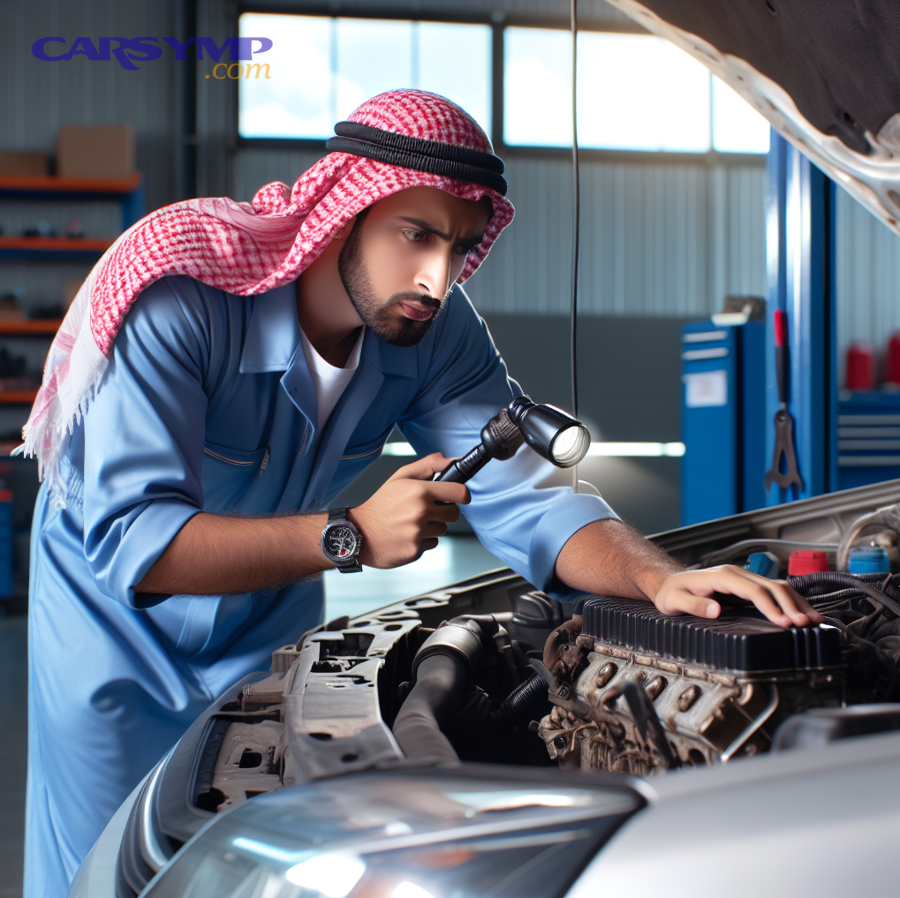
Next, safety has to come before diagnosis because many whining sources sit near belts, pulleys, fans, and hot components. A good inspection is not just about finding the sound; it is about finding it without creating a new problem.
Should You Inspect an Engine Whining Noise With the Engine Running?
Yes, you may inspect an engine whining noise with the engine running for observation, comparison, and sound tracing, but you should only do so from a safe distance and never reach near moving belts, pulleys, or fans.
The safest sequence is engine off first, engine running second. With the engine off, inspect the serpentine belt, hose routing, fluid reservoirs, visible leaks, loose shields, and damaged connectors. With the engine running, limit yourself to listening, watching for belt flutter, and checking whether the sound changes when steering, A/C load, or RPM changes.
Do not place fingers, tools, clothing, or rags near moving drive components. Do not remove caps from hot cooling systems. Do not lean over a fan shroud assuming the fan is off; electric fans can cycle on suddenly.
What Basic Tools Help You Inspect Engine Whining at Home?
There are six main tools that help you inspect engine whining at home: a flashlight, gloves, paper towels, a phone for notes or recordings, a mechanic’s stethoscope or hose, and your owner’s manual.
Each tool has a clear purpose. A flashlight helps you see glazing, cracks, wetness, and frayed belt edges. Gloves protect your hands during engine-off checks. Paper towels help confirm fluid seepage on reservoirs and hose joints. A phone lets you record when the sound happens and compare cold versus warm starts. A mechanic’s stethoscope can help isolate bearing noise, though a length of hose can serve as a simple listening aid if used carefully and only away from moving parts. The owner’s manual helps you identify fluid types and service warnings.
If you want to document the process cleanly, make a quick checklist:
- Noise appears when:
- Noise disappears when:
- Warning lights present:
- Fluid levels checked:
- Belt condition observed:
- Steering effort normal or heavy:
- A/C on changes noise:
According to NHTSA’s seasonal driving guidance, drivers should make sure each reservoir is full and have the vehicle serviced if they see signs of fluid leakage, which reinforces fluid-level inspection as a core part of safe DIY diagnosis. ([nhtsa.gov](https://www.nhtsa.gov/summer-driving-tips?))
What DIY Inspection Steps Help You Diagnose Engine Whining Systematically?
A systematic DIY inspection uses six steps: confirm the trigger, inspect fluids, inspect belts and pulleys, compare accessory loads, inspect hoses and intake paths, and document what changes the sound.
Then, because random checking wastes time, you should move from the easiest and safest checks to the more specific ones. The goal is not to replace parts by guesswork; the goal is to reduce the possible causes.

What Should You Check First When You Hear Engine Whining at Idle or Startup?
You should check five things first when you hear engine whining at idle or startup: fluid levels, belt surface condition, pulley alignment, visible leaks, and whether the sound changes as the engine warms.
Start with the obvious. Look at the serpentine belt for cracks, shiny glazing, edge wear, missing ribs, or contamination from oil or coolant. Then inspect the power steering reservoir if your vehicle uses hydraulic assist. Low fluid combined with steering-related whining is one of the clearest DIY clues. Next, look for fresh wetness near pumps, hoses, and hose clamps. After that, listen for whether the noise fades as the engine warms, because cold-only behavior often points to belt traction, thick fluid, or a tensioner issue.
This is also the right moment to note whether warning lights are present. A charging-system warning plus whine changes the diagnosis completely, because alternator or belt-drive problems become more likely.
How Do You Inspect Belts, Pulleys, and Tensioners for Engine Whining?
You inspect belts, pulleys, and tensioners by checking belt wear, pulley alignment, tensioner motion, and bearing smoothness, because these parts often create a whining or high-pitched rotating noise when they wear or slip.
Look at the belt first. A worn belt may show glazing, fine cracking, rib wear, frayed edges, or contamination. Then inspect pulley faces and alignment from above and from the side. A pulley that sits slightly out of plane can force the belt to track badly and create noise. Watch the tensioner with the engine idling from a safe distance. Excessive flutter can indicate a weak tensioner, a dragging accessory, or a belt that is no longer tracking well.
If the engine is off and cool, try rotating accessible pulleys by hand only where manufacturer design and safety allow. A rough or gritty feel may suggest bearing wear. Do not force anything and do not disassemble a belt path casually unless you already know the routing and procedure.
This is also where readers often ask about Timing belt/chain tensioner whine symptoms. Those symptoms can include a whine that changes with RPM, a noise that seems deeper inside the timing cover area rather than on the front accessory path, and a sound that persists even when accessory suspects do not fit. Because timing systems are more critical and less visible than serpentine components, that kind of whine deserves faster professional follow-up than a simple accessory-belt chirp.
How Do You Check Power Steering, Alternator, and A/C Components for a Whining Noise?
You check power steering, alternator, and A/C components by changing one load at a time, because each accessory responds differently when steering effort, electrical demand, or compressor engagement changes.
For power steering, listen at idle and then gently turn the wheel while stationary only as needed. If the sound grows stronger with steering input, inspect the fluid level and look for foaming, dark fluid, or seepage near hoses and the pump. A steering-related whine plus stiffness is a stronger warning than sound alone.
For the alternator, note whether the whine changes when electrical load increases. Turning on headlights, rear defogger, or blower motor can sometimes reveal charging-system strain or a bearing issue. An alternator-related whine may also come with dimming lights or a battery warning light.
For the A/C compressor, switch the climate system on and off. If the sound changes clearly with compressor engagement, the pulley bearing, clutch, or compressor itself becomes more likely.
How Do You Inspect for Vacuum Leaks or Air-Related Whining Under the Hood?
You inspect for vacuum leaks or air-related whining by checking hoses, intake boots, clamps, and plastic ducting, because pressurized or metered air escaping through a gap often creates a whistle-like noise that drivers mistake for engine whine.
Inspect rubber hoses for splits, hardened sections, and loose ends. Check intake ducting between the air box and throttle body for tears, especially in ribbed areas that flex. Look at hose clamps for looseness and at plastic fittings for cracks. Air-related noise often becomes more obvious during throttle changes rather than pure steady idle.
A helpful comparison is this: rotating whine tends to track RPM smoothly, while an air leak often sounds more like a whistle or hiss and may react sharply to throttle movement or load transitions.
According to the Car Care Council’s belt-check guidance, noise in the belt system is a sign of wear, and when a serpentine belt is replaced, tensioners and pulleys should also be inspected because they wear at related rates. ([prnewswire.com](https://www.prnewswire.com/news-releases/avoid-car-trouble-with-a-belt-check-300998855.html?))
What Are the Most Common Causes of Engine Whining You Can Identify at Home?
There are two main groups of engine-whining causes you can identify at home: accessory-drive causes and fluid-or-airflow causes, based on whether the sound comes from rotating external hardware or from pressure and flow changes.

More specifically, grouping the causes helps you avoid mixing symptoms that look similar but come from very different systems. This is where the article shifts from “what do I hear?” to “which family of causes fits the sound best?”
Which Engine Whining Causes Are Related to the Accessory Drive System?
There are six common accessory-drive causes of engine whining: a worn serpentine belt, weak tensioner, bad idler pulley, alternator bearing, A/C compressor issue, and power steering pump problem.
These causes share one key trait: they usually react to engine RPM because the crankshaft drives them directly through the belt. If the noise rises when you rev the engine in park, the accessory drive becomes a strong suspect. A glazed belt may slip and sing under load. A worn idler or tensioner bearing can produce a steady whine or growl. An alternator bearing may whine more under electrical demand. A failing A/C compressor or clutch pulley may change tone when the compressor engages. A power steering pump often becomes louder when steering input adds hydraulic load.
These causes also reward early inspection because they are visible and often show supporting clues such as wobble, leaks, belt dust, or smell.
Which Engine Whining Causes Are Related to Fluids, Airflow, or Internal Components?
There are five common fluid, airflow, or internal causes of engine whining: low power steering fluid, vacuum leaks, intake leaks, turbocharger-related sound, and deeper internal wear such as timing-drive or bearing issues.
Low fluid can make a pump cavitate and whine. Vacuum or intake leaks can create a sharper whistle that owners call a whine. Turbocharged engines may produce a normal boost-related whistle, but an unusual change in pitch, smoke, loss of power, or oil consumption makes that sound more suspicious. Internal timing-drive and bearing issues are less common for DIY confirmation, but they matter because they can sound like an external whine while carrying more serious consequences.
When the sound seems to come from behind a cover, does not match accessory load changes, or appears with rough running or metal contamination, the diagnosis is moving beyond basic driveway inspection.
According to a 2024 Heliyon study on rolling-bearing fault diagnosis using acoustic and vibration data, fault patterns can be identified from the relationship between sound and vibration signals, which supports the practical idea that changes in acoustic character can reflect bearing-related deterioration rather than random background noise. ([sciencedirect.com](https://www.sciencedirect.com/science/article/pii/S2405844024163827?))
How Can You Tell Which Condition Makes the Whine Worse?
You can tell which condition makes the whine worse by testing three comparisons: RPM versus vehicle speed, steering load versus no steering load, and cold operation versus warm operation.
To better understand this issue, think of the whine as a response to a trigger. The strongest trigger usually points toward the correct system family.

Does Engine Whining Change With RPM, Vehicle Speed, or Steering Input?
Engine whine usually follows RPM, drivetrain hum follows vehicle speed, and steering-related whine responds most clearly to wheel input, so the winning clue depends on which condition changes the sound most.
If the vehicle is parked and the sound rises when you rev the engine, the problem is likely in the engine bay rather than at the wheels or differential. If the sound changes only when the vehicle moves faster, suspect wheel bearings, tires, or drivetrain components before you blame the engine. If the sound sharpens when you turn the steering wheel at low speed or while stationary, hydraulic steering components deserve special attention.
This comparison prevents one of the most common mistakes in DIY noise diagnosis: assuming every front-of-car whine is “engine noise.” Many owners chase under-hood parts when the real cause is speed-dependent and lower in the chassis.
How Is Cold-Start Engine Whining Different From Warm-Engine Whining?
Cold-start engine whining is often linked to fluid viscosity, initial belt traction, or early tensioner behavior, while warm-engine whining that persists points more strongly to wear, pressure loss, or ongoing bearing trouble.
That difference matters because time-based behavior is a clue. A short whine for the first few seconds on a cold morning can happen when fluid is thicker and belt load stabilizes. A whine that continues after the engine reaches normal temperature is more likely to reflect a worn component or ongoing pressure issue.
Likewise, a noise that gets worse as the engine warms can suggest expansion-related changes, fluid breakdown under heat, or a component that becomes noisier once fully loaded. These patterns do not prove one exact part, but they narrow the search fast.
According to a Car Care Council maintenance advisory, noise in the belt system and the smell of burnt rubber can signal belt-system wear, and that supports comparing cold-start behavior with loaded warm running when diagnosing accessory-drive noise. ([prnewswire.com](https://www.prnewswire.com/news-releases/avoid-car-trouble-with-a-belt-check-300998855.html?))
Can You Diagnose Engine Whining Yourself or Is a Mechanic Needed?
Yes, you can diagnose many engine-whining cases yourself to narrow the cause, document symptoms, and spot basic defects, but you need a mechanic when the whine affects steering, charging, cooling, timing components, or grows rapidly.

Besides identifying likely causes, a good DIY inspection tells you when to stop. That decision matters as much as the diagnosis because not every whine is safe to keep testing on the road.
Which Engine Whining Symptoms Mean You Should Stop Driving Soon?
There are six engine-whining symptoms that mean you should stop driving soon: heavy steering, battery warning light, overheating, burning-rubber smell, sudden volume increase, and metallic or grinding character.
These symptoms matter because they point to systems that can fail in ways that affect control or cause secondary damage. Heavy steering can mean a power steering problem severe enough to reduce assist. A battery light can mean alternator or belt-drive trouble. Overheating can follow water-pump or belt failure. A burnt-rubber smell can signal severe belt slip. A sudden jump in noise intensity suggests a component is rapidly worsening. A metallic edge suggests that a simple fluid or belt issue may not be the full story.
This is the core of Safe-to-drive guidance with engine whine: if the vehicle adds warning lights, loses steering assist, overheats, or sounds mechanically harsh, the safe answer is not “monitor it for a week.” The safe answer is to stop unnecessary driving and arrange diagnosis promptly.
What DIY Findings Can You Document Before Going to a Mechanic?
You can document seven useful findings before going to a mechanic: when the noise occurs, how it changes, fluid levels, visible leaks, belt condition, warning lights, and any video or audio clips.
Good notes reduce guesswork. Record whether the whine happens at startup, idle, acceleration, steering input, A/C engagement, or cruising speed. Note whether it is worse hot or cold. Photograph any belt glazing, fluid seepage, cracked hoses, or contamination. Note any related symptoms such as dim lights, stiff steering, poor A/C operation, or rough idle.
That record helps a technician reproduce the concern quickly instead of starting from a vague complaint. It also helps you compare whether the problem is stable or deteriorating.
According to NHTSA records and safety communications, belt slip or power-steering-related faults can be associated with reduced steering assist in some circumstances, which reinforces treating steering-linked whining and belt-drive warning signs as higher-risk conditions. ([static.nhtsa.gov](https://static.nhtsa.gov/odi/tsbs/2017/MC-10115965-9999.pdf?))
How Does Engine Whining Compare With Other Similar Car Noises?
Engine whining differs from other car noises mainly by tone, trigger, and location, and those comparisons help you separate true engine-bay issues from airflow leaks, belt squeal, turbo sound, or drivetrain-related noise.

In addition, comparison is what turns a symptom into a useful diagnosis. The more clearly you can say what the sound is not, the easier it becomes to identify what it is.
What Is the Difference Between Engine Whining and a Vacuum Leak Whistle?
Engine whining usually sounds rotational and tracks RPM smoothly, while a vacuum leak whistle sounds more like escaping air and often reacts sharply to throttle transitions or load changes.
A whistle tends to be narrower and more airy. It may come from a split hose, intake boot, loose clamp, or leaking gasket. A whine feels more mechanical and continuous. In real-world driving, owners confuse them constantly, especially when both happen in the front of the vehicle and both increase with engine activity.
The simplest DIY clue is this: if the noise seems tied to a gap in the intake or hose path and sounds like pressurized air, suspect a leak; if it sounds like a rotating component under steady drive, suspect a belt-driven or bearing-related source.
How Is Engine Whining Different From Belt Squeal or Pulley Chirp?
Engine whining is usually smooth and sustained, belt squeal is sharper and friction-based, and pulley chirp is more intermittent and rhythmic, so each sound points to a different failure pattern.
Belt squeal often happens at startup, during wet conditions, or under sudden accessory load. Chirp often reflects alignment issues or a localized belt or pulley defect that repeats. A true whine tends to be less staccato and more continuous. That is why sound character matters as much as sound location.
This distinction also keeps you from overusing one label. Many drivers report “whining” when they are actually hearing squeal. If the sound is shrill, sudden, and friction-like, the belt surface and pulley alignment deserve extra attention.
Is Turbo Whine Normal Compared With Accessory or Bearing Whine?
Yes, some turbo whine is normal because turbochargers compress air at high speed, but a turbo sound that changes abruptly or appears with smoke, oil use, or power loss is less normal than a stable accessory or bearing pattern.
Normal turbo sound is usually tied to boost and throttle. It should feel consistent for the vehicle. Trouble signs include a new siren-like pitch, reduced performance, increased smoke, or oil residue that matches a broader fault pattern. By contrast, accessory whine often reacts more clearly to RPM at idle or changes in front-end accessory load.
That is why context matters. Turbo sound under boost can be characteristic. A new whine at idle with no boost event usually points elsewhere first.
Can Transmission, Differential, or Wheel Bearing Noise Be Mistaken for Engine Whining?
Yes, transmission, differential, and wheel-bearing noise can be mistaken for engine whining because drivers hear the sound from the front half of the vehicle, but those noises usually follow vehicle speed more than engine RPM.
That comparison is one of the most useful filters in the whole article. Rev the engine safely while stationary. If the sound rises, the source is more likely in the engine bay. Drive at different road speeds. If the sound follows speed and not engine revs, suspect wheel bearings, tires, transmission, or differential components instead.
In short, the best DIY diagnosis of a whining noise from engine systems comes from a disciplined sequence: define the sound, inspect safely, check fluids, inspect belts and pulleys, compare operating triggers, and escalate quickly when steering, charging, cooling, or deeper timing-drive clues appear. That structure turns a stressful noise into a manageable inspection process instead of a guessing game.