


A timing belt or chain tensioner can cause a whining noise from engine components when it loses control of belt or chain tension, creates abnormal friction, or allows timing parts to move out of their intended path. In practice, that means the sound is not just “noise”; it is often a warning that tension, alignment, lubrication, or component wear has changed enough to affect engine timing behavior.
That primary diagnosis matters because drivers rarely hear one clean symptom. They usually notice a whine together with startup rattle, chirping, rough starting, sluggish response, or a timing-related fault pattern. The real job is to connect the noise to the correct part instead of guessing based on sound alone.
The second layer of diagnosis is comparison. A timing belt tensioner and a timing chain tensioner can both produce noise, but they often do it in different ways. Belt systems lean toward chirp, squeal, or pulley-related noise, while chain systems more often involve startup rattle, oil-pressure dependence, and timing-correlation faults.
The third layer is urgency. Some noises stay in the “inspect soon” category, while others point to a rising risk of skipped timing, hard starting, misfire, or internal engine damage. Introduce a new idea: the sections below move from basic definition to symptom grouping, then to direct comparison and practical diagnosis so the article answers the search intent completely.
What are timing belt or chain tensioner whine symptoms?
Timing belt or chain tensioner whine symptoms are noise-based warning signs that usually include a high-pitched whine, chirp, squeal, or rattle caused by poor tension control, friction, or abnormal movement in the timing system.
To better understand the issue, start with the idea that the tensioner is not a passive bracket. It is the part that keeps the timing belt or timing chain operating under the correct load so camshaft and crankshaft timing stay synchronized. When that control weakens, the system stops running smoothly and starts telling on itself through sound.
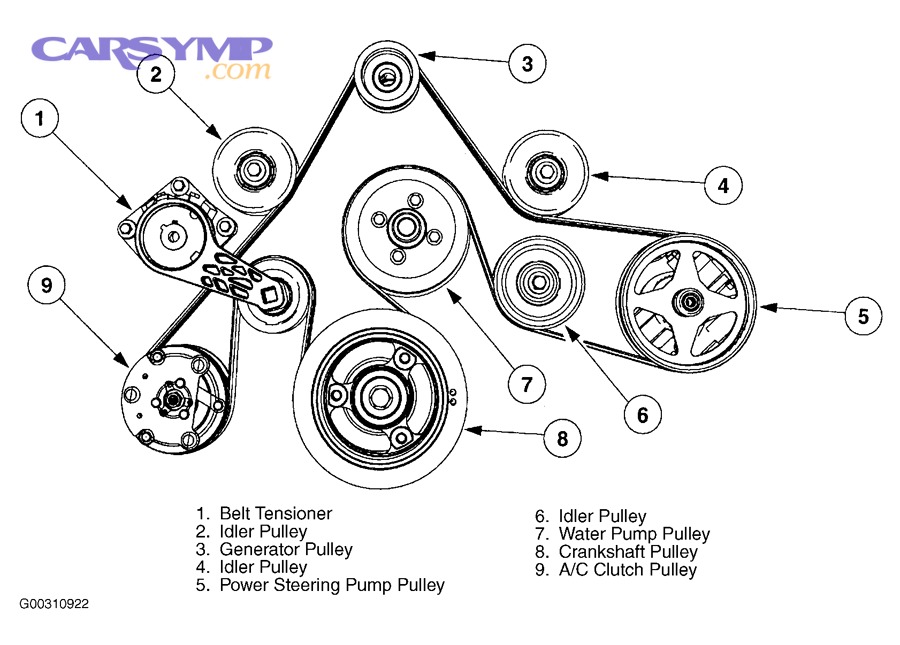
In a timing belt setup, the tensioner keeps the toothed belt tight enough to stay properly indexed on the sprockets. If the pulley starts to drag, the spring weakens, or the hydraulic unit loses pressure, the belt can rub, flutter, or run with unstable tension. That is when many drivers first hear a light whine or chirp before they feel any obvious performance problem.
In a timing chain setup, the sound pattern can be a little different because the chain is metal, the guides are fixed surfaces, and many tensioners rely on oil pressure. If the tensioner cannot hold the chain tightly against the guide path, the system may create noise at idle, during startup, or when oil pressure is delayed.
Is a whining noise a sign of a bad timing belt or chain tensioner?
Yes, a whining noise can be a sign of a bad timing belt or chain tensioner because tension loss changes part contact, worn pulleys or guides create friction, and unstable timing components often become louder as RPM or startup load changes.
More specifically, the noise becomes meaningful when it is tied to timing-area behavior instead of accessory-belt behavior. If the sound rises with engine speed, comes from the timing-cover side, appears with startup roughness, or arrives together with rattle, chirp, or hard starting, the chance of a timing-side problem increases.
That does not mean every whine proves the tensioner is bad. The same engine bay can also produce noise from a serpentine belt tensioner, idler pulley, alternator bearing, power steering pump, or a vacuum-related whistle. Still, the timing tensioner belongs high on the suspect list when the sound behaves like a timing-system problem and not a front-accessory slip problem.
What does a timing belt or chain tensioner whine sound like?
A timing belt or chain tensioner whine usually sounds like a steady, mechanical high-pitched noise that changes with RPM and may blend with chirping, squealing, or light rattling depending on the failure mode.
Specifically, a belt tensioner whine often has a smoother, pulley-like sound. It may start as a fine chirp at idle, then shift into a steady whine when the engine is revved. A chain tensioner issue often sounds harsher. It may begin with a brief cold-start rattle, then settle into a lighter mechanical whine or rustling tone as the engine stabilizes.
This sound distinction matters because a driver describing “a whining noise from engine at startup that turns into a faint mechanical hum” is giving a different clue than a driver describing “a loud squeal when I turn the wheel or switch on accessories.” The first leans timing-side. The second often leans accessory-side.
According to GMB, timing belt tensioner failure can show up as rattling, squeaking, squealing, or knocking from the timing cover area, while CarParts says a failing tensioner may create high-pitched whining or chirping due to belt-and-pulley rubbing.
What symptoms usually appear with tensioner whine?
There are 6 common symptom groups that often appear with tensioner whine: startup noise, RPM-related noise change, rough starting, sluggish acceleration, misfire behavior, and timing-related fault clues.
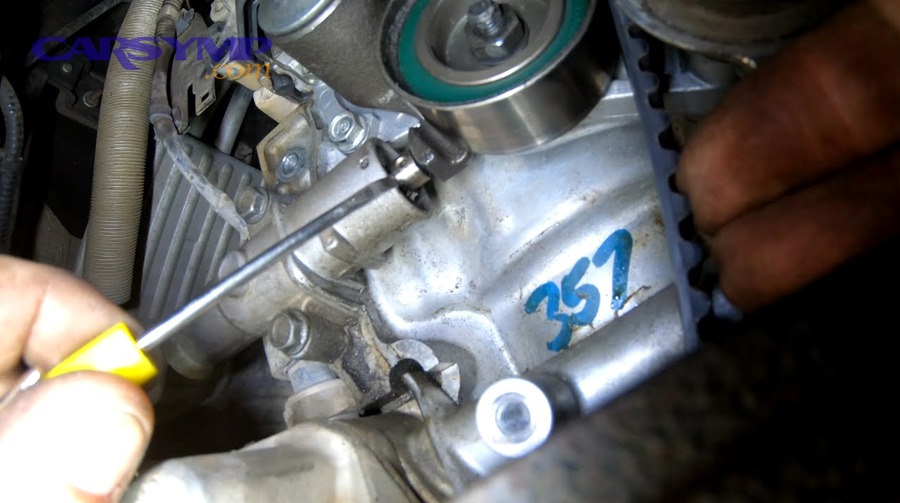
Next, connect the whine to the rest of the symptom pattern instead of isolating it. A tensioner problem rarely stays a noise-only issue forever. As timing control becomes less stable, the engine often begins to show additional signs that narrow the diagnosis.
A timing belt tensioner that cannot maintain correct pressure may let the belt move inconsistently under sudden throttle changes. GMB explains that when the tensioner cannot keep proper tension, the crankshaft and camshaft can momentarily fall out of perfect time, which can show up as sluggish acceleration, trouble starting, or rough running.
A timing chain tensioner problem may also create broader timing symptoms, but it often adds oil-related clues. Dayco associates chain wear with PCM code P0016 and idle rattle, and it links guide-and-tensioner wear with engine noise, poor oil pressure to the tensioners, and worn internal components.
What warning signs often appear alongside tensioner whine?
There are 7 main warning signs that often appear alongside tensioner whine: cold-start rattle, chirping, rough idle, hard starting, sluggish acceleration, misfire, and timing-correlation codes.
For example, the first warning sign is often startup behavior. A belt tensioner that relies on oil circulation may be noisiest right after startup, while a chain tensioner with delayed hydraulic response may rattle or whine briefly before oil pressure stabilizes. The second warning sign is RPM sensitivity. If the sound scales clearly with engine speed, the noise is usually tied to a rotating component and not a random body vibration.
The third warning sign is driveability. Hard starting, rough running, or a lazy response when you step on the throttle suggest the noise is connected to timing accuracy, not just an outer accessory pulley. The fourth warning sign is repeatability. If the sound returns under the same temperature and startup conditions, it usually reflects a system condition rather than a one-off event.
Can tensioner whine get worse with RPM, temperature, or cold starts?
Yes, tensioner whine can get worse with RPM, temperature, or cold starts because load, oil behavior, and component speed directly change how the belt or chain moves through the timing system.
However, the pattern matters. A belt-side problem often gets louder as RPM rises because pulley speed increases friction and belt-path instability. A chain-side problem often reveals itself on cold starts because hydraulic chain tensioners depend on oil pressure and oil condition. If pressure builds slowly or the tensioner bleeds down after sitting, the chain can move noisily before the system stabilizes.
This is why a driver may report that the noise is strongest in the first few seconds of the day but fades once the engine warms. That pattern does not prove a bad chain tensioner by itself, but it raises the suspicion meaningfully.
According to CarParts, oil-driven timing belt tensioner noise may be most prominent during startup when oil begins circulating, and Dayco lists poor oil pressure to the tensioners as a cause of timing-chain guide and tensioner noise.
How can you diagnose timing belt tensioner whine vs timing chain tensioner whine?
Timing belt tensioner whine is usually easier to connect to pulley friction, chirp, squeal, and belt-path instability, while timing chain tensioner whine is more often linked to startup rattle, oil-pressure delay, guide wear, and timing-correlation issues.
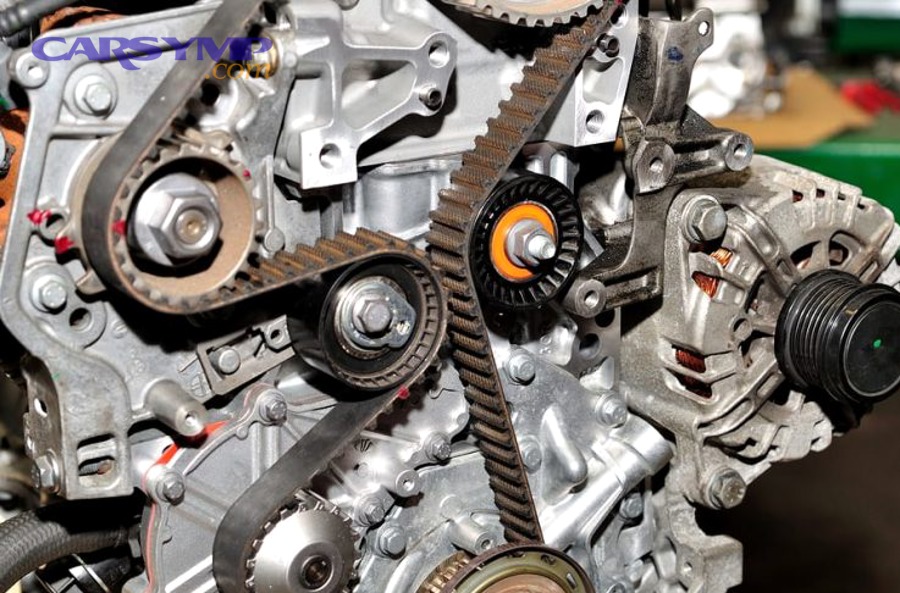
To better understand that distinction, diagnose by pattern, not by part name alone. Belt systems and chain systems serve the same timing function, but they fail through slightly different materials, loads, and control mechanisms. That changes the sound signature.
If the engine uses a timing belt, the first clues are often chirp, squeal, or a smoother whine from the covered timing side, especially if the belt tensioner pulley is no longer rotating freely or the hydraulic unit is losing force. If the engine uses a timing chain, the first clues are often cold-start rattle, idle noise, or a harsher mechanical sound that follows oil pressure or wear in the guides and chain path.
What is the difference between timing belt tensioner whine and timing chain tensioner whine?
Timing belt tensioner whine wins in smooth pulley-related noise patterns, timing chain tensioner whine is best identified by startup-rattle and oil-pressure clues, and accessory-belt noise is optimal to suspect when the sound reacts to external loads and exposed pulleys.
Specifically, timing belt tensioner noise tends to sound cleaner and more “belt-and-bearing” in character. It may be accompanied by squeak, chirp, or a smooth rising whine. Timing chain tensioner noise tends to sound more metallic, more startup-sensitive, and more likely to overlap with rattle.
The table below summarizes what the comparison contains.
| Noise pattern | More likely source | Why it happens |
|---|---|---|
| Smooth whine or chirp from timing side | Timing belt tensioner | Belt rub, pulley drag, weak tension control |
| Brief rattle on cold start, then quieter running | Timing chain tensioner | Hydraulic bleed-down, delayed oil pressure |
| Squeal when accessories load up | Serpentine belt or pulley system | Slip, misalignment, exposed accessory drive |
| Rough starting plus noise | Timing-side problem | Valve timing may be drifting |
| Burnt-rubber smell plus squeal | Serpentine belt system | Belt slip and heat |
The best use of this comparison is not to force certainty too early. It is to sort likely causes before you start replacing parts.
How do timing tensioner noises differ from serpentine belt, idler pulley, or alternator whine?
Timing tensioner noises differ because they are tied more closely to timing behavior, startup conditions, and internal engine synchronization, while accessory-drive noises usually react more obviously to exposed pulleys, misalignment, and external load changes.
Meanwhile, this is where Serpentine belt and pulley whine diagnosis becomes essential. Gates explains that misalignment creates chirping noise and belt stability problems, and that improper tension causes belt slip, glazing, and increasing noise. Tires Plus also notes that a bad serpentine belt often squeals as it slips on pulleys and may show glazing or a burnt-rubber smell.
That means accessory-drive noise often gives itself away through visible clues. You may see an exposed serpentine belt, shiny glazing, frayed edges, or a wobbling tensioner arm. Timing-side noise is harder because the parts are covered. You rely more on sound location, startup behavior, scan data, and related performance symptoms.
This is also where the Vacuum leak whistle vs mechanical whine comparison helps. A vacuum whistle usually sounds airy, hiss-like, and less tied to rotating speed. A mechanical whine usually sounds sharper, more tonal, and more clearly linked to RPM. If the sound follows engine speed like a rotating component and not intake load like a leak, mechanical causes move up the list.
According to Gates, even a few degrees of pulley misalignment can increase belt temperature by 30°F and reduce belt life by as much as 50 percent, while Tires Plus describes squealing, glazing, and burnt-rubber smell as classic serpentine-belt slip clues.
What should car owners check first when they suspect tensioner whine?
Car owners should use 5 first checks: confirm the engine uses a belt or chain, locate the sound by timing-side area, note cold-start behavior, watch RPM response, and look for driveability or fault-code clues.
Below, keep the process simple and safe. The goal is not to perform a full teardown in the driveway. The goal is to decide whether the whine belongs to the timing system, the accessory system, or something else.
Start with system identification. If your engine uses a timing chain, chain-tensioner logic matters more than belt-pulley logic. Next, listen during a cold start. If the noise is strongest in the first seconds and then fades, hydraulic timing-chain behavior becomes more relevant. Then rev the engine lightly. If the pitch tracks RPM precisely, you are likely hearing a rotating component rather than a body leak or random resonance.
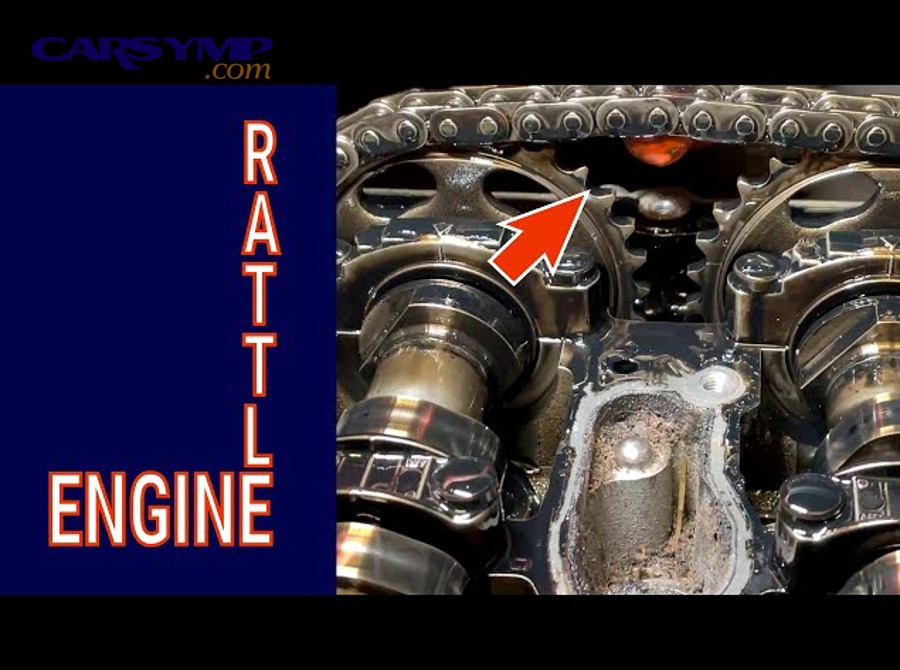
After that, watch for supporting symptoms. Hard starting, rough idle, sluggish acceleration, or timing-related fault codes strengthen the case for a timing-side issue. If the noise changes when A/C load, steering load, or electrical load changes, inspect accessory components first because those systems depend on the serpentine drive.
What inspection steps help confirm whether the whine comes from the timing area?
The most useful inspection method uses 5 steps: cold-start listening, side-of-engine localization, RPM response check, symptom pairing, and service-history review to narrow the source.
First, stand safely to the side during a cold start and note whether the sound is brief, constant, or rising. Second, determine whether the sound seems to come from the timing-cover side or the exposed accessory-belt side. Third, check whether the sound grows directly with RPM. Fourth, match the noise with symptoms like rough running or trouble starting. Fifth, review maintenance history for overdue timing-belt replacement, oil neglect, or earlier related repairs.
If the engine is chain-driven, oil history matters more than many owners expect. Sludge, neglected oil changes, wrong viscosity, or low oil pressure can worsen hydraulic-tensioner behavior. If the engine is belt-driven, interval history matters more because rubber age, heat, and mileage are major contributors to tensioner and belt failure.
When does tensioner whine mean the car should not keep being driven?
Yes, tensioner whine means the car should not keep being driven when the noise is rapidly worsening, paired with startup rattle, hard starting, misfire, poor performance, or timing-related codes, because the risk of skipped timing and engine damage rises sharply.
More importantly, the danger level jumps in interference engines and in any engine that already shows timing instability. A faint isolated noise may allow careful short-distance diagnosis. A loud mechanical whine plus rattle plus poor running is a different situation altogether.
CarParts warns that improper valve timing from a faulty timing belt tensioner can cause catastrophic engine failure in interference engines, and Dayco connects chain wear to code P0016 while tying chain guide and tensioner wear to engine noise and oil-pressure issues.
Why does a failing tensioner create whining noise in the first place?
A failing tensioner creates whining noise because it loses stable control over belt or chain movement, allowing friction, drag, misalignment, or unstable contact to generate a tonal mechanical sound.
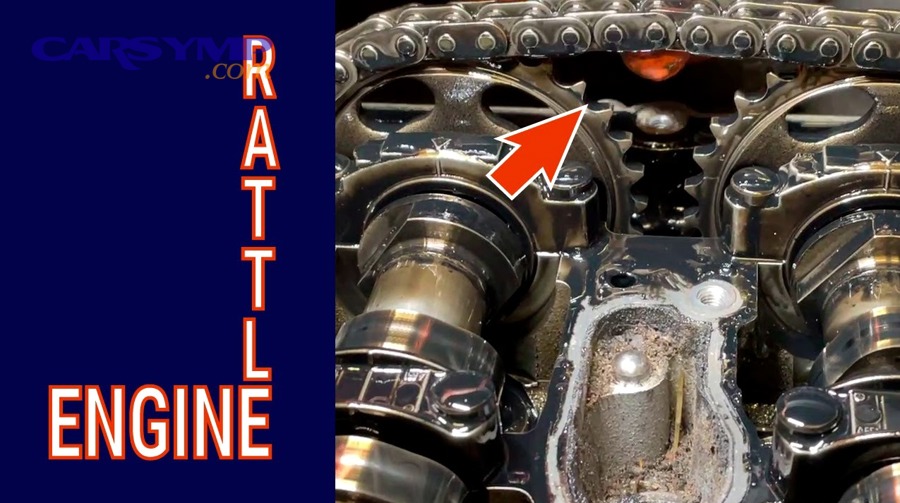
Specifically, noise is energy escaping from a system that is no longer moving cleanly. In a healthy system, the tensioner keeps the belt or chain loaded and guided so movement stays controlled. In a worn system, the rotating path becomes unstable. Bearings drag, belts glaze, chains move too freely, and guides or pulleys carry loads they were not meant to carry.
In a belt system, the most common physical causes are a weak spring, a worn pulley bearing, contamination, or hydraulic leakage in oil-assisted designs. In a chain system, the common causes are worn guides, poor oil pressure to the tensioner, wear in the chain path, and loss of consistent chain preload.
What mechanical problems cause tensioner-related whine?
The main mechanical causes are 5fold: weak tension force, worn pulley or guide surfaces, hydraulic leakage, poor lubrication, and misalignment or abnormal path contact.
For example, a weak timing-belt tensioner lets the belt move with less control, which can make the pulley and belt rub in a way that creates whine, chirp, or squeal. A worn tensioner pulley bearing can also turn smoothly at first and then begin to sing as load rises. In a chain system, the chain may run against guides with unstable force, creating a harsher mechanical noise that can overlap with rattle.
Accessory systems teach the same physics. Gates says belt noise commonly comes from misalignment and improper tension, and that insufficient tension leads to slip, glazing, and increasing noise. The difference is that timing systems often hide these failures behind covers, so the same physics produces a subtler diagnosis challenge.
Can poor oil condition or delayed oil pressure cause timing chain tensioner whine?
Yes, poor oil condition or delayed oil pressure can cause timing chain tensioner whine because many chain tensioners rely on hydraulic pressure to hold the chain firmly against its running path.
Especially during the first seconds after startup, a chain tensioner that has bled down or is not receiving pressure quickly can allow extra chain movement. That movement may create a short rattle, a light whine, or both. The driver often describes it as “only on the first start of the day,” which is a useful clue rather than a random detail.
According to Dayco, poor oil pressure to tensioners is a potential cause of timing-chain guide and tensioner wear noise, and poor oil maintenance or incorrect oil can contribute to timing-chain wear issues tied to correlation faults.
What less common factors can make timing tensioner whine harder to diagnose?
There are 4 less common diagnostic complications that often confuse owners: oil-viscosity effects, chain slap versus steady whine, overlap with VVT or guide problems, and overnight bleed-down patterns that change startup noise.
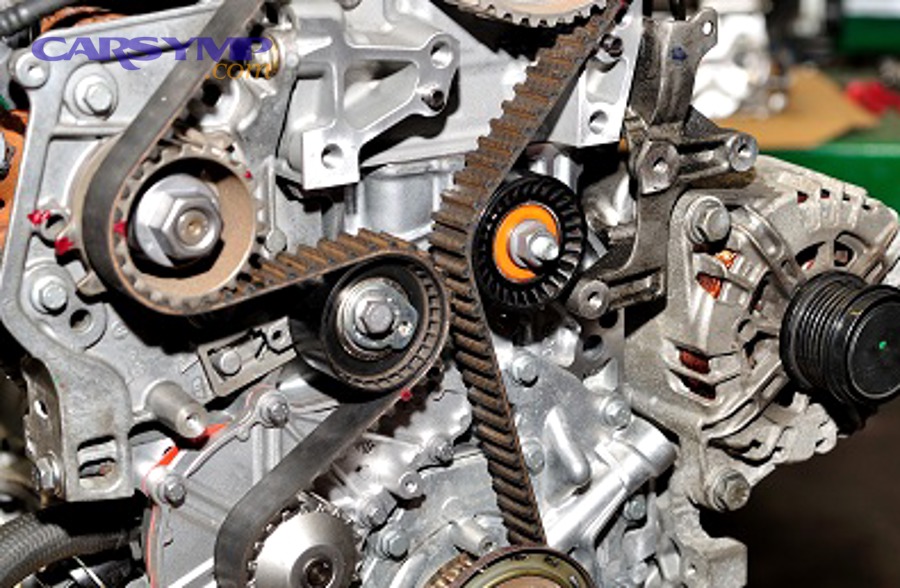
In addition, these edge cases matter because many drivers hear one symptom and search one term, but the real cause sits next to the suspected part rather than inside it. That does not make the sound imaginary; it means the sound belongs to a broader timing-system context.
Can oil viscosity or low oil pressure make a timing chain tensioner sound worse?
Yes, oil viscosity or low oil pressure can make a timing chain tensioner sound worse because the tensioner’s hydraulic response depends on how quickly oil reaches and supports it at startup and during operation.
A thicker-than-needed oil in cold weather may delay pressure rise, while a low oil level or pressure problem may keep the tensioner from achieving full force quickly enough. The result can be startup rattle, a brief mechanical whine, or a repeating cold-start-only noise pattern that gradually becomes more frequent.
What is the difference between chain slap, startup rattle, and continuous whine?
Chain slap is the loose-impact event, startup rattle is the short-duration version often tied to first-start oil behavior, and continuous whine is the steadier tonal sound usually linked to ongoing friction or unstable loaded movement.
However, the sounds can overlap. A chain system may rattle first, then settle into a lighter whine. A belt system may whine continuously without any obvious rattle. This is why recording the first 10 seconds of startup can be more useful than trying to describe the sound from memory.
Can a bad tensioner be mistaken for a VVT actuator or timing guide problem?
Yes, a bad tensioner can be mistaken for a VVT actuator or timing guide problem because these parts share the same timing area, influence timing behavior, and can create similar noises or fault patterns.
If the engine has variable valve timing, a VVT fault can also trigger correlation-type symptoms. Worn guides can create chain movement and noise that feels like a tensioner issue. In real diagnosis, the tensioner is often the most visible suspect, but not always the only failed part. That is why scan data, oil condition, and deeper inspection matter when symptoms escalate.
Why do some tensioner noises only happen after the car sits overnight?
Some tensioner noises happen after the car sits overnight because hydraulic preload can bleed down, oil drains away from the active pressure zone, and the timing path starts the next morning with less support than it had during the last shutdown.
That pattern is especially valuable because it distinguishes an overnight-rest condition from a fully hot and stabilized engine. If the sound shows up only after several hours parked, then disappears for the rest of the day, you are looking at a pressure-retention or cold-start control clue, not just generic wear noise.
According to Dayco, poor oil pressure to timing-chain tensioners is a cause of noise-related tensioner and guide issues, while CarParts notes that oil-driven timing-belt tensioner noise may be most noticeable during startup as oil begins circulating.
In sum, the safest way to read tensioner whine is to treat it as a symptom pattern, not a single sound. When the whine is tied to startup behavior, RPM change, rough running, timing-related codes, or clear timing-side localization, the odds of a belt or chain tensioner problem rise sharply. When the sound responds more to visible pulleys, accessory load, glazing, or burnt-rubber smell, accessory-drive diagnosis moves ahead. That simple structure keeps the article’s main search intent intact and gives car owners a practical path from suspicion to smarter inspection.