


A mild engine whine is sometimes safe for a very short trip to a repair shop, but a loud, worsening, or symptom-heavy whine is not safe to ignore because it can point to accessory-drive failure, loss of cooling, charging trouble, or steering assist problems. That is why the right answer is not simply yes or no. The safe answer depends on whether the sound is steady or worsening, whether warning lights appear, whether the temperature rises, and whether the car still steers and charges normally.
The next question drivers ask is what the noise usually means. In most cases, an engine whine comes from the belt-driven accessory system or a fluid-related pump rather than from deep internal engine damage. Common suspects include the serpentine belt, idler pulley, tensioner, alternator bearing, water pump, A/C compressor, and, in some vehicles, the power steering pump. The source matters because one type of whine may allow a cautious short drive, while another may quickly leave you stranded.
Drivers also need to know which warning signs turn a whine from “schedule service soon” into “stop now.” A red temperature warning, steam, burning smell, battery light, sudden loss of power steering assist, visible belt damage, or a whine that becomes loud with vibration can all move the issue into the unsafe category. Those signs do not just make the car noisy. They change the risk of breakdown and component damage.
Introduce a new idea: below, the article explains how to judge safety, what an engine whine really sounds like, which causes are most common, which symptoms make it dangerous, and how to decide between driving to a shop and calling for a tow. It also covers condition-based clues, including the whining noise from engine that appears only on cold starts, under acceleration, or after recent belt work.
Is It Safe to Drive With an Engine Whine?
Yes, a mild engine whine may be safe for a short drive only if the car shows no red flags, no overheating, and no loss of steering or charging performance. However, the safety question depends on more than the sound alone. Drivers need to match the noise with symptoms, warning lights, and how the vehicle behaves under load.
A light whine that appears briefly at startup and then fades can come from a worn belt, a slightly tired tensioner, or cold fluid behavior. That kind of noise still deserves inspection, but it does not always mean the vehicle will fail immediately. In contrast, a loud or fast-rising whine that gets worse with RPM, steering input, or heat can point to a pulley bearing, failing pump, or charging-system issue. Those problems can change quickly from annoying to disabling.
The safest way to think about engine-whine risk is to separate minor-sounding noise from noise with consequences. A sound becomes unsafe when it is paired with another sign that a key system is compromised. For example, a whine plus battery light may suggest the alternator or belt drive is failing. A whine plus temperature rise may suggest cooling-system trouble. A whine plus heavy steering can point to power steering pump or belt-slip issues. Once a system stops doing its job, the car is no longer just noisy. It is operationally at risk.
According to AAA, red dashboard lights are serious warning lights, and drivers should stop immediately rather than risk damage or a dangerous roadside failure. (magazine.northeast.aaa.com)
Can You Keep Driving With a Mild Engine Whine?
Yes, you can sometimes keep driving briefly with a mild engine whine if the sound is stable, the car drives normally, and there are no warning lights, leaks, smells, or temperature changes. That limited answer matters because many people hear a faint whine and assume the worst. In reality, a mild whine can come from early-stage wear in the accessory drive.
A cautious short drive is more reasonable when all of the following are true:
- The whine is faint rather than loud
- The sound does not suddenly worsen with RPM
- The temperature gauge stays normal
- No battery, steering, or temperature light appears
- Steering feel remains normal
- No burning smell, smoke, or coolant loss is present
- The belt area shows no obvious fraying or wobble
Even then, “safe” does not mean “ignore it.” A small idler-pulley bearing or tensioner issue can turn into a thrown belt. Once the serpentine belt fails on many vehicles, you may lose alternator charging and, depending on design, water-pump operation and steering assist. That is why mild whine often means “drive to inspection soon,” not “keep driving for weeks.”
A practical rule helps here. If the sound has been present for days or weeks but has not changed and the vehicle behaves normally, you may have enough margin to reach a nearby repair shop. If the sound appeared suddenly today, grew louder during one trip, or changed after rain, heat, or heavy load, caution should rise because sudden changes usually signal active wear or misalignment.
When Should Drivers Stop Driving Immediately Because of an Engine Whine?
Drivers should stop driving immediately when an engine whine comes with overheating, steam, a battery warning light, heavy steering, smoke, strong burning odor, severe vibration, or visible belt damage. More importantly, these companion symptoms show that the noise is no longer just informational. It is now a warning of potential loss of a critical vehicle function.
Pull over as soon as it is safe if you notice any of these:
- Temperature gauge moving into the hot zone
- Red engine-temperature warning
- Steam from under the hood
- Battery or charging-system warning light
- Sudden increase in steering effort
- Burning rubber or electrical smell
- Rhythmic wobble or clatter from the belt area
- Belt missing ribs, frayed edges, glazing, or partial separation
- Coolant leak or obvious puddling
- Rapid loss of cabin cooling with added accessory noise
AAA notes that overheating warning signs include steam or a burning smell from under the hood and a temperature gauge moving into the red or hot zone. (aaa.com)
This is also where the common search phrase whining noise from engine becomes useful as a diagnostic clue rather than just a symptom description. A light whine without consequences is one thing. A whining noise from engine combined with heat, charge failure, or steering loss means the vehicle may not complete even a short trip safely.
What Does an Engine Whine Usually Mean?
An engine whine is a high-pitched mechanical or fluid-related noise, usually linked to rotating accessories or pumps, that often rises with engine speed and stands out from normal engine hum. To better understand the safety risk, you need to distinguish a whine from other under-hood sounds because different sounds point to different failure patterns.
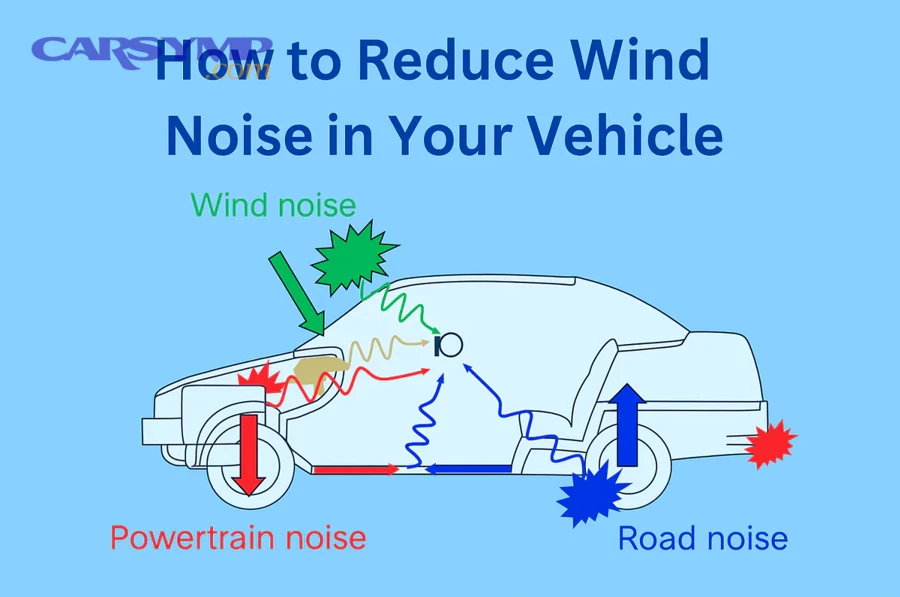
A true whine usually sounds smooth, sharp, and rising. It often follows RPM, meaning it gets higher or louder as the engine revs. That behavior is common with belt-driven parts, bearings, and pumps. By contrast, a squeal is usually sharper and more rubber-on-metal in character, often tied to belt slip. A hiss or whistle can suggest air movement, such as a vacuum leak. A grind or growl usually suggests more advanced bearing damage.
That distinction matters for drivers because the article title promises safety guidance, and safety depends on source. A small vacuum-related whistle may let the car keep moving even though it still needs repair. A pulley-bearing whine or water-pump whine may let you move only a short distance before the situation changes. A loud grinding alternator or tensioner can lock up and damage the belt path.
According to the Car Care Council, belts and hoses are part of the routine maintenance systems that require inspection because wear in these systems can lead to larger operational problems if left unaddressed. (carcare.org)
What Is an Engine Whine and How Does It Sound Different From Other Engine Noises?
An engine whine is a narrow, high-frequency sound produced by spinning components or pressured fluid flow, and it differs from knocks, ticks, squeals, and hisses by its smooth, rising tone. Specifically, the sound profile helps drivers narrow the likely source before they decide whether to continue driving.
Here is how the main noise types usually differ:
| Noise type | Typical sound character | Common source area | Usual safety meaning |
|---|---|---|---|
| Whine | Smooth, high-pitched, rises with RPM | Belt drive, alternator, pumps, bearings | May be safe briefly, depending on symptoms |
| Squeal | Sharp, shrill, rubber-slip sound | Belt slip, wet belt, tension issue | Often driveable briefly, but belt failure risk exists |
| Hiss/whistle | Airy, leak-like sound | Vacuum leak, intake leak | Often less urgent, but drivability may suffer |
| Tick | Repetitive tapping | Valve train, injectors, exhaust leak | Severity varies widely |
| Grind/growl | Rough, harsh, metallic | Advanced bearing damage | Higher risk, often unsafe to delay |
This table shows how sound character changes the likely diagnosis. The purpose is not to create a perfect remote diagnosis. It is to help drivers avoid confusing one sound with another and making the wrong safety decision.
The standout feature of a whine is that it often tracks engine speed closely. When you blip the throttle in park or neutral and the pitch rises evenly, the sound often comes from a rotating accessory or pump. When the sound changes only with steering input, the power steering system moves higher on the suspect list. When it changes with A/C use, the compressor and belt load become more relevant. These are the practical Whine that changes with RPM clues that help narrow the source before a tool ever touches the car.
Is Engine Whine the Same as a Belt Squeal, Vacuum Leak Whistle, or Bearing Noise?
No, engine whine is not the same as belt squeal, vacuum-leak whistle, or bearing growl because each sound has a different source pattern, operating trigger, and safety implication. However, the sounds can overlap enough that drivers often mislabel them.
A belt squeal is usually more abrupt and shrill than a whine. It often appears on cold starts, wet mornings, or when accessory load increases suddenly. A vacuum leak whistle sounds more airy and may not track RPM as strongly as a rotating mechanical whine. A worn bearing can begin as a whine and later become a growl, chirp, or grind as the internal surfaces deteriorate.
This is why remote diagnosis has limits. A driver may call every high-pitched under-hood sound a whine, yet a shop may later identify belt slip, a tensioner bearing, or an alternator bearing. The correct repair path changes with the exact sound source. So does the urgency.
One especially useful comparison is Power steering pump whine vs alternator whine. A power steering pump whine often changes most noticeably when you turn the wheel, especially at low speed or near full lock. Alternator whine, by contrast, is more likely to rise steadily with RPM and may come with dimming lights, battery warning, or charging issues. The sound may feel similar to the ear, but the operating trigger often separates them.
What Are the Most Common Causes of Engine Whine?
There are two main groups of engine-whine causes: accessory-drive components and fluid- or pump-related components, and they are classified by how the noise reacts to load, RPM, and operating condition. Next, those groups help drivers understand why one whine sounds harmless while another becomes urgent.
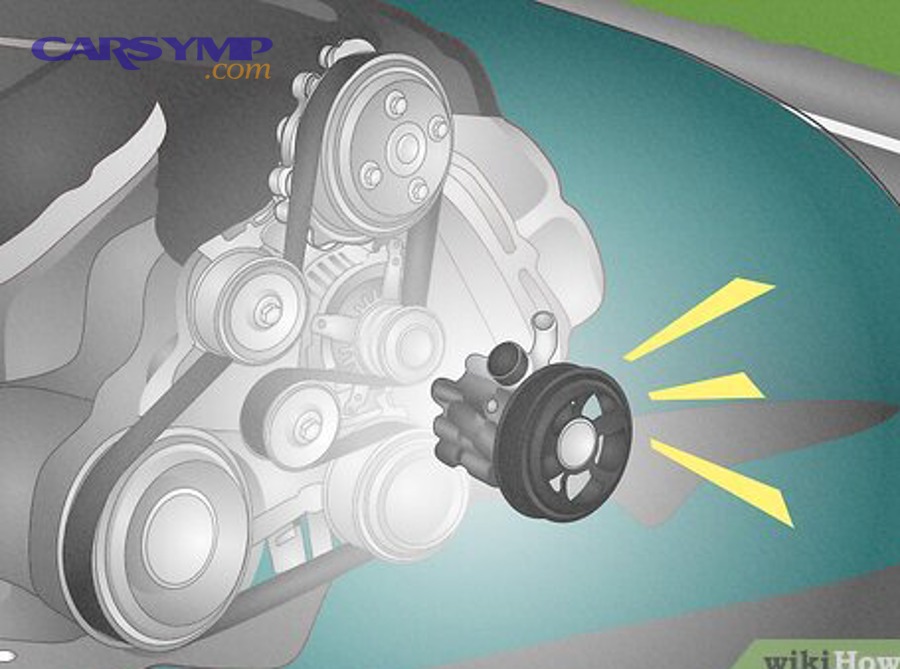
The most common causes are not mysterious. They usually come from parts that spin fast, carry side load through bearings, or rely on belt tension and proper alignment. That includes idler pulleys, tensioners, alternator bearings, water pumps, A/C compressor bearings, and the serpentine belt itself. In vehicles with hydraulic steering, pump-related whine is also common, especially when fluid is low or the pump is aging.
The reason these causes dominate is simple: rotating accessory parts work continuously while the engine runs. As bearings dry out, seals weaken, or alignment shifts, the noise often starts as a faint whine and progresses through chirp, rumble, or squeal. That progression is what makes early recognition useful for safety guidance. Drivers do not need a perfect diagnosis on day one. They need to recognize which sounds deserve urgent action.
Which Accessory Drive Parts Commonly Cause an Engine Whine?
There are six common accessory-drive suspects: the serpentine belt, belt tensioner, idler pulley, alternator, A/C compressor, and water pump, grouped by the rotating part that adds friction, drag, or misalignment. More specifically, these parts create whine because they spin at high speed and rely on good bearings, proper belt tracking, and stable load.
The serpentine belt itself may not create the classic bearing-style whine, but it can create a high-pitched noise when it slips or rides poorly on misaligned pulleys. A worn tensioner can allow belt flutter or uneven pressure. An idler pulley often begins with faint noise before turning rough or wobbly. Alternator bearings can whine in a way that rises cleanly with RPM. A/C compressors may whine more when the system engages. Water pumps can start with a modest rotational whine and later show coolant seepage or overheating.
The accessory-drive system deserves special attention because one failure can affect several systems at once. The U.S. Department of Energy notes that replacing the alternator with motor-generator systems changes how accessory loads are managed in advanced vehicle designs, which highlights how central the alternator normally is in conventional vehicles. (energy.gov) While not a repair guide, that context reinforces why alternator-related noise should not be dismissed as harmless.
A useful pattern is this: if the whine rises smoothly with RPM and does not change much with steering input, alternator, tensioner, idler pulley, or compressor bearings become more likely. If the sound is more reactive to wheel turning, hydraulic steering components move up the list. If the sound worsens as the engine warms and the temperature rises, cooling-related suspects deserve more caution.
Which Fluid or Pump Problems Can Make an Engine Whine?
There are three frequent fluid- or pump-related causes of engine whine: power steering fluid issues, power steering pump wear, and cooling or transmission-related pump/load problems, classified by how fluid pressure changes sound under load. For example, low power steering fluid often causes a familiar moan or whine during parking-lot maneuvers.
A hydraulic power steering pump is one of the classic sources of a pronounced whine. When fluid runs low, air can enter the system and cause aeration, which changes the noise character and steering feel. Drivers often notice the sound most while turning at low speed. This is the practical heart of Power steering pump whine vs alternator whine: steering input is the clue. If the sound appears or intensifies as the wheel turns, especially at idle, steering hydraulics are far more likely than the alternator.
Water-pump-related noise is different because the pump is tied to cooling. A bad water pump may begin with a bearing whine before it leaks or affects cooling efficiency. That is why a whine accompanied by coolant smell, seepage, or rising temperature should never be treated as a simple nuisance.
Some drivers also describe transmission-related noises as engine whine because they hear them from the front of the car during acceleration. Those cases can be misleading. If the sound changes more with gear load or vehicle speed than with stationary revving, the source may not be the engine accessory drive at all. That distinction matters because the article’s safety promise must remain honest: not every “engine whine” is actually coming from the engine.
Which Warning Signs Make an Engine Whine Dangerous?
There are five major danger signals: overheating signs, charging warnings, steering-assist loss, burning smell or smoke, and a sudden change in noise severity, grouped by the system that may fail next. More importantly, these warning signs shift the problem from “needs diagnosis” to “may leave the car undriveable or unsafe.”
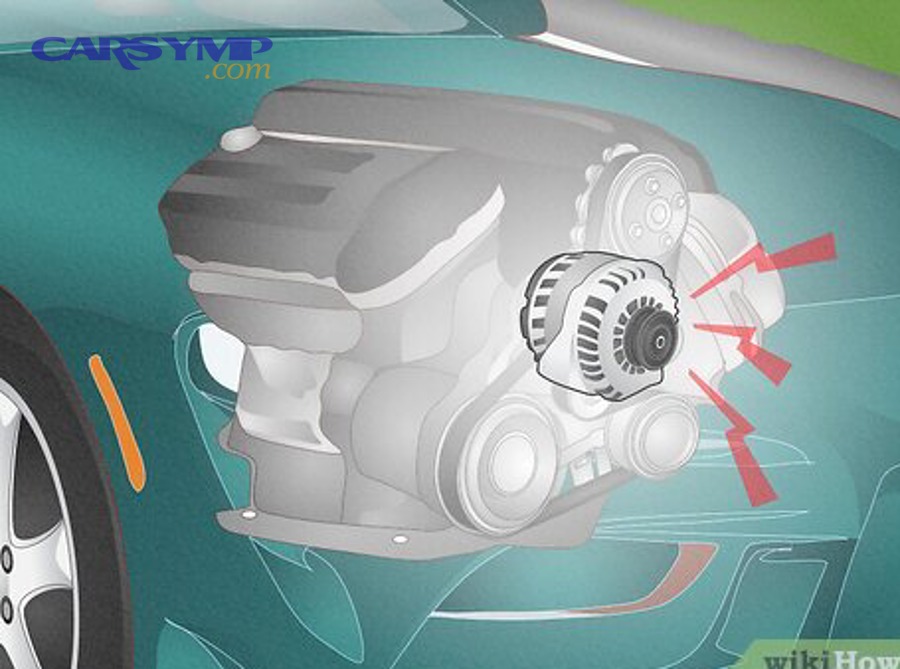
When a whine becomes dangerous, it almost always does so because the sound is joined by another symptom. The sound itself is the messenger. The system symptom is the real threat. A battery light means charging may be compromised. A hot gauge means cooling may be compromised. Heavy steering means hydraulic assist may be compromised. Those are not cosmetic problems.
This is why the opening safety answer in the article cannot be reduced to “yes” or “no.” Drivers need a symptom-based filter. If the car still runs quietly aside from the whine, the gauges stay normal, and no smells or vibrations appear, short-distance driving may remain possible. If the sound escalates under load and the car begins to show signs of system failure, the correct response shifts to stopping and arranging transport.
AAA advises drivers not to ignore key warning lights such as battery, power steering, transmission, and check-engine indicators, especially when they remain on while driving. (centralpenn.aaa.com)
What Symptoms Suggest the Whine Is a Serious Mechanical Problem?
A serious engine-whine problem usually shows at least three accompanying symptoms: performance change, warning indication, and a physical sign such as smell, heat, or leak. Specifically, that combination matters because a single symptom can be ambiguous, while a cluster points to active failure.
Watch for these symptom clusters:
- Heat cluster: rising temperature gauge, steam, sweet coolant smell, weak heater performance
- Charging cluster: battery light, dim lights, slow electrical response, new whining near the alternator area
- Steering cluster: heavier steering, noise during turns, fluid seepage, reservoir foaming
- Belt cluster: visible fraying, glazing, wobble, chirp changing to whine, burning rubber smell
- Bearing cluster: whine becoming grind, roughness, oscillation, vibration at idle
A serious mechanical problem also tends to show progression. The noise stops being steady and starts changing fast. It may get louder after a few minutes of driving, during rain, after A/C engagement, or whenever steering load increases. That progression is a stronger warning than a faint noise that remains unchanged over time.
According to AAA, signs of overheating include steam, a burning smell, and a gauge entering the red zone, all of which support the advice to stop rather than keep driving and hope the noise passes. (aaa.com)
Is a Whine That Changes With RPM More Serious Than a Whine at Idle?
A whine that changes with RPM is usually more useful diagnostically, while a whine only at idle may be less severe or more condition-specific; the more serious one is the whine that also adds symptoms or worsens quickly. However, RPM sensitivity gives valuable clues about source and urgency.
Here is the key distinction. An RPM-linked whine often points to a rotating accessory or bearing. That makes it easier to narrow the problem because the sound tracks engine speed directly. An idle-only whine may come from low-speed fluid behavior, a cold belt, or a pump that is most audible when the engine is quiet. Neither pattern is automatically safe or unsafe on its own.
The most useful approach is to read the sound together with its operating triggers:
- Rises smoothly with RPM: alternator, pulley, tensioner, compressor, or other spinning accessory
- Changes mostly when turning: hydraulic steering system
- Appears at idle but fades with revs: certain pump or belt conditions, especially cold
- Appears only under A/C load: compressor or belt-load issue
- Appears at startup then disappears: cold belt/tensioner/fluid condition, still worth inspection
- Appears at all times and keeps worsening: higher concern, especially with added symptoms
These are the practical Whine that changes with RPM clues that help a driver move from vague worry to a more informed decision. They do not replace inspection, but they do improve the safety judgment before the car is moved again.
How Can Drivers Judge Whether the Car Can Be Driven to a Shop or Should Be Towed?
Drivers can judge this by using three factors: system function, symptom severity, and distance to safety, and that method usually leads to the right choice between cautious driving, stopping for inspection, or calling for a tow. To better understand the decision, think in layers rather than in absolutes.
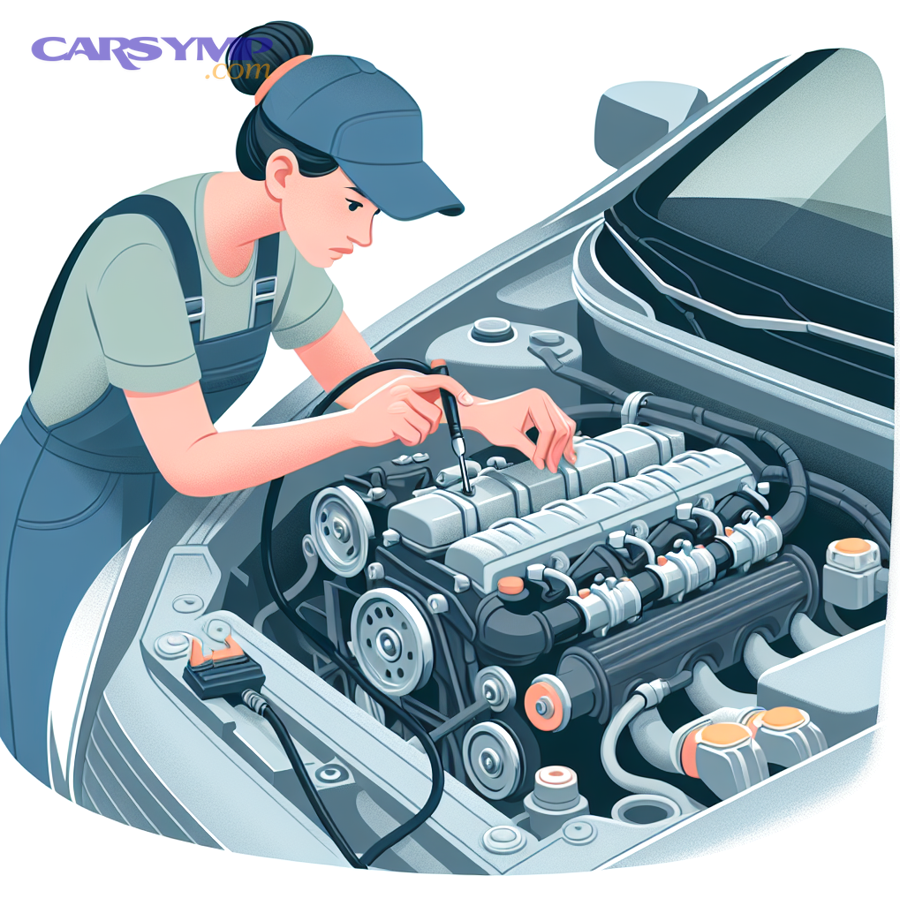
The first layer is function. Is the vehicle still cooling, charging, and steering normally? The second layer is severity. Is the whine faint and stable, or loud and worsening? The third layer is distance. Are you trying to move the car one mile to a nearby shop, or thirty miles at highway speed? A vehicle that might survive a one-mile local trip may not safely complete a longer drive in traffic or heat.
This is where many drivers make the wrong call. They judge only by whether the engine still runs. A better question is whether the systems around the engine are still reliable enough to complete the trip without escalating the problem. Belt-drive issues are especially risky in this respect because a single failure can change cooling and charging at the same time.
Should You Drive the Car to a Mechanic or Call for a Tow?
Driving to a mechanic wins when the noise is mild, the systems still function normally, and the shop is nearby; towing is best when warning lights, heat, steering loss, smoke, or rapid worsening appear. Meanwhile, that comparison gives drivers a practical threshold rather than vague caution.
Use this decision guide:
| Situation | Best action | Why |
|---|---|---|
| Faint stable whine, no lights, no smell, normal steering, normal temperature | Drive cautiously to a nearby shop | Risk appears limited but diagnosis is still needed |
| Whine rises with RPM but all systems remain normal | Short local trip only | Accessory wear may be present, but no failure signs yet |
| Noise changes suddenly, grows louder fast, or appears with vibration | Stop and reassess | Progression suggests active mechanical failure |
| Battery light or dim electrical behavior with whine | Tow or drive only a very short emergency distance | Alternator or belt failure may strand the vehicle |
| Hot gauge, steam, coolant smell, or overheating light | Tow | Cooling failure can cause major engine damage |
| Heavy steering with whine during turns | Tow or avoid driving | Steering-assist loss increases control risk |
This table summarizes the safest action based on the symptom pattern rather than the sound alone. The point is not to make the driver overly fearful. The point is to align the response with the likely risk of system failure.
AAA states that when a red warning light appears and the vehicle requires immediate professional attention, drivers should not continue to the shop and should instead arrange a tow. (magazine.northeast.aaa.com)
What Quick Checks Can Drivers Do Before Deciding to Keep Driving?
Drivers can do five quick checks—warning lights, temperature, steering feel, visible leaks, and belt condition—to reduce guesswork before deciding whether to keep driving. Next, these checks should stay simple and safe because a roadside inspection is not the place for invasive diagnosis.
Do these checks only if you can do them safely off the road:
- Look at the dashboard. Battery, temperature, steering, and check-engine lights change the decision immediately.
- Watch the temperature gauge. Any upward trend beyond normal should end the drive.
- Assess steering effort. If steering suddenly feels heavier, hydraulic assist may be failing.
- Check for smell or steam. Burning rubber, electrical odor, or steam under the hood raises urgency.
- Visually inspect the belt area with the engine off. Look for frayed edges, glazing, cracking, or obvious pulley misalignment.
Do not place hands near moving belts, and do not remove a hot cooling-system cap. The point of the quick check is to decide on the next safe action, not to repair the issue at the roadside.
A useful mindset is this: if the quick check reveals a second problem besides the sound, the case for towing becomes much stronger. If the quick check reveals no added symptoms, the case for a short, careful drive to a nearby shop becomes more reasonable. That is how practical safety guidance should work for real drivers.
How Does Engine Whine Change by Driving Condition or Recent Repair History?
Engine whine changes by operating condition, load, temperature, and recent repair history, and those patterns help explain why one noise happens only at startup while another appears during turns, acceleration, or after belt service. In addition, these condition-based clues expand the diagnosis beyond the main safety question and improve semantic coverage of the topic.
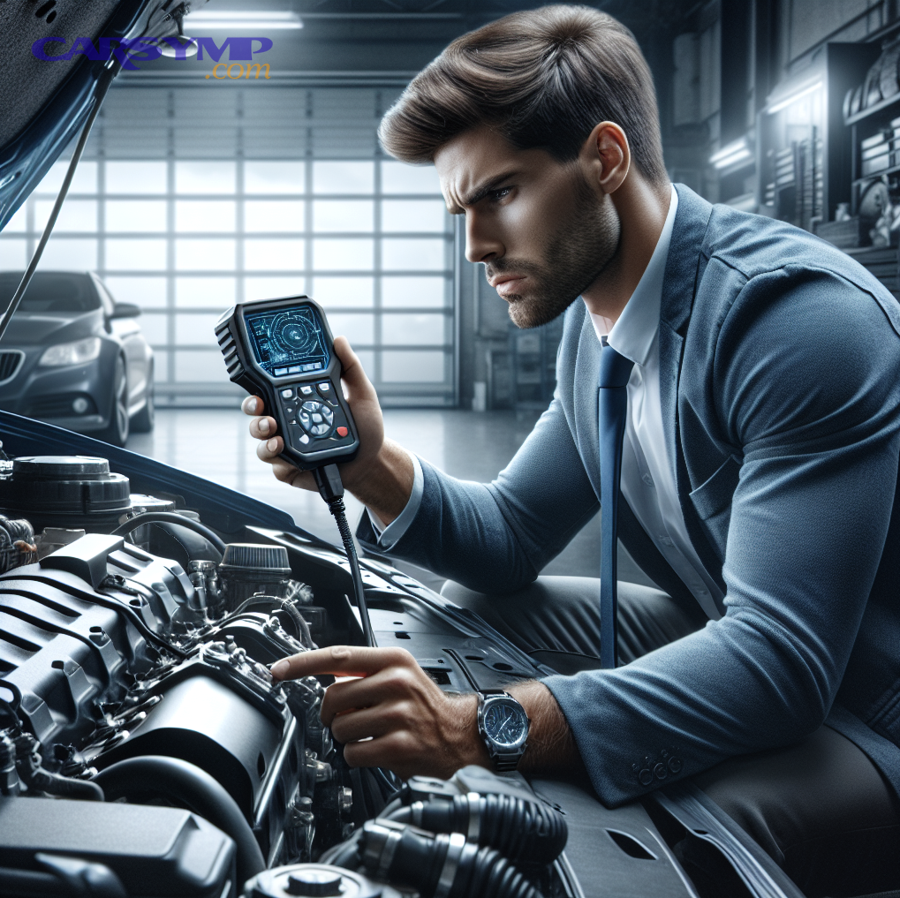
This section matters because many real-world cases do not fit the simple pattern of “car whines all the time.” Some vehicles whine only on cold mornings. Some whine only with the A/C on. Some begin whining right after belt or pulley replacement. Those details do not replace the main safety guidance, but they make the guidance more precise.
The central principle stays the same throughout the article: operating condition changes the likely source, while symptom severity changes the safety decision. A startup-only noise often suggests a different risk level than a hot-engine noise with overheating. A post-repair noise raises different questions than an old noise that has slowly progressed.
Why Does an Engine Whine Happen Only at Startup or When the Engine Is Cold?
A cold-start engine whine usually comes from belt stiffness, temporary tension issues, or cold fluid behavior, and it often sounds worse for the first seconds or minutes after startup. Specifically, lower temperatures make rubber less flexible and fluids thicker, which can change how quickly belts, pulleys, and pumps settle into normal operation.
That pattern is why some drivers hear a whining noise from engine only in the morning and then lose it once the vehicle warms. In many cases, the sound points to early wear rather than immediate failure. Even so, repeated cold-start whine should not be dismissed. A weak tensioner or aging belt often gives its first warning when temperatures are low and friction conditions are less forgiving.
Cold-only whine is generally less concerning than whine that appears hot, grows louder during one trip, or stays strong all day. However, if a cold-start noise is getting longer in duration, louder week by week, or beginning to show up when warm, the problem is progressing and the safety margin is shrinking.
Why Does the Whine Get Louder During Acceleration, Steering, or Air Conditioner Use?
A whine gets louder under these conditions because acceleration, steering, and A/C use add load to rotating accessories and pumps, which makes worn bearings, slipping belts, and pressured fluid systems noisier. More specifically, load reveals weakness.
During acceleration, the engine spins faster, so worn pulleys, alternators, and bearings often produce a stronger or higher-pitched sound. That is why many drivers first notice Whine that changes with RPM clues during a quick throttle input. During steering, hydraulic power steering systems can become the noisiest part of the front-end accessory group, especially when fluid is low or the pump is strained. During A/C engagement, the compressor adds drag, so a marginal belt or bearing may suddenly become audible.
This operating-pattern approach also sharpens the Power steering pump whine vs alternator whine comparison. If the sound responds mostly to steering input, the steering system deserves attention first. If it responds mainly to engine speed and electrical behavior, the alternator or belt drive becomes more plausible.
Is a New Engine Whine After a Belt or Pulley Repair Normal?
A new engine whine after repair is not automatically normal; it may reflect new-belt break-in, but it can also indicate misalignment, incorrect tension, a defective replacement part, or an unresolved source that was not replaced. However, timing matters. A brief change in sound right after service may settle, while a persistent or worsening whine suggests the repair outcome needs review.
Post-repair whine raises several possibilities. A new belt may ride differently on worn pulleys. A replacement pulley or tensioner may be defective. The technician may have solved one noise while another nearby component remained worn. In some cases, the new part is fine but the belt path is slightly misaligned, creating a fresh high-pitched sound.
Drivers should pay close attention to pattern changes after repair. If the old noise changed character, location, or trigger, that information helps the shop recheck the work. A new whine that appears immediately after service and stays consistent should be reported rather than ignored. “Recently repaired” does not guarantee “recently fixed.”
What If the Engine Whines but There Are No Warning Lights or Other Symptoms?
If the engine whines with no warning lights or other symptoms, the problem may still be minor or early-stage, but it is not automatically safe to postpone indefinitely because many accessory failures begin quietly before adding visible symptoms. In short, the absence of warning lights lowers urgency, but it does not eliminate the need for inspection.
This situation is common. The vehicle starts, runs, steers, and charges normally, yet a faint whine appears during acceleration or idle. In those cases, the noise may be the earliest clue of pulley, bearing, or belt wear. The smart response is to monitor pattern and schedule diagnosis soon rather than wait for the second symptom.
The best signs in a no-warning-light scenario are stability and predictability. If the sound stays faint, behaves the same every day, and never adds heat, smell, steering change, or electrical symptoms, a short drive to a local shop is usually more defensible than emergency towing. Still, once the sound grows or adds a second symptom, the safety answer changes quickly.
Thus, the most useful takeaway from the whole article is simple: an engine whine is sometimes safe to drive with briefly, but only when it remains mild and isolated. Once the sound combines with heat, charge trouble, steering change, smoke, visible belt damage, or rapid worsening, the safer answer is to stop driving and arrange professional inspection or a tow.