


Diagnosing engine whining noise causes starts with one practical rule: match the sound to the moment it appears, the system it follows, and the warning signs that come with it. A whining sound that rises with RPM, changes while steering, or becomes louder under load usually points to rotating components, fluid-related systems, or drivetrain parts rather than a random engine problem. To begin, the fastest path is not guessing parts but following a checklist that narrows the source by sound pattern, operating condition, and urgency.
That is why the first part of this guide explains what an engine whine usually means before moving into the first checks car owners should make. Specifically, readers need to know whether the sound is linked to idle, startup, acceleration, turning, or temperature because each pattern changes the most likely diagnosis.
The next layer of diagnosis compares common causes that often sound similar. More specifically, belt and pulley noise, power steering pump noise, alternator bearing noise, transmission whine, differential whine, and intake-related whistle can overlap to the untrained ear, but they behave differently when you raise RPM, steer, or increase vehicle speed.
The final part focuses on risk, misdiagnosis, and edge cases. Introduce a new idea: some sounds are abnormal and need quick attention, while others can be confused with normal turbo sound, a vacuum whistle, or even a recent repair issue such as a misaligned belt or weak tensioner. This is where a clear checklist becomes useful rather than just interesting.
What does an engine whining noise usually mean?
An engine whining noise is usually a high-pitched rotating or fluid-related sound that changes with RPM, steering load, or temperature and often points to belts, pulleys, pumps, bearings, or drivetrain components rather than combustion itself.
To better understand the issue, the sound has to be classified before any part is blamed. A whine is not the same as a knock, tick, grind, or exhaust rumble. It usually has a smooth, rising pitch, and that pitch often follows engine speed or steering effort. When readers describe the whining noise from engine accurately, they reduce wasted time, misdiagnosis, and unnecessary part replacement.
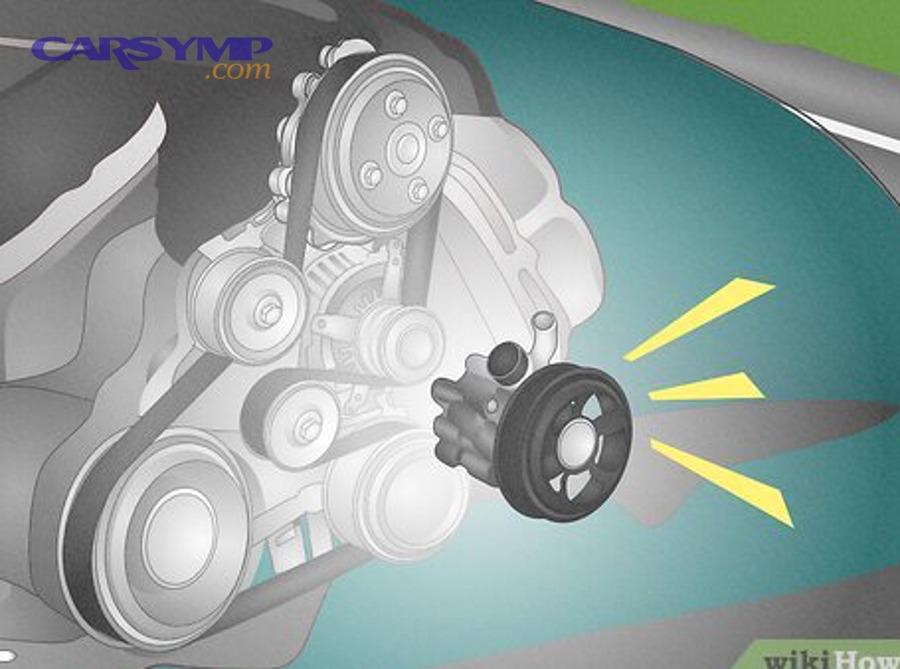
A useful working definition is this: a whine is a continuous, narrow-band sound created by a rotating part, loaded pump, moving fluid, or air leak. In practical terms, that means the source is often something that spins, builds pressure, or moves air through a restricted path. Accessory drive systems, steering hydraulics, alternators, superchargers, transmissions, and differentials fit that pattern better than spark plugs or injectors.
Is an engine whining noise always a sign of a problem?
No, an engine whining noise is not always a sign of a problem because some vehicles produce normal operating sounds, some boosted engines create expected induction noise, and some temporary noises appear only in specific conditions without signaling failure.
However, the heading matters because “not always a problem” does not mean “ignore it.” A normal sound tends to be stable, repeatable, and unchanged over time. An abnormal sound tends to grow louder, change suddenly, appear with warning lights, or arrive with other symptoms such as hard steering, fluid loss, slipping, overheating, charging issues, or vibration.
For example, a turbocharged engine may produce a light whistle or controlled boost sound under acceleration. A supercharged engine may also create a characteristic whine by design. By contrast, an abnormal mechanical whine often becomes harsher, follows a failing bearing, or appears with a change in belt tracking, steering feel, or drivability. Toyota owner information also notes that some vehicle noises after shutdown can be normal and not a malfunction, which reinforces the broader rule that sound alone must be interpreted in context. ([assets.sia.toyota.com](https://assets.sia.toyota.com/publications/en/om-s/OM18155U/pdf/OM18155U.pdf?))
How can you describe an engine whining noise accurately?
You can describe an engine whining noise accurately by noting four factors: pitch, timing, operating condition, and location.
More specifically, start with pitch. Ask whether the sound is faint, sharp, or siren-like. Then define timing: does it happen at startup, idle, acceleration, deceleration, turning, or only when cold? After that, note operating condition: does it rise with engine RPM, with road speed, or with steering input? Finally, estimate the location: front of engine, upper engine bay, belt side, firewall area, under vehicle, or one corner of the car.
This method matters because an RPM-linked whine usually points toward the accessory drive or engine-related systems, while a road-speed-linked whine pushes the diagnosis toward transmission, differential, wheel bearings, or tires. A steering-linked whine shifts suspicion toward the power steering pump or low steering fluid on hydraulic systems. The quality of the description changes the quality of the diagnosis.
A simple description a mechanic can use is: “High-pitched whine from the front of the engine, louder on cold start, rises with RPM, no change with steering.” That statement is already far more useful than “the car makes a weird noise.”
What should car owners check first when diagnosing engine whining noise causes?
Car owners should check five things first when diagnosing engine whining noise causes: when the sound happens, whether it follows RPM or road speed, fluid levels and leaks, belt and pulley condition, and whether steering input changes the sound.
To better understand the issue, those first checks should happen in order because the sequence removes the most common false assumptions. Many drivers jump straight to “bad engine” when the real problem is a belt, tensioner, low steering fluid, or an alternator bearing. A checklist keeps the process practical and safe.
Before diving into the steps below, it helps to see what the checklist is meant to do. The table below organizes the earliest checks by symptom pattern so readers can narrow the source without skipping basic clues.
| First check | What to observe | What it often suggests |
|---|---|---|
| Cold start | Sound appears only for seconds or minutes after startup | Belt slip, weak tensioner, cold fluid strain |
| Idle vs throttle blip | Sound follows engine RPM | Accessory drive, alternator, pump, intake leak |
| Turning the steering wheel | Sound changes during steering input | Power steering pump, low fluid, steering restriction |
| Vehicle speed increase | Sound grows with road speed, not RPM | Transmission, differential, wheel bearing, tire |
| Visual inspection | Cracks, glazing, wobble, leaks | Belt, pulley, hose, pump, bearing issues |
What is the first-step checklist for diagnosing engine whining noise causes?
The first-step checklist for diagnosing engine whining noise causes has six main checks: define the condition, confirm the pattern, inspect fluids, inspect the belt drive, test steering effect, and separate engine-speed noise from vehicle-speed noise.
Let’s explore the checklist in the same order a careful car owner should use it.
First, identify the exact condition. Write down whether the sound happens on startup, at idle, while accelerating, only when cold, only when turning, or only above certain speeds. This is the backbone of diagnosis because the same “whine” means different things in different contexts.
Second, confirm whether the sound follows engine RPM or vehicle speed. Briefly revving the engine in park can reveal an accessory or engine-bay source if the pitch rises immediately with RPM. If the noise appears mainly while the vehicle is moving and stays tied to road speed, look farther downstream at the transmission, differential, wheel bearings, or tires.
Third, inspect visible fluid-related clues. Check power steering fluid where applicable, engine oil level, coolant level, and signs of leaks around hoses, the front accessory area, and under the vehicle. Low fluid does not create every whine, but hydraulic or lubricated systems often grow noisier when fluid level or fluid condition drops. NHTSA service and recall documents repeatedly reference power-steering fluid leaks, low fluid conditions, and loss of assist as real-world safety issues, which is why fluid inspection belongs near the top of the checklist. ([static.nhtsa.gov](https://static.nhtsa.gov/odi/rcl/2014/RCRIT-14V339-7876.pdf?))
Fourth, inspect the serpentine belt and pulley path. Look for glazing, cracks, fraying, contamination, edge wear, wobble, and a belt that walks off-center. A weak tensioner or rough idler bearing can produce a clean whining sound before it turns into chirping, rattling, or failure.
Fifth, test steering effect if the vehicle uses hydraulic power steering. With the vehicle safely stationary, listen for a whine increase when the wheel is turned slightly left or right. A change during steering often points to pump load, low fluid, aeration, or a restriction.
Sixth, note any warning lights or companion symptoms. A battery light can support an alternator or belt-drive issue. Hard steering supports a hydraulic steering problem. Overheating supports a water pump or coolant issue. Burning smell or smoke raises urgency immediately.
Should you diagnose the noise at idle, while revving, or while driving?
Yes, you should diagnose the noise at idle, while revving, and while driving because each condition reveals a different load pattern, helps separate RPM-linked from road-speed-linked causes, and prevents misidentifying engine-bay noise as drivetrain noise.
However, each test has a different purpose. At idle, you can hear the baseline sound with the least background noise. While lightly revving in park, you can learn whether the pitch rises directly with engine speed. While driving, you can test whether acceleration, deceleration, steering input, and vehicle speed change the sound.
The most important distinction is this: revving in park does not load the drivetrain the way driving does. So a transmission or differential whine may not appear in the driveway the same way it does on the road. Meanwhile, an accessory bearing or tensioner often reveals itself quickly even when the vehicle is stationary because the part is still spinning with the engine.
For safety, the diagnostic rule is simple: observe, do not improvise. Do not place hands, clothing, or tools near moving belts with the engine running. Do not crawl under a vehicle supported only by a jack. A checklist helps only when basic safety comes first.
Which common parts can cause an engine whining noise?
There are two main groups of parts that commonly cause an engine whining noise: accessory-drive components and fluid-driven or drivetrain components, classified by whether the sound comes from engine-bay rotation or pressure-loaded systems.
To better understand the issue, this grouping prevents a common mistake: assuming every whining noise from engine comes from internal engine damage. In reality, many whines come from the outside of the engine or from systems connected to it.
What accessory drive components can create a whining noise?
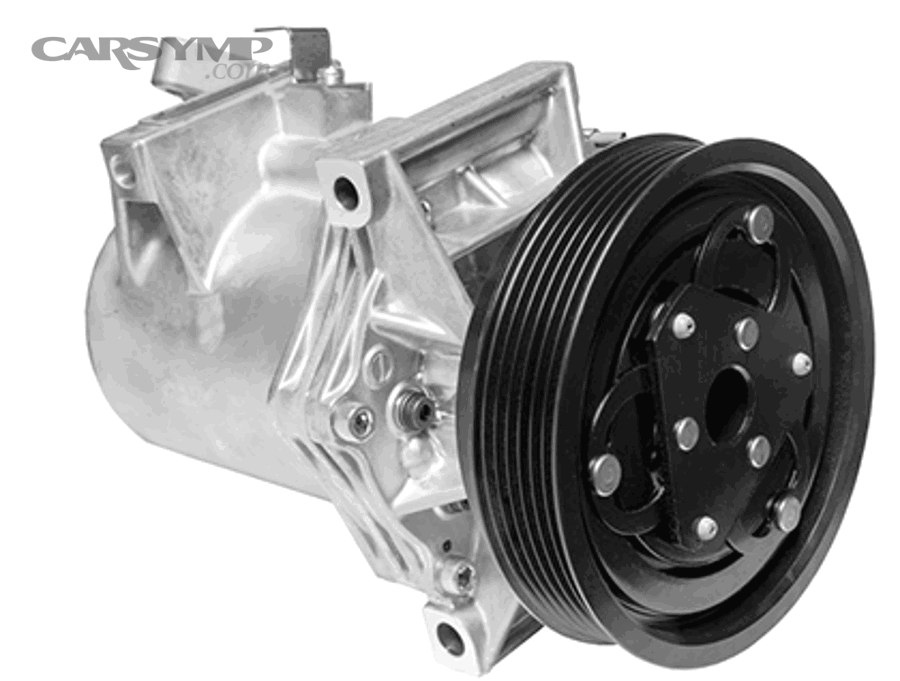
There are six common accessory-drive components that can create a whining noise: the serpentine belt, belt tensioner, idler pulley, alternator, water pump, and air-conditioning compressor.
Specifically, the serpentine belt can create a high-pitched sound when it slips, runs misaligned, hardens with age, or becomes contaminated by oil or coolant. The belt tensioner can add whine when its spring weakens or its pulley bearing wears. Idler pulleys often produce a clean, concentrated rotating whine before they seize or wobble. The alternator can create a bearing-related whine that rises sharply with RPM and may eventually pair with charging problems. Water pumps and AC compressors can do the same when their bearings or internal components wear.
This is also where Timing belt/chain tensioner whine symptoms deserve attention. On engines with timing-belt-driven components or timing-chain systems, a worn tensioner, guide, or driven accessory can create a whining or zipping sound that changes with engine speed. Timing-related noises are especially important because they can signal a problem deeper than a simple external pulley. They may start as a faint front-engine whine and then become more obvious during cold starts or quick RPM changes.
Acoustic research on bearing fault diagnosis consistently shows that rotating-element defects produce identifiable sound and vibration patterns as speed changes, which supports the basic diagnostic logic behind listening for RPM-linked whine in pulleys and bearings. ([pmc.ncbi.nlm.nih.gov](https://pmc.ncbi.nlm.nih.gov/articles/PMC11609330/?))
What fluid-driven or drivetrain components can create a whining noise?
There are four major fluid-driven or drivetrain-related sources of whining noise: the power steering pump, transmission, differential, and sometimes intake or vacuum-related airflow faults that imitate mechanical whine.
More specifically, a power steering pump whines when fluid is low, aerated, contaminated, or restricted. The sound often gets louder during steering input because pump load rises. A transmission whine can appear during acceleration, under gear load, or at certain speeds, especially when fluid condition is poor or internal bearings begin to wear. A differential whine is usually more road-speed-dependent than engine-speed-dependent and often changes between acceleration and deceleration.
This is also where drivers confuse airflow noise with hardware failure. A leak in an intake hose, a split vacuum line, or a boost leak can create a whistle that resembles a mechanical whine. That is why a Vacuum leak whistle vs mechanical whine comparison matters: airflow noise usually sounds sharper and more hiss-like, while bearing or pulley whine usually sounds more rotational and follows engine speed with a smoother pitch rise.
NHTSA safety documents also reinforce that fluid leaks in steering systems are not trivial. Loss of hydraulic assist can increase steering effort and raise crash risk, which means a steering-related whine combined with fluid loss should never be brushed off as “just noise.” ([static.nhtsa.gov](https://static.nhtsa.gov/odi/rcl/2014/RCRIT-14V339-7876.pdf?))
How does the whining noise change under different driving conditions?
The whining noise changes meaningfully under different driving conditions because startup, idle, acceleration, steering load, temperature, and vehicle speed each change which component is under stress and therefore which cause becomes most likely.

Next, the key is not merely hearing the noise but matching it to the condition that triggers it. The same engine can sound quiet at idle, noisy when cold, louder under throttle, and unchanged at cruise. Those differences are clues, not random behavior.
Why does the engine make a whining noise when accelerating?
An engine makes a whining noise when accelerating because RPM rises, accessory speed increases, drivetrain load increases, or boosted intake pressure changes, exposing faults that are less obvious at idle.
To illustrate, a belt-drive bearing or alternator bearing often gets louder as engine speed climbs. A transmission or differential may also whine more under load than during steady cruise. A turbocharged engine can create a normal boost-related sound under acceleration, but the sound should be consistent and appropriate to the vehicle. If the sound becomes suddenly louder, rougher, or is paired with power loss, smoke, or a check-engine light, the diagnosis changes.
This is the right place to address Turbo whine normal vs problem signs. A light, repeatable spool sound on a turbo vehicle can be normal. A problem is more likely when the whine becomes abnormally loud, appears with reduced boost, hesitation, smoke, or a new whistle from a leaking charge pipe or hose. In other words, “turbo sound present” is not enough; the pattern and companion symptoms decide whether it is normal or a fault.
Why does the whining noise get worse when turning or at low speed?
A whining noise gets worse when turning or at low speed mainly because steering load increases, which stresses the hydraulic power steering pump and exposes low-fluid or restricted-flow problems.
More specifically, a hydraulic pump has to work harder when the steering system is under greater demand. If fluid is low, aerated, or leaking, the pump often produces a groan or whine that becomes obvious during parking maneuvers or low-speed turns. At higher speeds, the sound can be masked by road noise, which is why many drivers only notice it in driveways or parking lots.
That condition matters because it adds a decisive clue to the checklist: if the sound changes with steering input, the diagnosis should shift away from generic “engine noise” and toward the steering system first. NHTSA recall and service materials document cases where steering-fluid leaks or hose problems led to loss of assist, which is why a steering-linked whine deserves quick inspection rather than casual monitoring. ([static.nhtsa.gov](https://static.nhtsa.gov/odi/rcl/2014/RCRIT-14V339-7876.pdf?))
How can you compare engine whining noise causes to narrow down the source?
You can compare engine whining noise causes by using three criteria—what the sound follows, where it comes from, and which companion symptoms appear—and that comparison is the fastest way to narrow the source without replacing parts blindly.
To better understand the issue, comparison works because many noises share the same adjective but not the same behavior. “Whining” is only the starting label. The useful diagnosis begins when you compare one whine pattern against another.
Is belt or pulley whine different from power steering pump whine?
Yes, belt or pulley whine is different from power steering pump whine because belt and pulley noise usually follows engine RPM directly, while steering pump noise changes more clearly with steering input and hydraulic load.
However, the distinction becomes easier when you listen for trigger behavior. Belt or pulley whine often appears at startup, during throttle blips, or as a steady RPM-linked sound from the front of the engine. It may come with belt dust, wobble, visible edge wear, or a tensioner arm that shakes. Power steering pump whine often intensifies while turning the wheel, especially at low speed or near steering lock, and may come with low-fluid signs or harder-than-normal steering effort.
This is also where the Vacuum leak whistle vs mechanical whine comparison helps again. A vacuum or intake whistle tends to sound thinner and more air-like, while a pulley or pump whine sounds more rotational and metallic-smooth. One follows airflow and pressure loss; the other follows spinning load and bearing condition.
Is engine whining noise different from transmission or differential whine?
Yes, engine whining noise is different from transmission or differential whine because engine-related whine usually follows RPM, while transmission and differential whine usually track vehicle speed, load state, or gear condition more strongly.
Meanwhile, the most useful comparison is this: if the vehicle is stationary and a throttle blip makes the sound rise immediately, the source is more likely in the engine bay. If the sound mainly appears on the road and changes with vehicle speed even when engine RPM is similar, the source is more likely farther down the drivetrain.
Transmission whine may show up during acceleration, in certain gears, or under load. Differential whine may become more obvious at cruise, on deceleration, or at particular speeds. This distinction protects the reader from replacing an alternator, belt, or pump when the real issue is behind the engine rather than in front of it.
When is an engine whining noise serious enough to stop driving?
An engine whining noise is serious enough to stop driving when it appears with warning lights, fluid leaks, hard steering, overheating, smoke, severe vibration, or a sudden increase in volume because those signs point to active failure rather than a minor stable noise.
More importantly, this is where diagnosis becomes a safety decision. Some noises can be scheduled for inspection soon. Others should change your plan immediately because continuing to drive can increase repair cost or create a safety hazard.
Can you keep driving with an engine whining noise?
Yes, you can sometimes keep driving with an engine whining noise for a short distance if the noise is mild and stable, but not if it comes with warning lights, hard steering, overheating, or visible leaks.
Specifically, a faint, unchanged whine with no other symptoms may allow careful short-term driving to a repair location. That does not make it harmless; it means the risk appears limited in that moment. By contrast, a strong or worsening whine paired with a battery warning light may suggest an alternator or belt-drive problem. A steering-related whine paired with stiff steering may suggest low fluid or loss of hydraulic assist. A new whine paired with overheating may suggest cooling-system or water-pump involvement.
The capability-based takeaway is simple: the more systems the noise affects, the less you should drive. NHTSA materials show that steering-fluid leaks and loss of assist can directly affect vehicle control, so a steering whine plus steering change is not a wait-and-see condition. ([static.nhtsa.gov](https://static.nhtsa.gov/odi/rcl/2014/RCRIT-14V339-7876.pdf?))
What symptoms mean the whining noise needs immediate professional inspection?
There are at least seven symptoms that mean the whining noise needs immediate professional inspection: fluid leaks, hard steering, overheating, charging warnings, burning smell, smoke, and sudden noise escalation.
Besides those major red flags, watch for belt wobble, visible pulley runout, slipping transmission behavior, jerking, metallic debris, or any change in braking feel on vehicles that depend on hydraulic assist interactions. These symptoms matter because they show the sound is no longer just an isolated acoustic clue; it is now attached to performance loss, heat, friction, or pressure loss.
A practical rule for car owners is this: if the sound grows worse during one trip, treat that as a meaningful change. Stable noises deserve diagnosis. Escalating noises deserve action.
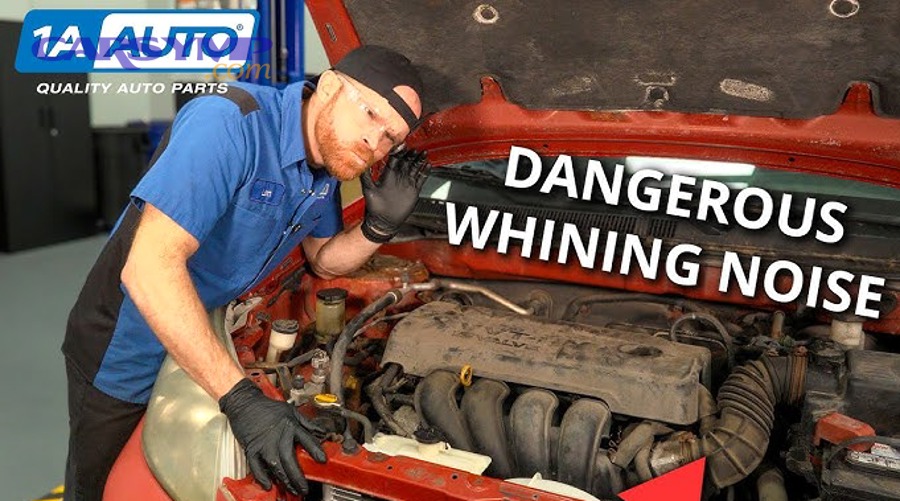
What related whining noises can be confused with engine problems?
There are four related whining noises commonly confused with engine problems: turbo whistle, supercharger whine, post-repair belt noise, and road-speed noise from wheel bearings or tires.
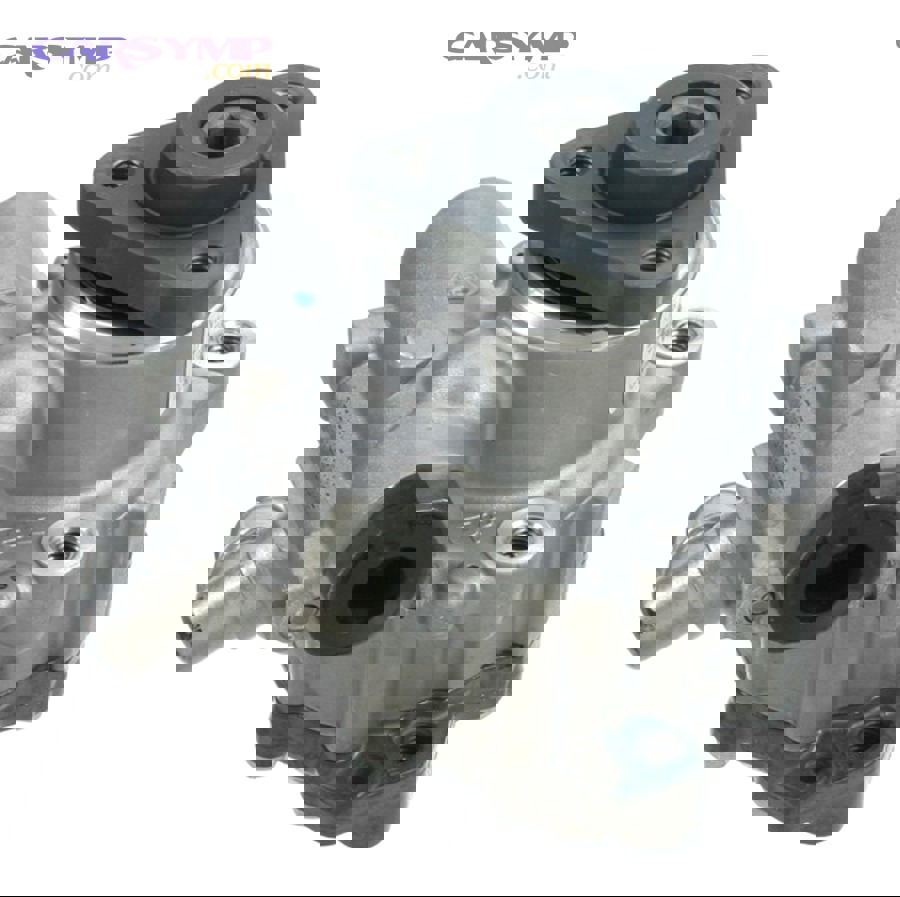
In addition, this supplementary section matters because semantic accuracy improves practical diagnosis. Drivers do not just ask what causes a whine; they ask whether the sound is normal, whether it came from a recent repair, or whether the noise only seems engine-related.
Is turbo whistle the same as an engine whining noise?
No, turbo whistle is not always the same as an engine whining noise because normal turbo sound is an expected airflow-and-boost signature, while engine whine often points to belts, bearings, pumps, or other mechanical load-related faults.
More specifically, a healthy turbo system can make a repeatable spool sound under boost. The sound should be familiar, proportional, and not paired with drivability problems. A fault is more likely when the whistle becomes much louder than normal, turns into a sharp leak-like sound, or appears with power loss, smoke, or a check-engine light. That is the simplest Turbo whine normal vs problem signs framework: stable and familiar may be normal; louder, leakier, or weaker in performance is not.
Is supercharger whine normal or a warning sign?
Supercharger whine can be normal because many superchargers produce a characteristic mechanical whine by design, but it becomes a warning sign when the tone changes sharply, gets much louder, or appears with vibration, heat, or performance loss.
However, the comparison depends on change over time. Factory supercharger whine is usually predictable and tied to throttle in a consistent way. A new roughness, scraping edge, or unstable pitch points away from “normal character” and toward bearings, pulley alignment, belt issues, or internal wear.
Can a new belt or recent repair cause a temporary whining noise?
Yes, a new belt or recent repair can cause a temporary whining noise because belt seating, pulley alignment, incorrect tension, or contamination can create noise immediately after service.
To illustrate, a fresh belt installed on a worn pulley can reveal noise that was previously masked. A slightly misaligned tensioner can make a new belt track poorly. Coolant or oil left on the belt path can create whining or chirping. This is one reason recent service belongs in the diagnostic checklist from the beginning. When a noise starts right after repair, the repair area deserves inspection before deeper theories take over.
How is engine whining noise different from wheel bearing or tire noise?
Engine whining noise is different from wheel bearing or tire noise because engine-related whine usually follows RPM or engine load, while wheel bearing and tire noise usually follow road speed and become more obvious the faster the vehicle moves.
More specifically, a wheel bearing noise often changes as the vehicle’s weight shifts in turns, while tire noise often depends on tread pattern, wear pattern, and road surface. By contrast, an engine-bay whine often appears even when the car is stationary because the engine and accessories are still spinning. Acoustic and vibration studies on bearing faults also show that rotational defect signatures change with speed, which is why road-speed-linked bearing noise can be separated from stationary engine-bay whine through careful testing. ([pmc.ncbi.nlm.nih.gov](https://pmc.ncbi.nlm.nih.gov/articles/PMC12390232/?))
In short, the best way to diagnose engine whining noise causes is to stop treating every whine as the same noise. Start with when it happens, decide whether it follows RPM, steering input, or road speed, inspect fluid and belt clues, and then compare similar-sounding systems before assuming a major engine fault. That checklist approach helps car owners separate normal sound from abnormal sound, identify the most likely cause faster, and know when the noise has crossed the line from annoying to urgent.