


When a dashboard warning light comes on, it can be safe to keep driving only in specific, low-risk situations—but it can also be the exact moment you should pull over to prevent a crash or catastrophic engine damage. This article targets the main keyword focus “safe to keep driving when a warning light comes on,” uses the predicate “Decide” as the core action, and treats “warning light” and “dashboard indicator” as a synonym pair so you can match what you see on your cluster to the right decision fast.
Next, you’ll learn what a dashboard indicator actually means, how to read color and behavior (solid vs flashing), and why two cars can show similar icons but demand different actions. That definition-level clarity helps you avoid the most common mistake drivers make: assuming every light is the same kind of “service reminder.”
Then, you’ll get a practical grouping system that sorts warning lights into stop now, drive carefully, and service soon, plus the exact symptoms that upgrade an “amber light” into an immediate stop. This is the quickest way to turn a confusing symbol into a clear safety choice.
Introduce a new idea: once you’ve made the immediate “drive vs stop” call, you still need a clean next-step plan—basic checks, safe triage, and what to tell a shop—so the warning light doesn’t return tomorrow with a bigger bill.
Is it safe to keep driving when a warning light comes on? (Yes/No)
Yes—sometimes it is safe to keep driving when a warning light comes on, but only if (1) the light is not red, (2) the car is not showing dangerous symptoms, and (3) you have a plan to reduce risk and diagnose it soon.
Next, because “safe” depends on urgency, the quickest way to decide is to combine color + behavior + symptoms rather than guessing based on a single icon.
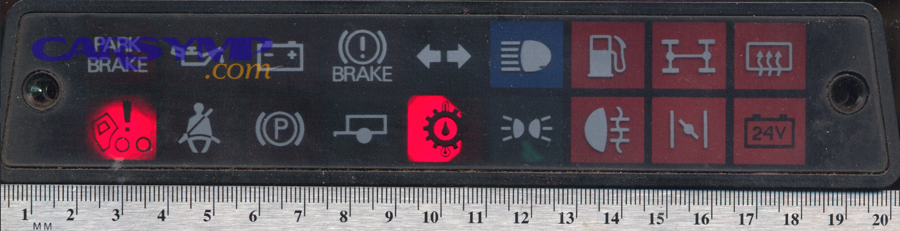
The truth is that dashboard warnings exist for two different dangers:
- Safety danger (brakes, steering assist loss, overheating, oil pressure loss). This is “stop now” territory.
- Damage-and-emissions danger (many check engine scenarios, sensor faults). This is often “drive carefully, service soon,” unless symptoms escalate.
So your first job is not to “name the light.” Your first job is to answer one question: “Is the car safe to control and safe to keep running?” If the car is losing braking, steering, power, or temperature control, you’re not diagnosing—you’re protecting yourself and everyone around you.
Is a red warning light an immediate stop signal? (Yes/No)
Yes—when a red warning light comes on, you should treat it as an immediate stop signal because (1) it often indicates a safety-critical system, (2) it can cause rapid mechanical damage, and (3) it may worsen within seconds under load.
Then, because stopping suddenly can also be dangerous, the safest approach is controlled: signal, slow down, move to a safe shoulder or lot, and reassess.
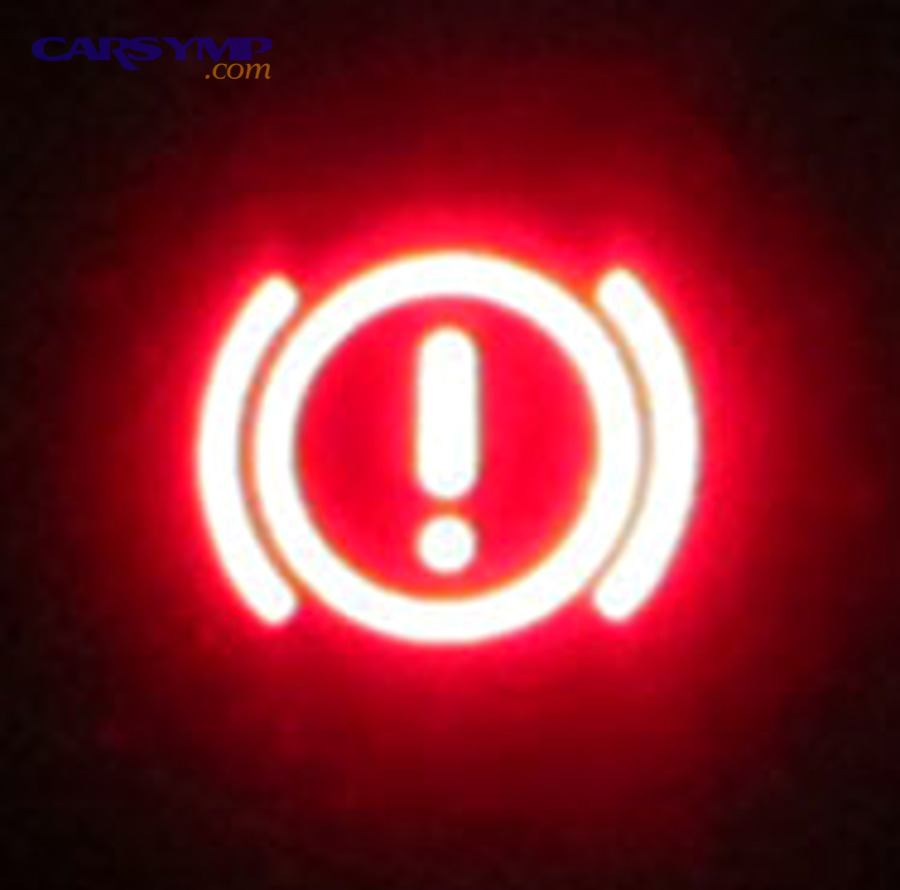
Red lights are designed to interrupt your trip. The most common red-alert categories include:
- Oil pressure warning (not “oil change due,” but “no pressure protecting bearings”).
- Engine temperature/overheat warning (coolant overheating or rapid coolant loss).
- Brake system warning (low brake fluid, hydraulic issue, parking brake stuck, or other brake fault).
- Charging/battery warning when paired with other symptoms (loss of power steering on some vehicles, dimming lights, stalling risk).
- SRS/airbag warning (not always an immediate control risk, but a serious safety system fault you should address promptly).
- High-voltage / EV system warnings (vehicle-specific, often “stop safely” per the owner display message).
A red light is especially urgent when it pairs with any of these symptoms:
- Temperature gauge climbing rapidly
- Steam, coolant smell, or visible leaks
- Loud knocking, grinding, or sudden clattering
- Brake pedal sinking, spongy feel, or increased stopping distance
- Power steering suddenly heavy at low speeds
- Engine stalling, sputtering, or severe vibration
If any of those are present, continuing to drive doesn’t “buy time.” It spends it—often at the cost of the engine, brakes, or safety margin you need to avoid an incident.
Is an amber/yellow warning light usually safe to drive with? (Yes/No)
Yes—an amber/yellow warning light is often safe to drive with temporarily because (1) it commonly signals a non-immediate fault, (2) the vehicle usually remains controllable, and (3) you can reduce risk by driving gently to a safe destination or service.
However, because amber lights can be early warnings of bigger problems, you should shift into “risk-reduction driving” immediately.
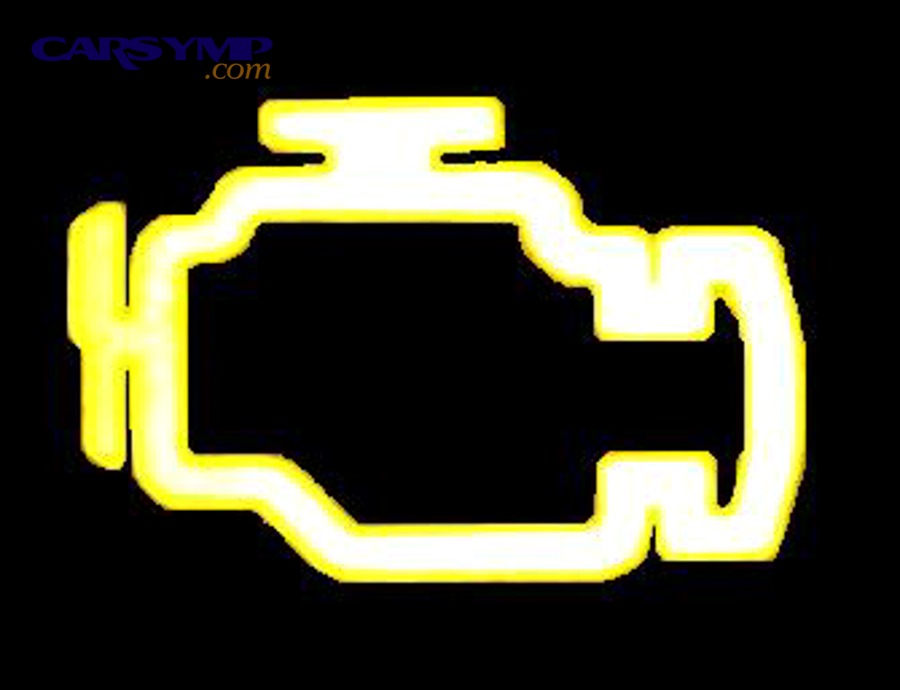
A practical rule: amber usually means “you can usually keep driving, but you shouldn’t keep ignoring.” Your goal is to minimize load:
- Reduce speed and avoid hard acceleration
- Avoid towing, steep grades, and high RPM
- Turn off unnecessary loads (A/C in some overheating-adjacent cases)
- Listen for new sounds and watch gauges
Two amber situations deserve extra respect:
- Flashing amber check engine (often urgent—covered later).
- Amber light + bad symptoms (loss of power, overheating, smoke, harsh shifting). In that combo, amber can function like red.
Can you keep driving if the light goes off after restarting? (Yes/No)
No—you should not assume it’s safe just because the warning light goes off after restarting, because (1) many faults are intermittent, (2) the condition can return under the same driving load, and (3) stored diagnostic data still needs attention.
Next, the better approach is to treat “light went off” as “warning became intermittent,” which is still actionable.
Intermittent warnings are common for:
- Loose electrical connections
- Marginal sensors (coolant level sensors, wheel speed sensors, O2 sensors)
- Fuel cap/EVAP small leaks
- Battery/charging issues that appear under load
- Temperature and coolant level warnings that trigger only after warm-up
If the light goes off, do two things:
- Drive conservatively until you reach a safe place.
- Plan a scan or inspection soon—especially if the light was red, flashing, or paired with symptoms.
One of the most overlooked examples is the low coolant warning light. A coolant level warning can flicker if the level is near the minimum mark, if coolant sloshes in the reservoir, or if you have Coolant reservoir cap and float sensor issues that cause a false reading. In that case, the correct mindset is “verify coolant level safely,” not “problem solved.”
What does a dashboard warning light mean?
A dashboard warning light is a visual alert from the vehicle’s monitoring system that signals a detected condition—ranging from normal status to urgent malfunction—using standardized colors and symbols to prompt a driver action.
Next, because symbols can be misunderstood, you should interpret warning lights using a three-part definition: what system is involved, how urgent it is, and what action is safest right now.
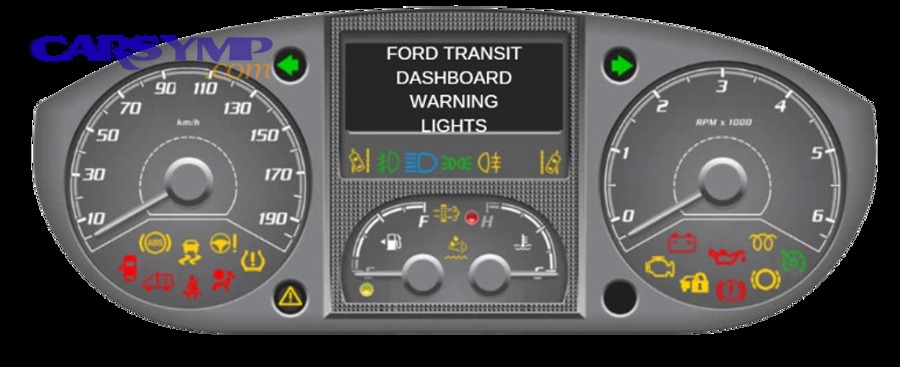
Modern vehicles blend three categories into one cluster:
- Indicator lights (status): high beams, turn signals, cruise control, lane assist status.
- Advisory/service reminders: maintenance due, washer fluid low, fuel low.
- True warning lights: faults that can reduce safety, emissions compliance, or mechanical protection.
The danger is that all three categories look similar at a glance—especially at night, in traffic, or when you’re stressed. That’s why you want a stable interpretation method that works even if you don’t know the exact symbol.
What’s the difference between a warning light and an indicator light?
A warning light indicates a problem that needs attention, while an indicator light confirms a system status or feature is active; warning lights are action-demanding, indicators are informational.
However, because clusters vary by model, the safest habit is to treat any unfamiliar light as a warning until you confirm otherwise.
Examples:
- Indicator (usually safe): high beam blue light, fog light indicator, cruise control icon.
- Warning (action needed): oil pressure, overheating, brake system, check engine, battery/charging.
If you’re unsure, look for two clues:
- Color: red/amber is usually warning; green/blue is usually indicator.
- Message text: many cars pair warnings with explicit instructions (e.g., “Stop safely”).
What do warning light colors mean—red vs amber vs green/blue?
Red means stop or protect safety now, amber means caution and diagnose soon, and green/blue means a system is on or providing information.
Next, because color is your fastest signal, you should decide urgency by color first, then confirm with symptoms and behavior.
A working color map:
- Red: immediate safety or mechanical protection risk (stop safely and assess).
- Amber/yellow: fault detected; typically safe short-term if drivability is normal.
- Green/blue/white: informational or feature status.
That said, color is not perfect. Some manufacturers use amber for severe issues with a text message that escalates urgency. So color is the start—not the finish—of your decision.
What does “flashing” vs “solid” warning light mean?
A flashing warning light typically indicates an active, escalating condition, while a solid light often indicates a stored fault or persistent but less urgent issue.
Then, because flashing can imply ongoing damage, you should treat flashing warnings as “reduce load immediately and prepare to stop.”
The classic example is the check engine light:
- Solid check engine: often safe to drive gently, schedule diagnosis soon.
- Flashing check engine: often indicates severe misfire risk and should be treated as urgent.
Your vehicle may flash other warnings too (temperature, traction, brake alerts), and the core logic stays the same: flashing means “this is happening now.”
Which warning lights mean “stop driving now” vs “drive carefully” vs “service soon”?
There are 3 main urgency groups for warning lights—Stop Driving Now, Drive Carefully to Safety/Service, and Service Soon/Monitor—based on the criterion of immediate safety risk and rapid damage potential.
Next, because the same icon can mean different things depending on symptoms, you’ll use the group first and then confirm with what the car is doing.
To make this practical, think of a “triage ladder”:
- Stop Driving Now: unsafe to continue or likely to cause immediate damage.
- Drive Carefully: generally controllable, but continued driving increases risk.
- Service Soon/Monitor: not urgent, but should not be ignored.
Which warning lights require stopping immediately (red/critical list)?
There are 6 common “stop immediately” warning light types: oil pressure, overheating/temperature, brake system, severe charging loss with drivability symptoms, steering assist loss with control changes, and high-voltage critical warnings (EV/hybrid).
Then, because each can escalate rapidly, you should aim to stop safely within minutes—or sooner if symptoms worsen.
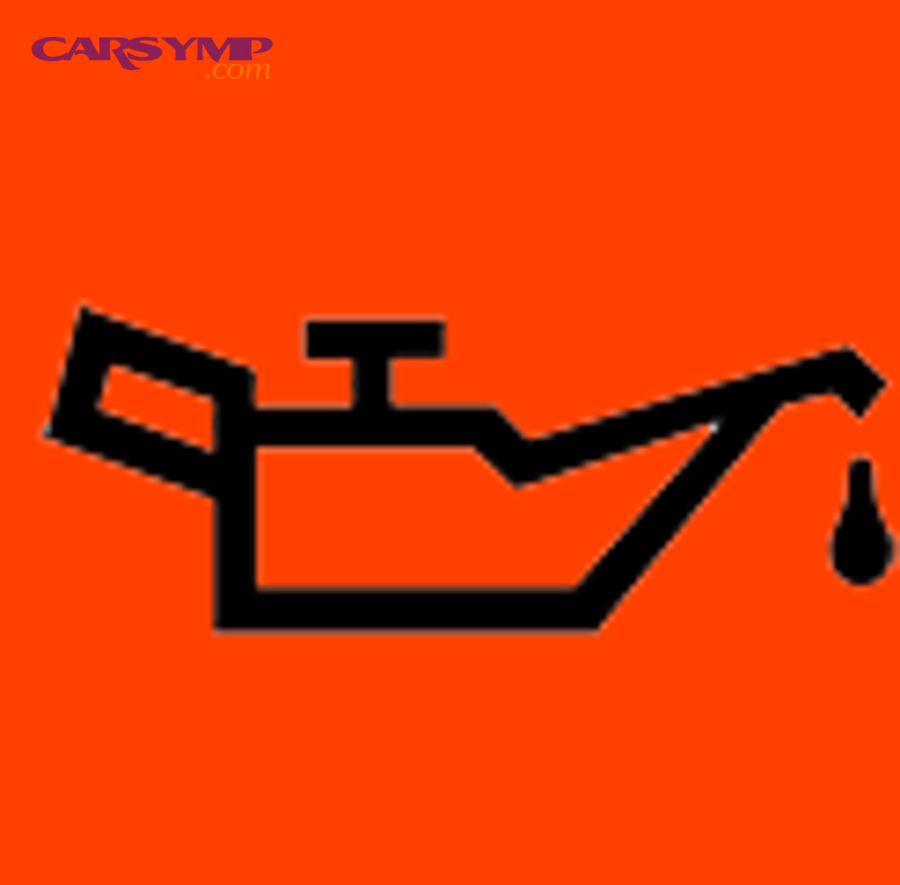
Oil pressure (red):
Low oil pressure means the engine may be running without the oil film that protects bearings. This is different from “low oil level” or “oil change due.” If oil pressure is truly low, every second under load increases damage risk.
Overheating (red):
If the temperature warning comes on, the safest move is to reduce load immediately and stop as soon as practical. Driving while overheating can warp heads, damage gaskets, and destroy cooling components.
Brake warning (red):
If the brake system warning is accompanied by a change in pedal feel, grinding, pulling, or reduced braking, stop driving. Brakes are not a “drive it home” system.
Battery/charging warning (red or amber, vehicle dependent):
The battery light often indicates a charging system issue—not simply that the battery is “old.” If the alternator is failing, you may lose electrical power and the engine may stall. On some vehicles, steering assist may also change.
Steering assist warning (varies):
If steering suddenly becomes heavy or unpredictable, stop driving.
EV/hybrid critical warnings:
Follow the on-screen message. High-voltage system faults can disable propulsion or trigger safety lockouts.
Which warning lights usually allow cautious driving to a repair shop?
There are 6 common “drive carefully” warning light groups: solid check engine, ABS warning, traction control warning, TPMS warning, battery/charging warnings without symptoms, and transmission/drive mode warnings that still allow normal control.
However, because “drive carefully” depends on drivability, you should downgrade speed and upgrade attention.
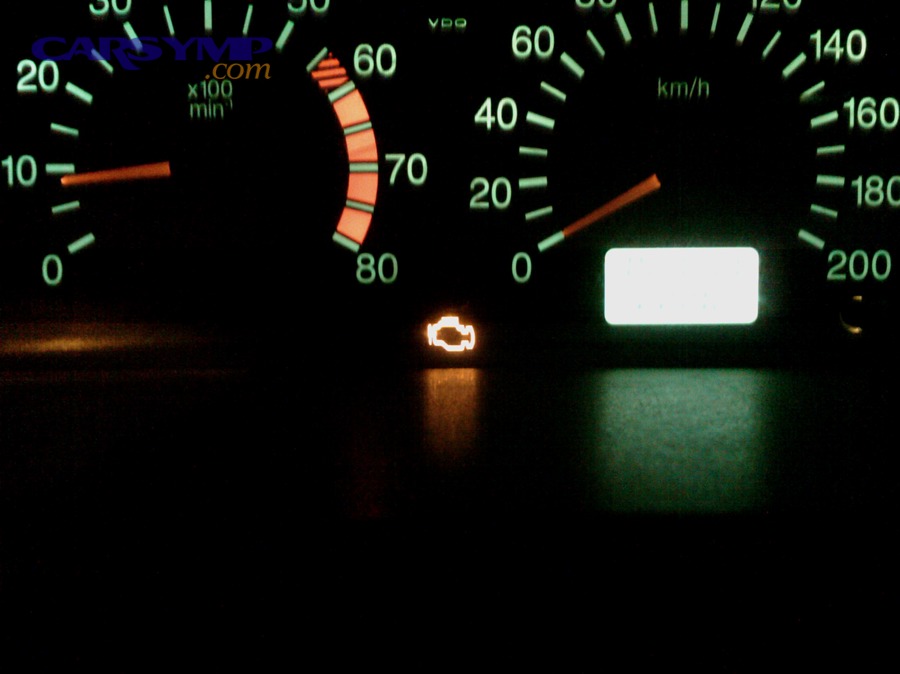
Solid check engine (MIL):
Often safe short-term, but don’t ignore it for weeks. If you feel misfires, power loss, or smell fuel, treat it as urgent.
ABS warning:
You usually still have normal braking, but ABS may not assist during hard stops. Drive carefully, increase following distance, avoid slick conditions.
Traction control warning (steady fault):
The car may be more prone to wheel spin. Drive conservatively.
TPMS warning:
Often safe short-term if the tire isn’t losing pressure quickly, but you must verify pressure soon. According to an analysis by NHTSA in November 2012 (DOT HS 811 681), model-year 2004–2007 vehicles equipped with TPMS had 11.8% prevalence of at least one severely underinflated tire versus 23.1% in vehicles without TPMS, a 55.6% reduction in likelihood of severe underinflation. (crashstats.nhtsa.dot.gov)
Transmission warning / limp mode warning:
The car may limit power to protect components. Drive gently, avoid highways if acceleration is limited.
Which lights are “informational” and not a safety issue?
There are 3 main informational light types—feature active, status confirmation, and advisory reminders—based on whether they indicate normal operation rather than a fault.
Next, because informational lights still matter, you should confirm they match your intended driving state.
Informational examples:
- High beams (blue): normal; make sure you’re not blinding others.
- Turn signals: normal; a fast blink may hint a bulb failure (action later).
- Cruise control / lane assist status: normal; confirm you intended it.
- Low fuel: not a mechanical fault, but a planning problem.
Even though these aren’t “stop now,” they can still affect safety if misunderstood (high beams, stability-control status, etc.). If you’re uncertain, pull over when safe and check the owner manual or the cluster help screen.
How do you decide what to do in the next 60 seconds?
You decide what to do in the next 60 seconds by following a 5-step triage method—stabilize the car, read the warning (color/flash), check symptoms and gauges, choose stop vs cautious driving, and set a safe next action—so you reduce risk immediately.
Then, because hesitation creates danger, the key is to make the decision simple enough to execute while driving.
Here’s the 60-second method you can use almost anywhere:
- Step 1: Stabilize. Hold lane, reduce speed, turn on hazards if necessary, and avoid sudden moves.
- Step 2: Read the warning pattern. Red vs amber, flashing vs solid, any text message.
- Step 3: Scan for “danger symptoms.” Smoke/steam, burning smells, loud mechanical noise, temperature spike, brake/steering changes, severe vibration.
- Step 4: Decide stop vs cautious drive. If danger symptoms or red/critical light: stop safely. If amber and car feels normal: cautious drive to a safe place or shop.
- Step 5: Choose the safest next action. Pull over, call for help, or proceed gently with a plan (short distance, avoid traffic, avoid highways if power is limited).
What symptoms make it unsafe to keep driving even with an amber light?
Yes—certain symptoms make it unsafe to keep driving even with an amber light because (1) they indicate loss of control margin, (2) they can signal rapid escalation into failure, and (3) they often precede breakdowns that leave you stranded in traffic.
Next, because symptoms are more truthful than icons, you should prioritize what the car is doing over what the dash is showing.
High-risk symptoms that override “amber”:
- Overheating signs: gauge climbing, steam, sweet coolant smell
- Hard misfire: shaking, flashing check engine, loss of power
- Brake changes: longer stopping distance, spongy pedal, pulling
- Steering changes: sudden heaviness or inconsistent assist
- Smoke or burning smell: electrical or fluid-on-hot-surface risk
- Loud metallic knocks/grinds: mechanical failure risk
- Repeated stalling: loss of power assist and traffic exposure
If any of these appear, the safest plan is to stop in a controlled way and reassess. “One more mile” often becomes “one more tow truck.”
What quick checks can you safely do on the roadside?
You can safely do 5 quick roadside checks—tire condition, visible leaks, gauge reading, obvious loose caps/connectors, and warning-message details—so you gather useful information without putting yourself in danger.
Then, because the roadside is risky, you should prioritize visibility and personal safety over mechanical curiosity.
Safe roadside checks (in order):
- Location safety check: are you protected from traffic? If not, move to a safer spot first.
- Tires: look for a visibly low tire, sidewall damage, or debris.
- Under-car leaks: puddles, active dripping, steam.
- Gauges: temperature, battery voltage if shown, oil pressure if equipped.
- Dash message details: “engine power reduced,” “stop safely,” “service required,” “coolant low,” etc.
What not to do:
- Do not open a pressurized coolant cap when hot.
- Do not crawl under the vehicle on a shoulder.
- Do not try to “clear the light” as your first action.
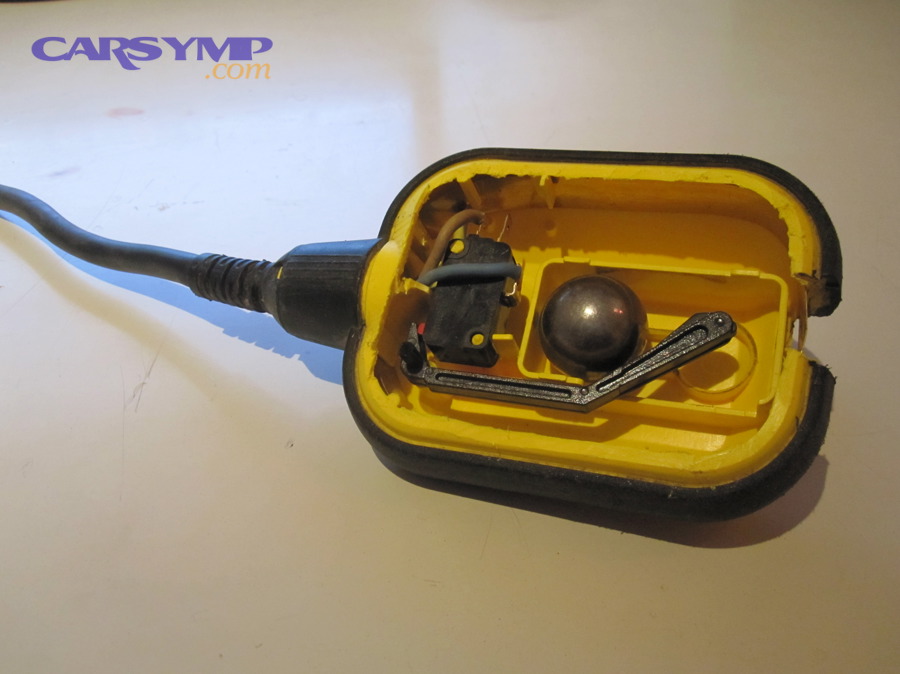
If you suspect coolant issues, this is where the Low coolant light causes and what to do becomes actionable: check the reservoir level only when the engine is cool, look for visible leaks, and be mindful that a sensor may misread if you have Coolant reservoir cap and float sensor issues (a sticking float or cap seal problem can trigger warnings even when coolant appears near the mark).
When should you tow instead of driving? (Yes/No)
Yes—you should tow instead of driving when (1) the warning indicates engine protection loss (oil pressure/overheat), (2) the vehicle is not reliably controllable (brakes/steering/power loss), or (3) a flashing fault suggests active damage (severe misfire).
Next, because towing can be cheaper than compounding damage, you should treat towing as a cost-control decision—not only a safety decision.
Tow triggers you should respect:
- Oil pressure warning light stays on or returns immediately
- Temperature/overheat warning or steam
- Flashing check engine with shaking or power loss
- Brake warning + degraded braking
- Significant transmission slipping or no forward drive
- Electrical failure symptoms (dimming, loss of power, repeated stalling)
If you tow, you also preserve diagnostic evidence. Many faults store freeze-frame data and codes that help a technician fix the real cause quickly.
What should you do after you’ve made it safe—diagnosis and next steps?
After you’ve made it safe, you should (1) confirm the condition is stable, (2) capture diagnostic information, and (3) choose the quickest path to a correct repair—scan codes, check basics, and communicate symptoms clearly—so the warning light doesn’t return.
Next, because vague reports slow repairs, the most valuable thing you can do is provide clean, specific details.
A good next-step plan has three layers:
- Layer 1: Safety confirmation — Make sure the car isn’t overheating, leaking severely, or losing braking/steering.
- Layer 2: Information capture — Get codes, note conditions, and avoid “fixes” that hide the evidence.
- Layer 3: Repair decision — Choose DIY checks only if safe and within your skill, otherwise schedule professional diagnosis.
Should you read OBD-II codes when the check engine light is on? (Yes/No)
Yes—you should read OBD-II codes when the check engine light is on because (1) codes narrow the fault area, (2) freeze-frame data shows conditions at failure, and (3) it helps you decide urgency and avoid unnecessary parts replacement.
Then, because codes don’t automatically mean “replace this part,” you should treat codes as a map, not a verdict.
OBD-II tools can show:
- DTCs (Diagnostic Trouble Codes) like P0300 (random misfire) or P0420 (catalyst efficiency).
- Freeze-frame data showing RPM, load, coolant temperature, fuel trim at the moment the code set.
SAE’s OBD standards define diagnostic services and data requests used for these functions (including freeze-frame service/modes). (sae.org)
A useful caution: don’t clear codes immediately unless you’re doing it as part of a deliberate test plan. Clearing codes can erase freeze-frame data, and it may reset readiness monitors, complicating emissions testing and diagnosis.
What information should you record for a mechanic to speed up diagnosis?
There are 8 key pieces of information you should record for a mechanic—warning light color, flashing/solid behavior, exact message text, symptoms, driving conditions, recent maintenance, fluid levels observed, and whether the problem is repeatable—based on what most directly affects diagnostic accuracy.
Next, because technicians diagnose patterns, your “story” matters.
Record this list:
- Which light (or a photo of the cluster)
- Color (red/amber)
- Flashing vs solid
- Any text message (“engine power reduced,” “stop safely,” “coolant low”)
- Symptoms (shaking, power loss, smell, smoke, temperature change)
- When it happened (cold start, highway, idle, rain, after fuel)
- Recent work (battery replaced, oil change, coolant top-off)
- What you did (restarted, drove 5 miles, added coolant)
If the issue relates to cooling, explicitly mention low coolant warning light behavior—steady vs intermittent—and any signs of coolant smell or visible loss. Those details help separate a real leak from a sensor/float issue.
Is it safe to ignore a warning light until your next oil change/service? (Yes/No)
No—it is not safe to ignore a warning light until your next service because (1) small faults can cascade into expensive damage, (2) some warnings reduce safety margin even if the car “feels fine,” and (3) delaying diagnosis often increases the chance of being stranded.
In addition, ignoring warning lights trains you to miss the moment a truly urgent light appears.
A practical compromise is “triage and schedule”:
- If red or flashing: treat as urgent and stop safely.
- If amber with no symptoms: plan diagnosis soon (days, not months).
- If informational: confirm it matches your intent, then proceed.
Evidence of why this matters isn’t just mechanical—it’s comprehension too. According to a dissertation study by Clemson University’s Automotive Engineering department in December 2020, teen drivers demonstrated lower symbol identification performance (mean 29%) compared to specialized groups (mean 60%), and adding text descriptions improved understanding of symbol meaning and the action to take. (open.clemson.edu)
What are the most common warning-light mistakes that cause expensive damage?
There are 5 common warning-light mistakes that cause expensive damage—misreading oil pressure, driving while overheating, ignoring flashing misfire warnings, confusing charging warnings, and “resetting” instead of diagnosing—because each one turns an early alert into a component failure.
Next, because these mistakes are predictable, you can avoid them with a few rules that apply across most vehicles.
Think of this section as the “don’t accidentally make it worse” playbook. The goal isn’t to scare you—it’s to keep you from paying for damage that warning lights were designed to prevent.
Oil pressure light vs oil level light: are they the same thing?
Oil pressure wins as the more urgent warning, oil level is a maintenance concern, and “oil change due” is the least urgent—because pressure loss can cause immediate bearing damage, while low level may still maintain pressure until it drops too far.
However, because some clusters use similar oil-can icons, you should assume urgency until you confirm the message wording.
Key distinctions:
- Oil pressure light (urgent): indicates pressure is below safe threshold; stop safely and shut off engine.
- Oil level warning (less urgent but important): check level soon; top up if low; investigate leaks/consumption.
- Oil change reminder: schedule service; not an emergency.
The expensive mistake is continuing to drive with a true oil pressure warning because the engine “sounds okay.” Engines can be quietly damaged before they become loudly damaged.
Battery light: does it mean the battery is bad or the charging system is failing?
Charging system failure is the more common meaning of a battery warning light, while a weak battery is often a secondary symptom—because the light typically indicates the alternator is not charging, not that the battery’s internal health is poor.
Meanwhile, because modern vehicles depend heavily on electronics, charging faults can cascade into stalling and loss of key functions.
What the warning often implies:
- Alternator/regulator problem
- Serpentine belt issue
- Wiring/terminal connection problem
- High electrical load exposing a weak charging system
How to avoid the expensive version:
- Reduce unnecessary electrical load (heated seats, defroster if safe)
- Avoid shutting off the engine repeatedly if you’re limping to a shop
- If lights dim or the engine begins to stall, tow instead of pushing it
Does clearing a code “fix” the problem? (Yes/No)
No—clearing a code does not fix the problem because (1) it only erases the symptom record, (2) the underlying condition usually remains, and (3) it can remove freeze-frame evidence that speeds accurate diagnosis.
Next, because code clearing feels like progress, you should replace that habit with “capture, confirm, correct.”
A better pattern:
- Read codes and freeze-frame
- Check basics (cap tight, obvious leaks, connectors)
- Repair the root cause
- Clear codes after repair, then confirm with a proper drive cycle
This is especially important for intermittent warnings like the low coolant warning light, where the temptation is to “reset and ignore.” If the cause is a small leak, ignoring it can become overheating later; if it’s Coolant reservoir cap and float sensor issues, you still want to verify the reservoir cap seal and float sensor behavior so you stop chasing ghost warnings.
Flashing check engine light: is catalytic converter damage a risk? (Yes/No)
Yes—a flashing check engine light can indicate an active misfire that risks catalytic converter overheating because (1) unburned fuel can enter the exhaust, (2) the converter can overheat under that load, and (3) extended driving increases the chance of internal melting or failure.
More importantly, because this is one of the highest-cost “keep driving” mistakes, you should treat flashing MIL + shaking as a stop-and-tow scenario.
Regulators and technical sources have long noted that over-temperature catalytic converters can present hazards and that overheating conditions can occur in real-world scenarios involving abnormal combustion and exhaust heat. (tceq.texas.gov)
If your check engine light is flashing:
- Reduce speed immediately
- Avoid heavy throttle
- If the car is shaking or power is low, stop safely and arrange service
- Do not “drive it out” hoping it will smooth out
And if the flashing warning appears alongside cooling system warnings, treat that combination as urgent. Engine overheating after coolant loss can escalate quickly, and experimental work has investigated engine operation during coolant-loss events to understand thermal safety limits. (sae.org)