


When your car’s radiator shows signs of failure, you face a crucial decision: repair the existing unit or invest in a complete replacement. The right choice depends on seven critical factors including damage severity, radiator material type, cost comparison, overall condition and age, previous repair history, vehicle part availability, and the specific location of the damage. Understanding these factors helps car owners make informed decisions that balance immediate costs with long-term reliability and safety.
The severity and type of damage to your radiator directly determines whether repair is feasible or replacement becomes necessary. Small leaks, minor seam issues, and isolated damage points often respond well to professional repairs, while extensive corrosion, multiple leak locations, or structural compromises typically require full radiator replacement. Material composition plays an equally important role, as copper and brass radiators offer easier repair options compared to modern aluminum units that demand specialized welding expertise.
Cost considerations extend beyond the initial repair estimate to include long-term value and potential repeat failures. A $200-$400 repair might seem attractive compared to a $600-$1,200 replacement, but radiators with systemic deterioration or contamination from stop-leak products often fail again within months, turning a cheap fix into an expensive mistake. Additionally, the age of your radiator and its maintenance history reveal whether you’re addressing an isolated problem or fighting inevitable decline in an aging cooling system.
Vehicle-specific factors further complicate the decision, particularly for owners of rare, vintage, or discontinued models where replacement radiators may be unavailable or prohibitively expensive. In these situations, professional repair becomes not just economical but essential for keeping the vehicle operational. Below, we’ll examine each of these seven critical factors in detail to help you make the right radiator repair or replacement decision for your specific situation.
What Are the 7 Critical Factors to Consider When Deciding Between Radiator Repair or Replacement?
There are seven critical factors to evaluate when deciding between radiator repair or replacement: damage severity, radiator material type, cost comparison, age and overall condition, stop-leak product contamination, vehicle part availability, and damage location. These factors work together as a complete decision-making framework that helps car owners avoid costly mistakes and choose the option that provides the best combination of safety, reliability, and value.
To better understand how these factors guide your decision, consider them as a systematic evaluation process rather than isolated considerations. Each factor reveals specific information about your radiator’s condition and repair viability, and together they create a comprehensive picture that points clearly toward either repair or replacement. The damage severity factor establishes whether physical repair is even possible, while material type determines if skilled technicians can successfully execute that repair. Cost analysis ensures your decision makes financial sense both immediately and over time, and age assessment reveals whether you’re addressing a one-time problem or the beginning of cascade failures in a deteriorating system.

The remaining three factors address specific circumstances that can dramatically shift the repair-versus-replacement calculus. Previous use of stop-leak products may have rendered your radiator unrepairable regardless of the visible damage, while limited part availability for rare vehicles might make repair the only viable option. Finally, the precise location of damage determines whether repairs will hold under operating pressure or fail catastrophically at the worst possible moment. By systematically evaluating all seven factors rather than focusing on cost alone, you ensure your decision accounts for all variables that affect long-term outcome and vehicle safety.
How Severe Is the Damage to Your Radiator?
Damage severity represents the most fundamental factor in your repair-versus-replacement decision, as it determines whether physical repair is even technically possible. Minor damage including small leaks, pinholes, and isolated seam failures typically qualify for professional repair, while extensive damage such as large cracks, multiple leak points, or core structural compromise requires complete radiator replacement.
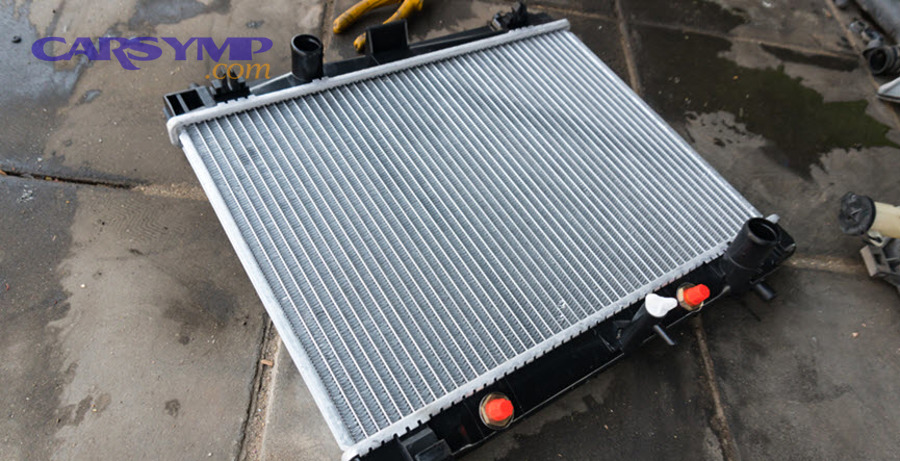
Understanding the distinction between repairable and replacement-level damage prevents car owners from attempting futile repairs on radiators with fatal flaws. The cooling system operates under significant pressure—typically 15-16 PSI—which means repairs must create permanent, pressure-resistant seals that won’t fail under normal operating conditions. Small, isolated damage points allow technicians to clean, prepare, and seal specific areas without compromising the radiator’s overall structural integrity. However, once damage becomes widespread or affects critical structural components, repairs become temporary band-aids that delay inevitable replacement while risking engine damage from cooling system failure.
What Types of Radiator Damage Can Be Repaired?
Several categories of radiator damage respond successfully to professional repair when caught early and addressed by qualified technicians. These repairable conditions share common characteristics: they affect limited areas, don’t compromise overall structural integrity, and occur in locations accessible to repair equipment and techniques.
Repairable radiator damage includes:
- Small leaks and pinholes: Tiny punctures in radiator tubes or tanks measuring less than 1/8 inch in diameter can be sealed using proper welding or epoxy techniques, provided surrounding material remains sound
- Single tube seeps: Individual cooling tubes that develop small leaks at seams or along their length can often be repaired or plugged without significantly affecting cooling capacity
- Minor seam leaks: Separations at joined metal sections where tanks meet the core can be re-sealed through specialized welding when the separation spans less than 2 inches and surrounding metal shows no corrosion
- Bent fins: Cosmetic damage to the thin aluminum fins that enhance heat dissipation doesn’t affect radiator function and requires no repair, though severe fin crushing that blocks airflow may warrant straightening or replacement
The key to successful repair lies in addressing damage before it progresses to adjacent areas. A single pinhole leak discovered and repaired immediately might provide years of additional service, while that same leak ignored for weeks can corrode surrounding material until the entire section becomes unrepairable. Professional radiators shops assess not just the visible damage but also the condition of metal surrounding the problem area, looking for thinning, pitting, or discoloration that suggests impending failure.
What Types of Radiator Damage Require Replacement?
Certain damage patterns and locations fundamentally compromise radiator integrity in ways that professional repair cannot reliably address. These replacement-level conditions involve structural failure, widespread deterioration, or damage to components that cannot withstand repair processes without creating new failure points.
Damage requiring radiator replacement includes:
- Large cracks or splits: Fractures longer than 2 inches or wider than 1/8 inch indicate metal fatigue or stress that extends beyond the visible crack, making repairs unreliable even when initially successful
- Cracked plastic tanks: Modern radiators use plastic end tanks that cannot be reliably welded, and cracks in these components spread rapidly under pressure and temperature cycling
- Multiple leak points: Radiators exhibiting leaks in three or more separate locations suffer from systemic deterioration rather than isolated damage, and repairing individual leaks doesn’t address the underlying material failure
- Core leaks: Damage to the radiator core where thousands of small tubes and fins create the primary heat exchange surface proves nearly impossible to repair effectively, as accessing interior tubes requires destructive disassembly
- Severe corrosion throughout: When rust, pitting, or scaling affects multiple areas of the radiator rather than isolated spots, material integrity has degraded beyond the point where localized repairs provide reliable service
The distinction between repairable and replacement-level damage often comes down to whether you’re fixing a specific problem or fighting systemic failure. According to automotive cooling system specialists, radiators showing Signs of a failing radiator in multiple areas simultaneously have reached the end of their service life regardless of individual repair success. Attempting to repair severely compromised radiators typically results in new leaks appearing within weeks or months as weakened adjacent areas fail under the stress redistribution caused by repair work.
Does Your Radiator Material Affect Repairability?
Yes, radiator material type significantly affects repairability, with copper and brass radiators offering easier, more reliable repair options while aluminum radiators require specialized equipment and expertise that many shops cannot provide. The material composition determines which repair techniques work effectively, how long repairs last under operating conditions, and whether your local shops can even attempt the work.
Understanding material-based repairability differences helps car owners set realistic expectations and find appropriate service providers. Traditional copper and brass radiators dominated automotive cooling systems for decades specifically because these materials accept standard welding and soldering techniques that most shops master. Modern aluminum radiators offer weight savings and manufacturing cost advantages but present significant repair challenges due to aluminum’s physical properties and the specialized TIG welding skills required for durable repairs.
Can Aluminum Radiators Be Repaired?
Aluminum radiators can be repaired but require specialized TIG (Tungsten Inert Gas) welding equipment and advanced skills that many general automotive shops do not possess. The repair success rate for aluminum radiators depends heavily on finding technicians with specific aluminum welding certification and experience working with cooling system applications where welds must withstand constant pressure cycling and temperature extremes.
The challenges of aluminum radiator repair stem from aluminum’s physical properties. Aluminum oxidizes instantly when exposed to air, creating a surface layer that prevents proper weld fusion unless completely removed immediately before welding. The material also conducts heat extremely rapidly, making it difficult to maintain the precise temperature control necessary for strong welds without warping thin radiator components. Additionally, aluminum radiators typically use different aluminum alloys in tanks versus tubes, and successfully welding dissimilar alloys requires specialized filler materials and technique adjustments that exceed basic welding competency.
Despite these challenges, skilled radiator specialists can successfully repair aluminum radiators when damage meets specific criteria. Small cracks in aluminum end tanks sometimes respond to professional TIG welding that creates pressure-tight seals lasting multiple years. Pinhole leaks in aluminum tubes can occasionally be sealed using specialized aluminum brazing techniques. However, car owners should expect to pay premium rates for aluminum radiator repair—often 50-100% more than comparable copper/brass repairs—and should verify technician credentials before authorizing work.
Critical considerations for aluminum radiator repair:
- Seek shops specifically advertising aluminum radiator repair capabilities
- Request examples of previous aluminum radiator repair work
- Expect repair costs approaching 60-80% of replacement cost due to specialized labor
- Understand that aluminum repairs may last 2-5 years versus 5-10+ years for copper/brass repairs
- Consider replacement if multiple aluminum repair attempts have already failed

Are Copper and Brass Radiators Easier to Fix?
Yes, copper and brass radiators are significantly easier to fix because these materials accept traditional soldering and brazing techniques that most automotive repair shops already use for other applications. The superior repairability of copper and brass radiators makes them preferred options for vintage vehicle owners, heavy-duty applications, and situations where long-term repair reliability matters more than initial component cost.
Copper’s excellent thermal properties and brass’s corrosion resistance combine to create radiator materials that not only repair easily but also provide long service life after professional repairs. Standard oxy-acetylene torches and common solder alloys create strong, pressure-tight seals on copper and brass without requiring the specialized equipment and advanced skills demanded by aluminum. This accessibility means more shops can competently repair copper/brass radiators, creating competitive pricing and shorter turnaround times compared to aluminum repair.
The repair advantages of copper and brass extend beyond technique simplicity to include superior repair longevity. Properly executed copper or brass radiator repairs often last 5-10 years or more, effectively providing the remaining service life of the entire radiator. The materials’ resistance to work-hardening means repairs don’t create stressed zones that become new failure points, and their excellent corrosion resistance prevents repair areas from deteriorating faster than original material. For vintage vehicles where original-style copper/brass radiators maintain authenticity and value, professional repair becomes not just economically sensible but aesthetically preferable to modern aluminum replacement units.
According to classic car restoration specialists, copper and brass radiators frequently justify repair even with moderate damage that would condemn aluminum units to replacement. The combination of easy repairability, excellent repair longevity, and limited availability of replacement units for discontinued models makes professional repair the logical choice for copper/brass radiators showing Typical costs for radiator problems in the $200-$500 range versus $800-$2,000+ for custom replacement fabrication.
How Much Will Radiator Repair vs Replacement Cost?
Radiator repair costs typically range from $150-$600 depending on damage severity and material type, while complete radiator replacement costs $400-$1,500 including parts and labor, with the most cost-effective choice depending on radiator age, damage extent, and expected longevity of each option. Understanding the complete cost picture requires evaluating not just immediate expenses but also the probability of repeat failures and the total cost over your expected vehicle ownership period.
The apparent cost advantage of repair over replacement narrows considerably when you account for repair reliability and longevity. A $250 repair that lasts two years before new leaks develop ultimately costs more than a $800 replacement providing ten years of trouble-free service. Additionally, hidden costs emerge when radiator failures leave you stranded or cause engine damage from overheating, expenses that dramatically exceed the initial repair-versus-replacement decision amount.
What Is the Average Cost of Radiator Repair?
The average cost of radiator repair ranges from $150 to $600 depending on damage type, material composition, and repair complexity, with most common repairs for small leaks and seam issues falling in the $200-$400 range. These costs typically include diagnostic inspection, repair labor, pressure testing to verify seal integrity, and coolant replacement, though additional charges may apply for specialty situations or hard-to-access damage.
Radiator repair cost breakdown by damage type:
- Small leak or pinhole repairs: $150-$300 for simple sealing of isolated damage points in accessible locations using standard techniques
- Seam leak repairs: $200-$400 for re-sealing separated joints where tanks meet the core, requiring cleaning, preparation, and welding or brazing
- Multiple minor repairs: $300-$500 when addressing 2-3 small issues simultaneously, offering economies of scale versus separate repair visits
- Aluminum radiator repairs: $400-$600 due to specialized TIG welding requirements and higher skill demands for reliable results
- Core tube repairs: $350-$600 for plugging or replacing individual damaged tubes within the radiator core structure
Material type significantly influences repair costs within these ranges. Copper and brass radiators typically fall toward the lower end of cost ranges due to easier repair techniques and wider technician availability, while aluminum radiators trend toward higher costs or exceed these ranges entirely when specialized expertise is required. Geographic location also affects pricing, with urban areas featuring competitive markets generally offering better rates than rural locations with limited radiator specialty shops.
It’s essential to understand what repair estimates include and exclude. Comprehensive repair quotes should specify parts, labor hours, shop supplies, coolant replacement, and pressure testing to verify repair integrity. Beware of estimates that seem unusually low, as they may not include necessary steps like thorough cleaning before repair or proper pressure testing after repair—omissions that lead to premature repair failure. Additionally, ask whether the estimate assumes best-case conditions or accounts for the possibility of discovering additional damage once work begins, as hidden deterioration frequently emerges during repair processes.
What Does Radiator Replacement Cost?
Radiator replacement costs range from $400 to $1,500 including parts and labor, with OEM (Original Equipment Manufacturer) replacement radiators costing $300-$1,200 for parts alone while aftermarket alternatives run $150-$600, and labor adding another $100-$300 depending on vehicle accessibility and shop rates. The total replacement investment depends primarily on your vehicle’s make, model, and year, with luxury vehicles, trucks, and models requiring extensive disassembly commanding premium pricing.
Radiator replacement cost factors:
| Cost Component | Budget Range | Mid-Range | Premium Range |
|---|---|---|---|
| Aftermarket Radiator | $150-$300 | $300-$500 | $500-$600 |
| OEM Radiator | $300-$600 | $600-$900 | $900-$1,200+ |
| Labor (Standard Access) | $100-$150 | $150-$200 | $200-$250 |
| Labor (Complex Access) | $200-$300 | $300-$400 | $400-$600 |
| Coolant & Supplies | $30-$50 | $50-$70 | $70-$100 |
| Total Typical Cost | $400-$700 | $700-$1,100 | $1,100-$1,500+ |
This table illustrates the cost ranges for radiator replacement, showing how parts quality and labor complexity affect total investment.
The premium for OEM versus aftermarket radiators reflects differences in materials, manufacturing precision, and warranty coverage. OEM radiators match your vehicle’s original specifications exactly and typically carry manufacturer warranties of 1-3 years, while aftermarket options may use thinner materials or slightly modified designs that affect fitment and longevity. However, quality aftermarket radiators from reputable manufacturers often provide excellent value, delivering 80-90% of OEM performance at 50-70% of OEM cost.
Labor costs vary substantially based on vehicle design. Some vehicles allow radiator removal with minimal disassembly in under two hours, while others require removing bumpers, grilles, headlights, cooling fans, air conditioning components, or even partial engine disassembly to access radiator mounting points. Always request labor time estimates in addition to parts pricing, and ask specifically what components must be removed to access the radiator on your particular vehicle model.
Long-term value calculation for replacement versus repair:
When comparing $300 repair costs to $800 replacement costs, consider expected longevity and failure probability. A quality radiator replacement typically provides 8-10 years of trouble-free service, while repairs on aging radiators may last only 2-4 years before new issues emerge. The effective annual cost tells the true story: $800 replacement ÷ 10 years = $80/year versus $300 repair ÷ 3 years = $100/year, making replacement the better value despite higher initial cost. Additionally, factor in the intangible costs of radiator problems symptoms recurring—time spent arranging subsequent repairs, rental car expenses if your vehicle becomes undriveable, and stress from cooling system unreliability.
How Old Is Your Radiator and What Is Its Overall Condition?
Your radiator’s age and overall condition determine whether repairs address isolated problems or merely postpone inevitable replacement, with radiators older than 8-10 years or showing signs of systemic deterioration typically requiring replacement regardless of specific damage severity. Age-related factors including accumulated corrosion, coolant contamination, multiple previous repairs, and general material fatigue combine to create situations where repair costs approach or exceed replacement costs while providing only temporary relief.
Modern radiators typically provide 8-12 years of reliable service under normal operating conditions, though this lifespan varies based on climate, coolant maintenance, and operating severity. Understanding where your radiator falls in its lifecycle helps contextualize repair-versus-replacement decisions. A three-year-old radiator with a small leak represents an isolated problem worth fixing, while a twelve-year-old radiator with similar damage likely signals the beginning of age-related failures that will cascade regardless of current repairs.
When Is a Radiator Too Old to Repair?
A radiator becomes too old to repair when it has exceeded 10-12 years of service, shows evidence of multiple previous repairs, or exhibits systemic deterioration including widespread corrosion, contaminated coolant, or material thinning throughout rather than isolated damage. At this lifecycle stage, repairing specific leaks doesn’t address underlying material degradation that will generate new failures at different locations within months.
Age-related radiator failure follows predictable patterns based on corrosion chemistry and material fatigue. Metal thinning progresses gradually over years as coolant acidity fluctuates and dissimilar metals create galvanic corrosion cells. By the time radiators reach 10+ years of service, material thickness in high-stress areas has decreased substantially from original specifications, and the remaining metal barely maintains integrity under normal operating pressure. Repairing one leak in this condition simply shifts stress to adjacent weakened areas, prompting new leaks in a cascade pattern that makes comprehensive repair economically impossible.
Red flags indicating radiators too old to repair include:
- Multiple previous repairs: Radiators requiring 2-3 separate repair interventions have demonstrated systemic weakness rather than isolated damage
- Visible corrosion throughout: Surface rust, pitting, or scaling across large radiator areas rather than localized spots indicates advanced material deterioration
- Coolant discoloration: Brown, rusty, or sludgy coolant reveals internal corrosion that has compromised radiator passages and will continue causing failures
- Declining cooling performance: Gradual temperature creep over months or years despite repairs suggests blocked passages from internal corrosion that repair cannot address
- Age exceeding 12 years: Radiators beyond normal service life should be replaced preemptively even without obvious problems to avoid inconvenient roadside failures
The economic calculus for old radiators strongly favors replacement because repair longevity decreases as radiator age increases. According to automotive cooling system data, repairs on radiators aged 8-10 years provide average service life of 18-36 months, while repairs on radiators aged 12+ years often fail within 6-18 months. These shortened repair lifespans mean you’ll likely face the replacement decision again soon anyway, making immediate replacement the more cost-effective choice when considering total expenses over your vehicle ownership period.
What Are Signs of Internal Corrosion That Mean Replacement?
Signs of internal corrosion requiring replacement include rusty or discolored coolant, visible sludge or debris in the coolant reservoir, white or greenish deposits on radiator exterior surfaces, and declining cooling efficiency despite leak repairs. These symptoms reveal that corrosion has progressed beyond surface-level problems to systemically compromise internal passages, creating conditions that repairs cannot remedy because the damage exists throughout the radiator rather than at specific repairable points.
Internal corrosion develops gradually as coolant loses its corrosion inhibitors through age and contamination. The process accelerates when car owners neglect coolant replacement intervals or mix incompatible coolant types that neutralize protective additives. Once internal corrosion establishes itself, it progresses aggressively because corroded material creates acidic byproducts that accelerate further corrosion in a destructive feedback loop. By the time visible symptoms emerge, internal damage typically affects multiple areas simultaneously, making comprehensive repair impossible without complete radiator disassembly and rebuild that costs more than replacement.
Internal corrosion indicators requiring replacement:
- Rusty coolant color: Coolant turning brown, orange, or rust-colored indicates metal oxidation products circulating through the system from corroded radiator internals
- Sludge accumulation: Thick, gel-like substance in coolant or visible sediment in the reservoir represents corrosion byproducts and deteriorated coolant mixing together
- External scaling or deposits: White, green, or orange crusty deposits on radiator external surfaces indicate coolant seeping through microleaks caused by internal corrosion thinning metal
- Temperature fluctuations: Engine temperature varying significantly under consistent operating conditions suggests partially blocked internal passages from corrosion buildup restricting coolant flow
- Reduced coolant flow: Weak coolant circulation visible in the reservoir when the engine runs reveals restricted radiator passages that cannot be cleaned effectively
The critical distinction between surface corrosion and internal corrosion lies in accessibility and extent. Surface rust on exterior radiator components can sometimes be cleaned and treated, while internal corrosion throughout thousands of small cooling tubes and passages cannot be reached by any practical repair method. Professional radiator pressure testing combined with coolant analysis definitively identifies internal corrosion severity, and technicians use these results to recommend repair or replacement based on remaining radiator integrity.
Understanding internal corrosion risks helps car owners recognize when replacement becomes necessary even if external damage appears minor. A radiator might show only a small external leak but conceal extensive internal deterioration that will generate new leaks regardless of current repair quality. In these situations, choosing repair over replacement wastes money on temporary fixes while delaying the inevitable replacement decision and risking engine damage from cooling system failure.
Have You Used Radiator Stop-Leak Products?
Yes, prior use of radiator stop-leak products significantly affects repair decisions because these chemical sealants can clog internal radiator passages, contaminate the cooling system, and create conditions where professional repairs may not bond properly or may fail prematurely. While stop-leak products offer convenient temporary fixes for minor leaks, they often reduce long-term repair viability and must be disclosed to technicians before any professional repair work begins.
The popularity of stop-leak products stems from their convenience and low cost—typically $10-$20 bottles requiring no tools or technical knowledge. However, these products work by flowing through the cooling system and solidifying at leak points, a process that doesn’t discriminate between problem leaks and normal passages. The same chemical properties that seal small leaks also risk blocking narrow coolant tubes, clogging heater cores, and coating internal surfaces with residue that prevents proper preparation for professional repairs.
Do Stop-Leak Products Prevent Future Repairs?
Stop-leak products can prevent future repairs by coating internal radiator surfaces with residue that interferes with proper cleaning and preparation for welding or brazing, by partially blocking passages that must remain clear for effective cooling, and by creating contaminated conditions where new repairs fail to bond properly despite correct technique. The extent to which stop-leak products compromise future repairs depends on the specific product formulation, how much was used, and how long it circulated in the cooling system before repair attempts.
The chemical composition of stop-leak products explains their problematic interaction with professional repairs. Most stop-leak formulations contain fibrous materials (like ground walnut shells or cellulose fibers), sodium silicate (liquid glass), or polymer particles designed to accumulate at leak points and solidify under temperature and pressure. These materials create three specific problems for subsequent repairs. First, they coat metal surfaces with residue that prevents proper weld or braze bond formation even after cleaning attempts. Second, they partially restrict coolant passages throughout the radiator, reducing cooling efficiency and creating uneven flow patterns that stress repairs. Third, they establish chemically contaminated conditions where corrosion accelerates around repair sites, causing premature failure even when initial repairs appear successful.
Consequences of stop-leak product use for future repairs:
- Reduced repair success rates: Radiators exposed to stop-leak products experience 40-60% higher repair failure rates compared to uncontaminated systems
- Shortened repair longevity: Successful repairs on stop-leak-contaminated radiators typically last 50-70% as long as repairs on clean systems
- Increased repair costs: Additional cleaning and preparation work required for contaminated radiators adds $50-$150 to repair bills
- Complete repair impossibility: Heavily contaminated radiators with multiple stop-leak applications may be unrepairable regardless of visible damage severity
Responsible disclosure of stop-leak product use allows technicians to make informed repair recommendations and adjust techniques accordingly. Some shops refuse radiator repairs on systems with known stop-leak contamination because failure rates undermine their repair warranties and professional reputation. Other shops attempt repairs after additional cleaning steps but charge premium rates and offer limited warranties acknowledging the contamination challenges.
When Should You Replace Instead of Using Stop-Leak?
You should replace your radiator instead of using stop-leak products when the leak is larger than a pinhole, when you’ve already used stop-leak products once before, when coolant shows signs of contamination or corrosion, or when you plan to keep your vehicle for more than 1-2 additional years. Stop-leak products provide only temporary relief in emergency situations and should never substitute for proper repairs or replacement when radiator problems symptoms indicate systemic issues.
The appropriate use case for stop-leak products is extremely narrow: genuine emergencies where a small leak develops far from repair facilities and you need immediate temporary relief to reach professional help. In this specific scenario, stop-leak products prevent engine damage from complete coolant loss and buy time to arrange proper repairs. However, using stop-leak products routinely or as long-term solutions creates more problems than it solves and typically increases total repair costs when professional intervention eventually becomes unavoidable.
Situations where replacement is mandatory despite stop-leak temptation:
- Large or multiple leaks: Stop-leak products cannot seal damage exceeding pinhole size and attempting to use them wastes money while engine damage risk continues
- Visible corrosion: Corroded radiators require replacement regardless of leak size because stop-leak products cannot reverse material deterioration
- Previous stop-leak failure: If stop-leak products already failed once, the leak exceeds what chemical sealants can address and professional intervention is necessary
- High-value vehicles: Using stop-leak products on vehicles worth keeping for years contaminates the cooling system and increases future repair costs substantially
- Commercial or critical use: Vehicles used for business, long-distance commuting, or towing cannot rely on temporary stop-leak fixes that risk catastrophic failure
The long-term economic analysis decisively favors replacement over stop-leak products for any radiator problem requiring more than emergency temporary relief. A $15 bottle of stop-leak might postpone the problem for weeks or months, but it simultaneously reduces future repair viability and virtually guarantees higher total costs when proper repairs eventually become necessary. According to cooling system specialists, radiators with confirmed stop-leak contamination cost an average of $120-$200 more to repair than identical damage in clean systems, and repair longevity decreases by 30-50% even with successful cleaning and preparation.

Is Your Vehicle Rare or Hard to Find Parts For?
Yes, vehicle rarity and parts availability dramatically shift the repair-versus-replacement decision because owners of classic, vintage, discontinued, or specialty vehicles may find replacement radiators unavailable at any price, making professional repair the only viable option for maintaining vehicle operation. Limited part availability transforms radiator repair from an economic decision into a practical necessity when suitable replacement units don’t exist in the aftermarket or when custom fabrication costs exceed reasonable budgets.

The parts availability factor affects vehicle owners differently based on their specific situation. Mainstream vehicles from major manufacturers typically offer abundant aftermarket radiator options with competitive pricing and quick delivery. However, vehicles from defunct manufacturers, low-production specialty models, significantly modified vehicles, or models more than 25-30 years old frequently encounter situations where OEM radiators vanished from inventory years ago and aftermarket manufacturers never tooled up for low-volume replacement production.
When Does Limited Part Availability Favor Repair?
Limited part availability strongly favors radiator repair when replacement units cost 3-5 times more than comparable mainstream radiators, when custom fabrication is required due to unavailability of direct-fit replacements, when finding parts requires extensive searching through specialty suppliers or salvage yards, or when maintaining originality matters for collector vehicle value. In these situations, investing in professional repair—even relatively expensive repair—makes economic sense compared to custom replacement fabrication or compromising vehicle authenticity.
Classic and vintage vehicle owners face unique radiator repair considerations that don’t apply to mainstream vehicles. Original copper and brass radiators in collectible cars contribute to authenticity that affects vehicle value and show eligibility. Replacing these original radiators with modern aluminum alternatives changes the vehicle’s presentation and can reduce value by hundreds or thousands of dollars for serious collectors. Additionally, original radiators were engineered specifically for their applications with cooling capacity, mounting configurations, and hose connections that generic replacements may not replicate correctly.
Scenarios where parts scarcity makes repair advantageous:
- Collector vehicles requiring originality: Professional repair maintains authentic original components valuable to collectors and show judges
- Discontinued models beyond aftermarket support: Vehicles from defunct manufacturers (Saab, Saturn, Oldsmobile, Plymouth) or limited production models lack aftermarket radiator development
- Custom or modified vehicles: Significantly modified engines, turbocharged conversions, or custom installations use unique radiator configurations that standard replacements cannot accommodate
- International or grey-market vehicles: Models never officially sold domestically may lack domestic parts supply networks and require expensive international shipping for replacements
- Commercial or specialty vehicles: Industrial equipment, agricultural machinery, or specialty trucks often use proprietary radiators unavailable through standard automotive supply chains
When parts scarcity makes professional repair the preferred option, finding qualified radiator specialists becomes critical. Not all automotive repair shops possess the equipment or expertise for complex radiator repairs, especially on vintage copper/brass units. Seek radiator specialty shops with specific experience on your vehicle type or similar applications, and request examples of previous work on comparable radiators. Quality repair work on rare-vehicle radiators may cost $400-$800 or more but still represents substantial savings compared to $1,500-$3,000+ for custom replacement fabrication.
What Are Your Options for Hard-to-Find Radiators?
Options for hard-to-find radiators include professional repair of existing units, custom fabrication by radiator specialists, universal-fit radiator adaptation, used radiators from salvage yards or specialty dismantlers, and radiator core replacement where specialists rebuild your existing radiator with new internal components while preserving original tanks and structure. Each option presents distinct advantages, costs, and trade-offs that vehicle owners must weigh based on their specific situation and priorities.
Professional repair represents the most cost-effective option when existing radiators remain fundamentally sound despite specific damage. Radiator specialty shops can address leaks, replace damaged tanks, and even reconstruct sections of damaged cores while maintaining the original radiator’s overall structure and fitment. This approach works particularly well for copper and brass radiators where repair techniques are well-established and repair longevity approaches or equals original service life. Expect professional repair costs of $300-$800 depending on damage extent and complexity, which typically represents 30-50% of custom fabrication costs.
Custom fabrication by radiator specialists provides new radiators built specifically for your vehicle when no direct replacement exists. This process involves either manufacturing a completely new radiator matching your specifications or adapting existing components to fit your application. Custom fabrication ensures proper cooling capacity, correct mounting points, and appropriate hose connections, but costs escalate quickly—typically $1,000-$3,000 or more depending on complexity. Despite high costs, custom fabrication delivers reliable long-term solutions for rare vehicles you intend to keep indefinitely.
Alternative radiator sourcing strategies:
- Universal radiator adaptation: Generic radiators in appropriate size ranges can be modified with custom brackets, hoses, and connections to fit non-standard applications, costing $400-$800 including adaptation
- Salvage yard sourcing: Used radiators from vehicle dismantlers provide original-fit components at 20-40% of new costs but carry risk of unknown condition and limited service life
- Specialty supplier networks: Classic car parts suppliers, marque-specific vendors, and international suppliers sometimes stock radiators for rare vehicles that general automotive suppliers don’t carry
- Core replacement service: Radiator specialists remove your existing radiator’s tanks and fittings, install a new core with these original components, and return a rebuilt radiator maintaining original appearance and fitment for $500-$1,200
When evaluating these options, consider not just immediate costs but also long-term reliability and your vehicle ownership timeline. A professionally repaired original radiator might provide 5-8 years of additional service at $600 cost, while a $300 salvage yard radiator of unknown condition could fail within 1-2 years, ultimately costing more when replacement labor is included. Similarly, custom fabrication’s $2,000 upfront cost may prove economical if you plan to keep the vehicle for 10+ years, as it eliminates ongoing radiator concerns for the duration of your ownership.
What Is the Location and Extent of the Physical Damage?
The location and extent of radiator damage determine repair feasibility more than damage size alone, as small leaks in inaccessible areas or critical structural zones may require replacement while larger damage in repairable locations might be successfully fixed. Specific radiator areas including the core tubes, end tank seams, plastic component interfaces, and mounting bracket zones each present different repair challenges and success probabilities that technicians evaluate when recommending repair versus replacement.

Understanding damage location requires basic knowledge of radiator anatomy. Radiators consist of two tanks (top and bottom or side-mounted) connected by a core containing hundreds or thousands of small tubes and thin metal fins. Coolant flows through these tubes while air passes between fins, creating heat exchange that cools the coolant. Damage to different areas affects repairability because some zones can be accessed, cleaned, and sealed effectively while others cannot be reached without destructive disassembly that makes repair economically impractical.
Which Radiator Areas Are Repairable?
Repairable radiator areas include exposed core tube surfaces accessible from outside the radiator, metal end tank seams where tanks join the core, header tank bodies when damage doesn’t involve plastic components, and minor damage to inlet/outlet neck areas that don’t compromise structural integrity. These locations allow technicians to clean surrounding material, prepare surfaces properly, and apply repair techniques that create durable pressure-tight seals capable of withstanding normal operating conditions.
Core tube repairs represent the most common successful repair scenario because individual tubes can be accessed from the radiator’s front or back surface. Small leaks in tubes typically result from impact damage, corrosion, or debris punctures rather than systemic failure. Technicians repair small tube leaks by cleaning the damaged area, applying appropriate welding or brazing techniques for the tube material, and pressure-testing to verify seal integrity. In cases where specific tubes are too damaged to repair, they can sometimes be plugged or crimped closed without significantly affecting overall cooling capacity, as radiators typically include 10-20% excess capacity beyond minimum cooling requirements.
Successful repair characteristics by location:
- Exposed core tubes: Accessible from front/back radiator surfaces, allowing cleaning, preparation, and sealing with good success rates when damage is limited to 1-3 tubes
- Metal tank seams: Junction points where end tanks meet the core can be re-sealed through proper welding/brazing when separation is limited and surrounding metal remains sound
- Header tank bodies: Solid metal tank areas away from plastic interfaces accept repair techniques effectively when damage doesn’t compromise overall tank structure
- Minor neck damage: Small cracks or separations around inlet/outlet necks sometimes respond to reinforcement and sealing when damage hasn’t progressed to plastic components
The key to successful repairs in these areas lies in proper surface preparation and appropriate technique selection. Technicians must remove all contamination, corrosion, and previous failed repair material before applying new welds or seals. They must also select repair materials and methods appropriate for the specific radiator material—aluminum requires different approaches than copper or brass. Finally, comprehensive pressure testing after repair verifies that seals will hold under actual operating conditions rather than failing immediately after installation.
Which Damage Locations Require Replacement?
Damage locations requiring radiator replacement include cracked or broken plastic tank components, internal core damage inaccessible from external surfaces, neck and filler cap area fractures that compromise structural integrity, mounting bracket area damage that affects radiator positioning, and any collision damage severe enough to distort overall radiator geometry. These problem areas either cannot be accessed for proper repair, involve materials that don’t accept reliable repair techniques, or represent structural compromise that repairs cannot adequately address.
Plastic component damage presents the most common replacement-necessary scenario in modern radiators. Manufacturers increasingly use plastic end tanks and plastic neck assemblies because plastic reduces weight and manufacturing costs compared to all-metal construction. However, plastic cannot be welded reliably, and cracks in plastic components spread rapidly under the thermal cycling and pressure fluctuations of normal operation. Small plastic cracks might temporarily accept epoxy seals, but these repairs rarely last more than weeks or months before failing, making them impractical except as emergency measures.
Damage locations with poor repair prognosis:
- Cracked plastic tanks: Fractures in plastic end tanks spread under pressure and cannot be welded reliably, making replacement the only viable long-term solution
- Internal core leaks: Damage within the radiator core structure inaccessible from external surfaces cannot be repaired without complete radiator disassembly that costs more than replacement
- Neck and filler cap area damage: Fractures around the pressure cap mounting area compromise pressure seal integrity and typically involve plastic components that don’t repair successfully
- Mounting bracket damage: Broken or torn mounting bracket attachment points affect radiator positioning and alignment, potentially causing hose stress and fan interference that generates new problems
- Collision-distorted radiators: Impact damage severe enough to bend overall radiator structure creates alignment problems, internal stress concentrations, and weakened zones that fail despite localized repairs
The economic reality of replacement-necessary damage makes timely decision-making important. Attempting to repair fundamentally unrepairable damage wastes money on failed repair attempts and risks engine damage if repairs fail during operation. When professional inspection reveals damage in replacement-necessary locations, accepting the replacement recommendation and proceeding promptly avoids both the expense of futile repairs and the substantially larger expense of engine damage from cooling system failure.
According to automotive repair industry data, approximately 60-70% of radiator damage falls into repairable categories when caught early, while 30-40% requires replacement due to location, extent, or material factors. Understanding which category your specific damage falls into requires professional inspection by radiator specialists who can assess not just the visible damage but also surrounding material condition, internal contamination, and overall radiator integrity.
What Are the Long-Term Reliability Differences Between Repair and Replacement?
Radiator repair provides 2-5 years of reliable service when damage is minor and properly addressed, while complete radiator replacement delivers 8-12 years of trouble-free operation with new OEM or quality aftermarket units, making replacement the superior choice for long-term reliability despite higher initial costs. The reliability difference stems from fundamental distinctions between patching specific problems in aging components versus installing completely new systems with no accumulated wear or hidden deterioration.
Long-term reliability considerations extend beyond simple repair-versus-replacement costs to encompass the total ownership experience including peace of mind, vehicle dependability, and freedom from repeated cooling system concerns. A repaired radiator might function adequately for several years but introduces uncertainty about when and where the next failure might occur. In contrast, replacement radiators essentially reset the cooling system lifecycle to zero, providing maximum confidence in system reliability for the foreseeable future.
How Long Does a Radiator Repair Typically Last?
A properly executed radiator repair typically lasts 3-5 years when addressing isolated damage in otherwise sound radiators, though repair longevity decreases substantially in radiators showing signs of systemic deterioration, previous repair history, or age exceeding 8-10 years. The key qualifier “properly executed” matters significantly, as repair quality varies between shops and techniques, with specialist radiator shops generally providing more durable repairs than general automotive repair facilities attempting radiator work with limited experience.
Repair longevity depends heavily on initial radiator condition beyond the specific damage being addressed. A small leak repaired in a three-year-old radiator with no corrosion and proper coolant maintenance might provide the full remaining service life of that radiator—potentially 7-9 additional years. Conversely, identical repair work on a ten-year-old radiator with visible corrosion and contaminated coolant might fail within 12-24 months as deterioration continues in areas adjacent to the repair site. This disparity explains why repair-versus-replacement recommendations vary dramatically for seemingly similar damage depending on overall radiator assessment.
Factors affecting radiator repair longevity:
- Radiator age: Repairs on radiators under 5 years old last 40-60% longer on average than repairs on radiators over 10 years old
- Repair technique quality: Specialist shops using proper preparation and appropriate materials achieve repair longevity 2-3 times greater than quick-fix attempts
- Coolant maintenance: Radiators with properly maintained coolant show repair success rates 50-70% higher than systems with contaminated or degraded coolant
- Material type: Copper and brass radiator repairs typically outlast aluminum repairs by 30-50% due to superior material workability
- Damage extent: Single isolated repairs last significantly longer than multiple-area repairs that indicate systemic problems
Understanding these longevity factors helps car owners set realistic expectations and make informed decisions. If professional inspection reveals factors associated with short repair longevity—advanced age, contaminated coolant, multiple damage areas—the economic case for replacement strengthens considerably even though repair costs less initially. Conversely, when factors favor good repair longevity—young radiator, isolated damage, clean coolant—repair represents an excellent value that provides years of reliable service at fraction of replacement cost.
What Is the Expected Lifespan of a Replacement Radiator?
A replacement radiator typically provides 8-12 years of reliable service with OEM units lasting toward the upper end of this range while quality aftermarket radiators deliver 8-10 years, though actual lifespan varies based on coolant maintenance, operating conditions, and material quality. New radiator warranties typically span 1-3 years depending on manufacturer and seller, providing coverage against defects while owners establish proper cooling system maintenance practices.
The substantial lifespan advantage of replacement over repair stems from starting fresh with undamaged materials, proper coolant from installation, and no accumulated deterioration from years of prior service. New radiators feature metal at full design thickness with no thinning from corrosion, internal passages free from scale or contamination, and properly formulated coolant with full corrosion inhibitor protection. These advantages combine to deliver maximum reliability and essentially eliminate radiator concerns for the duration of typical vehicle ownership periods.
Maximizing replacement radiator lifespan:
- OEM vs aftermarket selection: OEM radiators use specifications identical to original equipment and typically provide marginally longer service life, while quality aftermarket units from reputable manufacturers deliver excellent performance at lower cost
- Proper coolant selection: Using manufacturer-specified coolant types and mixing ratios prevents corrosion and extends radiator life substantially beyond systems using incorrect or bargain-grade coolants
- Regular coolant replacement: Following manufacturer intervals for coolant replacement (typically every 3-5 years) maintains corrosion inhibitor protection and removes contamination before it damages internal surfaces
- System flushing during replacement: Thorough cooling system flushing before new radiator installation removes contaminants that might otherwise circulate through and damage the new radiator
- Quality parts selection: Choosing radiators from established manufacturers with solid warranties indicates quality materials and manufacturing that support long service life
According to automotive longevity studies, radiators rank among the most reliable vehicle components when properly maintained, with failure rates under 5% during the first 8 years of service for quality units. This exceptional reliability explains why replacement represents such strong value despite higher initial costs—the investment buys nearly a decade of trouble-free operation with minimal ongoing maintenance beyond routine coolant service.
Should You Upgrade to a High-Performance Radiator When Replacing?
You should consider upgrading to a high-performance radiator during replacement if your vehicle experiences marginal cooling capacity under demanding conditions, if you tow heavy loads regularly, if you’ve modified the engine for increased power output, or if you operate frequently in extreme climates where enhanced cooling provides safety margins. High-performance radiators cost 20-40% more than standard replacements but deliver significantly improved cooling capacity through larger core dimensions, more efficient tube and fin designs, and superior materials.
High-performance radiator upgrades offer practical benefits beyond simple cooling capacity increases. Enhanced radiators typically feature all-aluminum construction with thicker cores containing more cooling tubes and fins compared to standard replacement units. This expanded surface area increases heat exchange efficiency, allowing the cooling system to maintain lower operating temperatures under identical conditions. Lower temperatures reduce engine stress, potentially extending engine life and preventing overheating-related failures during demanding operation.
Appropriate scenarios for high-performance radiator upgrades:
- Towing and hauling: Vehicles regularly towing trailers or hauling heavy loads generate substantially more engine heat than daily driving, making enhanced cooling capacity valuable
- Modified engines: Turbocharged, supercharged, or engine-swapped vehicles often exceed original cooling system capacity and require upgraded radiators to prevent overheating
- Extreme climate operation: Vehicles operated regularly in desert environments or other extreme heat conditions benefit from cooling capacity margins that prevent borderline overheating
- Performance driving: Track days, autocross, or spirited driving generates sustained high engine loads where enhanced cooling prevents heat-related power loss
- Preventive upgrade: Vehicles with history of marginal cooling or past overheating incidents gain reliability through proactive cooling system enhancement
The cost premium for high-performance radiators ranges from $100-$400 above standard replacement costs depending on vehicle application and performance level selected. This incremental investment becomes particularly attractive when replacement is already necessary, as the upgrade occurs during work you’re completing anyway rather than requiring separate labor charges. For vehicles in appropriate use cases, enhanced cooling capacity provides peace of mind, prevents overheating-related problems, and can actually reduce long-term costs by preventing engine damage from marginal cooling.
How Does Repair vs Replacement Affect Your Vehicle’s Resale Value?
Radiator replacement maintains or potentially increases vehicle resale value by demonstrating comprehensive cooling system maintenance, while repair carries neutral to slightly negative value implications as buyers view repairs as temporary solutions that may require future attention. The resale value impact becomes most significant for higher-value vehicles, newer vehicles where major component failure seems premature, and documented maintenance history that buyers scrutinize during purchase decisions.
Vehicle buyers evaluating used cars consider cooling system condition as a critical reliability indicator because overheating-related failures represent some of the most expensive automotive repairs. Documentation showing recent radiator replacement signals that the vehicle’s cooling system is essentially new and won’t require immediate attention, while documentation showing recent repair raises questions about underlying radiator condition and whether the repair addresses all problems or merely postpones inevitable replacement. This perception difference affects negotiating positions even when practical differences may be minimal.
Resale value considerations for repair versus replacement:
- Documentation value: Complete replacement with parts receipts and shop invoices demonstrates major system maintenance that buyers value, particularly for vehicles with comprehensive service records
- Warranty transferability: New radiator warranties sometimes transfer to subsequent owners, providing additional purchase confidence that repairs cannot match
- Perceived reliability: Buyers generally perceive replaced components as more reliable than repaired ones regardless of actual condition, affecting their willingness to pay premium prices
- Inspection concerns: Pre-purchase inspections may flag repaired radiators as potential concerns while accepting recent replacements as adequate, influencing buyer decisions
The practical reality is that resale value considerations matter most when you plan to sell within 2-3 years of radiator work. If you intend to keep your vehicle for 5+ years, resale value impacts become secondary to reliability, cost, and peace of mind during your ownership period. However, for leased vehicles, high-value vehicles, or situations where you anticipate selling relatively soon, choosing replacement over repair may make economic sense specifically for resale value preservation even if repair would provide adequate service during your ownership.
Understanding these long-term reliability differences between repair and replacement helps frame the decision beyond simple cost comparison. While repair saves money initially, replacement provides substantially longer reliable service, eliminates ongoing cooling system concerns, and potentially preserves vehicle value better—factors that often make replacement the economically superior choice when considering total costs and benefits over realistic vehicle ownership periods.