


The average price to change brake pads usually lands in a broad “normal” range because parts, labor rates, and how much wear is already present all stack together in predictable ways. If you know what a basic pad swap includes and what it excludes, you can quickly judge whether a quote is fair or inflated.
Beyond the headline number, many drivers want to understand what pushes the bill higher—like rotor condition, pad material, vehicle weight, and whether your shop uses OEM parts or quality aftermarket options. That’s where the real savings (or surprises) happen.
You may also wonder whether it’s smarter to service only one axle now, or do front and rear together; and how to compare a dealership quote against a reputable local shop without gambling on safety. Those decisions matter as much as the parts you choose.
To make this easy to apply, we’ll break costs into practical buckets, show what’s “typical” versus “premium,” and introduce an item-by-item way to read estimates so you can spot the real value. To begin, let’s anchor your expectations with a realistic baseline.
What is a realistic average price for a brake pad job on most cars?
For many mainstream vehicles, a realistic average sits roughly in the low hundreds per axle, but it can climb fast when parts are premium, labor is expensive, or extra components are needed. Next, we’ll convert that range into clear “what you get” scenarios.
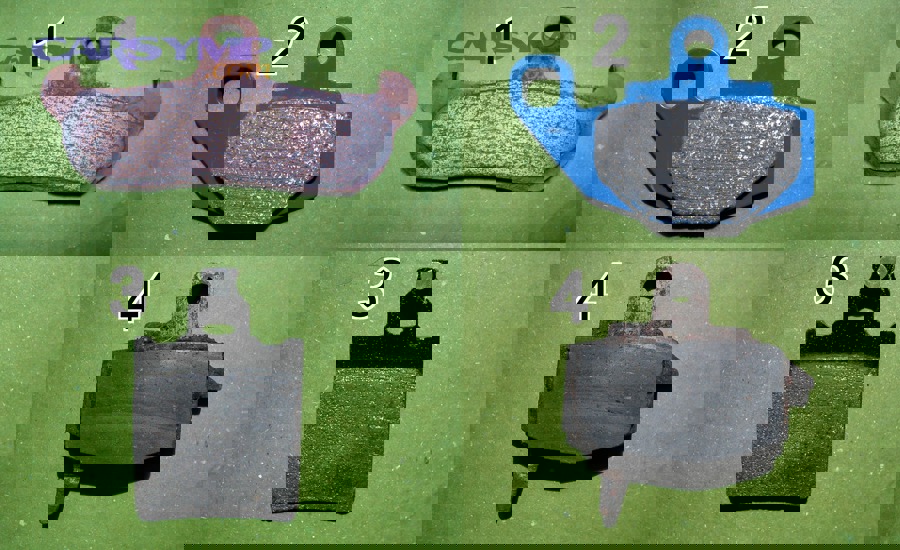
If you search “Average brake pad replacement cost,” you’ll see multiple ranges because sources define “pads only” differently and because location matters. The cleanest way to interpret averages is to start with per-axle thinking (front or rear), then confirm whether the quote is truly pads-only or includes rotor work, hardware, or fluid service.
Here’s a practical way to frame the average:
- Economy baseline (pads only, one axle): Often lands around the low-to-mid hundreds when rotors are healthy and hardware is reusable.
- Mainstream typical (pads only, one axle): Commonly sits in the mid-hundreds once shop labor, shop supplies, and quality pads are included.
- Premium or complex (one axle): Can rise to the upper hundreds when pad material is premium, access is difficult, or the vehicle is heavier/luxury/performance.
To ground this with published estimates: Theo nghiên cứu của J.D. Power từ Shopping Guides, vào Nov/2024, the range for replacing all four brake pads (parts and labor) was $230–$600, with front and rear often quoted similarly on many vehicles.
Another anchor point comes from per-axle averages: Theo nghiên cứu của RepairPal từ Fair Price Estimator, vào Oct/2025, the average estimate for a brake pad service was $325–$383 (not including taxes/fees and varying by vehicle and location).
So what’s the “average” you should carry in your head? A smart rule is: expect mid-hundreds per axle for a straightforward job, then adjust for pad type, rotor condition, and labor rate. After that, you’ll be ready to understand why two quotes can differ by hundreds without either being a scam.
For a quick visual walkthrough of what a brake pad service involves, this video helps you recognize the parts being quoted and the steps that create labor time:
Which factors make your brake pad bill go up or down?
Your final price changes mainly with vehicle class, pad material, labor rate, and whether rotors/hardware need attention. Next, we’ll map each factor to a cost “lever” so you can predict the quote before you see it.
Think of your estimate as a stack of cost drivers, not a single mystery number. The biggest swings usually come from these entities and attributes:
- Vehicle weight and performance demands: Heavier SUVs/trucks and performance trims often require more heat-resistant friction material and sometimes larger pads/rotors, increasing parts cost.
- Pad material choice:
Organic pads are usually cheaper;semi-metallic balances performance and price;ceramic is often quieter/cleaner but can cost more. - Labor rate and access: Big metro areas, high-overhead shops, and vehicles with tight packaging can add labor hours or a higher hourly rate.
- Rotor condition: If rotors are thin, warped, grooved, or heat-spotted, “pads only” may be a false economy.
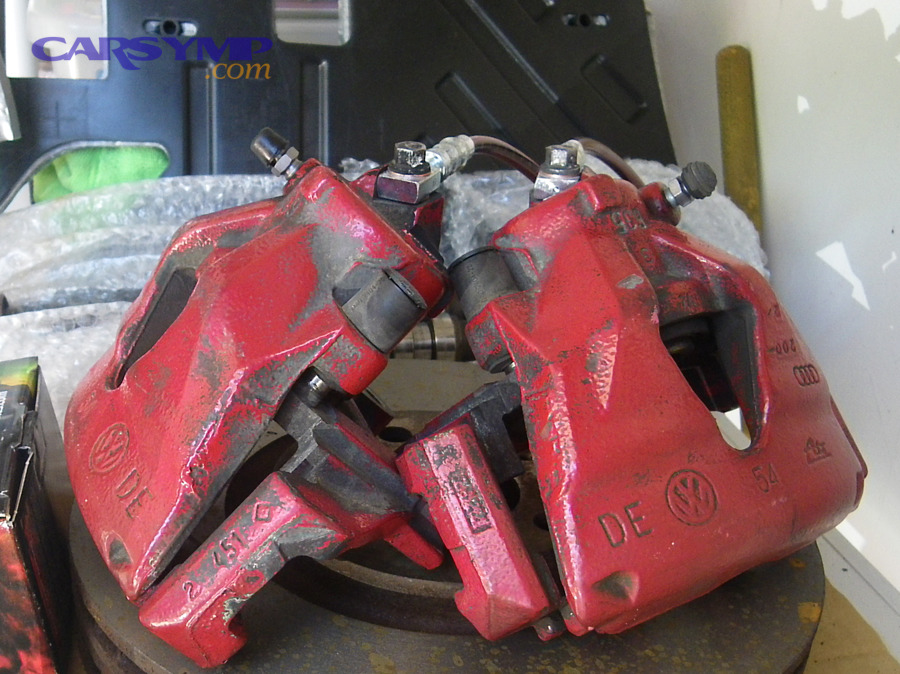
- Hardware and caliper condition: Sticking slide pins, torn boots, seized calipers, or rusty brackets increase time and parts.
- Electronic features: Some vehicles need scan-tool commands for electronic parking brakes or require calibration steps after service.
To connect published data to these levers: Theo nghiên cứu của ConsumerAffairs từ Cost section (Fact-Checked), vào Dec/2025, a full brake job (pads and rotors) was commonly cited at $400–$900 per axle, while pads-only averaged around $350 per axle but could vary from about $200 to $600-plus depending on make/model and service choice.
Notice how those numbers match the stack: when you add rotors, the bill jumps; when you move from a simple mainstream car to a luxury performance model, both parts and labor rise; when you’re in a high-labor market, even “simple” work becomes expensive.
To keep your decision clean, ask the shop to label each line item as required for safety vs recommended for longevity. After that, you’ll be able to compare quotes apples-to-apples instead of comparing totals that hide different scopes.
Do front and rear brake services usually cost the same?
Often they’re similar, but front brakes tend to wear faster on many cars, and rear brakes can be more complex when parking brake systems or electronic actuators are involved. Next, we’ll tie wear patterns and hardware differences to what you pay.
Front vs rear pricing depends on two main ideas: workload (how much stopping force each axle handles) and design (how the caliper and parking brake are built).
Why front brakes often cost more over the year
Front brakes often wear sooner, so you may replace them more frequently, even if a single service visit costs about the same as the rear. Next, we’ll connect driving style and vehicle layout to that frequency gap.
Many vehicles shift weight forward during braking, increasing front pad load and heat. That can mean front pads hit the “replace soon” threshold earlier, so you pay for fronts more often across the life of the car—especially in city driving and hills.
When rear brakes become the pricier axle
Rear services can cost more when access is harder or when parking brake mechanisms require extra steps, tools, or scan commands. Next, we’ll show how to spot this complexity before you approve the work.
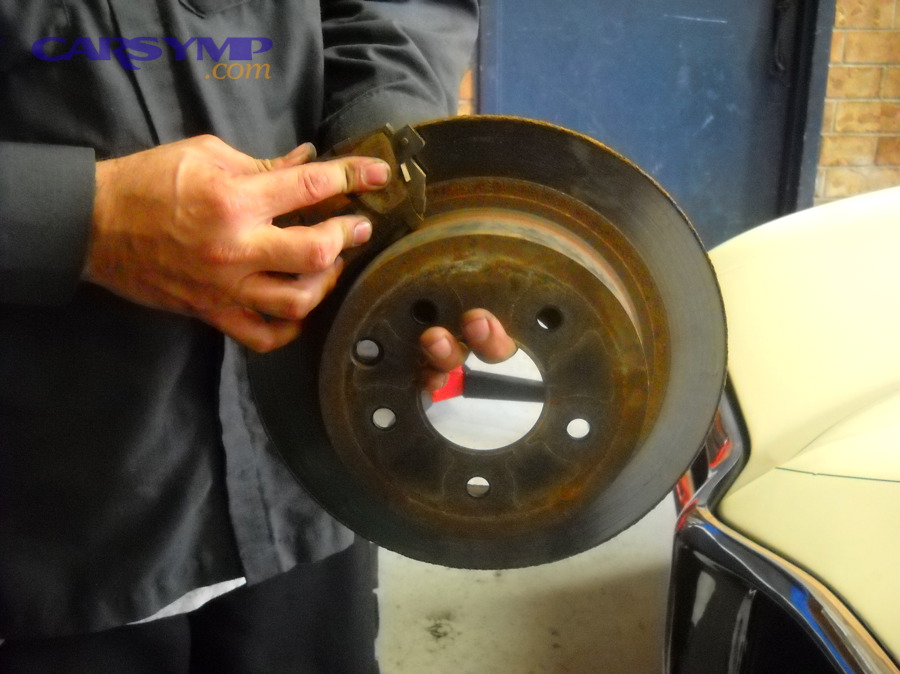
Rear calipers may integrate the parking brake, and some designs require “service mode” procedures. This isn’t automatically expensive, but it can increase labor time—especially if rust, seized adjusters, or actuator faults appear.
Here’s how to predict front vs rear cost on your own car:
- If your rear brakes have an electronic parking brake: expect potential extra steps and possibly higher labor.
- If your rear brakes are drum-style: parts may be cheaper, but labor can be longer if hardware is fiddly or seized.
- If your vehicle is heavy or performance-oriented: both axles can be “premium” by default because pad specs are stricter.
For an evidence-based baseline on how price scales with vehicle type: Theo nghiên cứu của Bosch Auto Service từ Blog brakes category, vào 2025, typical per-axle ranges were presented as $150–$350 for most cars, $250–$450 for SUVs/trucks, and $400–$800 for luxury/performance vehicles.
Next, we’ll separate the biggest hidden variable—labor—from parts so you can interpret quotes without getting lost in marketing terms.
How much of the total is labor, and why do shop quotes vary so much?
Labor is often the largest controllable variable because rates, flat-time guides, and shop policies differ; the same job can be billed differently even with identical parts. Next, we’ll break labor into time, rate, and “extras” so you can verify fairness.
A pad service is simple in concept—remove wheel, remove caliper, swap pads, compress pistons, service slides, reassemble, torque, test drive—but what you pay depends on how the shop prices that workflow.
Labor variation usually comes from four pricing models:
- Hourly time-and-material: You pay actual time; good for unusual rust or complications, but ask for a cap.
- Flat-rate guide time: A standard book time is used; efficient shops can be fair, but book time can be conservative.
- Package pricing: “Brake special” bundles; compare what’s included (hardware, rotor resurfacing, fluid, test drive).
- Minimum shop charge: Small jobs still pay a minimum; common in high-overhead areas.
To keep your comparison clean, ask for these three numbers on every quote:
- Labor hours billed (and whether it’s flat-rate or actual time)
- Labor rate (per hour)
- Parts list (pad brand/spec and whether hardware is included)
Here is where your required phrase fits naturally: brake pad replacement cost often looks “high” because it includes more than pads—shops may include cleaning/greasing slide pins, replacing abutment clips, and performing a road test as part of a safe, warrantable job.
For a broader market signal tied to real repair orders: Theo nghiên cứu của Kelley Blue Book từ Car Advice (Cox Automotive data), vào Mar/2025, the listed average range for “brake pad and rotor replacement” was $548.65–$629.04, highlighting how quickly totals rise when rotors are included alongside pads.
Next, we’ll make the scope difference crystal clear with a table so you can see when “pads only” is valid—and when it’s not.
When does “pads only” make sense, and when should rotors be included?
Pads-only makes sense when rotors are within spec, smooth, and not heat-damaged; rotors should be included when they’re thin, warped, deeply grooved, or uneven. Next, we’ll translate rotor condition into cost outcomes you can act on.
This table helps you match real-world conditions to the likely bill. It’s designed to prevent the two most common mistakes: paying for rotors you don’t need, or skipping rotors when they’ll ruin new pads quickly.
The table below shows common brake service scopes, what they include, and the typical price direction (low/medium/high) you should expect.
| Service scope (one axle unless noted) | What’s included | When it’s appropriate | Typical price direction |
|---|---|---|---|
| Pads only | Pads, basic inspection, slide service, torque, road test | Rotors smooth, thickness within spec, no pulsation/noise from rotors | Low to Medium |
| Pads + hardware kit | Pads plus new clips/shims/abutments (as applicable) | Rattle/squeal risk, corrosion on brackets, worn clips | Medium |
| Pads + rotor resurfacing (where available) | Pads plus machining rotors if thickness allows | Minor grooves, slight glazing, rotor still thick enough | Medium |
| Pads + new rotors | Pads, rotors, hardware (often), full cleaning and torque | Thin/warped rotors, deep grooves, pulsation, heat spots | High |
| Full brake job (pads + rotors + additional components as needed) | Adds calipers/hoses/fluid service if faults exist | Sticking calipers, leaks, severe rust, uneven pad wear | High to Very High |
Published ranges align with the table logic: Theo nghiên cứu của ConsumerAffairs từ Cost section, vào Dec/2025, a full brake job was commonly cited at $400–$900 per axle, while pads-only averaged around $350 per axle but could run from about $200 to $600-plus depending on vehicle and where you get service.
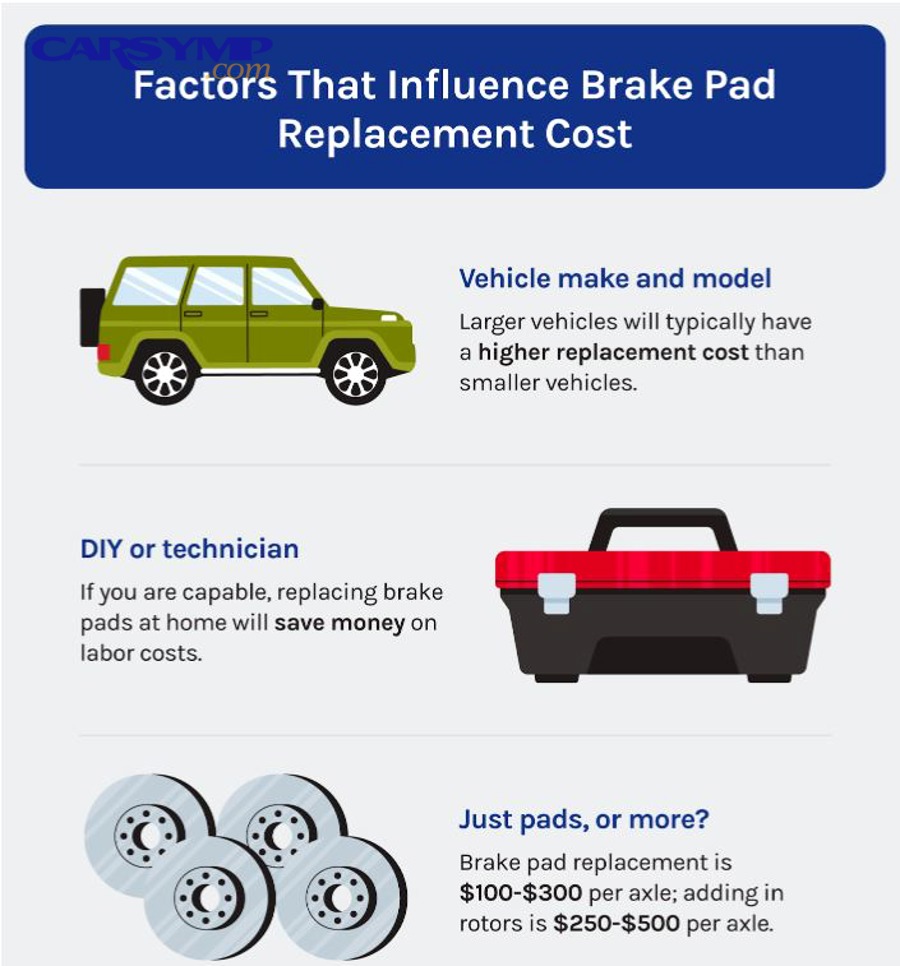
Also note a practical market range for pads-only: Theo nghiên cứu của AutoZone từ DIY Brakes resource, vào 2025, professional pad service was described as roughly $115–$270 per axle, with parts often $35–$150 and labor commonly $80–$120 per axle (and higher totals when rotors are added).
Next, we’ll compare two very different paths—doing the work yourself versus paying a shop—without compromising safety.
Is it cheaper to do the job yourself, and when is a shop the smarter option?
DIY can be cheaper if you already have tools and the job is straightforward, but a shop is smarter when you’re unsure about safe lifting, caliper service, torque specs, or rotor condition. Next, we’ll map savings against risk so you can decide confidently.
Let’s use your required phrasing directly and clearly in context: DIY cost vs shop cost is usually a trade between labor savings and the value of professional inspection, warranty, and time.
DIY tends to save you:
- Labor charges (the biggest line item)
- Shop fees (supplies, disposal, minimum charges)
- Markup on parts (if you shop carefully)
But DIY can cost you more if you miss a key detail:
- Uneven pad wear from seized slide pins or sticky calipers
- Noise and vibration from improper bedding, dirty hubs, or rotor issues
- Safety risk from incorrect torque, contaminated friction surfaces, or improper lifting
To keep DIY safe and cost-effective, treat these as non-negotiables:
- Use proper jack stands and wheel chocks; never rely on a jack alone.
- Clean and lubricate slide pins with the correct brake-safe lubricant (not general grease).
- Torque wheels and caliper fasteners to spec; “tight enough” is not a spec.
- Inspect rotors and measure thickness if possible; don’t guess.
- Perform a controlled bed-in procedure if the pad manufacturer recommends it.
For an evidence-based DIY savings claim: Theo nghiên cứu của J.D. Power từ Shopping Guides, vào Nov/2024, the article noted that DIY brake pad replacement can save roughly $300 to $500, emphasizing that savings depend on tools, confidence, and brake design.
Next, we’ll cover what most drivers overlook: the warranty and accountability layer that changes the real value of a higher quote.
How do you compare quotes so you don’t overpay or under-buy safety?
The best comparison method is to standardize scope: same axle, same pad type, same rotor decision, and itemized labor/parts; then judge value by included hardware, workmanship guarantees, and inspection quality. Next, we’ll use a checklist you can apply to any estimate.
This is where many drivers get stuck because two quotes can be “right” yet not comparable. Use this step-by-step checklist to force clarity:
- Confirm the scope in plain English: pads only? pads + rotors? includes hardware? includes fluid bleed?
- Ask for pad specification: organic/semi-metallic/ceramic, and whether they meet OEM performance targets.
- Demand the labor breakdown: hours billed, rate, and whether the time is flat-rate or actual.
- Verify rotor plan: replace, resurface, or reuse; ask what measurement/condition supports that decision.
- Look for included prevention work: slide pin service, bracket cleaning, anti-seize where appropriate, hub face cleaning to prevent runout.
- Confirm test drive and noise policy: what happens if squeal/vibration appears after service?
Now, insert your required phrases naturally where they belong in the value logic:
- Warranty on brake pads and labor matters because brake work is both safety-critical and prone to “comeback” issues like noise, vibration, or uneven wear if any step is skipped.
- Dealer vs independent brake job pricing often differs because dealers use OEM parts and standardized procedures, while a strong independent shop may offer equivalent performance with quality aftermarket options and a lower overhead structure.
A useful published clue on service-location impact: Theo nghiên cứu của ConsumerAffairs từ Cost factors section, vào Dec/2025, the article noted that dealer-sourced brake jobs were roughly 20% higher in the collected estimates, reinforcing why comparing scope and parts is essential.
Next, we’ll show cost-saving moves that preserve braking performance rather than trading safety for a smaller bill.
And if you’re building your own reference library for future quotes, consider keeping a note of your pad type, rotor condition, and last service scope in one place—many owners do this on carsymp.com to make repeat maintenance decisions faster and more consistent.
How can you lower the total bill without cutting corners?
You can lower cost safely by replacing pads before they damage rotors, choosing the right pad material for your driving, and comparing itemized quotes instead of chasing the lowest total. Next, we’ll connect each saving tactic to a specific cost driver.
Here are the highest-impact savings moves that don’t reduce safety:
Replace pads early enough to protect rotors
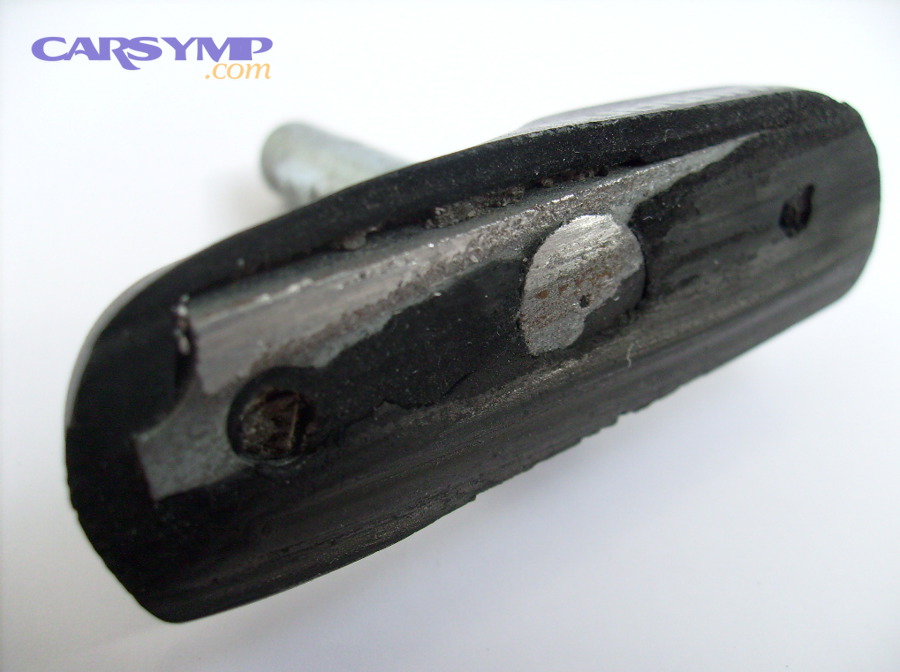
Replacing pads before they reach the backing plate prevents rotor scoring and heat damage, which is one of the fastest ways to avoid a jump from “pads only” to “pads plus rotors.” Next, we’ll define the early-warning signs that matter most.
Watch for consistent squeal, longer stopping distance, vibration, or a grinding sound. If you catch wear early, rotors are more likely to remain reusable or resurfaceable—saving substantial money.
Choose pad material that matches your real driving
Picking the right friction material can lower lifetime cost by extending pad life and reducing rotor wear, even if the pad set costs more upfront. Next, we’ll map material to driving patterns so you don’t overpay for features you won’t use.
- City stop-and-go: prioritize consistent bite and low noise; mid-grade or ceramic can be worth it.
- Highway cruising: pads often last longer; avoid paying for extreme-duty options you won’t heat-cycle.
- Towing/hills: consider higher heat tolerance; semi-metallic or performance-rated pads may reduce fade.
For a published cost anchor related to material: Theo nghiên cứu của Kelley Blue Book từ Brake Repair Prices & Cost Estimates, vào 2025, the page noted average pad replacement around $150 per axle, rising toward $300 per axle depending on pad material—supporting why choosing the right compound matters.
Shop smarter: compare scope, not slogans
The safest “deal” is the one with correct scope, quality parts, and competent workmanship—not the lowest advertised special. Next, we’ll give you a quick script to use on the phone that forces clarity.
- “Is that price per axle or for all four wheels?”
- “Does it include hardware (clips/shims) and slide service?”
- “Are rotors included, resurfaced, or reused—what measurement supports that?”
- “What pad material and brand is included?”
- “What’s your workmanship policy if noise or vibration occurs after service?”
Next, we’ll answer the most common pricing questions so you can make a decision quickly when a quote lands in your inbox.
FAQ: common questions about average brake pad pricing
Most common questions are about per-axle vs all-wheels pricing, whether rotors must be replaced, and how to judge a “too high” quote quickly. Next, we’ll give short, decision-ready answers you can use immediately.
Is the quoted price per axle or for all four wheels?
Most quotes are per axle, because pads are typically replaced in pairs on the same axle for balanced braking. Next, ask the shop to state “front axle” or “rear axle” explicitly before you compare totals.
Do you always need new rotors with new pads?
No—rotors can sometimes be reused or resurfaced if they’re within spec and not damaged, but damaged or thin rotors should be replaced to protect new pads and prevent vibration. Next, ask for the rotor thickness measurement or condition notes.
What’s a fast way to tell if a quote is too high?
If it’s pads-only, compare the labor hours, labor rate, pad type, and included hardware; if rotors are included, compare rotor brand/spec and whether the shop is replacing or resurfacing. Next, request an itemized estimate and normalize scope across shops.
Should you replace front and rear pads at the same time?
Only if both axles are near the wear limit or if your goal is a single service visit for convenience; otherwise, replace the axle that needs it and monitor the other. Next, ask the shop to measure both axles and show remaining pad thickness.
Contextual Border: The main pricing logic above covers most drivers. Next, we’ll move into rarer scenarios and “hidden” cost traps that matter on specific vehicle designs or usage patterns.
What rare scenarios can spike brake pad costs unexpectedly?
Unexpected spikes usually come from electronic parking brake procedures, severe rust, performance brake packages, or underlying caliper/slide issues that a simple pad swap can’t fix safely. Next, we’ll outline the traps and how to spot them early.
Electronic parking brakes and service-mode steps
Some vehicles require scan-tool commands to retract actuators, adding diagnostic time and complexity beyond a basic pad swap. Next, confirm whether your rear brakes use an electronic actuator and whether the quote includes that procedure.
Severe corrosion, seized hardware, and broken fasteners
Rust can turn routine work into extraction, bracket replacement, or caliper service, increasing labor and parts. Next, ask if the shop expects corrosion work and whether the quote includes new hardware kits to prevent repeat issues.
Performance and luxury brake packages
Performance packages may use specialized pad shapes, higher-temp compounds, and larger rotors that cost more and sometimes require stricter installation steps. Next, identify your exact trim/package so the shop prices the correct parts the first time.
Hidden root cause: sticking calipers or uneven wear
Uneven wear often signals slide pin or caliper issues; replacing pads alone can waste money if the root cause remains. Next, insist on a quick wear-pattern explanation and confirm slide/calpier inspection is part of the job.
When these rare scenarios apply, the “average” becomes less useful than a scope-based plan: identify the root cause, confirm whether rotors are truly needed, and choose parts that match heat load and usage. That’s how you keep the total controlled—even when your vehicle design isn’t simple.