


If you’re weighing an engine rebuild against an engine replacement, the honest answer is that a rebuild is often cheaper—but the cheapest option isn’t always the best deal once labor, machining risk, downtime, and warranty coverage are included. The real goal of a rebuild vs replace engine cost comparison is to choose the option that delivers reliable miles at the lowest total cost, not just the lowest quote.
Next, you’ll see what “replacement” really means (used vs remanufactured vs new/crate) and why two replacement quotes can differ by thousands even when both sound similar on the phone. Then, you’ll learn how to spot the situations where rebuilding is the smarter play and where replacing wins because it’s faster, more predictable, or avoids expensive machine work.
In addition, we’ll break down How to get an accurate engine estimate by turning confusing shop language—parts lists, “long block,” “R&R,” core charges—into a simple out-the-door number you can compare apples-to-apples. Introduce a new idea: once you can compare totals instead of guesses, the “rebuild vs replace” decision becomes much clearer.
Is it cheaper to rebuild or replace an engine?
Yes—an engine rebuild is often cheaper than replacing, mainly because you reuse the existing block, you can limit parts to what’s actually worn, and you avoid many replacement add-ons like shipping and core charges, but replacement can still be cheaper when labor or machining costs spike.
However, the reason this question is tricky is that “cheaper” can mean (1) lowest invoice, (2) lowest cost per mile, or (3) lowest risk of surprise costs. So before you decide, you need to understand what typically drives each bill.
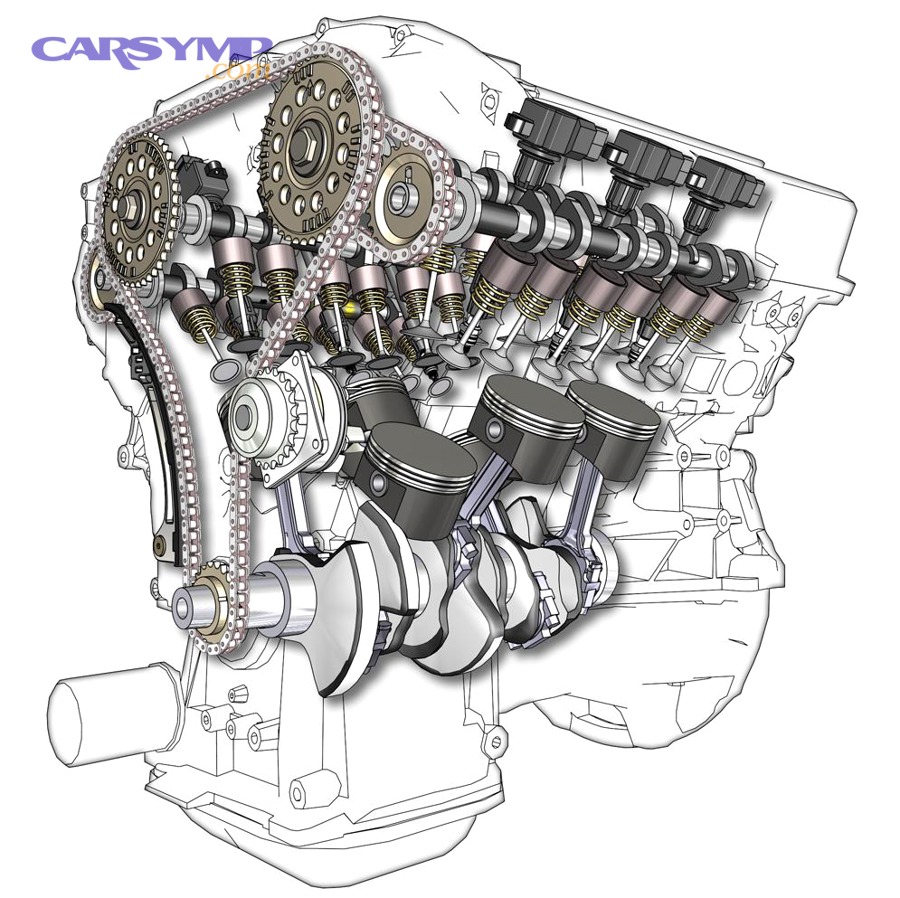
Does rebuilding usually cost less than replacing?
In many everyday cases—especially for common commuter vehicles—rebuilding can come in lower because the shop is reconditioning major components instead of buying a full assembly. A typical rebuild quote is driven by:
- Parts replaced (bearings, rings, gaskets, timing set, oil pump, etc.)
- Machine shop operations (boring/honing, decking, valve job, crank polish/grind)
- Labor for teardown + reassembly + reinstall
- Consumables (fluids, sealants) and optional “while you’re in there” items
The hidden lever is that rebuilds can be scoped. If the rotating assembly is salvageable and the cylinder walls clean up with minimal machining, the engine repair cost can stay controlled. But if the teardown reveals cracks, deep scoring, a spun bearing, or an overheated head, the rebuild can snowball fast.
Can a replacement engine be cheaper when labor is high?
Yes—replacement can win on price when labor hours are the big number, or when machining is expensive in your area. For example, some vehicles are packaged so tightly that the labor to remove and reinstall the engine is high no matter what you do; if you’re paying those hours either way, a replacement engine with predictable turnaround can look attractive.
Replacement can also be cheaper when:
- A used engine is plentiful in salvage networks
- A remanufactured engine is available off-the-shelf with strong warranty terms
- Your current engine needs heavy machining (multiple cylinders, crank grind, head replacement)
Is a rebuild always the best value if you want to keep the car?
No. A rebuild can be the best value when it’s done right and the block/heads are good candidates, but it can also be the riskiest route when the builder can’t fully price the job until teardown. If you need a fixed number and timeline, replacement often provides more certainty—especially remanufactured options that come as a tested assembly.
Evidence: According to a study by the University of Michigan from the Center for Sustainable Systems, in 2004, life-cycle modeling found remanufactured engines could deliver major production-stage savings versus new engines (including large energy and CO₂ reductions), reinforcing why reman engines often compete strongly on overall value beyond just purchase price. (onlinelibrary.wiley.com)
What’s the difference between used, remanufactured, and new replacement engines?
There are three main types of replacement engines—used, remanufactured, and new/crate—based on how much is reconditioned and tested before sale, and each type trades off price, risk, warranty coverage, and downtime differently.
Next, if you treat “replacement” as a single category, you’ll compare the wrong numbers—because a cheap used engine and a premium reman engine are not the same product.
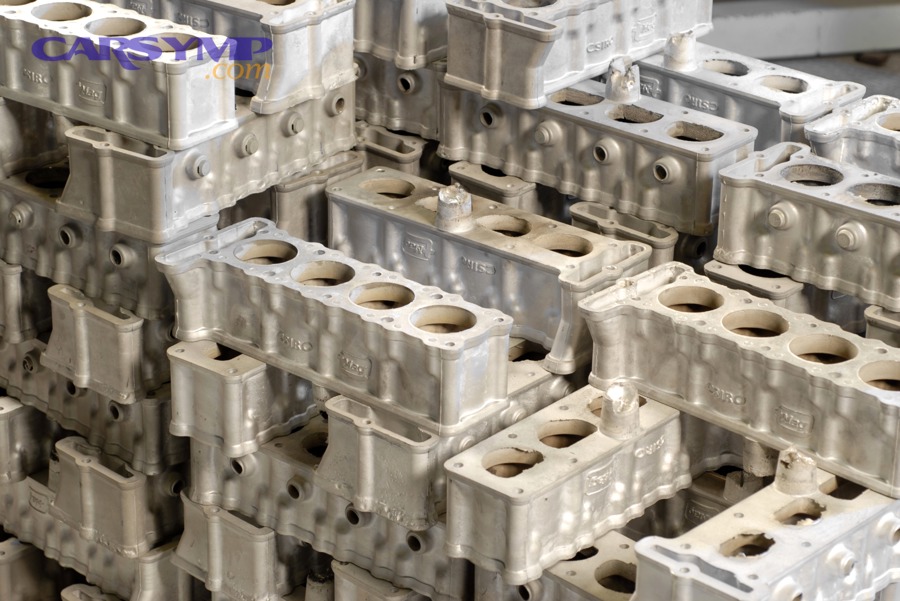
What is a used engine and what are the cost risks?
A used engine typically comes from a salvage vehicle and is sold “as removed,” sometimes with a claimed mileage. It is usually the lowest up-front price option, but it carries the most uncertainty because wear history is unknown.
Common cost risks include:
- Unknown maintenance and oil-change history
- Hidden overheating damage (warped head, weak gasket sealing surfaces)
- Timing chain/belt condition unknown
- Internal sludge or worn bearings you can’t see
A used engine can be a smart buy when it’s sourced from a reputable yard with documentation and a strong start-up warranty, and when your vehicle’s value doesn’t justify premium options.
What is a remanufactured engine and what does “reman” include?
A remanufactured (reman) engine is typically rebuilt to standardized specifications, with key wear items replaced and machining performed as needed, then assembled and tested under controlled processes. In practical terms, a reman is meant to reduce the “surprise factor” that makes custom rebuilds stressful.
Reman packages often include:
- Machined block (as needed)
- Reconditioned or replaced heads
- New bearings, rings, gaskets, and seals
- Updated components for known failure points (varies by supplier)
- Quality checks and sometimes dyno/pressure testing (varies)
The big advantage is repeatability: pricing and lead time can be more predictable than a local rebuild.
What is a new crate engine and when does it make sense?
A new (often called “crate”) engine is a new assembly from a manufacturer or performance supplier. It tends to be the highest up-front cost, but it can make sense when:
- The vehicle is high value or you plan to keep it long-term
- You want a performance upgrade with a warranty
- Your original engine is not a good rebuild candidate (cracked block, severe damage)
- You need a clean, standardized installation path
How do warranties compare across replacement types?
In general:
- Used engine: short warranty (often limited to start-up or short mileage)
- Reman engine: longer warranties are common (terms vary widely)
- New/crate engine: may have strong warranty terms, but installation requirements can be strict
The key is not just warranty length, but what voids it (overheating, improper installation, missing proof of ancillary part replacement).
Evidence: According to a study by the University of Michigan from the Center for Sustainable Systems, in 2004, survey-based cost comparisons in remanufacturing research reported reman engines pricing significantly below new engines in real market contexts, supporting why reman is often the “middle path” between cheap used and expensive new. (onlinelibrary.wiley.com)
When should you rebuild instead of replace?
There are four common situations where rebuilding is the better choice: a proven-good block, limited and diagnosable damage, strong machine-shop support for your engine, and a goal to upgrade internal components while you’re already paying for labor.
To better understand this decision, you need to think like a buyer: are you paying for a known asset (your current engine core) that can be restored reliably, or are you paying to swap in an unknown?
Do you have a known-good block and matching numbers concerns? Rebuilding shines when your existing engine is a “known entity.” You already know how it was maintained, how it failed, and whether it ran hot or low on oil. For certain vehicles, there’s also value in keeping the original block (collectability, matching numbers, sentimental reasons, or emissions compatibility).
- No cracks in block/head castings
- No catastrophic windowed block damage
- Oil pressure and wear patterns suggest normal aging instead of abuse
- The engine is uncommon or expensive to source as a replacement
Is your engine damage limited and diagnosable? If the problem is clear—worn rings, tired bearings, valve seals, mild cylinder wear—a rebuild can target the real cause instead of rolling the dice on a replacement that may have its own issues.
- Low compression due to ring wear (not cracked pistons)
- Oil consumption with otherwise healthy internals
- Head gasket failure where overheating was controlled quickly
- Valve train wear on engines with strong bottom ends
Can your local machine shop and builder support the platform? A rebuild is only as good as the measuring, machining, and assembly practices behind it. The best rebuilds come from shops that measure clearances precisely, use proper surface finish specs for modern gaskets, know common failure points on your engine family, and stand behind their work.
Do you want upgrades while you’re inside the engine? A rebuild can be the perfect moment to add durability upgrades because you’re already paying for teardown and assembly labor, such as improved oiling components, updated timing parts, valve train improvements, and better gaskets or fasteners where appropriate.
When should you replace instead of rebuild?
There are four common scenarios where replacement is the smarter move: major block/head damage, the need for a predictable timeline, abundant low-mile replacement supply, or an engine design with recurring failures that make rebuilding less attractive.

On the other hand, the biggest reason people regret rebuilds is paying teardown costs only to learn the core is not salvageable.
Is the block or head damaged beyond practical machining? Replacement usually wins if you have a cracked block or head casting, severe overheating that warped surfaces, spun bearings that damaged the block saddles, deep cylinder scoring that requires excessive overbore, or catastrophic failure that spread debris everywhere.
Are you facing tight deadlines or need predictable turnaround? A rebuild timeline depends on teardown findings, machine shop scheduling, and parts availability. Replacement—especially reman—can be faster because the engine is ready to ship or already in stock.
Does your vehicle platform have plentiful low-mile engines? Some engines are extremely common. In those cases, used engines may be plentiful and cheap enough that the price-per-risk looks acceptable—especially if the vehicle itself isn’t worth investing in a premium build.
Is your current engine a design known for recurring failures? Some engine families have known weak points. In those cases, a rebuild only makes sense if the builder addresses the known failures with updated parts and procedures. If that’s not happening, replacement can be the safer and cheaper path.
How do you estimate your real “out-the-door” total cost for rebuild vs replace?
Use one comparison method with four steps—(1) standardize what’s included, (2) convert both options into a single out-the-door number, (3) add risk buffers, and (4) divide by expected miles—to get a real rebuild vs replace cost comparison you can trust.
More specifically, the only way to avoid quote confusion is to translate every estimate into the same categories.
What costs are included in a rebuild estimate?
A rebuild estimate should clearly separate removal and reinstall (R&R) labor, teardown and assembly labor, machine shop costs (line-item if possible), parts kit and replaced components, fluids and filters, shop supplies and environmental fees, and warranty terms with what voids them.
What costs are included in an engine replacement estimate?
Replacement estimates often look simpler, but they hide more “extra” categories, including engine price (used/reman/new), core charge, shipping, transfer parts (intake, accessories, sensors), ancillary replacement often required for warranty, programming/calibration, and fluids and disposal fees.
How do labor hours and machine shop costs change the math?
This is the line item that most often flips the outcome. Labor hours and machine shop costs explained in plain terms: a rebuild adds engine teardown + reassembly labor and machine shop charges, while replacement may reduce internal labor but can add transfer/fitment labor, troubleshooting, and extra parts to meet warranty rules.
How to get an accurate engine estimate from any shop?
Here’s How to get an accurate engine estimate you can actually compare:
- Request the same scope in writing for both options (what’s included, warranty requirements, timeline).
- Ask for the “installed total,” not just the engine price (include fluids, taxes/fees, programming).
- Force clarity on unknowns: “What changes after teardown?” and “What’s the not-to-exceed number?”
- Ask for failure-mode logic: “What evidence supports rebuild vs replace for my engine?”
- Confirm parts quality level and warranty conditions.
To make the comparison easier, the table below shows the typical cost buckets you should see on a complete quote.
| Cost bucket | Rebuild (typical) | Replacement (typical) |
|---|---|---|
| Engine removal/reinstall labor | Yes | Yes |
| Internal teardown/assembly labor | Yes | No (or minimal) |
| Machine shop charges | Yes | No |
| Engine assembly purchase price | No | Yes |
| Core charge / core eligibility | No | Often yes |
| Shipping/handling | Rare | Common (reman/new) |
| Transfer parts / accessory swaps | Sometimes | Common |
| Fluids, filters, shop supplies | Yes | Yes |
| Warranty requirements (ancillaries) | Sometimes | Common |
Which option is “worth it” for your car’s age, mileage, and long-term plans?
Rebuild is often “worth it” when you want long-term ownership and your engine is a solid rebuild candidate, while replacement is often “worth it” when you need predictable time-to-road or your vehicle’s total condition doesn’t justify rebuild uncertainty.
Meanwhile, the only fair way to decide “worth it” is to compare total installed cost against expected remaining life of the vehicle.
How do age and mileage change the break-even point? Age and mileage determine how many reliable miles you can realistically “buy” with your investment. If the car is older and high-mileage, you’re betting the transmission, suspension, and electronics won’t create a second major bill soon. If the car is newer or you plan to keep it for years, the bigger investment can be justified.
How does the rest of the car’s condition affect ROI? This is where many decisions go wrong. A strong engine in a weak car is not a win. Replacement or rebuild is more “worth it” when the vehicle also has a solid transmission history, no serious rust, a reliable cooling system, and consistent maintenance.
How do resale value and documentation factor in? Documentation increases trust. A documented reman engine with warranty paperwork can be easier to explain, while a professional rebuild with receipts and machine-shop details can also add value. What matters is proof: invoices, warranty terms, and mileage at install.
What should DIYers consider compared to paying a shop? DIY can change the math dramatically, but only if you can do it safely and correctly. DIY reduces labor, but modern vehicles may require programming, special tools, and careful procedure to avoid expensive repeat work.
What hidden factors can swing the decision after the quote is in your hand?
Hidden factors that most often change the rebuild vs replace decision are add-on parts, warranty requirements, payment logistics, and compliance issues—because they can add thousands after you think you’ve already “picked the cheaper option.”

Especially when two quotes are close, these details decide which option is truly safer and cheaper.
What add-on parts are “while you’re in there” and how much do they cost?
Common add-ons that inflate totals include water pumps, thermostats, hoses, motor mounts, cooling system components, sensors, ignition parts, oil coolers, and turbo oil lines. Some are smart preventive replacements due to labor overlap; others are unnecessary upsells unless required for warranty or known failure prevention.
How do financing and insurance considerations affect the decision?
Financing and insurance considerations can matter more than people expect. Some shops offer financing that changes what you can afford today, and some extended warranties or insurance policies may cover certain failure types but not others. Many programs require professional installation and detailed documentation.
How do warranties, core charges, and shipping/returns work?
Core charges may be refunded only if your old engine qualifies. Shipping can add freight and liftgate fees. Returns may require proof of installation steps, fluid flushes, and related part replacement. These policies explain why two similar engine listings can produce very different installed totals.
How do emissions rules and inspections complicate swaps?
Some regions require emissions-family compliance, ECU compatibility, and readiness monitor completion. If your area enforces strict testing, rebuilding to keep original configuration can reduce inspection risk.
Evidence: According to a study by the University of Michigan from the Center for Sustainable Systems, in 2004, market and life-cycle analyses in remanufacturing research highlighted that reman engines can materially reduce resource intensity compared to new production while also offering strong economic competitiveness, helping explain why reman replacement often becomes the “risk-controlled” alternative to a custom rebuild. (onlinelibrary.wiley.com)