


If your dashboard security light stays on or flashes and the engine refuses to run, the immobilizer system is one of the first suspects: it may be blocking fuel, spark, or starter authorization because it does not “recognize” the key.
Beyond the immobilizer itself, the same warning lamp can appear when the vehicle’s body electronics detect a communication, power, or module “handshake” problem—so the right path is to separate a true anti-theft lockout from look-alike electrical and engine faults.
Once you can read the light behavior, key type, and start attempt pattern, you can narrow the problem quickly to key/fob issues, antenna/reader faults, module power/ground problems, or wiring and network errors—then decide whether a simple reset is safe or professional programming is needed.
To introduce a new idea, treat every no-start as a decision tree: confirm immobilizer authorization first, then verify power, cranking, fuel, and engine speed signals so you don’t replace good parts.
What does the security or immobilizer light mean during a no-start?
A security/immobilizer lamp usually means the vehicle’s anti-theft controller is not granting start authorization, so the engine may crank but never fire, or it may disable the starter entirely depending on design.
To start, focus on the lamp’s timing: does it flash rapidly while you crank, stay solid in “ON,” or behave normally and then reappear after a few seconds?
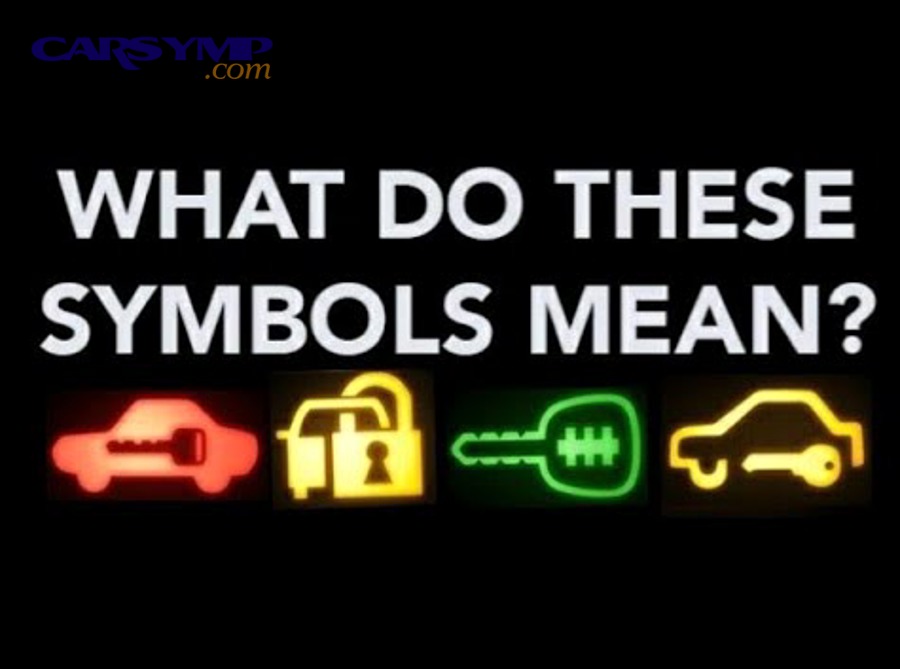
Which light behaviors point to an immobilizer lockout?
A rapid flash or a solid “security” icon that appears exactly when you attempt to start often indicates an authorization failure rather than a random electrical fault.
Cụ thể, many systems will flash quickly when a wrong/unknown key is detected, and some will turn solid if the module sees a key but cannot verify it.
- Rapid flashing while starting: common with transponder mismatch or reader/antenna faults.
- Solid security light in ON, then no start: can indicate stored immobilizer faults or lost synchronization.
- Light turns off normally, then engine stalls: can point to intermittent authorization or module power loss.
When the light is misleading
Sometimes the security lamp is a “secondary symptom” caused by low voltage, poor grounds, or a body control module that resets during cranking.
Ngược lại, a true immobilizer fault typically remains consistent across repeated start attempts and often improves or worsens with key changes (spare key vs primary key).
- Low battery voltage during crank can reboot modules and trigger an anti-theft warning without a real theft event.
- Aftermarket remote start or alarm wiring can confuse the vehicle’s anti-theft logic.
- Network (CAN) errors can prevent modules from sharing “OK to start” messages.
What are the main immobilizer and security light no-start causes?
The most common causes are key/fob problems, reader/antenna failures, module power/ground issues, and lost programming or synchronization between the key and the immobilizer controller.
Tiếp theo, break causes into “what the car needs to see” (a valid key) and “what the car must do” (authorize starter/fuel/spark) so each test you do eliminates a whole category.

Key, transponder, and fob failures
A damaged transponder chip, a worn key head, water intrusion, or a weak fob battery (for push-button systems) can prevent the vehicle from reading the key correctly.
Ví dụ, a proximity key might unlock doors but still fail to start if the internal fob battery is too weak for a stable “in-cabin” authentication handshake.
- Transponder chip damage: cracked key head, impact damage, or poor solder joints in some integrated keys.
- Fob battery weak: smart keys may intermittently fail to start, especially in cold weather.
- Wrong key or unprogrammed spare: valet keys or cut-only keys may turn the lock but not authenticate.
Antenna ring / key reader and wiring faults
The immobilizer antenna (often a ring around the ignition cylinder) energizes and reads the transponder; if it fails, the system may never “see” a valid key.
Cụ thể hơn, broken wiring, loose connectors, or corrosion at the steering column can make the problem intermittent—often worse with steering tilt changes.
- Reader/antenna coil failure: no key data read, rapid flashing security light.
- Intermittent connector contact: works sometimes, fails after bumps or temperature swings.
- Column wiring damage: pinched harness, rubbed insulation, or previous repair damage.
Immobilizer controller, BCM, or ECU authorization issues
If the body controller or immobilizer module cannot communicate with the engine computer, the ECU may refuse to enable fuel or spark even with a valid key.
Bên cạnh đó, module replacement without proper programming is a classic cause: a used ECU/BCM may not match your keys and immobilizer data.
- BCM/immobilizer module internal fault: stored anti-theft codes, unpredictable lamp behavior.
- ECU mismatch or swapped modules: no authorization handshake; may crank endlessly or not crank.
- Lost synchronization: after battery disconnects on some platforms, or after jump starts.
Power supply, grounds, and voltage stability problems
Imm_toggle voltage drops or poor grounds can reset the modules mid-start, so the immobilizer “forgets” the key for a moment and blocks start.
Quan trọng hơn, these faults often create multiple unrelated warnings (random dash lights, radio resets, clock resets), which is a strong clue you’re chasing electrical stability first.
- Main battery terminals loose or corroded.
- Chassis ground strap damaged.
- Ignition switch feed or accessory relay issues causing undervoltage to the immobilizer circuit.
How can you tell an immobilizer lockout from other no-start problems?
You can differentiate an immobilizer lockout by combining light behavior, key changes, and basic power checks, because immobilizer failures are authorization problems, not mechanical compression or fuel delivery failures by themselves.
Để hiểu rõ hơn, use a simple triage: does the security lamp change with a different key, and do other electrical symptoms appear during cranking?

Use a spare key as the fastest “category test”
If a spare key starts the car immediately, the immobilizer hardware is likely fine and your primary key/fob is the culprit.
Tuy nhiên, if both keys fail in the same way, shift suspicion toward the antenna/reader, wiring, or module synchronization rather than the key alone.
- Spare key works: focus on key chip, fob battery, physical damage, or programming status.
- Both keys fail: focus on reader/antenna coil, BCM/immobilizer power/ground, or module comms.
Watch for “electrical reset” clues
Dim headlights, clicking relays, dashboard rebooting, or repeated chimes can indicate voltage collapse that can mimic or trigger immobilizer warnings.
Trong khi đó, a clean crank with stable dash lights but persistent security flashing leans more toward a true authorization failure.
- Instrument cluster resets during start attempts.
- Radio loses presets or clock resets.
- Door locks cycle unexpectedly while cranking.
Confirm the start system design on your car
Some platforms disable the starter (no-crank), while others allow cranking but disable fuel or ignition (crank/no-run), so the same light can produce different symptoms.
Đặc biệt, push-button systems add another layer: a faulty brake switch, steering lock, or start/stop button circuit can block start even when the key is valid.
Before the table below, note that it summarizes common symptom patterns and what each pattern suggests, so you can choose the next test without guessing.
| What you observe | Security light behavior | Most likely category | Best next check |
|---|---|---|---|
| Engine does not crank at all | Rapid flash or solid | Starter authorization blocked | Try spare key; verify brake/clutch switch; check immobilizer-related fuses |
| Cranks strongly but never fires | Flashes during crank | Fuel/spark inhibited by anti-theft | Scan for anti-theft/immobilizer codes; check reader/antenna coil |
| Starts then stalls within seconds | Comes on right after start | Authorization drops out | Inspect grounds; check module power feeds; inspect key reader connector |
| Random no-start + multiple warning lights | Inconsistent | Voltage/ground instability | Test battery/charging; clean terminals; inspect main ground strap |
What quick checks can you do safely at home before deeper diagnostics?
You can safely do key, fob, battery, fuse, and connection checks that confirm whether the immobilizer is reading the key and whether the control modules have stable power.
Dưới đây, follow a low-risk order: test a spare key, stabilize voltage, then check easy-access fuses and connectors before you consider any programming steps.
Step 1: Try the spare key and change variables intentionally
Testing a spare key is the fastest way to separate a key problem from a vehicle-side problem.
Cụ thể, try these controlled variations so the results mean something:
- Start with the spare key in the same location (same parking spot, same temperature) to reduce variables.
- For proximity keys, hold the fob directly against the start button or the designated backup reader area (varies by model).
- Remove other keys and RFID devices from the keyring to reduce interference in rare cases.
Step 2: Stabilize power and eliminate “brownout” errors
Clean, tight battery terminals and solid grounds help modules stay awake and consistent during crank.
Quan trọng hơn, voltage instability can create false anti-theft symptoms, so stabilize power before chasing programming.
- Inspect battery terminals for looseness and corrosion; clean and tighten.
- Inspect the engine-to-chassis ground strap for damage or heavy corrosion.
- If you recently jump-started the car, re-check connections and allow the battery to recharge properly.
Step 3: Inspect immobilizer-related fuses and relays
A blown fuse for the body controller, key reader, or immobilizer circuit can produce a no-start with a security lamp.
Ngoài ra, do not forget the interior fuse panel; many immobilizer/BCM feeds are inside the cabin, not under the hood.
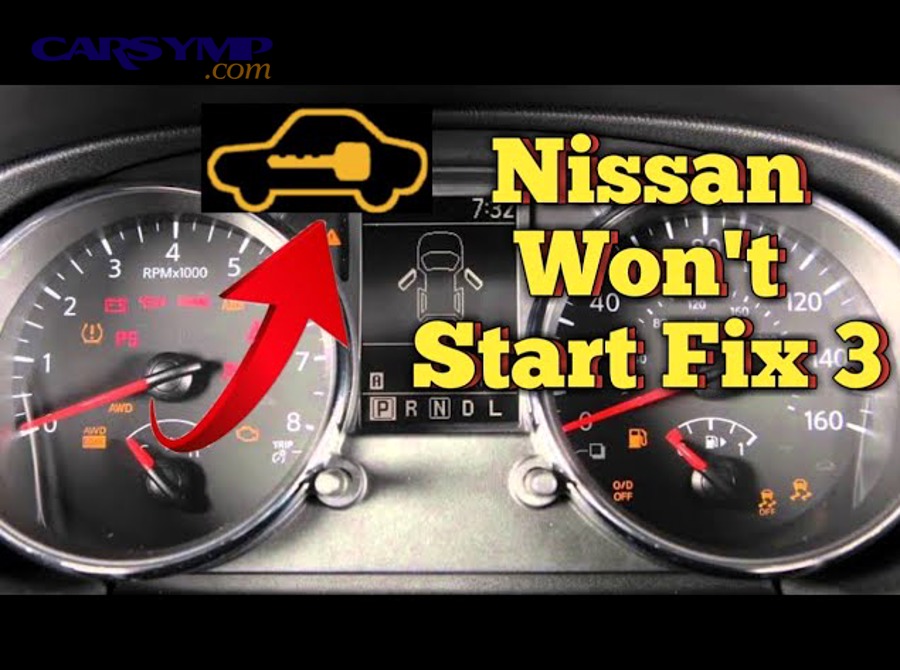
In the diagnostic phase, keep these checks systematic: Fuel pump relay and fuse checks should be treated as confirmation steps after you decide whether the immobilizer is truly blocking start, not as random part-swapping.
Step 4: Reset attempts that are low-risk
Some vehicles recover from minor desynchronization by a simple power cycle or key-on wait procedure, but you should avoid aggressive resets that could lock the system further.
Để minh họa, safer options include:
- Lock/unlock the driver door with the physical key (if applicable) and try again.
- Leave the ignition in ON for 10–15 minutes (some systems relearn timing or exit tamper mode).
- Disconnect aftermarket accessories (phone chargers, add-on trackers) only if they are known to cause electrical noise.
Theo nghiên cứu của Australian Institute of Criminology từ chương trình phân tích chống trộm xe, vào 06/2013, xe có immobiliser theo chuẩn có tỷ lệ bị trộm thấp hơn đáng kể so với xe không có immobiliser (ví dụ 29.0 trên 10,000 so với 47.8 trên 10,000 trong một phân tích được tóm tắt).
Which components commonly fail in immobilizer systems?
The parts that most often cause immobilizer no-start events are the key transponder/fob, the antenna/reader, and the control modules’ power/ground and communication paths.
Hơn nữa, understanding each component’s job helps you interpret symptoms instead of guessing—especially when the car behaves differently from one start attempt to the next.
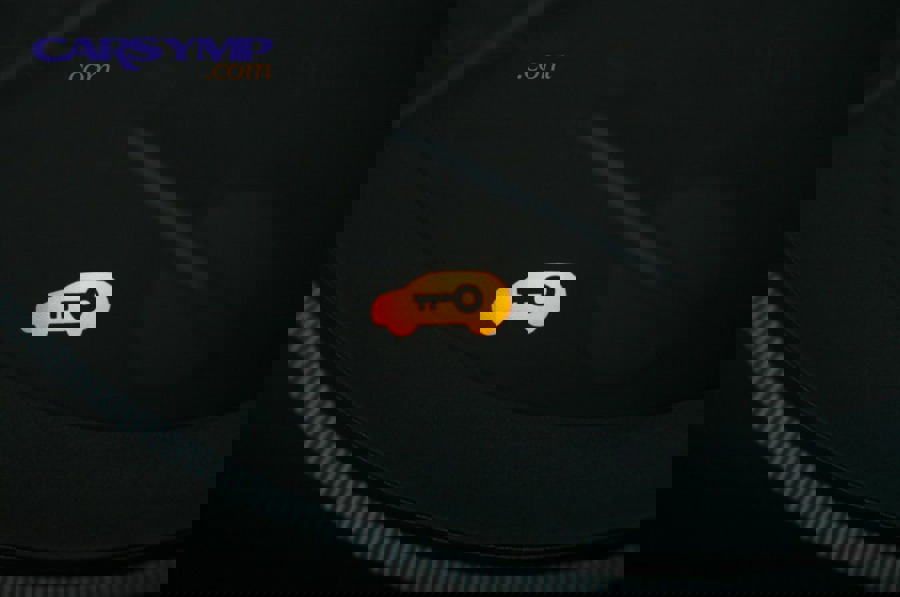
The transponder chip and key shell
A transponder key is passive but physically fragile: impact damage, water intrusion, or a loose internal capsule can stop it from responding correctly.
Cụ thể, if your key head is cracked or the key was recently dropped hard, treat the key as a primary suspect even if the cuts still turn the lock smoothly.
The antenna ring or smart-key receiver
The antenna coil creates and reads the radio-frequency field used to authenticate the key; failure often appears as consistent flashing security light with no authorization.
Đặc biệt, steering-column movement can tug on antenna wiring, turning a stable failure into an intermittent one that is hard to reproduce.
BCM/immobilizer module and ECU pairing
Many vehicles require the immobilizer controller and the engine control module to share matched security data; if the pairing breaks, the engine won’t be enabled.
Trong khi đó, a module with internal memory corruption can behave like “random no-starts,” especially after low-voltage events.
Grounds, connectors, and water intrusion
Corroded connectors or water intrusion in footwells and kick panels can damage the body electronics that manage security authorization.
Quan trọng hơn, these issues tend to create multiple symptoms: door lock glitches, interior light anomalies, or intermittent communication codes.
Can aftermarket alarms, remote starters, or key programming mistakes cause a security-light no-start?
Yes—aftermarket security devices and remote start systems can interrupt or spoof immobilizer signals, leading to a no-start that looks like a factory immobilizer failure.
Bên cạnh đó, DIY key programming attempts can partially program a key or erase stored keys on some systems, making the problem suddenly “all keys fail.”
Common aftermarket conflict patterns
Remote starters often need a bypass module or data interface; if it fails or is miswired, the immobilizer may never see a valid authorization sequence.
Ví dụ, a loose tap into ignition power can drop module voltage during crank, restarting the bypass mid-sequence and triggering the security light.
- Intermittent no-start after remote start installation.
- No-start only when a certain key ring/fob is used (bypass conflicts).
- No-start after alarm siren or module replacement without re-sync.
How to reduce risk before you unplug anything
Before removing aftermarket modules, document connections and avoid cutting wires; disconnecting the wrong harness can create new faults.
Quan trọng hơn, if the vehicle has a data-bus alarm interface, unplugging it may cause network faults; a shop with wiring diagrams may be the safer move.
When the engine cranks but still won’t run, what should you check next?
If the immobilizer appears to be blocking start, your next checks should confirm whether the ECU is enabling spark and injector pulse, because immobilizer lockouts often disable those outputs even when cranking is normal.
Sau đây, use basic observations and a scan tool (if available) to avoid confusing immobilizer symptoms with engine-sensor failures.
Use starting pattern + scan data instead of guessing
Immobilizer-related crank/no-run often shows normal cranking speed but no injector pulse or no spark, while many mechanical issues still allow at least one of those signals.
Để bắt đầu, check whether the security lamp flashes during crank and whether the scan tool shows anti-theft related fault codes.
- Look for immobilizer/anti-theft DTCs in the BCM/immobilizer module, not only in the engine module.
- Confirm RPM is seen during cranking—this helps separate authorization vs engine speed signal issues.
Interpret cranking behavior without putting it in the wrong “bucket”
Starter speed vs battery voltage clues can reveal whether your modules are resetting (voltage collapsing) or whether the start authorization is being withheld.
Tuy nhiên, do not assume a strong crank automatically means authorization is fine; some systems allow cranking but still block fuel and spark.
Don’t ignore sensor failures that mimic security lockouts
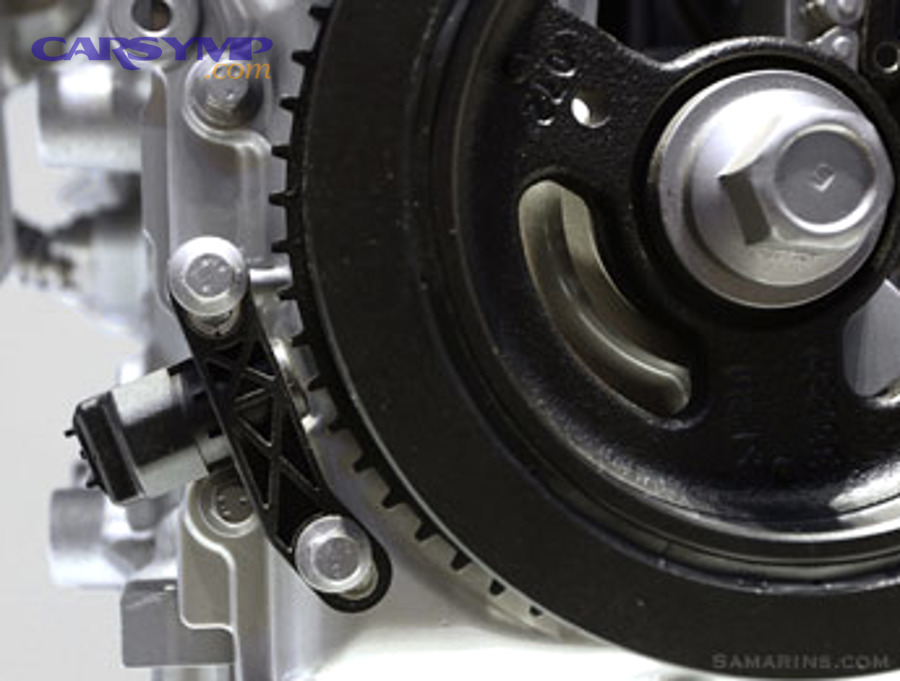
Bad crank sensor symptoms can look like an immobilizer no-start because the engine may crank normally but the ECU will not trigger spark or injection if it sees no engine speed signal.
Cụ thể hơn, if the security light behaves normally but you have no RPM signal while cranking, you may be dealing with an engine input problem rather than anti-theft authorization.
How do you decide whether to tow the vehicle or keep testing?
You should tow if repeated attempts risk flooding, battery damage, or triggering a tamper/lockout mode, especially when the security system is actively flashing or the vehicle is a push-button platform with electronic steering lock issues.
Như vậy, the key decision is whether the next step requires programming, specialized tools, or access to immobilizer data that a typical home setup cannot provide.
Situations where towing is the safer option
If all keys fail, the security lamp flashes consistently, and basic power checks are good, you’re likely beyond simple fixes and into programming or module-level diagnostics.
Ngoài ra, tow if you observe any of the following:
- Security light + no crank and no response to spare key.
- Repeated attempts cause the system to escalate into longer lockout periods.
- Water intrusion or burnt-electrical smell near BCM/column wiring.
- Recent module replacement, ECU swap, or used key purchase without proper pairing.
What a competent shop should test (so you can communicate clearly)
A good shop will verify module communication, check immobilizer authorization status data, and confirm whether the ECU is being permitted to enable injection/spark.
Đặc biệt, ask for a printout or explanation of the immobilizer status (key recognized/not recognized, start allowed/not allowed) rather than only “no codes found.”
Contextual Border
Contextual Border: From here, we move from “core causes and safe checks” to deeper patterns: scan-tool interpretation, network failures, programming realities, and prevention strategies for recurring security-light no-start events.
Deeper fixes for recurring immobilizer no-start patterns
Recurring immobilizer no-start problems usually involve intermittent communication, marginal power/ground integrity, or key/module data that is failing under certain conditions rather than a single obvious broken part.
Hãy cùng khám phá the deeper layers that shops use to confirm the root cause and to prevent the issue from coming back after a temporary reset.
What scan-tool data points matter most for immobilizer diagnosis?
The most valuable data is “authorization status” and “key recognition status,” because it tells you whether the immobilizer is refusing start or the engine system is failing for another reason.
Cụ thể, technicians look for live data like “Key Valid,” “Immobilizer Active,” “Start Allowed,” and module communication status across the BCM, immobilizer controller, and ECU.
- Key recognized but start not allowed: points toward module pairing, stored security faults, or ECU handshake issues.
- Key not recognized: points toward key chip, reader/antenna, or wiring.
- Intermittent comm codes: points toward CAN wiring, grounds, power feed drops, or water intrusion.
How do network and module communication failures create a security no-start?
Even with a perfect key, the start permission can fail if the modules cannot exchange security messages reliably over the vehicle network.
Quan trọng hơn, network failures often show as “U-codes,” intermittent instrument cluster behavior, and multiple unrelated modules dropping offline during crank.
- Inspect module grounds and main power feeds under load (during crank), not only at rest.
- Check for aftermarket taps into CAN lines that introduce noise or poor connections.
- Look for water pathways into footwell modules (blocked sunroof drains, windshield leaks).
What should you expect from key programming and module replacement?
Key programming success depends on the correct security access method, stable voltage, and matching module data; incorrect steps can disable existing keys on some systems.
Đặc biệt, if an ECU or BCM was replaced, you often need a matched set (ECU/BCM/keys) or a professional “relearn” process to synchronize security data.
- Plan for battery support during programming to prevent module corruption mid-process.
- Confirm how many keys are stored and whether old keys can be removed for security.
- Expect added complexity for smart keys, push-button ignition, and encrypted immobilizer systems.
Theo nghiên cứu của Tilburg University từ nhóm Economics (CentER Discussion Paper), vào 2013, việc áp dụng đồng loạt thiết bị immobilizer đã giảm xác suất trộm xe theo ước tính khoảng 50% trong một phân tích theo mô hình xe và giai đoạn dài hạn.
How can you prevent future immobilizer-related no-start events?
Prevention focuses on key care, voltage stability, and avoiding unauthorized electrical modifications that interfere with security data paths.
Tổng kết lại, small habits reduce recurrence:
- Replace weak fob batteries proactively and keep a tested spare key available.
- Maintain clean battery terminals and healthy grounds to prevent module brownouts.
- Avoid unverified aftermarket alarm/remote start wiring; use reputable interfaces and proper installation.
- Address water leaks quickly to protect BCM and network connectors.
FAQ
Can a dead key fob battery cause a security light no-start?
Yes, especially on proximity/push-button systems: the fob may unlock doors but fail the in-cabin authentication needed to authorize start.
Tiếp theo, try the manufacturer’s backup start method (often holding the fob near the start button or a marked reader area) and replace the fob battery.
Will disconnecting the car battery “reset” an immobilizer no-start?
Sometimes it clears a temporary module glitch, but it can also create new synchronization issues on certain platforms, so it’s not a universal fix.
Quan trọng hơn, if the security system is in tamper/lockout mode, battery disconnects may not help; controlled key-on wait procedures are often safer.
Why does the security light flash faster after repeated tries?
Many immobilizers escalate to a tamper response when repeated failed authentications occur, increasing lockout time to deter theft attempts.
Ngoài ra, continuing to crank can drain the battery and worsen the problem by causing voltage drops that reset modules.
Is it safe to keep trying to start the car?
Limited, controlled attempts are fine, but repeated cranking can drain the battery, flood the engine on some cars, and trigger longer immobilizer lockouts.
Như vậy, if a spare key doesn’t change anything and power checks are good, stop and move to scan-based diagnosis or towing.
What video can help you visualize immobilizer troubleshooting?
Below is a practical walkthrough showing typical security light behavior and basic checks you can do before deeper diagnostics.