


Battery and electrical quick checks are fast, high-impact habits that help you avoid surprise no-starts, dim lights, and “random” warning messages—often in under ten minutes with basic tools and good observation.
Beyond starting reliability, these checks also improve day-to-day confidence: you’ll know whether a slow crank is a weak battery, a charging issue, or simply a dirty connection before you spend money or get stranded.
They also support smarter maintenance decisions, because a few simple readings (voltage at rest, voltage while running, and connection condition) narrow the problem to battery health, alternator output, or wiring losses.
Giới thiệu ý mới: once you learn a repeatable routine, you can run it monthly, before long drives, and whenever you notice electrical oddities—without turning your driveway into a full repair shop.
What can you learn from a 2-minute visual battery check?
You can learn the likely cause of many starting and charging complaints by looking for corrosion, looseness, leaks, swelling, and damaged cables—because these issues create resistance, poor current flow, and unstable voltage even when the battery itself is “new.”
To begin, a quick visual scan gives you the simplest “yes/no” answers that guide everything else. If you see obvious physical problems, fix those first before chasing numbers.
Which battery clues matter most before you touch a meter?
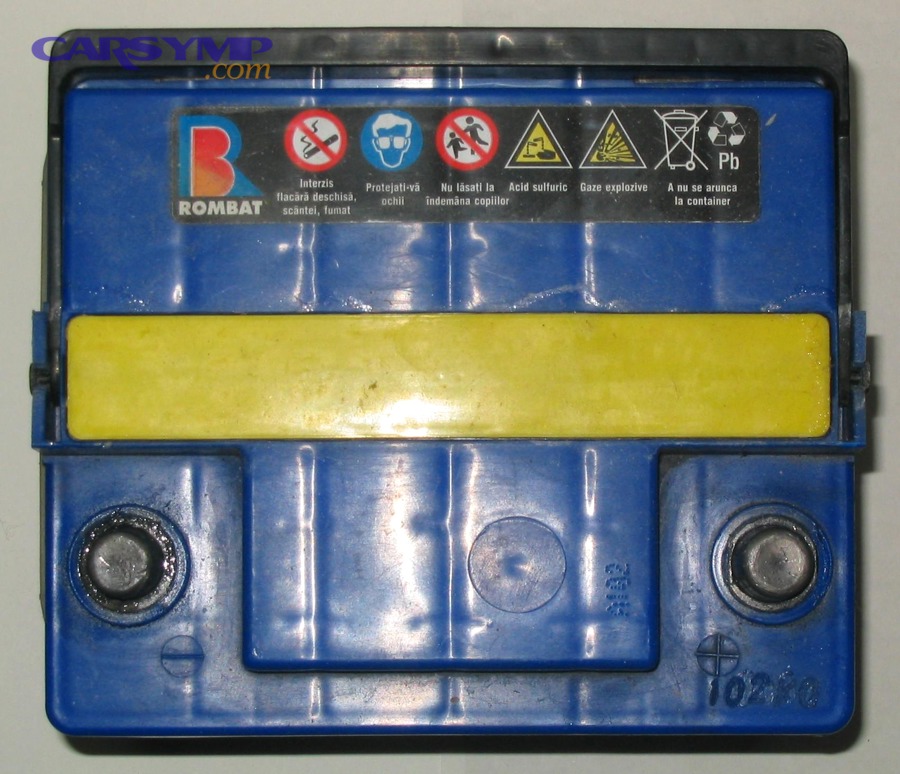
Look for five high-signal clues: (1) crusty white/blue corrosion at terminals, (2) loose clamps that twist by hand, (3) frayed or oil-soaked cable insulation, (4) wetness around the case (acid or condensation), and (5) a bulging case that suggests overheating or internal failure. Next, compare both terminals—one side may be clean while the other is the real bottleneck.
To connect the dots, remember that corrosion and looseness behave like a partially closed valve: the alternator can produce voltage, but current cannot flow efficiently. That mismatch is why you can see lights flicker, infotainment reboot, or random sensor faults without an obvious “dead battery.”
How do you do a safe “hands-on” check without creating sparks?
Turn the engine off, remove the key, and wait a minute for fans or relays to stop. Then lightly tug each cable near the clamp to confirm it’s secure, and check that the battery hold-down is tight so the battery cannot bounce. After that, inspect the ground cable where it bolts to the body or engine; a slightly loose ground can mimic a failing alternator.
For safety, keep metal tools away from bridging the two terminals and avoid leaning jewelry over the battery. If you notice a strong sulfur smell, a cracked case, or heavy swelling, stop and replace the battery rather than “testing through” a potential hazard.
Why does corrosion cause “good battery, bad start” confusion?
Corrosion increases resistance right where the car needs maximum current. During starting, the starter motor demands a large surge; if resistance is high at the terminals or ground, the voltage available to the starter collapses even if the battery has reasonable charge. Next, that same resistance can also limit charging current, so the battery never fully recovers.
To make this practical, treat terminal condition as part of your routine—especially if you already follow a broader basic car maintenance checklist and want electrical reliability to match your tire and fluid habits.
How do you measure battery voltage quickly and interpret the numbers?
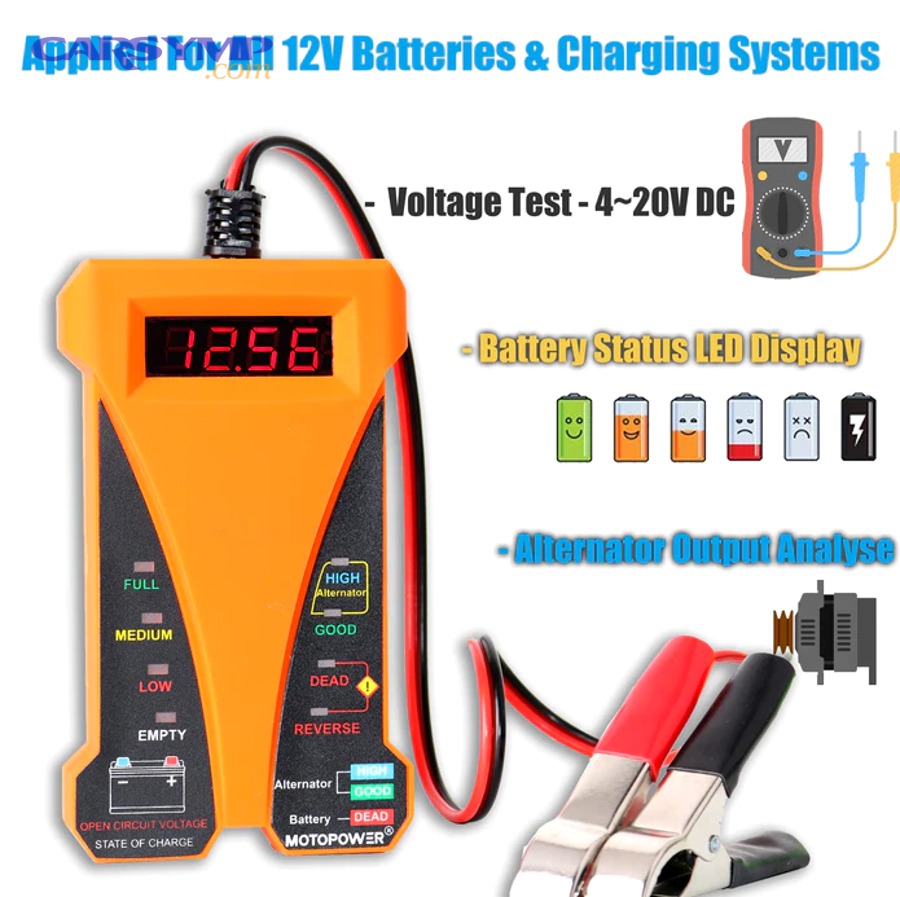
You measure battery voltage by placing a digital multimeter on DC volts and reading the battery with the engine off, ideally after the car has sat for a while—because open-circuit voltage is a fast proxy for state of charge and helps you decide whether to charge, test, or replace.
Next, voltage interpretation becomes easy when you focus on “ranges” rather than a single magic number. Your goal is to spot batteries that are consistently undercharged, because undercharge accelerates sulfation and shortens life.

What are the fastest, repeatable steps for a driveway voltage check?
Set the multimeter to DC volts (20V range on many meters). Touch the red probe to the positive terminal and the black probe to the negative terminal. Read the number and write it down. Then, repeat once more to confirm you didn’t have a slipping probe or dirty contact.
To keep the workflow smooth, build a tiny log: date, voltage, temperature feel (cold/warm), and whether the car sat overnight or was recently driven. That simple habit turns one reading into a trend you can trust.
What voltage ranges should you treat as “good,” “low,” and “urgent”?
Use practical bands: about 12.6V is commonly considered fully charged for a typical 12V lead-acid battery at rest; around 12.4V suggests the battery is partially charged; and values near 12.0V or below often indicate a deeply discharged or sulfated battery that needs immediate charging and further testing. Theo nghiên cứu của Battle Born Batteries từ Blog/Education, vào October 2025, ngưỡng “quick check” sau khi nghỉ cho thấy ≥12.4V là ứng viên nhẹ sulfation và <12.0V là dấu hiệu sulfation nặng hơn cần thận trọng.
After that, remember temperature matters: cold batteries show lower available cranking power, and short trips can leave the battery chronically undercharged even when the car “starts fine.” So a borderline number that repeats is more important than one low reading after a door was left ajar.
When should you switch from voltage to a load test mindset?
If resting voltage looks “okay” but the engine cranks slowly, you need a cranking/load perspective: the battery might have surface charge but poor capacity or internal resistance. In real life, that means watching what the voltage does during crank—if it drops dramatically, the battery or connections can’t supply current.
To keep this simple, use a helper: watch the meter while someone cranks (or use a min/max feature). A healthy system will dip, then recover quickly once the engine starts; a struggling one will sag hard and may reset electronics.
How can you confirm the alternator and charging system are working?
You confirm alternator and charging health by measuring voltage at the battery with the engine running and by checking how voltage responds to electrical loads—because the alternator must raise system voltage above resting battery voltage and stay stable under demand.
Next, you’ll want to separate “charging exists” from “charging is effective,” since bad cables or grounds can make a good alternator look weak at the battery.
What voltage should you expect with the engine running?
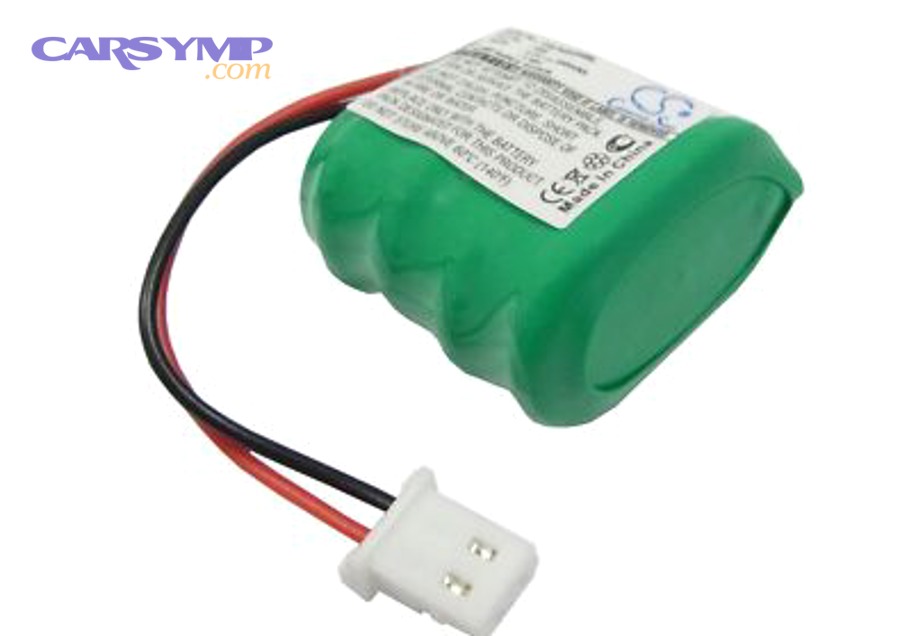
With the engine running, many standard charging systems typically show a higher voltage at the battery than at rest, often in the mid-13s to mid-14s, depending on temperature, load, and vehicle design. Theo nghiên cứu của Delco Remy từ The Latest/Tech Tip, vào August 2013, kiểm tra nhanh nhấn mạnh mốc ≥13.8V như một điểm quyết định để tiếp tục kiểm tra sụt áp (voltage drop) trong hệ thống sạc.
To make this actionable, focus on the delta: if your car rests at ~12.4–12.6V but never rises meaningfully while running, you likely have a charging problem, wiring loss, or a smart-charging strategy that needs load/drive conditions to wake up.
How do you do a quick “loaded” charging check?
Turn on headlights, rear defroster, and blower fan. Watch voltage at idle and then at a modest RPM (for example, a gentle 1,500–2,000 RPM). A healthy system stays relatively stable rather than collapsing toward battery-only voltage.
To go one step deeper, watch for behavior: if voltage rises with RPM but drops sharply with loads, the alternator output may be weak, the belt may be slipping, or a connection is limiting current flow.
When should you suspect wiring loss instead of a bad alternator?
If your alternator produces charge but the battery still sits low, suspect voltage drop across cables or grounds—especially when you see hot terminals, intermittent charging, or improved behavior after wiggling a cable. This is where cleaning and tightening can “fix” what looks like a major component failure.
To support that, use a simple clue: corrosion at the positive clamp or a weak ground strap commonly creates a charging bottleneck, so the alternator’s work never fully reaches the battery.
How do you spot parasitic drain without special equipment?
You can spot parasitic drain by looking for repeatable overnight voltage loss and by isolating obvious offenders—because many drains are caused by lights, aftermarket accessories, or modules that don’t go to sleep.
Next, you’ll move from guessing (“something is draining it”) to a controlled process (“the battery drops X volts in Y hours”). That shift is what makes the fix realistic.
What’s a simple overnight test that actually proves a drain?
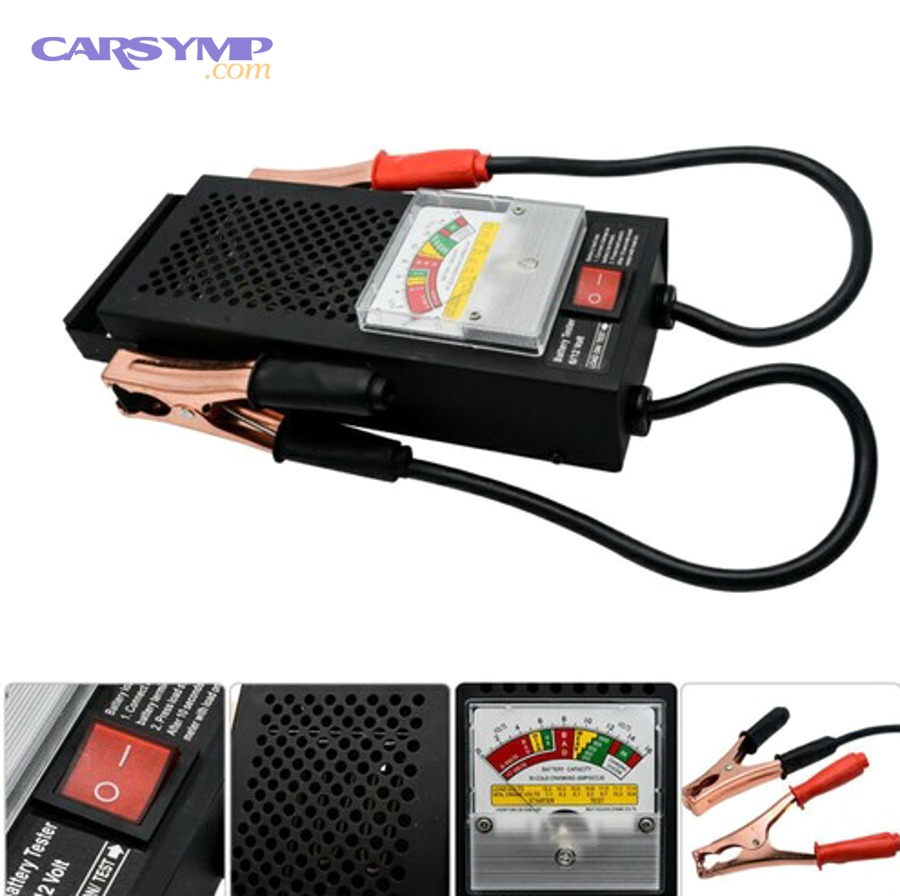
Fully charge the battery (or take a normal drive), then measure resting voltage at night. In the morning—before starting—measure again. If you see a consistent drop that repeats over several nights, you likely have a drain or the battery is weak and self-discharging faster than it should.
To reduce false positives, do the test after you’ve confirmed doors are shut, interior lights are off, and you haven’t recently jump-started (which can temporarily distort voltage readings).
How do you narrow down the drain with fuses in a practical way?
If your car is consistently dead after sitting, start with “obvious” circuits: glovebox/trunk lights, phone chargers, dash cams, and aftermarket alarms. Then, if you’re comfortable, you can remove and reinsert fuses one at a time while watching for changes—ideally using an ammeter method, but even voltage behavior can provide clues when a drain is large.
To keep it safe, always use the correct fuse puller, and never force a fuse into the wrong slot. If pulling a specific fuse reliably stops the overnight drop, you’ve found the circuit to investigate further.
When is disconnecting the negative cable a valid short-term solution?
Disconnecting the negative battery cable can be a practical temporary move for long storage or for confirming that the vehicle (not the battery) is draining power—because it isolates the battery from parasitic loads. Theo nghiên cứu của NHTSA (tài liệu kỹ thuật nộp NHTSA) từ Lexus/Toyota Service Bulletin, vào February 2025, hướng dẫn lưu kho nêu rõ việc ngắt cáp âm để giảm parasitic drain khi xe lưu kho một tuần hoặc hơn.
To be clear, this is not a “repair”—it’s an isolation tactic. If you rely on it repeatedly, you should diagnose the circuit or get a shop to measure key-off current properly.
Which electrical symptoms tell you the problem is battery, starter, or wiring?
You can separate battery, starter, and wiring issues by combining symptom patterns—sound, dash behavior, and voltage response—because each failure mode produces a distinct “signature” when the key is turned.
Next, you’ll use a few quick observations to avoid replacing the wrong part. The goal is a simple decision tree: does the system lose voltage, fail to deliver current, or fail to engage the starter?

What does a single click, rapid clicking, or silence usually mean?
A single heavy click often points toward a starter solenoid engaging but not receiving enough current to spin the motor—often battery weakness, poor connections, or a failing starter. Rapid clicking commonly indicates low system voltage under load, where relays chatter because the voltage collapses and recovers repeatedly. Silence can mean a control issue (neutral safety switch, ignition switch, relay), an extreme connection failure, or a fully dead battery.
To make this more reliable, pair the sound with dash behavior: if the dash goes dark during crank, you likely have a voltage collapse at the battery or a main connection problem.
How do lights and electronics help you diagnose quickly?
Dim headlights that get dramatically dimmer when you try to start suggest high current demand meeting high resistance—battery, corroded terminals, or bad grounds. Bright lights but no crank can suggest a starter or control path issue. Flickering interior lights with bumps can point to a loose clamp or ground.
To broaden your understanding, treat electrical symptoms like “communication.” Your car is telling you whether it lacks energy (battery charge), lacks delivery (connections), or lacks engagement (starter/control).
How does this fit into broader at-home inspection routines?
Electrical reliability is most useful when it’s linked to the rest of your home checks. For example, if you already do a Brake inspection checklist at home before trips, adding a 60-second voltage read and a quick terminal scan gives you a more complete safety picture without doubling your time.
To keep it cohesive, build a small set of repeating checks that match your driving pattern (short trips, infrequent driving, or long commutes), rather than relying on memory when something goes wrong.
What quick checks prevent corrosion and poor connections from causing no-starts?
You prevent many no-starts by cleaning terminals correctly, restoring tight mechanical contact, and protecting the connection from future corrosion—because most starting failures are current-delivery problems, not mysterious electronic failures.
Next, the trick is to do it in the right order: disconnect safely, clean thoroughly, tighten properly, and protect lightly. That sequence creates the “móc xích” from diagnosis to prevention.
What’s the safest, simplest terminal cleaning method?
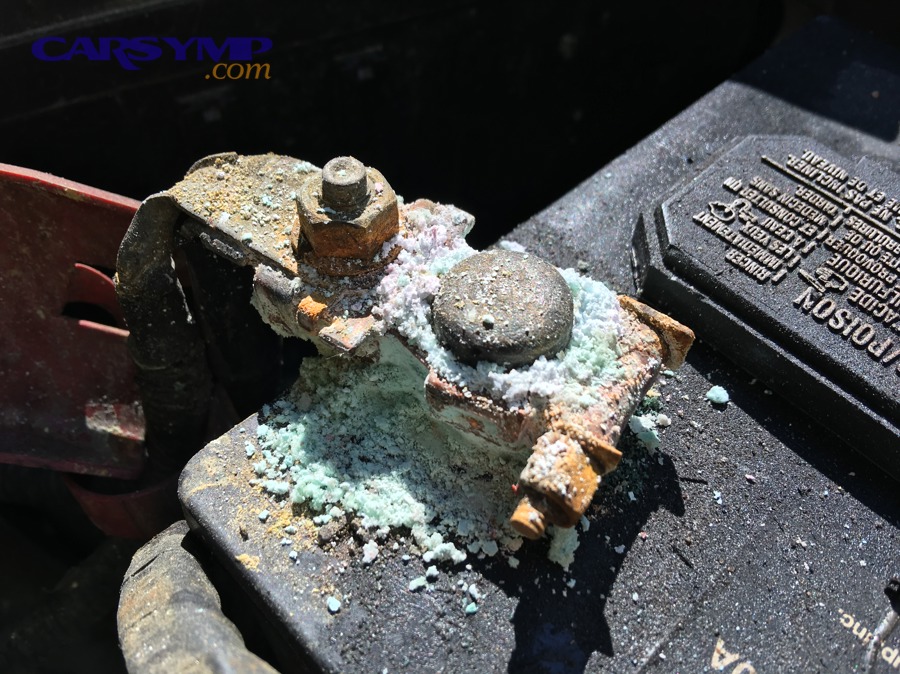
Remove the negative terminal first, then the positive. Use a dedicated terminal brush or a wire brush to clean both the inside of the clamp and the terminal post until you see clean metal. If corrosion is heavy, a small amount of baking soda and water can neutralize acid residue—just keep the mixture off painted surfaces and rinse carefully.
To finish correctly, dry everything, reconnect positive first then negative, and tighten until the clamp does not rotate. Over-tightening can damage soft lead posts, so aim for “secure, not crushed.”
How do you protect terminals without creating future problems?
After cleaning, a thin layer of battery terminal protectant spray or dielectric grease on the outside surfaces helps slow corrosion. The key word is “thin”: you want metal-to-metal contact at the clamp interface, and protection around it.
To maintain consistency, add this step to any Printable maintenance checklist for drivers you keep in your glovebox, so you remember to re-check tightness and cleanliness when seasons change.
What cable and ground checks are worth doing while you’re there?
Follow each cable a short distance from the battery: look for broken strands, stiff “green” copper under the insulation, or loose lugs at the body/engine ground point. A battery can be perfect, but a weak ground strap can still cause slow cranks, unstable charging, and weird sensor warnings.
To keep this efficient, do the “touch test” after driving: a connection that is noticeably hot compared to others often indicates resistance and needs attention.
When do you need immediate service rather than DIY checks?
You need immediate service when electrical symptoms suggest unsafe charging behavior, battery damage, or critical control faults—because continued driving can leave you stranded, damage electronics, or create fire/acid risks.
Next, it helps to define clear red lines so you don’t debate with yourself in the driveway. The goal is to recognize “stop now” signals, not to push through them.

What are the strongest “stop driving and get help” signals?
Stop if you see a swollen battery case, leaking fluid, melted wiring, burning smells, or smoke. Also stop if the battery/charging warning light is on and the car shows dimming lights, repeated stalling, or sudden electrical shutdowns—because the system may be running on battery-only power and can fail abruptly.
To make this concrete, treat these as Warning signs that need immediate service, not “wait until the weekend” tasks—especially if the issue worsens quickly or repeats.
When does low voltage become a reliability and safety problem?
Chronic low voltage can create cascading issues: weak starting, unstable fuel injection/ignition control, erratic transmission behavior, and frequent module faults. If you repeatedly measure low resting voltage even after charging, the battery may be sulfated or have a failing cell, and replacement is usually the safer path.
To ground that in real-world outcomes, remember that many breakdown calls are preventable with earlier testing. Theo nghiên cứu của AAA Automotive Engineering/Automotive từ Fact Sheet (Battery Service), vào 2015, hơn 17 triệu tài xế tại Hoa Kỳ cần hỗ trợ vì vấn đề liên quan đến pin/ắc quy và khoảng 65% tài xế chưa từng kiểm tra ắc quy khi bảo dưỡng xe.
What should you do if you’re unsure but still need the car today?
If you have borderline readings and must drive, reduce electrical loads (heated seats, defroster, unnecessary lights), avoid short stop-start hops, and plan a direct route. After that trip, prioritize a proper battery test and charging-system evaluation, because “it started once” is not proof of system health.
To prevent the cycle from repeating, schedule a consistent check routine aligned with how you actually drive—short commutes and infrequent use are especially hard on batteries.
Beyond the essential checks above, there’s a contextual border where the goal shifts: once you know your battery, connections, and charging voltage are in a healthy range, the next layer is understanding how modern battery types and smart charging strategies change what “normal” looks like.
What changes for AGM, start-stop, hybrids/EVs, and smart charging systems?
Battery and electrical quick checks change on modern vehicles because battery chemistry, sensor-managed charging, and multiple power domains can make voltage behavior look “unusual” even when the system is operating as designed.
Next, you’ll focus on the unique attributes that explain why your readings vary by vehicle type—without throwing away the simple principles you’ve already learned.
How do AGM and EFB batteries change your expectations?
AGM (Absorbent Glass Mat) and EFB (Enhanced Flooded Battery) designs often support higher cycling demands (especially for start-stop). They also tend to be more sensitive to correct charging profiles. That means “it charges” is not enough—undercharging can quietly shorten life, while incorrect charging can cause poor performance or early failure.
To keep it practical, treat battery type as a must-know attribute when buying a replacement. If your car came with AGM/EFB, replacing it with a cheaper flooded battery can create chronic issues that look like alternator faults.
Why do start-stop systems and battery sensors complicate diagnosis?
Many start-stop cars use an intelligent battery sensor (IBS) and ECU-managed charging, so voltage may intentionally swing to reduce fuel use or manage battery health. You might see higher voltage after a cold start, then lower “float-like” behavior later.
To avoid misdiagnosis, judge the system by patterns: does voltage rise appropriately at some point, does it stay stable under load, and does the battery recover after driving? If not, you still have a real issue—just with extra layers to verify.
What’s different about the 12V system on hybrids and EVs?
Hybrids and EVs still rely on a 12V battery for computers, locks, lights, and contactors—even though propulsion is high-voltage. The 12V battery may be charged by a DC-DC converter rather than a traditional alternator, and failures can look sudden because the vehicle’s logic depends on stable low-voltage power.
To connect this to real guidance, manufacturer procedures often emphasize maintaining state of charge during storage and delivery. Theo nghiên cứu của NHTSA (tài liệu kỹ thuật nộp NHTSA) từ Lexus/Toyota Service Bulletin, vào February 2025, tài liệu nhấn mạnh bảo dưỡng định kỳ ắc quy 12V cho xe lưu kho và lưu ý môi trường nhiệt độ khắc nghiệt có thể cần tăng tần suất bảo dưỡng.
How should you adapt quick checks for extreme heat and cold?
Cold reduces available cranking power, while heat accelerates chemical aging and self-discharge. In winter, prioritize tight connections and a fully charged battery; in summer, watch for swelling, fluid loss (on serviceable batteries), and accelerated decline.
To make your routine resilient, treat “season shift” as a trigger for repeating the same short checklist: visual scan, resting voltage, and running voltage—then act early if numbers trend down.
Frequently asked questions about battery and electrical quick checks
How often should I do these quick checks?
Monthly is a strong baseline, plus before long trips, after long storage, and anytime you notice slow cranking, dim lights, or warning messages. If you drive short trips or the car sits often, check more frequently because undercharging is common in that pattern.
Can a battery test “look good” and still fail soon?
Yes—because surface charge and short-term voltage can mask low capacity or rising internal resistance. That’s why trend tracking and observing cranking behavior matter. A battery that repeatedly sits low or sags hard during crank is warning you early.
What is a normal key-off electrical draw?
It varies by vehicle, but modern cars typically have a small “sleep” draw for security and memory. Theo nghiên cứu của Fluke từ Learn/Blog (Digital Multimeters), vào thời điểm công bố bài hướng dẫn, ngưỡng tham chiếu nêu <50 mA sau khi xe “sleep” là bình thường và >100 mA là đáng nghi cho parasitic draw.
Should I disconnect the battery to stop a drain?
As a temporary measure for storage or for confirming the vehicle is draining the battery, disconnecting the negative cable can help. But it’s better to diagnose the offending circuit, because disconnecting can reset modules and may require re-initializing systems.
What’s the fastest way to avoid being stranded by battery problems?
Keep terminals clean and tight, avoid leaving accessories plugged in, drive long enough to recharge after starting, and test voltage regularly. If your readings are trending lower week by week, act early with charging or replacement before the first no-start happens.