


A home brake inspection can be safe, quick, and surprisingly revealing if you follow a structured checklist and know what “normal” looks, sounds, and feels like.
Beyond a visual look, this guide helps you confirm brake performance with simple tests you can do in your driveway and on a short, low-speed loop.
You’ll also learn how to spot early wear patterns—so you can plan maintenance before it becomes a vibration, noise, or longer stopping distance problem.
Giới thiệu ý mới: Next, we’ll move step-by-step from the easiest no-tools checks to deeper inspections (including optional wheel-off steps) while keeping safety and realism front and center.
What can you safely check at home before you even touch a tool?
You can safely check brake pedal feel, visible fluid level, obvious leaks, wheel/tire clues, and basic stopping behavior at low speed—without lifting the car or removing anything.
To begin, the key is to treat this like a system check: what you see, what you feel, and what the car tells you under gentle braking.
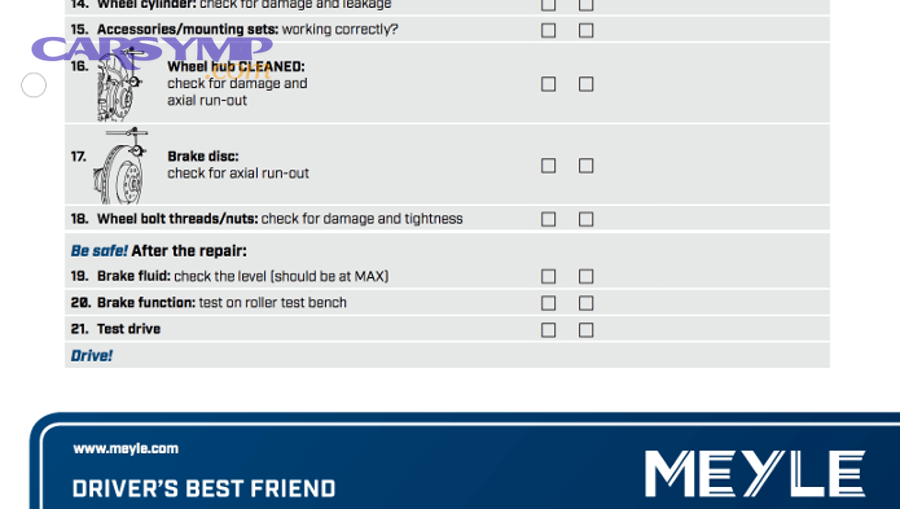
How do you do a “walk-around” brake scan in 60 seconds?
Do a slow walk-around and look for fluid stains near each wheel, uneven wheel dust, and a wheel that looks “wet” or darker than the others—those are the fastest external clues.
Next, tie what you see to a quick note: which corner of the car shows the clue and whether it’s new since your last look.
- Ground check: Fresh spots under a wheel area can point to a leak (brake fluid is often oily and can look clear to amber).
- Wheel face check: One wheel unusually dirty can indicate dragging brakes; one wheel unusually clean can suggest that wheel isn’t braking well.
- Tire sidewall & tread clue: Abnormal wear can mimic brake pull, so it matters for interpretation.
What does the brake pedal tell you while the engine is off?
If the pedal firms up after a few presses with the engine off, that’s normal; if it slowly sinks under steady pressure, that can suggest an internal hydraulic issue.
Then, repeat once with the engine on to compare how brake assist changes the effort and travel.
- Press the pedal 3–5 times with the engine off to remove vacuum assist.
- Hold steady pressure for 15–20 seconds; note if it holds or creeps downward.
- Start the engine while holding the pedal; a small drop is normal as assist engages.
Which dashboard signals matter most for brakes?
The brake warning light and ABS light matter most because they can indicate low fluid, parking brake issues, system faults, or reduced stability control assistance.
After that, treat warning lights as context: they don’t replace inspection, but they change your risk decisions.
- Brake warning light: Often tied to low fluid or parking brake switch issues, but can also indicate broader faults depending on the car.
- ABS light: Braking still works, but ABS/stability features may be limited; diagnosis is recommended.
- Traction/Stability lights: Sometimes appear with ABS faults; note them for a scan.
How do you run a quick brake function test in your driveway?
Use three gentle tests—engage/hold, creep-stop, and low-speed straight-line braking—to confirm basic function without overheating or risking a skid.
Next, you’ll connect each test result to a likely cause so the later visual checks make more sense.
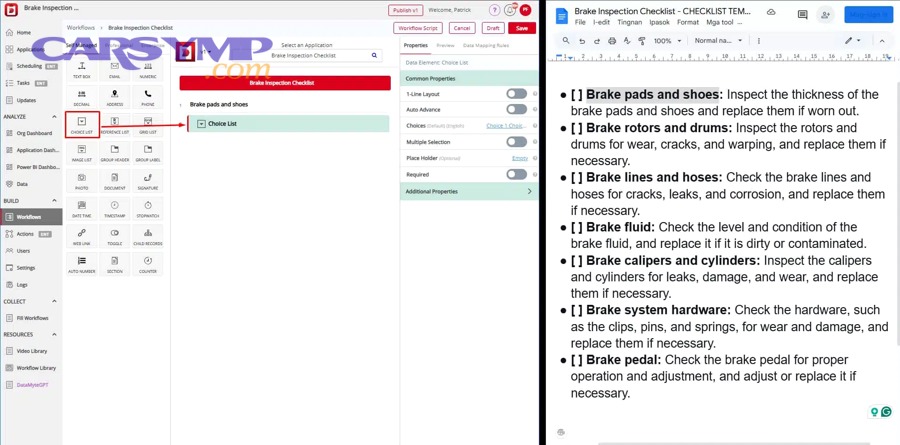
How do you test “hold” strength without moving the car?
With the engine on and the car in drive (or first gear), lightly apply throttle while firmly holding the brake; the car should not creep forward.
Then, stop immediately if you smell hot brakes—this test should last only a second or two.
- Choose a flat surface; keep space ahead.
- Apply firm brake pressure; gently add a touch of throttle.
- If the car creeps easily, braking force or hydraulic assist may be compromised.
What is the “creep-stop” test and what does it reveal?
The creep-stop test is braking from idle roll (1–5 mph) to a smooth stop; it reveals grabby pads, warped rotor feel, or uneven caliper action.
After that, repeat twice—consistency matters more than a single stop.
- Let the car creep forward with no throttle.
- Brake gently to a full stop; feel for pulsing, grabbing, or a clunk.
- Note steering tug left/right (pull) versus a straight stop.
How do you detect early brake vibration at low speed?
Brake vibration often appears as a rhythmic pulse through the pedal or steering wheel during a light-to-medium stop from 15–25 mph.
Next, you’ll confirm if the vibration is speed-dependent and whether it changes with braking pressure.
- Find a safe, empty road; keep speeds modest.
- Apply light brake pressure first; increase slightly.
- Pulsing that scales with speed can indicate rotor thickness variation or uneven friction transfer.
How do you check brake fluid level and condition at home?
Check the reservoir level, color, and any moisture contamination clues, because fluid health affects pedal feel, stopping consistency, and component life.
Next, you’ll learn how to interpret “low fluid” correctly—low can be normal pad wear, or it can be a leak.
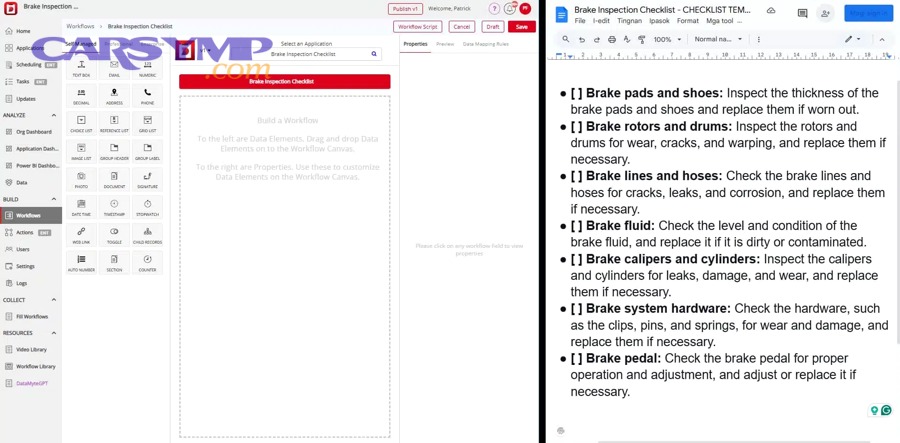
Where is the brake fluid reservoir and what should you look for?
The reservoir is typically on the driver-side firewall near the master cylinder; look for “MIN/MAX” marks and a sealed cap with intact gasket.
Then, inspect the area around it for dampness—external seepage changes your next steps.
- Fluid should generally sit near MAX when pads are fresh; it can drop gradually as pads wear.
- A sudden drop suggests a leak or recent work that introduced air.
- Cap area should be clean and dry; wetness can hint at a failing seal.
What does brake fluid color actually mean?
Brake fluid that is very dark can indicate age, heat stress, and absorbed moisture; it’s a reason to consider a flush based on your vehicle’s service guidance.
After that, focus on consistency: a small tint change is normal, but a dramatic darkening or debris is not.
- Clear-to-light amber is common for fresh fluid.
- Dark brown/black can suggest overdue fluid service or contamination.
- Cloudiness or particles can indicate rubber degradation or dirty handling.
How do you spot a leak around the master cylinder?
Look for wetness where the master cylinder meets the brake booster and on the firewall below; any fresh fluid there is a strong leak clue.
Next, if you find dampness, avoid aggressive driving and schedule a professional inspection.
- Use a clean white paper towel to dab suspected areas (do not open lines).
- Brake fluid can damage paint; wipe spills carefully and promptly.
- If the pedal sinks plus you see fluid, treat it as urgent.
How can you inspect brake pads and rotors without removing the wheel?
Many cars allow a partial pad and rotor look through the wheel spokes, letting you estimate pad thickness, rotor surface condition, and obvious scoring without wheel removal.
Next, you’ll learn what “good enough” visibility looks like and when wheel-off inspection becomes worthwhile.
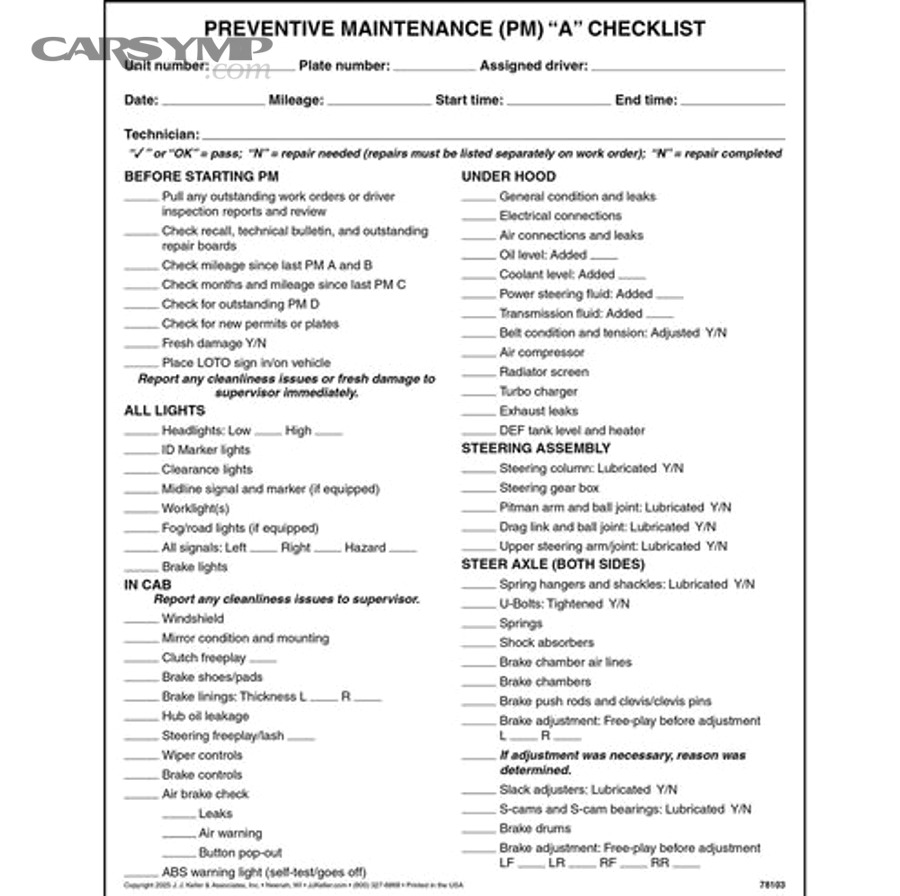
What pad thickness is “too thin” for a home check?
If you can see less than a few millimeters of friction material, the pads are near end-of-life and should be measured and replaced soon.
Then, compare left vs right on the same axle—uneven wear is often more important than “thin” alone.
- Use a flashlight; aim at the outer pad edge near the caliper window.
- Look for tapering (one edge thinner) which can suggest slide pin issues.
- If the backing plate is close to the rotor, stop driving hard and plan service.
What rotor surface clues matter most?
Rotor clues that matter most are deep grooves, cracks, heavy rust ridges, blue heat spots, and an uneven “lip” at the outer edge.
Next, use your findings to decide whether a professional measurement is needed, especially if you feel vibration.
- Light lines: Often normal; deep grooves that catch a fingernail are more serious.
- Rust: Light surface rust after rain can clear; heavy scaling near edges can reduce braking.
- Heat spots: Bluing can indicate overheating, often tied to dragging calipers or hard use.
How do you interpret squeal indicators correctly?
Squeal indicators are small metal tabs that contact the rotor when pads are low, but noise can also come from dust, glazing, or hardware issues.
After that, treat persistent squeal plus thin pads as a near-certain replacement signal.
- Noise only at first stop of the day can be moisture-related.
- Noise that changes when turning can hint at uneven contact or bearing/hub issues.
- Grinding is different from squeal and should be treated as urgent.
How do you check calipers, brake hoses, and lines for problems?
Check calipers and hoses for wetness, cracked rubber, kinked flex lines, and uneven heat or dust patterns that suggest a dragging or weak brake on one corner.
Next, you’ll connect each visual clue to a practical next action you can take safely.
What are the fastest signs of a sticking caliper?
Fast signs include one wheel that’s much hotter after a short drive, a burnt smell, excessive brake dust on one side, or the car pulling slightly when braking.
Then, confirm with a cautious “touch test” near the wheel—never touch a rotor directly.
- Drive 5–10 minutes with minimal braking; park safely.
- Hover your hand near each wheel to compare heat (do not touch metal).
- One corner dramatically hotter suggests drag, which can overheat fluid and wear pads quickly.
How do you inspect brake hoses for aging and swelling?
Inspect hoses for cracks, abrasions, wetness, and bulges; a bulging hose under pressure can cause a soft pedal or delayed release.
Next, check where the hose flexes most—near suspension movement points is where damage often starts.
- Turn the steering wheel full left/right to improve visibility at the front.
- Look for chafing against brackets or the tire.
- Any wetness at fittings or along the hose is a red flag.
What does “wet caliper” usually indicate?
A wet caliper can indicate a leaking piston seal or bleeder screw area, and it is not something to ignore because leaks can worsen suddenly.
After that, if you see fluid, reduce driving and schedule repair—hydraulic loss is a safety issue.
- Brake fluid often leaves a shiny, oily look and can collect dust into a dark paste.
- Fresh fluid may feel slick on a paper towel dab (avoid skin contact).
- Do not tighten random fittings aggressively; overtightening can damage components.
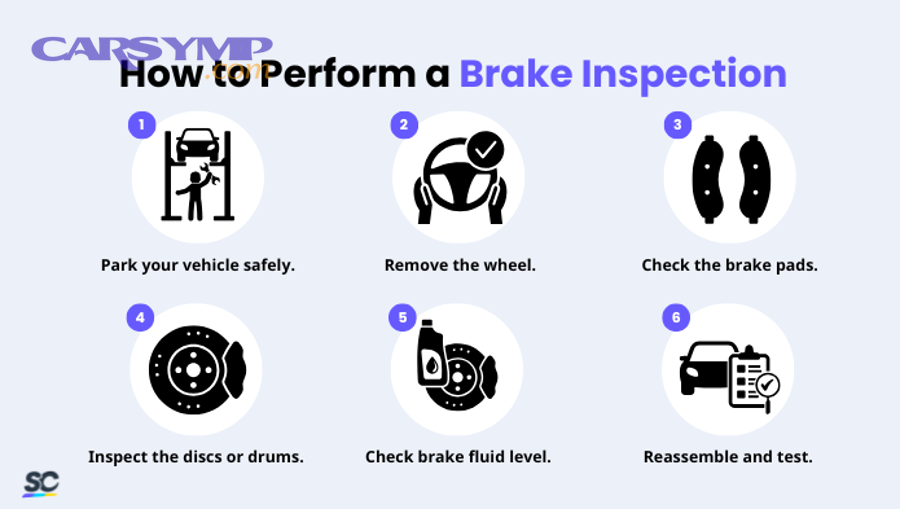
How do you do an optional wheel-off inspection safely at home?
If you can safely lift and support the car, wheel-off inspection lets you see pad thickness, rotor edges, caliper hardware, and leaks far more clearly—while still staying within a realistic DIY boundary.
Next, safety becomes the checklist: the inspection is only “good” if the setup is stable and repeatable.
What is the minimum safe setup for lifting a car?
Minimum safe setup is a flat surface, wheel chocks, a rated jack, and jack stands placed at manufacturer lift points; never rely on the jack alone.
Then, add a “redundant safety” habit: keep the removed wheel under the car as an extra buffer.
- Chock the opposite axle wheels before lifting.
- Lift one corner at a time unless your equipment supports more.
- Shake-test the car gently on stands before working near the wheel well.
What should you check once the wheel is off?
With the wheel off, check pad thickness on inner and outer pads, caliper slide boot condition, rotor lip and cracks, and any wetness around the piston area.
Next, compare both sides of the same axle—symmetry is your diagnostic shortcut.
- Inner vs outer pad: Big differences suggest sticking slides or piston issues.
- Slide boots: Torn boots allow water in and accelerate sticking.
- Hardware: Missing clips or loose anti-rattle parts can cause noise.
How do you avoid “creating” problems during inspection?
Avoid opening brake hydraulics, avoid touching friction surfaces with greasy hands, and avoid pressing the brake pedal while a caliper is removed.
After that, keep it gentle: inspection is observation first, adjustments only if you’re trained and equipped.
- Do not spray oily lubricants near pads/rotors.
- If you use brake cleaner, keep it controlled and ventilate the area.
- If anything feels uncertain, stop at inspection and book service.
How can you tell if the parking brake is working properly?
You can test the parking brake by checking lever/pedal travel, holding strength on a gentle incline, and listening for release drag, all without disassembly.
Next, you’ll connect weak holding or dragging release to simple causes like adjustment or cable issues.
How do you test parking brake hold on an incline?
On a mild incline, set the parking brake firmly, put the transmission in neutral (or clutch in), and confirm the car does not roll; always keep a foot ready on the service brake.
Then, repeat in both uphill and downhill orientation if safe, because gravity loads the system differently.
- Pick a quiet area with ample runoff space.
- Engage parking brake; release service brake gently.
- If the car moves, avoid relying on it and schedule adjustment/repair.
What does excessive parking brake travel mean?
Excess travel often means the mechanism is out of adjustment, cables are stretched, or rear brake components are worn; it’s a maintenance signal, not a curiosity.
After that, avoid “tightening” without knowing the design—some systems self-adjust, others don’t.
- Count clicks (for levers) as a baseline; sudden change is informative.
- Note if release feels sticky or slow.
- Dragging after release can overheat rear brakes quickly.
How do you detect parking brake drag after release?
Drag can show up as a faint rubbing sound, a hot rear wheel after light driving, or reduced coasting; it often worsens over time.
Next, treat suspected drag as a priority because it can cook pads, rotors, and fluid.
- After a short drive, compare rear wheel heat side-to-side.
- Listen near the rear wheels at very low speed with windows down.
- If one rear corner is consistently hotter, avoid long drives until checked.
What do noises, smells, and steering behavior tell you about brake condition?
Noises, smells, and steering cues often diagnose brakes faster than visual inspection: squeal suggests wear indicators or glazing, grinding suggests metal contact, and pulling suggests uneven braking force or contamination.
Next, you’ll use a short symptom-to-cause mapping so you know what to inspect next.
How do you differentiate squeal vs grind vs clunk?
Squeal is usually high-pitched and can be intermittent, grinding is harsh and constant under braking, and clunks can come from loose hardware, suspension play, or shifting pads.
Then, pair the sound with when it happens—first stop, light braking, or hard braking changes the likely cause.
- Squeal on light brake: Often glazing, dust, or indicators; inspect pad thickness and hardware.
- Grinding: Stop and inspect immediately; rotors may be getting damaged.
- Clunk: Could be caliper bracket/hardware or suspension; check for looseness safely.
What does a burning smell after normal driving mean?
A burning smell after normal driving can indicate a dragging brake, overheated pads, or a stuck parking brake, and it can quickly escalate to fade or fluid boiling.
After that, treat it as a “stop and inspect” situation rather than something to monitor casually.
- Park safely and let brakes cool; do not splash water on hot components.
- Compare wheel heat side-to-side.
- Dragging often coincides with reduced fuel economy and a “heavy” feel.
Why does the car pull when braking?
Brake pull happens when one side brakes harder than the other, often from uneven pad wear, contaminated pads/rotor, a sticking caliper, or tire issues masquerading as brake problems.
Next, confirm whether pull appears only during braking or also during coasting—this helps separate brake vs alignment/tire causes.
- Pull only when braking: inspect calipers, pads, and rotor condition side-to-side.
- Pull even when coasting: check tire pressure, tire wear, and alignment factors.
- Severe pull can be unsafe—avoid high speeds until addressed.
Which warning signs mean you should stop driving and get immediate service?
Yes—if you experience a sinking pedal, grinding, visible leaks, severe pull, or a brake warning light with poor braking, you should stop driving because these signals often indicate rapid loss of braking safety margin.
Next, use this section as your “decision gate” so your home check stays responsible rather than risky.
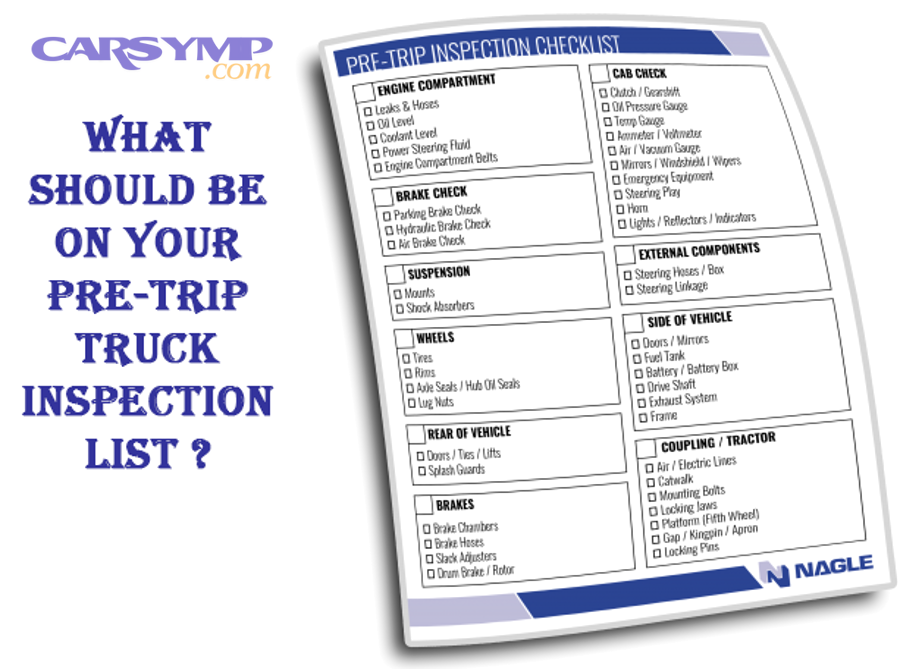
What does a pedal that suddenly goes soft or sinks mean?
A suddenly soft or sinking pedal can mean air in the system, a fluid leak, or internal master cylinder failure—any of which can reduce braking drastically.
Then, prioritize safety: do not “test it more” on public roads; arrange towing or professional help if needed.
- If fluid is low and you see wetness, suspect an active leak.
- If fluid is normal but pedal sinks, internal seals may be failing.
- ABS may mask some feel changes, but it won’t fix hydraulic loss.
Why is grinding considered an emergency signal?
Grinding usually means pad friction material is gone and metal is contacting the rotor, which can rapidly destroy rotors and reduce braking control.
After that, the right move is immediate inspection and repair, not “driving gently” for weeks.
- Rotor damage can increase stopping distance and cause vibration.
- Heat buildup can stress bearings and fluid.
- Costs often rise quickly the longer grinding continues.
What should you do if you see brake fluid near a wheel?
If you see fluid near a wheel, assume a brake hydraulic leak until proven otherwise and avoid driving because the leak can worsen abruptly.
Next, document which corner is leaking and whether the reservoir level is dropping—this helps the repair shop diagnose faster.
- Check reservoir level only; do not open lines.
- Do not drive at speed; a tow is often the safest option.
- Brake fluid can damage paint—clean spills carefully.
How often should you repeat a home brake inspection checklist?
Repeat a quick at-home brake inspection monthly or before long trips, and do a deeper wheel-off check at sensible intervals based on your driving conditions and wear rate.
Next, the most effective habit is logging: you’re not guessing wear—you’re tracking it.

What cadence works for city driving vs highway driving?
City driving usually needs more frequent checks because braking events are higher, while highway driving may wear slower but can still overheat brakes during hills or towing.
Then, adapt the cadence to your real-world pattern rather than a generic number.
- Stop-and-go: watch pad thickness and heat-related symptoms closely.
- Hilly routes: monitor for fade, smell, and rotor heat spots.
- Towing/hauling: increase inspection frequency and consider upgraded components if needed.
How should you log findings so they’re actually useful?
Log by axle and corner (LF/RF/LR/RR), noting pad thickness estimate, noise, vibration, and any fluid changes—simple, consistent notes beat detailed notes done once.
After that, the pattern over time becomes your “early warning” before symptoms get loud.
- Use a phone note: date, mileage, symptom, and which corner.
- Snap a photo through the wheel spokes for pad/rotor comparison later.
- Record any dashboard lights and when they appeared.
How do other maintenance checks help brake interpretation?
Brake interpretation improves when you pair it with tire pressure checks and a basic under-hood scan, because tires and steering can mimic brake pull and vibration.
Next, treat brakes as part of a broader routine, not a one-off task.
- Low tire pressure on one side can feel like brake pull.
- Worn suspension bushings can add clunks that sound like brake issues.
- A consistent routine prevents misdiagnosis.
Before the next section, it helps to remember that this brake routine fits naturally into a broader basic car maintenance checklist—especially if you’re trying to reduce surprises and plan repairs calmly instead of reacting to noises.
Contextual Border: Up to this point, you’ve covered the core at-home brake checklist. Next, we’ll expand into rarer details, deeper interpretation, and smart planning—useful when symptoms are subtle or intermittent.
Supplementary: How do you handle subtle brake issues and plan smarter maintenance?
Subtle brake issues are best handled by combining symptom patterns, environmental triggers (rain, cold, heat), and repeatable tests, so you can decide whether to monitor, service soon, or treat it as urgent.
Next, these deeper cues help you avoid replacing parts blindly while still staying safe.
Why do brakes squeal only in the morning or after rain?
Morning or post-rain squeal can come from light rust film on rotors and moisture on pads; it often clears after a few normal stops, but persistent squeal suggests glazing or hardware issues.
Then, use a consistency rule: if it repeats daily or grows louder, move from “monitor” to “inspect deeper.”
- Light rotor rust is common and not automatically dangerous.
- Persistent squeal plus thin pads is a near-certain maintenance trigger.
- Uneven squeal left vs right points to asymmetry—inspect both sides.
How do seasonal changes affect brake feel and noise?
Seasonal temperature and humidity changes can alter rubber flexibility, friction behavior, and corrosion rate, which is why some drivers notice more noise in cold months or after wet weather.
After that, consider aligning your checks with a Seasonal maintenance checklist so you catch small issues before they become harsh vibrations.
- Cold weather can make components feel stiffer and increase noise.
- Wet climates can accelerate rust film and hardware corrosion.
- Heat plus heavy use can increase fade risk and fluid stress.
How do you separate brake vibration from tire or suspension vibration?
Brake vibration typically shows up primarily during braking, while tire imbalance or suspension issues often persist at steady speed; the “when it happens” clue is your best separator.
Next, use a simple comparison loop: coast, brake lightly, brake firmly, and note the change.
- Vibration only when braking: suspect rotors/pad transfer or caliper issues.
- Vibration at steady speed: suspect tires/wheels or suspension first.
- Clunks over bumps: inspect suspension links and bushings too.
What other quick checks pair well with brake safety planning?
Pair brakes with under-hood and electrical basics—because a weak battery or charging problem can trigger warning lights that confuse diagnosis, and lighting affects safe driving at night.
After that, add Battery and electrical quick checks to your routine so the dashboard signals you see are easier to trust.
- Confirm brake lights work; failed bulbs reduce safety and can hide braking intent from others.
- Check battery terminals for corrosion that can cause random warning lights.
- Keep a consistent baseline so “new changes” stand out quickly.
FAQ
Can I do a brake inspection at home without any tools?
Yes, you can do a meaningful inspection without tools by checking pedal behavior, reservoir level, external leaks, visible pad/rotor condition through spokes, and low-speed stopping behavior, and you can log changes over time.
Next, if you notice asymmetry or warning signs, you can escalate to wheel-off inspection or professional service.
How do I know if my brake pads are worn if I can’t measure them?
You can estimate pad wear by looking for very thin friction material, listening for wear-indicator squeal, and correlating new noise with longer pedal travel, especially if one side looks dirtier or hotter than the other.
Then, if you suspect thin pads, treat it as “service soon” rather than “wait until it grinds.”
What are the most reliable “stop now” signals for brakes?
The most reliable stop-now signals include grinding, visible brake fluid leaks, a suddenly sinking pedal, severe pull under braking, or a brake warning light combined with poor braking performance.
After that, prioritize safety over diagnosis—arrange professional help rather than experimenting on public roads.
Is it normal for brakes to feel different after a car wash or rain?
Yes, mild changes can be normal because water can create temporary noise or reduce friction briefly, but the behavior should normalize after a few gentle stops and should not be paired with vibration, pull, or a soft pedal.
Next, if the symptom persists beyond a short drive, treat it as a real diagnostic signal.
Where can I double-check symptoms and terminology if I’m unsure?
If you want a quick symptom glossary and cross-check ideas while planning service, you can compare your notes against reputable symptom references (for example, carsymp.com) and then bring your observations to a trusted shop for confirmation.
Tóm lại, the safest at-home brake inspection is structured, repeatable, and honest about limits—when you see Warning signs that need immediate service, the checklist’s best step is to stop and get professional help.
Before you close out your inspection, consider adding your observations to your ongoing routine so each check gets easier: date, mileage, what you heard, what you felt, and what looked different—those simple notes turn a one-time glance into a real safety system.
| Check Item | What You’re Looking For | What to Do Next |
|---|---|---|
| Pedal feel (engine off/on) | Firmness, sinking, abnormal travel | If sinking/soft suddenly: stop driving and get inspected |
| Brake fluid level/area | Level drop, dark fluid, wetness at master cylinder | Low + wetness: treat as leak; schedule repair |
| Wheel area & heat comparison | One corner hot, burnt smell, uneven dust | Suspect dragging brake; inspect caliper/hoses |
| Pad/rotor visible inspection | Thin pads, deep grooves, cracks, heavy rust ridges | Plan service soon; wheel-off inspection if uncertain |
| Low-speed road test | Pull, pulse, noise changes with braking | Map symptom to corner; confirm with visual checks |