


If your car shows certain warning signs, the safest move is immediate service—not “one more mile,” not “I’ll check it later.” These signs usually point to conditions that can escalate from a small fault to engine damage, brake failure, fire risk, or loss of control in minutes.
To help you decide fast, this guide groups the most serious red-flag symptoms and dashboard alerts, explains what they often mean, and gives a simple, practical “what to do right now” response you can follow on the roadside.
You’ll also learn how to tell the difference between a warning that can wait for a scheduled appointment and one that requires you to stop driving immediately, call for help, or arrange a tow.
Giới thiệu ý mới: below are the warning signs that typically need immediate service, organized by the system most likely at risk.
Which warning signs mean you should stop driving immediately?
Yes—some warning signs mean you should stop driving immediately because continuing can cause rapid mechanical failure or unsafe handling, especially when the symptom involves oil pressure, overheating, brakes, steering, smoke, or fuel smell.
To make the decision easier, use a simple “stop-now” filter: Can the car still steer, stop, and cool itself safely? If any answer is “no,” you stop and get help.
What are the “stop-now” categories you should treat as emergencies?
There are five stop-now categories: (1) loss of oil pressure, (2) overheating, (3) braking problems, (4) steering/control problems, and (5) smoke/fire or fuel smell—because each can remove a core safety margin quickly.
Next, treat these as an “emergency stack”: if more than one shows up at once (for example, a warning light plus a new smell), you act as if it’s the higher-risk scenario.
- Oil pressure warning + engine noise: shut off the engine as soon as safely possible.
- Temperature in the red / steam: pull over and stop; overheating can warp components fast.
- Brake pedal sinking / grinding / car pulling: stop driving; braking distance becomes unpredictable.
- Sudden steering heaviness or wandering: reduce speed and stop; control can degrade quickly.
- Smoke, burning smell, or fuel odor: stop, move away from traffic, and assess from a safe distance.
What should you do in the first 60 seconds after a serious warning appears?
Do this in the first 60 seconds: signal, reduce speed smoothly, move to a safe shoulder/parking area, turn on hazard lights, and decide whether to shut the engine off based on the symptom (oil pressure/overheat/smoke usually = shut off).
Then, protect the scene: stay belted until you are safely stopped, position yourself away from traffic, and call roadside assistance if the car is not clearly safe to operate.
- On a highway: hazards on, gentle deceleration, avoid sudden lane changes.
- If the engine is overheating or smoking: stop, shut off, and do not open the radiator cap.
- If you smell fuel: shut off, no sparks/flames, get occupants away from the vehicle.
Does a flashing check engine light require immediate service?
Yes—a flashing check engine light usually indicates an active problem severe enough to risk immediate damage, so you should reduce load and stop driving as soon as you can do so safely.
To understand why, it helps to separate “steady” from “flashing,” because the urgency changes with that distinction.
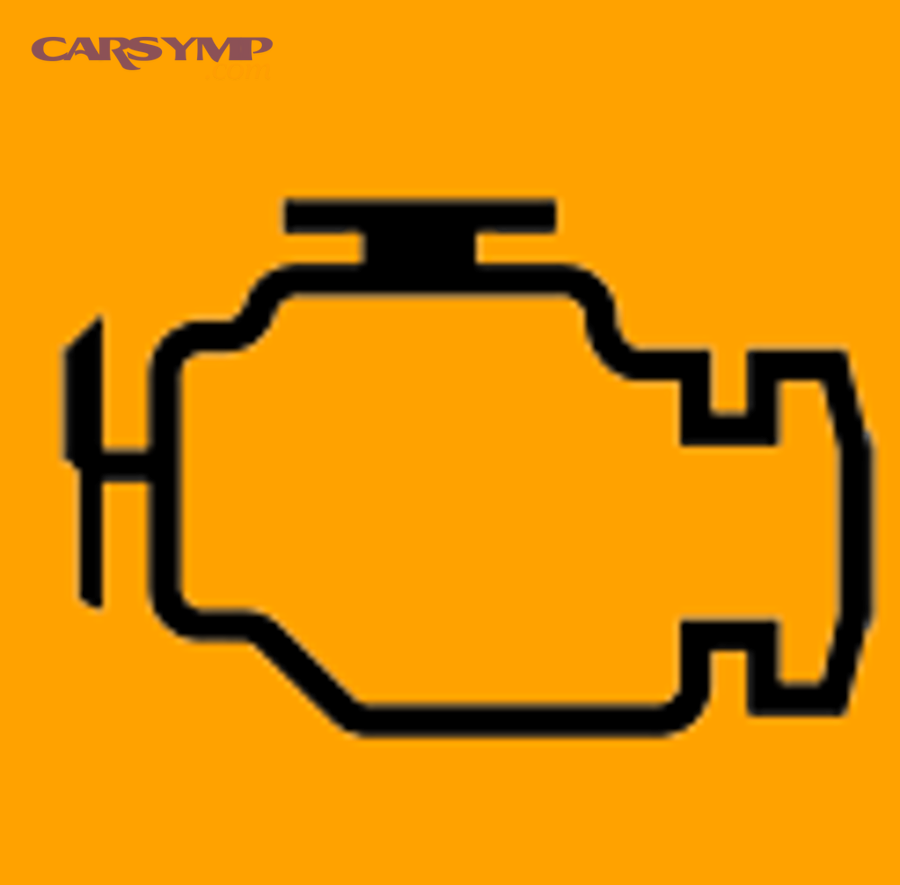
What’s the difference between a steady and a flashing check engine light?
A steady check engine light often means “service soon,” while a flashing light often means “service now,” because the car is detecting a condition that can overheat the catalytic converter or cause severe misfire-related stress.
However, don’t rely on “it feels fine”: engines can still run smoothly while running dangerously hot in the exhaust or running lean under load.
- Steady light: drive gently, avoid heavy acceleration, schedule diagnostics soon.
- Flashing light: avoid load, pull over, and arrange immediate diagnostics or a tow.
What should you do if the check engine light flashes while driving?
Do this sequence: ease off the accelerator, avoid hard braking, turn hazards on if you need to slow significantly, and move to a safe stop—then shut off the engine if the idle is rough, power is dropping, or you smell fuel.
If you must move off a dangerous shoulder, creep to the nearest safe area at the lowest speed and load possible, then stop and call for help.
What does the oil pressure warning light mean, and what should you do right now?
An oil pressure warning light typically means the engine may not be receiving adequate lubrication, so the correct response is to stop and shut off the engine as soon as it’s safe.
Because oil pressure loss can destroy bearings quickly, the “móc xích” here is simple: the earlier you shut it down, the more you protect the engine.
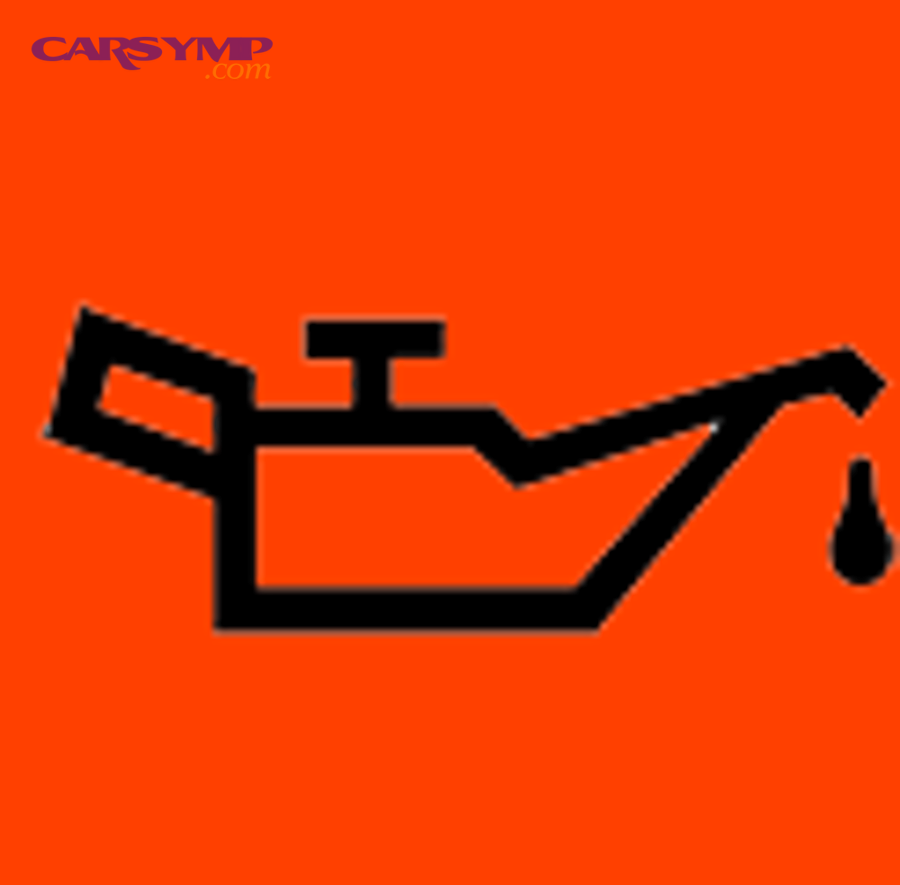
What are the most common “urgent” causes behind an oil pressure warning?
There are three urgent causes you should assume first: low oil level, oil pump/pressure failure, or a major leak, because each can reduce the oil film that prevents metal-to-metal contact.
Next, connect symptoms to severity: if you also hear knocking/ticking, or the light comes on under gentle cruising, treat it as high risk and do not restart.
- Low oil level: dipstick reads low; may have visible leaks or burning oil smell.
- Pressure system failure: light remains on even after adding oil; may come with noise.
- Major leak: oil on the ground; smoke from oil on hot exhaust parts.
Can you “top up oil and keep going” if the oil light comes on?
Sometimes, but only if the light is explained by a clearly low oil level, you top up correctly, and the light stays off afterward—otherwise you should not keep driving because the risk of engine damage remains.
In practice, if you can’t confirm a safe cause in minutes, the safer decision is a tow rather than gambling the entire engine.
What overheating signs require immediate service, not “wait until the next exit”?
Overheating signs require immediate service when the temperature is in the red, you see steam, you smell hot coolant, or the cabin heat suddenly turns cold—because the cooling system may be failing and damage can compound fast.
To keep control of the situation, the key is to reduce heat input quickly and safely while protecting yourself from pressurized coolant.
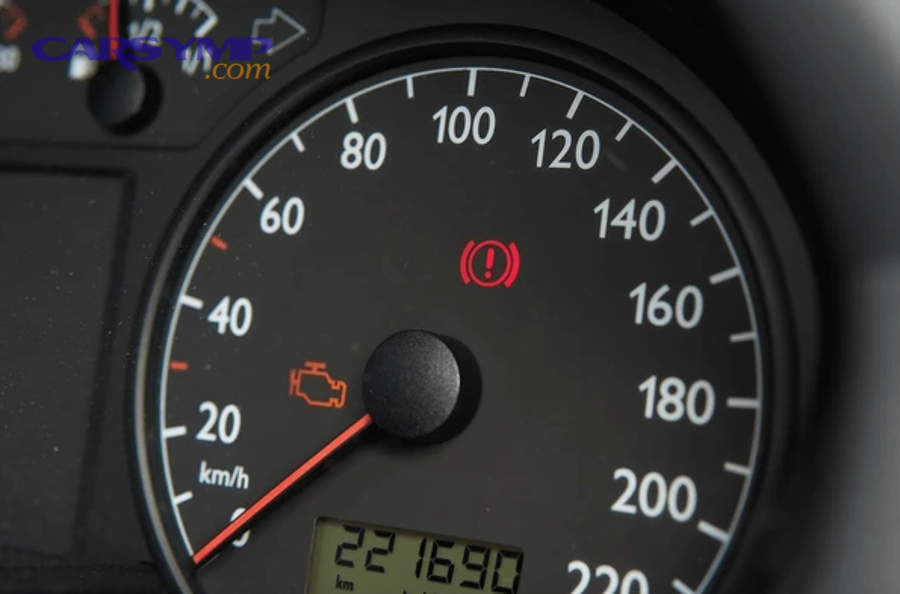
What should you do the moment the temperature gauge spikes or a temp warning appears?
Do this: turn off A/C, turn on cabin heat to full hot if it still blows warm, reduce speed and load, and pull over—then shut the engine off once stopped if the gauge is in the red or steam is present.
Next, wait before inspecting: cooling systems can spray boiling coolant under pressure, so you give it time to cool and you never open a hot radiator cap.
- Pull over early: driving “just a little more” can turn a minor leak into a warped head.
- Keep the hood closed at first: opening immediately can feed oxygen if something is burning.
- After cooldown: check for visible leaks, low reservoir level, or a broken belt (from a distance).
Which overheating symptoms suggest you should tow instead of refill and drive?
Tow instead of refilling and driving if you see repeated overheating, loss of power, thick steam, coolant pouring out, or milky oil—because those can indicate a serious leak, failed water pump, stuck thermostat, or internal engine issue.
In other words, a single refill that “fixes it” is rare; if overheating returns, the system is telling you it cannot control temperature reliably.
When are brake symptoms an emergency that needs immediate service?
Brake symptoms are an emergency when stopping distance changes suddenly, the pedal sinks, you hear grinding, the car pulls hard while braking, or a brake warning light appears—because braking becomes unpredictable and unsafe fast.
To stay safe, the “móc xích” is to treat braking like steering: if you can’t rely on it, you stop driving.
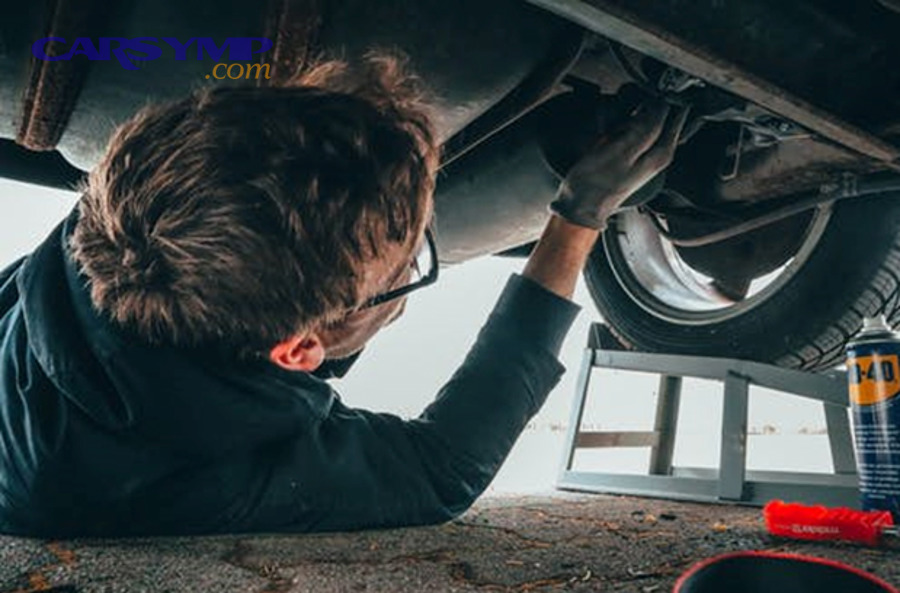
What does a sinking or spongy brake pedal usually mean?
A sinking or spongy pedal often means hydraulic pressure is compromised (fluid leak, air in lines, failing master cylinder), so you should stop driving and have the system inspected immediately.
Next, connect the symptom to risk: if the pedal goes closer to the floor with each press, you may lose brakes entirely, so continuing is not a safe option.
- Brake fluid leak: puddle near wheels, low reservoir level, warning light may appear.
- Air in system: soft pedal feel, inconsistent bite point.
- Master cylinder issue: pedal slowly sinks while holding pressure at a stop.
What if you hear grinding or metal-on-metal while braking?
Grinding often means the brake pads are worn through and you’re braking on metal, which can destroy rotors and reduce effective braking—so you should stop and arrange service, not keep driving.
Then, prioritize control: avoid high speeds, keep extra distance if you must reposition the vehicle, and do not descend steep grades if the braking feel is deteriorating.
What steering or control warning signs need immediate attention?
Steering/control signs need immediate attention when the vehicle suddenly wanders, steering becomes heavy, you feel violent vibration, or you can’t keep it straight—because a tire, suspension, or steering component may be failing.
To stay safe, you transition from “diagnose later” to “stabilize now”: slow down smoothly and stop in a safe place.

Which sensations suggest an urgent steering/suspension problem?
Three sensations are especially urgent: violent shaking that worsens with speed, sudden pulling that you must fight, and clunking paired with looseness—because they can indicate tire damage, a loose wheel, or a failing joint.
Next, treat any “new and severe” vibration as a safety issue first, because the root cause might be a wheel that is no longer secure or a tire separating internally.
- Vibration + thumping: possible tire bubble/belt separation or flat spot from damage.
- Pulling hard: possible brake drag, alignment shift from impact, or tire failure.
- Clunk + looseness: possible worn ball joint/tie rod or suspension mount issue.
What should you do if steering suddenly becomes heavy?
If steering becomes heavy suddenly, reduce speed gently, increase following distance, avoid sharp inputs, and pull over—because loss of power assist (or a system fault) can make the vehicle harder to control, especially in turns and at low speed.
Then, once stopped, avoid restarting repeatedly; if the issue is belt- or pump-related, repeated operation can worsen overheating or belt failure.
What tire warning signs require you to slow down and stop now?
Tire warning signs require you to slow down and stop now when you feel a sudden wobble, hear loud flapping, smell burning rubber, or the car pulls sharply—because a blowout or rapid deflation can happen without warning.
To protect control, the “móc xích” is to trade speed for stability: slow smoothly, don’t jerk the wheel, and get to a safe stop.
What’s the safest way to react to a suspected blowout at speed?
The safest reaction is: hold the wheel firmly, keep the car straight, ease off the accelerator, avoid hard braking, and guide the vehicle to a safe shoulder—because sudden braking can shift weight and reduce stability when a tire is failing.
Next, once you’re slowed and stable, you can brake gently to stop, then inspect only if it’s safe from traffic and the wheel area is not dangerously hot.
- Do: steady steering, gradual deceleration, hazards on.
- Don’t: slam brakes, yank the wheel, or swerve across lanes.
When is a tire issue “tow it” instead of “inflate and go”?
Tow it if the tire is shredded, the sidewall is damaged, the wheel is bent, you see cords, or the tire keeps losing air—because reinflating a structurally damaged tire can fail again suddenly.
In addition, if the car has a compact spare with strict limits and the route is high-speed or long-distance, a tow is often the safer choice.
Are smoke and burning smells always urgent?
Smoke and burning smells are urgent when they appear suddenly, intensify quickly, or come with warning lights, because they can signal electrical overheating, oil on hot components, or an active fire risk.
To respond safely, you shift from “identify the smell” to “reduce risk and create distance” first.

How do you interpret different “burning” smells without guessing wrong?
You don’t need perfect identification to act: treat any strong burning odor as urgent, then look for clues like smoke color, warning lights, and where the smell seems strongest (engine bay, cabin vents, near wheels).
Next, connect smell to action: if you suspect electrical burning or fuel, you stop, shut off, and keep people away from the vehicle until the risk is clearer.
- Burning rubber: possible slipping belt, dragging brake, or tire rubbing—stop and inspect.
- Burning oil: possible leak onto exhaust—stop; fire risk increases with heat.
- Electrical “hot plastic”: possible wiring/alternator issue—stop and shut off.
When should you move away from the car and call emergency services?
Move away and call emergency services if you see flames, heavy smoke that keeps growing, popping sounds, or strong fuel odor—because conditions can escalate quickly and staying close increases risk.
Then, keep a safe perimeter: stand upwind if possible, keep bystanders back, and do not open the hood fully if flames are present.
The risk is not theoretical: Theo nghien cuu cua NFPA Research tu Research, vao November 2024, US fire departments responded to an estimated annual average of 215,096 vehicle fires (2018–2022), causing an estimated annual 643 civilian deaths and $2.8 billion in direct property damage.
What fluid leaks require immediate service, not “watch it for a week”?
Fluid leaks require immediate service when they are rapid, appear near brakes or fuel, cause smoke, or coincide with warning lights—because critical systems may be losing pressure or lubrication.
To avoid guessing, a simple rule helps: if the leak can affect stopping, steering, cooling, or engine lubrication, you treat it as urgent.
Which leaks are most urgent and why?
Three leak types are especially urgent: brake fluid (loss of braking), coolant (overheating), and engine oil (loss of lubrication), because each can quickly shift the car from “drivable” to “damaging or unsafe.”
Next, use location and smell as a guide: leaks near wheels suggest brake fluid; sweet smell may suggest coolant; oily dark puddles suggest oil.
- Brake fluid: clear to amber, slippery, often near a wheel; braking feel may change.
- Coolant: often colored (varies), may smell sweet; overheating risk rises.
- Engine oil: brown/black, slick; can smoke if it hits the exhaust.
- Fuel: sharp gasoline odor; treat as an emergency and avoid ignition sources.
What should you do if you find a puddle but no warning lights?
If you find a puddle but no lights, you still verify before driving: check fluid levels you can safely access (oil dipstick, coolant reservoir when cool), look for fresh drips, and monitor for new smells—because warning lights often trigger after a system is already in trouble.
Then, if the leak rate is unknown or increasing, choose caution: short-distance driving can still empty a system quickly under heat and pressure.
What battery and electrical warning signs need immediate service?
Battery/electrical warning signs need immediate service when the charging light is on while driving, the engine stalls, lights flicker severely, or you smell electrical burning—because the car can lose power, shut down, or overheat wiring.
To respond safely, you connect the symptom to reliability: if the system that keeps the engine running is failing, you plan a safe stop before it quits on its own.
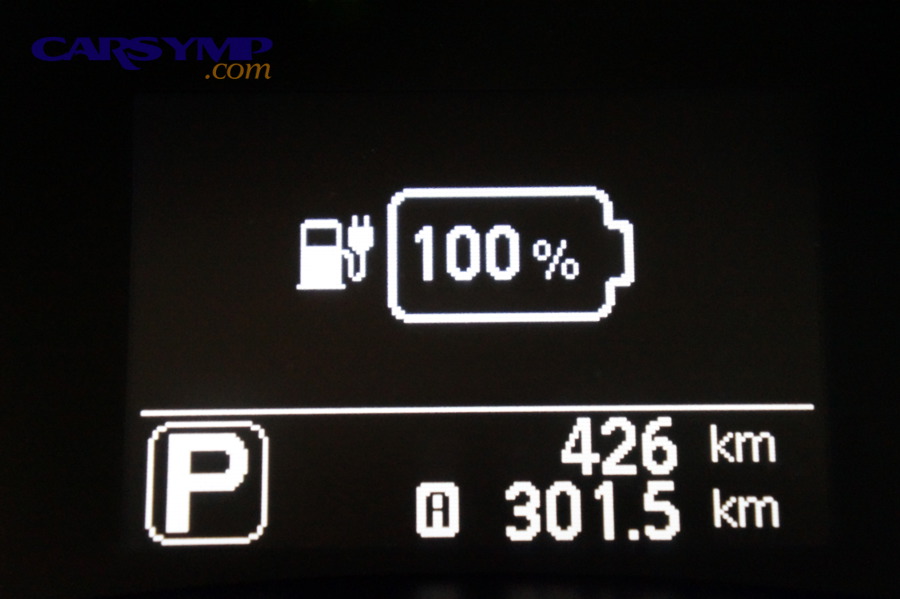
What does the battery/charging warning light mean in real driving terms?
In real terms, a charging warning light can mean the alternator isn’t charging the battery properly, so the car may be running on stored battery power until it can’t—leading to stalling, loss of accessories, and sometimes power steering assist changes.
Next, reduce electrical load to buy time: turn off non-essential accessories, avoid stop-and-go if possible, and head to a safe stop or service location.
- Turn off: heated seats, high fan speed, unnecessary lights if safe/legal.
- Keep on: hazard lights when needed; headlights at night for visibility.
- Plan: avoid tunnels/bridges where a stall would be dangerous.
When should you tow for an electrical issue instead of trying to “make it home”?
Tow if the car is already stalling, the dash is going dark, you smell hot plastic, you see smoke, or the warning light is paired with unusual noises—because electrical failures can cascade and create safety hazards quickly.
In addition, if the car quits in traffic once, treat that as evidence it can happen again in a worse place.
Contextual border: How do you reduce the chance of urgent warning signs showing up again?
So far, you’ve focused on immediate service situations—what to recognize and how to respond under pressure. Bên cạnh đó, preventing emergencies depends on building small habits that catch problems earlier, before they become “stop-now” events.
How can you prevent emergency breakdowns with a simple habit system?
You can prevent many emergency breakdowns by combining quick recurring checks with timely service intervals, because most “urgent” problems have quieter early signals—minor leaks, small noises, slow wear, and gradual changes in performance.
To make this practical, use a two-layer system: a short weekly scan plus a monthly deep check, then align it with your car’s service schedule.

What should your weekly “30-second scan” include?
Your weekly scan focuses on what turns urgent quickly: look for new puddles, check tire appearance, listen for new noises at startup, and note any new warning lights—even if they disappear.
Cụ thể, treat this as a living log: if you notice a new vibration on Tuesday and a smell on Thursday, the combination can be more meaningful than either symptom alone.
- Ground check: any fresh puddles where you park.
- Dash check: warning lights at startup and while driving.
- Sound check: squeals, grinding, knocking, or belt chirps.
- Smell check: sweet coolant odor, fuel smell, hot plastic odor.
How do you turn vague symptoms into actionable maintenance decisions?
You turn vague symptoms into action by recording three details: when it happens (cold start, braking, highway), how severe it feels (mild vs sudden), and what changes it (turning, accelerating, AC on).
Then you pair the notes with a structured list. For example, many drivers use a basic car maintenance checklist to avoid missing small issues that later become expensive emergencies.
How often should you run deeper checks to catch “urgent” problems early?
Do deeper checks monthly or at each fuel fill-up if you drive heavily: tire pressure, oil level, coolant reservoir level (when cool), brake fluid level, and belt condition—because these are upstream indicators of many urgent failures.
In practice, a Monthly car maintenance checklist keeps you consistent when life gets busy, and consistency is what catches problems early.
How should you align preventative checks with service intervals?
Align your habit checks with your car’s service plan by using the owner’s manual and a mileage-based schedule, because wear and fluid life are often tied to miles, heat cycles, and driving conditions.
To make it easier, many people keep a Mileage-based service intervals guide alongside their notes, and they add a quick scan before long drives using a Pre-road-trip inspection checklist so small issues don’t turn into roadside emergencies.
FAQ
Can I keep driving if a warning light turns off after a few minutes?
Not always. Some faults are intermittent and only trigger under specific conditions (temperature, load, vibration). If the light was red, flashing, or paired with a new symptom (smell, noise, power loss), treat it as urgent even if it disappears.
Is it safer to restart the car to “see if it clears”?
If the issue is oil pressure, overheating, smoke, fuel smell, or severe braking/steering symptoms, restarting can worsen damage or risk. In those cases, you stop, shut off, and seek help rather than experimenting.
What if I’m stuck in a dangerous spot and need to move the car?
If you must move to avoid immediate danger, move the shortest distance at the lowest speed and load possible to reach a safer stopping area. Keep hazards on, avoid hard acceleration, and stop again as soon as safe.
Should I open the hood if I smell something burning?
If you see smoke or suspect fire, prioritize safety and distance first. Opening the hood can introduce oxygen and worsen a fire. If you do inspect, do it cautiously, from the side, and only when you are confident flames are not present.
Is there a quick way to learn the most critical warning lights?
Yes—focus on the lights that affect “stop, steer, cool, and lubricate”: brake system, oil pressure, engine temperature, and charging system. A short video can help reinforce the “stop-now” logic: