


A mileage-based service intervals guide is a practical way to maintain your car by using odometer milestones as triggers for inspections, fluid changes, and wear-part checks—so you service what matters when it starts to matter.
Beyond avoiding breakdowns, this approach helps you control cost by prioritizing high-impact items (oil, tires, brakes) while preventing “over-maintenance” that wastes time and money.
It also makes maintenance predictable: you can match intervals to your driving conditions, keep records, and spot trends (like faster tire wear or early battery weakness) before they turn into roadside problems.
To connect the dots from mileage to actions, Giới thiệu ý mới: we’ll translate common mileage milestones into a clear, repeatable routine you can adapt to any vehicle and driving style.
Entity focus: mileage-based maintenance, service intervals, odometer milestones, preventive inspections, severe-service adjustments, maintenance logs.
What do mileage-based service intervals mean, and why do they beat guesswork?
Mileage-based service intervals mean you service your vehicle at specific odometer points because wear, heat cycles, and fluid degradation correlate strongly with how far and how hard the car has been driven.
To make that concrete, Tiếp theo we’ll anchor your plan to the components that age by mileage first—then layer in conditions that shorten or extend those intervals.

Think of mileage as a “wear clock.” Every mile adds friction cycles to bearings, heat cycles to oil and coolant, flex cycles to belts and hoses, and rolling resistance to tires. Unlike calendar time, mileage captures the actual work your car has done—stop-and-go driving, highway cruising, towing, hills, short trips, or long commutes.
Why it beats guesswork:
- It’s measurable: the odometer doesn’t lie, and it’s easy to track.
- It’s predictive: many failures show patterns by mileage (tire wear, brake pad thickness, fluid darkening, belt cracking).
- It’s prioritized: you can schedule inspections before parts reach unsafe thresholds.
Where guesswork goes wrong: drivers often wait for symptoms (noise, vibration, warning lights). But warning lights frequently appear late, and some problems (like underinflated tires, low brake fluid, or weak battery output) can quietly reduce safety and efficiency long before a dash light turns on.
Theo nghiên cứu của National Highway Traffic Safety Administration từ Mathematical Analysis Division, National Center for Statistics and Analysis, vào April 2009, khoảng 28% xe nhẹ trên đường có ít nhất một lốp bị thiếu áp suất, làm ảnh hưởng khả năng xử lý và quãng đường phanh.
How do you find the right intervals for your exact car (not a generic chart)?
You find the right intervals by starting with your owner’s manual maintenance schedule, then adjusting for your engine type, fluids specified, and whether your driving fits “normal” or “severe” service conditions.
Để bắt đầu, Cụ thể we’ll turn the manual into a personalized set of mileage triggers you can actually follow without memorizing pages of tables.
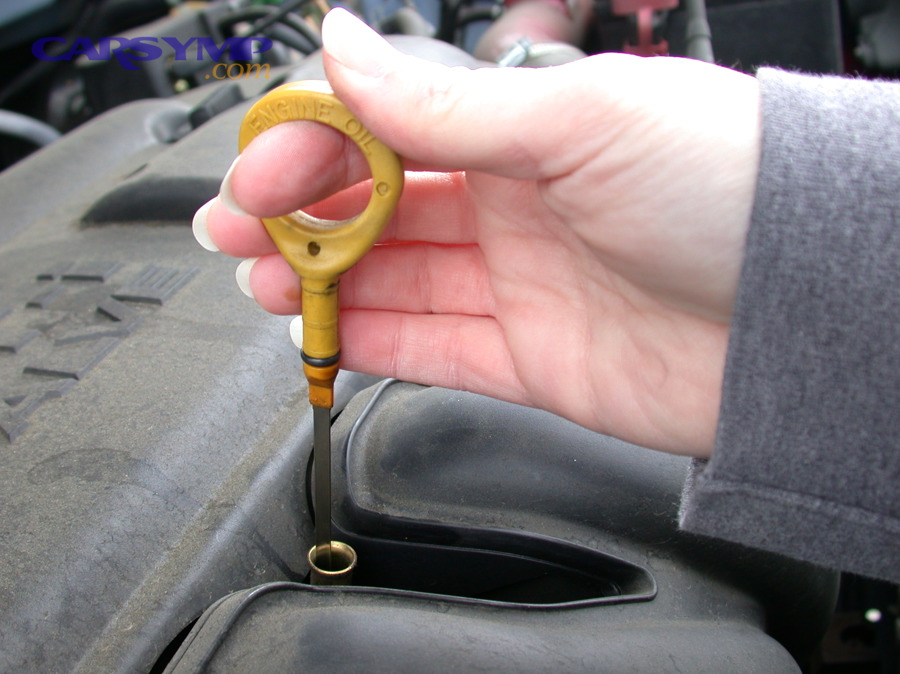
Step 1: Use the manual as your “source of truth.” Manufacturers design maintenance schedules around your vehicle’s engine tolerances, oil capacity, cooling system design, transmission type, and emissions equipment. Two cars with the same mileage can need very different services depending on turbocharging, direct injection, hybrid systems, or heavy-duty cooling packages.
Step 2: Identify your schedule type. Many manuals show two columns: “normal” and “severe.” Severe service typically includes:
- Frequent short trips (engine rarely fully warms up)
- Stop-and-go traffic, idling, rideshare/delivery use
- Towing, carrying heavy loads, roof cargo
- Dusty roads, gravel, construction zones
- Extreme temperatures (very hot or very cold)
Step 3: Map intervals to your odometer rhythm. If you drive ~12,000 miles/year, a 5,000-mile task happens about 2–3 times/year; if you drive 6,000 miles/year, it happens about once/year—unless severe conditions require time-based overrides (we’ll cover that later).
Step 4: Use a “mile band” instead of a single number. Real life isn’t perfect. Create a window like 4,500–5,500 miles. That keeps you consistent without stress, and it prevents skipping tasks because you missed the exact number.
Theo nghiên cứu của U.S. Department of Energy từ Vehicle Technologies Office, vào February 2017, việc giữ xe “đúng tình trạng vận hành” (bảo dưỡng và thói quen vận hành phù hợp) có thể tác động đáng kể đến hiệu quả tiêu thụ nhiên liệu, nhấn mạnh vai trò của bảo dưỡng đúng kỳ thay vì chờ xe có vấn đề.
What should you service every 5,000–7,500 miles to protect the engine and tires?
Every 5,000–7,500 miles, prioritize engine oil/filters (per your manual), tire rotation, and a quick safety inspection because these items degrade steadily and influence both longevity and daily driving feel.
Hơn nữa, Để hiểu rõ hơn we’ll break this mileage band into “must-do” items and “smart checks” that prevent small issues from compounding.
1) Engine oil and filter (follow your exact spec). Oil is a heat-transfer fluid, a contaminant suspension medium, and a friction reducer. Short trips and stop-and-go driving can shorten oil life because fuel dilution and moisture don’t evaporate as effectively.
- Do: use the viscosity and standard specified (e.g., API/ILSAC ratings).
- Watch: oil level between changes; low oil can cause rapid wear.
- Avoid: changing too early “just because” if your manual supports longer intervals and you drive mostly highway—unless severe conditions apply.
2) Tire rotation and pressure verification. Rotations help equalize wear across axles (especially on front-wheel drive). Pair rotation with pressure checks and a tread scan for uneven wear that signals alignment or suspension issues.
3) Quick under-hood and under-car scan. Look for leaks, loose clamps, cracked hoses, and early belt glazing. If you see wetness around gaskets or a sweet smell near the radiator area, treat it as an early warning.
4) A repeatable routine you can remember. Many drivers keep a short note in their phone labeled “5k/7.5k routine.” If you want a single phrase to guide your habit, keep a basic car maintenance checklist focused on oil level, tire condition, lights, and visible leaks—then expand only when something looks off.
Theo nghiên cứu của U.S. Department of Energy từ Vehicle Technologies Office, vào February 2017, việc giữ lốp đúng áp suất có thể cải thiện mức tiêu thụ nhiên liệu trung bình khoảng 0.6% (có thể tới 3% trong một số trường hợp), cho thấy các hạng mục định kỳ liên quan lốp có tác động đo được.
What should you service every 10,000–15,000 miles to prevent handling and braking surprises?
Every 10,000–15,000 miles, focus on tire balance/alignment checks as needed, brake system observation, and cabin/engine airflow basics because these influence stopping, steering stability, and driver comfort.
Quan trọng hơn, Dưới đây is how to combine mileage triggers with quick diagnostics so you catch problems before they feel “sudden.”
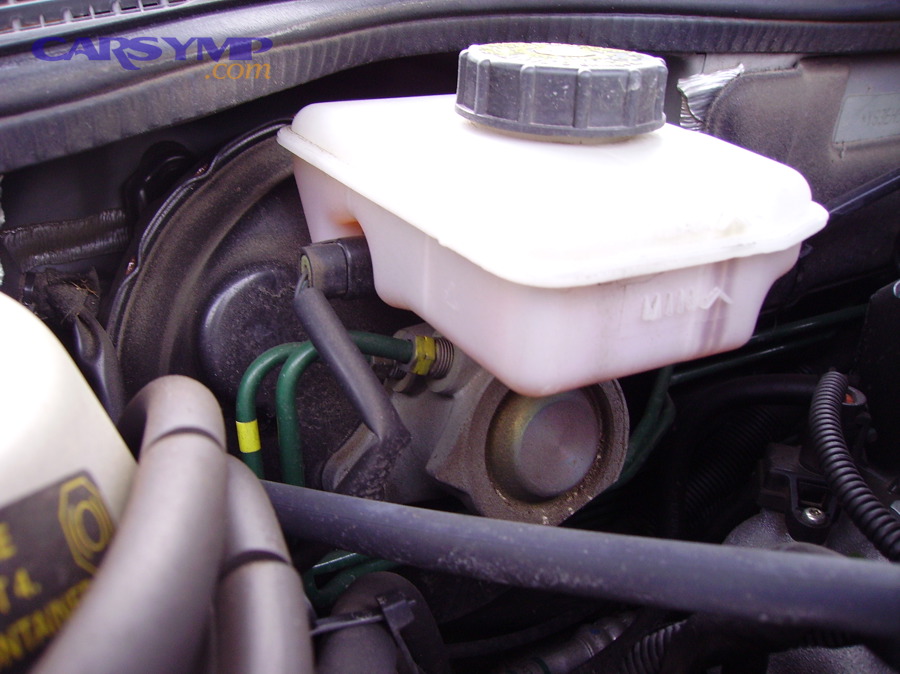
1) Alignment and balance: use symptoms + tire evidence. You don’t need an alignment at every interval, but you should check for triggers:
- Steering pulls left/right on a flat road
- Steering wheel off-center
- Uneven tread wear (inside edge, feathering, cupping)
- Vibration at highway speed (often balance-related)
2) Brake observation: look, listen, feel. Modern pads often include wear indicators, but waiting for squeal can mean the pad is already thin. At this interval, inspect pad thickness if accessible, check rotor surface condition, and note pedal feel.
If you prefer a simple home routine, add a Brake inspection checklist at home to your regular wash day: check brake fluid level/clarity (without opening the cap unnecessarily), look through wheel spokes for pad thickness, and test for pulsation during a safe, gentle stop.
3) Cabin air filter and HVAC airflow. A clogged cabin filter reduces airflow and can strain the blower motor. Replace based on your manual, but dusty regions often require earlier replacement.
Theo nghiên cứu của Federal Motor Carrier Safety Administration từ Office of Bus and Truck Standards and Operations, vào July 2009, các hệ thống giám sát phanh và lốp trong môi trường “stop/start” đô thị cho thấy giá trị trong việc phát hiện sớm bất thường và hỗ trợ lập kế hoạch bảo dưỡng phòng ngừa để tránh hỏng hóc nghiêm trọng.
What should you service every 20,000–30,000 miles for airflow, fluids, and ride quality?
Every 20,000–30,000 miles, prioritize engine air filtration (where applicable), deeper brake inspection, and selected fluid condition checks because contamination and wear debris accumulate and can quietly degrade performance.
Bên cạnh đó, Cụ thể hơn we’ll translate this interval into a set of “inspect vs replace” decisions that prevent unnecessary spending.
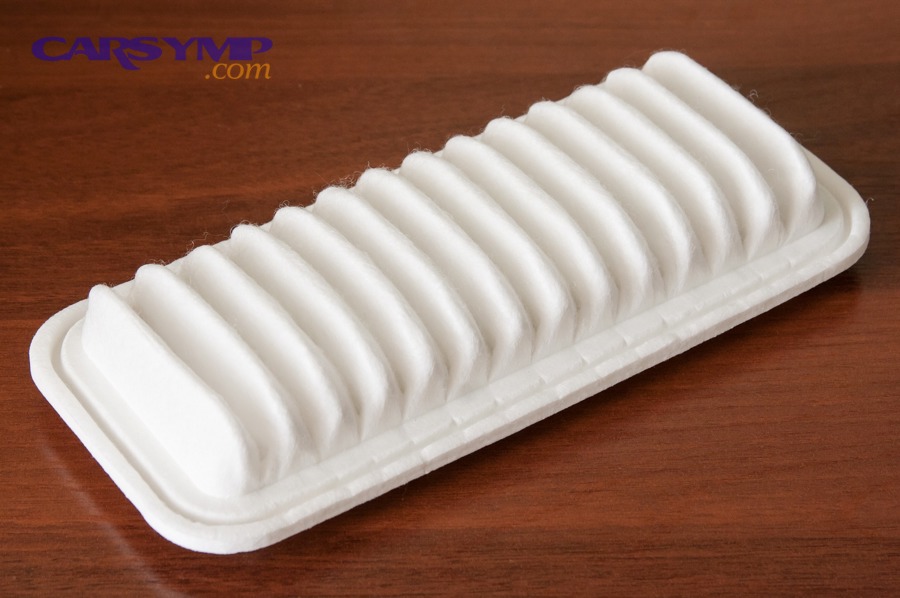
1) Engine air filter: inspect first, replace when restricted. Many vehicles specify replacement around this band, but dusty environments can require earlier service. Use visual inspection: heavy darkening, debris buildup, or damaged pleats justify replacement.
2) Brake service: go beyond “it still stops.” At this mileage band, do a more thorough check:
- Pad thickness measurement (not just a glance)
- Rotor condition (scoring, heat spots, lip on rotor edge)
- Caliper slide pin movement and boot condition
- Brake fluid level and any signs of seepage at lines or calipers
3) Suspension and steering check. Listen for clunks over bumps, inspect ball joint boots, and look for oil weeping from struts. Small play becomes big quickly, and it often shows up first as uneven tire wear.
4) “Electrical sanity” checks. This is a good time to add Battery and electrical quick checks into your routine: look for corrosion on terminals, confirm the battery is secured, and notice slow cranking or dimming lights that hint at aging capacity or charging issues.
Theo nghiên cứu của U.S. Department of Energy từ Vehicle Technologies Office, vào February 2017, việc “giữ động cơ ở trạng thái được tinh chỉnh tốt” có thể cải thiện mức tiêu thụ nhiên liệu trung bình khoảng 4% khi xe có dấu hiệu lệch chuẩn vận hành, cho thấy các hạng mục kiểm tra theo chu kỳ có thể tạo ra lợi ích đo được.
What should you service around 50,000–60,000 miles to avoid expensive ripple failures?
Around 50,000–60,000 miles, you should plan for major fluid services (as specified), spark plug strategy (inspect/replace based on type), and belt/hoses inspections because failures here can cascade into overheating, misfires, or drivetrain wear.
Đặc biệt, Để minh họa we’ll separate “universal logic” (inspection) from “vehicle-specific actions” (exact fluids and parts).
1) Transmission and drivetrain fluids: follow the manual and usage. Some manufacturers label fluids “lifetime,” but many still provide severe-service schedules. If you tow, drive mountainous routes, or do heavy stop-and-go, fluid service often matters more than the “lifetime” label implies.
2) Coolant condition and hose integrity. Coolant isn’t only antifreeze; it contains corrosion inhibitors that protect aluminum and mixed-metal systems. Even if you’re not due for a full exchange, inspect for:
- Cracking or swelling hoses
- Coolant residue or crust near clamps
- Sweet smell after driving
- Temperature fluctuations or weak cabin heat (possible air pockets or circulation issues)
3) Spark plugs: know what you have. Copper plugs may require earlier replacement; iridium/platinum often last longer. Misfires can damage catalytic converters, so replacing plugs on schedule can prevent a far more expensive downstream repair.
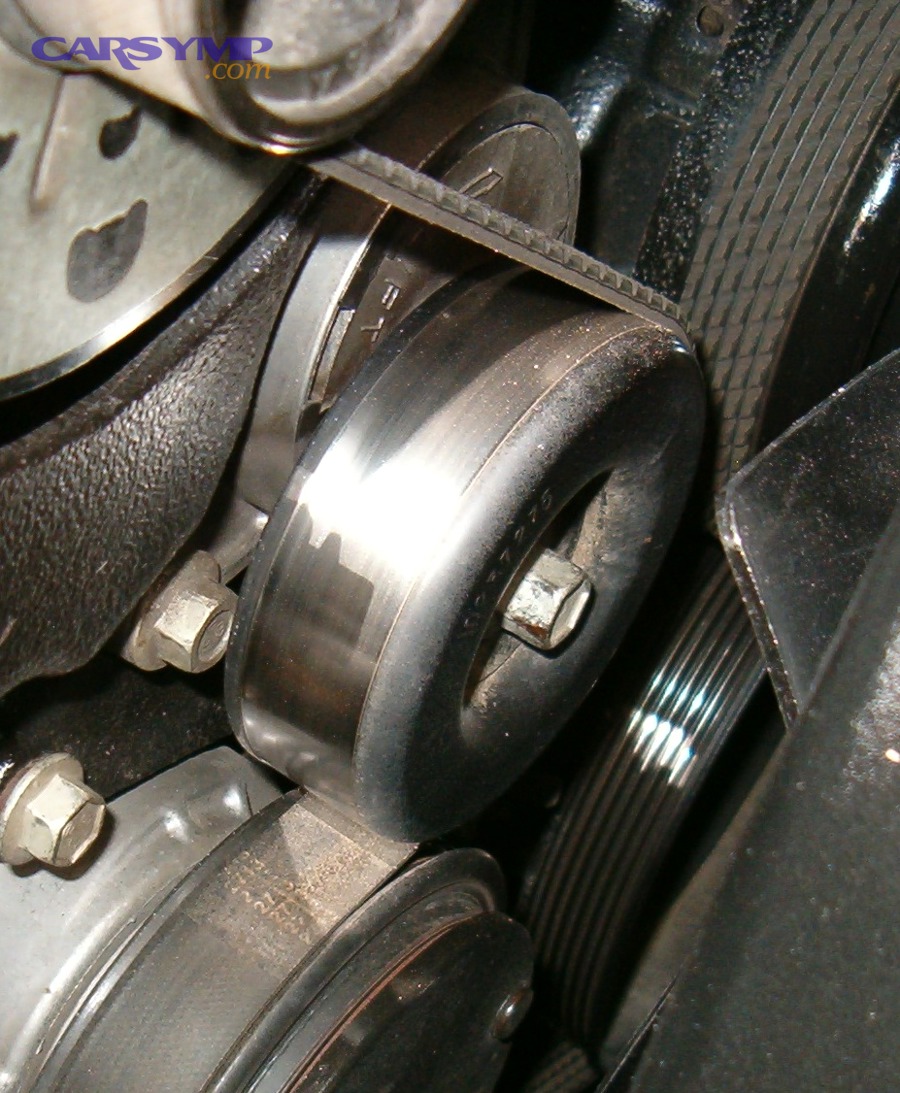
4) Belts and tensioners: inspect for cracking, glazing, noise. A belt failure can strand you immediately and may disable the water pump on some configurations. At this mileage, inspect pulleys and tensioner operation as carefully as the belt itself.
Theo nghiên cứu của Federal Motor Carrier Safety Administration từ Office of Bus and Truck Standards and Operations, vào July 2009, các đánh giá trong môi trường vận hành khắc nghiệt cho thấy bảo dưỡng phòng ngừa và giám sát tình trạng giúp lập kế hoạch hành động trước khi xảy ra hỏng hóc nặng, giảm rủi ro sự cố dây chuyền từ các hệ thống quan trọng.
What should you service around 90,000–120,000 miles for long-term reliability?
Around 90,000–120,000 miles, focus on high-consequence components like timing belt systems (if equipped), water pump decisions (as recommended), comprehensive fluid renewals, and aging rubber/plastic parts because the risk of sudden failure rises with accumulated heat cycles.
Ngược lại, Hãy cùng khám phá why this interval isn’t just “more of the same”—it’s where proactive replacement can be cheaper than reactive towing and collateral damage.

1) Timing belt vs timing chain reality. If your engine has a timing belt, treat the manufacturer interval as a hard boundary. Belt failure can cause severe engine damage on interference engines. If you have a chain, you still monitor symptoms: rattling on cold start, timing codes, or oil sludge risk due to neglected oil changes.
2) Water pump strategy. Many vehicles pair water pump service with timing belt replacement because the labor overlaps. Replacing them together can be more economical than paying labor twice.
3) Rubber aging: mounts, bushings, hoses. Even if tread remains, rubber can age. Expect more attention to engine mounts, suspension bushings, and coolant hoses. These parts influence vibration, alignment stability, and leak prevention.
4) Prevent “old-car surprises.” The goal isn’t to replace everything—it’s to replace the few items whose failure is catastrophic (overheating, timing loss, fuel delivery faults) while continuing to inspect the rest.
Theo nghiên cứu của National Highway Traffic Safety Administration từ Evaluation Division; National Center for Statistics and Analysis, vào November 2012, dữ liệu khảo sát quy mô lớn về áp suất lốp cho thấy tỷ lệ lốp thiếu áp suất nghiêm trọng giảm đáng kể khi có hệ thống cảnh báo, gợi ý rằng quản lý các hạng mục “rủi ro cao” theo chu kỳ giúp giảm nguy cơ tình trạng nguy hiểm tích lũy theo thời gian sử dụng.
How do you build a mileage-based maintenance calendar you will actually follow?
Build a mileage-based maintenance calendar by turning each interval into a repeating reminder tied to your average monthly mileage, then logging every service with date, mileage, parts used, and notes about what you observed.
Tuy nhiên, Sau đây is the difference between a calendar that looks good and one that survives real-life delays, vacations, and busy weeks.
1) Start with three repeating “bands.” Instead of 12 different reminders, begin with:
- Frequent band: 5,000–7,500 miles (oil/tires/inspection)
- Mid band: 15,000–30,000 miles (filters/brakes/alignment triggers)
- Major band: 50,000–60,000 miles (fluids/plugs/belts inspections)
2) Convert miles to months using your driving rate. If you drive ~1,000 miles/month and your oil interval is 6,000 miles, set a reminder every 6 months. If you drive 2,000 miles/month, set it every 3 months. The reminder is not the service itself—it’s a “check mileage now” prompt.
3) Use a simple log format. For each entry record:
- Mileage + date
- Service performed (and why)
- Parts/fluids spec (viscosity, filter model, coolant type)
- Observations (tire wear pattern, brake feel, leak spots)
4) Add one “inspection day” habit. Tie a 10-minute inspection to a recurring event (monthly fuel fill, pay day, or weekend wash). That’s where your quick checks live, including lights, tire pressures, and a glance under the car.
Watchouts: If you share the car with family, assign one person as the “maintenance captain.” Maintenance fails most often due to unclear ownership, not lack of information.
Theo nghiên cứu của U.S. Department of Energy từ Vehicle Technologies Office, vào February 2017, các thói quen vận hành và tình trạng cơ khí của xe có thể tạo ra khác biệt đáng kể về hiệu quả nhiên liệu, củng cố giá trị của việc theo dõi và duy trì lịch bảo dưỡng thay vì bảo dưỡng “khi nhớ ra.”
How do you adjust intervals for severe driving, climate, and vehicle age without overdoing it?
You adjust intervals by shortening only the items most sensitive to heat, contamination, and stop-start stress—mainly oil service, filtration, tire checks, and brake observation—while keeping other items inspection-based to avoid waste.
Ngoài ra, Cụ thể we’ll use a rule-of-thumb method so you can adapt responsibly without turning maintenance into a full-time job.
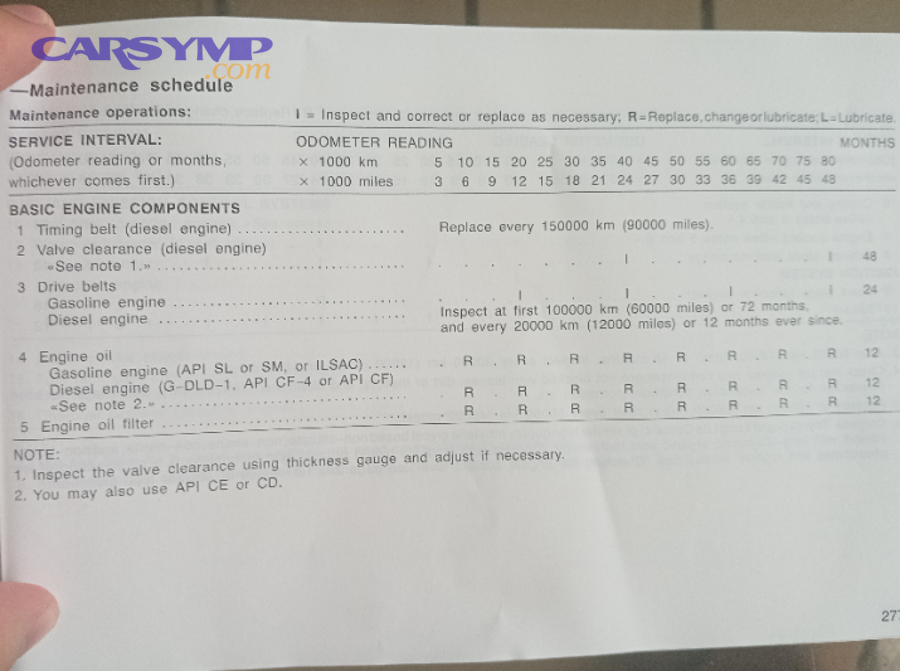
Severe-service adjustment rules that usually make sense:
- Short trips + cold climate: shorten oil interval; moisture and fuel dilution accumulate.
- Stop-and-go + hills: watch brakes and transmission heat; inspect more often.
- Dusty environments: inspect air filters earlier; clean debris zones under hood.
- Towing/heavy loads: treat fluids more conservatively; monitor tires closely.
How to avoid “overdoing it”: Use inspection evidence. If your tires wear evenly and pressure remains stable, you don’t need constant alignments. If brake pads still have safe thickness, you don’t replace early. If fluids look clean and your manual doesn’t call for earlier change, inspect again at the next milestone.
Climate realities: Heat accelerates rubber aging (hoses, belts, seals). Extreme cold can stress batteries and expose weak charging systems. This is where your periodic electrical checks become safety checks, not just convenience.
Aging vehicles: As mileage rises, shift emphasis from “replace on schedule” to “replace when evidence + risk align.” For example, a belt with visible cracking is a replacement candidate even if you’re slightly below the interval; a hose with swelling near a clamp is a proactive fix because hose failure can cause immediate overheating.
Theo nghiên cứu của National Highway Traffic Safety Administration từ Mathematical Analysis Division, National Center for Statistics and Analysis, vào April 2009, chỉ một mức thiếu áp suất lốp nhỏ cũng có thể ảnh hưởng đến khả năng xử lý và quãng đường phanh, cho thấy điều kiện vận hành và thói quen kiểm tra có thể cần “siết” lại trong bối cảnh khắc nghiệt.
What mileage milestones should you use as a simple, universal roadmap?
You can use a universal roadmap by grouping tasks into common mileage milestones (5k/15k/30k/60k/100k) and then substituting your manual’s exact items and specs, keeping the structure while customizing the details.
Tóm lại, Dưới đây is a milestone table that helps you plan ahead, budget, and avoid last-minute “surprise” services.
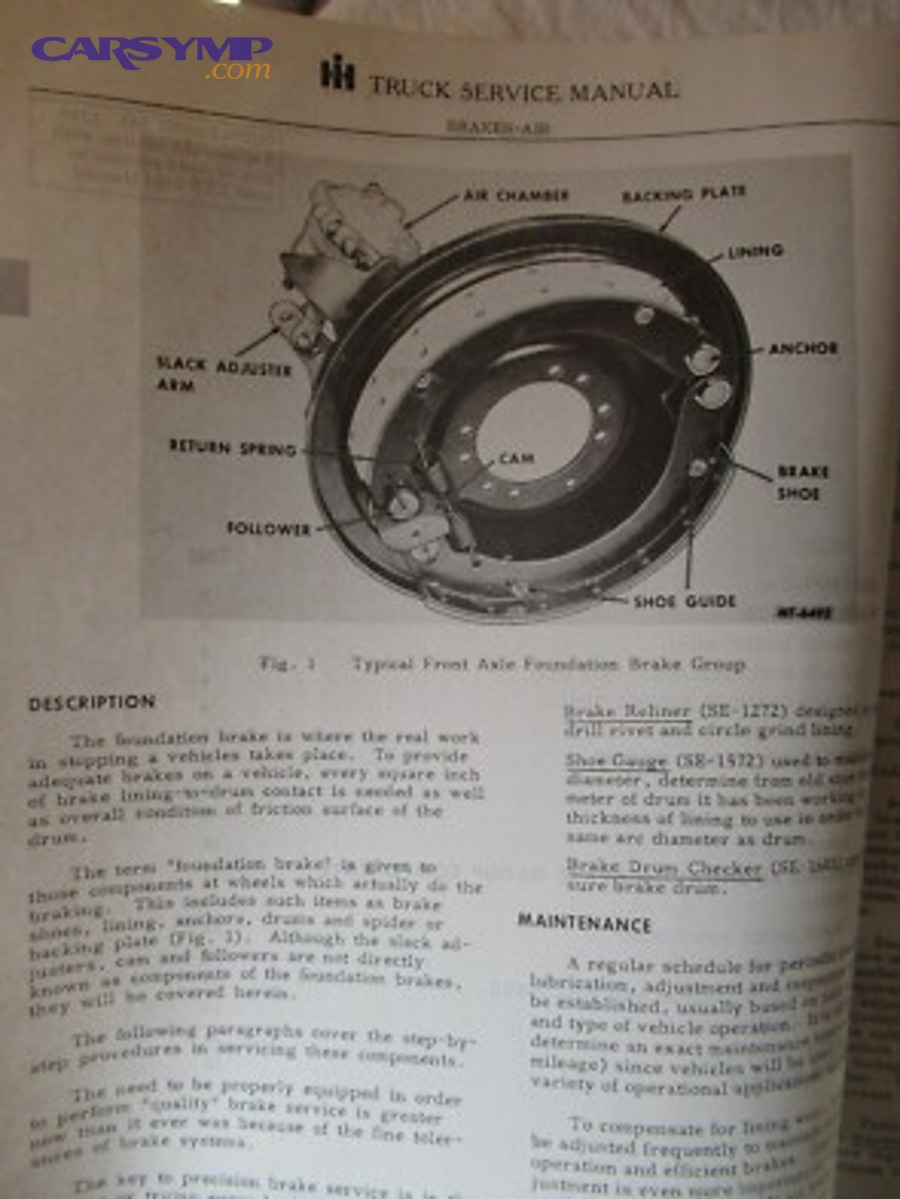
This table contains common mileage milestones and the types of actions they usually trigger; it helps you convert the odometer into a planning tool instead of a stress signal.
| Mileage milestone | Primary focus | Typical actions (confirm in your manual) |
|---|---|---|
| 5,000–7,500 | Engine protection + tires | Oil/filter as specified, rotate tires, inspect fluids/leaks/lights |
| 15,000 | Handling + braking awareness | Brake observation, alignment symptom check, cabin filter (often) |
| 30,000 | Airflow + deeper inspection | Engine air filter (inspect/replace), more thorough brake check, suspension scan |
| 60,000 | Fluids + wear parts strategy | Selected fluids, spark plugs (vehicle-dependent), belt/hoses inspection |
| 90,000–120,000 | High-consequence prevention | Timing belt systems (if equipped), water pump strategy, rubber aging focus |
How to use the roadmap: Keep the milestone structure fixed, but swap in your manual’s specifics: exact fluid types (e.g., coolant chemistry), plug type, transmission service method, and any brand- or engine-specific procedures.
Theo nghiên cứu của U.S. Department of Energy từ Vehicle Technologies Office, vào February 2017, các can thiệp bảo dưỡng như duy trì áp suất lốp và sử dụng đúng cấp dầu có thể tạo ra mức cải thiện hiệu quả nhiên liệu có thể đo lường, cho thấy việc “gắn mốc theo mileage” là một cách hợp lý để lập kế hoạch theo tác động.
Contextual border: when mileage is not enough, what else must you consider?
Mileage is powerful, but it is not complete because some materials degrade with time even if the car barely moves, so you must combine mileage with calendar limits for safety-critical fluids and age-sensitive parts.
Để chuyển sang phần mở rộng, Giới thiệu ý mới: we’ll focus on the “time-based exceptions” that protect low-mileage and seasonal vehicles without turning maintenance into over-maintenance.
Where time matters most: brake fluid moisture absorption, coolant inhibitor aging, rubber cracking, and battery calendar aging can happen even when mileage is low. This is why many manuals include both mileage and time (e.g., “every X miles or Y months”).
Theo nghiên cứu của U.S. Department of Energy từ Vehicle Technologies Office, vào February 2017, tình trạng cơ khí và bảo dưỡng định kỳ ảnh hưởng rõ rệt đến hiệu quả vận hành, ngụ ý rằng lịch theo mileage cần được “neo” thêm bằng giới hạn thời gian ở các hạng mục nhạy cảm với lão hóa.
Mileage vs time-based intervals: when should the calendar override the odometer?
The calendar should override the odometer when the service item degrades with age more than use—especially moisture-sensitive fluids, rubber components, and batteries—because waiting for miles can mean waiting past the safe window.
Đặc biệt, Dưới đây are four situations where time-based thinking prevents the most common low-mileage failures.
How do short-trip and low-mileage cars become “high wear” vehicles?
Low mileage can still be high wear because repeated cold starts, short heat cycles, and moisture buildup stress oil, exhaust, and battery capacity, so these cars often need shorter time-based intervals even if miles are low.
Vì vậy, Cụ thể treat “short-trip life” as severe service: check oil condition, keep the battery charged, and watch for condensation-related issues.
Which fluids and parts are most sensitive to time even without mileage?
Brake fluid, coolant inhibitors, rubber seals/hoses, and batteries age with time, so they are common calendar-driven items even when mileage is low.
Hơn nữa, Để minh họa if your manual says “X miles or Y years,” the “years” number is not optional—it’s the safety net for low-mileage vehicles.
How should seasonal vehicles (stored cars) handle intervals?
Seasonal vehicles should prioritize pre-storage and post-storage checks because inactivity encourages flat spots, corrosion, and battery discharge, making “inspection timing” more important than odometer timing.
Ngoài ra, Cụ thể hơn use a storage routine: tire pressure stabilization, battery maintenance charging, and fluid leak checks after the first long drive.
How do maintenance records improve resale and reduce repeat repairs?
Records improve resale by proving consistent care, and they reduce repeat repairs by revealing patterns (like faster wear on one tire edge or repeated battery weakness) that point to root causes.
Tổng kết lại, Hãy cùng khám phá logs turn “I think I did that” into evidence—and evidence is how you maintain efficiently.
Theo nghiên cứu của National Highway Traffic Safety Administration từ Evaluation Division; National Center for Statistics and Analysis, vào November 2012, khảo sát cho thấy áp suất lốp “đúng chuẩn” liên quan mạnh đến công nghệ cảnh báo và hành vi kiểm tra, hàm ý rằng kết hợp thói quen theo thời gian với mốc mileage giúp giảm nguy cơ các trạng thái không an toàn kéo dài.
Frequently Asked Questions
Is a 3,000-mile oil change still necessary for most modern cars?
Usually no, because many modern engines and oil specifications support longer intervals; the correct answer is the interval in your manual adjusted for severe service, not a one-size-fits-all number.
Tuy nhiên, Để bắt đầu if you do extreme short trips or towing, you may need shorter intervals—use the manual’s severe schedule as your baseline.
Can TPMS replace manual tire pressure checks?
No, because TPMS is a warning system, not a precision maintenance tool; it often triggers after pressure drops significantly, so manual checks remain the best way to catch gradual underinflation early.
Đặc biệt, Cụ thể check pressures when tires are cold and compare to the door-jamb placard, not the tire sidewall maximum.
Do I need an alignment after every tire rotation?
No, you typically need alignment when symptoms or tire-wear patterns indicate it, or after a significant impact (pothole/curb) or suspension work.
Ngược lại, Để minh họa uneven inner-edge wear or a steering pull is a stronger alignment signal than mileage alone.
How do I know if I should shorten my intervals for “severe service”?
Yes—you should shorten intervals if you frequently do short trips, stop-and-go driving, towing, dusty roads, or extreme temperatures, because these conditions accelerate contamination and heat stress.
Tóm lại, Hơn nữa shorten oil/filters and increase inspection frequency first, then use evidence (wear, fluid condition) to refine the rest.
Theo nghiên cứu của U.S. Department of Energy từ Vehicle Technologies Office, vào February 2017, việc duy trì lốp đúng áp suất và tình trạng cơ khí phù hợp tạo ra lợi ích nhiên liệu có thể đo lường, cho thấy các thói quen kiểm tra định kỳ (theo thời gian và theo mileage) đều có vai trò trong hiệu quả và an toàn.