


Clearing misfire codes requires an OBD-II scanner or battery disconnect method, but codes will return if the underlying engine problem remains unfixed. The clearing process takes 2-5 minutes with proper tools, yet misfire codes can reappear within seconds to several drive cycles depending on whether you’ve addressed root causes like faulty spark plugs, ignition coils, or fuel injectors. Understanding when to clear codes versus when to diagnose first determines whether you’re masking symptoms or actually solving your vehicle’s performance issues.
The decision to clear misfire codes involves more than just erasing a check engine light. Your vehicle’s Engine Control Module (ECM) continuously monitors combustion efficiency across all cylinders, logging misfires when detection thresholds are exceeded. When you clear these diagnostic trouble codes without repairing the underlying mechanical or electrical failure, the ECM simply restarts its counting process and will re-trigger the same codes once misfire frequency reaches preset limits again.
Beyond the immediate clearing procedure, you must consider emission readiness monitors that reset when codes are erased. These monitors directly impact your ability to pass state inspections and smog tests, as most jurisdictions require all readiness systems to show “ready” status before issuing a passing certificate. Clearing codes just days before an emissions test often results in automatic failure due to incomplete monitor status, even if your vehicle would otherwise pass.
The relationship between code clearing and actual problem resolution separates temporary fixes from permanent solutions. Professional technicians use strategic code clearing as a diagnostic tool after component replacement to verify repairs, while inexperienced vehicle owners often clear codes hoping problems disappear on their own. Below, we’ll explore the complete clearing process, explain when codes return, and help you determine whether you should clear codes or fix the problem first.
What Are Misfire Codes and Why Do They Appear?
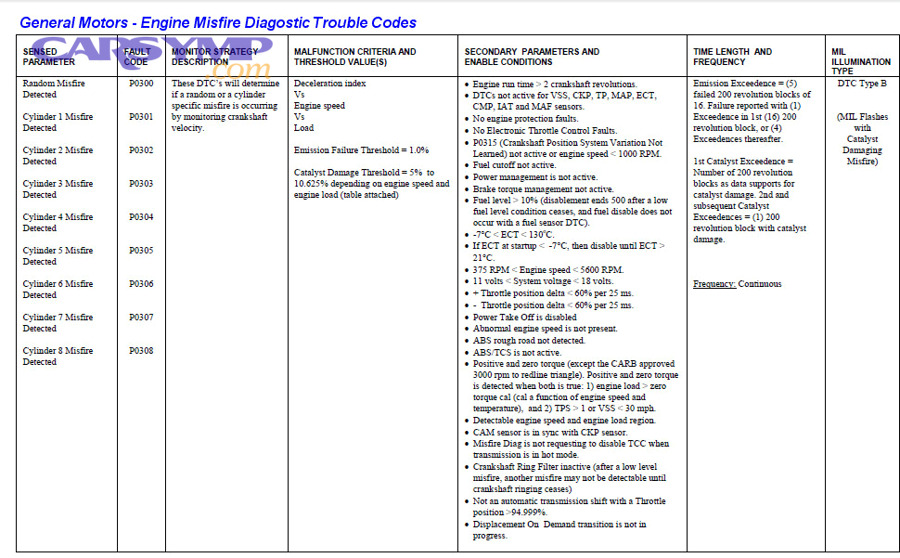
Misfire codes are OBD-II diagnostic trouble codes in the P0300 series that indicate one or more engine cylinders are failing to ignite the air-fuel mixture properly during combustion. These codes appear when the ECM detects irregular crankshaft rotation patterns that exceed calibrated thresholds, typically when misfire frequency surpasses 2-3% of total combustion events in a specific cylinder or across multiple cylinders randomly.
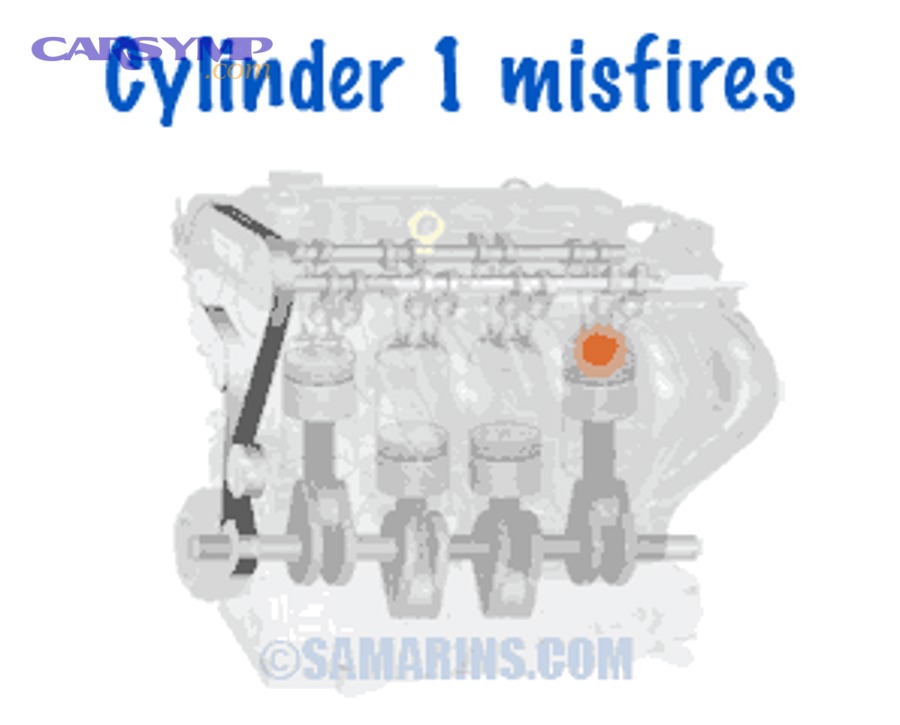
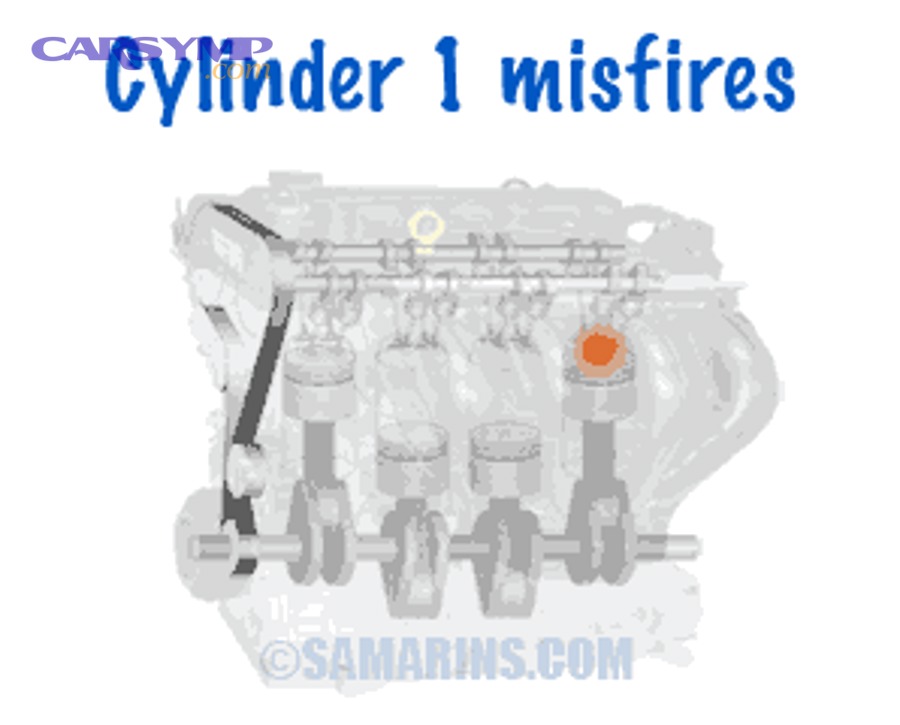
To better understand these diagnostic codes, the P0300 series follows a specific numbering convention. Code P0300 indicates a random or multiple cylinder misfire where the ECM cannot isolate the problem to one specific cylinder, suggesting issues affecting the entire engine like vacuum leaks, fuel pressure problems, or timing chain failures. Codes P0301 through P0308 (or higher on engines with more cylinders) pinpoint misfires to specific cylinders—P0301 means cylinder 1 is misfiring, P0302 indicates cylinder 2, and so forth.
The triggering mechanism relies on crankshaft position sensor data combined with camshaft position sensors. During normal combustion, each cylinder fires and pushes the crankshaft with consistent force, creating uniform rotational acceleration patterns. When a cylinder misfires, it fails to contribute its power stroke, causing the crankshaft to decelerate slightly during that cylinder’s firing window. The ECM monitors these acceleration variations continuously, comparing actual patterns against expected values stored in its programming.
Modern vehicles use sophisticated misfire detection algorithms that account for driving conditions. The ECM applies different threshold values during idle versus highway cruising, during acceleration versus deceleration, and during cold starts versus fully warmed engines. This adaptive approach prevents false misfire codes during normal engine roughness at idle or during aggressive throttle transitions. However, it also means that intermittent misfires occurring only under specific conditions may take longer to trigger a stored code.
The check engine light illumination follows specific protocols based on misfire severity and frequency. Type A misfires—those severe enough to damage the catalytic converter through unburned fuel entering the exhaust—cause the check engine light to flash continuously as a warning to reduce engine load immediately. Type B misfires meet the threshold for emission concerns but don’t pose immediate catalyst damage risk, resulting in a steady check engine light that remains illuminated until codes are cleared or the problem self-corrects over multiple drive cycles.
How Do You Clear Misfire Codes? (Step-by-Step Methods)
You can clear misfire codes using an OBD-II scanner’s erase function, by disconnecting the vehicle battery for 15-30 minutes, or through professional diagnostic equipment that offers selective code clearing options. Each method successfully erases stored diagnostic trouble codes from the ECM memory, though they differ in speed, convenience, and impact on other vehicle systems.
The three clearing methods serve different situations and skill levels. Specifically, OBD-II scanners provide the cleanest approach for code clearing while preserving other vehicle settings, battery disconnection offers a tool-free alternative that resets multiple systems simultaneously, and professional diagnostic tools enable advanced functions like clearing codes while maintaining readiness monitor status or preserving freeze frame data for later analysis.
Method 1: Using an OBD-II Scanner to Clear Codes
OBD-II scanners represent the most efficient and recommended method for clearing misfire codes. Connect the scanner to your vehicle’s diagnostic port—typically located under the dashboard on the driver’s side near the steering column—with the ignition key in the “ON” position but the engine not running. The scanner powers up through the diagnostic port connection and establishes communication with your vehicle’s ECM within 5-15 seconds.
Navigate through the scanner’s menu system to find the “Read Codes” or “Trouble Codes” function first. This step lets you document which specific codes are present before erasing them, creating a reference point to compare against if codes return later. Most consumer-grade scanners from manufacturers like BlueDriver, Autel, or Innova display both the code number (like P0301) and a brief description (Cylinder 1 Misfire Detected).
After documenting existing codes, select the “Clear Codes” or “Erase Codes” function from the scanner menu. The device sends a specific command to the ECM requesting deletion of all stored diagnostic trouble codes and resetting of the check engine light status. This process completes within 2-3 seconds, and most scanners display a confirmation message like “Codes Cleared Successfully” or “Clear Complete.”
Turn the ignition key to the “OFF” position after clearing codes, wait 5 seconds, then turn the key back to “ON” without starting the engine. The check engine light should illuminate briefly during the bulb check sequence (typically 3-6 seconds), then extinguish, confirming successful code clearing. If the check engine light remains illuminated or begins flashing immediately, the misfire is active and severe enough that the ECM is detecting and re-logging it even without the engine running, indicating a critical issue requiring immediate attention.
Budget scanners ranging from $25-$100 handle basic code clearing functions adequately for most vehicle owners, while mid-range scanners ($150-$400) offer additional features like live data streaming, readiness monitor status checking, and freeze frame data viewing. Professional-grade scanners used by technicians cost $500-$5000+ and provide bi-directional controls, component testing, and manufacturer-specific advanced functions beyond code clearing.
Method 2: Disconnecting the Battery to Reset Codes
Battery disconnection clears misfire codes through power interruption, forcing the ECM to lose all stored volatile memory including diagnostic trouble codes, readiness monitors, and learned adaptive values. Open your vehicle’s hood and locate the battery, identifying the negative terminal marked with a minus (-) symbol and typically covered with a black cable and terminal cover.
Use a wrench or socket (commonly 10mm, 8mm, or 13mm depending on vehicle make) to loosen the negative battery cable clamp bolt by turning counterclockwise. You only need to loosen it enough to slide the cable clamp off the battery terminal post—typically 3-4 full rotations. Pull the negative cable away from the battery terminal and position it so it cannot accidentally contact the terminal during the waiting period, securing it away from metal surfaces using a zip tie or tucking it aside.
Leave the battery disconnected for a minimum of 15 minutes, though 30 minutes provides more reliable memory clearing across all vehicle makes and models. This waiting period allows residual electrical charge in the ECM capacitors to fully discharge, ensuring complete memory reset. Some European vehicles with sophisticated electrical architectures may require up to 60 minutes of disconnection for thorough memory clearing.
Reconnect the negative battery cable after the waiting period by reversing the removal process—slide the cable clamp onto the negative terminal post and tighten the clamp bolt by turning clockwise until snug. Apply firm tightening force but avoid over-tightening, which can crack the battery terminal or strip the clamp bolt threads. The connection should resist pulling with moderate hand force without requiring extreme wrench torque.
Start the engine after reconnecting the battery and verify that the check engine light follows normal operation—illuminating during the initial key-on bulb check, then extinguishing within 3-6 seconds after the engine starts. The engine may idle roughly for the first 30-60 seconds as the ECM relearns base idle parameters, and you may notice slightly altered transmission shift points for the first few miles of driving as the transmission control module relearns shift adaptation values.
Consider the collateral effects before choosing battery disconnection as your clearing method. This approach resets your radio presets, clock time, power seat positions, and any learned adaptive values for idle speed, fuel trim, and transmission shift points. Additionally, all emission readiness monitors reset to “not ready” status, requiring substantial drive time before these monitors complete their self-tests and return to “ready” status necessary for passing emissions inspections.
Method 3: Using Professional Diagnostic Tools
Professional diagnostic equipment offers advanced code clearing capabilities that preserve critical vehicle data while erasing misfire codes selectively. Dealership scan tools and high-end aftermarket diagnostic platforms like Snap-on MODIS, Autel MaxiSys, or Bosch ADS systems connect to vehicles through the OBD-II port or manufacturer-specific diagnostic connectors, establishing deeper communication protocols than consumer scanners access.
These professional tools provide selective code clearing, allowing technicians to erase specific codes while leaving others stored for continued diagnosis. For example, a technician diagnosing multiple issues can clear only the P0301 misfire code after replacing the cylinder 1 ignition coil, while preserving P0420 catalyst efficiency codes and P0171 fuel trim codes that require separate investigation. This selective approach maintains diagnostic continuity during complex repairs involving multiple systems.
Advanced diagnostic platforms can clear codes using specialized protocols that preserve certain data types. Some tools offer “soft clear” functions that erase the active fault code and extinguish the check engine light while maintaining readiness monitor status and freeze frame data. This capability proves invaluable when performing emissions-related repairs shortly before a scheduled inspection, allowing immediate verification that the repair resolved the misfire while keeping readiness monitors in “complete” status.
Dealership scan tools access manufacturer-proprietary clearing functions unavailable to aftermarket equipment. These functions include clearing permanent diagnostic trouble codes (DTCs) through guided drive cycle procedures, resetting component-specific learned values without affecting other systems, and clearing codes from secondary control modules that consumer scanners cannot communicate with, such as body control modules or supplemental restraint systems.
The cost-benefit analysis typically limits professional diagnostic tool use to repair facilities rather than individual vehicle owners. Professional scan tools require annual software subscriptions ranging from $500-$3000 to maintain current vehicle coverage and diagnostic capabilities, making them economically viable only for technicians servicing multiple vehicles daily. However, many independent repair shops and some auto parts stores offer free or low-cost code clearing services using professional equipment, providing access to advanced clearing capabilities without tool ownership.
Will Misfire Codes Return After Clearing? (What You Need to Know)
Yes, misfire codes will return after clearing if you haven’t fixed the underlying problem causing irregular combustion in the affected cylinder. The ECM continuously monitors combustion quality through crankshaft acceleration patterns, and once misfire frequency exceeds calibrated thresholds again—typically within seconds to several drive cycles depending on misfire severity—the same diagnostic trouble code will re-trigger and illuminate the check engine light.
Moreover, understanding the code return timeline helps you differentiate between successful repairs and ineffective code clearing. The ECM doesn’t instantly re-trigger codes after clearing; instead, it requires sufficient misfire events during specific operating conditions before storing a new code. This detection lag creates a false impression that clearing codes “fixed” the problem, when in reality you’ve only reset the ECM’s counting mechanism without addressing the mechanical or electrical failure causing misfires.
How Quickly Do Misfire Codes Come Back If the Problem Isn’t Fixed?
Misfire codes return within 2-10 seconds of engine startup when severe active misfires are occurring, while intermittent misfires may take 20-200 miles of driving before re-triggering codes depending on misfire frequency and driving conditions. The return timeline correlates directly with misfire severity—complete combustion failure in a cylinder triggers immediate code storage, whereas occasional misfires under specific loads or temperatures require extended monitoring before exceeding detection thresholds.
Severe misfires caused by complete ignition failure, such as a disconnected ignition coil or broken spark plug, generate immediate code return because the affected cylinder produces zero combustion every firing cycle. The ECM detects this 100% misfire rate within the first engine revolution during startup, immediately storing the code and illuminating the check engine light before the engine even reaches stable idle. In these cases, clearing codes provides no benefit whatsoever—the check engine light will be on again before you can remove the OBD-II scanner from the diagnostic port.
Moderate misfires from worn spark plugs or weak ignition coils typically re-trigger codes within 5-30 miles of driving, particularly during conditions that stress the ignition system like cold starts, hard acceleration, or highway cruising. These partial failures don’t misfire every combustion cycle but occur frequently enough—perhaps 5-15% of the time—that the ECM accumulates sufficient misfire counts to exceed threshold limits after 10-20 minutes of varied driving conditions. The code may not appear during gentle city driving but triggers immediately when you merge onto a highway and maintain steady throttle at higher engine loads.
Intermittent misfires pose the most diagnostic challenge because they occur unpredictably based on specific conditions like engine temperature, ambient humidity, or particular engine speeds. A misfire caused by a cracked ignition coil that only fails when heated to operating temperature might not trigger codes during short trips but will store codes after 30-40 minutes of continuous highway driving. Similarly, misfires from carbon-fouled spark plugs often occur only during cold starts and may require 5-10 cold start cycles spanning several days before accumulating enough misfires to re-trigger the code.
The driving pattern after clearing codes significantly influences return timing. Aggressive driving with frequent hard acceleration and high RPM operation stresses all engine systems more severely, causing marginal components to fail more frequently and trigger codes faster. Conversely, gentle driving at low speeds and light loads may allow borderline components to function adequately for extended periods, delaying code return for hundreds of miles even though the underlying problem persists.
Pending codes versus confirmed codes represent different stages in the ECM’s detection process. After clearing all codes, the first few misfires store as “pending” codes—detected but not yet meeting the criteria for confirmed code storage and check engine light illumination. Pending codes remain invisible without scanning the vehicle and automatically erase if the misfire doesn’t recur within 40-80 drive cycles. However, if misfires continue occurring, the pending code escalates to a confirmed code, storing permanently in memory and illuminating the check engine light. This two-stage process explains why you might drive 50-100 miles after clearing codes before the check engine light returns, even though misfires have been occurring intermittently throughout that distance.
Do Misfire Codes Ever Clear Themselves Automatically?
Yes, misfire codes automatically clear from ECM memory after 40-80 drive cycles without recurrence, though the specific number varies by vehicle manufacturer and model year. A drive cycle consists of starting a cold engine, driving until it reaches operating temperature while meeting specific speed and load conditions, then shutting down the engine—representing one complete cycle through the ECM’s self-diagnostic monitoring sequence.
The automatic clearing mechanism serves as the ECM’s memory management system, preventing long-term storage of historical faults that no longer represent current vehicle condition. When you fix a misfire problem without manually clearing codes, the check engine light remains illuminated but the ECM begins counting fault-free drive cycles. After completing the manufacturer-specified number of consecutive cycles without detecting misfires exceeding threshold values, the ECM automatically erases the stored code and extinguishes the check engine light without any manual intervention.
Ford vehicles typically auto-clear codes after 40 consecutive drive cycles, while General Motors vehicles require 80 cycles for automatic code erasure. Toyota and Honda vehicles fall in the middle range, clearing codes after 40-60 cycles depending on the specific code type and model year. These variations reflect different manufacturer philosophies about diagnostic memory management and emission system monitoring requirements.
However, automatic clearing only occurs when the underlying problem completely resolves. If you temporarily fix a misfire—perhaps by switching to higher-octane fuel that masks a failing ignition coil—the ECM may go 10-20 cycles without detecting misfires, resetting its countdown toward automatic clearing. But when the misfire eventually recurs, the countdown resets to zero and the code remains stored indefinitely until you either manually clear it or permanently fix the problem.
The check engine light behavior differs from code storage timing. Some vehicles extinguish the check engine light after just 3 consecutive fault-free drive cycles, even though the code remains stored in ECM memory. This creates confusion where the warning light disappears but scanning the vehicle still reveals stored trouble codes. The light extinguishing indicates the problem isn’t currently active, while the stored code serves as a historical record that the fault occurred previously. Only after completing the full 40-80 cycle sequence does the code itself erase from memory.
Permanent diagnostic trouble codes (DTCs) introduced in 2010+ vehicles cannot self-clear through drive cycles alone. These special codes require confirmed fault correction verified through specific monitoring tests before the ECM will erase them, preventing manipulation of emission-related faults. A permanent P0300 misfire code remains stored until you fix the problem AND the ECM successfully completes its misfire monitor test during subsequent driving, confirming that combustion quality now meets standards across all operating conditions.

What Happens When You Clear Codes Without Fixing the Misfire?
Clearing misfire codes without repairing the underlying problem temporarily extinguishes the check engine light but causes immediate code return, continued engine performance degradation, potential catalytic converter damage from unburned fuel, and automatic emissions test failure due to incomplete readiness monitors. You create a false impression of problem resolution while the misfire continues damaging engine components and reducing fuel efficiency by 10-25% depending on misfire severity.
In addition to these immediate consequences, persistent misfires worsen over time as the root cause deteriorates further. A slightly worn spark plug that causes occasional misfires degrades into complete combustion failure within weeks or months, transforming a minor issue requiring a simple spark plug replacement into a more expensive repair involving damaged ignition coils, fouled catalytic converters, or oil-contaminated combustion chambers. The temporary code clearing delay that would have caught the problem early instead allows progressive damage that multiplies repair costs.
Does Clearing Codes Reset Readiness Monitors?
Yes, clearing diagnostic trouble codes resets all emission readiness monitors to “not ready” or “incomplete” status on most vehicles, requiring specific driving conditions spanning 50-200 miles before monitors complete their self-tests and return to “ready” status needed for emissions inspection passing. The eight primary readiness monitors—catalyst efficiency, evaporative system, oxygen sensor, secondary air, EGR system, fuel system, heated catalyst, and comprehensive components—each require unique operating conditions for completion that may take days or weeks of normal driving to satisfy.
The readiness monitor reset occurs because these monitors share memory architecture with diagnostic trouble codes in the ECM. When you send the clear codes command through an OBD-II scanner or disconnect the battery, the ECM erases all non-volatile memory contents including both stored codes and monitor completion flags. This complete memory wipe prevents selective code clearing that would maintain monitor status, forcing all monitoring systems to restart their testing sequences from the beginning.
Different clearing methods produce identical monitor reset effects contrary to common misconceptions. Battery disconnection and OBD-II scanner code clearing both trigger complete readiness monitor resets because they interrupt ECM power or send the same standardized clear command protocol. The myth that battery disconnection preserves monitors while scanner clearing resets them has no technical basis—both methods reset monitors to incomplete status requiring drive cycle completion for restoration.
The drive cycle requirements for monitor completion vary significantly between manufacturers and specific monitors. The catalyst efficiency monitor typically requires 10-20 minutes of steady highway cruising at 45-65 mph to complete, while the evaporative system monitor needs overnight temperature cycling with specific fuel level conditions between 15-85% tank capacity. The oxygen sensor monitor completes relatively quickly during normal driving, but the secondary air monitor may never complete on vehicles without secondary air injection systems, permanently showing “not ready” status without affecting inspection pass/fail criteria.
Most states allow one or two monitors to remain incomplete while still passing emissions inspections, recognizing that some monitors require specific conditions that may not occur during normal driving. However, the misfire monitor (comprehensive component monitor) and fuel system monitor must show “ready” status in all jurisdictions—these critical monitors cannot remain incomplete without causing automatic inspection failure. Since misfires directly affect the comprehensive component monitor, you cannot clear misfire codes, allow monitors to remain incomplete, and expect to pass emissions testing.
Strategic timing of code clearing relative to emissions inspections determines success or failure. Clearing codes 2-3 days before a scheduled test guarantees automatic failure because insufficient drive time prevents monitor completion. The optimal approach requires clearing codes only after confirming repair success, then driving 100-200 miles over 5-7 days through varied conditions—city traffic, highway cruising, idling periods—to ensure all monitors complete before presenting the vehicle for testing.
Professional repair facilities use guided drive cycle procedures to expedite monitor completion after code clearing. These specific drive pattern sequences—combining specific speeds, loads, and durations in prescribed order—satisfy monitor completion criteria within 30-45 minutes of continuous driving. However, these procedures require precise speed control, specific gear selections, and exact timing that prove difficult to execute on public roads without specialized equipment to guide the process in real-time.
Can You Pass Emissions Testing After Clearing Codes?
No, you cannot pass emissions testing immediately after clearing misfire codes because incomplete readiness monitors cause automatic inspection failure in all 50 states regardless of whether your vehicle would otherwise meet emissions standards. Emissions testing equipment queries the ECM for readiness monitor status before performing any tailpipe testing, and vehicles showing more than one monitor incomplete (two incomplete monitors allowed in some states) automatically fail without proceeding to actual emissions measurement.
The inspection failure mechanism operates independently from actual emissions output. Your vehicle could have perfect combustion efficiency, pristine catalytic converter function, and zero harmful emissions, yet still fail inspection based solely on incomplete monitors after recent code clearing. This policy prevents vehicle owners from clearing codes immediately before testing to temporarily mask emission-related problems that would otherwise trigger test failure through elevated tailpipe readings.
State-specific regulations govern how many incomplete monitors inspectors tolerate before failing vehicles. California, the strictest emissions state, allows only one incomplete monitor on 2000+ model year vehicles while failing vehicles with two or more incomplete monitors. Many other states follow OBD-II inspection protocols permitting two incomplete monitors, though this allowance excludes the catalyst monitor and evaporative system monitor on certain model years which must always show complete status.
The readiness monitor exception acknowledges that some monitors never complete on certain vehicles due to design characteristics. Diesel vehicles lack several monitors present on gasoline engines, and vehicles without specific emission control components legitimately show those monitors as “not supported” rather than incomplete. However, the misfire-related comprehensive component monitor exists on all gasoline engines and must show ready status without exception—no inspection jurisdiction permits this critical monitor to remain incomplete.
Timeline requirements for monitor completion drive the strategic planning around emissions testing after repairs. Most experienced technicians recommend waiting at least one week and completing 100-200 miles of varied driving after clearing codes before scheduling emissions inspection appointments. This buffer period provides multiple drive cycles under different conditions, maximizing the probability that all monitors will complete before the inspection date.
Verification scanning before scheduling appointments prevents wasted trips to testing facilities. Use an OBD-II scanner to check readiness monitor status 1-2 days before your appointment, confirming that all required monitors show “ready” or “complete” status. If any critical monitors remain incomplete, continue driving varied patterns for several more days and recheck status until all monitors complete. Most consumer-grade OBD-II scanners include readiness monitor display functions that clearly indicate which monitors need additional drive time.
Some testing facilities offer pre-inspection readiness checks without charging full inspection fees. These courtesy scans identify incomplete monitors before the official test, allowing you to complete additional drive cycles without wasting your single annual inspection attempt in states limiting testing frequency. The 2-3 minutes required for a readiness check prevents the frustration and delay of failed inspections due to incomplete monitors after recent repairs.

Should You Clear Misfire Codes or Fix the Problem First?
Fix the underlying misfire problem first through proper diagnosis before clearing any codes, as this sequence enables freeze frame data preservation, allows verification that repairs resolved the issue, and prevents masking symptoms that could cause progressive engine damage. Clearing codes before diagnosis destroys valuable diagnostic information and creates an endless cycle of code return without problem resolution, wasting time and money on ineffective repairs.
Furthermore, the diagnostic process relies on information stored alongside the misfire code that disappears when codes are cleared prematurely. Freeze frame data captures engine operating conditions—RPM, coolant temperature, load percentage, fuel trim values, vehicle speed—at the exact moment the ECM first detected the misfire and stored the code. This snapshot helps technicians identify pattern misfires that occur only under specific conditions like cold starts, highway cruising, or hard acceleration, focusing diagnostic efforts on components that fail under those particular circumstances.
When Is It Safe to Clear Misfire Codes?
Clearing misfire codes is safe and appropriate after completing verified repairs, when conducting systematic diagnostic testing that requires baseline code reset, or when you’ve replaced components and need to confirm that new parts resolved the misfire issue. The strategic clearing at these specific stages serves legitimate diagnostic purposes rather than masking unresolved problems.
Post-repair verification represents the primary legitimate use for code clearing. After you replace spark plugs, you clear the stored P0301 code, start the engine, and monitor for code return over the next 20-30 miles of driving. If the check engine light stays off and scanning reveals no new pending codes, you’ve confirmed that worn spark plugs caused the original misfire and your repair succeeded. This verification process provides certainty that you’ve addressed the root cause rather than a secondary symptom.
Diagnostic testing procedures sometimes require code clearing between component swaps to isolate failing parts. When diagnosing a cylinder 3 misfire, you might swap the cylinder 3 ignition coil with the cylinder 5 coil, clear all codes, run the engine, and check whether the misfire moves to cylinder 5 (indicating a bad coil) or remains at cylinder 3 (indicating a different problem like low compression or valve issues). This systematic testing approach uses code clearing as a diagnostic tool to pinpoint the exact failure point among multiple potential causes.
Professional technicians clear codes strategically during complex diagnosis involving multiple systems. When investigating misfires accompanied by lean fuel trim codes and oxygen sensor faults, a technician might fix a vacuum leak, clear all related codes, then drive the vehicle to determine which codes return. Codes that don’t reappear were likely symptoms of the vacuum leak, while codes that return immediately indicate separate problems requiring additional repair. This methodical approach prevents unnecessary parts replacement based on symptom codes rather than root causes.
After-market parts installation validation requires code clearing to confirm component quality. When you install new aftermarket ignition coils or spark plugs, clearing codes and monitoring for return over 50-100 miles verifies that the replacement parts meet OEM specifications and function correctly. If codes return quickly after installing new components, you’ve identified defective parts before the return period expires, enabling warranty exchange rather than accepting substandard components.
The timing between repair completion and code clearing affects verification accuracy. Clear codes immediately after component installation while the engine remains in the same operating state where misfires originally occurred. If misfires only happened during cold starts, clear codes with a cold engine and monitor during the next cold start. If misfires occurred during highway driving, clear codes then immediately test drive at highway speeds. Matching clearing conditions to original misfire conditions provides the most reliable confirmation that repairs succeeded.
When Should You NOT Clear Misfire Codes?
Never clear misfire codes before completing thorough diagnosis, within 7-10 days before scheduled emissions testing, when freeze frame data might provide diagnostic clues, or when multiple related codes suggest complex problems requiring professional investigation. Premature code clearing in these situations destroys diagnostic information, guarantees inspection failure, or masks serious issues that worsen without proper attention.
Pre-diagnostic code clearing represents the most common and costly mistake vehicle owners make. The temptation to clear codes hoping problems disappear wastes the valuable information stored with those codes. Freeze frame data showing that a P0304 cylinder 4 misfire occurred at 3500 RPM under 85% load during highway cruising focuses diagnosis on components that fail under high-stress conditions—likely ignition coils or spark plug wires rather than fuel injectors. Clearing this code before recording freeze frame data forces blind diagnosis without contextual clues.
Approaching emissions testing deadlines makes code clearing particularly risky. Clearing codes 3-5 days before your scheduled inspection appointment guarantees automatic failure because readiness monitors cannot complete in such limited time frames. The resulting failed inspection wastes your testing fee, costs you an additional week without valid registration, and may trigger increased inspection frequency in states penalizing failed attempts. If your check engine light illuminates days before testing, reschedule the appointment rather than clearing codes and hoping for the best.
Active safety concerns prohibit code clearing when misfires cause severe driveability issues. A flashing check engine light indicates catalyst-damaging misfires severe enough to require immediate driving cessation and repair before operating the vehicle further. Clearing these critical codes to extinguish the flashing warning light while continuing to drive risks catastrophic catalytic converter failure costing $800-$2500 to replace, transforming a $200 spark plug replacement into a major repair expense. The flashing warning exists specifically to prevent this damage—ignoring it through code clearing demonstrates dangerous false economy.
Multiple simultaneous codes often indicate complex interrelated problems requiring professional diagnosis. When scanning reveals P0300 random misfire, P0171 system too lean, P0401 EGR insufficient flow, and P0420 catalyst efficiency below threshold, these codes together suggest a vacuum leak affecting multiple systems rather than four separate component failures. Clearing these codes destroys the pattern recognition that experienced technicians use to identify root causes, potentially leading to unnecessary parts replacement that doesn’t resolve the underlying issue.
Permanent diagnostic trouble codes specifically prohibit clearing until the vehicle completes proper repair verification drive cycles. These special codes introduced on 2010+ vehicles store separate from regular codes and survive standard clearing attempts. A permanent P0300 code requires fixing the misfire, then driving under conditions that allow the ECM’s misfire monitor to run and verify normal combustion before the code will erase. Attempting to clear permanent codes through battery disconnection or scanner commands proves futile—only confirmed repair completion through ECM-verified testing removes these codes.
Intermittent or history codes benefit from extended monitoring rather than immediate clearing. When scanning reveals a stored P0302 code but current misfire counters show zero counts and the check engine light is off, the code represents a historical event that hasn’t recurred recently. Clearing this code immediately destroys the only evidence that a problem exists, potentially allowing months to pass before enough misfires accumulate to re-trigger the code. Meanwhile, the intermittent problem progressively worsens. Instead, leave the code stored and monitor misfire counters over several weeks to determine whether the issue resolves itself or requires repair.
Understanding Different Types of Misfire Codes and Their Meanings
Misfire codes divide into random misfires (P0300), cylinder-specific misfires (P0301-P0308+), permanent codes that survive standard clearing, and pending codes awaiting confirmation, with each type indicating different diagnostic approaches and clearing requirements. Understanding these distinctions helps you interpret what your vehicle’s ECM is communicating about combustion quality and guides appropriate responses ranging from immediate repair to continued monitoring.
The code type hierarchy reflects increasing diagnostic specificity and severity. Random misfire codes cast a wide net suggesting system-wide problems, while cylinder-specific codes pinpoint exact failure locations, and permanent codes flag confirmed emission-threatening issues that regulators require special handling to prevent manipulation. Below, we’ll explore how each code type functions and what they mean for your diagnostic and clearing strategy.
What’s the Difference Between P0300 (Random Misfire) and P0301-P0308 (Cylinder-Specific)?
P0300 indicates misfires occurring randomly across multiple cylinders without pattern, suggesting problems affecting the entire engine like vacuum leaks, low fuel pressure, or incorrect ignition timing, while P0301 through P0308 identify misfires isolated to specific cylinders, pointing toward component failures like individual spark plugs, ignition coils, or fuel injectors serving those particular cylinders. The diagnostic implications differ dramatically—P0300 requires broader system-level investigation while cylinder-specific codes enable focused testing of localized components.
Random misfire codes trigger when the ECM detects misfires distributed across multiple cylinders without consistent pattern. Engine load affects all cylinders simultaneously, so problems like insufficient fuel pressure, excessive intake vacuum leaks, or retarded ignition timing cause widespread combustion degradation. When cylinder 1 misfires once, then cylinder 4 twice, then cylinder 3 once in random sequence without any cylinder showing predominantly higher counts, the ECM stores P0300 because no single cylinder appears responsible.
The underlying causes for P0300 codes typically involve shared resources serving all cylinders. A large vacuum leak after the throttle body reduces intake manifold pressure across all cylinders, leaning the air-fuel mixture beyond the fuel trim compensation range and causing occasional lean misfires in whichever cylinder receives the worst mixture distribution at any moment. Similarly, a weak fuel pump delivering 35 PSI instead of the required 55 PSI starves all cylinders of fuel, creating random misfires as different cylinders lean out depending on momentary injector demands and fuel rail pressure variations.
Cylinder-specific codes provide precise diagnostic targeting by identifying exactly which cylinder misfires most frequently. A P0304 code indicates cylinder 4 shows significantly higher misfire counts than other cylinders, focusing diagnosis on components serving only that cylinder. The spark plug in cylinder 4, the ignition coil connected to cylinder 4, the fuel injector feeding cylinder 4, or mechanical issues within cylinder 4 itself become the investigation focus rather than system-wide components affecting all cylinders.
Diagnostic testing approaches diverge based on code type. For P0300, technicians perform smoke tests to identify vacuum leaks, check fuel pressure under load conditions, verify base ignition timing, and examine mass airflow sensor operation—all system-level diagnostics. For P0304, they move the cylinder 4 spark plug to another cylinder, swap the cylinder 4 ignition coil with a different position, run compression tests on cylinder 4, and perform cylinder leakdown tests—all component-specific diagnostics targeting the identified cylinder.
Code combinations provide additional diagnostic clues beyond single codes. A vehicle showing both P0300 and P0302 simultaneously indicates random misfires across all cylinders with cylinder 2 misfiring more frequently than others—suggesting a system problem like low fuel pressure combined with a cylinder 2-specific issue like a slightly worse spark plug. This combination requires addressing both the system-wide cause and the cylinder-specific component to resolve all misfires completely.
Misfire counter data displayed on advanced scanners clarifies the random versus specific distinction. Professional diagnostic tools show individual misfire counts for each cylinder, revealing that a P0300 code might accompany counts of cylinder 1: 127 misfires, cylinder 2: 143 misfires, cylinder 3: 118 misfires, cylinder 4: 134 misfires—roughly equal distribution confirming true random misfires. Conversely, counts showing cylinder 3: 487 misfires, cylinder 1: 12 misfires, cylinder 2: 8 misfires, cylinder 4: 14 misfires would trigger both P0300 and P0303 codes, clearly identifying cylinder 3 as the primary problem despite the random misfire code presence.
What Are Permanent Misfire Codes (Mode $0A) and How Do You Clear Them?
Permanent misfire codes are special diagnostic trouble codes stored in a protected ECM memory location that cannot be erased through standard code clearing methods, instead requiring confirmed problem repair plus successful completion of specific emission monitoring drive cycles before the ECM automatically removes them. These codes, introduced as mandatory on all 2010+ model year vehicles to prevent emission system tampering, survive battery disconnection and scanner clear commands, remaining visible during diagnostic scanning until proper repair verification occurs.
The permanent code storage system operates parallel to regular diagnostic trouble code memory. When the ECM detects misfires severe enough to cause emission threshold exceedance, it stores both a regular P0300-series code in standard memory and a permanent P0300-series code in protected memory. Clearing regular codes through scanner commands or battery disconnection erases the standard code but leaves the permanent code untouched, creating a permanent record that emission-affecting misfires occurred.
Regulatory intent behind permanent codes prevents emission testing fraud. Before permanent code requirements, unscrupulous owners cleared codes days before emissions testing, temporarily extinguishing check engine lights while unfixed problems remained. The vehicle would pass inspection with incomplete monitors, then fail again within miles of leaving the testing facility once codes re-triggered. Permanent codes close this loophole by maintaining a cleared-resistant record that emission problems existed, visible to emission inspectors even after owners attempt code clearing.
The clearing protocol for permanent codes requires a two-step process combining repair completion and drive cycle verification. First, you must fix the actual problem causing misfires—replacing spark plugs, ignition coils, or whatever component failed. Second, you must drive the vehicle through specific operating conditions that allow the ECM’s misfire monitor to run and verify that combustion quality now meets standards. Only after successful monitor completion showing zero misfires does the ECM automatically erase the permanent code.
Drive cycle requirements for permanent code clearing vary by manufacturer but generally require 15-30 minutes of varied driving conditions. The misfire monitor typically runs during steady-state cruising at 45-60 mph, idle periods lasting 30+ seconds, and moderate acceleration events raising RPM to 3000+. The ECM counts successful monitor completions without detected misfires, and after 2-3 successful runs, concludes that repairs corrected the problem and automatically erases the permanent code.
Professional diagnostic tools show permanent code status separately from regular codes. When scanning a vehicle, the display shows both “Stored Codes” (regular diagnostic trouble codes that can be manually cleared) and “Permanent Codes” (protected codes requiring drive cycle clearing). A vehicle might show zero stored codes after clearing but still display P0301 in the permanent code section, indicating that cylinder 1 misfires occurred historically and haven’t yet been verified as fixed through drive cycle completion.
The strategic approach to permanent codes requires patience rather than repeated clearing attempts. After replacing failed components, drive the vehicle normally for 50-100 miles through varied conditions rather than attempting any code clearing. Periodic scanning every 20-30 miles shows whether the permanent code remains or has automatically erased, confirming that the misfire monitor successfully completed and verified proper combustion. If the permanent code persists after 100+ miles of varied driving, the problem either isn’t fixed or the specific monitor hasn’t encountered the right operating conditions to complete its testing.
Misfire monitor enabling criteria determine when the ECM can run tests to verify repair completion. The monitor typically requires specific conditions like coolant temperature above 160°F, vehicle speed between 40-65 mph steady for 2+ minutes, engine load between 30-60%, and no other active faults interfering with accurate misfire detection. If you only drive short trips at low speeds, the monitor may never enable and permanent codes can remain stored indefinitely despite successful repairs.
What Are Pending vs. Confirmed Misfire Codes?
Pending misfire codes represent detected misfires that occurred once or twice but haven’t yet met the threshold for confirmed code storage and check engine light illumination, while confirmed codes indicate misfires exceeded threshold limits through repeated occurrence, storing permanently in ECM memory and activating the malfunction indicator lamp. The two-stage detection process prevents false codes from temporary combustion irregularities while ensuring genuine problems trigger warnings after sufficient verification.
The pending code mechanism functions as the ECM’s probationary system for potential problems. When misfire detection algorithms first identify combustion irregularity in a cylinder, the ECM doesn’t immediately store a confirmed code or illuminate the check engine light. Instead, it logs a pending code—essentially a tentative observation that misfires occurred but might represent a temporary anomaly rather than a systematic failure. This pending status allows the ECM to monitor whether misfires continue or resolve naturally without triggering unnecessary warnings.
Threshold differences between pending and confirmed codes determine escalation timing. A single misfire event typically triggers pending code status, while 2-10% sustained misfire rate over multiple driving cycles escalates pending codes to confirmed status. The exact thresholds vary by manufacturer, but all follow the principle that isolated events create pending codes while patterns create confirmed codes. This graduated approach balances sensitivity to genuine problems against tolerance for normal combustion variation.
Consumer-grade OBD-II scanners often don’t display pending codes, showing only confirmed codes that triggered check engine light illumination. This limitation causes confusion when vehicle owners clear codes, drive 20-30 miles without seeing the check engine light return, then suddenly see it illuminate after 50 miles. During that initial 20-30 miles, pending codes were accumulating invisibly, and once threshold limits triggered, pending codes escalated to confirmed status and activated the warning light. Professional diagnostic tools reveal pending codes during this intermediate period, providing early warning that problems persist before check engine lights reactivate.
The self-clearing timeline for pending codes without escalation to confirmed status requires 40-80 drive cycles, identical to confirmed code auto-clearing requirements. If misfires occur once triggering a pending P0302 code, then don’t recur for the next 50 drive cycles, the ECM automatically erases the pending code assuming the issue was temporary. This automatic erasure prevents accumulation of historical pending codes from one-time events like bad fuel tanks or temporary vacuum leaks that resolved spontaneously.
Diagnostic value of pending codes helps technicians identify intermittent problems during early stages. When a customer reports occasional rough running but no check engine light, scanning for pending codes often reveals P0300-series pending codes accumulating from infrequent misfires not yet severe enough for confirmed code storage. This early detection enables proactive repairs before problems worsen enough to trigger check engine lights and more extensive damage.
Clearing effects differ between pending and confirmed codes. Standard code clearing through scanners or battery disconnection erases both pending and confirmed codes simultaneously, resetting all misfire detection to zero. However, if the underlying problem persists, new pending codes begin accumulating immediately with first post-clearing startup, often escalating to confirmed status faster than original codes because marginal components continue deteriorating. The progression from clear to pending to confirmed might occur within 10-20 miles on second occurrence versus 50-100 miles on initial occurrence.
Monitor status interaction with pending codes affects readiness for emissions testing. Pending codes don’t directly fail emissions inspections because they don’t appear in the testing protocol queries that only check for confirmed codes and monitor status. However, pending codes indicate that emission-related monitors haven’t completed successfully, showing as “not ready” status that does cause inspection failure. The vehicle simultaneously shows no confirmed codes (which would pass code check portion) but incomplete monitors (which fail readiness portion), creating a scenario where apparent pass conditions actually result in failure.

Common Misfire Causes That Make Codes Return After Clearing
Spark plugs, ignition coils, fuel injectors, vacuum leaks, and low compression represent the five most common causes that trigger misfire code return within minutes to days after clearing, accounting for 85-90% of all misfire diagnoses according to automotive repair data. Understanding these failure mechanisms helps you diagnose why codes return persistently despite repeated clearing attempts, focusing repair efforts on actual root causes rather than wasting money on unrelated components.
The component failure progression follows predictable patterns based on wear characteristics and stress factors. Spark plugs deteriorate gradually through electrode erosion and carbon fouling, ignition coils fail suddenly when internal insulation breaks down, fuel injectors clog progressively with deposit buildup, vacuum leaks develop as rubber components age and crack, and compression loss occurs through valve wear or piston ring degradation. Each cause produces characteristic symptoms and misfire patterns that aid diagnosis.
How Do Spark Plugs and Ignition Coils Cause Recurring Misfire Codes?
Worn spark plugs create excessive electrode gaps that require higher voltage to jump, eventually exceeding ignition system capacity and causing intermittent misfires under high-load conditions, while failed ignition coils cannot generate sufficient voltage to overcome even normal spark plug gaps, producing constant misfires regardless of operating conditions. Both failures prevent reliable spark delivery to combustion chambers, resulting in unburned air-fuel mixture that triggers misfire detection through crankshaft acceleration monitoring.
Spark plug deterioration occurs through multiple mechanisms that progressively worsen over 30,000-100,000 miles depending on plug type and engine operating conditions. The center electrode erodes from repeated spark erosion, widening the gap from the factory specification of 0.028-0.060 inches to 0.080+ inches. This widened gap requires higher voltage to ionize the air gap between electrodes—voltage that marginal ignition coils cannot consistently deliver. Additionally, combustion byproducts deposit carbon and oil residue on plug insulators, creating alternate electrical paths that shunt spark energy to ground rather than across the electrode gap.
The progressive nature of spark plug wear explains why misfires often start intermittently under specific conditions before becoming constant. A plug with 0.070-inch gap might fire reliably at idle and light load but misfire during hard acceleration when cylinder pressure increases and requires even higher ionization voltage. As the gap widens further to 0.090 inches, misfires occur during moderate acceleration, then eventually even at idle as the required voltage exceeds ignition system output under all conditions.
Ignition coil failures follow different patterns than gradual spark plug wear. Coils contain tightly wound copper wire insulated with epoxy resin, converting battery voltage (12-14V) to spark voltage (15,000-45,000V) through electromagnetic induction. Heat cycling from thousands of hours of operation eventually cracks the internal insulation, allowing high-voltage electricity to arc to ground internally rather than flowing through the spark plug wire to the plug. This internal arcing creates a complete and sudden failure—the coil either works or doesn’t, with little intermediate degradation.
Diagnostic testing differentiates between spark plug and coil failures through component swapping. Remove the spark plug from the misfiring cylinder and swap it with a plug from a normally operating cylinder, clear codes, and run the engine. If the misfire moves to the new cylinder location, the spark plug failed. If the misfire stays at the original cylinder, swap the ignition coil and repeat the test. This systematic swapping isolates the exact failed component without requiring expensive testing equipment.
Modern coil-on-plug designs common on 2000+ vehicles place individual ignition coils directly on each spark plug, eliminating spark plug wires entirely. These compact coils fail more frequently than older distributor-based systems because they mount directly on hot valve covers, experiencing extreme heat cycling that accelerates insulation breakdown. Replacing failed coils with OEM or high-quality aftermarket coils provides better longevity than budget coils that may fail again within 10,000-20,000 miles.
Spark plug replacement intervals recommended by manufacturers typically range from 30,000 miles for conventional copper plugs to 100,000+ miles for iridium or platinum plugs. However, engine operating conditions significantly affect actual plug life. Vehicles driven primarily on short trips never reaching full operating temperature, or those using oil between changes, foul plugs much faster than manufacturers anticipate. When replacing spark plugs to address misfires, always replace all plugs simultaneously rather than just the misfiring cylinder—other plugs have experienced identical wear and will likely fail shortly, requiring repeated repairs.
Visual inspection of removed spark plugs reveals failure mechanisms and guides further diagnosis. Black, sooty deposits indicate rich fuel mixture or oil consumption issues requiring additional investigation beyond plug replacement. White, blistered deposits suggest overheating from lean mixture, wrong heat range plugs, or cooling system problems. Brown to tan coloration with minimal deposits indicates normal combustion and confirms that plug replacement should resolve misfires without addressing underlying engine problems.
Can Fuel System Problems Cause Misfire Codes to Keep Coming Back?
Yes, fuel system problems including clogged injectors, low fuel pressure, contaminated fuel, or failed fuel pressure regulators cause persistent misfire codes that return immediately after clearing because cylinders cannot achieve proper air-fuel ratios for complete combustion. These fuel delivery failures create lean misfires where insufficient fuel prevents ignition despite proper spark, or rich misfires where excess fuel floods cylinders and fouls spark plugs, both triggering misfire detection through incomplete combustion cycles.
Clogged fuel injectors represent the most common fuel-related misfire cause, developing gradually through deposit buildup from fuel additives, carbon formation, and microscopic debris in fuel systems. Modern injectors spray fuel through four to twelve tiny orifices measuring 0.001-0.002 inches diameter, creating fine fuel mist for optimal atomization. Over time, varnish deposits partially block these minute openings, reducing fuel flow by 10-40% and creating uneven spray patterns that interfere with combustion quality.
The symptom progression from injector clogging typically begins with misfires during cold starts when reduced fuel volatility requires precise spray patterns for ignition. As deposits worsen, misfires extend to idle conditions, then eventually occur under all operating conditions when flow restriction becomes severe. The gradual deterioration explains why codes often clear temporarily—brief high-load operation occasionally dislodges loose deposits, temporarily restoring normal flow before deposits re-accumulate.
Low fuel pressure affects all cylinders simultaneously, typically triggering P0300 random misfire codes rather than cylinder-specific codes. Weak fuel pumps, clogged fuel filters, or leaking fuel pressure regulators reduce rail pressure from the required 40-65 PSI (varies by application) to insufficient levels that prevent adequate fuel delivery during high-load operation. The ECM compensates through positive fuel trim adjustments up to +25%, but beyond that limit, cylinders lean out randomly depending on momentary injector demands.
Fuel pressure testing requires specialized gauges connected to the fuel rail test port or inserted inline between fuel filter and rail. Static pressure with key-on, engine-off should meet manufacturer specifications, typically 40-65 PSI depending on vehicle. However, the critical test measures pressure under load—during hard acceleration, fuel pressure should remain stable within 3-5 PSI of specification. Pressure dropping 10+ PSI under load indicates weak pump or restricted fuel filter incapable of sustaining adequate flow during high-demand conditions.
Contaminated fuel from bad gas stations or water intrusion causes sudden-onset misfires across all cylinders with rapid code return after clearing. Water in fuel creates lean misfires as non-combustible water displaces fuel in the mixture, while contamination with solvents or incorrect fuel grades alters octane rating and causes detonation misfires. These contamination events resolve after running several tanks of quality fuel through the system, diluting contaminants to harmless concentrations that restore normal combustion.
Fuel pressure regulator failures create distinctive misfire patterns depending on failure mode. Regulators stuck in high-pressure position cause excessively rich fuel delivery, flooding cylinders and fouling spark plugs with fuel-soaked carbon deposits that misfire constantly. Regulators stuck open or with ruptured diaphragms allow fuel pressure to drop below minimum thresholds, creating lean misfires under load. Testing regulators requires vacuum application to the pressure reference port while monitoring fuel pressure response—pressure should decrease 8-10 PSI when vacuum applies and return to base pressure when vacuum removes.
Injector cleaning services using pressurized solvents and dedicated cleaning equipment successfully restore flow to moderately clogged injectors without replacement. Professional cleaning services connect pressurized cleaning fluid to the fuel rail while running the engine, forcing solvents through injectors at high pressure to dissolve varnish deposits. This service costs $80-$150 and resolves clogged injector misfires in 60-70% of cases. When cleaning fails, injector replacement becomes necessary at $50-$200 per injector depending on vehicle application.
Fuel trim data displayed on advanced scan tools reveals whether misfires stem from fuel delivery problems versus ignition issues. Long-term fuel trim values exceeding +15% indicate the ECM adds extra fuel to compensate for lean conditions, suggesting low fuel pressure or clogged injectors. Values below -15% indicate rich conditions from excessive fuel delivery or failed pressure regulation. Misfire codes accompanied by normal fuel trim values (±5%) point toward ignition system failures rather than fuel system problems, focusing diagnosis appropriately.
What Other Issues Prevent Misfire Codes From Staying Cleared?
Vacuum leaks, low compression, timing chain stretch, carbon buildup, and ECM/PCM programming issues prevent misfire codes from staying cleared by creating combustion irregularities that persist despite clearing attempts. These less common causes account for the remaining 10-15% of misfire diagnoses and often require more extensive diagnosis and repair than simple component replacement.
Vacuum leaks after the mass airflow sensor introduce unmetered air into the intake manifold, leaning the air-fuel mixture beyond fuel trim compensation limits and causing lean misfires across multiple cylinders. Common leak sources include deteriorated intake manifold gaskets, cracked vacuum hoses, leaking brake boosters, and torn PCV valve hoses. Smoke testing identifies leaks by pressurizing the intake system with mineral oil-based smoke that becomes visible at leak points, allowing precise location identification without tedious visual inspection.
Low compression from worn piston rings, burned valves, or damaged head gaskets prevents cylinders from achieving sufficient pressure for complete combustion even with proper spark and fuel delivery. Compression testing measures peak cylinder pressure during cranking, with typical gasoline engines showing 120-180 PSI depending on compression ratio. Cylinders measuring 20+ PSI below average indicate mechanical problems requiring engine disassembly for repair. Leakdown testing determines whether compression loss occurs through rings (air audible in crankcase), valves (air audible in intake or exhaust), or head gasket (air bubbles in cooling system).
Timing chain stretch on high-mileage engines retards camshaft timing relative to crankshaft position, delaying valve events and degrading combustion efficiency. Stretched chains create rattling noises during cold starts and can retard timing by 5-15 degrees, enough to cause misfires under load conditions. Timing verification requires specialized tools to measure the relationship between crankshaft and camshaft positions, comparing actual timing to manufacturer specifications. Replacement involves significant labor as timing chains require front engine disassembly for access.
Excessive carbon buildup on intake valves, particularly in direct-injection engines where fuel doesn’t wash valve backs clean, restricts airflow and disrupts mixture formation causing misfires. Carbon deposits accumulate over 50,000-100,000 miles, reducing valve opening area by 30-50% in severe cases. Walnut blasting—forcibly spraying crushed walnut shells through intake ports with the engine disassembled—removes carbon deposits without valve damage. This service costs $300-$600 and resolves carbon-related misfires on engines prone to this issue like Volkswagen TSI, Audi FSI, and BMW N54/N55.
ECM/PCM programming errors or corrupted software occasionally cause false misfire codes that persist despite perfect mechanical condition. Software glitches in misfire detection algorithms or incorrect crankshaft position sensor calibration trigger codes when no actual combustion irregularity exists. Dealership reflashing with updated software resolves these issues, typically performed free under extended emissions warranty coverage or $100-$150 as paid service when warranty expired.
The diagnostic complexity increases when multiple causes combine to create misfires. A vehicle might have marginally worn spark plugs that function adequately combined with slightly low fuel pressure that alone wouldn’t cause issues, but together create occasional misfires under high-load conditions. This synergistic failure requires addressing both causes for complete resolution—fixing only one problem reduces misfire frequency but doesn’t eliminate codes entirely.
Preventive maintenance practices significantly reduce misfire occurrence and code return frequency. Following manufacturer recommended intervals for spark plug replacement, using quality fuel with detergent additives, replacing air filters regularly to prevent intake system contamination, and addressing oil consumption issues before they foul plugs all contribute to misfire prevention. The cost of preventive maintenance—$200-$400 annually—proves far less expensive than reactive repairs addressing severe misfires that damaged catalytic converters or fouled multiple components.
According to a study by the Car Care Council in 2023, approximately 65% of check engine light illuminations relate to ignition system problems with spark plugs and ignition coils representing the primary failure modes, while fuel system issues account for 20% and mechanical failures comprise the remaining 15%. These statistics underscore that most misfire codes clear successfully after addressing relatively straightforward ignition component replacements rather than requiring complex engine repairs.