


Iridium spark plugs outperform platinum in durability with lifespans reaching 120,000 miles versus platinum’s 100,000 miles, while iridium costs nearly double at $8-15 per plug compared to platinum’s $4-8 range. Both precious metal spark plugs deliver superior performance over traditional copper plugs, but the choice between them depends on your vehicle’s specifications, engine performance requirements, and budget constraints. Modern engines increasingly demand iridium plugs for their fine-wire electrode design and voltage efficiency, particularly in high-compression applications where platinum simply cannot match iridium’s 4,500°F melting point and exceptional wear resistance.
Understanding the fundamental differences between these spark plug types requires examining their material composition and electrode construction. Platinum spark plugs feature a harder metal coating than standard copper-nickel alloy electrodes, extending replacement intervals from 20,000 miles to between 60,000 and 100,000 miles depending on whether you choose single or double platinum configurations. The platinum disc welded to the center electrode maintains its sharp edge longer, runs hotter to burn off deposits, and resists fouling better than copper alternatives, making it an economical upgrade for everyday driving conditions.
Cost analysis reveals important considerations beyond the initial purchase price when comparing these precious metal spark plugs. While platinum plugs range from $4 to $8 each and iridium plugs cost $8 to $15 each, the total Spark plug replacement cost estimate for a four-cylinder engine ranges from $16 to $32 for platinum versus $32 to $60 for iridium. However, calculating cost per mile tells a different story—iridium’s extended lifespan of up to 25% longer than platinum often justifies the premium, particularly when factoring in labor costs for replacement on engines where accessing spark plugs requires significant disassembly work.
Engine compatibility and manufacturer specifications ultimately determine whether you can safely upgrade or downgrade spark plug types. Next, we’ll explore the technical specifications and performance characteristics that make each type suitable for specific applications, helping you make an informed decision based on your vehicle’s requirements and driving conditions.
What Are Iridium and Platinum Spark Plugs?
Iridium and platinum spark plugs are advanced ignition components featuring precious metal electrodes that deliver superior durability and performance compared to conventional copper spark plugs. Both types utilize a copper core for excellent electrical conductivity and heat transfer, but distinguish themselves through their electrode materials—iridium being six times harder and eight times stronger than platinum with a melting point 700 degrees higher. These precious metals enable longer replacement intervals, more efficient spark generation, and enhanced resistance to the extreme temperatures and electrical erosion that occur during the combustion process.
To better understand these spark plug technologies, let’s examine what makes each type unique in construction and capability.
What Makes Iridium Spark Plugs Different?
Iridium spark plugs represent the premium tier in spark plug technology, engineered with an extremely fine center electrode measuring just 0.4 to 0.6 millimeters in diameter. This ultra-thin wire design concentrates electrical energy into a smaller point, creating a more focused and powerful spark while requiring less voltage from your ignition system. The iridium tip’s exceptional hardness—six times greater than platinum—allows manufacturers to maintain this delicate wire structure without sacrificing durability, while its melting point of approximately 4,500°F enables it to withstand the most demanding engine conditions without degrading.
The fine-wire electrode construction delivers measurable performance advantages beyond simple longevity. Because the electrical discharge concentrates on a smaller surface area, iridium plugs produce more complete combustion of the air-fuel mixture, translating to improved throttle response and potentially better fuel economy in engines designed to take advantage of this efficient spark pattern. This precision ignition becomes particularly critical in high-compression engines, turbocharged applications, and performance vehicles where ignition timing and spark quality directly impact power output and engine efficiency.
Iridium’s superior material properties also resist carbon buildup and electrode erosion more effectively than other metals. The high melting point means the electrode maintains its shape and gap specifications even under sustained high-temperature operation, while the material’s inherent conductivity ensures consistent spark generation throughout the plug’s extended service life. These characteristics make iridium spark plugs the preferred choice for manufacturers of modern vehicles with advanced engine management systems that demand precise, reliable ignition across all operating conditions.
What Makes Platinum Spark Plugs Different?
Platinum spark plugs feature a platinum disc welded to the center electrode, creating a harder and more heat-resistant surface than the nickel alloy coating found on copper spark plugs. This platinum tip maintains its sharp edge significantly longer, with a melting point around 3,215°F that allows it to resist erosion from the constant electrical arcing that occurs during ignition. The platinum coating runs slightly hotter than copper during operation, which helps burn off carbon deposits and prevents fouling—a common problem in engines that experience frequent short trips or idle periods where combustion temperatures don’t reach optimal cleaning levels.
Platinum spark plugs come in two distinct configurations: single platinum and double platinum. Single platinum plugs feature the precious metal only on the center electrode, making them suitable for most conventional ignition systems where electricity flows in one direction from the center electrode to the ground electrode. Double platinum plugs incorporate platinum on both the center electrode and the ground electrode, specifically engineered for waste spark ignition systems found in many distributorless ignition setups where spark plugs fire twice per cycle—once on the compression stroke and once on the exhaust stroke.
The double platinum configuration addresses a specific technical challenge in waste spark systems where the spark travels in reverse direction during the exhaust stroke, causing accelerated wear on the ground electrode. By coating both electrodes with platinum, manufacturers ensure balanced wear patterns and extended service life across all firing events. This design innovation allows double platinum spark plugs to achieve replacement intervals of 60,000 to 100,000 miles even in demanding ignition systems, though they still fall short of iridium’s longevity and performance capabilities.
How Do Iridium and Platinum Spark Plugs Compare in Durability and Lifespan?
Iridium spark plugs last 80,000 to 120,000 miles while platinum plugs typically reach 60,000 to 100,000 miles before requiring replacement. The durability advantage stems from iridium’s superior material hardness and higher melting point, which resist electrode erosion more effectively than platinum under the constant electrical arcing and extreme temperatures inside the combustion chamber. This lifespan difference of approximately 25% means fewer replacement cycles over your vehicle’s lifetime, reducing long-term maintenance frequency and associated labor costs, particularly on engines where spark plug access requires removing intake manifolds, coil packs, or other components.
Let’s examine the specific longevity characteristics of each spark plug type to understand how material properties translate into real-world durability.
How Long Do Iridium Spark Plugs Last?
Iridium spark plugs deliver exceptional service life ranging from 80,000 to 120,000 miles in most automotive applications, with some premium versions rated for even longer intervals. This extended longevity results directly from iridium’s remarkable material properties—being eight times stronger than platinum and possessing a melting point of 4,500°F, the fine-wire iridium electrode maintains its precise dimensions and sharp edge throughout years of continuous electrical discharge and thermal cycling. The electrode’s resistance to wear means the spark plug gap remains within manufacturer specifications longer, ensuring consistent ignition performance well beyond the point where platinum or copper plugs would require replacement.
Several factors influence actual iridium spark plug lifespan in real-world conditions. Driving patterns significantly impact longevity, with highway driving typically producing longer plug life than frequent short trips where engines never reach full operating temperature. Engine condition also plays a crucial role—oil consumption from worn piston rings can foul even premium iridium plugs prematurely, while properly maintained engines allow these plugs to achieve or exceed their rated service intervals. Fuel quality affects electrode condition as well, with top-tier gasoline containing detergent additives that help keep combustion chambers and spark plug surfaces cleaner than budget fuel alternatives.
The durability advantage becomes particularly valuable in vehicles where spark plug replacement presents significant labor challenges. Some engines position spark plugs beneath intake manifolds, requiring several hours of labor to access all cylinders. In these applications, iridium’s extended service life can mean the difference between one replacement over 100,000 miles versus two or three replacements with shorter-lived platinum plugs, generating substantial savings in labor costs that often dwarf the initial price premium of iridium over platinum.
How Long Do Platinum Spark Plugs Last?
Platinum spark plugs typically last between 60,000 and 100,000 miles depending on configuration and operating conditions, representing a significant improvement over conventional copper spark plugs that require replacement every 20,000 miles. The platinum coating’s hardness and elevated melting point of 3,215°F enable the electrode to maintain its shape and gap specifications far longer than nickel alloy, though not quite matching iridium’s exceptional durability. Double platinum configurations generally reach the upper end of this range, particularly in waste spark ignition systems where the platinum coating on both electrodes prevents premature wear from bidirectional spark firing.
Platinum spark plugs demonstrate their best longevity in vehicles with conventional ignition systems operating under normal driving conditions. Regular highway driving at steady speeds allows these plugs to reach and maintain optimal operating temperatures, which promotes self-cleaning and prevents carbon buildup on electrode surfaces. The platinum tip runs hotter than copper during combustion, actively burning off deposits that would otherwise accumulate and potentially cause misfires or poor engine performance—this self-cleaning characteristic helps platinum plugs maintain consistent spark quality throughout their service life.
Comparison to copper spark plugs highlights platinum’s value proposition for everyday drivers. While copper plugs cost less initially, their 20,000-mile replacement interval means a vehicle driven 100,000 miles requires five sets of copper plugs versus just one set of platinum plugs. When factoring in labor costs for each replacement service, platinum spark plugs deliver superior total cost of ownership despite their higher per-plug price, making them an economical choice for drivers seeking extended maintenance intervals without investing in premium iridium technology.

What Is the Cost Difference Between Iridium and Platinum Spark Plugs?
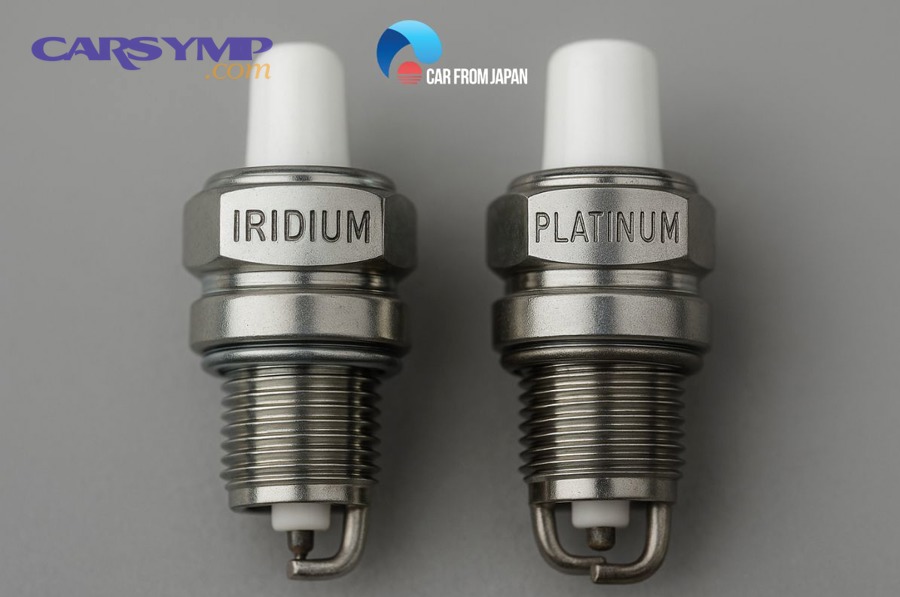
Iridium spark plugs cost $8 to $15 each while platinum spark plugs range from $4 to $8 per plug, making iridium nearly double the price of platinum for most vehicle applications. This price differential translates to total replacement costs of $32 to $60 for a four-cylinder engine with iridium versus $16 to $32 for platinum, while six-cylinder and eight-cylinder vehicles face proportionally higher totals. However, calculating cost per mile of service reveals a different perspective—iridium’s 100,000-mile average lifespan costs approximately $0.0005 per mile driven, while platinum’s 80,000-mile lifespan costs about $0.0004 per mile, making the actual operating cost difference minimal when accounting for extended service intervals.
Understanding the true value requires examining both immediate costs and long-term economic factors that influence total ownership expenses.
Are Iridium Spark Plugs Worth the Extra Cost?
Iridium spark plugs justify their premium pricing in three specific scenarios: when your vehicle manufacturer specifies iridium in the owner’s manual, when you drive a high-performance or turbocharged engine, or when spark plug access requires extensive labor making frequent replacement impractical. The performance advantages of iridium’s fine-wire electrode design deliver measurable benefits in modern engines with high compression ratios, advanced ignition timing, and precise fuel management systems that capitalize on iridium’s superior spark characteristics. For vehicles requiring several hours of labor to access spark plugs due to their location beneath intake manifolds or other components, the extended 120,000-mile service interval can eliminate one or two replacement cycles compared to platinum, saving hundreds of dollars in labor costs.
The cost-benefit calculation becomes compelling when examining total spark plug replacement cost estimates over typical vehicle ownership periods. A vehicle driven 150,000 miles requires two sets of platinum spark plugs at approximately $100 total with labor, versus one set of iridium plugs at roughly $120 including installation. While the per-service cost appears higher for iridium, the elimination of the second replacement service generates net savings, particularly on vehicles where dealer labor rates exceed $100 per hour and spark plug replacement requires two to three hours of technician time.
Performance enthusiasts find additional value in iridium’s capability to handle modified engines with increased boost pressure, advanced ignition timing, or high-RPM operation. The robust electrode construction withstands the elevated electrical demands and thermal stress of performance applications without the gap erosion or misfiring that can plague lesser spark plugs under extreme conditions. This reliability proves essential in turbocharged vehicles where ignition failure under boost can cause expensive engine damage, making iridium’s premium cost a wise insurance investment against catastrophic failure.
When Are Platinum Spark Plugs the Better Value?
Platinum spark plugs represent the optimal choice when your vehicle originally came equipped with copper or single platinum plugs and you seek improved longevity without premium pricing. The middle-ground positioning of platinum offers substantial durability improvements over conventional copper spark plugs at a modest price increase, making it an economical upgrade for everyday drivers operating vehicles with standard performance characteristics. Budget-conscious vehicle owners find platinum delivers the best balance of extended service intervals and reasonable per-plug costs, particularly when the vehicle will likely be sold or traded before reaching the second spark plug replacement cycle.
Specific vehicle applications favor platinum over iridium despite the latter’s technical superiority. Older vehicles with distributor-based ignition systems and lower compression ratios don’t require iridium’s advanced electrode design to achieve reliable ignition, making platinum’s proven performance adequate for these applications. Additionally, vehicles driven primarily in city conditions with frequent cold starts benefit from platinum’s slightly hotter operating temperature, which helps burn off carbon deposits that accumulate during short-trip driving patterns where engines never fully warm up.
The value proposition becomes clearest for high-mileage vehicles approaching end-of-life or for fleet applications where minimizing immediate maintenance costs takes priority over long-term optimization. Installing platinum spark plugs in a vehicle with 180,000 miles doesn’t make economic sense compared to iridium when the engine may only accumulate another 30,000 miles before other components require expensive replacement. Similarly, fleet managers operating rental vehicles or commercial fleets with typical three-year replacement cycles benefit from platinum’s adequate performance and lower upfront cost versus iridium’s extended longevity that the current owner may never realize.
Which Spark Plug Type Performs Better for Your Engine?
Iridium spark plugs deliver superior performance for high-compression and performance engines while platinum provides reliable operation for standard applications, with the key differentiator being voltage efficiency and spark precision. The fine-wire iridium electrode requires less voltage to generate a spark while concentrating electrical energy into a smaller point, creating more complete combustion of the air-fuel mixture and potentially improving throttle response and fuel economy in engines engineered to exploit these characteristics. However, platinum spark plugs perform admirably in conventional engines operating under normal conditions, offering dependable ignition without the premium cost of iridium while still surpassing copper’s basic capabilities.
Let’s examine how each spark plug type affects actual engine operation and performance characteristics.
Do Iridium Spark Plugs Improve Engine Performance?
Iridium spark plugs enhance engine performance through more efficient spark generation and improved combustion characteristics, particularly in modern engines with advanced fuel injection and ignition management systems. The ultra-fine wire electrode measuring just 0.4 to 0.6 millimeters in diameter creates a highly focused electrical discharge that ignites the air-fuel mixture more completely than the larger electrodes found in platinum or copper spark plugs. This precision ignition results in measurable benefits including crisper throttle response, slightly improved fuel economy in engines calibrated for iridium plugs, and reduced emissions from more complete combustion of hydrocarbons.
Performance advantages become most noticeable in high-compression engines where ignition timing and spark quality directly impact power output and efficiency. Modern turbocharged engines, direct-injection systems, and high-performance naturally aspirated motors require the consistent, powerful spark that iridium’s fine-wire design delivers across all operating conditions from idle to redline. The reduced voltage requirement means ignition coils work less hard to generate each spark, potentially extending coil life while ensuring reliable ignition even as components age and electrical resistance increases throughout the ignition system.
Voltage efficiency represents a critical but often overlooked performance factor, especially in vehicles with aging electrical systems or those equipped with aftermarket performance modifications. Iridium spark plugs can maintain reliable ignition with 5-10% less voltage than platinum plugs require, providing a safety margin that prevents misfires when battery voltage drops during cold starts or when multiple electrical accessories operate simultaneously. This efficiency proves particularly valuable in modified engines running increased boost pressure or advanced ignition timing, where marginal ignition systems can cause detonation or misfires that damage pistons and catalytic converters.
How Do Platinum Spark Plugs Affect Engine Performance?
Platinum spark plugs deliver reliable performance sufficient for most standard engines, offering smooth operation and consistent ignition without the premium cost of iridium technology. The platinum electrode’s durability ensures the spark plug gap remains within specifications throughout its service life, maintaining proper ignition timing and combustion efficiency as the vehicle accumulates miles. Engines operating with platinum plugs demonstrate stable idle quality, normal acceleration response, and fuel economy consistent with manufacturer specifications—in other words, they perform exactly as designed without the marginal improvements that iridium might provide in engines not specifically calibrated to exploit those advantages.
Heat dissipation characteristics give platinum spark plugs specific advantages in certain applications. The platinum tip operates at slightly higher temperatures than copper, promoting self-cleaning by burning off carbon deposits and oil residue that accumulate on electrode surfaces during normal operation. This elevated operating temperature helps prevent the fouling that can occur during frequent short trips, cold weather operation, or in engines experiencing minor oil consumption issues. The self-cleaning property means platinum plugs maintain consistent performance in real-world conditions where engines don’t always operate at optimal temperatures.
Waste spark ignition system compatibility represents platinum’s most significant technical advantage over single-electrode iridium designs. Vehicles equipped with distributorless ignition systems that fire spark plugs twice per cycle—once during compression and once during exhaust—benefit specifically from double platinum configurations where both electrodes feature platinum coating. This dual-coating design ensures balanced wear patterns on both electrodes despite the reverse spark direction during the waste firing event, enabling these plugs to reach their full 100,000-mile service potential in applications where standard platinum or iridium plugs would experience premature ground electrode erosion.
Can You Upgrade or Downgrade Spark Plug Types?
You can safely upgrade from copper or platinum to iridium spark plugs, but downgrading from iridium to platinum may cause performance problems or engine damage in vehicles specifically designed for iridium. Vehicle manufacturers specify spark plug types based on engine compression ratio, ignition system voltage characteristics, and combustion chamber design—these specifications appear in your owner’s manual and represent the minimum standard required for proper operation. Upgrading to a more advanced spark plug type typically provides benefits without drawbacks, while downgrading compromises the precise engineering that matches ignition components to engine requirements.
Understanding when you can change spark plug types requires examining manufacturer specifications and the consequences of incorrect selection.
When Can You Safely Upgrade from Platinum to Iridium?
You can safely upgrade from platinum to iridium spark plugs in any vehicle originally equipped with copper or platinum plugs, gaining extended service intervals and potentially improved performance without compatibility concerns. The upgrade path flows logically from less advanced to more advanced electrode materials—copper to platinum, platinum to iridium, or copper directly to iridium—because higher-tier spark plugs exceed the performance capabilities of lower-tier options they replace. Your vehicle’s ignition system easily accommodates iridium’s lower voltage requirements and fine-wire electrode design, making the upgrade seamless from a technical standpoint.
Performance benefits from upgrading to iridium become most apparent during the spark plug replacement interval when you’re already paying labor costs to access and replace spark plugs. The installation process remains identical regardless of plug type—proper gap verification, anti-seize compound application to prevent thread damage, and torque specifications don’t change based on electrode material. By upgrading to iridium during a scheduled maintenance event, you extend the next replacement interval from 60,000-80,000 miles with platinum to 100,000-120,000 miles with iridium, reducing long-term maintenance frequency without any downside.
Compatibility verification requires consulting your owner’s manual to confirm the correct heat range and thread specifications for your engine. Spark plug manufacturers provide cross-reference guides showing exactly which iridium model replaces your current platinum spark plugs, maintaining identical physical dimensions, heat range, and reach while upgrading the electrode material. This cross-referencing ensures your upgraded iridium plugs fit properly and operate at the correct temperature, preventing issues like pre-ignition from too-hot plugs or fouling from too-cold plugs that can occur when installing incorrect heat ranges.
When Should You Never Downgrade from Iridium to Platinum?
You should never downgrade from iridium to platinum spark plugs in vehicles where the manufacturer specifies iridium as the required type, particularly in high-performance engines, turbocharged applications, or modern high-compression motors. These engines utilize advanced ignition systems calibrated specifically for iridium’s fine-wire electrode characteristics and efficient spark generation—installing platinum plugs compromises this precision engineering, potentially causing misfires, reduced fuel economy, and in extreme cases, engine damage from detonation or incomplete combustion. The engine control module’s programming assumes iridium’s electrical characteristics, and substituting platinum alters the ignition event in ways that can trigger check engine lights or performance degradation.
Manufacturer specifications represent minimum requirements, not suggestions—when your owner’s manual states “iridium spark plugs required,” this reflects engineering decisions based on compression ratio, fuel injection timing, and ignition system voltage. High-compression engines exceeding 10:1 ratios demand iridium’s superior heat resistance and precise spark to prevent pre-ignition and detonation under load, conditions where platinum’s thicker electrode and higher voltage requirements may prove inadequate. Turbocharged and supercharged engines face similar concerns, as boosted intake pressure raises combustion temperatures and pressures beyond platinum’s optimal operating envelope.
Risks of downgrading extend beyond mere performance reduction to potential engine damage that far exceeds any cost savings from cheaper spark plugs. Misfires from inadequate spark can allow unburned fuel to enter the exhaust system, overheating and damaging catalytic converters that cost thousands of dollars to replace. Incomplete combustion increases emissions, potentially causing your vehicle to fail emission testing and preventing registration renewal. Poor fuel economy from inefficient combustion quickly negates the $20-40 saved by choosing platinum over iridium, while the frustration of rough idle, hesitation, and reduced power diminishes your driving experience daily.
How Do Different Driving Conditions Affect Spark Plug Choice?
Different driving conditions influence spark plug performance and longevity based on operating temperature, combustion chamber stress, and fuel characteristics, making environmental factors and usage patterns important considerations when selecting between iridium and platinum. Extreme temperatures, forced induction systems, alternative fuels, and legacy ignition designs each present unique challenges that favor one spark plug type over another. Understanding these application-specific factors helps you choose the spark plug that delivers optimal performance and durability for your actual driving conditions rather than theoretical specifications.
Let’s examine specialized applications where spark plug selection becomes critical to engine performance and reliability.
Which Spark Plug Type Works Best for Turbocharged or High-Performance Engines?
Iridium spark plugs represent the only viable choice for turbocharged, supercharged, and high-performance engines due to their superior heat resistance and precise spark characteristics under extreme conditions. Forced induction systems increase cylinder pressure and combustion temperatures significantly above naturally aspirated levels, demanding spark plugs that can withstand sustained thermal stress while maintaining consistent ignition across varying boost levels. The fine-wire iridium electrode’s 4,500°F melting point provides essential safety margin against heat-induced failure, while its efficient voltage characteristics ensure reliable spark generation even when high cylinder pressure attempts to “blow out” the ignition event.
Gap adjustment requirements become critical in turbocharged applications where factory gap specifications may prove too wide for reliable ignition under boost. Performance enthusiasts typically reduce spark plug gap from standard 0.75mm to 0.60-0.65mm in boosted engines, concentrating the electrical discharge and preventing misfire when pressurized intake charge makes spark jumping more difficult. Iridium’s fine electrode allows these tighter gaps without compromising spark quality, whereas platinum’s thicker electrode creates a less focused discharge that may struggle with reduced gap dimensions.
Heat management in high-stress conditions favors iridium’s ability to dissipate thermal energy efficiently while maintaining structural integrity. Modified engines running increased timing advance, higher boost pressure, or sustained high-RPM operation generate combustion temperatures that can cause platinum electrodes to erode prematurely or even melt in extreme cases. Iridium spark plugs rated at appropriate heat ranges (often one or two steps colder than stock) handle these conditions reliably, preventing the hot spots that trigger detonation and potentially catastrophic engine damage in performance applications where margins for error disappear.
How Do Cold Weather and Extreme Climates Impact Spark Plug Performance?
Cold weather and extreme climates affect spark plug performance through altered combustion temperatures, increased electrical demands during starting, and variations in fuel vaporization that influence ignition requirements. Low ambient temperatures make cold starting more difficult as engine oil thickens, battery voltage drops, and fuel atomization decreases—conditions that demand reliable, powerful spark from your ignition system to overcome these obstacles. Iridium spark plugs excel in cold climates due to their low voltage requirements and efficient spark generation, providing dependable starts even when battery capacity diminishes in freezing conditions and thick oil increases starter motor load.
Self-cleaning temperature requirements vary between platinum and iridium, influencing their suitability for different climate zones. Spark plugs must reach approximately 450-500°F tip temperature to burn off carbon deposits and prevent fouling, a threshold that proves challenging in extremely cold climates where engines never fully warm during short trips. Platinum’s slightly hotter operating temperature provides advantages in these conditions, actively cleaning electrode surfaces even during brief operation periods. However, iridium’s superior fouling resistance from its fine electrode design often proves more important, as the smaller surface area accumulates fewer deposits regardless of operating temperature.
Extreme heat presents opposite challenges, with sustained high ambient temperatures elevating combustion chamber temperatures and increasing the risk of pre-ignition or detonation. Desert regions and tropical climates may require spark plugs one heat range colder than standard specifications to prevent hot spots on electrode surfaces that can trigger uncontrolled ignition. Both iridium and platinum handle heat well within their design parameters, but iridium’s higher melting point provides greater safety margin in applications where air conditioning load, stop-and-go traffic, and elevated ambient temperature combine to stress the cooling system and raise engine temperatures beyond normal operating ranges.
Are Iridium or Platinum Plugs Better for Alternative Fuels Like E85?
Iridium spark plugs prove essential for engines running E85 ethanol fuel due to the unique combustion characteristics and increased electrical demands of high-ethanol blends. E85 requires approximately 30% more fuel volume than gasoline to achieve the same power output while burning at lower temperatures that cool the combustion chamber—this combination creates difficult cold-start conditions where reliable ignition becomes critical to engine operation. The ethanol content increases electrical conductivity of carbon deposits on spark plug surfaces, making fouling more problematic and demanding electrode materials that resist buildup and maintain consistent spark under contaminated conditions.
Heat grade requirements shift toward colder spark plugs when running E85, typically one or two steps colder than gasoline specifications to prevent hot spots during high-RPM operation. However, this colder heat range makes cold starting more challenging as the plugs take longer to reach self-cleaning temperature, creating a paradox where the plug must resist fouling at low temperatures while handling sustained high-load operation. Iridium’s fine electrode design addresses both requirements—the small surface area resists deposit buildup even when cold, while the high melting point withstands the thermal stress of performance operation after the engine warms.
Material resistance to alternative fuel chemistry favors iridium’s inert properties over platinum’s slightly more reactive characteristics. Ethanol’s corrosive nature and water absorption tendency can accelerate electrode erosion in spark plugs not designed for alcohol fuels, making material selection critical for longevity. Iridium demonstrates superior resistance to chemical attack from ethanol and its combustion byproducts, maintaining electrode integrity throughout the extended service intervals that justify its premium cost. Flex-fuel vehicles designed to operate on any ethanol blend from E0 to E85 universally specify iridium spark plugs from the factory, reflecting manufacturer recognition that only premium electrode materials deliver reliable performance across the full fuel specification range.
What Spark Plug Type Should You Choose for Older Vehicles with Distributor Ignition?
Double platinum spark plugs represent the optimal choice for older vehicles equipped with distributor-based or waste spark ignition systems where spark plugs fire in reverse direction during exhaust strokes. These legacy ignition designs create unique wear patterns that single platinum or standard iridium plugs aren’t engineered to handle—the ground electrode experiences accelerated erosion from reverse-direction spark jumping during the wasted firing event. Double platinum’s precious metal coating on both center and ground electrodes ensures balanced wear, extending service life to its full 100,000-mile potential despite the bidirectional spark demands of these older ignition architectures.
Compatibility with older ignition technologies makes platinum preferable to iridium in distributor-equipped vehicles for economic rather than technical reasons. These engines typically feature lower compression ratios, carbureted or throttle-body fuel injection, and less sophisticated engine management systems that don’t require iridium’s precision spark characteristics to operate properly. The substantial cost difference between double platinum and premium iridium spark plugs becomes harder to justify when the vehicle won’t realize performance benefits from iridium’s advanced features, making platinum the value-conscious choice for maintaining reliable ignition in vintage or classic vehicles.
Antonym relationship emerges clearly when comparing modern coil-on-plug ignition systems with legacy distributor designs—where new engines demand cutting-edge iridium technology, older engines perform adequately with proven platinum formulations. This doesn’t mean iridium won’t work in distributor-equipped engines, but rather that platinum provides sufficient performance for these applications at lower cost. Enthusiasts restoring classic vehicles or maintaining older daily drivers find double platinum delivers the extended maintenance intervals of modern spark plug technology without requiring premium pricing justified only in engines specifically engineered to exploit iridium’s advantages.
Car Symptoms indicating spark plug problems include rough idle, engine misfires, reduced fuel economy, difficulty starting, and lack of power during acceleration—issues that appear regardless of whether you’re running iridium or platinum spark plugs once they’ve exceeded their service life. Regular inspection and timely replacement according to manufacturer intervals prevents these problems, while Stripped threads and anti-seize guidance becomes critical during installation to prevent expensive cylinder head damage. Proper torque specifications, thread lubricant application, and careful handling during removal from high-mileage engines all contribute to successful spark plug replacement that avoids the stripped threads requiring time-consuming thread repair or even cylinder head replacement.
The choice between iridium and platinum spark plugs ultimately depends on your specific vehicle requirements, budget constraints, and performance expectations. By understanding the material properties, durability characteristics, cost factors, and compatibility requirements detailed throughout this comparison, you can make an informed decision that optimizes both engine performance and long-term maintenance economics for your driving conditions.