


Recognizing the critical signs of bad spark plugs can prevent costly engine damage and keep your vehicle running smoothly. The seven most common symptoms include engine misfiring, difficulty starting your car, rough idle with vibrations, decreased fuel economy, sluggish acceleration, an illuminated check engine light, and unusual knocking sounds from the engine. These warning signs occur because worn or fouled spark plugs fail to ignite the air-fuel mixture efficiently, disrupting the combustion process that powers your engine.
Understanding what spark plugs do and why they fail helps you diagnose problems before they escalate. Spark plugs create the electrical spark that ignites fuel in your engine’s cylinders, and when they deteriorate from normal wear, carbon buildup, oil contamination, or overheating, your vehicle’s performance suffers immediately. Most spark plugs last between 30,000 and 100,000 miles depending on the type, but driving conditions and maintenance habits significantly impact their lifespan.
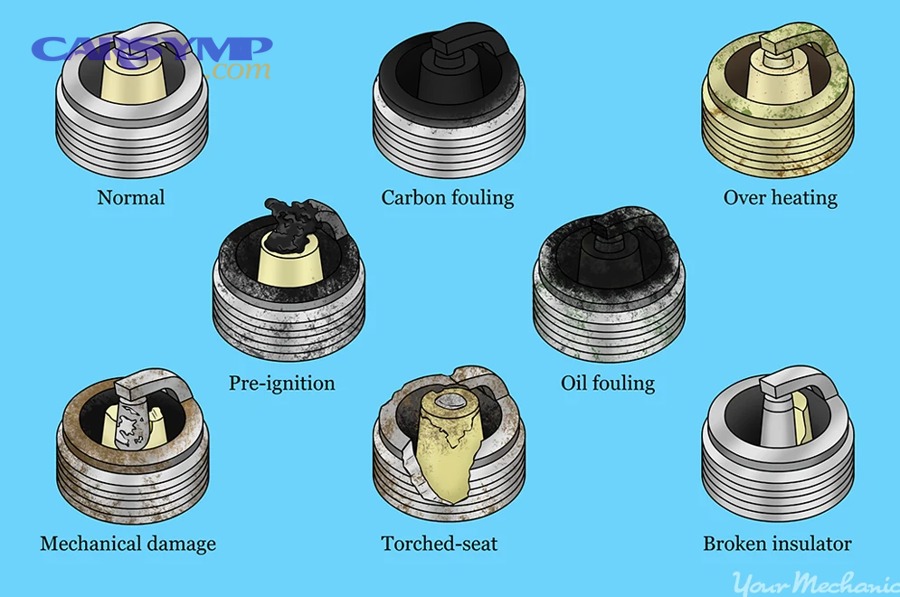
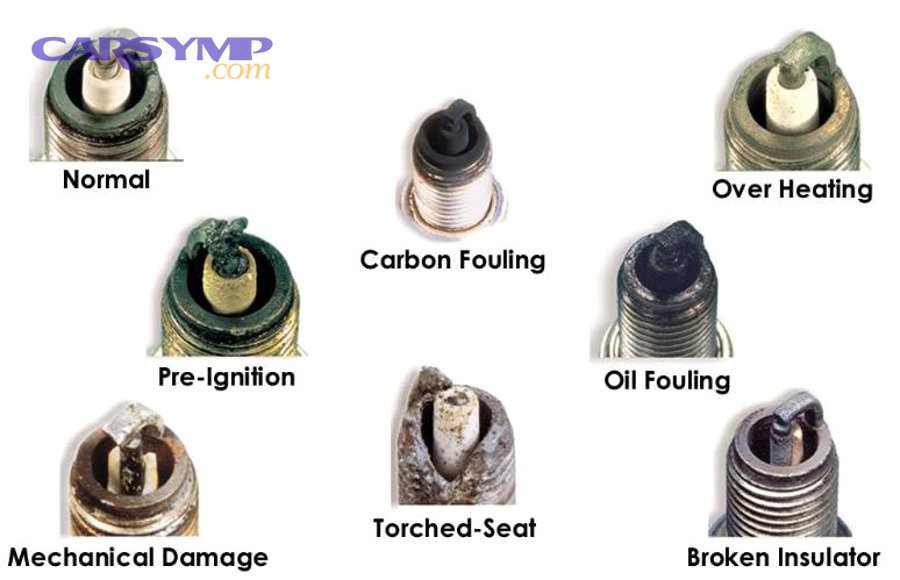
Visual inspection reveals specific failure patterns that confirm whether spark plugs need replacement. A healthy spark plug displays a tan or light brown color on the electrode, while black sooty deposits indicate carbon fouling, wet oily residue suggests oil leaks into the combustion chamber, and white blistered electrodes signal overheating. Learning to read these visual cues empowers you to make informed maintenance decisions.
Preventing premature spark plug failure through proper maintenance practices saves money and extends engine life. To help you maintain optimal vehicle performance, this comprehensive guide explores each critical symptom in detail, explains how to inspect spark plugs visually, and provides expert recommendations on replacement timing and preventive care strategies. Below, we’ll examine exactly what makes spark plugs fail and how to recognize each warning sign before minor issues become major repairs.
What Are Spark Plugs and Why Do They Fail?
Spark plugs are insulated electrical devices that screw into your engine’s cylinder head and generate the spark needed to ignite the air-fuel mixture during combustion. These finger-sized components play a crucial role in your vehicle’s ignition system, creating thousands of sparks per minute to keep your engine running smoothly and efficiently.
To better understand spark plug symptoms, we need to examine how these critical components function within your engine’s combustion cycle.
How Do Spark Plugs Ignite Your Engine?
The spark plug ignition process begins when your vehicle’s ignition coil sends high-voltage electricity through the spark plug wire to the spark plug itself. This electrical current jumps across the small gap between the center electrode and the ground electrode at the tip of the spark plug, creating a powerful spark that reaches temperatures exceeding 3,000 degrees Fahrenheit. This spark ignites the compressed air-fuel mixture inside the combustion chamber, causing a controlled explosion that forces the piston downward and generates the mechanical energy that powers your vehicle.
The timing of this spark is precisely controlled by your engine’s computer to ensure optimal performance. When spark plugs function correctly, each cylinder fires at exactly the right moment, creating smooth, consistent power delivery. The entire process happens thousands of times per minute while you drive, which explains why even small degradation in spark plug performance can dramatically affect how your engine runs.
What Causes Spark Plugs to Go Bad?
Several factors contribute to spark plug deterioration over time, with normal wear and tear being the most common culprit. The constant exposure to extreme temperatures and the repetitive sparking process gradually erode the electrodes, reducing their ability to create an effective spark. Each time the spark jumps across the gap, tiny amounts of metal are vaporized from the electrodes, slowly widening the gap beyond the manufacturer’s specifications.
Carbon and oil fouling represent another major cause of spark plug failure. When your engine burns oil due to worn piston rings or valve seals, oil enters the combustion chamber and coats the spark plug electrodes, preventing them from firing properly. Similarly, rich fuel mixtures, incomplete combustion, or excessive idling can cause carbon deposits to accumulate on the spark plug tip, creating a conductive path that shorts out the spark before it can ignite the fuel mixture.
Overheating damages spark plugs by causing the electrodes to wear prematurely and can even crack the ceramic insulator that protects the spark plug’s internal components. This overheating often results from incorrect spark plug heat range for your driving conditions, lean air-fuel mixtures, advanced ignition timing, or cooling system problems. Additionally, incorrect installation practices such as over-tightening or under-tightening spark plugs, using the wrong type for your specific vehicle, or failing to apply anti-seize compound can lead to premature failure.
The lifespan of spark plugs varies significantly based on their construction materials. Traditional copper spark plugs typically last 20,000 to 30,000 miles, platinum spark plugs can reach 60,000 to 80,000 miles, while modern iridium spark plugs often exceed 100,000 miles before requiring replacement. However, these estimates assume normal driving conditions and proper engine maintenance—harsh driving habits or engine problems can shorten spark plug life considerably.
What Are the 7 Critical Signs of Bad Spark Plugs?
There are seven critical signs that indicate spark plug failure: engine misfiring, difficulty starting, rough idle, poor fuel economy, sluggish acceleration, check engine light activation, and unusual knocking sounds. Recognizing these symptoms early allows you to replace spark plugs before they cause secondary damage to expensive components like catalytic converters or ignition coils.
Each of these warning signs manifests differently depending on driving conditions and the severity of spark plug deterioration. Let’s explore each symptom in detail to help you accurately diagnose spark plug problems.
1. Is Your Engine Misfiring or Running Rough?
Engine misfiring occurs when one or more cylinders fail to fire properly, causing the engine to stutter, jerk, or hesitate during acceleration or while maintaining speed. This happens because worn or fouled spark plugs cannot consistently create the strong spark needed to ignite the air-fuel mixture in the combustion chamber, disrupting the smooth power delivery your engine normally provides.
The misfire sensation feels like the engine momentarily loses power or stumbles, particularly noticeable when you press the accelerator pedal. You might experience this roughness during hard acceleration when the engine demands maximum performance, or it may occur randomly during normal driving as failing spark plugs intermittently fail to fire. In severe cases, you can actually feel the vehicle shake or vibrate as multiple cylinders misfire simultaneously.
Misfires represent one of the most common and immediately noticeable symptoms of bad spark plugs because the combustion process is so fundamental to engine operation. When a cylinder misfires, that piston cycle produces no power, forcing the remaining cylinders to compensate and creating an unbalanced running condition. This imbalance stresses engine mounts, causes vibration throughout the vehicle, and if left uncorrected, can damage the catalytic converter as unburned fuel enters the exhaust system.
The misfire condition often worsens under load, such as when climbing hills or passing other vehicles, because these situations demand optimal combustion efficiency. Conversely, you might notice the misfires disappear temporarily during gentle cruising when combustion demands are lower and even degraded spark plugs can adequately ignite the air-fuel mixture.
2. Does Your Car Have Trouble Starting?
Difficulty starting your vehicle manifests as extended cranking time before the engine fires, multiple failed start attempts, or the engine catching briefly then dying immediately after startup. Bad spark plugs struggle to create sufficient spark energy to reliably ignite the air-fuel mixture during the critical starting phase when fuel delivery and compression are less than optimal.
Specifically, when you turn the ignition key or push the start button, the starter motor cranks the engine normally, but the engine takes several extra seconds to catch and run smoothly. In some cases, the engine fires on only a few cylinders initially, running very roughly until it warms up and the remaining cylinders begin firing. This cold-start difficulty occurs because worn spark plugs with eroded electrodes and widened gaps cannot produce the hot, robust spark needed to ignite cold fuel mixtures.
The problem typically worsens in cold weather when engine oil is thicker, fuel vaporizes less readily, and batteries deliver reduced cranking power. During winter months, spark plugs that function adequately in summer may fail completely during cold starts, leaving you stranded in parking lots or driveways. Some drivers notice their vehicle starts normally in the afternoon but struggles every morning, indicating spark plugs that are borderline functional and can only ignite the mixture under optimal conditions.
Stalling immediately after startup represents an advanced stage of this problem. The engine may fire and run for a few seconds but then die as soon as you release the ignition key because the degraded spark plugs cannot maintain consistent combustion at low idle speeds. This condition often requires multiple start attempts before the engine runs continuously, frustrating drivers and potentially draining the battery through excessive cranking.
3. Is Your Engine Idling Roughly?
Rough idle occurs when your engine runs unevenly at a standstill, causing noticeable vibrations through the steering wheel, seats, and floorboards, often accompanied by irregular engine sounds. This symptom develops because failing spark plugs create inconsistent combustion across the cylinders, preventing the engine from running smoothly at the low speeds typical of idle conditions.
More specifically, when you sit at a stoplight or in a parking lot with the engine running, a smooth-running engine should produce steady, almost imperceptible vibrations. With bad spark plugs, you’ll instead feel distinct shaking or bouncing sensations, and the engine may produce unusual rattling, popping, or knocking sounds that aren’t present during acceleration. The tachometer needle might fluctuate slightly rather than holding steady at the normal idle speed, indicating uneven power delivery from cylinder to cylinder.
The rough idle condition results from spark plugs that fire inconsistently, causing some combustion events to be weak or absent while others proceed normally. This irregular firing pattern prevents the engine from maintaining the balanced, synchronized combustion needed for smooth operation at low speeds. As spark plugs continue to deteriorate, the rough idle becomes more pronounced, eventually causing the engine to feel like it’s barely running and might stall at any moment.
This symptom affects not only comfort but also places stress on engine mounts designed to absorb normal vibrations, not the violent shaking caused by severe misfires. Over time, a persistently rough idle can damage these mounts, transmission components, and other parts connected to the engine, turning a simple spark plug replacement into a more expensive repair job.
4. Are You Experiencing Poor Fuel Economy?
Decreased fuel economy appears as a noticeable drop in miles per gallon, requiring more frequent fill-ups despite driving the same routes and distances as before. Failing spark plugs cause incomplete combustion, meaning some of the fuel injected into the cylinders doesn’t burn efficiently, wasting fuel and forcing your engine to consume more gasoline to produce the same amount of power.
To illustrate, when spark plugs fire properly, they ignite the entire air-fuel mixture in the combustion chamber, extracting maximum energy from every drop of gasoline. Worn spark plugs with eroded electrodes or fouled tips create weaker sparks that may only partially ignite the mixture or ignite it too slowly. The unburned or incompletely burned fuel exits through the exhaust system as wasted energy, meaning you’re literally paying for fuel that never contributes to moving your vehicle forward.
You might notice this problem when you start visiting the gas station every week instead of every ten days, or when your fuel gauge drops to empty after driving 250 miles instead of the 350 miles you normally achieve on a full tank. This gradual decline in fuel economy often goes unnoticed until it becomes severe, costing drivers hundreds of dollars in wasted fuel before they realize spark plugs are the culprit. Tracking your fuel consumption by recording mileage and gallons at each fill-up helps identify this problem early.
The impact on fuel economy varies depending on how many spark plugs are affected and the severity of their degradation. A single failing spark plug might reduce fuel economy by 10-15%, while multiple bad spark plugs can decrease efficiency by 20-30% or more. Beyond the financial cost, this fuel waste also increases emissions, potentially causing your vehicle to fail emissions testing in regions where such testing is required.
5. Has Your Acceleration Become Sluggish?
Sluggish acceleration manifests as reduced engine responsiveness when you press the gas pedal, making your vehicle feel underpowered and slow to gain speed. This symptom occurs because degraded spark plugs cannot ignite the air-fuel mixture efficiently during high-demand situations, limiting the engine’s ability to produce maximum power when you need it most.
Especially during merging onto highways, passing slower vehicles, or climbing steep hills, you’ll notice your car simply doesn’t respond with the usual surge of power. Pressing the accelerator pedal further produces minimal additional acceleration, and the engine may feel like it’s laboring or straining to maintain speed. This lack of “get-up-and-go” creates dangerous situations when you need quick acceleration to merge safely into fast-moving traffic or pass vehicles on two-lane roads.
The power loss stems from incomplete combustion in cylinders with failing spark plugs. When these cylinders fire weakly or not at all, the engine loses a significant portion of its total power output. Since spark plugs typically wear at similar rates, you might have multiple cylinders producing reduced power simultaneously, compounding the acceleration deficit. A four-cylinder engine with one bad spark plug loses approximately 25% of its power, while a six-cylinder engine loses about 16-17% per failed spark plug.
Drivers often compensate for sluggish acceleration by pressing harder on the gas pedal, which increases fuel consumption even further and masks the underlying problem. This compensation strategy works temporarily but accelerates wear on other engine components and dramatically reduces fuel efficiency. Moreover, the reduced power output can leave you vulnerable in traffic situations requiring quick maneuvering or acceleration to avoid accidents.
6. Is Your Check Engine Light On or Flashing?
The check engine light illuminates or flashes on your dashboard when the engine control module detects misfires or other combustion irregularities caused by failing spark plugs. A steady check engine light indicates the computer has logged a fault code related to ignition or misfire problems, while a flashing check engine light signals active, severe misfires that could damage the catalytic converter.
More importantly, modern vehicles use sophisticated sensors to monitor combustion quality in real-time. When spark plugs begin failing, the engine control module detects incomplete combustion through oxygen sensors and crankshaft position sensors, triggering diagnostic trouble codes (DTCs) typically in the P0300 to P0308 range. Code P0300 indicates random misfires affecting multiple cylinders, while codes P0301 through P0308 identify misfires in specific cylinders (P0301 = cylinder 1, P0302 = cylinder 2, etc.).
A flashing check engine light represents an urgent warning that should never be ignored. This condition indicates severe misfires occurring repeatedly, allowing unburned fuel to enter the exhaust system where it ignites inside the catalytic converter. The resulting excessive heat can permanently damage this expensive emission control device, which costs $1,000 to $2,500 to replace depending on your vehicle. Pulling over safely and having your vehicle towed prevents this catastrophic damage.
Even a steady check engine light deserves prompt attention when accompanied by other spark plug symptoms like rough idle or poor acceleration. Using an OBD-II scanner or visiting an auto parts store that offers free code reading services helps identify which cylinders are misfiring and confirms whether spark plugs are the likely cause. After replacement, clearing misfire codes from the engine computer ensures accurate monitoring going forward and confirms the new spark plugs have resolved the problem.
According to automotive diagnostic data analyzed by carsymp.com, spark plug-related misfire codes account for approximately 30-40% of all check engine light activations in vehicles with over 60,000 miles, making them one of the most common causes of illuminated warning lights.
7. Do You Hear Unusual Engine Knocking Sounds?
Engine knocking sounds like metallic pinging, rattling, or tapping noises coming from under the hood, particularly during acceleration or under load. This symptom indicates improper detonation timing in the combustion chamber, where the air-fuel mixture ignites at the wrong moment or burns unevenly due to inadequate spark from failing spark plugs.
Specifically, normal combustion should proceed as a smooth, controlled burn starting from the spark plug and spreading evenly across the combustion chamber. When spark plugs malfunction, they may fire late, fire weakly, or fail to ignite portions of the air-fuel mixture. The remaining fuel can then auto-ignite from compression and heat rather than from the spark, creating uncontrolled detonation that produces the characteristic knocking sound as pressure waves collide within the cylinder.
This knocking differs from the normal mechanical sounds your engine produces. You’ll typically hear it when accelerating moderately to hard, especially when the engine is under load such as climbing hills or carrying heavy cargo. The sound may disappear during gentle cruising when combustion demands are lower and even degraded spark plugs can adequately control the ignition process.
Engine knocking requires immediate attention because the violent pressure spikes associated with detonation can physically damage pistons, connecting rods, cylinder walls, and head gaskets. While mild knocking might only indicate spark plug degradation, severe or persistent knocking suggests advanced wear that could cause catastrophic engine failure if not addressed promptly. This symptom should motivate immediate inspection and spark plug replacement to prevent engine damage that costs thousands of dollars to repair.
How Can You Visually Inspect Spark Plugs for Damage?
Visual inspection of spark plugs reveals specific wear patterns and deposits that confirm whether replacement is necessary and can diagnose underlying engine problems. Proper inspection requires removing the spark plugs using the correct tools and examining the electrode condition, insulator color, and overall physical integrity of each plug.
Before attempting spark plug inspection, ensure the engine is completely cold to prevent burns and gather the necessary tools including a spark plug socket, ratchet with extensions, spark plug gap tool, and compressed air for cleaning debris from spark plug wells. Additionally, take a photo or label each spark plug wire or ignition coil connector to ensure correct reinstallation, as mixing up the firing order will prevent your engine from running properly.
What Does a Bad Spark Plug Look Like?
A bad spark plug displays visible signs of wear, damage, or contamination that distinguish it from a healthy plug. The most common visual indicators include carbon buildup appearing as black, dry, sooty deposits coating the electrode and insulator tip; electrode erosion where the center and ground electrodes appear rounded, pitted, or significantly worn rather than having crisp, sharp edges; oil fouling showing as wet, black, sticky deposits that feel oily to the touch; cracked ceramic insulators with visible fractures in the white porcelain surrounding the center electrode; and incorrect spark plug gaps that measure wider than the manufacturer’s specification.
Carbon buildup indicates incomplete combustion, often caused by rich fuel mixtures, excessive idling, short trips that don’t allow the engine to reach full operating temperature, or malfunctioning fuel injectors. The dry, sooty deposits create a conductive path that allows electrical current to leak away rather than jumping across the proper gap to create the ignition spark. Cleaning these deposits with a wire brush and carburetor cleaner sometimes restores function temporarily, but carbon fouling typically recurs unless you address the underlying cause.
Electrode erosion represents normal wear from thousands of firing cycles and indicates the spark plug has reached the end of its service life. As the electrodes wear down, the gap between them widens beyond specifications, requiring higher voltage to create a spark and reducing ignition reliability. Severely eroded electrodes appear melted or blistered and cannot be restored—replacement is the only solution.
Oil fouling appears as wet, black, sticky deposits that smell like burnt oil and indicate oil is entering the combustion chamber past worn piston rings, valve stem seals, or head gasket breaches. Unlike dry carbon deposits, oil fouling feels slippery and wet, coating not just the tip but often the threads and insulator. This condition requires mechanical repairs to stop the oil leak before new spark plugs will function properly, as fresh plugs will quickly become fouled again without fixing the root cause.
Cracked ceramic insulators allow electrical current to leak through the crack rather than jumping the electrode gap, preventing proper spark formation. These cracks often result from improper installation (over-tightening), thermal shock from rapid temperature changes, or physical impact. A cracked insulator renders the spark plug useless regardless of electrode condition and presents a fire hazard as leaked current can arc to the engine block or other metal components.
What Do Different Spark Plug Colors Mean?
Spark plug color serves as a diagnostic tool revealing combustion conditions and potential engine problems. A healthy spark plug displays a tan or light brown color on the insulator tip and electrodes, indicating proper combustion with the correct air-fuel ratio and optimal operating temperature. This normal coloration suggests the engine runs efficiently and the spark plug operates within its designed heat range.
However, different colors indicate specific problems. Black, sooty deposits signal carbon fouling from rich fuel mixtures, incomplete combustion, or excessive idling that doesn’t allow spark plugs to reach self-cleaning temperatures. Wet, oily black deposits indicate oil fouling from worn piston rings, valve seals, or other mechanical problems allowing oil into the combustion chamber. White or light gray insulators with blistered electrodes reveal overheating caused by lean air-fuel mixtures, cooling system problems, incorrect spark plug heat range, advanced ignition timing, or sustained high-speed operation. Red, brown, or rusty deposits suggest fuel or oil additives, while yellow glazing on the insulator indicates rapid acceleration immediately after prolonged idling without proper warm-up.
The color diagnostic method works because the spark plug tip operates as a temperature and combustion sensor. Normal combustion produces consistent temperatures around 500-850 degrees Celsius at the insulator tip, creating the characteristic tan coloration. Richer mixtures burn cooler and deposit carbon (black), while leaner mixtures burn hotter and create white deposits or blistering. By reading these color codes, mechanics can diagnose air-fuel ratio problems, ignition timing issues, and mechanical failures without sophisticated diagnostic equipment.
When inspecting your spark plugs, compare all plugs from all cylinders. Plugs that all show the same abnormal color suggest a system-wide problem like incorrect fuel pressure or a malfunctioning engine sensor, while one plug showing different coloration than the others indicates a cylinder-specific issue such as a leaking injector, compression problem, or failing ignition coil serving that particular cylinder.
When Should You Replace Your Spark Plugs?
You should replace spark plugs according to your vehicle manufacturer’s recommended service interval, typically every 30,000 miles for conventional copper plugs, 60,000 miles for platinum plugs, or 100,000 miles for iridium plugs, though symptom-based replacement may be necessary earlier if you notice performance problems. Following the maintenance schedule prevents spark plug failure before it causes secondary damage to more expensive components.
Beyond mileage-based intervals, several factors influence optimal replacement timing. To determine the right replacement schedule for your specific situation, consider your driving conditions, spark plug type, and any performance symptoms you’ve experienced.
What Happens If You Don’t Replace Bad Spark Plugs?
Failing to replace bad spark plugs leads to catalytic converter damage, increased engine wear, complete engine failure risk, higher fuel costs, emissions test failures, and safety concerns during driving. The consequences escalate from minor inefficiency to major mechanical failures costing thousands of dollars to repair, making timely spark plug replacement one of the most cost-effective maintenance investments you can make.
Catalytic converter damage represents the most expensive consequence of ignoring bad spark plugs. When cylinders misfire, unburned fuel enters the exhaust system and ignites inside the catalytic converter, generating temperatures far exceeding its design limits (often reaching 2,000 degrees Fahrenheit or higher). This excessive heat melts the ceramic honeycomb structure inside the converter, destroying its ability to reduce emissions and potentially causing complete blockage that prevents exhaust flow. Replacing a failed catalytic converter costs $1,000 to $3,000 depending on your vehicle, compared to $100-$300 for a complete spark plug replacement.
Increased engine wear accelerates when bad spark plugs cause persistent misfires and rough running. The unbalanced combustion puts excessive stress on engine mounts, causing them to wear prematurely and allowing the engine to vibrate more severely. The vibration damages other components including sensors, wiring harnesses, exhaust hangers, and transmission mounts. Additionally, incomplete combustion allows fuel to wash oil from cylinder walls, increasing friction and accelerating wear on pistons, rings, and cylinder bores.
Complete engine failure becomes possible in extreme cases where severely misfiring spark plugs allow raw fuel to accumulate in the combustion chamber or exhaust system, potentially causing destructive backfires or hydro-locking if enough liquid fuel accumulates. While rare, these catastrophic failures can bend connecting rods, crack pistons, or destroy valves, requiring complete engine replacement or rebuilding costing $3,000 to $7,000 or more.
Higher fuel costs accumulate steadily as bad spark plugs reduce combustion efficiency. A 20-30% reduction in fuel economy from severely degraded spark plugs means you’re spending $20-$30 extra per tank of gas. Over the course of a year, this wasted fuel can cost $500-$1,000 or more, far exceeding the cost of timely spark plug replacement. The financial impact compounds as fuel prices increase.
Emissions test failures occur in states requiring periodic emissions inspections because bad spark plugs dramatically increase hydrocarbon and carbon monoxide emissions. Failed tests require repairs before vehicle registration renewal, and some states charge retest fees for subsequent inspections. Beyond regulatory compliance, increased emissions contribute to air pollution and environmental degradation.
Safety concerns arise when bad spark plugs cause unpredictable engine behavior. Sudden loss of power during merging, passing, or navigating intersections creates accident risks, while unexpected stalling in traffic can lead to rear-end collisions. The reduced reliability makes your vehicle less dependable for important trips or emergency situations when you need it most.
Can You Drive With Bad Spark Plugs?
You can drive short distances with bad spark plugs in non-emergency situations, but continuing to operate your vehicle risks catalytic converter damage, increased repair costs, and potential safety hazards that outweigh any perceived convenience. The acceptable driving distance and associated risks depend on the severity of symptoms and whether the check engine light is flashing.
For short-term driving with mild symptoms like slightly reduced fuel economy or occasional minor roughness, you can safely drive a few days or 50-100 miles to reach a repair facility, though you should avoid hard acceleration and high speeds that place additional stress on the ignition system. This limited operation prevents you from becoming stranded in inconvenient locations while minimizing the risk of secondary damage to other components.
However, if the check engine light is flashing, indicating severe active misfires, you should stop driving immediately and have the vehicle towed to prevent catalytic converter damage. Flashing check engine lights signal that unburned fuel is entering the exhaust system and potentially igniting in the catalytic converter, generating destructive heat that can melt internal components within minutes of continuous operation.
Long-term driving with bad spark plugs accelerates damage exponentially. What starts as minor misfires progressively worsens as spark plug electrodes continue eroding and deposits accumulate. The deterioration pattern typically accelerates—a spark plug that functioned adequately for weeks might suddenly fail completely, leaving you stranded. Additionally, the stress on ignition coils from trying to fire across widened spark plug gaps can destroy these expensive components ($150-$300 each), turning a simple maintenance item into a major repair.
Emergency situations require different judgment. If bad spark plugs cause symptoms while you’re traveling far from home or in unsafe areas, driving carefully to reach a secure location or repair facility is reasonable. Use hazard lights if experiencing severe power loss, avoid highways requiring sustained high speeds, and stop immediately if symptoms worsen significantly or the engine begins making alarming mechanical noises.
The damage escalation timeline varies by severity. Mildly worn spark plugs might tolerate hundreds of miles of gentle driving before causing secondary problems, while severely fouled or damaged plugs can destroy a catalytic converter in under 50 miles of highway driving. The unpredictability of this timeline makes prompt replacement the only reliable strategy for avoiding expensive collateral damage.
How to Prevent Premature Spark Plug Failure
Preventing premature spark plug failure requires proper maintenance practices, quality parts selection, and driving habits that promote complete combustion and optimal operating temperatures. Regular engine tune-ups, using manufacturer-recommended fuel, maintaining clean air filters, and understanding how different spark plug types perform under various conditions extends spark plug life and ensures reliable engine operation.
Moreover, understanding the factors that accelerate spark plug wear allows you to make informed decisions about maintenance intervals and driving practices. Below, we’ll explore specific strategies for maximizing spark plug longevity and preventing the symptoms we’ve discussed throughout this article.
What Maintenance Practices Extend Spark Plug Life?
Regular maintenance practices that extend spark plug life include using high-quality fuel with appropriate octane ratings, performing timely engine tune-ups, replacing air filters according to schedule, avoiding excessive short trips without warm-up periods, following manufacturer service schedules strictly, and choosing OEM or quality aftermarket spark plugs designed for your specific vehicle. These practices ensure optimal combustion conditions and prevent premature wear from contamination or improper operation.
Using quality fuel minimizes deposits and ensures complete combustion. Top-tier gasoline brands contain detergent additives that clean fuel injectors and prevent carbon buildup on spark plugs and valves. While premium fuel isn’t necessary unless your vehicle specifically requires it, avoiding bottom-tier discount fuel prevents contamination from excessive sulfur, moisture, or particulates that accelerate spark plug fouling. Additionally, fuel stabilizers benefit vehicles stored for extended periods, preventing varnish deposits that can foul spark plugs during initial startup after storage.
Regular engine tune-ups maintain all components of the ignition and fuel delivery systems working in harmony. During tune-ups, technicians inspect and replace air filters, fuel filters, PCV valves, and ignition components while verifying proper fuel pressure, ignition timing, and idle speed settings. This comprehensive approach prevents individual component failures from creating conditions that damage spark plugs, such as rich fuel mixtures from clogged air filters or weak sparks from failing ignition coils.
Maintaining proper air filter condition prevents dirt and debris from entering the combustion chamber where they can contaminate spark plugs and accelerate electrode wear. A clogged air filter also restricts airflow, creating rich fuel mixtures that lead to carbon fouling. Inspecting air filters every 12,000-15,000 miles and replacing them when dirty (typically every 20,000-30,000 miles) costs minimal money but significantly impacts spark plug longevity and overall engine performance.
Avoiding excessive short trips helps spark plugs reach self-cleaning temperatures that burn off light deposits before they become problematic. Short trips under five miles, particularly in cold weather, prevent the engine from reaching full operating temperature, allowing moisture and carbon to accumulate on spark plugs. When possible, combine errands into longer trips or occasionally take highway drives that allow extended operation at optimal temperatures, giving spark plugs the opportunity to self-clean through normal heat cycling.
Following manufacturer service schedules ensures spark plug replacement occurs before severe degradation. Vehicle manufacturers invest significant engineering resources determining optimal replacement intervals based on extensive testing with their specific engine designs and spark plug specifications. Adhering to these schedules (found in your owner’s manual) prevents the false economy of extending spark plug life beyond recommended intervals, which risks expensive secondary damage that far exceeds the cost of timely replacement.
Choosing OEM versus quality aftermarket spark plugs involves balancing cost and performance. Original Equipment Manufacturer (OEM) spark plugs are identical to those installed at the factory and guarantee proper fit, heat range, and performance characteristics for your specific engine. Quality aftermarket brands like NGK, Denso, Bosch, and Champion manufacture excellent spark plugs often at lower prices than OEM parts, but you must ensure exact specifications match your vehicle’s requirements. Avoid cheap off-brand spark plugs that may use inferior materials, incorrect dimensions, or inappropriate heat ranges that lead to poor performance and premature failure.
What Are the Different Types of Spark Plugs?
There are three main types of spark plugs based on electrode material: copper core spark plugs lasting 20,000-30,000 miles, platinum spark plugs providing 60,000-80,000 miles of service, and iridium spark plugs offering the longest lifespan of 80,000-120,000 miles or more. The Iridium vs platinum plug comparison reveals that while iridium plugs cost more initially, their extended life and superior performance make them cost-effective over the vehicle’s lifetime.
Copper spark plugs feature a copper core center electrode with a nickel alloy coating and represent the most basic and least expensive design. These plugs conduct heat extremely well, making them ideal for older vehicles, high-performance applications, or forced induction engines (turbocharged or supercharged) where superior heat dissipation prevents damage from extreme combustion temperatures. However, the soft nickel alloy electrode wears quickly under normal operation, necessitating replacement every 20,000-30,000 miles. Many modern vehicles cannot use copper plugs because their ignition systems are calibrated for the different electrical characteristics of platinum or iridium plugs.
Platinum spark plugs use a platinum disc welded to the center electrode (single platinum) or platinum discs on both the center and ground electrodes (double platinum). Platinum’s extreme hardness and high melting point (3,215°F) provides dramatically improved wear resistance compared to copper, extending service life to 60,000-80,000 miles. The harder electrode material maintains the proper spark plug gap longer, ensuring consistent performance throughout the extended service interval. Double platinum plugs are specifically designed for distributorless ignition systems and waste spark systems where the spark plug fires from both directions during the combustion cycle.
Iridium spark plugs represent the premium option, featuring an iridium center electrode that’s even harder and more durable than platinum while possessing an even higher melting point (4,435°F). The superior properties of iridium allow manufacturers to create an extremely fine center electrode (0.4mm to 0.6mm diameter versus 2.5mm for copper), concentrating electrical energy into a smaller area to create a more powerful, focused spark. This design improves combustion efficiency, reduces voltage requirements, enables leaner air-fuel mixtures, and extends service life to 80,000-120,000 miles or more. Some high-performance iridium plugs feature double iridium construction with iridium on both center and ground electrodes for maximum longevity.
Double platinum and double iridium options serve specific ignition system designs. Standard distributor-based ignition systems fire spark plugs in only one direction, allowing single platinum or iridium designs where only the center electrode requires premium material. However, distributorless ignition systems and coil-on-plug systems often use waste spark technology firing plugs from both directions alternately, requiring premium material on both electrodes to prevent premature wear of the ground electrode.
Determining which type suits your vehicle depends on manufacturer recommendations, driving conditions, and budget considerations. Always consult your owner’s manual for the specified spark plug type and heat range—using incorrect plugs can cause poor performance, reduced fuel economy, or engine damage. For most modern vehicles, iridium spark plugs offer the best value despite higher initial cost because their extended service interval reduces labor costs (you pay for installation less frequently) and their superior performance maintains optimal fuel economy throughout their service life.
According to testing by automotive research organizations, iridium spark plugs can improve fuel economy by 2-3% compared to conventional copper plugs while reducing emissions and providing more reliable cold starts, making them particularly beneficial for vehicles operating in harsh climates or demanding conditions.
How Does Driving Style Affect Spark Plug Longevity?
Driving style significantly impacts spark plug longevity, with frequent short trips reducing lifespan by 30-50%, while highway driving and proper warm-up procedures extend service intervals by allowing spark plugs to reach optimal operating temperatures that burn off deposits and prevent fouling. Understanding how different driving patterns affect combustion conditions helps you modify habits to maximize spark plug life.
Frequent short trips represent the most damaging driving pattern for spark plug longevity. When you start a cold engine and drive only a few miles before shutting it off, the engine never reaches full operating temperature. This prevents spark plugs from achieving the 500-850°C temperatures needed for self-cleaning, allowing moisture condensation and carbon deposits to accumulate with each cold start cycle. Additionally, cold engines run on enriched fuel mixtures that further promote carbon buildup. Drivers who primarily make short trips to grocery stores, schools, or nearby workplaces should expect spark plugs to require replacement at the lower end of the mileage range and should consider using higher-quality iridium plugs that better resist fouling.
High-performance driving effects vary depending on whether the driving is properly executed or involves excessive abuse. Moderate spirited driving on highways and curvy roads actually benefits spark plugs by maintaining optimal temperatures and ensuring complete combustion, preventing carbon buildup that occurs during excessive idling. However, extreme performance driving involving sustained wide-open throttle, high RPM operation, or racing creates excessive heat that can prematurely erode electrodes or even damage the ceramic insulator. Additionally, performance-modified engines producing significantly more power than stock may require colder heat range spark plugs or premium materials (iridium) to withstand the increased thermal stress.
Cold weather driving considerations become critical in climates with harsh winters. Starting a cold-soaked engine in sub-freezing temperatures places maximum stress on spark plugs, which must fire repeatedly to ignite cold, poorly vaporized fuel while battery voltage drops and engine oil creates additional resistance. Vehicles in cold climates benefit from synthetic engine oil that flows better when cold, reducing cranking resistance, and may require more frequent spark plug replacement because the extended warm-up periods promote deposit formation. Block heaters that pre-warm the engine significantly reduce cold-start stress on spark plugs and improve their longevity in winter climates.
Stop-and-go versus highway driving creates dramatically different operating conditions. Urban driving involving frequent stops, idling at traffic lights, and short acceleration bursts prevents consistent optimal combustion temperatures and creates deposit buildup from incomplete combustion during low-load operation. Highway driving maintains steady speeds and loads that keep spark plugs at ideal temperatures, promoting complete combustion and self-cleaning. Drivers can compensate for excessive urban driving by occasionally taking longer highway trips or using fuel system cleaners that help remove deposits before they permanently damage spark plugs.
Engine warm-up importance cannot be overstated for spark plug longevity and overall engine health. Modern fuel-injected engines don’t require extended idling warm-ups like older carburetor engines, but allowing 30-60 seconds of idle time before driving and avoiding hard acceleration until the engine reaches normal operating temperature (typically 3-5 minutes of moderate driving) prevents excessive wear on all components including spark plugs. The warm-up period allows oil to circulate fully, metal components to expand to proper tolerances, and combustion to stabilize at efficient air-fuel ratios that minimize spark plug stress.
What Is the Difference Between Spark Plug Problems and Other Engine Issues?
Spark plug problems share symptoms with ignition coil failures, fuel injector malfunctions, air filter restrictions, and weak batteries, but diagnostic testing and symptom patterns help differentiate the root cause. Understanding these distinctions prevents misdiagnosis and unnecessary parts replacement while ensuring you address the actual problem affecting your vehicle.
Spark plugs versus ignition coil failure symptoms overlap significantly because both components work together to create the spark for combustion. However, ignition coil failures typically affect specific cylinders or cylinder banks, causing consistent misfires in the same cylinder(s), while worn spark plugs cause misfires that may rotate among different cylinders or worsen gradually over time. Additionally, ignition coil failures often trigger specific diagnostic trouble codes (P0351-P0358) identifying which coil has failed, while general misfire codes (P0300) or multiple random cylinder misfire codes suggest spark plug problems. Testing requires a spark tester or oscilloscope to verify spark quality—weak or absent spark with good spark plugs confirms coil failure.
Spark plugs versus fuel injector problems both cause misfires, rough idle, and poor performance, but fuel injector issues typically produce additional symptoms like strong fuel odors, visible smoke from the exhaust, or dramatic differences in how different cylinders perform. A cylinder with a clogged injector receives too little fuel and misfires under load but may run acceptably at idle, while a leaking injector floods the cylinder with fuel, producing black smoke and potentially washing oil from the cylinder walls. Fuel system pressure testing and injector flow testing definitively diagnose injector problems, while spark plug inspection revealing normal condition despite misfire symptoms points toward fuel delivery issues.
Spark plugs versus air filter issues create different symptom profiles. A severely restricted air filter causes consistent power loss and reduced fuel economy across all operating conditions rather than the intermittent misfires and rough running typical of bad spark plugs. Additionally, clogged air filters often trigger the check engine light with codes related to rich fuel mixtures (P0172, P0175) rather than misfire codes. Visual inspection of the air filter provides immediate diagnosis—if you can’t see light through the filter element when held up to a bright light, replacement is necessary.
Spark plugs versus battery problems share difficulty starting as a common symptom, but the underlying causes are distinct. A weak battery produces slow cranking with the starter motor turning the engine over sluggishly, dimming headlights and interior lights during cranking attempts, and often clicking sounds from the starter solenoid. In contrast, spark plug problems cause normal cranking speed but extended cranking duration before the engine fires or rough running immediately after starting. Battery testing with a voltmeter or conductance tester (available free at most auto parts stores) definitively rules out battery problems—a healthy battery shows 12.6+ volts when fully charged and should maintain above 9.6 volts during cranking.
Proper diagnostic methodology involves systematic testing rather than randomly replacing components. Start by scanning for diagnostic trouble codes using an OBD-II scanner to identify which cylinders are misfiring and which systems the computer has detected problems in. Visually inspect spark plugs for obvious damage or fouling, test spark quality using a spark tester, verify fuel pressure is within specifications, perform compression testing on suspect cylinders, and test individual ignition coils by swapping them between cylinders to see if the misfire follows the coil. This methodical approach quickly isolates the failing component without wasting money on unnecessary parts.
When professional diagnosis is needed depends on your mechanical skills and available tools. If you’ve replaced spark plugs and the problem persists, if multiple systems seem involved, if diagnostic trouble codes don’t clearly indicate the problem source, or if testing reveals compression problems suggesting internal engine damage, professional diagnosis by a qualified technician with advanced diagnostic equipment saves time and money compared to continued trial-and-error parts replacement. Professional mechanics have scan tools that monitor live engine data, specialized test equipment for ignition and fuel systems, and experience recognizing subtle symptom patterns that indicate specific failures.
Understanding these diagnostic distinctions empowers you to make informed maintenance decisions, communicate effectively with repair shops about symptoms you’re experiencing, and avoid paying for unnecessary repairs. When symptoms first appear, systematically work through the most common and least expensive possibilities—spark plugs, air filter, battery—before moving to more complex and costly repairs involving fuel injectors, ignition coils, or internal engine components.