


If you’re searching for EGR valve replacement labor time, you’re usually trying to answer one practical question: how many hours a shop will charge to remove and replace the EGR valve on your specific vehicle. In most cases, this “labor time” is flat-rate book time (a pricing standard), not a promise of how long the job will take on a clock.
Next, the fastest way to get the right number is to match labor time to the exact year, make, model, and engine—because “EGR valve” can mean very different locations and procedures across platforms, especially between gas vs diesel and between EGR valve vs EGR cooler systems.
Then, once you have the book hours, you can translate them into a real estimate by combining labor rate × hours, plus the “small stuff” that changes totals: gaskets, seized hardware, carbon buildup, diagnostics, and any add-on steps.
Introduce a new idea: below is a clear, step-by-step breakdown that explains what labor time means, what ranges to expect, how to look it up accurately, and how to decide between cleaning, repair, or replacement.
What does “EGR valve replacement labor time” actually mean in a repair estimate?
EGR valve replacement labor time is the flat-rate “book hours” a shop uses to price the job of removing and installing the EGR valve, based on a standardized procedure for your vehicle configuration. To better understand why this number can feel confusing, it helps to separate billing hours from clock hours—and see where book time comes from.
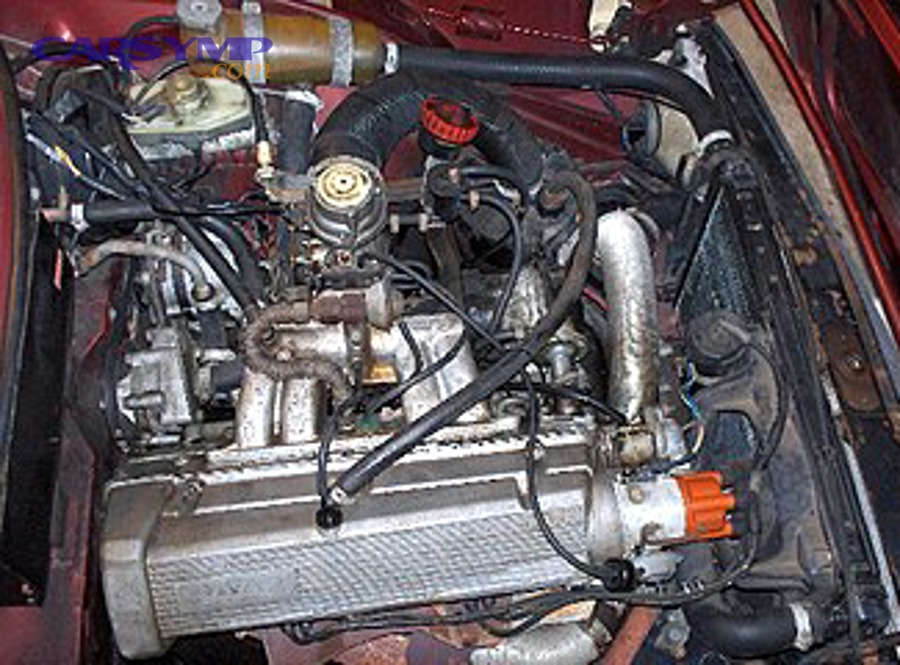
What is “flat-rate” or “book time,” and how is it different from clock time?
Flat-rate (book time) is a pricing unit, while clock time is the real elapsed time a technician spends.
- Book time (labor time): The hours listed in estimating systems or service guides for a defined operation (e.g., “Replace EGR valve”). The shop multiplies this by its labor rate.
- Clock time: The actual time spent, which can be shorter (easy access, no rust) or longer (seized bolts, broken connectors, heavy carbon deposits).
- Why they differ: Book time assumes a normal workflow and typical conditions. Your car may be better—or worse—than “typical.”
A simple example: a shop may bill 1.5 labor hours even if a skilled technician completes it in 60 minutes, because flat-rate pricing is about standardization, not stopwatch billing.
Where do labor-time numbers come from, and why do shops trust them?
Labor-time numbers come from standardized estimating references used across the industry to reduce pricing guesswork and keep quotes consistent.
- Defined operation codes: “Remove & replace EGR valve” is treated as a repeatable operation with consistent steps.
- Assumptions baked in: Access panels, common hand tools, and standard safety steps are assumed.
- Consistency for customers: The shop can quote you before the car is on the lift, using the same baseline method as other shops.
That said, labor time becomes more accurate when the “operation” is truly the same—so the next section matters: the job can change a lot depending on how the EGR system is built and located.
How many labor hours does EGR valve replacement usually take?
There are 3 main labor-time ranges for EGR valve replacement—quick (≈0.7–1.5 hours), moderate (≈1.5–3.0 hours), and long (≈3.0–6+ hours)—based on access, engine packaging, and whether the “EGR job” is actually an EGR cooler or passage-related repair. Specifically, you’ll get the most realistic expectation when you categorize your vehicle by layout and EGR system style.

Before the details, the table below summarizes the most common time bands and why they land there.
Table: Typical EGR valve replacement labor-time bands and the most common reasons each band applies.
| Typical labor-time band (book hours) | Common scenario | Why it lands here |
|---|---|---|
| 0.7–1.5 | EGR valve is top-mounted, easy reach, minimal disassembly | Quick access, few gaskets, low risk of broken fasteners |
| 1.5–3.0 | EGR valve is partially buried, needs intake duct removal or bracket removal | More disassembly, more connectors/hoses, more “reassembly risk” |
| 3.0–6+ | EGR valve is integrated with cooler/piping or requires major access work | More parts removed, more gasket surfaces, higher chance of seized hardware or carbon issues |
Typical time ranges by engine layout and access
Access is the biggest predictor of labor time because it determines how much has to come off before you even touch the EGR valve cleanly and safely.
- Transverse 4-cylinder (many FWD cars): Often moderate, because packaging is tight and components stack vertically.
- Longitudinal engines (many RWD trucks/SUVs): Can be quick if the valve is open and reachable—or long if emissions hardware is tucked behind heat shields.
- Turbocharged applications: More plumbing, tighter clearances, and more heat-cycled fasteners often push time upward.
If a shop quote feels “too high,” it’s usually not because the EGR valve itself is special—it’s because the valve sits behind several layers of access work.
Gas vs diesel: what changes in the job?
Gas and diesel engines both use EGR, but diesel systems often add complexity that increases labor time variability.
- Diesel EGR systems may involve a cooler and more piping (hot side and cooled side routing), which adds clamp points and gasket surfaces.
- Carbon loading can be heavier in some diesel setups, turning “remove and replace” into “remove and fight stuck hardware.”
- Aftertreatment integration (DOC/DPF/SCR) doesn’t always change EGR valve removal directly, but it can change how tightly components are packaged.
A useful mental model: on many diesels, EGR is part of a network; on many gas engines, it’s closer to a single component swap—but exceptions are common.
EGR valve vs EGR cooler: why people confuse the labor time
Many people search “EGR valve labor time” but the vehicle’s common failure, code, or symptom actually points to the EGR cooler or EGR passages, not the valve itself.
- EGR valve replacement = replacing the actuator/valve assembly that meters exhaust flow.
- EGR cooler service = removing/servicing a heat exchanger that cools recirculated exhaust gas (often more labor).
- EGR passage cleaning = cleaning blocked ports in the intake manifold or EGR channels (sometimes more labor than the valve).
This matters because a quote labeled “EGR” may include cooler removal or passage work even if the line item says “valve.”
Can you look up EGR valve labor time by vehicle?
Yes—EGR valve replacement labor time can be looked up by vehicle, and you’ll get a more accurate number because (1) labor guides are vehicle-specific, (2) engine options change access and steps, and (3) emissions configurations vary by trim and market. Next, use a lookup process that forces specificity so you don’t accidentally grab the wrong labor time.
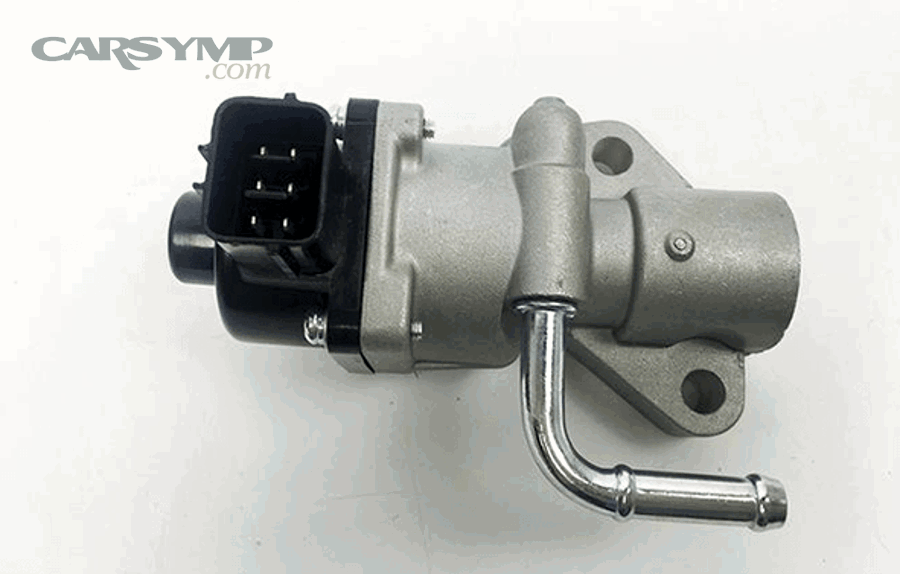
Yes—here are the fastest ways to find the correct labor time
You can typically get the right labor time through one of these paths:
- Ask a shop for the “book hours” line item for “Remove & replace EGR valve” (and ask whether it includes diagnosis).
- Use a reputable estimating interface (some are consumer-facing; others are shop-facing) and select the exact engine.
- Check a factory-style service procedure (not always published with labor hours, but it clarifies whether the job is simple or “buried”).
The fastest approach for most owners is to request the book time from a shop—because they already subscribe to the labor guides and can quote your exact configuration.
What information you need (year, make, model, engine, VIN) to avoid the wrong number
The most common reason people get the wrong number is that they match the vehicle name but miss the engine or emissions configuration.
Have these ready:
- Year / Make / Model (obvious, but critical for generation changes)
- Engine size and engine code (two engines in the same model can have totally different EGR placement)
- Fuel type (gas/diesel/hybrid where relevant)
- VIN (best option) for precise matching when multiple emissions packages exist
A practical rule: if the lookup doesn’t ask for the engine—or the VIN—it’s easier to get an approximate number than an accurate one.
Why does EGR valve replacement labor time vary so much from one car to another?
Easy-access EGR valves win on time, buried EGR valves lose on time, and cooler/passage-heavy EGR systems take the longest—because access, heat-cycled hardware, and extra calibration steps change the procedure more than the valve itself does. However, once you know what actually adds time, you can read a quote more confidently and spot when a shop is pricing “the whole EGR situation,” not just the valve.
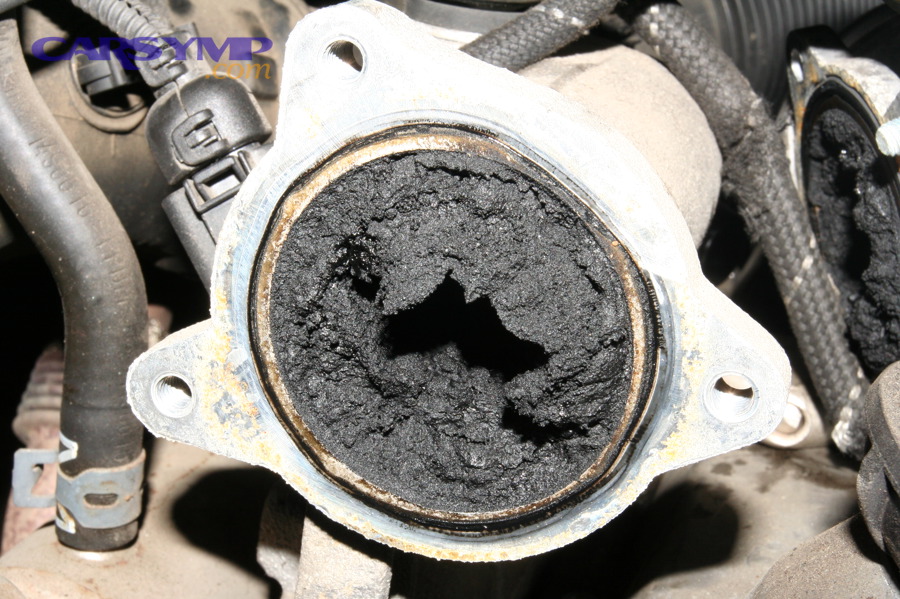
Access, seized fasteners, and carbon buildup: the real drivers of labor time
Three physical realities usually explain most of the variance:
- Access path length: How many components must be removed to reach the EGR valve cleanly and safely.
- Fastener condition: EGR hardware is often exposed to heat cycling; rust or corrosion can turn a “standard remove” into extraction work.
- Carbon buildup: Heavy deposits can stick valves, clog passages, and make removal messier—especially when mating surfaces need cleanup before reassembly.
This is also where the conversation often shifts into EGR valve repair decisions: sometimes the “repair” is really cleaning and restoring movement, while other times replacement is the only reliable fix.
Calibration, relearns, and code clearing: when the job includes extra steps
Some vehicles treat EGR function as tightly controlled and monitored, which can add time after physical installation.
- Code clearing and verification drive cycle: Confirming the fault is resolved (and not caused by wiring, a solenoid, or a sensor) can add billed time.
- Relearn/adaptation steps (vehicle-dependent): Some systems benefit from reset/adaptation routines.
- Smoke test / vacuum leak check (gas engines): If hoses and intake ducting are disturbed, verification may be necessary.
Evidence matters because EGR is a performance/emissions tradeoff, not just a bolt-on part: According to a study by Kunming University of Science and Technology from the Yunnan Key Laboratory of Internal Combustion Engine, in 2024, increasing EGR valve opening decreased NOx but increased brake-specific fuel consumption and “fluid cost,” with reported maximum fluid costs of 235 g/(kW·h) at 1600 r/min (100% load) under one price ratio scenario.
How do you convert labor time into labor cost (and a realistic total estimate)?
Convert EGR valve replacement labor time into a realistic estimate with 3 steps: (1) multiply book hours by the shop’s labor rate, (2) add parts and required gaskets, and (3) account for diagnosis, shop supplies, and condition-based add-ons like seized fasteners. More specifically, the goal is to turn “hours” into a predictable total without being surprised by common extras.

Labor rate × book hours: the simple formula
Start with the basic equation:
Labor cost = (book hours) × (labor rate per hour)
Example ranges (for illustration):
- 1.2 book hours × $140/hr = $168 labor
- 2.5 book hours × $180/hr = $450 labor
- 4.0 book hours × $200/hr = $800 labor
The table below shows how labor cost changes only from labor rate differences, even when book time is the same.
Table: Labor cost examples at different shop rates using the same book hours.
| Book hours | $120/hr | $160/hr | $200/hr |
|---|---|---|---|
| 1.0 | $120 | $160 | $200 |
| 2.0 | $240 | $320 | $400 |
| 3.5 | $420 | $560 | $700 |
If two shops quote very different totals, it’s often labor rate + policy (diagnosis included or separate), not necessarily a different repair approach.
Parts, gaskets, and shop supplies: what commonly gets added
Even when the labor time is clear, totals move because of add-ons that are normal (and often necessary):
- EGR valve gasket(s): Many systems require a gasket replacement at the mating surface.
- Related seals or O-rings: Some EGR assemblies include tube seals or a throttle-body-style gasket surface.
- Shop supplies and environmental fees: Small line items that vary by shop policy.
- Diagnostic time: Especially if the shop confirmed whether the valve is actually bad vs a control issue.
This is also where “clean vs replace” becomes financial: cleaning can reduce parts cost, but if labor time rises (because cleaning requires more disassembly or repeated testing), replacement may be a better value.
Should you DIY an EGR valve replacement based on labor time alone?
No—labor time alone isn’t enough to decide DIY, because (1) the tools and access difficulty can outweigh the book hours, (2) the risk of broken bolts or leaks can turn into expensive follow-up work, and (3) diagnosis mistakes can lead to replacing the wrong part. Besides, DIY success depends more on risk control than on the published hours.
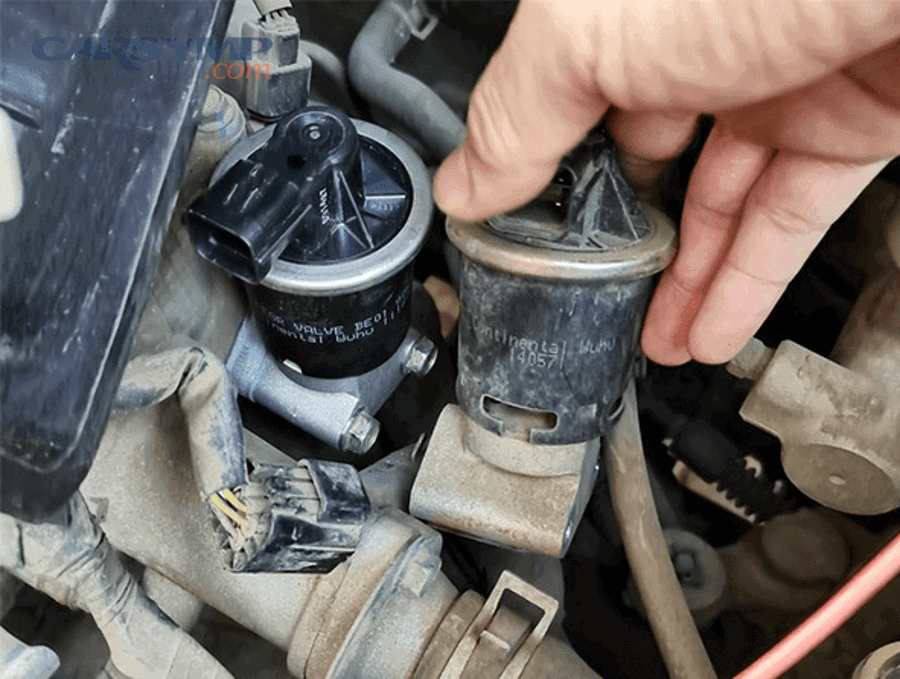
Yes or no: a quick decision framework based on tools, risk, and access
A practical DIY decision framework looks like this:
DIY is usually “Yes” when:
- The EGR valve is visibly accessible (top/front of engine)
- You have basic hand tools plus torque capability
- You can replace gaskets and re-check for leaks confidently
DIY is usually “No” when:
- The valve is behind the intake manifold, turbo plumbing, or heat shields
- Fasteners look heavily corroded or heat-welded
- The vehicle has a history of EGR cooler/passage clogging (job scope expands quickly)
If your vehicle fits the “No” category, the book hours may understate the pain points that only show up in real-world conditions.
DIY pitfalls that can increase labor time (broken bolts, vacuum leaks, wiring damage)
Common DIY pitfalls that stretch time and cost:
- Snapped bolts or stripped threads: EGR fasteners can be stubborn; extraction can exceed the original job time.
- Vacuum or intake leaks after reassembly: A small hose mis-route can cause rough idle, lean codes, or drivability issues.
- Connector damage: Heat-brittle connectors can crack or lose retention.
- Misdiagnosis: Sometimes the valve isn’t the root cause—control components or sensors can be the issue.
If you DIY, budget extra time for careful cleaning of mating surfaces, gasket alignment, and a post-repair verification drive to confirm no codes return.
Contextual Border: At this point, you have the core answer—what labor time means, what ranges to expect, how to look it up accurately, why it varies, and how to translate it into cost. Next, we expand into closely related “EGR” jobs that often get mislabeled as valve replacement.
What other EGR-related jobs can be mistaken for “EGR valve replacement”?
There are 4 common EGR-adjacent jobs that get confused with EGR valve replacement—control-component faults, cleaning vs replacing the valve, passage/manifold carbon work, and broader “EGR valve repair” pricing that bundles diagnosis and verification. Meanwhile, knowing these categories helps you read estimates correctly and avoid paying for the wrong fix.
Related parts: DPFE and EGR solenoid issues
Some vehicles (especially certain older designs) use sensors and vacuum control hardware that can fail and mimic a “bad EGR valve.”
- DPFE-related faults: A DPFE-style sensor measures pressure differences to infer EGR flow; if it reads wrong, the system may flag EGR performance even when the valve is mechanically fine.
- EGR solenoid faults: If the solenoid that controls EGR flow fails (or vacuum supply is compromised), the valve may not move as commanded.
The key takeaway: an “EGR code” does not automatically mean “replace the valve”—it may mean the control system cannot prove flow.
Cleaning an EGR valve vs replacing it
Cleaning can work when the valve is sticking from deposits, but replacement is often better when the valve has electronic failure or worn internal components.
Cleaning is most reasonable when:
- The valve sticks due to carbon but the actuator tests okay
- The vehicle is known for deposit buildup
- You can remove it without excessive disassembly
Replacing is most reasonable when:
- The actuator/position feedback is faulty
- The valve is physically damaged or won’t move after cleaning
- You need high confidence the issue won’t return soon
Here’s one practical video that shows how cleaning and replacement differ in real steps:
EGR passage cleaning and intake manifold carbon: when labor time jumps
If the estimate includes cleaning passages, labor time can climb fast because the work becomes more like “access + restore flow” than “swap a part.”
- Passage cleaning may require intake removal, solvents, scraping, and repeated inspection.
- Intake manifold carbon can create symptoms similar to EGR faults and may be handled in the same visit.
- Verification becomes more important because partial cleaning can still leave restricted flow and recurring codes.
This is often where customers feel surprised: the EGR valve itself may be inexpensive and quick, but restoring flow through the system is not.
When “EGR valve repair” is the right wording (and when it isn’t)
“EGR valve repair” is accurate when the shop is fixing the system outcome (restoring EGR flow and control), not just replacing the valve.
It’s the right wording when:
- The shop is diagnosing, cleaning, repairing connectors/vacuum routing, and verifying operation
- The repair includes restoring clogged passages or replacing a control component
It’s not the right wording when:
- The quote is simply “replace EGR valve” with no diagnostic clarity
- The real problem is elsewhere (e.g., a sensor/control issue) and the valve is being replaced as a guess
If you want the clearest estimate, ask for two line items: diagnosis/verification and the specific repair operation (valve replacement vs cleaning vs cooler/passage work).