


If your engine suddenly makes a “knock,” you can usually narrow it down fast by when it happens (idle vs load), what it sounds like (deep thud vs metallic rattle vs light tick), and where it seems to come from (bottom end vs combustion vs top end)—and that’s exactly what this guide helps you do.
Next, you’ll see what each sound means mechanically, so you don’t treat a serious bottom-end problem like a harmless valvetrain noise—or chase “bad gas” when the real issue is heat, timing, or mixture.
Then, you’ll get a practical safety lens: which noises are urgent, which ones you can diagnose carefully at home, and what “do not drive” signs matter most when you’re deciding whether to limp home or call a tow.
Introduce a new idea: once you can tell rod knock vs pinging vs lifter tick, the quickest wins come from avoiding look-alike noises (injector tick, heat shields, accessories) that cause most misdiagnoses.
What’s the difference between rod knock, pinging (spark knock), and lifter tick?
Rod knock wins for low-pitch depth and urgency, pinging (spark knock) is best identified by metallic rattle under load, and lifter tick is most consistent as a light top-end tapping that often changes with oil temperature.
However, once you separate them by sound + conditions + location, your next steps become much clearer.
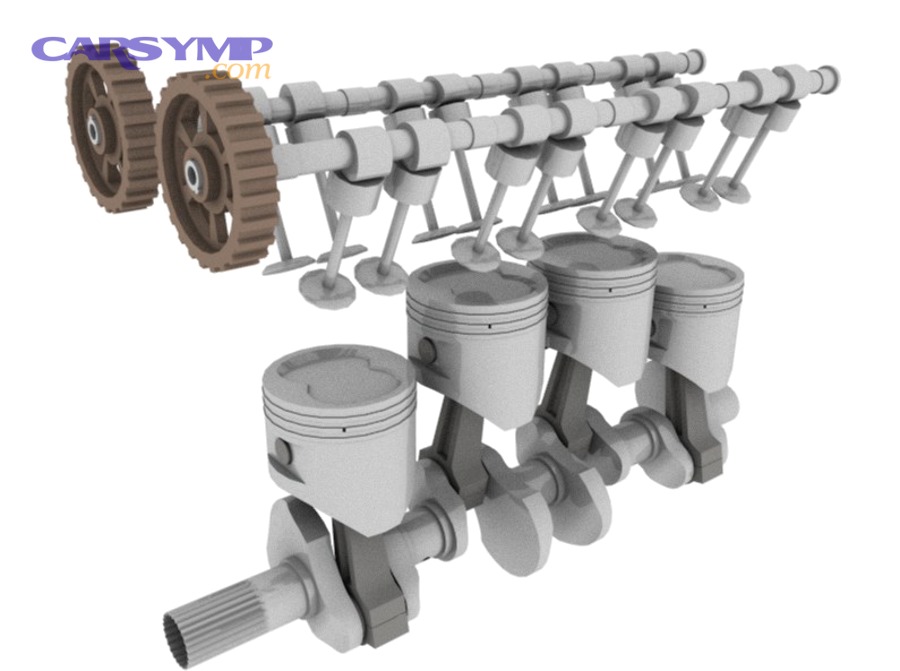
To make the differences actionable, use this quick comparison table as a listening-and-context checklist.
| Noise type | Typical sound | When it shows up | Where it “feels” like it comes from | Common takeaway |
|---|---|---|---|---|
| Rod knock (bearing knock) | Deep, dull knock/thud | Often worse under load; can persist | Lower engine / oil pan area | High risk if true bearing knock |
| Pinging / spark knock / detonation | Metallic rattle / “marbles in a can” | Acceleration, hills, heavy throttle | Combustion chamber “inside” sound | Usually abnormal combustion under load |
| Lifter tick (valvetrain tick) | Light ticking/tapping | Cold start, idle, sometimes fades warm | Upper engine / valve cover area | Often oil/valvetrain related noise |
What does rod knock sound like and when does it happen?
Rod knock is a deep, rhythmic knock caused by excessive clearance at a connecting-rod bearing, and it most often becomes obvious when the engine is under load (accelerating, climbing, or lugging).
More importantly, that deep sound usually points to a mechanical clearance problem that can worsen quickly if oil pressure and lubrication are compromised.
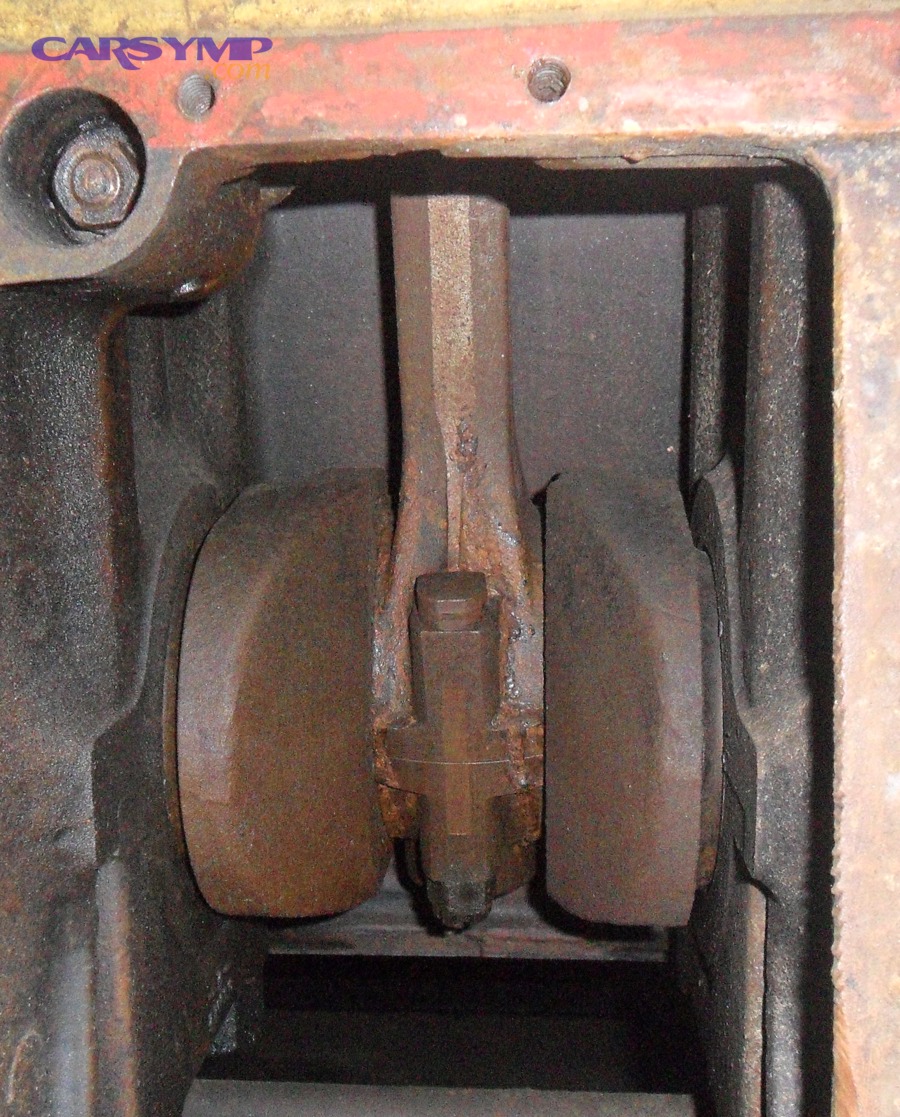
A practical way to think about rod knock is “bottom-end percussion.” The tone is lower than most valvetrain noises, and it tends to feel like it’s coming from deep inside the block rather than from the top of the engine.
Here are patterns that commonly match Rod knock symptoms and severity:
- Tone: dull, heavy “thunk” rather than a sharp tick.
- Rhythm: often steady with engine speed; it can sound like a repeating knock that speeds up as RPM rises.
- Load sensitivity: often louder under load because bearing forces increase when the crankshaft is driving the car harder.
- Associated warning signs (not always present): dropping oil pressure, glitter/metal in oil, worsening noise over days.
This is where the phrase engine knocking diagnosis matters: many people call any unpleasant engine sound “knock,” but true rod knock is a specific, high-risk condition, not just a generic rattle.
What does pinging (spark knock) sound like and when does it happen?
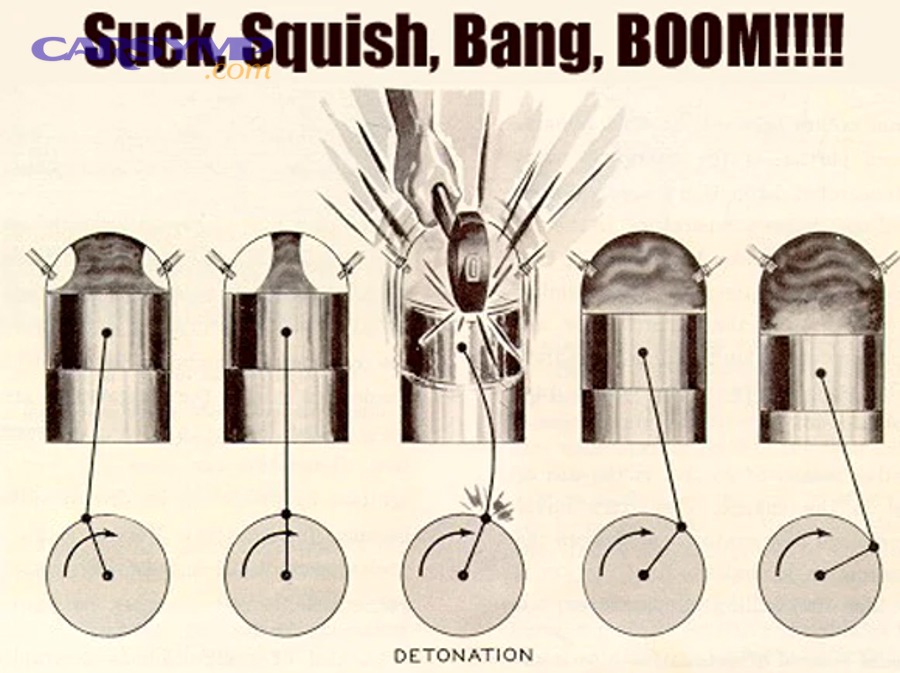
Pinging (spark knock) is abnormal combustion in a spark-ignition engine that produces a metallic “ping” or rattling sound, usually during acceleration or heavy load rather than at idle.
On the other hand, unlike rod knock, pinging tends to appear and disappear quickly with throttle and load changes.
Pinging is often described as:
- Metallic rattle (like shaking small stones in a tin can)
- Most noticeable under load (hills, towing, wide-open throttle)
- Reduced by easing off the throttle or changing conditions that reduce cylinder pressure/temperature
In plain terms, pinging happens when parts of the air-fuel mixture ignite in a way that doesn’t follow the normal flame-front progression, creating pressure waves you can hear. (en.wikipedia.org)
What does lifter tick sound like and when does it happen?
Lifter tick is a valvetrain tapping noise typically linked to how the lifter (hydraulic tappet) manages valve lash, and it’s often most noticeable at cold start or idle.
Specifically, lifter tick commonly changes as oil warms and circulates, which is a key clue that separates it from combustion pinging.
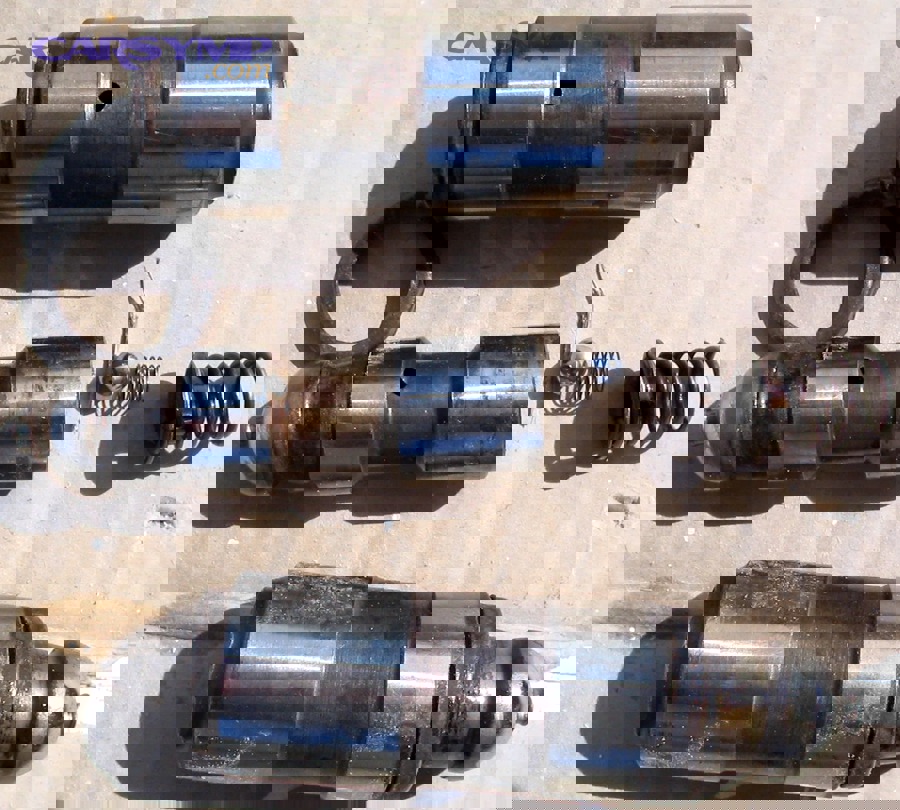
Lifter tick patterns that show up in real driveways:
- Cold-start tick that fades: oil thickens when cold, and some lifters can “bleed down” while parked; once oil pressure and flow stabilize, the tick may reduce.
- Idle-heavy tick: top-end noises can be easier to hear at idle because exhaust and drivetrain noise is lower.
- Oil-quality sensitivity: hydraulic lifters can be sensitive to oil viscosity, varnish, and blocked passages; poor oil maintenance can make ticking more likely. (en.wikipedia.org)
Which noise is most likely at idle vs under load vs at cold start?
There are three main patterns—idle/cold-start tick (lifter), load-linked metallic rattle (pinging), and deep load-worse knock (rod knock)—based on operating condition.
To better understand what you’re hearing, match the noise to the condition that triggers it most reliably.
- Cold start + light tick: most consistent with lifter tick (especially if it fades as the engine warms).
- Hard acceleration + metallic rattle: most consistent with pinging/spark knock, especially if it reduces when you lift the throttle.
- Acceleration/load + deep knock: more concerning for rod knock, especially if it persists and grows louder over time.
The key is repeatability: a noise that only appears under certain load/heat conditions is usually telling you where to look first.
Can you diagnose these noises at home safely without special tools?
Yes—basic diagnosis is possible because rod knock, pinging, and lifter tick each have distinct condition triggers, distinct sound character, and repeatable changes with load/temperature, but you must also use safety limits, avoid risky tests, and stop if warning lights or severe symptoms appear.
Next, the safest DIY approach is to observe patterns rather than “force” the noise to happen.
Here are three reasons DIY diagnosis works (within limits):
- Condition-based separation (idle vs load vs cold start) is highly informative.
- Sound character (deep thud vs metallic rattle vs light tick) is usually consistent.
- Simple checks (oil level, coolant temperature behavior, scan tool basics) can support what you hear.
Does the noise change with RPM, engine load, or temperature?
There are three main change patterns—RPM-linked, load-linked, and temperature-linked—based on what system is creating the noise.
Specifically, the fastest safe diagnostic step is to note which of these variables makes the sound clearly better or worse.
RPM-linked (speeds up with revs regardless of load):
- Often suggests valvetrain or rotating component rhythm.
- Lifter tick may become faster with RPM, but it may not get dramatically louder.
Load-linked (mostly appears when accelerating or climbing):
- Strongly suggests combustion pinging or a bottom-end knock that worsens under higher forces.
- Pinging is often load-dependent and may fade when you ease off.
Temperature-linked (worse cold, better warm—or vice versa):
- Often suggests oil flow/viscosity and hydraulic components (like lifters).
- A cold-start tick that fades points away from pinging.
Treat this like a pattern-matching exercise: you’re not proving the exact failed part yet—you’re identifying the system that most likely needs attention.
Can fuel octane or driving conditions make pinging disappear?
Yes—pinging can often be reduced by lowering load, reducing heat, or using a higher octane fuel, because those changes increase knock resistance and reduce the tendency toward abnormal combustion.
However, if pinging disappears only because you “work around it,” that’s a clue you still need to address the underlying cause.
- Backing off the throttle reduces or eliminates the rattle.
- Avoiding lugging (high gear, low RPM, heavy throttle) reduces it.
- Higher octane sometimes reduces symptoms, especially if the engine is near its knock limit.
A practical caution: if your engine pings on the recommended fuel, it can be signaling heat, timing, air-fuel, or deposit issues—not just “bad gas.”
Can low oil, wrong oil viscosity, or dirty oil cause lifter tick?
Yes—lifter tick often happens because hydraulic lifters rely on clean oil at the correct viscosity to maintain zero lash and keep valvetrain motion smooth, and low/dirty oil can reduce their ability to do that.
More importantly, this is one of the few cases where a simple maintenance check can change the noise quickly.
What to check safely:
- Oil level: low oil can reduce pressure and aerate oil, increasing top-end noise.
- Oil condition: burnt smell, heavy dark sludge, or long intervals can contribute to sticky lifters.
- Correct grade: oil that’s too thin or too thick for your engine’s design and climate can affect lifter behavior. (en.wikipedia.org)
This is also where Preventing knock with maintenance begins to overlap: good oil and cooling habits don’t just protect bearings—they also reduce the odds of noisy lifters and overheating conditions that increase combustion knock risk.
Does rod knock usually get worse fast compared to lifter tick?
Rod knock usually worsens faster than lifter tick because bearing clearance problems can accelerate wear and reduce lubrication margins, while many lifter ticks are stable or intermittent when oil and temperature stabilize.
Meanwhile, the practical risk difference is why you treat “deep knock under load” as a higher-priority diagnosis than a light cold-start tick.
- Rod knock: can worsen with continued driving, especially if oil pressure is low or the bearing is already damaged.
- Lifter tick: may remain mild, may come and go with oil changes and temperature, and is often less immediately destructive.
- Reality check: some severe valvetrain issues exist, but they usually bring other symptoms (misfire, performance changes, persistent loud tapping).
If your goal is safe triage, prioritize anything that sounds like the bottom end.
What are the most common causes of pinging (spark knock) vs rod knock vs lifter tick?
There are three main cause groups—combustion stress (pinging), lubrication/clearance failure (rod knock), and oil/valvetrain control issues (lifter tick)—based on which system produces the noise.
In addition, understanding causes is what turns sound identification into a real repair plan.
What causes pinging (spark knock) besides “bad gas”?
There are at least five common causes of pinging besides fuel quality: excess heat, overly advanced timing, lean mixture, EGR problems, and combustion-chamber deposits—based on how they increase end-gas temperature/pressure.
For example, an engine can ping on perfectly good fuel if it is running hot or lean under load.
- Overheating or high intake air temperature: hotter charge is more knock-prone.
- Lean operation under load: less fuel can mean higher combustion temperature; fuel trims and vacuum leaks matter.
- Ignition timing too advanced: more cylinder pressure earlier increases knock tendency.
- EGR system issues (where applicable): EGR can reduce combustion temps; failures can increase knock risk.
- Carbon deposits: can raise effective compression and create hot spots.
An important mental model: pinging is often a stress signal—it appears when the engine is pushed into conditions where abnormal combustion becomes more likely.
Evidence: According to a study by Brunel University London from the Department of Mechanical, Aerospace and Civil Engineering, in 2018, researchers induced heavy knock using reduced-octane fuel and elevated inlet temperature, reporting knock intensities above 140 bar and documenting how knock severity relates strongly to auto-ignition timing near top dead center. (bura.brunel.ac.uk)
What causes rod knock and what other noises mimic it?
Rod knock most commonly comes from worn or damaged connecting-rod bearings that create clearance, but it can be mimicked by flexplate issues, torque converter noises, exhaust contact, or accessory knocks—based on where the impact/vibration is originating.
More importantly, you need to separate “true bearing knock” from “look-alike knocks” before you assume the worst.
Most common true causes:
- Bearing wear from high mileage, poor lubrication, overheating, or oil starvation.
- Low oil pressure events that damage bearing surfaces and increase clearance.
- Contaminated oil (abrasive debris) accelerating wear.
Common mimics that confuse owners:
- Loose exhaust/heat shield contact that knocks on acceleration.
- Flexplate or torque converter bolts creating a knock-like sound that changes with load.
- Accessory or pulley issues that produce rhythmic knocking.
A simple rule: if a knock seems to come from the very bottom of the engine and gets louder under load, treat it as serious until proven otherwise—but don’t skip the easy “external knock” checks.
What causes lifter tick and why does it sometimes go away when warm?
Lifter tick is usually caused by hydraulic lifter oil-control issues—like bleed-down, aeration, varnish, or incorrect oil viscosity—and it sometimes quiets when warm because oil flow and pressure stabilize and the lifter re-establishes proper lash control.
Especially for DIY owners, lifter tick is often a maintenance-and-diagnosis problem before it becomes a parts-replacement problem.
- Bleed-down after sitting: lifter drains and needs time to refill on startup.
- Oil aeration: foamy oil reduces hydraulic stability.
- Varnish/sludge: sticky internals can prevent normal operation.
- Incorrect oil grade or long intervals: increases deposits and changes hydraulic response. (en.wikipedia.org)
If you’re trying to prevent recurrence, the boring stuff works: consistent oil changes, correct grade, and making sure the engine reaches full operating temperature on regular drives.
Which noise is most dangerous—and should you keep driving?
Rod knock is most dangerous for immediate mechanical failure risk, pinging is most harmful when it’s persistent under load, and lifter tick is usually the least urgent unless it’s paired with oil pressure or performance symptoms.
More importantly, this ranking helps you decide when to stop driving and when careful diagnosis is reasonable.
Should you stop driving immediately if you suspect rod knock?
Yes—you should treat suspected rod knock as a stop-driving condition because it can indicate bearing damage, rising clearance, and the risk of catastrophic failure, especially if oil pressure is low, the knock is loud, or it worsens quickly.
Next, the safe move is to reduce risk rather than “test it on the road.”
Three reasons to stop driving:
- Bearing damage can accelerate: continued load can worsen wear and heat.
- Failure can be sudden: a damaged bearing can spin or seize under stress.
- Oil contamination spreads: metal debris can circulate and damage other components.
Practical “red flag” signals that raise urgency:
- Oil pressure warning light or visibly low oil pressure readings
- Loud deep knock that increases rapidly
- Metallic debris in oil or filter
- Overheating plus new knocking
If the sound is mild and you’re unsure, the safest mindset is still: don’t gamble with the bottom end.
Is pinging always harmful, or only if it’s persistent under load?
Pinging is harmful mainly when it’s persistent under load, because repeated abnormal combustion pressure waves raise thermal and mechanical stress, while a brief light rattle during an edge-case event may not cause immediate damage.
However, repeated pinging is a diagnostic signal you should not ignore.
- Occasional light ping on an extreme hill with heavy load can be a “margin” indicator.
- Frequent pinging during normal acceleration suggests a condition that needs correction (heat, mixture, timing, deposits).
- Any pinging plus overheating raises risk quickly, because heat pushes the engine toward knock-prone conditions.
Evidence: According to a study by the University of Bologna from the DIN – Department of Industrial Engineering, in 2016, researchers reported that heavy knock at high load (noted at 4500 rpm test conditions) can overheat combustion chamber surfaces until spark plug electrodes become a hot spot that triggers pre-ignition sequences, increasing damage risk through extreme heat transfer to walls. (researchgate.net)
Is lifter tick an emergency or a maintenance/diagnosis issue?
Lifter tick is usually a maintenance/diagnosis issue because it often relates to oil quality, viscosity, and hydraulic lifter operation, but it becomes urgent if it is loud, persistent, paired with low oil pressure, or accompanied by misfires and power loss.
In short, lifter tick is often the least dangerous noise—until it signals a broader lubrication problem.
- Tick does not improve warm and gets progressively louder
- Oil pressure is low or warning lights appear
- Engine runs rough, misfires, or loses power
- You find the oil level dangerously low or oil looks severely contaminated
Treat the sound as a symptom, and verify the basics first.
What’s the fastest way to avoid misdiagnosis between pinging, lifter tick, and rod knock?
There are five fast ways to avoid misdiagnosis—separate terms, separate conditions, confirm location cues, rule out look-alikes, and use simple supporting signals—based on how these noises differ in source and trigger.
To better understand your engine’s message, the goal is not “guess the part,” but “identify the system” before you spend money.
Is “pinging” the same as “knocking”?
Pinging is a type of knocking in casual speech, but in diagnostic terms pinging usually refers to spark knock/detonation (abnormal combustion), while “rod knock” refers to bearing-related bottom-end knock, so they are not the same thing.
However, the vocabulary overlap is one of the biggest reasons DIY owners get misled.
- Pinging / spark knock / detonation: combustion event under load; metallic rattle. (en.wikipedia.org)
- Rod knock: mechanical clearance at rod bearings; deep thud, high urgency.
- Lifter tick: valvetrain/hydraulic tappet behavior; light tapping, often temperature/oil sensitive.
If you keep these labels consistent, your “hook chain” stays clean: sound → trigger → system → next step.
Can injector tick or exhaust heat-shield rattle mimic lifter tick or pinging?
Yes—injector tick and heat-shield rattle can mimic lifter tick or pinging because they produce sharp, rhythmic, metallic sounds, but they usually differ in location, repeatability, and response to load vs bumps.
Next, use the conditions test to separate “engine-internal” from “bolt-on noise.”
- Injector tick (especially on direct-injection engines): often a steady, fast tick near the fuel rail/injectors; can be “normal” compared with a sudden new tick.
- Heat shield / exhaust rattle: may appear during certain RPM bands, on decel, or over bumps; often sounds external and tinny.
- Accessory rattle: can change with A/C engagement or belt load.
When a noise changes with road bumps more than with throttle load, suspect external contact first.
What signs (check engine light, codes, oil pressure, overheating) help narrow it down?
There are four key supporting signals—oil pressure behavior, temperature behavior, engine codes/scan data, and drivability changes—based on whether the issue is combustion, lubrication, or valvetrain control.
More importantly, these signals prevent you from relying on sound alone.
- Oil pressure warning / low pressure readings: raises suspicion for lubrication issues that can worsen rod knock and lifter tick.
- Overheating trend: increases suspicion for pinging causes (heat) and any knock-prone operation.
- Check engine light with mixture/timing-related codes: supports combustion-related diagnosis; misfire codes can overlap and require caution.
- Drivability: pinging often appears under load; rod knock may come with vibration or worsening harshness; lifter tick may not change drivability unless severe.
If you want to keep the engine safe while diagnosing, prioritize anything that suggests lubrication loss or overheating.
What other “engine-like” noises get mistaken for knock, pinging, or lifter tick?
There are four common impostor noise categories—injector/valvetrain-normal ticks, exhaust/heat-shield rattles, accessory/belt noises, and sensor-related “false knock” interpretations—based on whether the source is inside the engine, attached to it, or inferred by electronics.
Besides improving accuracy, this section helps you avoid replacing the wrong parts.
Is direct-injection injector tick a normal sound—and how is it different from lifter tick?
Direct-injection injector tick can be normal because high-pressure injectors can produce an audible, rapid clicking, and it differs from lifter tick by being more localized to the injector area, often more uniform, and less dependent on oil temperature.
However, the easiest separation is location: injector tick is loudest near the fuel rail, while lifter tick tends to be loudest along the valve cover area.
- Location test (listening safely from above): injector tick clusters near injectors; lifter tick spreads across the valvetrain line.
- Temperature sensitivity: lifter tick often changes warm; injector tick often stays consistent.
- Maintenance link: lifter tick often responds to oil condition; injector tick typically does not.
If your engine is known for audible injector tick, treat “new loud tick” differently from “always been there.”
Can a bad knock sensor or “false knock” make you chase the wrong problem?
Yes—a bad knock sensor or false knock can send misleading signals because the sensor detects vibration patterns that can be caused by non-combustion sources, leading to timing changes or diagnostic confusion.
Next, remember that the sensor hears vibration; it doesn’t “understand” whether it came from detonation, a loose shield, or another mechanical rattle.
- Pinging seems inconsistent with fuel/load, but scan data shows knock activity
- Timing gets pulled (reduced advance) even when conditions don’t support detonation
- A mechanical rattle near the engine produces vibration that mimics knock frequency bands
If you suspect false knock, focus on ruling out external rattles and verifying engine operating conditions (heat, mixture, load).
Could exhaust leaks, heat shields, or accessories create a “ping/knock” that isn’t combustion or bearings?
Yes—exhaust leaks, heat shields, pulleys, and belt-driven accessories can create metallic pings or knocks that sound engine-internal, but they usually show RPM-band behavior, road-bump sensitivity, or accessory-load dependence that true combustion knock and rod knock do not.
More importantly, these are the “antonym noises”: annoying, real, but not the same as internal failure.
- Heat shield rattle: tinny, often at a narrow RPM range, sometimes worse on decel.
- Accessory knock: may change with A/C on/off, steering load, or belt tension changes.
- Exhaust leak tick: can be sharper near the manifold area and change with throttle.
This is why a systematic checklist beats guessing.
When should you use advanced tools (stethoscope, scan tool live data, oil pressure test) to confirm the diagnosis?
Yes—use advanced tools when the noise is persistent, when safety decisions depend on it, or when sound alone cannot separate internal from external causes, because each tool adds confirmation you cannot get by ear.
To sum up, you reach for tools when the cost of being wrong is high.
- Mechanic’s stethoscope (or chassis ears): best for pinpointing location (top end vs bottom end vs accessory).
- Scan tool live data: best for combustion-related clues (knock retard trends, misfire counts, fuel trims).
- Oil pressure test: best for ruling in/out lubrication issues that can turn lifter tick into a bigger problem—or validate concern about rod knock.
If you want the safest outcome, combine the “what you hear” with at least one “what the engine is doing” signal before you commit to repairs.