


Low oil level and low oil pressure can both create the same scary outcome: a deep knocking sound that signals metal parts are losing their oil film and starting to collide. The safest interpretation is simple—treat “oil pressure light + knock” as an urgent lubrication failure until proven otherwise.
Next, you’ll learn what “low oil pressure knock” actually means in mechanical terms, why low oil level can trigger it even if you don’t see leaks, and what the sound is telling you about oil flow, bearing clearance, and load.
Then, you’ll get a clear list of the most common causes—from oil starvation and pickup issues to worn bearings and wrong viscosity—plus the specific clues that separate harmless noises from true bearing knock.
Introduce a new idea: below is a practical, step-by-step path to engine knocking diagnosis, including DIY checks before teardown, so you can decide whether topping up oil is enough, whether you need an oil pressure test, or whether the engine is already at high risk.
Is it safe to drive when the oil pressure light is on and the engine is knocking?
No—driving with an oil pressure warning and an active knock is not safe because the engine may be oil-starved, the bearings can overheat rapidly, and the knock often means metal-to-metal contact is already happening.
Next, because “safe to drive” depends on seconds and load, you need an immediate triage plan that reduces damage risk before you think about diagnosis.
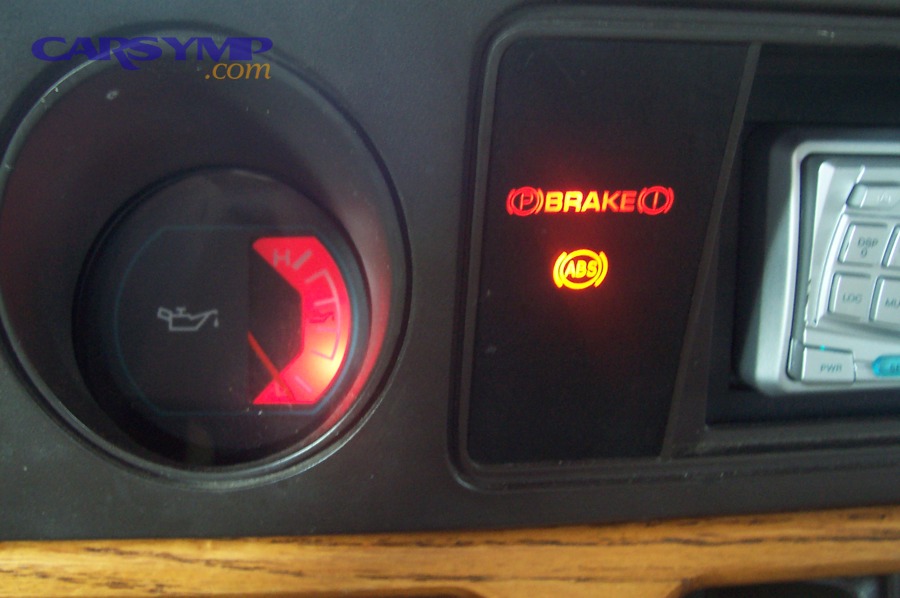
What you should do immediately (the 60-second triage)
If the oil pressure light is on and you hear a knock:
- Pull over safely and shut the engine off. Idling “to see if it goes away” can still starve bearings.
- Do not rev the engine. Higher RPM and load increase bearing forces while oil film is weak.
- Check the oil level with the dipstick (after waiting a few minutes so oil drains back).
- If oil is below the safe range, add the correct oil (matching viscosity spec) to reach the proper level.
- Restart only for a brief check: if the oil pressure light stays on, or the knock remains, shut it off again.
Why this matters: knock plus low oil pressure is not just a “noise problem.” It’s often a lubrication failure problem. Bearings (rod and main bearings) rely on a pressurized oil wedge to keep parts separated. If pressure/flow drops enough, the wedge collapses and the crankshaft can tap the bearing surface—what you hear as knocking.
When it might be “limp-able” (rare) vs when it’s a tow
A few situations can look dramatic but are sometimes less catastrophic:
- A bad oil pressure sensor/switch can turn the light on even when pressure is okay (but you must verify with a mechanical gauge).
- A lifter tick can be mistaken for knock (usually higher-pitched and faster).
- A brief knock at cold start that disappears quickly may point to oil drain-back or timing-related noises—not true low-pressure knock.
However, the moment you have both the warning light and a knock, the default should be tow unless you can confirm pressure with a gauge and the sound is not a bearing knock.
What does “low oil pressure knock” mean, and why does low oil level trigger it?
Low oil pressure knock is a deep, repetitive knocking sound caused when rotating engine parts—most often the crankshaft and bearings—lose the protective oil film due to insufficient oil pressure and/or flow.
Then, because low oil level and low oil pressure are tightly linked but not identical, it helps to understand the chain reaction from “oil quantity” to “oil delivery.”
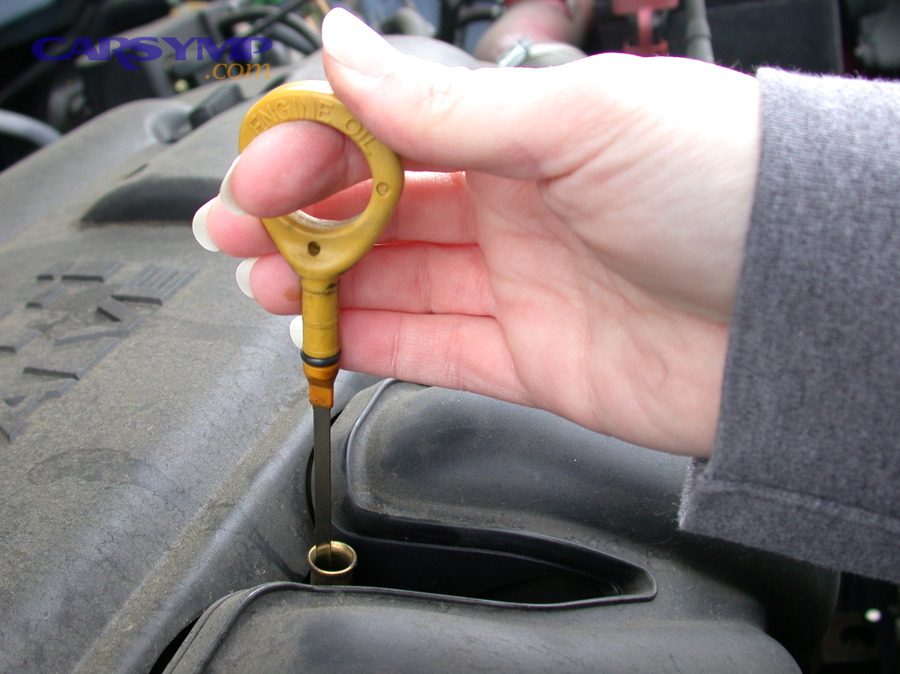
The simple mechanism: oil film collapse under load
Inside the engine, bearings don’t “ride” directly on metal. They ride on a thin pressurized oil layer. That oil layer is strongest when:
- there is enough oil in the sump,
- the oil pump can pick it up consistently,
- the oil isn’t thinned or foamed,
- and clearances are still within spec.
When the oil film weakens, the crankshaft can strike the bearing surface, creating a low-frequency knock that often worsens with load.
Why low oil level can cause knock even if the pump still “works”
Low oil level triggers knock through several common pathways:
- Oil pickup uncovering (intermittent suction):
Under acceleration, braking, turning, or hills, oil sloshes. If the pickup draws air, pressure drops and bearings starve in pulses—often heard as a knock that appears “randomly” during certain maneuvers. - Aeration/foaming:
When oil is low, it can be whipped by rotating components more easily, creating foam. Foamy oil compresses and can’t maintain stable pressure, reducing lubrication quality even if the gauge “looks okay sometimes.” - Higher oil temperature and thinning:
Less oil volume means less heat capacity. Oil runs hotter and can thin out faster, lowering effective pressure and film strength, especially at idle. - Oil dilution or contamination becomes “more concentrated”:
If fuel or coolant contamination is present, a low oil quantity can make the overall oil film quality drop faster, increasing bearing contact risk.
The key insight: low oil pressure knock is often a flow problem before it becomes a permanent damage problem—but once the knock is steady, damage risk rises sharply.
What are the most common causes of knocking with low oil level or low oil pressure?
There are 7 main causes of knocking with low oil level or low oil pressure: low oil quantity, incorrect viscosity, restricted oil pickup, failing oil pump/pressure regulator, clogged filter/bypass issues, excessive bearing clearance (wear), and oil aeration from leaks or windage—grouped by whether they reduce supply, reduce pressure control, or increase leakage at bearings.
More specifically, if you classify causes this way, your diagnosis becomes faster and less guessy.
A quick cause map: “pressure lost” vs “pressure made but not delivered”
Below is a troubleshooting map that shows what each cause usually changes, and what you’ll notice first.
| Cause category | Typical root cause | What you notice first | Why it creates knock |
|---|---|---|---|
| Supply loss | Low oil level | Light flickers, noise under turns/braking | Pickup draws air → pressure/flow drop |
| Oil too thin | Wrong viscosity, overheated oil, fuel dilution | Worse hot idle, better when cold | Thin oil leaks through clearances faster |
| Restricted inlet | Sludge/RTV in pickup screen | Low pressure at all temps | Pump can’t pull enough oil |
| Pump/relief fault | Worn pump, stuck relief valve | Pressure low across RPM | Pump can’t build/hold pressure |
| Filter/bypass | Collapsed filter media, bypass stuck | Fluctuating readings, noise after service | Flow/filtration disrupted; pressure control abnormal |
| Excessive clearance | Worn rod/main bearings | Knock under load, pressure drops hot | Oil escapes faster than pump can supply |
| Aeration/leaks | Pickup tube O-ring leak, foaming | Erratic pressure, “spongy” lifter noise + knock | Air in oil reduces film strength |
This table matters because it prevents a common mistake: assuming the oil pump is always the culprit. Often, the pump is fine—the engine is losing pressure through worn clearances or sucking air due to low oil or a pickup leak.
The “most common” shortlist in real-world DIY terms
If you’re doing a driveway-level diagnosis, the most frequent causes usually show up in this order:
- Oil level is low (leak, burning oil, neglected changes).
- Oil is wrong viscosity or badly degraded (too thin when hot).
- Oil pickup screen is restricted (sludge, silicone/RTV, debris).
- Bearings are worn (especially if knock rises under load).
- Oil pump/relief valve issues (less common than people think, but real).
If you want a fast first-pass: correct the oil level and viscosity first, then verify pressure with a gauge, then decide how deep to go.
How can you tell if the sound is engine knock or rod knock?
Rod knock is usually a deeper, heavier knock that gets louder with load and quick throttle changes, while many other “engine knocks” (lifter tick, injector tick, belt noises, heat shields) have different pitch, rhythm, and load sensitivity—so you can separate them using pitch, location, and “Knock under load vs at idle clues.”
However, because sound travels and recordings lie, you should test the noise in controlled ways instead of relying on one moment.
Rod knock vs lifter tick vs spark knock: the fastest comparison
- Rod knock (bearing knock):
- Pitch: low, hollow, “thud” or “clunk”
- Rhythm: matches engine RPM (faster with RPM)
- Load effect: gets louder under load (accelerating, uphill, in gear)
- Hot vs cold: often worse hot (thin oil), sometimes present both
- Location: lower engine (oil pan area), can feel through block
- Lifter tick / valvetrain noise:
- Pitch: higher, sharper tick
- Load effect: not always louder under load; may change with oil temp
- Location: top of engine (valve cover area)
- Spark knock/detonation (“ping”):
- Pitch: light metallic ping/rattle
- When: under load and often at specific RPM ranges
- Oil pressure relation: usually unrelated to oil pressure light
- Cause: fuel octane, timing, carbon buildup, lean conditions
Two simple driveway tests that actually help
- The “load flip” test (automatic or manual):
In Park/Neutral, slowly raise RPM: note sound. Then in Drive (foot on brake, very light throttle) or a gentle uphill drive: note if it gets much louder. Rod knock typically reveals itself under load, not just free-revving. - The “temperature split” test:
If safe and brief: compare sound cold start vs fully warm. If the knock gets worse as oil heats and thins, suspect low pressure/clearance issues.
Important caution: if oil pressure is truly low, don’t run extended tests. Your goal is identification, not confirmation by destruction.
How do you diagnose low oil level and low oil pressure knock step by step at home?
The best DIY path is a 6-step method: verify oil level/condition, confirm the warning is real, correct viscosity and filter basics, measure real oil pressure with a mechanical gauge, isolate whether pressure loss is RPM-related, and only then consider deeper inspection—so you avoid guesswork and reduce the odds of unnecessary teardown.
To better understand what to do next, treat this as a decision tree where each result tells you where oil pressure is being lost.
Step 1: Check oil level correctly (and interpret what you see)
- Park on level ground, engine off, wait 5–10 minutes.
- Pull dipstick, wipe, reinsert fully, pull again.
- If below the safe range: add oil in small increments; recheck.
Interpretation tips:
- Oil very dark/sludgy: possible neglected changes; pickup restriction risk.
- Oil smells like fuel: possible fuel dilution (thins oil).
- Milky oil: coolant contamination risk (do not run the engine).
Step 2: Check for obvious leaks and oil consumption patterns
Look for:
- wet oil pan, drain plug, filter base, valve cover seepage,
- fresh oil under the car after parking,
- blue smoke on startup or decel (burning oil),
- a history of needing top-ups between changes.
This matters because “low oil level” is rarely random. If you don’t find the cause, it will happen again.
Step 3: Confirm the oil pressure warning isn’t a false alarm
A faulty sensor can turn on the light, but you should assume it’s real until proven otherwise.
- Inspect wiring to the oil pressure sender.
- If your car has a real gauge, compare behavior to normal.
- If the light came on right after an oil change, consider filter issues or wrong oil.
At this stage, you’re still staying shallow—this is part of DIY checks before teardown.
Step 4: Correct the “cheap variables” (viscosity + filter) before deeper steps
Before you assume internal failure, correct these:
- Use the manufacturer-specified oil viscosity (not “close enough”).
- Replace the oil filter with a quality filter designed for your engine.
- If oil is severely overdue, consider an oil change only if pressure is not critically low and you’re not hearing severe knock.
Why: oil that’s too thin when hot can make pressure drop and expose worn clearances. A bad filter can create flow or bypass issues.
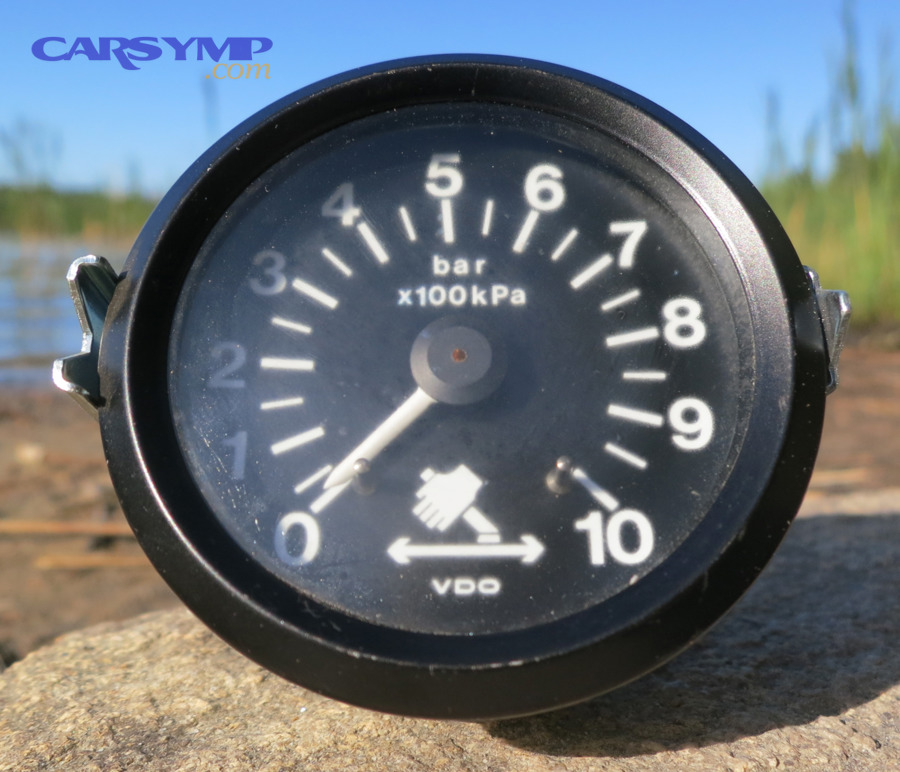
Step 5: Measure real oil pressure with a mechanical gauge
If you do only one “hard proof” step, do this.
General process (varies by engine):
- Remove the oil pressure sender.
- Install a mechanical gauge fitting.
- Start briefly and note readings at idle and at 2,000 RPM.
How to interpret:
- Low at idle, rises with RPM: often oil thinning + clearance wear.
- Low at all RPM: supply restriction, pump/relief issue, severe wear.
- Erratic/fluctuating: aeration, pickup leak, intermittent starvation.
If you can’t safely do this, a shop can usually test quickly. The reading tells you whether you’re dealing with a sensor problem or true low pressure.
According to a study by the University of Campinas from the School of Mechanical Engineering, in 2021, oil-starvation conditions could be identified with an average relative error of about 1.82% (max ~5.06%) using vibration-based estimation—showing that reduced oil supply measurably changes bearing behavior and can be detected early.
Step 6: Decide whether you’re dealing with “temporary starvation” or “permanent clearance”
Use this practical split:
- Temporary starvation signs:
- knock appears during turns/braking/hills
- oil level was very low
- pressure fluctuates
- noise improves after correcting oil level (but monitor closely)
- Permanent clearance/wear signs:
- knock is steady and deep
- worse hot and under load
- pressure low especially at hot idle
- metallic debris in oil/filter (glitter)
If you suspect permanent wear, stop running the engine until you decide on repair, because every minute can enlarge damage.
What fixes match each diagnosis, and when is the engine already at risk of failure?
Fixes depend on where oil pressure is being lost: restore oil quantity/viscosity for simple starvation, correct flow restrictions and filter issues for supply problems, repair pump/relief faults for pressure-generation issues, and address bearing clearance with bottom-end repair or replacement—because once the knock is from bearings, additives rarely “fix” it.
In addition, knowing the “point of no return” prevents you from spending money on the wrong step.
Fix-by-diagnosis guide (what actually works)
1) Oil level low, no debris, knock mild and improves after topping up
- Fix: correct oil level; find leak or consumption cause; verify proper viscosity.
- Next action: monitor pressure and sound over the next few drives (short, gentle).
- Risk level: moderate—damage may have started, but improvement is a good sign.
2) Wrong oil viscosity / oil overheated / fuel dilution suspected
- Fix: change oil to correct viscosity and quality; investigate fuel dilution causes (misfire, leaking injector, excessive idling).
- Note: if knock is severe, don’t “flush” aggressively—dislodged sludge can worsen pickup restriction.
3) Oil pressure low across RPM; sludge history; pressure doesn’t recover with correct oil
- Fix: inspect oil pickup screen and sump for sludge/debris; repair pickup tube seals if leaking air.
- This is where many engines fail: the pump can’t pull enough oil, so the bearings starve.
AA1Car’s low-oil-pressure troubleshooting guidance emphasizes checking the pickup screen and then measuring bearing clearances when the screen isn’t the issue, which aligns with this escalation path.
4) Oil pressure low mostly at hot idle; knock worse hot; load makes it louder
- Likely: excessive bearing clearance (wear).
- Fix: bottom-end rebuild (bearings, crank inspection) or engine replacement.
- Reality check: thicker oil may mask symptoms briefly but doesn’t restore bearing material.
5) Pressure low at all RPM; knock present; no obvious sludge; high mileage
- Likely: worn pump, stuck relief valve, or severe internal leakage.
- Fix: verify with gauge; then consider oil pump/relief service only after confirming pickup integrity and not ignoring bearing wear signs.
AAA notes that low oil pressure can come from incorrect viscosity and mechanical issues that reduce pressure, and that it can cause engine damage if ignored—use that as your “don’t gamble” reminder.
When the engine is already at high risk (don’t keep testing)
Treat these as “stop” signals:
- Oil pressure light stays on after correcting oil level
- Knock is steady and deep (especially if louder under load)
- Metallic shimmer/glitter in oil
- Oil filter contains metal flakes
- Pressure is extremely low on a mechanical gauge
At that point, continued running can progress from bearing damage to:
- spun bearing,
- crank journal scoring,
- connecting rod failure,
- or complete seizure.
What not to rely on (common traps)
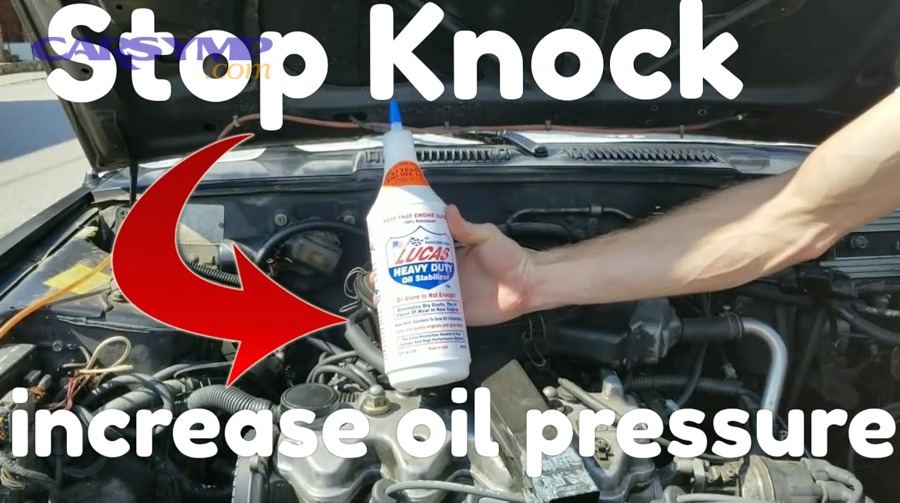
- Additives as a “fix”: may thicken oil and slightly raise pressure, but doesn’t rebuild bearing surfaces.
- Revving to “build pressure”: raises load and heat, often accelerating damage.
- Guessing based on sound alone: confirm with pressure measurement if possible.
What less-common factors can cause low oil pressure knock—or mimic rod knock—even when the oil level looks fine?
A clear contextual border: by now you can diagnose the typical “low oil level → low pressure → knock” path; next are less-common (but real) factors that can imitate rod knock or trigger low oil pressure even when the dipstick looks normal.
Less-common causes include pickup tube seal leaks (aeration without low level), stuck oil pressure relief valves, oil filter housing or gasket bypass issues, excessive crankcase windage/foaming at high RPM, balance shaft or accessory knock masquerading as bottom-end noise, and sensor/gauge errors—so you need targeted checks before assuming the crank bearings are gone.
Especially with modern engines and tight packaging, a “bottom” sound can come from places you don’t expect.
Pickup tube O-ring leaks (air ingestion without low oil)
Some engines can suck air through a hardened pickup tube seal:
- Oil level looks normal,
- Pressure is erratic,
- Noise appears under certain loads/RPM.
Clue: pressure fluctuates more than expected, and the knock can come and go.
Stuck relief valve or oil filter housing problems
A relief valve stuck open can dump pressure back to the sump. Some engines also have filter housing assemblies that crack or stick in bypass modes, changing effective pressure and flow.
Clue: pressure stays low regardless of RPM changes, or behaves “backward” compared to normal.
Knock-like noises that aren’t bearing knock
If oil pressure checks out, consider:
- Accessory pulley or tensioner knock (can sound like a thud)
- Loose heat shield (rattle under load)
- Flexplate/flywheel cracks (rhythmic knock, often tied to load/gear)
- Engine mount contact (thump during torque transitions)
A helpful approach: listen with a mechanic’s stethoscope (or a long screwdriver) at the valve cover, block, and oil pan—bearing knock is usually strongest low on the block.
One video that helps visualize pressure testing
Use it to reinforce the “verify with a gauge” mindset—because the fastest way to avoid a wrong teardown is to confirm whether pressure is truly low.