


A P0420 (“catalyst efficiency below threshold”) does not automatically mean your catalytic converter is dead; it means the ECU thinks the converter is no longer smoothing the exhaust the way it should, based largely on upstream vs downstream oxygen-sensor behavior. (identifix.com)
Most “O2 sensor vs converter” confusion comes from skipping the process: checking for exhaust leaks, fuel-trim problems, and sensor response before condemning the cat. (identifix.com)
This guide shows how to separate a lazy/biased O2 sensor signal from a truly weak catalyst using scan-tool patterns, quick tests, and confirmatory checks that reduce unnecessary parts swapping (and reduce the odds of failing inspection again). (identifix.com)
Introduce a new idea: once you can classify the fault pattern, you can estimate repair priority and plan a legal retest strategy without wasting money on the wrong part. (identifix.com)
What does the P0420 code mean in the “O2 sensor issues vs converter” debate?
P0420 means the ECU believes the catalytic converter on Bank 1 is not storing and releasing oxygen effectively enough to keep the downstream O2 signal “steady,” compared with the upstream O2 signal. (carparts.com)
That’s the heart of the debate: the ECU is using O2-sensor feedback as a proxy measurement for catalyst oxygen-storage behavior, so the “failure” can be the converter or anything that makes the O2 signals lie (leaks, fueling issues, sensor bias/response delays). (pmc.ncbi.nlm.nih.gov)
Is P0420 always a bad catalytic converter?
No—P0420 is not always a bad catalytic converter, because the code is triggered by observed sensor patterns, and sensor patterns can be distorted by exhaust leaks, abnormal fuel trims, misfires, or a slow/biased downstream sensor. (identifix.com)
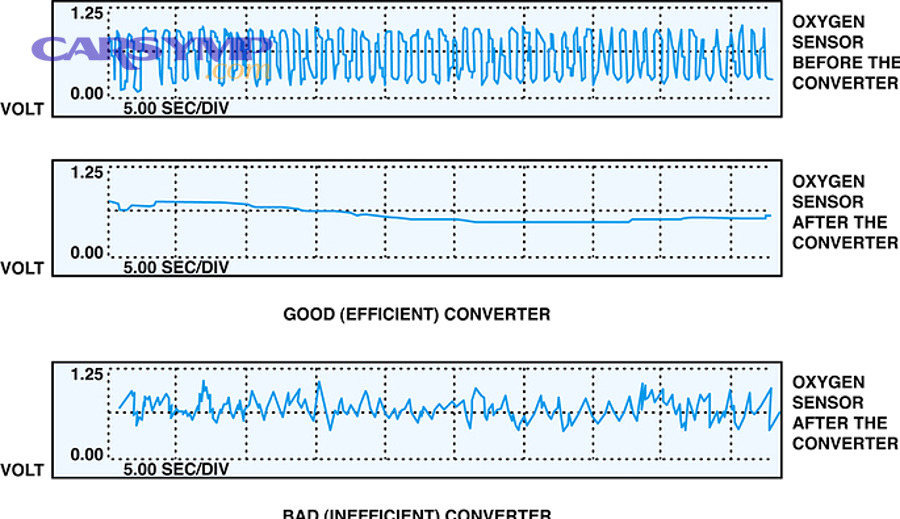
To connect the dots: the converter’s job is to “buffer” oxygen and reduce pollutants. A healthy converter typically makes the downstream signal much less “switchy” than upstream. When the downstream starts mimicking the upstream too closely, the ECU flags efficiency. (pmc.ncbi.nlm.nih.gov)
Which oxygen sensors matter most for catalyst efficiency monitoring?
Catalyst efficiency monitoring is mainly a comparison between the upstream sensor (Sensor 1, before the cat) and the downstream sensor (Sensor 2, after the cat). (identifix.com)
However, what “matters most” depends on what’s wrong:
- Upstream sensor affects fueling (closed-loop control), so upstream problems can create rich/lean conditions that damage or overload the converter.
- Downstream sensor is the “judge” of the converter, so downstream issues can create a false conviction. (identifix.com)
Can the downstream O2 sensor cause a false P0420?
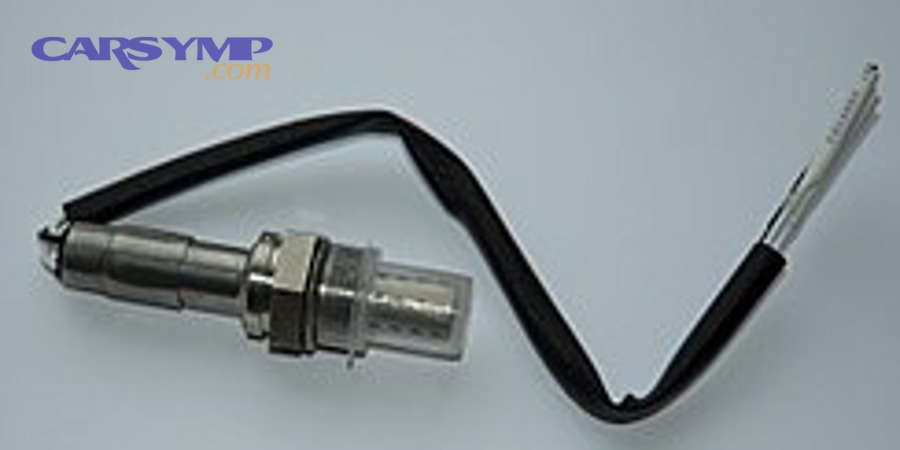
Yes—if the downstream O2 sensor is biased, contaminated, wired poorly, or slow in a way that makes it appear to mirror upstream switching, it can falsely suggest low catalyst efficiency. (identifix.com)
That said, many downstream sensor failures create different codes (heater circuit codes, sensor circuit codes). P0420-only cases still need a disciplined diagnostic path to avoid guessing. (identifix.com)
What are the key symptoms that distinguish O2 sensor issues from converter failure?
Converter failure tends to show “system-level” symptoms (odor, heat, performance restrictions) while O2 sensor issues more often show “signal-level” symptoms (odd live data, inconsistent trims, slow response) without consistent physical signs. (identifix.com)
In other words: the symptom set helps you decide whether to focus on hardware flow/chemistry (cat) or measurement/control (sensor). (identifix.com)
What does the upstream vs downstream O2 sensor waveform look like when the cat is healthy?
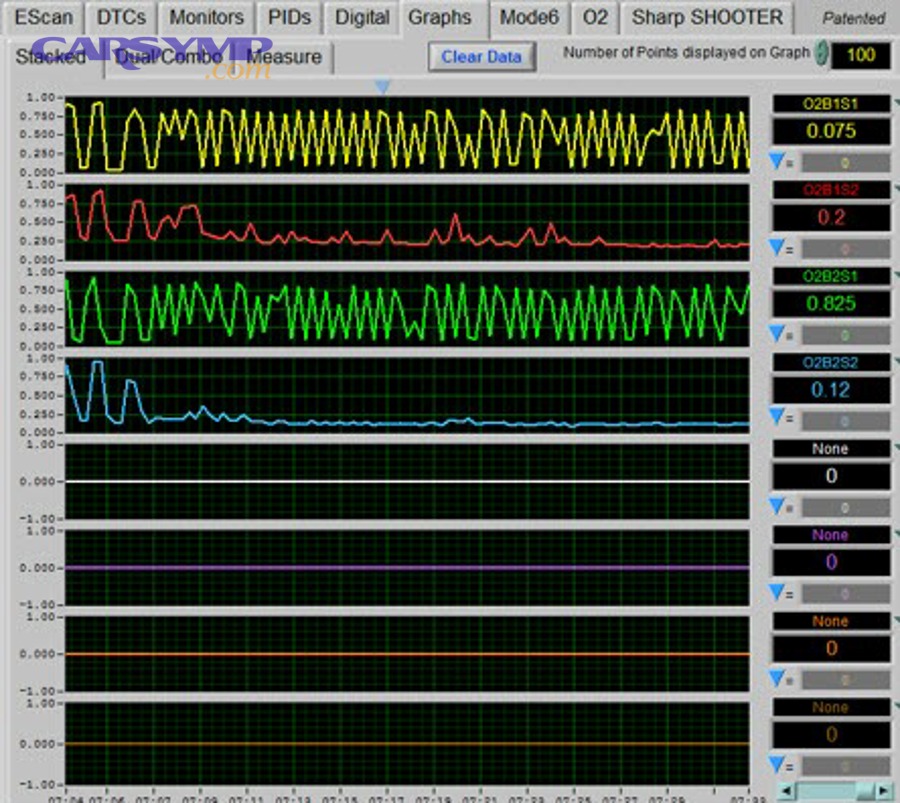
With a healthy catalyst, the upstream O2 switches rapidly as the ECU trims fuel, while the downstream O2 is slower and flatter because the converter buffers oxygen changes. (pmc.ncbi.nlm.nih.gov)
Hooking into the practical takeaway: if downstream looks like a “smoothed-out” version of upstream, the catalyst is doing its job. If downstream starts tracking upstream closely during steady cruise, the cat is suspect. (identifix.com)
What symptoms point more strongly to a failing catalytic converter?
A failing catalytic converter is more likely if you see repeated P0420 after fixing leaks/misfires, plus signs like sulfur/rotten-egg odor, heat damage, rattling substrate, or power loss from restriction. (carparts.com)
Important nuance: you can have a chemically “weak” converter that triggers P0420 without a major restriction. Restriction symptoms (loss of power at higher RPM, excessive backpressure) usually show up when the substrate is melting or collapsing. (identifix.com)
What symptoms point more strongly to an O2 sensor or circuit problem?
An O2 sensor problem is more likely when live data shows a sensor stuck high/low, unusually slow response to rich/lean changes, heater-related codes, wiring damage, or fuel trims that don’t match engine behavior. (identifix.com)
A common real-world clue: the car may drive “mostly fine,” but the downstream readings look unrealistic (flatline, noisy spikes, or delayed reaction). That’s when you shift attention to sensor health and wiring integrity. (pmc.ncbi.nlm.nih.gov)
How can you diagnose O2 sensor issues vs converter diagnosis using scan data first?
The fastest diagnosis method is a scan-data workflow in 5 steps—check codes/freeze frame, verify fuel trims, graph upstream vs downstream at steady cruise, induce rich/lean to test sensor response, then confirm with leak/temperature/backpressure checks. (identifix.com)
Because the code is data-driven, you start with data: this reduces guesswork, lowers the Emissions repair cost estimate, and helps you avoid the classic “parts cannon” approach. (identifix.com)
What live-data PIDs are most useful for this diagnosis?
The most useful live-data PIDs are upstream O2 (or equivalence ratio on wideband systems), downstream O2, STFT/LTFT (fuel trims), coolant temperature, RPM/load, and misfire counters if available. (identifix.com)
To make this actionable:
- Fuel trims tell you whether the engine is being forced rich/lean (which can trigger P0420 or kill a cat early).
- O2 graphs tell you whether the downstream is “mirroring” upstream (cat suspect) or is simply unreliable (sensor/circuit suspect). (identifix.com)
How do you run a quick rich/lean response test to separate sensor vs cat?
A quick rich/lean test works by creating a controlled mixture change and watching whether upstream responds quickly and downstream changes more slowly; if a sensor doesn’t respond appropriately, it’s suspect, while a downstream that mirrors upstream points toward a weak catalyst. (identifix.com)
Practically, technicians may create a momentary lean condition (brief vacuum leak) or rich condition (adding fuel vapor) and watch:
- Upstream: should react promptly.
- Downstream: should react, but usually delayed and damped if the converter is healthy. (identifix.com)
What is “Mode $06” and how can it help confirm catalyst efficiency?
Mode $06 is an OBD test-results view that can show monitor test values (including catalyst-related tests on many vehicles), helping you see whether the system is barely passing, failing, or inconsistent across drive cycles. (identifix.com)
This matters because some vehicles are hypersensitive: a “marginal” converter might pass sometimes and fail when conditions shift (cold weather, short trips, fuel quality). Mode $06 can show whether you’re chasing a near-threshold condition. (identifix.com)
Video walkthrough of using O2 live data for P0420
What common causes trigger P0420 besides the converter itself?
There are 6 common non-converter causes of P0420: exhaust leaks, misfires, rich/lean fueling problems, oil/coolant contamination, O2 sensor heater/circuit issues, and software/monitor sensitivity—each can make the ECU “see” low efficiency even when the cat isn’t the root cause. (identifix.com)
This is where most emissions test failure fix efforts succeed: you stop treating P0420 as a single-part problem and instead treat it like a system diagnosis. (identifix.com)
How do exhaust leaks create a “false low efficiency” reading?
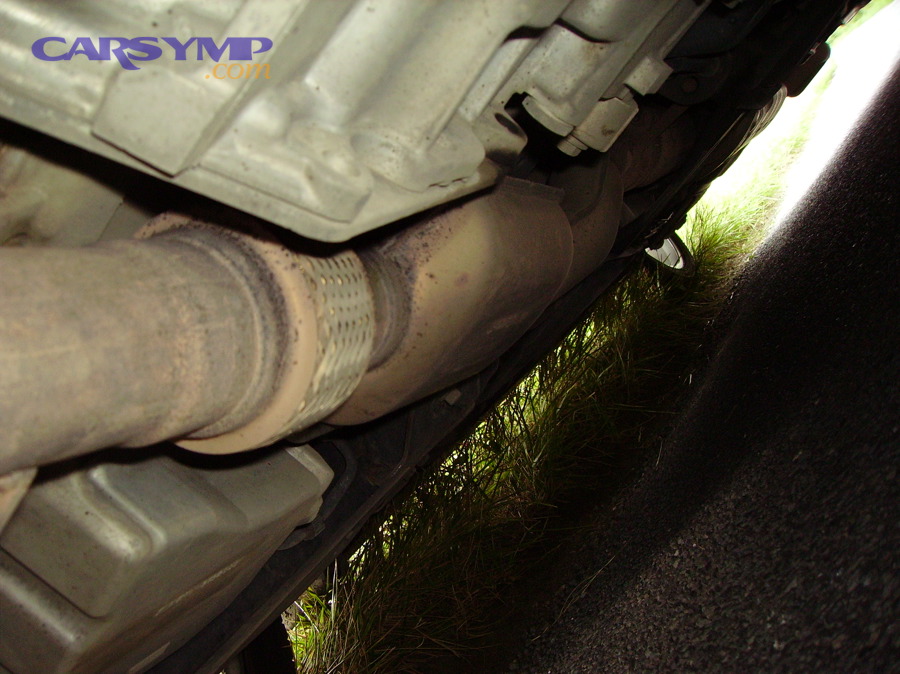
Exhaust leaks upstream of (or near) the downstream sensor can pull in outside oxygen and skew the downstream reading lean, making the sensor pattern look like the catalyst isn’t storing oxygen. (identifix.com)
Even small leaks at flanges, flex joints, or manifold cracks can be enough—especially at idle and decel when exhaust pulses can draw in air. Fixing leaks first is one of the highest-ROI steps in diagnosis. (identifix.com)
How do misfires and rich fueling damage or overload the cat?
Misfires and rich fueling send unburned fuel into the converter, which can overheat and contaminate the catalyst substrate, reducing efficiency and shortening converter life. (identifix.com)
This is why “Common reasons emissions tests fail” often cluster together: a misfire code, fuel trim code, and P0420 can be a chain reaction rather than separate issues. (identifix.com)
Can oil burning or coolant leaks trigger P0420?
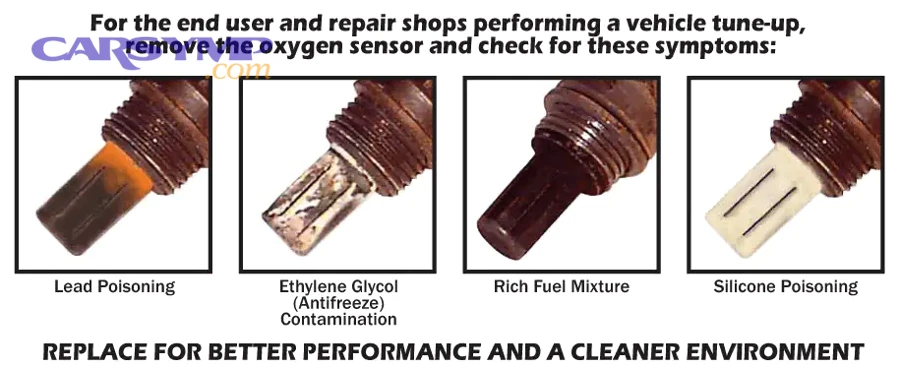
Yes—oil consumption and coolant intrusion can coat catalyst surfaces and foul O2 sensors, reducing conversion efficiency and corrupting readings over time. (identifix.com)
If you’re topping off oil frequently or see coolant loss with no external leak, treat P0420 as a symptom and investigate the underlying engine condition, or the code may return even after parts replacement. (identifix.com)
When do calibration/software or driving patterns matter?
Software sensitivity and driving patterns matter when the catalyst is marginal: short trips and low exhaust temps can prevent full catalyst “light-off,” leading to repeated monitor failures even if the converter isn’t physically broken. (identifix.com)
This becomes important when planning How to prepare for a retest legally: if monitors won’t set due to drive pattern, you need a correct drive cycle and a fully warmed catalyst—not hacks or tampering. (identifix.com)
How do you decide whether to replace an O2 sensor, the converter, or both?
Replace the O2 sensor first only when testing shows the sensor is biased/slow or has circuit faults; replace the converter when downstream mirrors upstream after leaks/fueling issues are fixed; replace both only when the converter is confirmed weak and sensor response/circuits are questionable. (identifix.com)
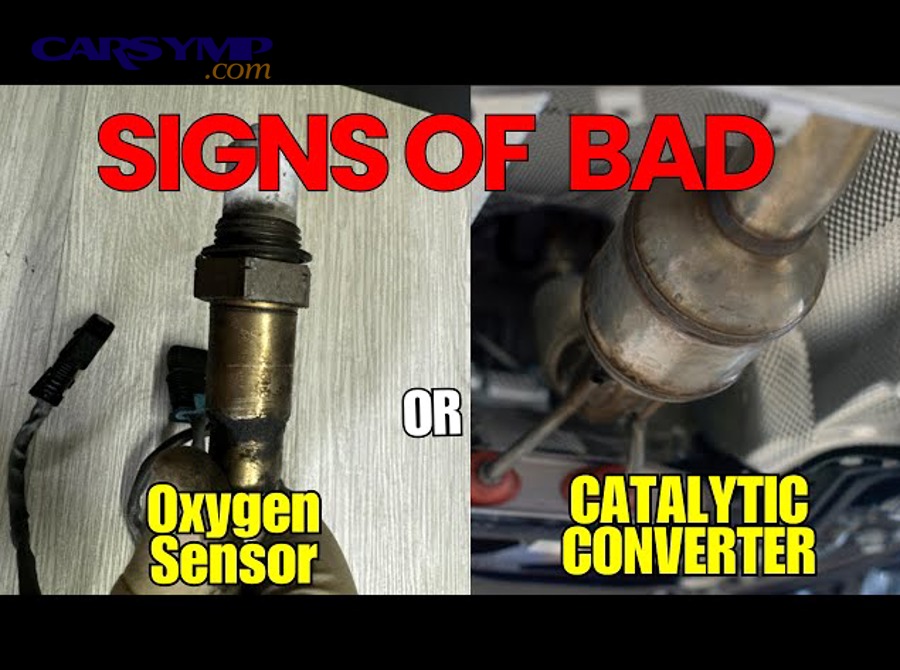
To make that decision repeatable, you want a criteria-driven approach—not a guess based on mileage alone. (identifix.com)
Here’s a quick table to clarify what each evidence pattern usually means (and what you do next).
| Evidence pattern (what you see) | What it suggests | Best next step |
|---|---|---|
| Downstream O2 flatlines or reacts very slowly to induced rich/lean | Downstream sensor/circuit issue likely | Pinpoint wiring/heater, replace sensor if confirmed (identifix.com) |
| Fuel trims high positive (lean correction) + downstream looks odd | Intake/exhaust leak, MAF issue, fueling problem | Fix root cause, then re-check cat monitor (identifix.com) |
| Downstream O2 mirrors upstream during steady cruise after leaks fixed | Weak catalyst oxygen storage | Confirm with temp/backpressure/Mode $06, then replace cat (identifix.com) |
| Rattling cat, sulfur odor, heat discoloration + repeated P0420 | Physical converter deterioration | Replace cat; investigate why it failed (misfire/rich/oil) (carparts.com) |
What’s a reasonable emissions repair cost estimate for each path?
A reasonable repair estimate ranges from “low” for leak/sensor work to “high” for converter replacement, and the only reliable way to control cost is to confirm the fault pattern before buying parts. (identifix.com)
Cost isn’t just the part price:
- A converter can fail again quickly if misfires/oil burning remain.
- A sensor replacement can be wasted if the converter is truly weak.
So the “best estimate” is diagnostic-first. (identifix.com)
What should you fix before replacing a catalytic converter?
Before replacing a catalytic converter, fix upstream causes—misfires, rich fueling, intake/exhaust leaks, oil/coolant contamination, and sensor circuit problems—because these are the most common reasons the replacement fails early or the code returns. (identifix.com)
This is the practical core of an emissions test failure fix: treat the converter as the “victim” until proven otherwise. (identifix.com)
How to prepare for a retest legally after repairs?
To prepare for a retest legally, complete the repair, clear codes only after documentation is recorded, then drive enough to set readiness monitors using a proper warm-up and mixed driving; do not use spacers/defeat devices or tamper with sensor signals. (identifix.com)
A clean, legal retest checklist:
- Verify no pending codes.
- Ensure coolant temp reaches normal operating range.
- Confirm catalyst and O2 monitors have run (readiness).
- Re-check for exhaust leaks and stable trims before going to the station. (identifix.com)
What advanced tests confirm converter efficiency when O2 data is ambiguous?
When O2 data is ambiguous, the best confirmatory approach is to use 4 checks—temperature rise across the converter, backpressure/flow restriction testing, smoke testing for leaks, and catalyst-focused monitor results (Mode $06 where supported). (identifix.com)
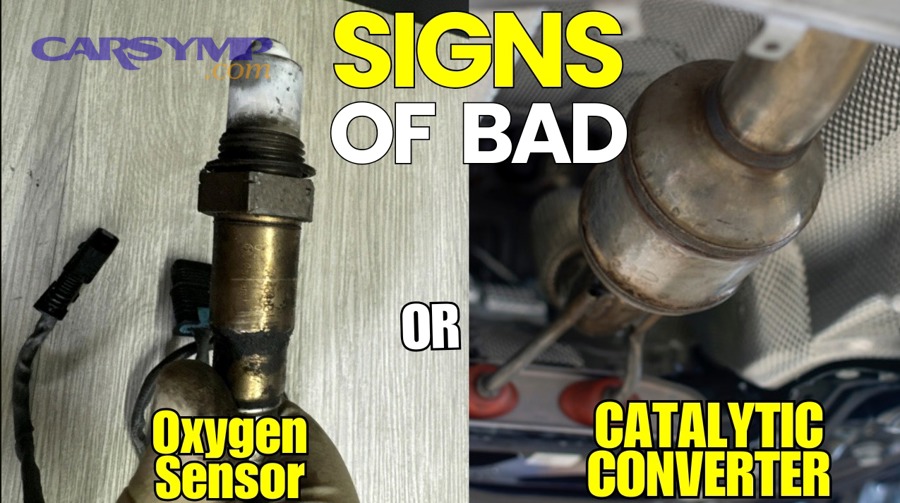
This matters when the converter is borderline, or when driving pattern and sensor aging make the graphs hard to interpret. (identifix.com)
How does temperature testing support (or refute) a bad cat diagnosis?
Temperature testing supports a bad-cat diagnosis when the converter fails to show an expected outlet temperature increase under proper operating conditions, suggesting poor conversion activity or severe degradation. (identifix.com)
To avoid false conclusions:
- Measure only after full warm-up.
- Compare inlet vs outlet under similar RPM/load.
- Don’t confuse “restriction heat” with “conversion heat”—restriction can also create abnormal temps. (identifix.com)
How does backpressure testing identify a restricted converter?
Backpressure testing identifies restriction when exhaust pressure rises abnormally with RPM/load, indicating a partially melted or collapsed substrate that can cause power loss and secondary sensor anomalies. (identifix.com)
This is especially relevant if the car feels fine at idle but struggles under acceleration or higher speeds—classic restriction behavior. (carparts.com)
Evidence
According to a study by Harvard University from the Department of Chemistry, in 2020, catalytic-converter-style catalysts can remove up to ~98% of pollutants from exhaust streams, illustrating why even moderate catalyst degradation can measurably affect emissions and trigger efficiency monitoring. (chemistry.harvard.edu)
According to a study by Loughborough University from the School of Mechanical, Electrical and Manufacturing Engineering, in real-world driving experiments on a passenger car, three-way catalyst performance changes measurably across operating conditions—supporting the need to confirm P0420 with testing rather than assuming a single fixed failure mode. (repository.lboro.ac.uk)