


Replacing a muffler yourself can be a safe, money-smart project when you plan it like a small job—not a quick hack—because the right preparation protects you from unstable lifting, incorrect fitment, and new exhaust leaks that can make the car louder or unsafe.
Most first-timers succeed when they focus on the “before you turn a wrench” details: confirming fitment, gathering the right clamps and hangers, and building a simple safety setup that lets you work calmly under the vehicle. That preparation prevents the two classic DIY failures: buying the wrong part and rushing the install.
Cost also shapes the decision. A realistic budget isn’t only the part price—it includes clamps, gaskets, rusted hardware surprises, and the value of your time, so your DIY plan stays cheaper than a shop for the right scenario. (autozone.com)
Introduce a new idea: below is a step-by-step, intent-driven guide that helps you decide if DIY is right, buy the correct parts, install them safely, verify you have no leaks, and avoid the mistakes that cause rattles, drone, and repeat repairs.
Is DIY muffler replacement safe and realistic for a first-time car owner?
Yes—DIY muffler replacement is safe and realistic for a first-time car owner if you (1) support the vehicle correctly, (2) confirm correct fitment before buying, and (3) have a plan for rusted fasteners and worn hangers. Then, the job becomes controlled and predictable instead of risky and frustrating.
To reconnect to the core question, safety and realism depend less on “mechanical talent” and more on whether your situation matches a beginner-friendly install—so let’s start with the minimum standard you should meet before you crawl under the car.
Do you have the minimum safety setup to work under the car (yes/no checklist)?
Yes, you have the minimum safety setup only if your answer is “yes” to all of these items—otherwise, stop and upgrade your setup first. Here’s the checklist that protects you from the biggest DIY risk: a car shifting or falling.
- Yes: You have solid support
- Ramps rated for your vehicle weight or a floor jack plus jack stands rated for the vehicle.
- You understand the correct lift points for your car (owner’s manual or trusted service guide).
- Yes: You prevent rolling
- Wheel chocks on the wheels that stay on the ground.
- Parking brake engaged.
- Yes: You have a safe work surface
- Flat, stable ground (not soft gravel, not sloped pavement).
- Yes: You protect yourself from heat and debris
- Safety glasses, gloves, and ideally hearing protection if cutting is required.
- Exhaust fully cooled (exhaust parts can stay hot long after driving).
- Yes: You can exit quickly
- Clear escape path from under the vehicle.
- Good lighting so you don’t “guess” where your hands are going.
If any item is a “no,” the safest move is to fix that first—because muffler replacement involves pulling, twisting, and sometimes cutting rusty parts that can shift the car if it’s not supported properly. Practical DIY guides emphasize stable parking, wheel chocks, and proper support before removal work begins.
Should you stop DIY and go to a shop if bolts are seized or the pipe is rotted?
Yes, you should stop DIY if you see severe rot or if removal requires heavy cutting/welding you can’t do safely, because rust-related failures can spread beyond the muffler and turn a simple swap into pipe fabrication. The key is to spot “muffler-only” jobs versus “exhaust-system rehab” jobs.
Stop DIY (or switch to a professional plan) if you notice:
- The pipe near the muffler is flaking, paper-thin, or collapsing when squeezed with pliers.
- Flanges are crumbling or studs look like they’ll snap the moment you apply torque.
- Hangers are missing or welded to rusted metal that won’t support the new muffler.
- You need welding to join pipes and you don’t have a safe welding setup or experience.
- Exhaust leaks are forward of the muffler (near the engine or under the cabin), because the repair scope may be larger than the muffler itself.
If your car only has surface rust and the muffler is the clearly failed piece, DIY remains realistic. If rust has eaten the pipe or flange that the muffler must attach to, paying for a shop can actually be the cheaper and safer outcome—because they can fabricate or replace sections cleanly.
Evidence: According to a study by Virginia Tech from a transportation research repository, in 2025, researchers noted that older or poorly maintained vehicles can experience in-cabin pollution concerns linked to exhaust leaks, emphasizing why degraded exhaust components shouldn’t be ignored. (vtechworks.lib.vt.edu)
What is a muffler replacement and what parts are included?
A muffler replacement is the repair process of removing a worn or damaged exhaust silencer and installing a compatible replacement unit—typically along with clamps, gaskets, hangers, and hardware needed to restore sealing, alignment, and support.
To better understand what you’re buying and replacing, it helps to see where the muffler sits in the exhaust path and how it differs from nearby components that people often confuse with it.
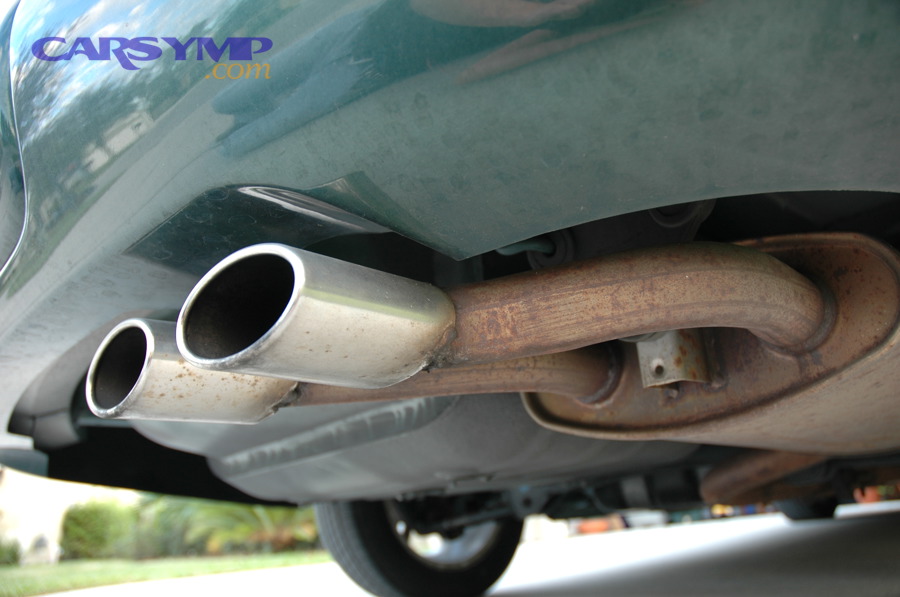
What’s the difference between a muffler, resonator, and catalytic converter?
The muffler reduces overall exhaust noise, the resonator tunes out specific frequencies (to reduce drone), and the catalytic converter reduces emissions—so replacing the muffler won’t fix emission faults, and replacing the catalytic converter won’t “quiet” a car like a muffler will.
Here’s a beginner-friendly way to remember it:
- Catalytic converter: emissions control device (chemical reaction)
- Often located closer to the engine.
- Failures commonly trigger a check-engine light.
- Resonator: sound “tuner”
- Targets harsh frequencies and booming.
- Can crack or rust and create a rasp or drone.
- Muffler: main silencer
- Reduces volume and changes tone.
- Failures often create a louder exhaust, rumbling, or metallic rattling.
This matters because a “loud exhaust” complaint can come from a rust hole in the muffler or a broken pipe or a failed resonator. If you replace the muffler but the leak is forward of it, your car can still be loud—so diagnosis and inspection are part of a good DIY plan.
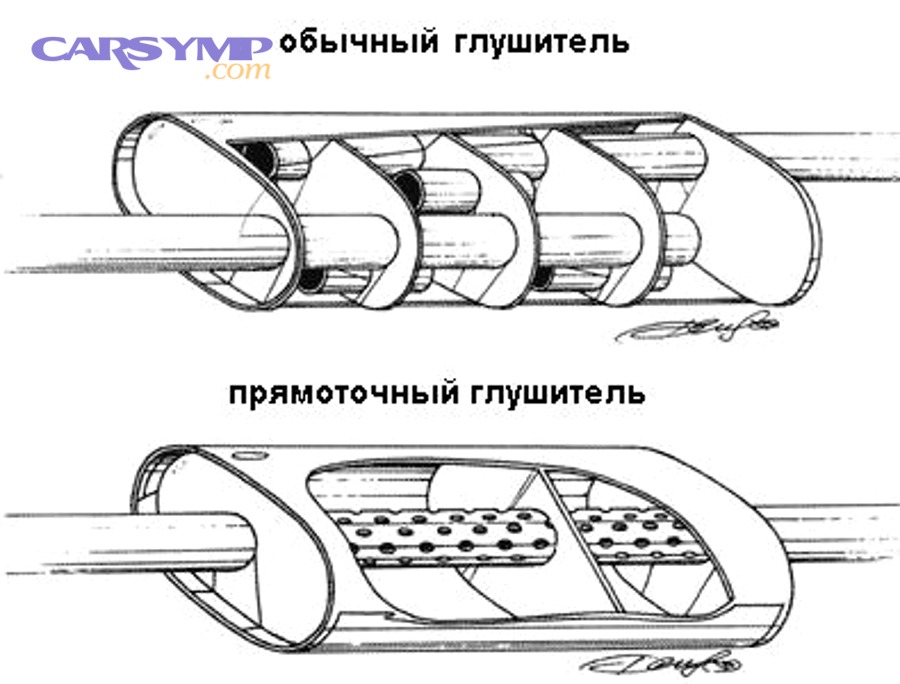
What does “direct-fit” vs “universal” muffler mean in practice?
Direct-fit mufflers are built to match your vehicle’s size, pipe routing, and hanger locations, while universal mufflers are generic units that require measuring, adapting, and often cutting or welding—so direct-fit is the better choice for most first-time DIYers.
In practice:
- Direct-fit (vehicle-specific)
- Usually lines up with factory hangers.
- Less cutting, fewer surprises, faster install.
- Better odds of correct tailpipe alignment and clearance.
- Universal
- Often requires you to match inlet/outlet diameter and length manually.
- May need adapters, extra pipe, cutting, or welding.
- Higher risk of leaks or rattles if alignment is off.
If your goal is a successful first DIY muffler replacement, pick the option that reduces variables. Universal can work—but it’s closer to “fabrication” than “replacement.”
What tools and materials do you need before you start?
There are two main tool-and-material groups for muffler replacement: (1) safety/support tools and (2) removal/installation tools, plus a small set of consumables—because exhaust work is defined by rust, tight clearances, and leak prevention.
To keep the job smooth, gather everything first so you aren’t stuck mid-install with the car on stands while you run to buy clamps you should have purchased upfront.
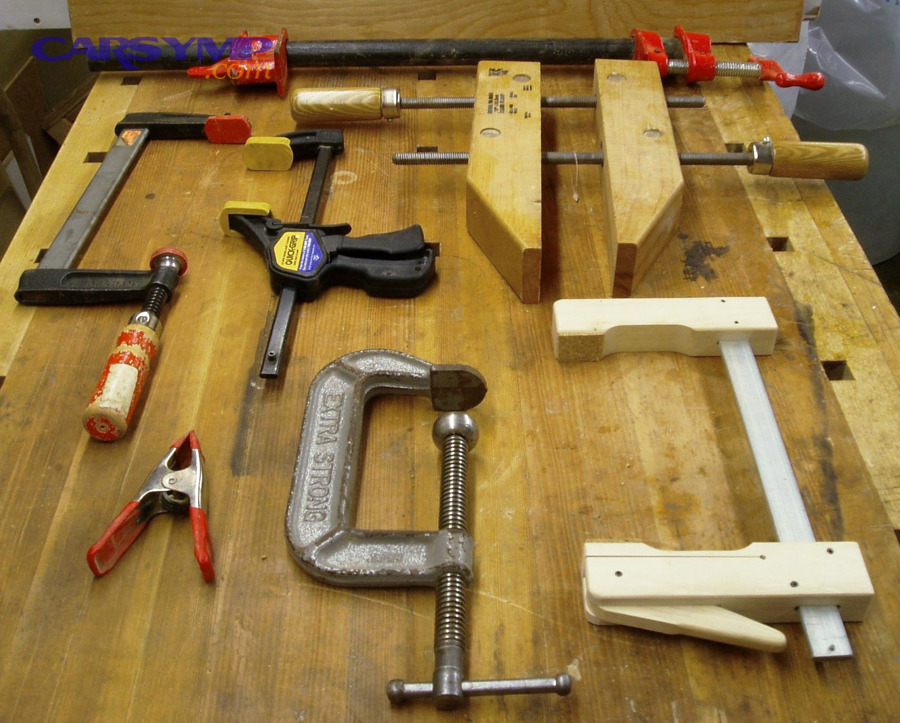
Which tools are required vs optional for muffler replacement?
Required tools are the ones that let you lift safely, remove rusted hardware, and tighten connections correctly, while optional tools speed up work or help when rust forces cutting.
Required (for most vehicles):
- Safety/support: ramps or jack + jack stands, wheel chocks, gloves, safety glasses
- Fastener tools: socket set, ratchet, extensions, breaker bar
- Penetrating oil: to loosen rusty clamp bolts and hangers
- Pry tool/hanger pliers (or similar): to remove rubber exhaust hangers
- Torque awareness: you don’t need a torque wrench for every setup, but you do need the discipline to tighten evenly and re-check after heat cycles
Optional (situation-dependent):
- Impact wrench: speeds clamp removal, but can also snap studs if abused
- Reciprocating saw or cut-off tool: helpful when old components won’t separate
- Propane/MAPP torch: useful for stubborn fasteners (only if you understand fire risk near fuel lines, plastic, and undercoating)
- Exhaust pipe expander or adapter: for mismatched diameters on universal setups
A first-timer’s best “optional” tool is patience: let penetrant soak, plan for rust, and don’t force bolts until you’ve tried the safer steps.
Which parts should you replace at the same time (gaskets, clamps, hangers)?
You should replace clamps, gaskets, and any weak hangers during muffler replacement because reusing tired hardware is one of the fastest ways to create leaks, rattles, or misalignment that makes the new muffler fail early.
Replace or strongly consider replacing:
- Clamps: old clamps can deform, crack, or no longer tighten evenly
- Gaskets (if your setup uses flanges): crushed gaskets rarely reseal well
- Rubber hangers/isolators: if they’re stretched, cracked, or oil-soaked
- Hardware (nuts/bolts): rusted fasteners can round off or snap during re-tightening
- Optional: exhaust sealant (only where appropriate): it’s not a substitute for correct fitment, but it can help in limited clamp-joint situations depending on design
If you treat clamps and hangers as part of the system—not accessories—you’ll get a quieter, longer-lasting result.
How do you confirm the correct muffler fitment before buying?
You confirm correct muffler fitment by matching (1) vehicle application data and (2) physical connection details—pipe diameter, inlet/outlet orientation, length, and hanger locations—because “close enough” is what creates leaks, drone, and returns.
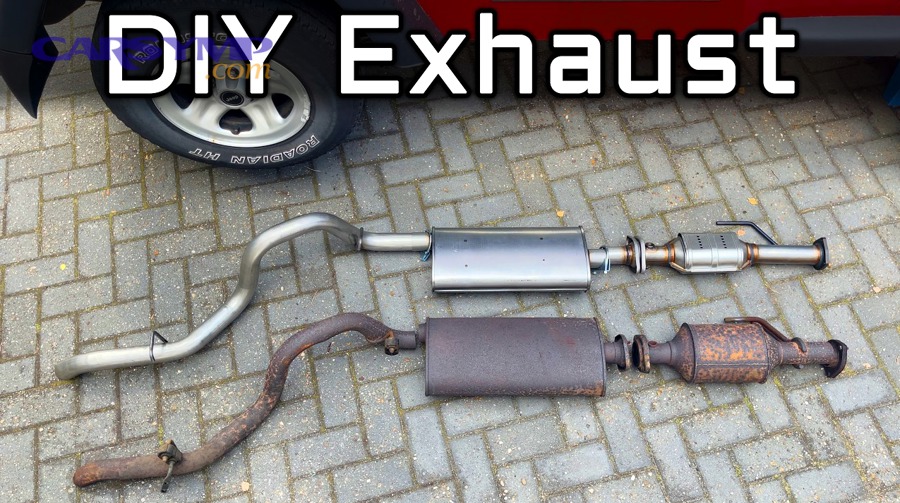
To guide your decision, think of fitment verification as a short process you do once, so you don’t repeat the job twice.
What measurements matter most (pipe diameter, inlet/outlet, length, hanger positions)?
The most important measurements are pipe diameter, inlet/outlet placement, overall length, and hanger positions because those four elements determine whether the muffler seals, clears the body, and sits without stress.
Use this quick measurement workflow:
- Identify your connection type
- Clamp-on slip joint (pipe slides into pipe)
- Flange connection (bolted)
- Welded joint (factory weld or prior repair weld)
- Measure pipe diameter
- Measure the outside diameter of the pipe that will slip into the muffler (or the muffler inlet if it slips over the pipe).
- Confirm inlet/outlet orientation
- Side-in/center-out, center-in/offset-out, etc.
- Confirm approximate body length
- Match the “can” length so it doesn’t hit heat shields or suspension parts.
- Map hanger locations
- Photograph the hangers and measure distance to the ends of the muffler section.
A first-time DIY win often comes down to good photos: take wide shots for routing and close-ups for joints and hanger geometry.
Should you choose OEM-style, aftermarket, or performance mufflers as a beginner?
OEM-style wins for fitment and low regret, aftermarket is best for budget flexibility, and performance mufflers are optimal for sound goals—so most beginners should start with OEM-style or direct-fit aftermarket unless they specifically want a louder tone.
Compare them like this:
- OEM-style (stock-like)
- Best chance of bolt-on alignment and factory sound level
- Great for commuters, families, and anyone who wants “quiet and done”
- Direct-fit aftermarket
- Often cheaper than OEM, still designed to fit
- Quality varies by materials and construction
- Performance muffler
- Chosen for sound and flow characteristics
- Higher risk of drone or “too loud” outcomes if you guess instead of plan
If you’re new, prioritize fit and sealing first. You can always change sound later—but you don’t want your “first repair” to become a multi-week leak-and-rattle chase.
How do you replace a muffler step-by-step without causing leaks or rattles?
The safest method is a simple 7-step muffler replacement process—prepare and support the vehicle, loosen/remove the old muffler, dry-fit the new one, align it, secure connections evenly, verify clearances, then leak-check—so the final result is quiet, sealed, and stable.
Then, to keep the install clean, treat alignment as part of sealing: a joint that’s sealed but misaligned can still rattle against the body or stress the hangers.
Here’s the step-by-step workflow:
- Prep
- Park on flat ground, chock wheels, let exhaust cool fully.
- Lift and support
- Use ramps or jack + jack stands; confirm stability with a gentle push.
- Pre-soak hardware
- Spray penetrating oil on clamp bolts, flange bolts, and hanger pegs; wait.
- Remove old muffler
- Loosen clamps or flange bolts; remove from hangers; cut only if necessary.
- Dry-fit
- Hold the new muffler in place without fully tightening—confirm length and hanger alignment.
- Align and secure
- Center the muffler for clearance; tighten clamps evenly; install new hangers.
- Leak-check and re-check
- Start engine briefly; check for leaks; re-check after a short drive and cooldown.
What is the safest removal method if bolts are rusted (and when is cutting required)?
The safest removal method is to use penetrating oil, controlled leverage, and incremental loosening, and you should cut only when fasteners or pipes are too corroded to separate without breaking surrounding parts.
Start with the “least aggressive” approach:
- Penetrant + time: spray and wait; repeat if needed.
- Correct socket fit: use a 6-point socket to reduce rounding.
- Controlled leverage: breaker bar with steady pressure (not jerky force).
- Heat (only if safe): heat can help, but avoid fuel lines, undercoating, and plastic.
- Cutting triggers:
- Clamp bolts are fused and will snap anyway.
- Pipe joint won’t separate even after loosening.
- Muffler body is so rusted it collapses when you try to remove it.
If cutting is required, protect surrounding components and plan your cut so the new muffler can still slip over a solid, round section of pipe. Cutting is not “failure”—it’s often the cleanest path on older vehicles, as long as you leave good pipe for the new joint.
How do you align the new muffler to avoid drone, vibration, or body contact?
You align the new muffler by keeping equal clearance around the muffler body, ensuring hangers sit neutral (not twisted), and confirming the tailpipe exits correctly—because a muffler that touches the body or sits under tension will vibrate and rattle.
Use these alignment checks:
- Clearance check: look around the muffler—heat shields, spare tire well, rear suspension, and bumper area.
- Hanger neutrality: rubber hangers should hold the muffler without stretching hard in one direction.
- Tailpipe position: it should be centered in the cutout (if applicable) and not aimed at the bumper.
- Clamp position: place clamps where the joint is fully seated and straight (not cocked).
A small alignment mistake can sound like a “bad muffler” even when the part is fine. If your car suddenly has an annoying buzz, contact usually causes it—and a small reposition can fix it.
How can you check for exhaust leaks immediately after installation?
You can check for exhaust leaks by listening for sharp ticking, looking for soot at joints, and doing a safe “soapy water” check on cold joints—because leaks appear first at connections, not in the muffler body.
Try this sequence:
- Listen at idle: leaks often sound like a fast tick or puff near the joint.
- Visual soot check: black soot near a clamp or flange suggests leakage.
- Soapy water test (cold system): spray soapy water on the joint; bubbling suggests a leak.
- Re-tighten evenly: tighten clamps a little at a time, alternating sides if applicable.
- Re-check after heat cycle: after a short drive, let the exhaust cool and re-check clamp tightness.
If you’re unsure, use the simplest rule: a sealed joint looks clean and stays clean; a leaking joint often develops soot.
Evidence: According to a DIY procedure guide from AutoZone, safe muffler replacement begins with securing the vehicle on a flat surface with wheel chocks and using proper support while working underneath.
How much does DIY muffler replacement cost compared to a shop?
DIY muffler replacement usually costs less when the job is truly “muffler-only,” while a shop is often worth it when rust spreads into pipes, flanges, or welding is required—so the best choice depends on scope, tools you already own, and risk of rework.
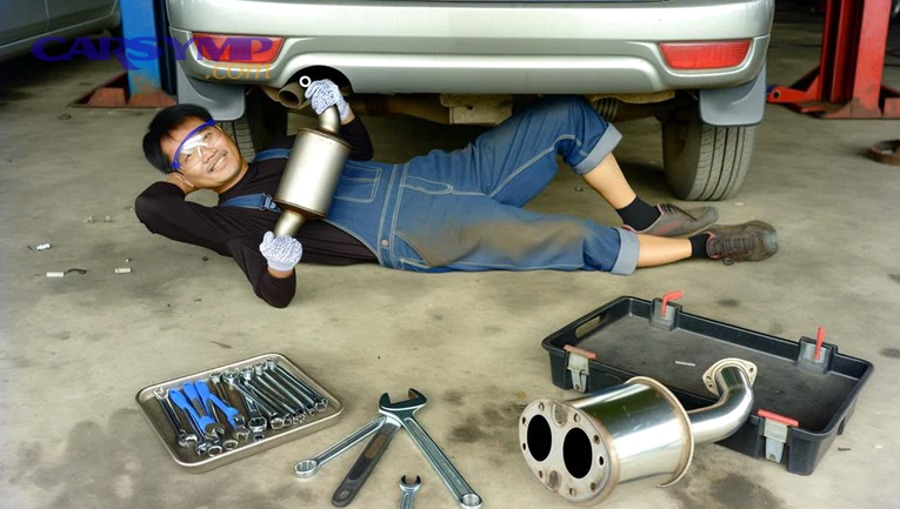
To connect cost back to your decision, think in terms of “total project cost,” not just the muffler price.
What cost components should you budget for (parts, clamps/hangers, tools, surprises)?
There are four main cost buckets: the muffler/parts, connection hardware, tools you must buy (if any), and rust-driven surprises—because exhaust jobs often reveal hidden damage once you remove the old part.
Below is a budgeting table that shows what you’re actually paying for. (This table contains common cost buckets so you can build a realistic Muffler replacement cost estimate before you start.)
| Cost bucket | What’s included | Why it matters |
|---|---|---|
| Muffler + related parts | Direct-fit muffler, sometimes pipe section | The main part cost varies by vehicle and material |
| Hardware | Clamps, gaskets, bolts/nuts, hangers/isolators | Old hardware often fails or won’t reseal |
| Tools you don’t own | Jack stands/ramps, cutter blades, specialty pliers | One-time purchases can erase DIY savings |
| Surprises | Rotted pipe section, broken studs, extra adapters | The biggest reason DIY budgets blow up |
A common mistake is budgeting “muffler only” and then realizing you need new hangers, clamps, and sometimes a short pipe section to connect everything without leaks.
Evidence: According to AutoZone guidance on muffler pricing, in many cases parts-and-labor totals for muffler replacement fall in the $175 to $450 range, showing why DIY savings mainly come from labor—if the repair stays simple. (autozone.com)
When is DIY actually more expensive than professional repair?
Yes—DIY becomes more expensive than professional repair when you must buy expensive tools, redo the job due to leaks/misfit, or pay later for welding and fabrication after damaging rusted components.
- You must buy major equipment you won’t use again (or can’t rent cheaply).
- Fitment is wrong and you pay return shipping, restocking, and lost time.
- Rust spreads and you end up needing a shop anyway for welding or pipe fabrication.
- You chase leaks with extra clamps/sealants and still need a pro to make it seal.
A shop can look expensive upfront, but a clean, sealed weld or correctly replaced pipe section can end the problem in one visit. DIY is best when you can confidently keep the scope narrow.
What are the most common DIY mistakes—and how do you avoid them?
There are five common DIY muffler replacement mistakes—wrong fitment, poor clamp strategy, bad alignment, ignoring hangers, and skipping leak checks—and avoiding them is mostly about slowing down and verifying each step before tightening everything.
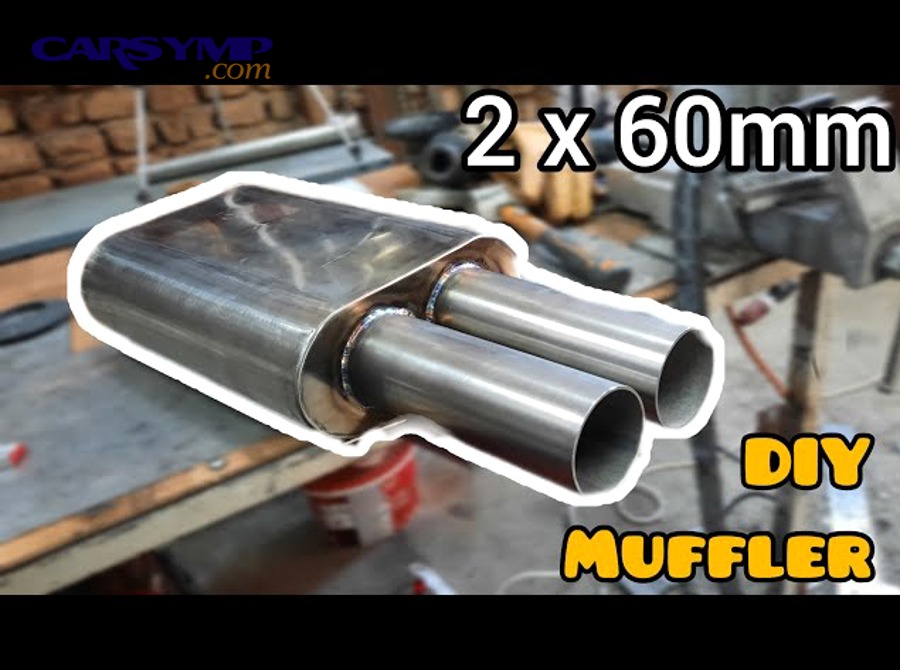
To keep this practical, use the “mistake → consequence → prevention” approach:
- Wrong fitment
- Consequence: leaks, tailpipe misalignment, return/refund hassle
- Prevention: confirm diameter, inlet/outlet orientation, hanger locations
- Clamp mismatch or poor clamp placement
- Consequence: persistent leaks and ticking noises
- Prevention: use the right clamp type and place it on a fully seated, straight joint
- Over-tightening / uneven tightening
- Consequence: crushed pipe, warped joints, leaks that “won’t go away”
- Prevention: tighten gradually and evenly; re-check after heat cycle
- Ignoring hanger health
- Consequence: rattles, stress cracks, premature failure
- Prevention: replace weak rubber isolators and missing support points
- Skipping leak checks
- Consequence: louder car, fumes risk, failed inspection (where applicable)
- Prevention: do a short idle check, visual soot check, and re-check later
Is “exhaust cement/sealant” a fix for bad fitment (yes/no)?
No—exhaust cement is not a fix for bad fitment because (1) it cannot correct wrong diameter or misalignment, (2) it often cracks under vibration and heat cycles, and (3) it can mask a problem until it becomes a larger leak or rattle.
However, sealant can be useful in narrow cases—like certain clamp-style joints where the parts fit correctly but you want added sealing help. The key is the order of logic:
- Fitment first (correct size and geometry)
- Alignment second (no contact, neutral hangers)
- Clamping third (even, correct clamp type)
- Sealant last (only if appropriate to the joint design)
If you are reaching for cement because the joint is sloppy or mis-sized, treat that as a signal to stop and correct the parts list.
Should you replace exhaust hangers and rubber isolators during the job (yes/no)?
Yes—you should replace worn exhaust hangers and rubber isolators during muffler replacement because (1) they control alignment, (2) they prevent metal-to-metal contact that causes rattles, and (3) they reduce stress that can crack joints and shorten muffler life.
- Cracks, splitting, or missing sections
- Excessive stretch (muffler droops or shifts easily)
- Oil saturation (rubber becomes soft and weak)
- Evidence of contact (shiny rubbed metal spots on the muffler or body)
Replacing these small parts is one of the best “low-cost, high-impact” moves for a quiet, stable exhaust.
You’ve now learned the full “plan → buy → install → verify” workflow for a safe DIY muffler replacement. The next section expands into advanced micro-topics that can influence compliance, sound, and long-term durability.
How do legality, sound goals, and corrosion prevention change your muffler choice?
Legality, sound goals, and corrosion prevention change muffler replacement decisions by pushing you toward the right sound level, the right construction materials, and the right installation discipline—because a muffler that’s “installed” isn’t always “acceptable,” “comfortable,” or “long-lasting.”
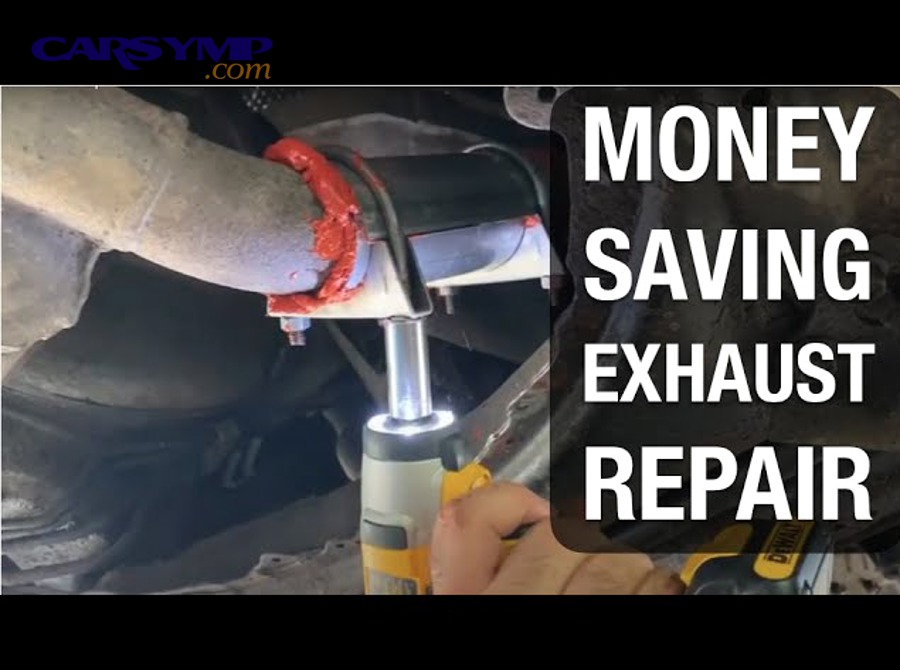
To connect this to real-world ownership, think in antonyms: legal vs illegal, quiet vs loud, rust-prone vs corrosion-resistant. Those contrasts help you choose confidently instead of guessing.
Will an aftermarket muffler be street-legal and pass inspection where you live (yes/no factors)?
Yes, an aftermarket muffler can be street-legal and pass inspection if (1) it doesn’t violate local noise rules, (2) it doesn’t remove emissions equipment, and (3) the exhaust is sealed with no leaks—but legality depends on your specific state and local regulations.
- Noise level: Some areas enforce “excessive noise” rules or equipment requirements.
- Emissions equipment: A muffler swap should not remove catalytic converters or required sensors.
- No leaks: Leaks can create fumes concerns and may be considered a defect.
Even if you can’t easily measure cabin CO, exhaust leaks are a real reason to take sealing seriously. The EPA’s carbon monoxide standards for outdoor air quality include a 1-hour standard of 35 ppm and an 8-hour standard of 9 ppm, underscoring why CO exposure is treated seriously in public-health terms. (epa.gov)
How do you choose between “quiet/stock-like” vs “loud/performance” mufflers without regret?
Quiet/stock-like wins for daily comfort, loud/performance is best for enthusiasts who actively want more sound, and a “mild performance” option is optimal for drivers who want a deeper tone without constant drone—so your best choice depends on commute time, passengers, and tolerance for cabin noise.
- Choose quiet/stock-like if you:
- commute daily, take phone calls in the car, or drive family/passengers often
- dislike vibration or low-frequency booming on the highway
- Choose loud/performance if you:
- prioritize sound as part of the driving experience
- accept the risk of drone and attention
- Choose mild performance if you:
- want a slightly deeper tone without making the car “obvious” everywhere
Also remember: drone often comes from the system (resonator choice, pipe diameter, leaks, alignment), not only the muffler brand. A perfectly good muffler can sound bad if it’s misaligned or leaking.
Which lasts longer: stainless, aluminized, or mild steel mufflers—and why?
Stainless steel lasts longest, aluminized steel is the best value for many climates, and mild steel is optimal only for the lowest upfront price—because corrosion resistance is primarily determined by material and coating, especially in wet or salted-road environments.
- Stainless steel
- Highest corrosion resistance
- Best for rust-belt climates or long ownership
- Aluminized steel
- Good protection at a lower cost
- Common “sweet spot” for many daily drivers
- Mild steel
- Cheapest upfront
- More likely to rust early in harsh conditions
If you plan to keep the car several years, it can be cheaper long-term to pay more once for a higher-resistance material than to replace mild steel repeatedly.
What are the best practices for preventing exhaust rust and corrosion after installation?
There are four best practices for Preventing exhaust rust and corrosion: keeping joints sealed, using quality hardware and anti-seize where appropriate, maintaining proper hanger support, and reducing underbody salt exposure—because corrosion accelerates when moisture and salt stay trapped at stressed joints.
Here’s a practical checklist for Preventing exhaust rust and corrosion after you finish the install:
- Seal and re-check connections
- Leaks can deposit soot and moisture patterns that accelerate joint deterioration.
- Use durable clamps and hardware
- Cheap hardware rusts early and becomes a future removal nightmare.
- Apply anti-seize appropriately
- On fasteners where it’s suitable, anti-seize can make future service possible without snapped bolts.
- Protect alignment with good hangers
- Stress and vibration make cracks and corrosion worse over time.
- Wash the undercarriage in winter
- Especially after salted roads; salt is a corrosion amplifier.
- Inspect annually
- A quick look for surface rust and loose hangers can prevent a total failure later.
Evidence: According to a study by researchers published in Environment International in 2024, measured in-cabin carbon monoxide levels in real-world driving contexts can reach high levels in some cases, reinforcing that sealing exhaust components and addressing leaks is a safety issue—not only a noise issue. (sciencedirect.com)