


If you’re deciding between welding and clamping an exhaust joint, the right answer depends on what you want most: a long-lasting seal, a fast budget fix, or a connection you can easily take apart later. The best method is the one that matches your pipe condition, tools, and how “permanent” you really need the repair to be.
Next, it helps to understand what each method actually does at the joint—because “welded” and “clamped” aren’t just different tools, they’re different ways of creating a seal and resisting vibration over thousands of heat cycles.
Then, you’ll want to compare real-world tradeoffs that matter to DIY owners: cost, leak prevention, durability, ease of installation, and what happens the next time you need to remove parts for service or upgrades.
Introduce a new idea: once you’ve got a clear decision framework, the rest of the article shows how to pick the right clamp style, prep the joint correctly, and avoid common mistakes that cause rattles, leaks, and repeat repairs.
What does “weld vs clamp” mean for an exhaust repair joint?
“Weld vs clamp” means you’re choosing between fusing metal into one sealed piece (welding) or compressing two pieces together to seal and hold them (clamping), and each option changes leak risk, durability, and future serviceability.
To better understand what you’re really choosing, you need to look at how each method creates a seal and how it behaves after heat and vibration.
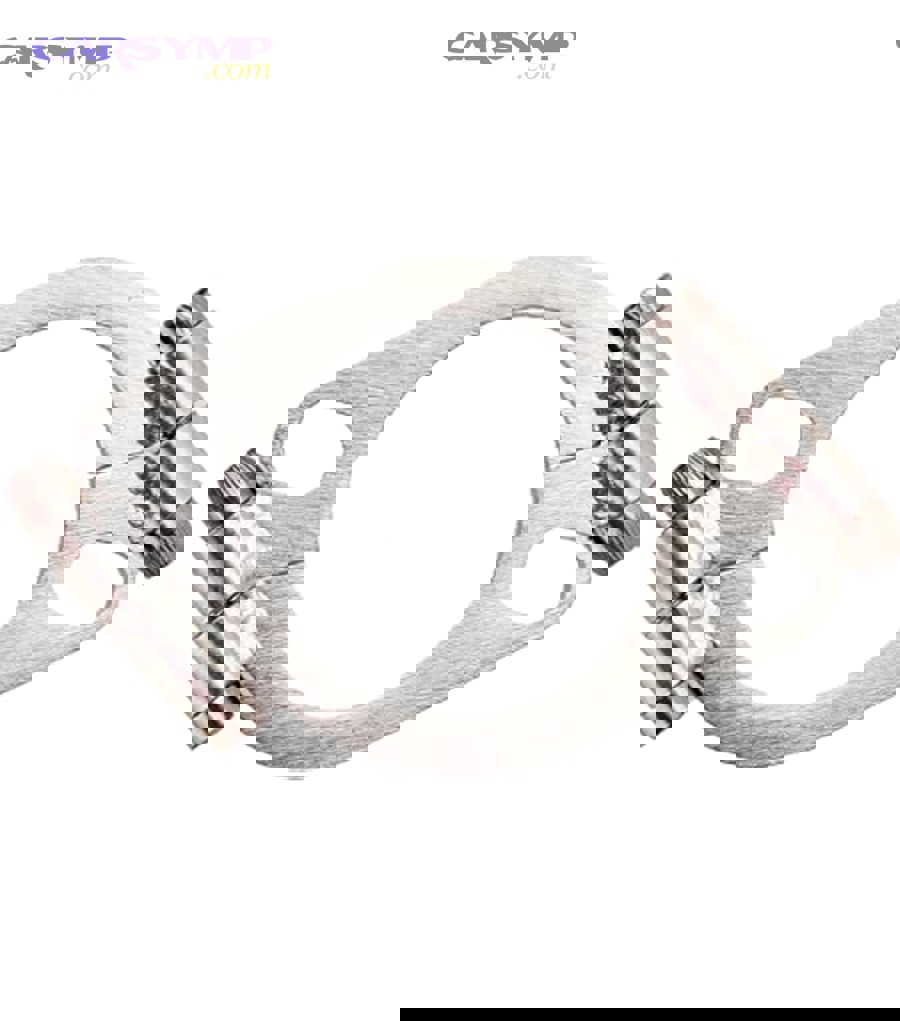
What is exhaust welding, and what makes it a “permanent” fix?
Exhaust welding is a repair method where a welder melts the edge of the exhaust pipe and the mating part (like a muffler inlet) so they fuse into one continuous joint, creating a strong, sealed connection that usually won’t loosen on its own.
Specifically, welding becomes “permanent” because the joint no longer relies on bolt tension or friction—it becomes a single structure that resists vibration by being one piece.
In practice, “permanent” doesn’t mean “unbreakable.” It means the joint typically stays sealed until something else fails—like the surrounding pipe rusting out, a hanger breaking, or the muffler body cracking. Welding is most effective when:
- The pipe metal is thick enough to weld without blowing through.
- The surfaces can be cleaned to bare metal (rust and soot weaken weld quality).
- The two parts fit closely with minimal gaps (gaps invite pinholes and weak spots).
- The exhaust system is properly supported (good hangers reduce vibration stress on the weld).
This is why shops often prefer welding when a joint keeps leaking: if the base metal is healthy, a properly done weld can eliminate the small “escape paths” exhaust gases find through imperfect clamp compression.
Evidence: According to a study by Virginia Tech, in 2025, a pilot review of in-vehicle carbon monoxide detector research noted that vehicles with internal exhaust leaks can produce dramatically higher in-cabin CO levels than normal conditions, which is one reason leak-free joints matter for safety. (vtechworks.lib.vt.edu)
What is an exhaust clamp repair, and when is it “temporary” or “semi-permanent”?
An exhaust clamp repair is a method where a clamp squeezes a joint (usually a slip-fit overlap or a butt connection with a sleeve) to hold the pipes together and reduce leakage by applying uniform pressure around the circumference.
However, clamping can be temporary or semi-permanent because the seal depends on bolt tension, joint fitment, and how the joint changes after repeated heat cycles.
A clamp repair can last a long time when the pipes fit correctly and the clamp type matches the joint style. But it can also become “temporary” if you’re clamping:
- Thin, rust-pitted pipe that can’t hold a smooth seal.
- A misaligned joint that never fully overlaps.
- A joint that sees lots of movement due to worn hangers or broken mounts.
- A location that’s constantly wet and salty, accelerating corrosion under the clamp.
The hidden advantage of clamping is removability. If you expect future work—like a catalytic converter replacement, a muffler replacement, or a system upgrade—clamps can preserve your ability to disassemble without cutting.
Evidence: According to installation instructions published by Summit Racing, some band clamps are designed to be tightened to a specified torque range (for example, 48–60 ft-lbs for certain band clamps), showing that clamp sealing performance is closely tied to correct tightening practice. (static.summitracing.com)
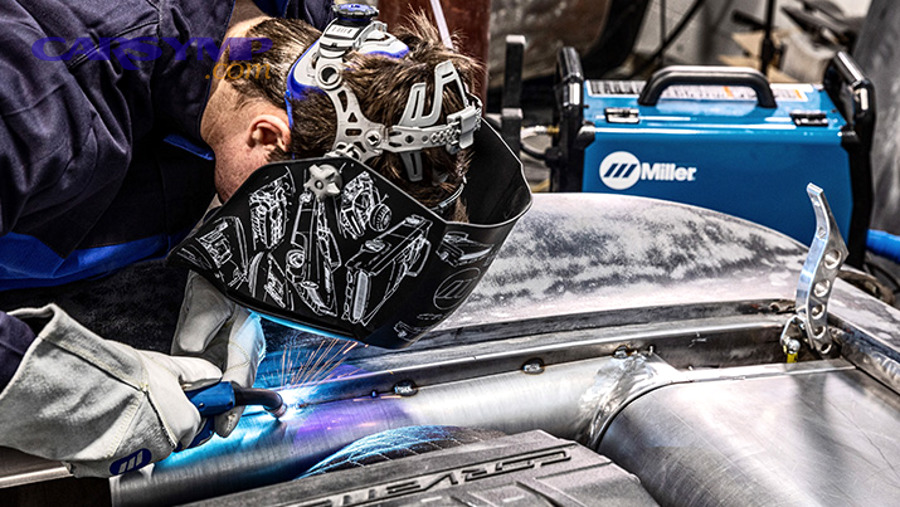
Is welding always better than clamping for exhaust repairs?
No—welding is not always better than clamping for exhaust repairs because serviceability, pipe condition, and fitment constraints can make a high-quality clamp the smarter and more reliable option in real DIY situations.
However, once you understand where each approach wins, your choice becomes much more straightforward.
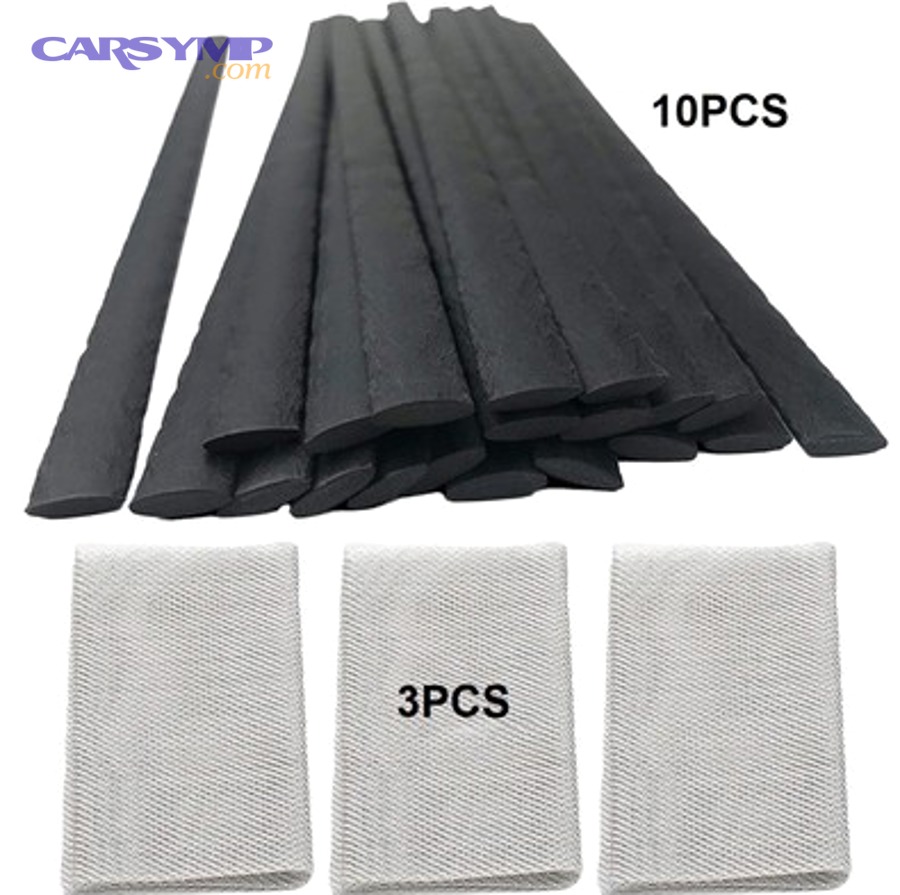
Yes/No: Should you weld if the joint keeps leaking or blowing out?
Yes—if the joint keeps leaking, welding is often the best next step because a weld can eliminate slip-fit gaps, resist loosening from heat cycles, and reduce repeat rework, as long as the base metal isn’t too rust-thin to weld reliably.
Meanwhile, the key is confirming the leak is truly coming from the joint you’re repairing, not from a crack upstream or a failed gasket.
Repeated leaks after clamping usually mean one of four problems:
- Wrong clamp style for the joint (band clamp on a poor overlap, or U-bolt clamp crimping unevenly).
- Bad pipe geometry (ovalized pipe ends, dents, or uneven OD).
- Corrosion pits creating micro-channels for exhaust gas.
- Movement from broken hangers or mounts stressing the connection.
If the pipe wall is still strong, welding “resets” the joint by sealing around the full circumference. But if the pipe is paper-thin, welding can make things worse by burning through and creating more leaks.
Evidence: According to a study by Tokyo Roki Co., Ltd. (Muffler Designing Department) published through the Society of Automotive Engineers of Japan (JSAE) in 2017, assembling stress and joint conditions can influence fatigue behavior in muffler-related welded joints, reinforcing why preparation and system support matter when relying on welds for durability. (jstage.jst.go.jp)
Yes/No: Is clamping the smarter choice if you expect to replace the muffler again?
Yes—clamping is usually smarter if you expect future disassembly because it preserves removability, reduces the chance you’ll need to cut pipe later, and lets you adjust alignment before committing to a permanent joint.
On the other hand, this only works well when you choose the right clamp type and the pipe ends are in good condition.
DIY reality: many owners clamp first, drive a few days, and then decide whether to weld. That approach can be especially useful if you’re dealing with fitment uncertainty—like an aftermarket muffler, a slightly mismatched pipe diameter, or alignment issues that need tweaking.
This also ties directly to maintenance planning. If you expect future work near the same area, clamping prevents you from turning every future job into a cutting-and-rewelding job.
Evidence: According to installation instructions from MBRP (distributed via Summit Racing), band clamps may require re-checking clearances and verifying clamp torque after 30–60 miles, highlighting how clamps support serviceability while still needing proper follow-up. (static.summitracing.com)
Which is cheaper: welding or clamping an exhaust repair?
Clamping is usually cheaper upfront, welding is often cheaper long-term, because clamps cost less and require fewer tools, while welding reduces repeat leaks and rework when the metal condition supports a proper weld.
Next, the real cost comparison becomes clearer when you separate “today’s cost” from “total cost over time.”
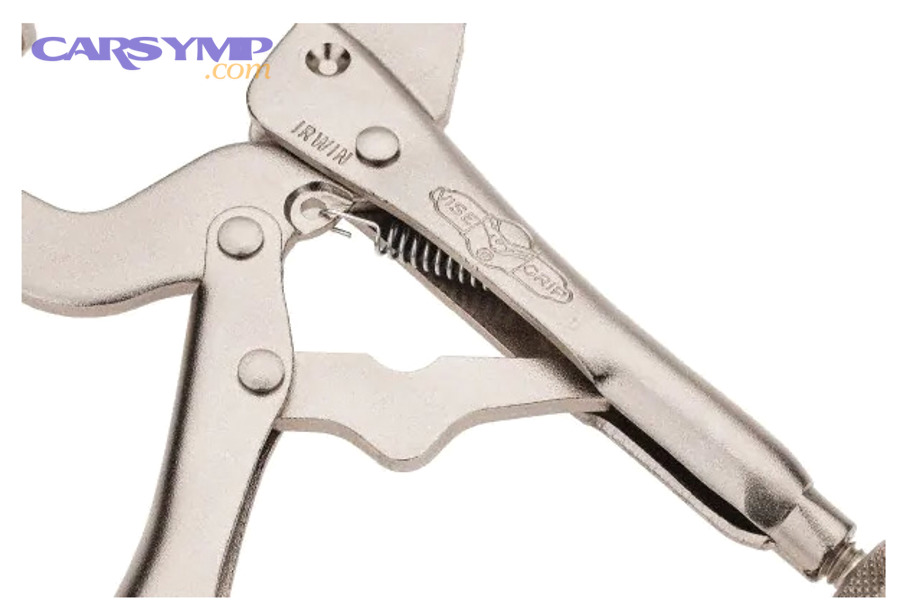
What does a DIY clamp repair typically cost vs the tools needed to weld?
A DIY clamp repair typically costs far less than getting set up to weld because you’re mainly paying for the clamp and basic hand tools, while welding requires equipment, consumables, and safety gear.
For example, a DIY clamp job might include:
- Band clamp or lap joint clamp sized to your pipe diameter.
- Socket/wrench set and possibly a torque wrench.
- Wire brush or abrasive pad for cleaning the joint.
- Optional anti-seize on clamp threads (to prevent seized hardware).
By contrast, welding at home usually means:
- Welder (MIG is common for mild steel exhaust tubing).
- Wire, shielding gas (or flux core), plus tips and consumables.
- Welding helmet, gloves, jacket, and fire safety measures.
- Better access under the car (safe lift/stands and clearance).
So even if welding itself can be “free” once you own the tools, the startup cost is the big divider for DIY owners.
Evidence: According to Summit Racing band clamp instructions, certain band clamps are tightened to 48–60 ft-lbs, implying that a torque wrench (a tool many DIYers don’t already own) can be part of “doing it right” even for clamps—yet the tool investment still tends to be lower than welding equipment. (static.summitracing.com)
When does welding become cheaper long-term than “re-clamping” over time?
Welding becomes cheaper long-term when your clamp repair turns into a cycle of tightening, resealing, and redoing the same joint after heat cycles and corrosion gradually undermine the seal.
More specifically, long-term cost favors welding when:
- The joint is in a high-vibration section (near the engine, under load).
- The pipes are a poor slip-fit and never clamp evenly.
- The clamp hardware keeps seizing or loosening.
- You’ve already spent money on multiple clamps and still have leaks.
At that point, a one-time professional weld can be cheaper than repeated DIY parts and lost time—especially if the leak causes noise complaints, cabin odor, or inspection failures.
Evidence: According to a study in Metals (MDPI) from 2022, welded joints can experience fatigue-life reductions compared with base material under certain strain conditions, which is exactly why repeated vibration and stress can matter economically—either you weld correctly with good support, or you may repeat repairs. (mdpi.com)
Which method seals better and prevents leaks and exhaust smell?
Welding usually seals best for long-term leak prevention, while a quality band-style clamp can seal extremely well on a properly fitted joint, because seal performance depends more on fitment and surface condition than on the word “clamp” or “weld.”
However, the fastest way to prevent exhaust smell is to diagnose why leaks happen in the first place.

What are the most common causes of leaks after clamping?
There are 5 main causes of clamp leaks: wrong clamp type, poor overlap, pipe corrosion, misalignment, and uneven tightening, based on how clamps rely on uniform compression to seal.
To illustrate, here’s what each cause looks like in the real world:
- Wrong clamp type: A U-bolt clamp bites hard but can crimp the pipe and leave small leak paths on the opposite side.
- Poor overlap: If there isn’t enough slip-fit engagement, no clamp can create a reliable seal.
- Corrosion pits: Rust creates channels that exhaust gases can slip through even when the clamp feels “tight.”
- Misalignment: If the pipes are angled or under tension, the clamp tightens unevenly.
- Uneven tightening: Tightening one side fully before the other can distort the clamp and the joint.
Clamps also need the exhaust system to be supported. A loose or broken hanger makes the joint work like a hinge, and hinges leak.
Evidence: According to band clamp installation guidance from Summit Racing, centering the clamp on the joint and tightening to a specified torque are explicit steps, showing that clamp sealing is process-dependent, not automatic. (static.summitracing.com)
What are the most common causes of leaks after welding?
There are 4 main causes of weld leaks: pinholes, contamination, burn-through/thin metal, and poor fit-up gaps, based on how welds require clean metal and continuous fusion to seal.
More specifically, weld leaks often show up when the pipe is already compromised.
- Pinholes: Tiny holes in the bead that become audible under load.
- Contamination: Rust, oil, or soot trapped in the weld puddle.
- Burn-through: Welding too hot on thin exhaust tubing creates holes you then chase and patch.
- Fit-up gaps: A wide gap forces you to “bridge” with filler, which is harder to seal consistently.
If you’re welding near a joint that already has severe rust, a good repair can still fail because the next weak spot will crack or perforate beside your weld.
Evidence: According to a study in Fatigue & Fracture of Engineering Materials & Structures (ScienceDirect listing) from 2021, fatigue performance of welded components depends strongly on weld geometry parameters, which is why “looks welded” is not the same as “will stay sealed.” (sciencedirect.com)
How do you choose the right option for your situation (quick decision guide)?
There are 3 practical decision paths—Clamp Now, Weld Now, or Replace Instead—based on pipe health, leak severity, and whether you need a removable joint later.
Below, you’ll find “choose this if…” rules that map directly to permanent vs temporary goals.

When should you clamp instead of weld?
You should clamp instead of weld when your priority is adjustability and removability, and the joint can physically seal well under compression.
For example, clamping is a strong choice when:
- You’re test-fitting an exhaust system (alignment and tip position may change).
- You anticipate future disassembly (upgrades, repairs, muffler replacement).
- The joint is a clean slip-fit overlap with good engagement length.
- You don’t have safe access or equipment for welding.
- The pipe metal is still solid and round enough to seal.
Clamping also pairs well with realistic DIY time constraints. If you’re doing a driveway repair and want the car back on the road the same day, clamping avoids the learning curve and safety concerns of welding under a vehicle.
This is where Rusted muffler inspection and leak checks matter: if the pipe looks thin, flaking, or heavily pitted, clamping may not compress evenly enough to seal—and welding may not be feasible either. A quick inspection before you buy parts saves you from “fixing” a part that’s already structurally gone.
Evidence: According to Speedway Motors’ overview of exhaust clamps, band clamps are positioned as a cleaner alternative to universal U-bolt styles in appropriate applications, reinforcing the idea that clamp choice must match joint style. (speedwaymotors.com)
When should you weld instead of clamp?
You should weld instead of clamp when your priority is maximum sealing and long-term stability, and the metal condition can support a quality weld without burn-through.
More importantly, welding is usually the right call when:
- The joint repeatedly leaks despite correct clamping.
- The system is prone to loosening due to vibration and movement.
- The joint geometry is awkward for clamps (minimal overlap, poor seating).
- You want to eliminate periodic retightening.
- You’re paying a shop anyway and want a one-and-done repair.
Welding becomes especially compelling when a joint is part of a “leak chain.” One small leak can encourage you to keep tightening, which can deform the pipe further, which can create larger gaps, which then leak more. Welding breaks that chain—if the metal is still healthy.
Evidence: According to JSAE-published research on welded joints in muffler-related flange pipe assemblies, fatigue strength can be influenced by assembly stress, supporting the idea that the best weld outcome requires correct alignment and support rather than forcing parts together. (jstage.jst.go.jp)
When is neither clamp nor weld the right answer (replace parts instead)?
Neither clamp nor weld is the right answer when the metal is too compromised to hold a seal or survive vibration, because both methods will fail if you’re attaching to rusted “paper pipe.”
In addition, replacement becomes the best option when:
- The pipe has deep rust pits, holes, or delamination.
- The muffler shell is rusting through or separating at seams.
- Hangers are missing, allowing the system to swing and crack.
- A flex section is torn (a clamp rarely restores proper flex behavior).
- The joint is so misaligned that you’d be forcing it into place.
This is the point where planning matters. If you’re already near end-of-life on the system, you may be better off budgeting for a muffler replacement rather than paying repeatedly for patch repairs that chase leaks from one weak spot to the next.
Evidence: According to a review of passenger exposure research, in-vehicle pollutant levels can be meaningfully affected by vehicle conditions and ventilation choices, reinforcing why persistent leaks and “patch chains” are not just noise issues. (mdpi.com)
What types of exhaust clamps exist, and which one is best for DIY repairs?
There are 3 main clamp categories—U-bolt/saddle, band-style, and lap/butt joint specialty clamps—and the best DIY clamp is the one that matches your joint geometry and protects future disassembly.
To better understand what you’re buying, you need to see how clamp design changes pressure distribution and pipe deformation.
How does a band clamp compare to a U-bolt clamp for sealing and reusability?
Band clamps win for sealing consistency and reusability, while U-bolt clamps are best for budget holding power, because band clamps spread force evenly and typically avoid crushing the pipe into a permanent ridge.
Meanwhile, U-bolt clamps can work well in some scenarios, but they often leave two DIY headaches:
- They can crimp the pipe, making later removal difficult.
- The uneven compression can leave micro leak paths.
A practical DIY rule is simple: if you care about future serviceability, lean band clamp; if you’re doing a short-term hold and don’t care about pipe deformation, U-bolt is the budget option.
Evidence: According to performance exhaust installation documents distributed via Summit Racing, some manufacturers list different torque targets for band clamps and U-bolt clamps (for example, 40–45 ft-lb for band clamps and 30–35 ft-lb for U-bolt clamps in one set of instructions), showing they are engineered differently. (static.summitracing.com)
What is a lap joint clamp, and when does it outperform other clamps?
A lap joint clamp is a band-style clamp shaped specifically for overlapped slip joints, and it outperforms generic clamps when you have proper overlap because it applies sealing force across the stepped geometry instead of crushing randomly.
More specifically, lap joint clamps shine when:
- Your pipe ends are designed to overlap with a visible “step.”
- You want strong sealing without deformation.
- You need a joint that can be taken apart later.
This is also where a torque-following mindset helps. A clamp that “feels tight” may not be tight enough to fully seat and seal, and uneven tightening can create a false seal that fails after a few heat cycles.
Evidence: According to Summit Racing band clamp instructions, proper clamp positioning and tightening to a torque range are part of correct installation, supporting why specialized clamps and correct torque practices improve sealing reliability. (static.summitracing.com)
What safety and prep steps matter most before you weld or clamp an exhaust?
Yes—you can safely weld or clamp an exhaust at home, but only if you control 3 risk areas: vehicle support, fire/heat exposure, and fume ventilation, because exhaust work happens in tight spaces with high consequences.
Next, the most reliable repairs come from prep steps that reduce leaks and keep the system from moving under load.

Yes/No: Can you safely do this repair at home without a lift?
Yes, you can do it without a lift if you have stable jack stands, enough working clearance, and you avoid welding risks under the vehicle—but no if you’re relying on a jack alone, working on uneven ground, or can’t maintain safe ventilation.
Then the “safe DIY” checklist becomes non-negotiable:
- Use properly rated jack stands on solid, level ground.
- Chock wheels and set the parking brake.
- Let the exhaust cool fully (burn risk is real).
- Keep a fire extinguisher nearby—especially if welding.
- Work in an open area to prevent fume buildup.
If any of these conditions can’t be met, a clamp repair might still be possible with safer access—or it may be a sign to move the job to a shop.
Evidence: According to a pilot literature review hosted by Virginia Tech, vehicles with internal exhaust leaks can be associated with elevated in-cabin CO measurements, reinforcing why safe, leak-free repair outcomes matter beyond noise alone. (vtechworks.lib.vt.edu)
What prep steps make either method last longer?
There are 6 prep steps that make both welding and clamping last longer: inspect, clean, fit, support, tighten correctly, and recheck after heat cycles, based on how exhaust joints fail in the real world.
More specifically, here’s how that plays out:
- Inspect the system, not just the joint. Look for broken hangers, cracked flex sections, or rust-through nearby. A perfect joint can’t survive a moving system.
- Clean to bare metal where possible. Rust and soot reduce clamp sealing and weld quality.
- Dry-fit and align before final tightening. Alignment prevents stress that loosens clamps and cracks welds.
- Support the exhaust while working. If the system droops during tightening, you lock in stress.
- Tighten evenly. Alternate sides so clamps seat uniformly.
- Recheck after heat cycles. Many clamps settle after the first drives.
This is also the moment to think about time realistically. If you’re doing the repair because you’re planning a muffler replacement soon anyway, your prep approach should match that goal: do enough to keep it safe and quiet now, without over-investing in a joint you’ll cut out next month. That’s where planning around Muffler replacement labor time helps—because if you’re already paying labor for a replacement soon, you may choose the repair method that reduces today’s hassle and preserves future work.
Evidence: According to MBRP installation instructions distributed through Summit Racing, band clamp torque should be verified after initial driving (30–60 miles), which aligns with the “recheck after heat cycles” step for long-term sealing. (static.summitracing.com)
What “advanced factors” can change the weld vs clamp decision in real-world repairs?
Advanced factors like heat-cycle settling, road-salt corrosion, and leak location relative to sensors or cabin airflow can flip your “best choice” even after you pick weld or clamp, because real vehicles don’t operate in a clean lab environment.
Below, you’ll see how micro-level details affect sealing, durability, and safety outcomes.
How do heat cycles, road salt, and corrosion change clamp performance over time?
Heat cycles and road salt can reduce clamp performance over time by loosening hardware through thermal expansion/contraction and by accelerating corrosion at the pipe–clamp interface, which can create new leak paths under the band.
For example, in salted climates, moisture and salt can creep under the clamp where oxygen is limited, creating corrosion patterns that are hard to see until the joint starts leaking again.
To manage this reality as a DIYer:
- Choose stainless hardware when possible.
- Use anti-seize on threads (not on the sealing surface).
- Recheck clamp torque after a few drives and again after a week.
- Avoid overtightening that deforms the pipe and creates ridges.
Evidence: According to MBRP installation instructions, verifying system security and band clamp torque after initial miles is recommended, reflecting how heat-cycle settling is a normal factor in clamp reliability. (static.summitracing.com)
Can an exhaust leak affect O2 sensor readings or performance depending on where it is?
Yes—an exhaust leak can affect sensor readings and drivability depending on where it is, because leaks can change how exhaust gases move and mix with outside air, potentially altering measurements and triggering poor running symptoms.
More importantly, the location matters: a leak closer to the engine can have different effects than a leak far downstream, and cabin odor concerns can also increase if leaks are near entry paths into the vehicle body.
If you’re diagnosing a leak alongside symptoms (rough idle, odd fuel trims, or warnings), treat the exhaust leak as part of the system—fixing it may remove the “ghost problem” that looks like a sensor issue.
Evidence: According to a peer-reviewed study in Atmosphere (MDPI) from 2018, in-vehicle carbon monoxide exposure varies significantly with ventilation settings and conditions, underscoring how air movement and leak pathways can change what enters the cabin. (mdpi.com)
Do inspection rules or noise limits make welding the safer bet in some areas?
Yes—inspection rules or noise limits can make welding the safer bet in some areas because a weld can provide a more consistent long-term seal that reduces the chance of leaks and exhaust noise returning before inspection time.
However, a properly selected and torqued band clamp can also be compliant if it stays sealed, which is why method choice should prioritize leak prevention and durability, not just “welded looks official.”
A practical approach is to align your method with your timeline: if inspection is soon and the metal is solid, welding can reduce the chance of a last-minute leak surprise.
Evidence: According to a review of in-vehicle CO exposure studies summarized in an academic report, excluding commuters with faulty exhaust systems dramatically reduces high-exposure events, reinforcing why persistent leaks are a meaningful risk factor. (www7.nau.edu)
Is a flange or V-band a better “best of both worlds” alternative to welding or clamping?
Yes—adding a flange or V-band can be a “best of both worlds” alternative because it offers a strong, repeatable seal with easy removal, combining the stability of a fixed joint with the serviceability of a clamp-based connection.
In addition, V-band style connections are popular in performance and custom work because they can be removed cleanly without crushing pipe ends.
This option is most useful when you’re rebuilding a section anyway—like during a larger repair—or when you’re tired of repeating the same disassembly problems. If you’re already cutting and fitting parts, upgrading the joint design can prevent the “repair spiral” where each future job damages the pipe more.
Evidence: According to FAA safety guidance for exhaust system clamps (in an aviation maintenance context), alignment before final torque and avoiding over-torque are emphasized for clamp-style couplings, reflecting the broader principle that precision joints benefit from engineered coupling systems like V-bands. (faasafety.gov)