


Correct anti-seize torque best practices come down to one core rule: anti-seize changes friction, so you must tighten bolts as a “lubricated” condition, not as a dry-condition torque spec—unless the manufacturer explicitly says otherwise. That single shift prevents the most common DIY failure mode: accidental over-clamping that strips threads, stretches bolts, or cracks softer parts.
Next, you’ll see when anti-seize is truly worth using (and when it creates more risk than benefit), because not every fastener wants the same treatment. Some joints need predictable clamp load, some need chemical locking, and some must follow factory dry torque or torque-angle procedures.
Then, you’ll learn a safe, practical method to choose a torque adjustment even when your manual doesn’t say “dry” or “lubed,” so you can avoid guesswork while still getting reliable, repeatable tightening.
Introduce a new idea: once you can decide “dry vs lubricated” correctly, the rest of the article becomes a step-by-step workflow—apply the right amount in the right place, tighten in the right pattern, and verify the joint so it stays sealed and serviceable.
What does anti-seize do on bolts, and why can it change torque results?
Anti-seize is a thread-applied compound that prevents seizing and galling by reducing friction and blocking corrosion, and that friction reduction can increase clamp load at the same torque, which is why torque strategy must change. To better understand why the same torque can become “too much,” you need to separate torque from the clamp load it creates, because torque is only an indirect proxy for bolt tension.
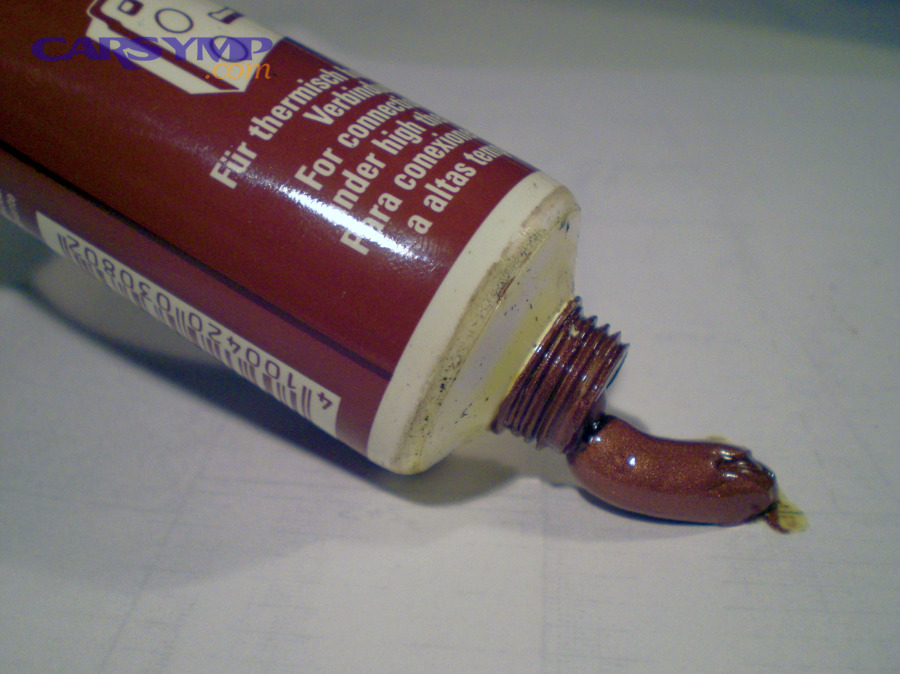
Most DIY guides describe anti-seize as “a lubricant that also protects,” and that description is practical. The compound’s carrier (grease-like base) plus solid particles (copper, nickel, graphite, ceramic, etc.) reduces friction at the interfaces where torque is “lost” to rubbing instead of turning into clamp load. That matters because a large portion of applied torque is consumed by friction in the threads and under the bolt head or nut face, not by stretching the bolt.
When you reduce friction, the same torque can stretch the bolt more. More stretch generally means more clamp load. That sounds good until you realize that every joint has limits: the bolt has a proof/yield limit, the threads have a shear/strip limit, and the clamped parts can crush or deform. Anti-seize doesn’t “make bolts stronger.” It simply changes how efficiently torque becomes bolt tension.
Is anti-seize a lubricant even if it’s marketed as “anti-seize”?
Yes—anti-seize acts as a lubricant in threaded joints, and that lubrication is exactly why dry torque numbers can become unsafe when you apply it. More specifically, anti-seize is designed to keep surfaces from welding together (galling) and to resist corrosion “bonding,” and it does that by adding a lubricating film plus solids that help the film survive heat and pressure. The marketing emphasis is “prevents seizure,” but the mechanism is fundamentally tribological (friction and wear control).
In practice, treating anti-seize like “it doesn’t affect torque” leads to three predictable outcomes:
- Over-torque risk increases because clamp load rises at the same torque.
- Torque scatter increases if application is inconsistent (some threads coated, some dry).
- Seating behavior changes because lubricated surfaces “settle” differently under load.
That’s why the safest mindset is: anti-seize makes a fastener “lubricated,” and lubricated fasteners do not share the same torque value as dry ones.
What is the difference between torque, clamp load, and thread friction?
Torque is the twisting input, clamp load is the squeezing force your joint actually needs, and thread friction is the conversion loss that determines how much of your torque becomes bolt stretch. Specifically, torque is what you measure with your wrench, but clamp load is what seals a flange, holds a bracket, or keeps a wheel from slipping. Friction is the hidden variable that changes the relationship between the two.
A simple mental model helps:
- Torque: what you apply.
- Bolt stretch (tension): what you create.
- Clamp load: the useful force that comes from bolt stretch squeezing parts together.
If friction is high (dry, dirty, corroded), more torque turns into heat and rubbing, so less becomes bolt stretch. If friction is low (lubed with anti-seize), more torque becomes bolt stretch, so clamp load rises.
Why do torque specs usually assume a specific thread condition (dry or lubricated)?
Torque specs assume a thread condition because the same fastener tightened to the same torque can produce very different bolt tension depending on friction, and manufacturers need a repeatable baseline. In addition, torque specs are rarely “universal truths.” They are controlled assumptions: clean threads, known surface finish, known lubricant state, and a tightening method.
For critical bolted joints, aerospace and engineering standards often require the lubricant and the process to be specified and controlled, precisely because uncontrolled lubrication changes the achieved tension and therefore the joint’s safety margin. (s3vi.ndc.nasa.gov)
Should you reduce torque when using anti-seize, and how do you decide the adjustment safely?
Yes—you should usually reduce torque when using anti-seize on a fastener that would otherwise be torqued “dry,” because anti-seize lowers friction and can increase clamp load at the same torque, and you decide the adjustment by following a clear hierarchy: factory spec → product guidance → conservative reduction when neither is available. However, the safe answer is not “always reduce by X%.” The safe answer is “match the torque to the thread condition the spec assumes.”
Then, once you accept that torque numbers are condition-based, you can decide intelligently instead of guessing.
Is it safe to follow a dry torque spec after applying anti-seize?
No—it’s usually not safe to apply a dry torque spec to threads coated with anti-seize, because you can exceed intended bolt tension and damage the bolt or the female threads, especially in aluminum, brass, or thin castings. More importantly, the risk isn’t theoretical. NASA testing on lubricated tightening has shown that lubrication can produce preload behavior that differs substantially from simple “textbook” predictions, and even stability can change depending on re-lubrication and interface behavior. (ntrs.nasa.gov)
The practical exceptions (the times when you can follow the listed torque with anti-seize) are narrow:
- The service manual explicitly states the torque is for lubricated threads.
- The procedure explicitly allows anti-seize (some manufacturers do for certain high-heat fasteners).
- The fastener has a specified friction condition (coated fasteners, specified lubricant, or a K-factor approach).
If none of those are true, treat the joint as a lubricated condition and adjust accordingly.
What is a practical torque-adjustment method DIY mechanics can use without engineering data?
A practical method is (1) identify the spec’s assumed condition, (2) match your thread condition to that assumption, and (3) if you must estimate, apply a conservative reduction and verify joint behavior, so you protect threads while still achieving reliable clamp. Below is a DIY-safe hierarchy you can actually follow in a garage:
- Use the factory “lubed” torque if provided. Some manuals specify dry and lubricated values separately. Use the one that matches your condition.
- If the manual is silent, check the anti-seize maker’s torque guidance for that product type. Some manufacturers provide torque coefficients or reduction guidance based on testing. (bostik.com)
- If neither exists, apply a conservative reduction often cited for “lubricated fasteners” and tighten with a controlled process (staged tightening, consistent coating, proper seating). One torque guidance document commonly referenced in industry notes that torque values are often reduced for lubricated fasteners and gives a typical reduction figure used on charts. (antiseize.com)
- Verify the joint with a re-check strategy: re-torque after initial heat cycles (where appropriate), check for loosening, and watch for sealing leaks or movement.
This approach is safer than picking a random percent because it forces you to anchor your decision to the spec’s assumptions.
How is “dry vs lubricated torque” different from “anti-seize torque”?
Dry vs lubricated torque compares thread conditions, while “anti-seize torque” depends on which anti-seize formula you used and where you applied it, so anti-seize is a subset of “lubricated” but not identical to oil or grease. However, under real DIY conditions, the important takeaway is simpler: any lubrication changes friction. Anti-seize can be more consistent than random oil contamination, but it can also be more “effective” at reducing friction than you expect, especially if it gets under the bolt head or onto the bearing surface.
Some anti-seize manufacturers describe their products using torque coefficient (K-factor) concepts rather than a single universal reduction, which is a reminder that different formulas can behave differently under load. (bostik.com)
Where should anti-seize be applied on a fastener, and how much is “just enough”?
Anti-seize should be applied as a thin, even film on the functional contact surfaces you want protected—usually the threads—and “just enough” means a light coating that prevents metal-to-metal bonding without squeezing excess into seats, sensors, or friction-critical areas. Specifically, placement and amount matter as much as torque adjustment, because inconsistent application creates inconsistent clamp load.
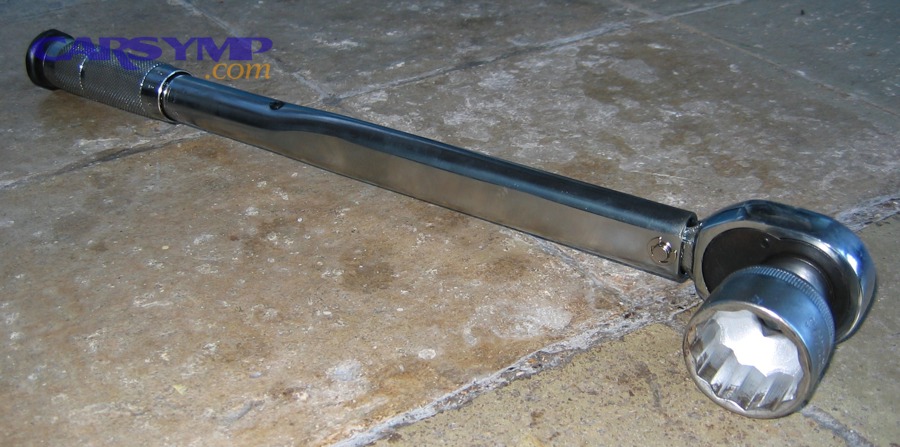
A common DIY mistake is treating anti-seize like paint: thick coat, full coverage, done. That creates mess, contamination, and unpredictable torque behavior. Another mistake is applying anti-seize only to the first few threads or randomly dabbing it, which creates patchy friction and torque scatter.
Should anti-seize go on threads only, or also under the bolt head/nut?
Threads-only is usually the safer default for DIY, while applying anti-seize under the bolt head or nut can further reduce friction and increase clamp load even more at the same torque, so it should be done only when the procedure expects it. However, some applications genuinely benefit from under-head lubrication because under-head friction is a major contributor to torque scatter. The key is consistency: if you lubricate under-head surfaces on one bolt but not another in the same flange, you invite uneven clamp and leaks.
Use these placement rules to keep outcomes predictable:
- Threads: apply a thin film when the goal is corrosion prevention and future disassembly.
- Under-head / nut face: apply only if the procedure calls for it or if you are controlling clamp load with a method that accounts for it (more common in engineered assemblies).
- Seating surfaces / tapers / cones: avoid unless explicitly specified, because those surfaces often rely on friction for stability (for example, certain wheel hardware designs).
What amount of anti-seize prevents seizing without increasing over-torque risk?
“Just enough” is a thin, continuous film that barely changes the thread’s appearance, not a thick paste layer, because excess compound migrates, contaminates adjacent surfaces, and increases lubrication unpredictably. For example, on a typical bolt, you want the threads to look “wetted” rather than “packed.” If paste squeezes out in large beads when you start threading the fastener, you used too much.
A practical application method:
- Clean the male threads lightly (wire brush) and chase the female threads if corrosion is heavy.
- Put a small dab on a brush, gloved finger, or applicator.
- Coat 3–5 threads evenly, then spin the bolt in and out once to distribute.
- Wipe off visible excess that squeezes out.
This method reduces the chance of contaminating surfaces like brake rotors, oxygen sensors, or gasket seats.
Do you need to clean old compound and corrosion before reapplying?
Yes—you should remove old anti-seize, rust, and grit before reapplying, because debris changes friction, prevents proper seating, and makes torque readings less meaningful. Besides, old compound often contains embedded dirt and metal particles from previous tightening cycles, which can turn a “lubricant” into an abrasive paste.
If a joint is critical (wheel hardware, suspension, brake caliper brackets), prioritize clean, dry, known conditions and follow the service manual’s guidance. If the manual forbids anti-seize on that joint, do not substitute your own preference.
Which bolt situations benefit from anti-seize, and which ones should avoid it?
There are two main groups of bolt situations: (1) joints where anti-seize improves reliability and serviceability, and (2) joints where anti-seize can compromise safety or the intended locking method. Next, grouping the use cases makes the decision fast: you’ll know where anti-seize belongs, and where it’s a trap.
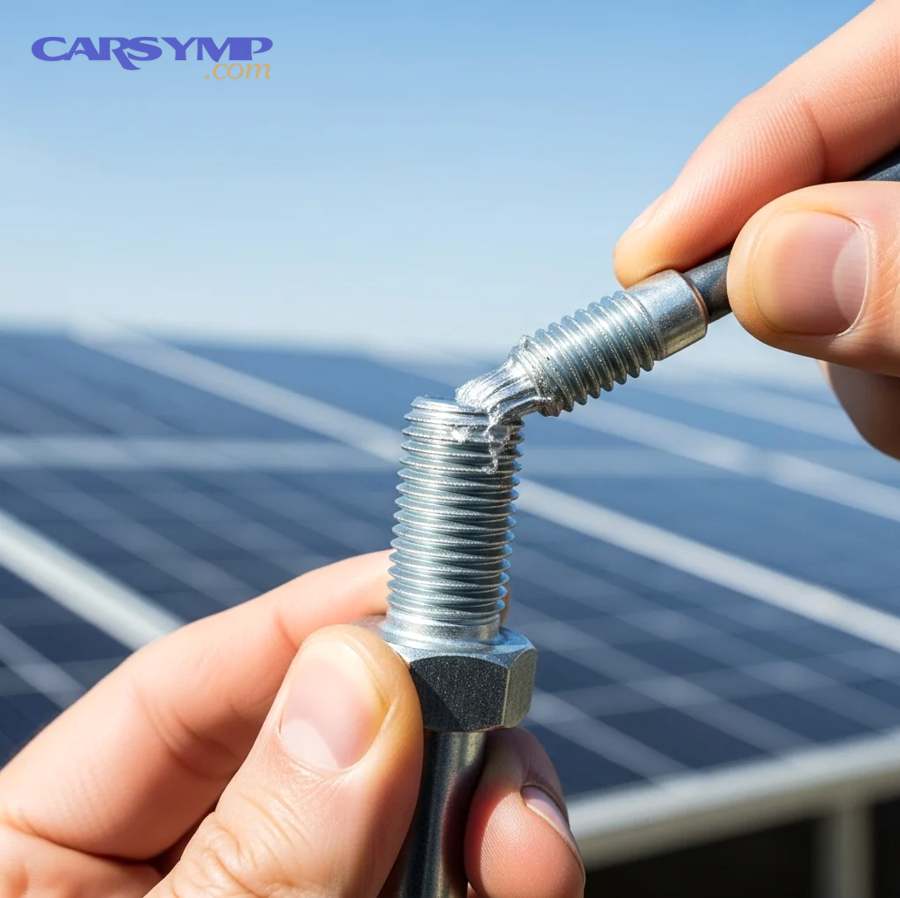
When is anti-seize recommended (exhaust, high-heat, corrosion-prone joints)?
Anti-seize is recommended when heat, corrosion, or dissimilar metals make future disassembly likely to cause broken fasteners, stripped threads, or galling. Common “yes” scenarios include:
- Exhaust fasteners (manifold studs/nuts, flange bolts): high heat cycles + corrosion = seized hardware.
- Stainless-on-stainless (galling-prone interfaces): anti-seize reduces adhesion and tearing.
- Marine or road-salt exposure: corrosion bonding can lock threads.
- Spark plug threads in certain engines (only if the manufacturer allows it): serviceability concerns can be real, but torque strategy must be correct.
In these cases, the goal is not “tighten more.” The goal is “tighten correctly, and still be able to remove it later.”
When should you avoid anti-seize (torque-to-yield, threadlocker-required, wheel lugs if prohibited)?
You should avoid anti-seize when the joint requires a specific friction condition, a locking chemical, or a torque-angle/yield method, because anti-seize changes friction and can defeat the design intent. Key “avoid” scenarios:
- Torque-to-yield (TTY) bolts tightened by torque + angle: lubrication can change the torque phase and distort the procedure’s accuracy.
- Threadlocker-specified joints (certain brake and driveline fasteners): anti-seize can reduce the threadlocker’s adhesion and change clamp behavior.
- Wheel lug nuts/bolts when the manufacturer specifies clean, dry threads: anti-seize can increase clamp load at a given torque and create uneven seating.
- Fasteners with pre-applied coatings or patches designed to control friction and locking.
If you’re unsure, default to the service manual and treat anti-seize as an exception, not a universal upgrade.
Does anti-seize help with stainless-on-stainless galling, and does torque change more?
Yes—anti-seize helps prevent galling in stainless-on-stainless interfaces, and torque strategy becomes even more important because galling risk is directly tied to friction and surface adhesion. Meanwhile, stainless fasteners can feel “grabby” during tightening, which tempts DIYers to apply more torque. That’s exactly how galling starts—high pressure, friction, and adhesion. Anti-seize reduces that risk, but the reduced friction also means clamp load can rise faster, so controlled tightening matters.
In short, anti-seize can be the right tool for galling, but only if torque is treated as “lubricated,” applied consistently, and verified.
How do you tighten bolts correctly when anti-seize is used—what is the best practice workflow?
The best workflow is a repeatable, controlled tightening method with 6 steps—prep, apply thinly, hand-thread, seat gradually, torque in stages/pattern, and verify after initial cycles—so you get reliable clamp load without over-torque damage. To begin, your workflow must reduce variability, because lubrication reduces friction but can increase the consequences of inconsistency.
Here’s the garage-friendly process:
- Prep and inspect: clean threads, check for damage, confirm bolt grade and length.
- Choose anti-seize type intentionally (high-heat, stainless, aluminum, etc.).
- Apply a thin, consistent film on threads (and only where intended).
- Hand-thread first to prevent cross-threading (especially in aluminum).
- Seat the joint gradually: snug evenly, then torque in stages.
- Verify: re-check torque if procedure allows, inspect for leaks/movement, and confirm no contamination.
Should you torque in stages and use a pattern (especially flanges and multi-bolt joints)?
Yes—you should torque in stages and follow a pattern on multi-bolt joints, because staged tightening distributes clamp load evenly and reduces the chance of warping a flange or creating a leak path. For example, exhaust flanges, valve covers, and many brackets benefit from a star or crisscross pattern. With anti-seize, the bolts may “pull down” faster and more smoothly, which makes even tightening even more important.
A simple staged method:
- Stage 1: 30–40% of final torque
- Stage 2: 60–70% of final torque
- Stage 3: 100% of final torque (final pass in pattern)
This staged approach reduces sudden clamp spikes and helps the joint seat uniformly.
How do you prevent under-torquing when you reduce torque for lubricated threads?
You prevent under-torquing by reducing torque only to match the correct thread condition, maintaining consistent lubrication across all fasteners, and verifying the joint’s functional outcome (seal integrity, no movement, no loosening). Besides, under-torque fears often come from misunderstanding the goal. The goal is not “hit a big number.” The goal is “hit the right clamp load.” With lubrication, you often need less torque to reach the same clamp load, not more.
Three practical safeguards keep you honest:
- Consistency: coat all fasteners in the joint the same way.
- Seating control: snug first, then torque—don’t “torque while seating” in one move.
- Functional verification: check for leaks (exhaust soot at flanges), fastener back-out marks, or movement after initial heat cycles.
Evidence: According to a study by NASA (Ames Research Center) from the fastener/joint testing program, in a lubricated bolt test, preload behavior differed substantially from simplified torque–tension assumptions and showed large differences in achieved tension depending on lubrication conditions. (ntrs.nasa.gov)
Which anti-seize type should you choose for your application, and what are the niche pitfalls?
You should choose anti-seize by matching the formula (copper, nickel, ceramic/graphite, etc.) to temperature, metals involved, and contamination constraints, because different formulas change friction differently and can introduce niche risks like galvanic interaction or compatibility problems. Next, once you pick the right compound, you also prevent subtle failures—like using a conductive copper compound where contamination is unacceptable, or applying the wrong compound around sensors.
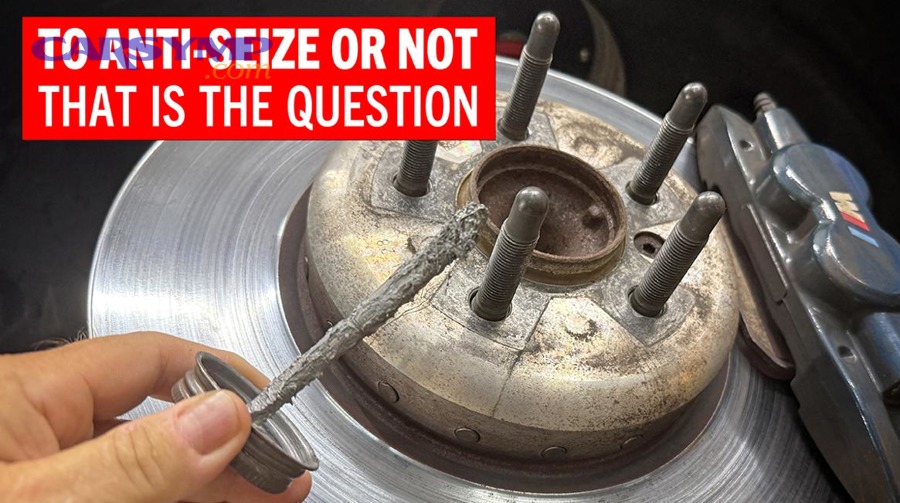
Copper vs nickel vs ceramic anti-seize: which is better for exhaust, stainless, and high-temp bolts?
Copper often works well for many high-heat service tasks, nickel is commonly chosen for higher-temperature or stainless-focused needs, and ceramic/graphite formulas can be useful where metal contamination is undesirable—so “best” depends on the joint’s constraints. However, for DIY automotive work, a practical selection map looks like this:
- Exhaust manifold studs/nuts and flange hardware: choose a high-temp rated compound and keep it off sensor tips and sealing surfaces.
- Stainless fasteners (galling-prone): choose a compound that explicitly targets anti-galling performance.
- Sensitive contamination areas: avoid metal-particle compounds where the manufacturer warns against it.
This is also where you can connect the idea to real maintenance: during oxygen sensor replacement, many DIYers use anti-seize because O2 sensors live in heat and corrosion. The catch is that sensors are special fasteners: you must avoid contaminating the sensing element and you must know whether the sensor already has a factory-applied thread compound. When you’re deciding Upstream vs downstream O2 sensor differences, remember the upstream sensor lives in harsher conditions and is more likely to seize, while the downstream sensor is often easier—yet both can be affected by sloppy compound placement.
Can anti-seize increase galvanic corrosion risk with certain metals (like aluminum), and how do you mitigate it?
Yes—in some dissimilar-metal situations, the wrong compound can contribute to galvanic interaction, so you mitigate it by choosing the correct formulation for the metals involved and by limiting compound to the threads rather than spreading it across large contact areas. More specifically, galvanic corrosion is driven by dissimilar metals plus an electrolyte (like salty water), and while anti-seize can also act as a barrier, metal-filled compounds can complicate the electrochemical picture if misapplied.
The practical mitigation steps are straightforward:
- Prefer products marketed as resisting galvanic action in dissimilar-metal assemblies when that’s a known risk. (bostik.com)
- Keep application thin and localized to threads.
- Avoid smearing compound across broad mating surfaces where moisture can linger.
How do pre-coated or plated fasteners change the “dry vs lubricated” assumption?
Pre-coated or plated fasteners can behave like a “controlled friction” system, so adding anti-seize can break the assumed friction coefficient and make torque values less meaningful. For example, some fasteners have patches or coatings designed for locking, corrosion resistance, or friction consistency. If you coat over that with anti-seize, you may change the clamp load and defeat the locking behavior.
A good rule: if a fastener arrives with a visible patch or specified coating, treat it as “engineered friction” and follow the service procedure rather than adding compound by habit.
When do you need an engineering approach (K-factor/friction coefficient) instead of a DIY rule-of-thumb?
Yes—you need an engineering approach when the joint is high-consequence, clamp-load-critical, or safety-certified, because torque alone can be too variable and lubrication makes the variability more consequential. More importantly, critical applications often specify nut factor/K-factor values and controlled lubrication processes rather than leaving friction to chance. Some torque guidance documents explicitly note that for critical applications, torque coefficient (nut factor) should be determined independently rather than assumed. (antiseize.com)
This is also where misdiagnosis can sneak in during exhaust-related work: Exhaust leaks that mimic O2 sensor faults can cause confusing trouble codes or fuel-trim behavior, so a rushed “oxygen sensor replacement” without checking flange sealing and fastener integrity can waste time and money. A good troubleshooting habit is to confirm the mechanical seal and joint integrity first, then the sensor. If you want a quick symptom checklist for this kind of problem, you’ll often see it discussed on sites like carsymp.com as part of broader diagnostic flow for exhaust and emissions issues.
Evidence: According to a study by NASA (joint testing research) from the bolted-joint testing program, in 2006, test results showed nut factor can vary significantly with configuration and lubrication conditions, reinforcing why controlled friction matters for critical joints. (ntrs.nasa.gov)