


Replacing an oxygen sensor (also called an O2 sensor) usually isn’t “mystery pricing”—you can estimate it accurately by breaking the job into parts cost + labor time + shop rate + small add-ons, then adjusting for your car’s sensor location and access.
Next, price swings happen for predictable reasons, such as upstream vs downstream location, sensor type (standard vs wideband), rusted threads, and the number of sensors on the vehicle, so your estimate should reflect those variables instead of a single average.
Then, the best decision is often not just “cheap vs expensive,” but DIY vs shop based on your tool access, safety, and risk of seized sensors—because labor time and unexpected exhaust work are where quotes change fast.
Introduce a new idea: once you understand cost and options, you also need a plan to avoid misdiagnosis and confirm the fix, so you don’t pay twice.
What does an oxygen (O2) sensor replacement cost estimate include?
An oxygen (O2) sensor replacement cost estimate is a total price range that combines sensor (parts) price, labor time, shop labor rate, and any extras like diagnostic fees, shop supplies, and taxes to predict what you’ll actually pay.
To better understand why two “O2 sensor quotes” can look totally different, you need to see what’s inside the estimate and which line items are optional versus unavoidable.
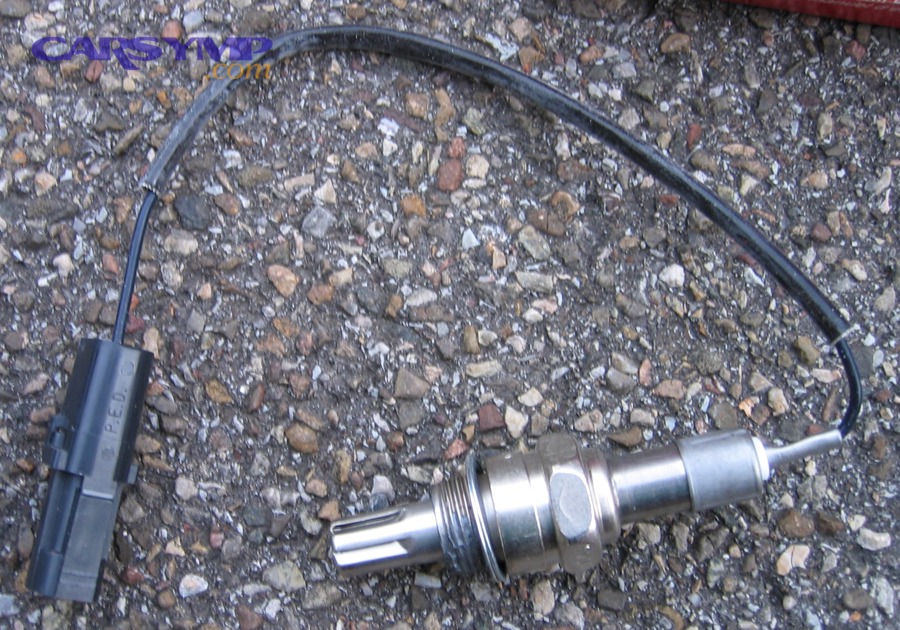
What is the typical price range for O2 sensor replacement (low vs average vs high)?
There are three practical price tiers for O2 sensor replacement—low, mid, and high—based on how simple the install is and whether the shop is replacing one sensor or dealing with access, rust, or a specialty sensor.
1) Low range (best-case scenario):
This is what happens when the sensor is easy to reach, threads aren’t seized, and your vehicle uses a common sensor type.
- Typical situation: accessible downstream sensor, minimal heat shield removal
- Cost drivers: basic parts + short labor time
- Who sees this: many 4-cylinder cars with straightforward exhaust layouts
2) Mid range (most common):
This is the “normal” reality for many drivers—parts are moderate, labor is moderate, and the shop may include a brief diagnostic check.
- Typical situation: upstream sensor, tighter access, or extra steps like removing a heat shield
- Cost drivers: labor time + shop rate + standard diagnostic workflow
- Who sees this: many V6/V8 vehicles or compact engine bays
3) High range (complex or risky jobs):
This is where quotes jump—usually because the sensor is seized, access is poor, or the vehicle uses a wideband/air-fuel ratio sensor.
- Typical situation: rusted threads, hard-to-access upstream sensor, risk of thread damage
- Cost drivers: extra labor, possible exhaust thread repair, specialty sensor price
- Who sees this: older vehicles in rust-belt climates, performance engines, or models with wideband sensors
The key is that the estimate is usually per sensor, not “for the whole car.” When someone says “O2 sensor replacement cost,” confirm whether they mean one specific sensor (most common) or multiple sensors at once.
What costs are “extra” beyond parts and labor (diagnostic fee, shop supplies, taxes)?
The “extra” charges are real, but they’re also predictable—most shops add them for time, liability, and consumables that don’t show up as a part number.
Common add-ons include:
- Diagnostic fee: A shop may charge to confirm the fault (scan tool, live data check, and inspection). Some shops apply this fee toward the repair if you proceed.
- Shop supplies: Small consumables like anti-seize (if appropriate), penetrant, rags, wire ties, and protective coverings.
- Environmental fees: Disposal or handling fees (varies by region and shop).
- Taxes: Sales tax on parts (and sometimes on labor depending on local rules).
These add-ons matter because they can make a “parts + labor” estimate feel too low compared to the final invoice. A good estimate includes them as a small percentage buffer so you don’t get surprised at checkout.
How do you calculate your car’s O2 sensor replacement estimate step-by-step?
You can calculate your car’s O2 sensor replacement estimate in four steps—identify the exact sensor position and type, choose the parts option, estimate labor time × shop rate, and add fees—so your final number matches real-world quotes.
Next, the easiest way to avoid a wrong estimate is to treat “O2 sensor” like a specific component (location + type), not a generic part—because upstream and downstream sensors can price differently.
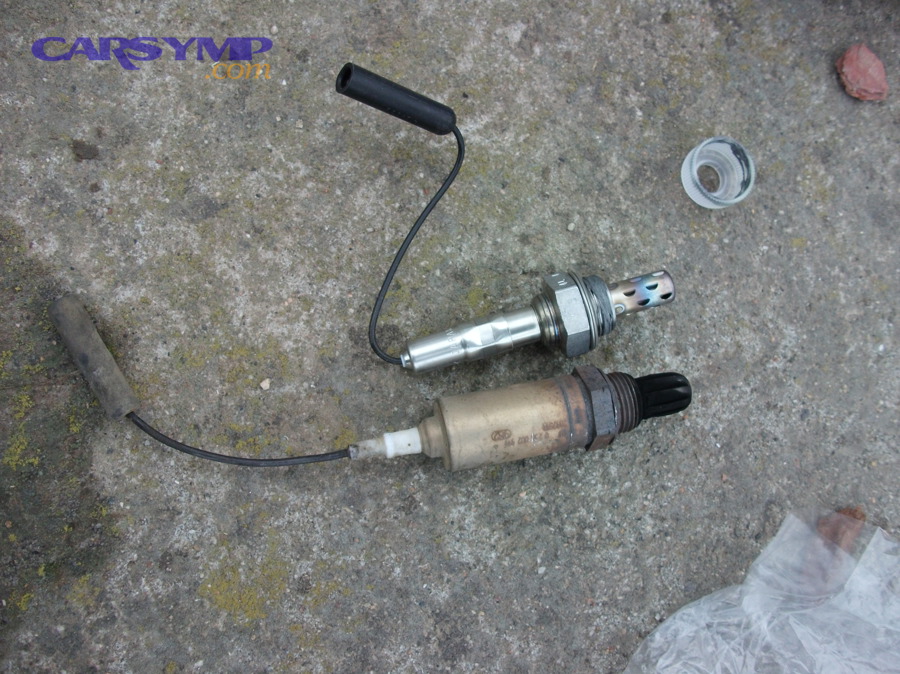
Which O2 sensor is it (upstream vs downstream, Bank 1 Sensor 1) and why does that change labor time?
Your estimate changes because sensor location changes labor time—an upstream sensor may be tight near the manifold and heat shields, while a downstream sensor may be easier to reach under the car (or sometimes harder depending on the chassis).
Here’s the quick decode:
- Upstream O2 sensor (pre-catalyst): Before the catalytic converter; used for fuel mixture control.
- Downstream O2 sensor (post-catalyst): After the converter; used to monitor catalytic converter efficiency.
And the common naming:
- Bank 1 Sensor 1 (B1S1): Upstream sensor on Bank 1
- Bank 1 Sensor 2 (B1S2): Downstream sensor on Bank 1
- Bank 2 Sensor 1 (B2S1): Upstream sensor on Bank 2 (V engines)
- Bank 2 Sensor 2 (B2S2): Downstream sensor on Bank 2
Why labor time changes:
- Upstream sensors often require heat shield removal, working near hot, crowded components, and careful routing of the harness.
- Downstream sensors may be accessible but can require lifting the vehicle, dealing with underbody shields, and working on corroded exhaust threads.
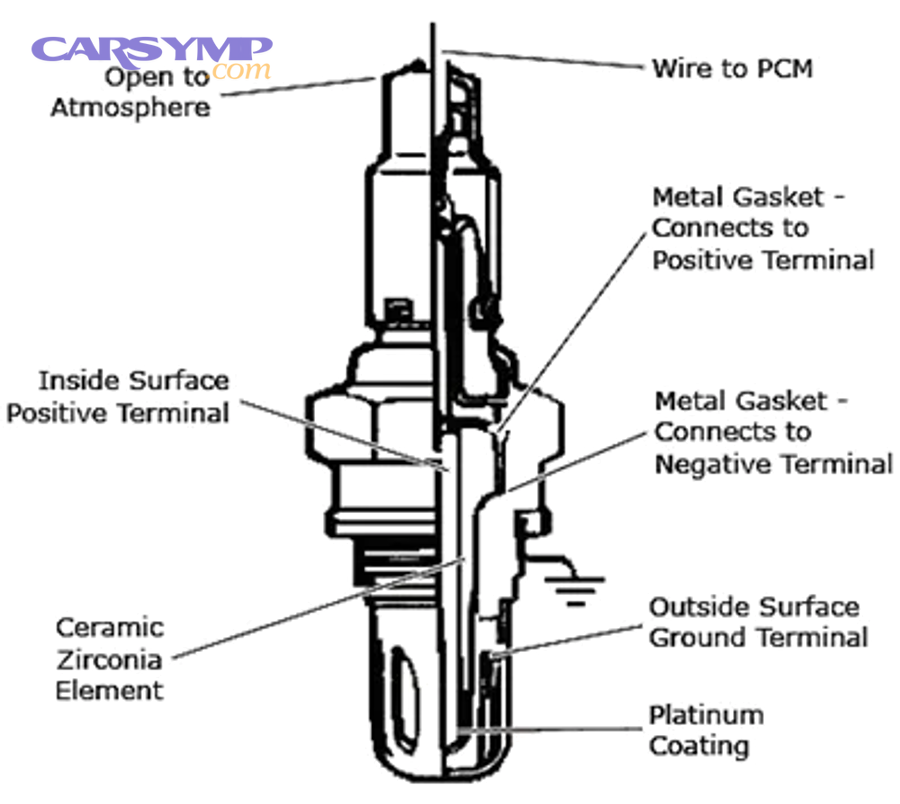
If you’re building an estimate, always start by confirming whether the job is upstream or downstream and the bank/sensor position, because that one detail can change labor time more than the sensor price itself. Basic location guidance also aligns with common descriptions of upstream (before catalyst) and downstream (after catalyst) placement. (carparts.com)
How do parts choices (OEM vs aftermarket) change the total estimate?
OEM wins in guaranteed fit and calibration consistency, aftermarket is best for lower cost, and a direct-fit “OE-style” replacement can be the practical middle—so your estimate should reflect which category you’re buying.
How this affects your estimate:
- OEM (dealer or OE supplier): Usually higher parts price, but fewer fitment surprises and typically excellent connector match.
- Aftermarket (universal): Often cheaper, but may require splicing or adapters (more labor risk).
- Aftermarket (direct-fit): Often the best balance—lower parts cost than OEM, but still plug-and-play.
If a quote looks high, ask what part is being used—many “high estimates” are simply OEM sensor pricing plus standard labor.
How do labor rates and region affect the final quote?
Labor rate is the multiplier that makes the same job cost very different—so two identical cars can receive different totals even with the same sensor and labor time.
Typical shop pricing patterns:
- Dealerships: Higher labor rates, strong OEM process, often higher parts pricing.
- Independent shops: Mid-range labor rates, flexible parts options, often strong value.
- Mobile mechanics: Competitive on convenience, varies by market, sometimes faster for accessible sensors.
To estimate realistically, multiply:
- Estimated labor hours × local shop hourly rate, then add parts and extras.
If you don’t know your local rate, use a conservative midpoint for your area and treat it as a planning number. Your goal is not a perfect invoice—it’s an estimate that’s close enough to decide.
What factors make O2 sensor replacement more expensive on some cars?
There are four common price multipliers that make O2 sensor replacement more expensive: rust/seized threads, difficult access, specialty sensors (wideband), and multiple sensors/complex exhaust layouts.
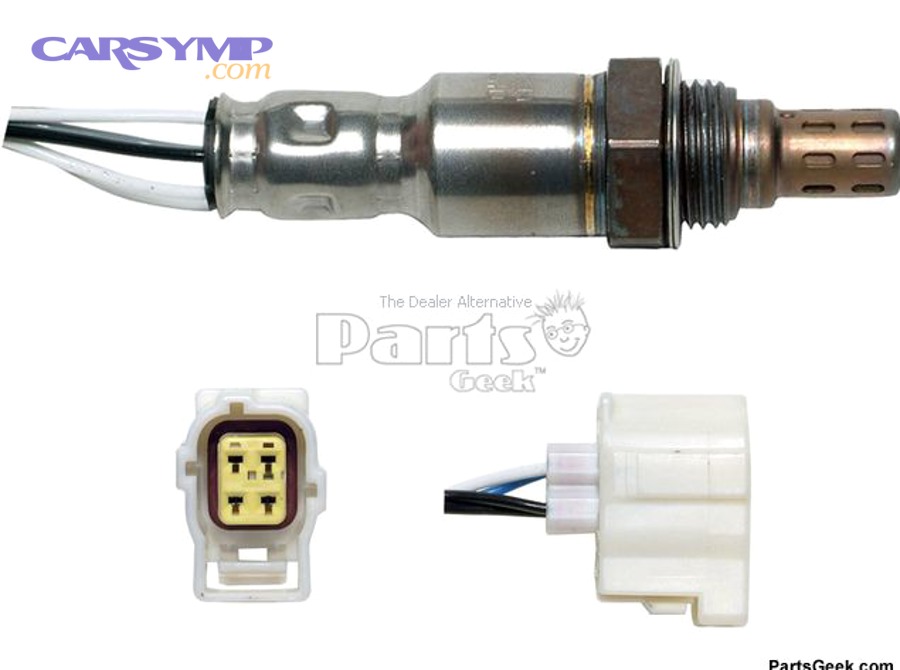
More importantly, these factors don’t just increase cost—they increase uncertainty, which is why shops build extra time into quotes when they see corrosion or cramped access.
Does rust or a seized sensor increase labor time and cost?
Yes—rust and a seized O2 sensor increase replacement cost for at least three reasons: the technician must spend extra time freeing the sensor, the threads may need cleanup or repair, and there is a higher risk of exhaust damage that adds labor.
Specifically, rust affects cost in practical ways:
- More time to remove: Penetrant, heat cycling, and careful torque are slower than a clean removal.
- Thread chasing: Shops may need to clean the bung threads after removal.
- Failure risk: A sensor can strip threads or break, requiring additional extraction steps.
If you live in a salt/rust climate, it’s smart to build a “seized sensor buffer” into your estimate—because labor time is the biggest variable on the invoice.
Does your car having multiple sensors change the estimate (one sensor vs all sensors)?
Replacing one sensor wins for lowest total cost, replacing multiple sensors is best for time efficiency if access overlaps, and replacing “all sensors” is rarely optimal unless there’s a clear reason—so your estimate should be built around the specific failed position.
Here’s the practical comparison:
- One sensor (most common):
- Best when you have a code pointing to a position (example: B1S1) and diagnostics support it.
- Lowest upfront cost.
- Two sensors (same bank or same access path):
- Makes sense when labor overlaps (same shields removed, same underbody access).
- Helps reduce “pay labor twice” situations.
- All sensors:
- Usually unnecessary unless multiple sensors are verified slow/failing or the vehicle has a specific maintenance rationale.
A good estimate is position-specific and realistic: one sensor job unless you have evidence that more than one sensor needs replacement.
Are wideband/A/F sensors more expensive than standard O2 sensors?
Wideband (air-fuel ratio) sensors win in precision, standard O2 sensors are best for lower parts cost, and downstream sensors are often the most routine to replace—so yes, wideband/A/F sensors are often more expensive than standard O2 sensors.
Why wideband tends to raise the estimate:
- Higher sensor price
- Tighter tolerance requirements in fuel control systems
- Sometimes more careful diagnostic confirmation, because a wideband-related code can also be wiring, exhaust leak, or mixture-related
If your quote is higher than expected, ask whether your vehicle uses an air-fuel ratio sensor up front (often upstream on many modern vehicles). That single detail frequently explains a “why is this so expensive?” moment.
Is it worth replacing the O2 sensor yourself or paying a shop?
DIY wins in cost savings, a shop is best for speed and reduced risk, and a hybrid approach (diagnose first, then DIY) is optimal for drivers who want control without guessing.
However, your decision should be based on the specific risk points of oxygen sensor replacement: access, rust, and the possibility that the sensor isn’t the real problem.
Can you replace an O2 sensor DIY safely and successfully?
Yes—you can replace an O2 sensor safely and successfully for at least three reasons: the sensor is typically accessible from the exhaust path, the job often requires basic hand tools plus an O2 socket, and the replacement procedure is straightforward when threads are not seized.
Then, DIY success depends on doing the basics well:
- Work on a cool exhaust (burn risk is real)
- Use proper jack stands if lifting the vehicle
- Route the harness exactly like factory to avoid melting or rubbing
- Avoid twisting wires while removing the sensor (use the correct socket)
DIY is usually most realistic when the sensor is accessible and the exhaust threads are not heavily corroded.
What tools do you need (O2 sensor socket, penetrant) and how do they affect your estimate?
The core method is simple: use an O2 sensor socket plus a ratchet/breaker bar, then apply penetrant and safe removal technique, and you can often remove/install the sensor without paying labor—so tools directly affect your “DIY estimate” by replacing labor cost with one-time purchases.
Tools that commonly matter:
- O2 sensor socket (slotted for the harness)
- Ratchet or breaker bar (seized sensors need leverage)
- Penetrating oil
- Torque wrench (best practice for install)
- Gloves/eye protection
- Jack + jack stands (if needed)
Some tool sets are explicitly designed for oxygen sensor removal and clearance around wires. (harborfreight.com)
If you plan to DIY, add a “tool budget” line to your estimate. The first job costs more; the second job is where the savings compound.
How much money can DIY save versus a shop repair?
DIY saves the most on labor, a shop saves you the most on time and risk, and your best choice depends on whether you can avoid the “seized sensor trap.”
To illustrate the estimate difference, think in a simple structure:
This table compares the cost drivers between a DIY approach and a shop repair so you can estimate the tradeoff clearly.
| Scenario | What you pay for | What typically dominates cost |
|---|---|---|
| DIY | Parts + tools (if you don’t own them) | Tools on the first job, parts after |
| Shop | Parts + labor + fees | Labor time × shop rate |
This table matters because it keeps your estimate honest: if you’re DIY and the sensor is seized, your “savings” can evaporate if you break a sensor or damage threads. If you’re paying a shop, you’re paying for problem-solving capacity, not just turning a wrench.
How do you confirm the O2 sensor is the problem before paying for replacement?
Confirming the O2 sensor is the problem means using code context, wiring inspection, exhaust leak checks, and basic live-data logic to verify the sensor is failing—so you don’t replace a part that was only reporting another issue.
In addition, this is where most drivers protect their budget: misdiagnosis is the fastest way to turn a reasonable estimate into a costly repair chain.
Does a check engine code always mean the O2 sensor is bad?
No—a check engine light does not always mean the O2 sensor is bad for at least three reasons: codes can be triggered by exhaust leaks, wiring/connectors can corrupt the signal, and air/fuel problems can make a good sensor report abnormal readings.
This is why the phrase Common O2 sensor codes needs context. Codes like these are often associated with sensors, but not proof:
- P0130–P0135: O2 sensor circuit/performance/heater issues (often upstream)
- P0140–P0141: O2 sensor circuit/heater issues (often downstream)
- P0171/P0174: Lean conditions (can make O2 data look “wrong”)
- P0420/P0430: Catalyst efficiency (downstream sensor is involved, but the catalyst may be the root cause)
If you’re also noticing Bad O2 sensor symptoms—like rough idle, poor fuel economy, or hesitation—treat that as supporting information, not final proof. Symptoms overlap with vacuum leaks, misfires, and exhaust leaks, so confirmation steps still matter.
What quick diagnostic checks reduce the risk of replacing the wrong part?
There are four quick checks that reduce the chance of wasting money:
- Inspect the harness and connector
Look for melted insulation, broken clips, corrosion, or a wire stretched too tight. - Check for exhaust leaks near the sensor
Even small leaks can pull in oxygen and confuse readings, creating Exhaust leaks that mimic O2 sensor faults—especially near upstream sensors or flex joints. - Look for heater circuit issues
Many O2 sensor-related codes are heater-related, which can also be wiring or fuse problems. If the heater circuit is dead, the sensor may be slow and set codes even if the sensing element is okay. - Use scan-tool “reasonableness” checks (basic level)
If the sensor reading is stuck, extremely slow, or inconsistent with engine behavior, that supports replacement—but interpret with caution.
If you’re paying a shop, ask what they did beyond code reading. If you’re DIY, invest in the simplest scan tool you can use confidently—because one correct diagnosis can save more than the tool costs.
What should you do after replacement to ensure the repair “sticks”?
After oxygen sensor replacement, you should verify the install, clear codes when appropriate, complete a readiness drive cycle, and re-check for leaks or returning codes, so you don’t mistake a temporary improvement for a solved problem.
Especially, “after replacement” is where many drivers either confirm success quickly or discover the issue was upstream (leaks, wiring, mixture), so the checklist matters.
Should you clear the code after replacing the O2 sensor?
Yes—you should clear the code after oxygen sensor replacement for at least three reasons: it resets the warning light so you can verify the repair, it allows the ECU to re-run diagnostics cleanly, and it helps you spot immediate return codes that indicate wiring or leak issues.
Then, clear codes the right way:
- Prefer a scan tool over battery disconnect (battery disconnect can reset other learned values and create side effects).
- Start the engine and confirm there are no obvious exhaust leaks or wiring issues.
- Check that the sensor harness is routed away from the exhaust and moving parts.
If the code returns quickly, treat it as information—your next step is to re-check wiring and look for a leak or incorrect sensor fitment.
How long does it take for readiness monitors to reset after O2 sensor replacement?
Readiness monitors reset after O2 sensor replacement based on your vehicle’s drive-cycle logic, and it can take multiple trips with specific warm-up and cruising conditions before all monitors show “ready.”
To better understand this, think of readiness as the car’s way of saying, “I’ve tested myself again.” Many vehicles require:
- Cold start → warm-up
- Steady cruise
- Deceleration events
- A few complete trips
If you’re preparing for emissions inspection, don’t replace the sensor the night before and expect readiness to be instantly ready. Instead, plan a few normal drives after repair and verify readiness status with a scan tool.
According to a study by Lawrence Berkeley National Laboratory’s Energy & Environment Division and the University of Michigan, in 1996, researchers found about 10% of relatively young cars showed CO emissions 50 times higher than properly functioning cars—highlighting how critical emissions-control performance and confirmation can be after repairs. (www2.lbl.gov)
What related issues can look like a bad O2 sensor and change your total repair cost?
There are four common “false O2 sensor” scenarios—exhaust leaks, wiring damage, catalytic converter problems, and seized-thread repairs—that can make an O2 sensor look guilty while changing the real cost of the repair.
Besides, this section is the part that protects your budget: it helps you recognize when the correct estimate isn’t “oxygen sensor replacement,” but a different fix that only shows up as an O2-related code.
Could an exhaust leak (not the sensor) trigger O2-related codes and inflate the estimate?
Yes—an exhaust leak can trigger O2-related codes for at least three reasons: it introduces outside oxygen that skews readings, it changes exhaust flow near the sensor, and it can create noise in signals that looks like sensor performance failure.
This is exactly why Exhaust leaks that mimic O2 sensor faults show up so often in real repairs. Common leak points include:
- Exhaust manifold gasket
- Flex pipe cracks
- Flange gaskets
- Small pinholes near welds
Leak repairs can add cost because they may require:
- Hardware replacement (rusted bolts/studs)
- Gasket replacement
- Welding in some cases
If your estimate is ballooning, ask if the shop found a leak—because the correct fix may not be the sensor, even if the sensor was the messenger.
Could wiring or connector damage be the real problem instead of the sensor?
Yes—wiring or connector damage can be the real problem for at least three reasons: heat can melt insulation, connectors can corrode or loosen, and harness routing errors can cause intermittent faults that look like a failing sensor.
What to look for:
- Harness too close to the exhaust
- Brittle or cracked insulation
- Loose connector lock tabs
- Corrosion inside the connector
Cost impact:
- Minor wiring repair may be cheaper than sensor replacement
- Complex harness repair can be more expensive than a simple sensor swap
If a new sensor doesn’t fix the issue, wiring is one of the first suspects—especially if the code references heater circuits or intermittent signal faults.
When does a catalytic converter issue (not the downstream sensor) become the real cost driver?
A catalytic converter issue becomes the real cost driver when the downstream sensor reports poor catalyst efficiency and the underlying problem is the converter’s ability to store and clean emissions—not the sensor reading itself.
This often shows up as:
- P0420 / P0430 catalyst efficiency codes
- Downstream readings that mirror upstream behavior (in basic terms)
A downstream sensor can fail, but the converter is the expensive component in the system—so the estimate can jump dramatically if diagnostics point there. This is why thorough diagnosis matters before spending on repeated oxygen sensor replacement attempts.
Do you ever need thread repair or bung replacement if the sensor is seized?
Yes—thread repair or bung replacement is sometimes needed for at least three reasons: corroded threads can strip during removal, broken sensors can damage the bung, and prior cross-threading can prevent proper sealing.
What that can involve:
- Thread chasing/tapping the bung threads
- Weld-in bung replacement (more labor, specialized work)
- Exhaust section replacement in severe cases
If your car is older or heavily rusted, this is the “rare but expensive” branch that explains why a simple estimate can expand. The best way to reduce the odds is to use correct tools and technique—or choose a shop that’s prepared for corroded exhaust work.