


A resonator delete removes the resonator component from your vehicle’s exhaust system, creating a deeper, more aggressive sound while potentially reducing weight by 20-40 pounds, though it may cause exhaust drone and trigger check engine lights in some vehicles. This modification typically costs between $100-$300 and is generally legal in most jurisdictions when performed after the catalytic converter, but legality varies significantly by state and local noise ordinances. Understanding both the advantages and disadvantages of resonator delete is essential before making this permanent modification to your exhaust system.
The legal landscape surrounding resonator delete modifications remains complex across different regions. Federal regulations permit post-catalytic converter exhaust modifications under the Clean Air Act, as these changes don’t directly impact emissions equipment. However, states like California enforce strict noise ordinances that may render resonator deletes illegal, while Australia’s New South Wales has explicit restrictions on exhaust system alterations. Car owners must verify their local jurisdiction’s specific regulations before proceeding with this modification to avoid fines ranging from $100 to $1,000 or failed vehicle inspections.
The decision to perform a resonator delete extends beyond legal compliance to practical considerations of sound quality, performance impact, and potential mechanical issues. Professional installation through muffler shops costs $150-$200 including labor, while DIY enthusiasts can complete the project for under $100 with basic tools like a reciprocating saw and exhaust clamps. The modification offers distinct advantages including enhanced exhaust tone, minimal cost compared to full cat-back systems, and reversibility if you retain the original resonator. Yet drawbacks include persistent cabin drone at highway speeds, possible warranty voidance on exhaust-related components, and incompatibility with certain vehicle models that rely on precise backpressure calculations.
Beyond the immediate pros and cons, resonator delete compares differently to alternative exhaust modifications like muffler deletes and full cat-back systems. To help you navigate this decision comprehensively, this guide explores every aspect of resonator delete from installation procedures to state-by-state legality, cost breakdowns, and comparative analysis with other popular exhaust modifications.
What Is a Resonator Delete?
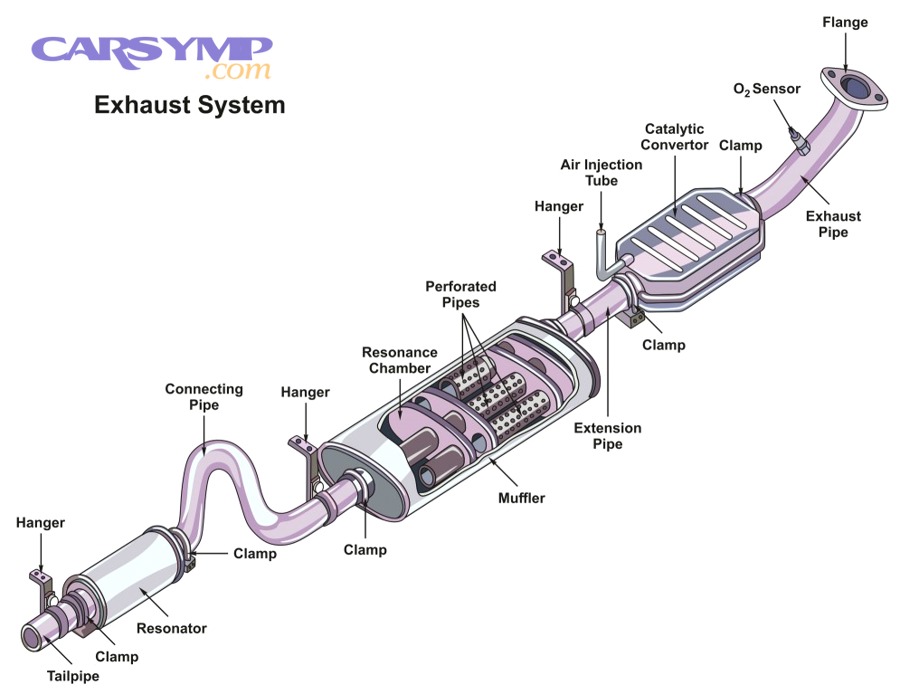
A resonator delete is an exhaust modification that involves removing the resonator component and replacing it with a straight pipe, altering the exhaust sound profile without eliminating the muffler. This modification changes how sound waves travel through your exhaust system by eliminating the resonator’s frequency-canceling function. The resonator sits between your catalytic converter and muffler, specifically designed to tune certain sound frequencies rather than reduce overall volume.
To better understand resonator delete, you must first grasp the resonator’s role in your vehicle’s exhaust architecture. Let’s explore how this component functions and the methods available for its removal.
How Does a Resonator Work in Your Exhaust System?
The resonator functions as a frequency-specific sound dampener that uses internal chambers to cancel particular sound wavelengths through destructive interference. When exhaust gases pass through the resonator, sound waves bounce off internal baffles and create opposing waves that neutralize specific frequencies—typically the harsh, raspy tones that make engines sound unrefined. This component sits downstream from the catalytic converter but before the muffler in most exhaust configurations.
Modern resonators measure between 15 inches and 3 feet in length depending on vehicle size and manufacturer sound targets. The internal design features strategically placed chambers and perforated tubes that allow exhaust flow while managing acoustics. Unlike mufflers that reduce overall volume through absorption and reflection, resonators target narrow frequency bands that create objectionable drone or resonance inside the cabin.
The positioning of resonators matters significantly for their effectiveness. Automakers place them at specific points along the exhaust path where problematic frequencies concentrate. On turbocharged vehicles, resonators often appear closer to the turbocharger to manage the unique sound profile of forced induction. Naturally aspirated engines typically have resonators positioned midway through the exhaust system where mid-range frequencies accumulate during acceleration.
What Are the Types of Resonator Delete Methods?
There are four primary resonator delete methods: full removal with welded straight pipe, bolt-on resonator delete kits, resonator insert modification, and clamp-based installations. Each method offers different levels of permanence, cost, and sound alteration.
Full removal with welded straight pipe represents the most permanent and effective resonator delete approach. This method requires cutting out the resonator completely and welding a mandrel-bent pipe in its place. Professional exhaust shops charge $150-$250 for this service including materials and labor. The welded connection ensures no exhaust leaks and provides maximum durability, though it makes reversing the modification more difficult and expensive. Mandrel-bent pipes maintain consistent diameter throughout curves, optimizing exhaust flow compared to crush-bent alternatives.
Bolt-on resonator delete kits offer vehicle-specific solutions for popular models like the 2015-2017 Ford Mustang GT S550 and 4th/5th generation Ram 1500 Hemi trucks. Companies like B2 Fabrication and Corsa Performance manufacture these kits with precision-fit pipes and clamps that match factory exhaust dimensions. These kits cost $150-$300 but install in 30-60 minutes with basic hand tools, requiring no welding equipment. The bolt-on approach allows complete reversibility if you decide to restore the original exhaust configuration.
Resonator insert modification provides a middle-ground option where a metal spacer or gutted resonator shell remains in place while internal baffles are removed or bypassed. This method costs $50-$100 and produces a milder sound change compared to full deletion. The external appearance remains stock, which helps during visual inspections or when selling the vehicle. However, the sound enhancement is less dramatic, and some frequency-canceling effect persists.
Clamp-based installations use high-quality exhaust clamps instead of welding to secure straight pipes. This DIY-friendly method costs $75-$125 for materials and takes 1-2 hours for mechanically inclined owners. Quality band clamps from Walker or Bosal provide secure connections that withstand exhaust temperatures and vibration. The main advantage lies in easy reversibility without cutting, though clamps may develop leaks over time if not properly torqued to 40-50 ft-lbs.
What Are the Pros of Resonator Delete?
Resonator delete offers five primary advantages: enhanced exhaust sound, vehicle weight reduction, cost-effectiveness compared to other modifications, minimal performance gains, and legal compliance in most jurisdictions. These benefits attract car enthusiasts seeking affordable exhaust customization without comprehensive system replacement.
The appeal of resonator delete stems from its ability to deliver noticeable results with minimal investment and complexity. Below, we examine each advantage in detail to help you understand what this modification realistically delivers.
Does Resonator Delete Improve Sound and Tone?
Yes, resonator delete improves exhaust sound by creating a deeper, rawer tone with more pronounced engine notes during acceleration and deceleration. The modification eliminates the frequency-canceling effect that makes stock exhausts sound muted and refined. Your engine’s natural character emerges more clearly, with mid-range rumble becoming more prominent and the exhaust note gaining authenticity that enthusiasts describe as “mechanical” or “unfiltered.”
The sound transformation varies significantly by engine configuration. V8 engines gain a throatier idle with more pronounced burble during deceleration, while inline-four and V6 engines develop sharper, more aggressive tones. Turbocharged vehicles experience the most dramatic change, as the resonator typically suppresses turbo spool and wastegate sounds. After deletion, turbo whistle and compressor surge become audible, adding character that forced-induction enthusiasts actively seek.
The quality of sound improvement depends on your existing exhaust setup. Vehicles with restrictive factory mufflers benefit most from resonator delete, as the muffler still controls overall volume while the delete adds character. Cars with already-modified exhausts may experience diminishing returns, potentially creating excessive rasp or drone. The 5th generation Ram 1500, for example, sees 12-15% volume increase after resonator delete because the factory resonators act as secondary mufflers in that configuration.
Frequency characteristics change noticeably across the RPM range. At idle and low RPMs (below 2,000), the exhaust develops a deeper, more bass-heavy tone. Mid-range acceleration (2,000-4,500 RPM) produces the most dramatic difference, with clearer definition of individual cylinder firing. High RPM operation (above 4,500) can introduce rasp or harshness, particularly on smaller displacement engines where the resonator previously smoothed out screaming tones.
Does Resonator Delete Reduce Vehicle Weight?
Yes, resonator delete reduces vehicle weight by 20-40 pounds depending on resonator size and whether you have single or dual exhaust configuration. Each resonator weighs approximately 10-20 pounds constructed from steel or stainless steel with internal baffles, chambers, and perforated tubes. Removing these components and replacing them with lighter straight pipes or aluminum tubing creates measurable weight savings concentrated in the rear portion of the vehicle.
Weight reduction impacts vehicle dynamics through improved weight distribution and reduced rotational mass in the drivetrain. The 20-40 pound savings represents 0.5-1% weight reduction on most vehicles weighing 3,500-4,500 pounds. While this seems minimal, the weight comes off the rear axle where it affects handling balance. Rear-wheel drive vehicles particularly benefit from this redistribution, potentially improving turn-in response and reducing understeer tendencies during aggressive cornering.
Fuel efficiency gains from resonator delete weight reduction remain negligible in real-world driving. The EPA estimates that every 100 pounds removed improves fuel economy by 1-2%, meaning 20-40 pound savings translates to 0.2-0.8% efficiency improvement. On a vehicle averaging 25 MPG, this represents approximately 0.05-0.2 MPG improvement—essentially undetectable in normal driving. Any claimed fuel economy benefits likely result from reduced backpressure rather than weight savings alone.
Performance acceleration improvements follow similar patterns as fuel economy. Quarter-mile times might improve by 0.05-0.1 seconds, and 0-60 MPH times could decrease by 0.1 seconds on vehicles running close to their performance limits. These gains are measurable on a dynamometer but imperceptible to most drivers. Track-focused enthusiasts building comprehensive lightweight packages might find value in these incremental improvements when combined with other weight reduction modifications totaling 100+ pounds.
Is Resonator Delete Cost-Effective Compared to Other Mods?
Yes, resonator delete is highly cost-effective at $100-$300 total cost compared to cat-back exhaust systems ($500-$2,000), axle-back systems ($300-$800), or performance headers ($400-$1,500). This modification delivers 60-80% of the sound enhancement that full exhaust systems provide at 10-20% of the cost. For budget-conscious enthusiasts seeking audible results without major financial commitment, resonator delete offers exceptional value.
DIY installation maximizes cost-effectiveness by eliminating $75-$150 labor charges. The required tools include jack stands ($40-$60), a reciprocating saw ($50-$80), and exhaust clamps ($15-$30), totaling $105-$170 in initial investment. These tools serve multiple automotive projects beyond resonator delete, amortizing their cost across future modifications. DIY-capable owners complete the project in 1-3 hours depending on experience level and exhaust accessibility.
Professional installation through muffler shops costs $100-$200 for resonator delete versus $150-$400 for cat-back installation labor. The simpler procedure requires fewer cuts, less welding, and no complex fitment like cat-back systems demand. Most shops complete resonator deletes in under an hour, making it an attractive option during slow business periods when technicians offer competitive pricing. Some performance exhaust retailers include free installation when purchasing their resonator delete kits.
Compared to alternative sound-enhancing modifications, resonator delete provides better cost-to-benefit ratios. Performance mufflers cost $150-$400 each (dual exhaust systems require two) plus installation, totaling $400-$1,000. Active exhaust systems with electronic valves start at $1,500 for basic kits and exceed $3,000 for premium applications. Even simple exhaust tips that create sound changes through geometry run $50-$200 per tip with minimal acoustic impact compared to resonator deletion.
The table below compares common exhaust modifications by cost and sound improvement:
| Modification | DIY Cost | Professional Cost | Sound Improvement | Reversibility |
|---|---|---|---|---|
| Resonator Delete | $75-$125 | $150-$250 | Moderate | Easy |
| Muffler Delete | $50-$100 | $100-$200 | High | Easy |
| Cat-Back Exhaust | $500-$1,500 | $650-$2,000 | High | Moderate |
| Axle-Back Exhaust | $300-$600 | $400-$800 | Moderate-High | Easy |
| Performance Mufflers | $300-$800 | $500-$1,200 | Moderate | Moderate |
Does Resonator Delete Improve Performance?
Resonator delete provides minimal performance improvement of 0-5 horsepower on naturally aspirated engines and potentially 5-8 horsepower on turbocharged applications through reduced backpressure. The performance gains come from eliminating flow restriction rather than fundamental engine changes. Most dyno-tested vehicles show 1-3% power increases concentrated in mid-to-upper RPM ranges where exhaust velocity reaches maximum.
Backpressure reduction explains the limited performance benefits of resonator delete. While resonators do create some restriction, they’re designed with perforated straight-through designs that minimize flow impediment. Removing them reduces backpressure by 0.5-1.5 PSI at wide-open throttle, which represents 3-7% backpressure reduction in typical exhaust systems running 15-20 PSI total backpressure. This modest reduction translates to correspondingly modest power gains.
Turbocharged and supercharged vehicles experience larger performance improvements from resonator delete because forced-induction engines are more sensitive to exhaust restriction. Every PSI of backpressure reduction allows the turbocharger to spool more efficiently and reduces pumping losses. A 2015 Mustang EcoBoost with resonator delete showed 6 horsepower gains at peak power and improved turbo spool by 200 RPM in independent dyno testing. Similar results appear on Subaru WRX, Volkswagen GTI, and BMW turbocharged models.
Naturally aspirated engines rarely gain measurable horsepower from resonator delete alone. A stock Mustang GT 5.0 V8 produces 435-460 horsepower depending on model year, and resonator delete typically adds 2-4 horsepower—less than 1% improvement. The throttle response may feel slightly more immediate due to reduced exhaust restriction, creating a perception of improved performance that exceeds actual measurable gains. Dyno charts show the power curve smooths slightly in mid-range but peak numbers remain nearly unchanged.
Long-term performance effects require consideration beyond immediate horsepower numbers. Resonator replacement labor time averages 0.8-1.2 hours at dealerships, and if backpressure changes negatively impact O2 sensor readings, you’ll face diagnostic costs. Some older vehicles with precisely calibrated exhaust systems experience power loss after resonator delete when the ECU compensates for unexpected airflow changes by richening fuel mixture or retarding timing.
What Are the Cons of Resonator Delete?
Resonator delete creates four primary disadvantages: excessive exhaust drone, check engine light activation, warranty voidance risks, and potential idling problems on older vehicles. These drawbacks range from minor annoyances to significant mechanical concerns depending on your vehicle’s age, exhaust system design, and local regulations.
Understanding these disadvantages proves critical for making an informed decision. The following sections examine each drawback comprehensively to reveal what you might experience after this modification.
Does Resonator Delete Cause Exhaust Drone?
Yes, resonator delete causes exhaust drone—a persistent, low-frequency humming sound most noticeable at cruising speeds between 55-75 MPH when engine RPMs hover in the 1,800-2,500 range. This drone occurs because the resonator previously canceled these specific frequencies through destructive interference, and without it, the sound waves resonate through the cabin unimpeded. The intensity varies by vehicle, with longer wheelbase trucks and sedans experiencing worse drone than shorter sports cars.
Drone manifests as a constant monotone hum that increases with throttle application and decreases during deceleration. Many drivers describe it as similar to a didgeridoo or the sound of blowing across a bottle opening. The frequency typically ranges from 80-120 Hz, which coincides with the natural resonance frequency of many vehicle cabins. This creates sympathetic vibration where the entire interior structure amplifies the exhaust note, making it feel louder than it actually is outside the vehicle.
Highway driving becomes particularly fatiguing with severe exhaust drone. During 2-3 hour trips at steady cruising speeds, the constant low-frequency noise creates mental exhaustion and headaches in some occupants. Passengers in rear seats often complain more vocally than drivers because the sound originates from the rear of the vehicle where it resonates most strongly. Studies on noise-induced fatigue suggest that constant low-frequency sounds below 200 Hz reduce alertness and increase stress hormones more than higher-frequency noise.
Mitigating drone after resonator delete requires additional modifications or acoustic treatment. Some owners install Helmholtz resonators—aftermarket devices tuned to cancel specific drone frequencies—at cost of $50-$150 per unit. Sound deadening material applied to the trunk, rear floor, and wheel wells reduces cabin transmission by 30-40% but adds $200-$500 in materials and labor. Alternatively, switching to a different muffler design with built-in drone suppression addresses the issue systemically but increases total project cost to $400-$700.
Vehicle-specific drone characteristics vary widely. The 5th generation Ram 1500 experiences severe drone between 1,400-1,800 RPM after resonator delete because the factory system uses oversized resonators that function as secondary mufflers. European vehicles like BMW and Mercedes often have worse drone than Japanese cars because their longer wheelbases and sedan configurations create larger resonance chambers. Sports cars with short wheelbases and stiffer chassis typically experience less cabin drone due to reduced sympathetic vibration.
Can Resonator Delete Trigger Check Engine Light?
Yes, resonator delete can trigger check engine light activation on vehicles with sensitive O2 sensors or MAF sensors that detect backpressure changes, though this occurs in only 15-25% of applications. The check engine light illuminates when the Engine Control Unit (ECU) detects unexpected exhaust flow characteristics that deviate from factory parameters. Modern vehicles with wideband O2 sensors and sophisticated emissions monitoring are most susceptible to this issue.
O2 sensor signal changes after resonator delete stem from altered exhaust velocity and pressure waves reaching the sensors. The downstream O2 sensors monitor catalytic converter efficiency by comparing readings before and after the catalyst. When backpressure decreases from resonator removal, exhaust gases move faster through the system, potentially causing millisecond timing differences in sensor readings. If these differences exceed programmed thresholds (typically ±10-15% from baseline), the ECU sets diagnostic trouble codes.
Common trouble codes associated with resonator delete include P0420 (Catalyst System Efficiency Below Threshold), P0430 (Catalyst System Efficiency Below Threshold Bank 2), and P2097 (Post Catalyst Fuel Trim System Too Rich). These codes don’t necessarily indicate actual catalytic converter failure—rather, they reflect the ECU’s confusion about changed exhaust dynamics. The catalytic converter continues functioning normally, but the monitoring system perceives a problem based on unexpected sensor readings.
Clearing the check engine light after resonator delete requires ECU tuning or installing an O2 sensor spacer (also called “defouler”). O2 sensor spacers cost $15-$30 and install between the sensor and exhaust bung, positioning the sensor slightly outside the main exhaust stream. This reduces sensor sensitivity to flow changes while maintaining emissions monitoring capability. Professional ECU tuning costs $300-$600 but permanently resolves the issue by adjusting monitoring parameters to accommodate modified exhaust flow.
Some vehicles never trigger check engine lights after resonator delete regardless of modification extent. Older OBD-II vehicles (1996-2005) with simpler emissions monitoring rarely set codes from resonator changes alone. Vehicles with resonators positioned far from O2 sensors—typically those with mid-pipe resonators rather than rear-section resonators—also experience fewer issues. Honda, Toyota, and Nissan models generally tolerate resonator delete better than German and American vehicles with stricter emissions monitoring protocols.

Does Resonator Delete Void Your Warranty?
Resonator delete partially voids warranty coverage on exhaust-related components but doesn’t automatically void your entire vehicle warranty due to Magnuson-Moss Warranty Act protections. This federal law prevents manufacturers from denying warranty claims unless they prove the aftermarket modification directly caused the component failure. However, dealerships routinely deny coverage on exhaust components, catalytic converters, O2 sensors, and sometimes even engine repairs when they discover exhaust modifications.
The Magnuson-Moss Warranty Act of 1975 specifically states that “a manufacturer or dealer may not refuse to honor a warranty solely because an aftermarket part was installed.” This means if your transmission fails and you have a resonator delete, the dealership cannot deny transmission warranty coverage unless they demonstrate the exhaust modification caused the transmission problem. The burden of proof lies with the manufacturer, not the vehicle owner.
Dealership interpretation of warranty terms varies significantly between brands and individual service departments. Some dealerships take hard-line stances and deny all warranty work when discovering any modification, forcing owners to pursue arbitration through manufacturer corporate offices. Other dealerships assess each claim individually and only deny coverage when direct causation exists. Luxury brands (Mercedes-Benz, BMW, Audi) typically enforce stricter policies than mainstream manufacturers (Ford, Chevrolet, Toyota).
Specific components most likely to face warranty denial after resonator delete include:
- Exhaust components downstream of modification (mufflers, exhaust tips, hangers)
- O2 sensors and wiring harnesses
- Catalytic converters (claimed to have failed due to changed backpressure)
- Turbochargers (on forced-induction vehicles, claimed excessive backpressure reduction caused bearing failure)
- Engine components (in rare cases where dealerships claim modified backpressure contributed to valve or piston damage)
Documentation protects your warranty rights when performing resonator delete. Photograph the original exhaust configuration before modification, retain all removed parts in case reinstallation becomes necessary, and keep receipts from professional installation showing proper materials and procedures. If facing warranty denial, request written documentation from the dealership explaining specifically how your modification caused the failed component. This documentation becomes critical if pursuing arbitration or manufacturer appeals.
Reversibility provides your strongest warranty protection. Because resonator delete can be undone by welding the original resonator back into place or reinstalling it with clamps, owners facing major warranty repairs can restore stock configuration before bringing vehicles to dealerships. This costs $100-$200 for reinstallation but preserves warranty coverage on expensive repairs like engine or transmission replacement potentially worth $5,000-$15,000.
Can Resonator Delete Cause Idling Problems?
Yes, resonator delete can cause idling problems on older vehicles (typically 10+ years old) with worn catalytic converters or engines calibrated for specific backpressure levels. The modification reduces exhaust backpressure by 3-7%, which affects exhaust gas recirculation (EGR) operation and confuses engine control systems designed around factory flow dynamics. Symptoms include rough idle, fluctuating RPM between 600-900, occasional stalling when coming to stops, and longer cranking times during cold starts.
Backpressure serves important functions beyond exhaust flow in combustion engines. Moderate backpressure (12-18 PSI at wide-open throttle) helps scavenge exhaust gases from cylinders during valve overlap when both intake and exhaust valves are partially open. This scavenging effect improves cylinder filling efficiency and stabilizes idle quality. When backpressure drops too low from aggressive exhaust modifications, valve overlap allows fresh intake charge to blow through into the exhaust system, reducing idle stability.
Older vehicles experience idling issues more frequently because their catalytic converters operate less efficiently after 100,000+ miles, and resonator delete further compromises marginal catalytic converter performance. The resonator’s removal changes exhaust velocity through the catalytic converter, potentially reducing residence time below the threshold required for complete emissions conversion. Incomplete catalytic converter operation creates exhaust composition changes that confuse O2 sensors, leading to incorrect fuel trim adjustments that destabilize idle.
EGR system complications represent another mechanism causing idle problems after resonator delete. EGR systems rely on exhaust backpressure to push inert exhaust gases back into the intake manifold for cylinder cooling and NOx reduction. Reduced backpressure from resonator delete can decrease EGR flow by 10-20%, causing the ECU to set diagnostic codes and potentially enter limp mode. Some vehicles compensate automatically, while others require ECU recalibration to adjust EGR targets for modified backpressure levels.
High-mileage engines (150,000+ miles) with worn piston rings or valve seals face additional idle complications after resonator delete. These engines have elevated blow-by—combustion gases escaping past piston rings into the crankcase. Factory exhaust systems create enough backpressure to partially counteract blow-by effects. Lower backpressure after resonator delete can worsen blow-by symptoms, increasing oil consumption and creating rougher idle quality as crankcase pressure fluctuates.
Is Resonator Delete Legal?
Resonator delete is legal in most U.S. states and many international jurisdictions when performed after the catalytic converter, as it doesn’t directly modify emissions control equipment prohibited by EPA regulations. However, legality varies significantly by local noise ordinances, state inspection requirements, and specific vehicle classifications. Approximately 65-70% of U.S. jurisdictions permit post-catalytic converter exhaust modifications without restriction, while 25-30% impose noise limits or require visual inspections that could flag modified exhausts.
The legal status of resonator delete exists in a complex regulatory space spanning federal emissions laws, state vehicle codes, and local noise ordinances. Let’s examine the specific legal frameworks governing this modification across different jurisdictions.
What Are Federal Laws on Resonator Delete?
Federal laws permit resonator delete under the Clean Air Act as long as the modification occurs downstream of all emissions control devices including catalytic converters, EGR systems, and evaporative emissions components. The EPA specifically prohibits removal or modification of any component designed to control emissions, but resonators are classified as sound control devices rather than emissions equipment. Title 40 CFR Part 1068 defines the federal framework, stating that post-catalyst exhaust modifications don’t constitute tampering unless they affect emissions output.
The Clean Air Act of 1970 (amended 1990) established federal emissions standards but granted states authority to implement stricter regulations. This creates the patchwork legality landscape where resonator delete is federally acceptable but potentially illegal under state or local laws. The EPA focuses enforcement on emissions equipment tampering—catalytic converter removal, oxygen sensor bypass, or check engine light disabling—rather than sound-related modifications like resonator delete.
Federal regulations distinguish between on-road and off-road vehicles regarding exhaust modifications. Vehicles titled for street use must maintain all factory emissions equipment, while competition-only vehicles face no federal restrictions on exhaust configuration. This distinction matters for track cars or dedicated race vehicles where resonator delete creates no legal complications regardless of noise levels. However, driving these vehicles on public roads violates federal tampering provisions even if they pass state inspections.
EPA enforcement of exhaust modification laws targets primarily manufacturers and professional installers rather than individual vehicle owners. The agency issued $6.3 million in fines to aftermarket exhaust companies in 2024 for marketing products that facilitate emissions equipment removal. Individual owners face prosecution primarily when exhaust modifications coincide with emissions test failures or when state environmental agencies refer cases to federal authorities during smog check violations.
Anti-tampering provisions under 40 CFR 1068.101 specify penalties up to $4,527 per violation for prohibited modifications. However, actual prosecution of individual owners remains rare unless modifications involve commercial vehicles subject to stricter oversight. The EPA’s enforcement priority focuses on diesel pickup trucks with deleted emissions systems, which represent higher pollution output than gasoline vehicles with resonator deletes that maintain catalytic converters.
Which States Have Strict Resonator Delete Laws?
California, New York, Massachusetts, Connecticut, and Oregon enforce the strictest resonator delete regulations through comprehensive vehicle inspection programs and noise ordinance enforcement. California’s Vehicle Code Section 27150-27153 requires all vehicles to maintain exhaust systems preventing “excessive or unusual noise,” with maximum sound levels of 95 decibels for vehicles manufactured after 1985. Resonator delete often increases exhaust volume to 96-102 decibels at full throttle, exceeding legal limits.
California Air Resources Board (CARB) regulations require all aftermarket exhaust components to carry CARB Executive Order (EO) numbers demonstrating compliance with emissions and noise standards. Resonator delete pipes lack EO numbers because they modify factory systems, making them automatically illegal for street use in California regardless of actual noise output. Penalties range from $250 fix-it tickets requiring restoration of factory configuration to $1,000 fines for repeat violations. Referee stations conduct post-repair inspections charging $35-$40 fees.
New York State Vehicle and Traffic Law Section 386 mirrors California’s approach with 95-decibel limits and requirements for “adequate muffler and exhaust system.” New York’s annual safety inspections include visual examination of exhaust systems, and inspectors can fail vehicles with obvious modifications including missing resonators. However, enforcement varies dramatically between upstate rural counties (minimal enforcement) and New York City (strict enforcement with $150-$300 tickets).
The table below compares resonator delete legality across major U.S. states:
| State | Legal Status | Noise Limit (dB) | Inspection Type | Enforcement Level |
|---|---|---|---|---|
| California | Illegal (no EO) | 95 | Biennial smog | Very High |
| Texas | Legal | 95 | Annual safety | Low |
| Florida | Legal | 95 (local) | None | Very Low |
| New York | Restricted | 95 | Annual safety | High |
| Illinois | Legal | None specified | None | Very Low |
| Massachusetts | Restricted | 95 | Annual safety | Moderate |
| Oregon | Restricted | 95 | DEQ testing | Moderate |
| Arizona | Legal | None specified | Emissions only | Very Low |
Massachusetts General Laws Chapter 90 Section 16 requires annual safety inspections including exhaust system examination. Inspectors must verify “adequate muffling” but interpretation varies by inspection station. Some inspectors fail any modified exhaust, while others focus only on excessive noise during test drive. Failed inspections require correction within 60 days or registration suspension, creating compliance pressure even in moderately strict states.
International regulations vary even more dramatically than U.S. state laws. Australia’s New South Wales prohibits exhaust modifications increasing noise by more than 5 decibels above factory levels under Motor Vehicles (General) Regulation 2021. European Union member countries enforce ECE R51 standards limiting vehicle noise to 72-74 decibels during pass-by testing, making resonator delete illegal in most European jurisdictions. Canada generally permits post-catalytic modifications except in Quebec, which requires modified exhausts to carry certification from approved engineering firms.
Will Resonator Delete Affect Emissions Testing?
No, resonator delete does not affect emissions testing results measured by tailpipe analyzers, as the modification doesn’t alter actual pollutant output including hydrocarbons, carbon monoxide, nitrogen oxides, or carbon dioxide. The catalytic converter remains in place performing all emissions conversion functions, and removing the resonator downstream has zero impact on catalyst efficiency. Vehicles with resonator delete pass emissions testing at identical rates (98-99% pass rate) as unmodified vehicles when all emissions equipment functions properly.
However, resonator delete affects emissions testing through visual inspection requirements and OBD-II diagnostic code checks rather than tailpipe measurements. States employing visual inspection protocols (California, New York, Massachusetts, Connecticut, Rhode Island) fail vehicles with obvious exhaust modifications including missing components. Inspectors compare exhaust configuration against factory specifications using vehicle identification number (VIN) lookup systems that show original equipment configurations.
OBD-II testing represents the second pathway for emissions test failure after resonator delete. States utilizing OBD-II diagnostic scanning (37 states as of 2026) automatically fail vehicles with illuminated check engine lights or stored diagnostic codes related to exhaust or emissions systems. If resonator delete triggered codes P0420, P0430, or P2097 discussed earlier, the vehicle fails regardless of actual emissions cleanliness. Clearing codes immediately before testing doesn’t help because most systems detect “not ready” monitors when codes were recently cleared.
Inspection strictness varies dramatically by state and jurisdiction within states. California’s Bureau of Automotive Repair trains inspectors specifically to identify common modifications including resonator delete, and the state’s “Gold Shield” referee stations conduct thorough physical examinations. Texas requires annual safety inspections but only biennial emissions testing in certain counties, with minimal visual inspection rigor. Florida has no statewide inspection program, leaving emission testing entirely to county discretion.
Strategies for passing emissions testing with resonator delete include:
- Temporary reinstallation: Remove straight pipes and reinstall original resonators using clamps before inspection ($0 cost if you retained parts, 1-2 hours labor)
- Out-of-state registration: Register vehicle in state without inspections if you own property there (legality varies by state residency requirements)
- O2 sensor spacers: Install defoulers to prevent check engine light activation before OBD-II testing ($20-$40, addresses OBD-II testing only)
- ECU tuning: Professional calibration to accommodate modified backpressure and prevent codes ($300-$600, permanent solution)
- Testing location selection: In states with private inspection stations, some facilities employ less thorough examination (ethically questionable)

How Much Does Resonator Delete Cost?
Resonator delete costs between $100-$300 for professional installation including parts and labor, or $75-$125 for DIY completion using aftermarket straight pipes and clamps. Cost variations depend on installation method (welded vs. clamped), vehicle configuration (single vs. dual exhaust), regional labor rates ($65-$120 per hour), and whether you purchase vehicle-specific kits or universal components. Premium mandrel-bent stainless steel pipes increase costs by $40-$80 compared to aluminized steel alternatives.
Understanding the complete cost picture requires breaking down professional and DIY approaches separately. Let’s examine each option comprehensively to help you budget accurately.
What Is the Cost of Professional Resonator Delete Installation?
Professional resonator delete installation costs $150-$250 at independent muffler shops or $200-$350 at dealership service departments, including materials, labor, and disposal fees for removed components. Labor accounts for $75-$150 of total cost based on 0.8-1.5 hours of shop time at prevailing hourly rates. Additional costs emerge if your exhaust system requires custom pipe fabrication ($40-$80) or if corroded exhaust hangers need replacement ($15-$35 per hanger).
Installation method significantly impacts professional service pricing. Welded installations cost $150-$250 because they require more shop time for cutting, pipe fitting, and TIG or MIG welding three separate joints. Clamp installations run $100-$175 by eliminating welding equipment setup and providing faster completion. Most shops prefer welded installations because they generate no callbacks for leaking clamps and demonstrate higher quality workmanship.
Muffler shop selection affects both price and quality outcomes. National chain muffler shops (Meineke, Midas, Jiffy Lube) charge $120-$180 for resonator delete using standardized pricing structures and pre-cut universal pipes. Independent performance exhaust specialists charge $180-$280 but typically provide superior craftsmanship including mandrel-bent pipes, precise fitment, and exhaust hanger repositioning. Dealership service departments charge premium rates ($250-$350) but offer warranty protection on welding work and proper disposal of removed resonators containing precious metals.
Geographic location creates substantial price variations for professional resonator delete. Urban coastal areas (Los Angeles, New York, Miami, Seattle) see average costs of $200-$280 due to higher commercial real estate expenses and labor rates. Rural areas and smaller cities in the Midwest and South average $120-$180 for identical service. Some performance shops offer package pricing combining resonator delete with other services like muffler replacement or exhaust tip installation at 10-15% discount versus individual service pricing.
Material quality upgrades add $50-$120 to professional installation costs. Standard aluminized steel pipes cost shops $25-$40 wholesale and suffice for most applications lasting 8-12 years before rust perforation. 304 stainless steel pipes cost $60-$90 wholesale, resist corrosion indefinitely, and maintain appearance for show vehicles. 321 stainless steel with titanium stabilization costs $90-$140 wholesale, provides best heat resistance for turbocharged applications running 1,600°F+ exhaust temperatures.
How Much Does DIY Resonator Delete Cost?
DIY resonator delete costs $75-$125 for materials including straight pipes ($40-$80), exhaust clamps ($15-$30), and penetrating oil ($5-$10) for loosening corroded hardware, assuming you already own basic tools. Additional first-time costs include jack stands ($40-$60 for a quality pair rated 3+ tons), reciprocating saw ($50-$80 for corded model, $80-$120 for cordless), and metal cutting blades ($10-$15 for 5-pack). Total first-project investment reaches $220-$405 but amortizes across future automotive work.
Material selection for DIY resonator delete affects both immediate costs and long-term durability. Universal straight pipes from AutoZone or O’Reilly’s cost $40-$60 for aluminized steel in common diameters (2.25″, 2.5″, 3″). These pipes come in 18″-24″ lengths requiring cutting to proper length matching your resonator removal. Stainless steel universal pipes cost $70-$110 from Summit Racing or Jegs, offering superior longevity especially in salt-belt climates where road salt accelerates exhaust corrosion.
Exhaust clamp quality dramatically impacts DIY installation success rates. Budget band clamps from discount auto parts stores cost $8-$12 per clamp but frequently develop leaks within 6-12 months as tension loosens from heat cycling. Professional-grade AccuSeal or Walker band clamps cost $15-$22 per clamp but maintain sealing pressure through thousands of heat cycles. Bolt-together sleeve clamps cost $20-$35 per joint and provide best sealing with proper installation but require precise pipe sizing.
Tool ownership determines whether DIY resonator delete makes financial sense. If you already own jack stands, saws, and hand tools from previous projects, DIY provides 60-70% cost savings versus professional installation. First-time DIYers purchasing all necessary tools spend $220-$405 initially but save $75-$200 on this project alone, reaching break-even after 2-3 exhaust projects over vehicle lifetime. Borrowing tools from friends or renting from AutoZone (free tool loan program) eliminates initial capital requirements.
Hidden costs in DIY resonator delete include:
- Replacement exhaust hangers: $15-$35 if originals break during removal (common on 10+ year old vehicles)
- Penetrating oil and rust treatment: $10-$20 for PB Blaster, Liquid Wrench, or Kroil to loosen corroded clamp bolts
- Safety equipment: $15-$30 for safety glasses, gloves, and ear protection if not already owned
- Contingency parts: $20-$40 for emergency supplies if pipes don’t fit correctly or additional clamps needed
- Time value: 2-5 hours for first-time DIYers vs. 1-hour shop service (calculate your hourly rate to assess true savings)
Professional-grade results in DIY installations require patience and proper technique. Rushed cutting creates uneven pipe edges that prevent proper clamp sealing. Insufficient pipe overlap (minimum 2.5″ required) causes joint separation under thermal expansion. Over-tightening clamps strips threads or deforms pipes, creating exhaust leaks detectable by hissing sounds and smell. First-time DIYers should allocate 3-4 hours for careful work versus experienced enthusiasts completing the project in 60-90 minutes.
How Do You Install a Resonator Delete?
Installing a resonator delete requires lifting the vehicle on jack stands, locating the resonator between the catalytic converter and muffler, cutting it out with a reciprocating saw, and installing straight replacement pipes using either clamps or welding. The complete process takes 1-3 hours depending on experience level, exhaust accessibility, and installation method. Proper safety protocols including wheel chocks, stable jack placement, and eye protection are mandatory for this underneath-vehicle work.
The installation process demands methodical approach to ensure safe execution and leak-free results. Below, we detail the tools required and step-by-step procedures for successful resonator delete.
What Tools Are Needed for Resonator Delete?
Essential tools for resonator delete include floor jack and jack stands (3-ton minimum capacity), reciprocating saw with metal cutting blades, socket set (10mm-19mm), penetrating oil, safety glasses, work gloves, and wheel chocks. Additional helpful tools include torque wrench for proper clamp tightening (30-50 ft-lbs), wire brush for cleaning pipe ends, measuring tape for proper pipe length calculation, and marking pen for cut line indication.
Jack and jack stand selection critically impacts safety during resonator delete installation. Floor jacks rated 2.5-3 tons handle most passenger vehicles and light trucks, while heavy trucks require 3.5-ton capacity. Jack stands must meet or exceed vehicle weight rating—never rely solely on hydraulic jacks which can fail catastrophically. Position jack stands on vehicle frame rails or manufacturer-specified lift points, never on thin sheet metal or exhaust components. Use rubber pads on jack stand tops to prevent frame damage and improve stability.
Reciprocating saw choice affects cutting speed and precision. Corded reciprocating saws cost $50-$80 (Milwaukee, DeWalt, Makita) and provide unlimited runtime but require extension cord access under vehicle. Cordless models cost $80-$150 for tool-only or $150-$250 in kits with batteries, offering better maneuverability but requiring battery management during extended cutting. Metal cutting blades rated for stainless steel (10-14 teeth per inch) cut exhaust pipe cleanest with least vibration.
Exhaust clamp selection determines installation permanence and leak potential. Band clamps sized to match pipe diameter (measure with calipers: common sizes 2.25″, 2.5″, 2.75″, 3″) cost $15-$30 for professional grades. Ensure clamps specify exhaust application with temperature ratings exceeding 1,200°F. Bolt-together sleeve clamps require pipe overlap of 2.5-3″ minimum and provide strongest connection but cost $25-$40 per joint. Budget U-bolt clamps ($8-$15) work temporarily but loosen from vibration within months.
Safety equipment prevents common injuries during resonator delete. Safety glasses protect against metal shavings and rust particles dislodged during cutting—exhaust rust entering eyes causes painful injuries requiring medical treatment. Leather work gloves prevent cuts from sharp pipe edges and protect hands from hot exhaust components if vehicle was recently driven. Respirator masks rated N95 or better protect lungs from rust particles and asbestos-containing gasket materials found in older vehicles (pre-2000).

What Are the Step-by-Step Instructions?
The resonator delete installation process follows eight critical steps: vehicle preparation and lifting, resonator location identification, measurement and marking, cutting procedure, pipe end preparation, replacement pipe installation, clamp or weld securing, and leak testing. Following these steps methodically ensures safe, effective modification without exhaust leaks or system damage.
Step 1: Vehicle Preparation (15-20 minutes)
Park vehicle on level, solid ground—never attempt exhaust work on inclines or soft surfaces where jack stands can shift. Engage parking brake and place wheel chocks behind and in front of at least one wheel opposite your working side. Start engine and run 2-3 minutes to warm exhaust slightly (warm metal cuts cleaner), then shut off and wait 10-15 minutes for safe handling temperature. Apply penetrating oil to all exhaust clamp bolts, hangers, and joints you’ll disturb, allowing 10-15 minutes of soak time before disassembly.
Step 2: Vehicle Lifting (10-15 minutes)
Position floor jack under manufacturer-specified jacking point (consult owner’s manual for locations—typically front crossmember or rear differential). Lift vehicle until wheels clear ground by 12-18 inches, providing adequate working clearance. Immediately position jack stands under frame rails or designated lift points—never work under vehicle supported only by hydraulic jack. Lower vehicle onto jack stands slowly, ensuring stable contact before crawling underneath. Test stability by pushing vehicle sideways; excessive movement indicates unsafe stand placement.
Step 3: Resonator Location (5-10 minutes)
Locate resonator(s) in exhaust system—typically cylindrical components 15-36 inches long positioned between catalytic converter(s) and muffler(s). Distinguish resonators from catalytic converters: resonators lack upstream O2 sensor bungs and feel lighter when tapped (hollow chambers vs. catalyst substrate). On dual exhaust systems, identify both resonators ensuring symmetric modification. Photograph resonator placement before removal for reference during reinstallation if modification reversal becomes necessary.
Step 4: Measurement and Marking (10-15 minutes)
Measure resonator length from inlet to outlet flanges or welded joints. Calculate replacement straight pipe length: resonator length minus 4-6 inches to allow 2-3 inch overlap at each end for clamp installation. Mark cutting lines on exhaust pipe 2-3 inches before resonator inlet and after resonator outlet using paint pen or soapstone. Use measuring tape and level to ensure cuts will be perpendicular to pipe axis—angled cuts prevent proper clamp sealing.
Step 5: Cutting Procedure (15-25 minutes)
Spray cutting area with water or cutting lubricant to reduce heat and blade wear. Position reciprocating saw blade perpendicular to pipe at marked line. Start saw at low speed, applying firm but not excessive pressure. Let blade speed do cutting work—forcing the saw binds blades and creates rough cuts. Complete first cut, support resonator weight with free hand or bungee cord to prevent dropping. Repeat cutting process at second marked location. Remove resonator carefully; these components weigh 10-20 pounds and may still be warm.
Step 6: Pipe End Preparation (10-15 minutes)
Examine cut pipe ends for burrs, sharp edges, or crushing from cutting process. Use die grinder, file, or flap disc on angle grinder to smooth cut edges and remove burrs—sharp edges cut through exhaust clamps and create leak paths. Clean pipe ends with wire brush, removing rust, carbon deposits, and old gasket material. Wipe with degreaser or brake cleaner to ensure clean metal-to-metal contact for clamp sealing. Measure inside diameter of existing pipes with calipers to confirm replacement pipe sizing.
Step 7: Replacement Pipe Installation (15-20 minutes)
Slide replacement straight pipe into position, overlapping existing exhaust pipes by 2.5-3 inches at each connection point. Verify pipe alignment with existing exhaust system—proper alignment prevents stress on hangers and ensures ground clearance. Position exhaust clamps over joint areas before tightening. Tighten clamps gradually in cross-pattern if using multi-bolt designs, reaching final torque of 40-50 ft-lbs. Check that pipe ends seat fully inside each other without gaps visible at joints.
Step 8: Leak Testing and Final Inspection (10-15 minutes)
Start engine and listen carefully for exhaust leaks—hissing sounds indicate gaps at clamp joints. Feel around connections with hand (engine running, safe distance from hot components) to detect escaping exhaust gas. Re-tighten loose clamps immediately. Inspect exhaust system ground clearance ensuring minimum 3-4 inch clearance between pipes and road surface, suspension components, or fuel lines. Check exhaust hanger integrity—broken hangers cause excessive system movement and potential clamp loosening. Test drive 10-15 minutes, then re-inspect all connections for leaks after heat cycling.
Welding Alternative Process:
Professional welders substitute Steps 6-7 with: Clean and bevel pipe ends at 30-degree angle using angle grinder. Tack weld replacement pipe at four points around circumference. Complete full-penetration weld around entire joint using TIG or MIG welder (stainless requires TIG with argon shielding). Allow welds to cool naturally without water quenching (prevents cracking). Grind weld beads flush for appearance if desired.
How Does Resonator Delete Compare to Other Exhaust Modifications?
Resonator delete compares favorably to muffler delete for cost and reversibility but creates less dramatic sound increase, while cat-back exhaust systems provide superior overall sound quality and performance at 3-5 times higher cost. Each modification serves different priorities: resonator delete optimizes cost-effectiveness, muffler delete maximizes volume, and cat-back systems deliver comprehensive performance and sound improvements. The choice depends on budget constraints, desired sound characteristics, and performance goals.
Understanding how resonator delete stacks against alternative exhaust modifications helps you select the optimal approach for your specific situation. Let’s examine detailed comparisons with other popular modifications.
What Is the Difference Between Resonator Delete and Muffler Delete?
Resonator delete and muffler delete differ primarily in sound impact, legality, and drone characteristics: muffler delete increases exhaust volume by 15-25 decibels creating dramatically louder exhaust, while resonator delete increases volume by 3-8 decibels focusing more on tone change than volume increase. Muffler delete costs $50-$200 professionally installed, slightly less than resonator delete, but creates severe drone making daily driving uncomfortable. Muffler delete is illegal in more jurisdictions because it removes the primary sound dampening device, while resonator delete maintains legal status in most areas.
Sound quality represents the most critical distinction between these modifications. Muffler delete removes the component responsible for 60-80% of overall sound dampening, resulting in raw, unfiltered exhaust note with minimal frequency management. Engines produce extremely loud, raspy sounds especially at high RPMs, often described as “tin can” or “fart can” quality on smaller displacement engines. Resonator delete maintains the muffler’s sound control while removing frequency-canceling resonator, producing deeper, more refined tone with 50-70% less volume increase than muffler delete.
Drone severity differs dramatically between modifications. Muffler delete creates intense, unrelenting drone from 1,500-3,500 RPM range—essentially all normal cruising speeds—making highway driving exhausting after 15-20 minutes. The constant loud drone at 100-110 decibels inside the cabin causes hearing damage with prolonged exposure. Resonator delete produces milder drone affecting narrower RPM range (typically 1,800-2,500 RPM) at 85-92 decibels, remaining annoying but not painful or damaging during normal exposure periods.
The Resonator vs muffler function explained further clarifies these differences: mufflers use absorption materials and reflection chambers to reduce overall volume across all frequencies, while resonators target specific problematic frequencies through destructive wave interference. Removing the muffler eliminates broad-spectrum sound control creating indiscriminate loudness, whereas removing the resonator allows specific frequencies through while maintaining general volume management.
Legal implications vary significantly between modifications. Muffler delete explicitly violates vehicle codes in all 50 states because mufflers constitute required equipment under federal and state laws. Police officers easily identify missing mufflers through visual and auditory evidence, resulting in $100-$500 tickets depending on jurisdiction. Resonator delete occupies legal gray area where primary concern is noise level rather than missing specific component—vehicles passing noise tests remain legal even with deleted resonators.
Performance impacts differ minimally between modifications. Muffler delete provides 3-8 horsepower gains from eliminating primary restriction, while resonator delete offers 1-5 horsepower improvements from removing secondary restriction. Neither modification fundamentally changes engine performance characteristics or drivability beyond sound and minor power differences. Combining both modifications (straight pipe configuration) yields 8-15 horsepower but creates intolerable noise levels for street use.
Reversibility considerations favor resonator delete over muffler delete. Reinstalling a resonator after deletion costs $100-$200 and restores near-stock acoustics. Muffler replacement costs $150-$400 for quality replacement mufflers (OEM or performance equivalents), and original factory mufflers become harder to source over time. Budget mufflers ($50-$100) suffice for emissions testing but lack durability and sound quality of original equipment.
What Is the Difference Between Resonator Delete and Cat-Back Exhaust?
Resonator delete and cat-back exhaust differ fundamentally in scope, cost, and performance: cat-back exhaust systems replace all components from catalytic converter to exhaust tips including pipes, mufflers, and resonators at $500-$2,000 cost, while resonator delete modifies only the resonator section for $100-$300. Cat-back systems provide 10-25 horsepower gains, improved exhaust flow engineering, and professionally tuned sound quality, whereas resonator delete offers 1-5 horsepower improvements and basic sound enhancement without comprehensive system optimization.
Scope of modification represents the primary distinction. Cat-back exhaust systems replace 4-8 feet of exhaust piping from catalytic converter back, including all mufflers, resonators, mid-pipes, and tailpipe sections. These systems arrive as complete engineered solutions with diameter-optimized piping (often upgrading from 2.25″ to 2.5″-3″), performance mufflers with specific sound tuning, and polished stainless exhaust tips. Resonator delete modifies 18-36 inches of piping, leaving factory mufflers, pipes, and tips unchanged—essentially a point modification rather than system overhaul.
Sound quality differences reflect engineering investment levels. Cat-back systems from reputable manufacturers (Borla, Magnaflow, Corsa, AWE Tuning) undergo dyno testing and acoustic tuning to eliminate drone, produce desirable exhaust notes across RPM ranges, and maintain sound quality under all driving conditions. These systems cost $600-$1,800 but deliver refined results. Resonator delete produces unpredictable results varying by existing muffler design—sometimes complementary sound improvement, other times creating unpleasant rasp or increased drone.
Performance gains scale with modification comprehensiveness. Cat-back systems increase exhaust diameter by 10-20% (2.25″ to 2.5″-2.75″), reducing backpressure by 15-30% and enabling 10-25 horsepower gains on naturally aspirated engines or 15-35 horsepower on turbocharged applications. Mandrel-bent pipes eliminate diameter restrictions at bends that plague factory crush-bent exhausts. Resonator delete reduces backpressure by only 3-7% through removing single restriction point, yielding minimal performance improvements of 1-5 horsepower.
Installation complexity and labor costs differ substantially. Cat-back systems require 1.5-3 hours professional installation at $150-$400 labor cost due to multiple connection points, precise alignment requirements, and exhaust hanger repositioning. Some systems specify torque specifications for clamp bolts to prevent leaks. Resonator delete takes 0.8-1.5 hours professionally at $100-$200 labor, involving only two cut points and simple straight pipe installation.
Warranty and reliability considerations favor cat-back systems. Reputable manufacturers include lifetime warranties on stainless steel construction, guarantee fitment on specified vehicle applications, and provide customer support for installation issues. These warranties transfer to subsequent owners if you sell the vehicle. Resonator delete using universal pipes carries no warranty beyond basic clamp warranty (90 days typically), and improper installation may cause exhaust leaks requiring repair within months.
Visual impact differs between modifications. Cat-back exhaust systems include polished 4-5 inch diameter exhaust tips in chrome, black, or carbon fiber finishes that enhance vehicle appearance from rear view. Many systems feature dual tips on single-exit exhausts or quad tips on dual-exit configurations. Resonator delete maintains factory exhaust tips unless separately upgraded, providing no visual enhancement unless combined with aftermarket tip installation ($40-$200).
Should You Combine Resonator Delete with Muffler Delete?
No, combining resonator delete with muffler delete creates excessive noise levels of 105-115 decibels at wide-open throttle that violate noise ordinances in virtually all jurisdictions and produce unbearable cabin drone making the vehicle undriveable for daily transportation. This combination effectively creates straight-pipe exhaust configuration offering no sound management beyond the catalytic converter. While enthusiasts seek this setup for track-only vehicles where maximum sound output creates competitive advantage, it remains impractical for street-driven cars.
Combined delete sound characteristics reach extreme levels unsuitable for public roads. Individual cylinder firing becomes clearly audible even at idle, creating rough, industrial engine sounds. Highway cruising produces constant 95-100 decibel drone throughout the cabin—sound levels requiring hearing protection under OSHA workplace safety standards. Acceleration creates sharp, raspy exhaust notes that many describe as unpleasant even among performance enthusiasts. Cold starts in residential areas generate complaints from neighbors blocks away.
Legal ramifications of combined deletes are severe across all U.S. states. The modification clearly violates federal and state requirements for adequate muffler systems, resulting in tickets ranging from $150-$1,000 for first offense depending on jurisdiction. Police officers hear these vehicles from blocks away, making detection virtually certain during normal operation. Some jurisdictions impound vehicles with straight-pipe exhausts until owners restore legal exhaust configurations at towing and storage costs of $200-$500.
Performance benefits plateau with combined deletes compared to optimized single modifications. Removing both resonator and muffler reduces backpressure by 20-35%, yielding 8-15 horsepower gains on naturally aspirated engines. However, excessively low backpressure on some engines reduces low-end torque by 3-8% through poor exhaust scavenging, particularly on high-compression naturally aspirated applications. The small power gains fail to justify enormous noise penalty and legal risks.
Daily drivability becomes severely compromised with combined deletes. The persistent loud drone causes driver fatigue after 20-30 minutes of highway driving. Passengers refuse rides due to noise discomfort. Communication inside the vehicle requires shouting at cruising speeds. Long road trips become physically exhausting from constant noise exposure. Many owners who attempt this modification reverse it within 2-4 weeks after realizing the impracticality.
Alternative approaches deliver better sound-to-drone ratios than combined deletes. Resonator delete with performance muffler replacement provides 80% of the sound enhancement with 30% of the drone penalty. High-flow catalytic converter with resonator delete yields similar performance gains with manageable sound levels. Complete cat-back exhaust system from reputable manufacturer delivers optimal balance of sound, performance, and drivability for $600-$1,800—price point that seems expensive initially but provides superior long-term satisfaction.
Track-only applications represent the sole justification for combined resonator and muffler delete. Competition vehicles benefit from weight savings (30-50 pounds total) and maximum exhaust flow unrestricted by sound regulations. Drag racing, road racing, and time attack builds often employ straight-pipe configurations as foundation for larger exhaust modifications including high-flow catalytic converters or catalytic converter removal (illegal for street use). These vehicles trailer to events rather than driving on public roads, eliminating legal and noise concerns.
How Does Resonator Delete Work with Aftermarket Mufflers?
Resonator delete works exceptionally well with aftermarket mufflers when both components complement each other’s sound characteristics, creating synergistic exhaust note improvement greater than either modification alone. Chambered mufflers like Flowmaster or Magnaflow benefit most from resonator delete because the muffler provides aggressive base tone while resonator removal eliminates remaining frequency restrictions creating fuller, deeper sound. Straight-through mufflers with perforated cores may become excessively loud or raspy when combined with resonator delete, requiring careful selection.
Sound frequency matching determines compatibility between resonator delete and aftermarket mufflers. Performance mufflers are designed around specific sound profiles: chambered designs emphasize low-frequency rumble (80-150 Hz), straight-through designs produce balanced frequency output, and turbo-style mufflers suppress high frequencies (200+ Hz) while allowing mid-range through. Removing resonators eliminates 100-200 Hz frequency cancellation—if your muffler already produces strong output in this range, the combination amplifies desirable tones. If the muffler creates rasp at these frequencies, resonator delete worsens the problem.
Popular vehicle-specific combinations demonstrate successful pairings. Ram 1500 Hemi owners frequently combine Flowmaster Super 44 mufflers with resonator delete, creating deep idle rumble and aggressive acceleration sound without excessive drone. Mustang GT 5.0 owners pair Borla S-Type or ATAK mufflers with resonator delete for track-inspired sound that remains livable during daily driving. Subaru WRX enthusiasts often run Invidia Q300 mufflers with resonator delete, enhancing the characteristic boxer rumble while maintaining refined tone.
Installation sequence matters when combining modifications. Installing aftermarket mufflers first allows you to assess their sound characteristics before deciding whether resonator delete adds value. Some mufflers produce sufficient sound enhancement that resonator delete becomes unnecessary or creates excessive noise. Others sound too refined even after installation, making resonator delete the perfect complement. Reversing order (resonator delete first, muffler replacement second) costs more in total labor hours because shops charge full rates for each separate installation visit.
Drone management requires special attention when combining resonator delete with aftermarket mufflers. Certain combinations create destructive acoustic interference where specific frequencies amplify rather than cancel, producing intense drone at narrow RPM ranges. Testing the combination on similar vehicles helps predict results—enthusiast forums and YouTube channels document thousands of exhaust configurations revealing which pairings produce drone. Some muffler manufacturers specifically design products to work with resonator deletes, labeling them as “resonator delete compatible” or “drone-free with deleted resonators.”
Cost considerations favor sequential modification approach. Purchasing aftermarket mufflers ($200-$600) plus resonator delete ($100-$300) totals $300-$900, less than many cat-back systems but requiring two separate installations. Combined installation labor costs $250-$450 versus $150-$250 for either modification alone. However, the flexibility to test each modification separately and reverse either one provides value that offsets higher total cost. Complete cat-back systems save installation costs but lock you into single sound profile without customization options.
This comprehensive guide has explored resonator delete from every angle—legal compliance, cost analysis, installation procedures, and comparative evaluation against alternative modifications. Understanding both advantages (enhanced sound, affordable pricing, weight reduction) and disadvantages (drone potential, warranty concerns, check engine light risks) empowers you to make informed decisions about whether this modification aligns with your vehicle goals, budget constraints, and local regulations. Whether you choose DIY installation or professional service, the information provided establishes realistic expectations for outcomes and long-term implications of this popular exhaust modification.