


Most control arms typically last about 80,000–150,000 miles (6–12+ years) in normal daily driving, but the real lifespan depends on what actually “wears out” first—usually the rubber bushings or the ball joint, not the metal arm itself. Next, it helps to translate those broad numbers into your conditions (potholes, salt, towing, lifted tires) so you can set realistic expectations instead of guessing.
Then, even if your mileage is “normal,” the timing of wear is often revealed earlier by symptoms—noises, steering feel, and tire wear patterns—so you can catch problems before they turn into unsafe handling. In addition, a quick inspection routine (at home or at a shop) can confirm whether you’re dealing with bushings, a ball joint, or a bent arm—because those diagnoses lead to different repair choices.
Introduce a new idea: once you understand the lifespan ranges and failure modes, you can make a smarter replace-or-repair decision (bushings vs ball joint vs full arm) and protect the new parts with correct installation steps and alignment.
What does “control arm lifespan” mean, and what parts actually wear out?
Control arm lifespan means the service life of the control arm assembly until wheel geometry and handling degrade past spec—most often because bushings or the ball joint wear, not because the arm “expires.” Next, break the assembly into its wear items so the lifespan number makes practical sense.
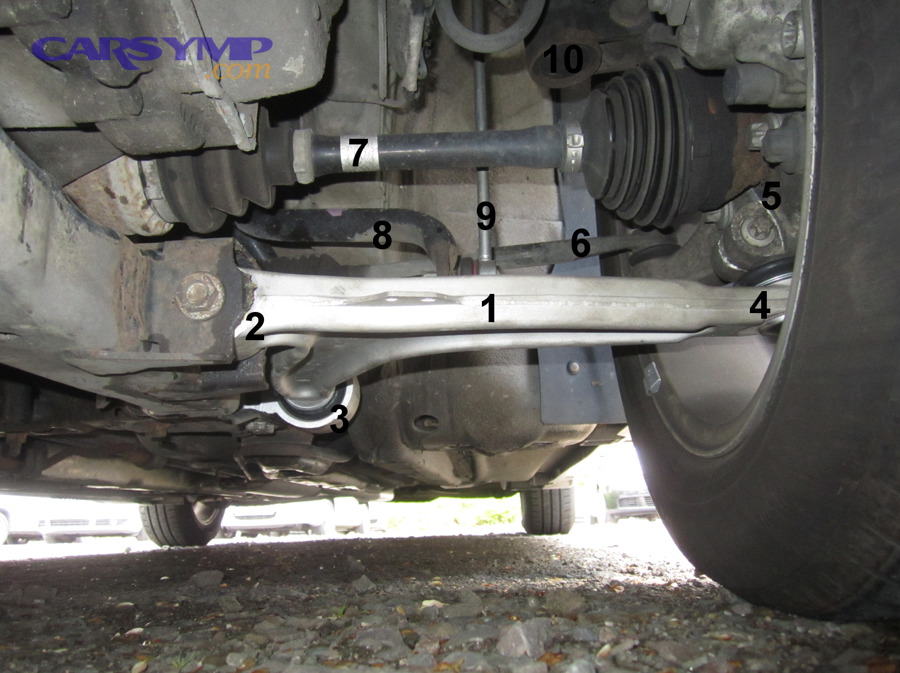
What are the main components of a control arm that determine lifespan?
A control arm assembly is typically a metal arm + bushings + (often) a ball joint, plus the hardware that clamps everything together. More specifically, these parts determine how long the system stays tight and aligned:
- Arm (steel/aluminum “wishbone”): usually lasts a long time unless bent, cracked, or corroded severely.
- Bushings (rubber or polyurethane): most common wear item; they soften, crack, or tear and allow unwanted movement.
- Ball joint (if integrated): wears internally; develops looseness and can become a safety risk if ignored.
- Mounting hardware: bolts, sleeves, and subframe interfaces can seize or rust; that can force replacement decisions.
Do control arms fail because of the arm itself or the bushings/ball joint?
No—most control arms don’t “fail” because the arm metal wears out; they fail because bushings or the ball joint develop play. Next, here are three core reasons that happens sooner than the arm itself:
- Rubber ages and flexes constantly, so it eventually cracks/tears under load cycles.
- The ball joint is a moving bearing, so lubrication loss and wear create looseness.
- Road impacts create compliance creep, where repeated shock loads deform bushings and shift alignment.
According to a dissertation by Universität der Bundeswehr München from the Fakultät für Luft- und Raumfahrttechnik (LRT 4 – Institut für Mechanik), published in 2024, ozone-related ageing can drive fast crack growth and shorten the lifetime of natural rubber components in real applications. (athene-forschung.unibw.de)
What’s the difference between control arm lifespan and ball joint lifespan?
Control arm assembly lifespan is governed by whichever wears first—bushings, ball joint, or corrosion—while ball joint lifespan specifically tracks the joint’s internal wear and looseness. Next, the useful comparison is:
- Ball joint lifespan: ends when the joint develops measurable play, boot failure, or binding.
- Control arm lifespan: ends when alignment stability, braking feel, and steering precision degrade—often from bushing compliance even if the ball joint is still “passable.”
This matters for Ball joint vs bushing vs control arm diagnosis: a “worn control arm” complaint might actually be a worn ball joint, a torn bushing, or both.
How long do control arms typically last in miles and years for daily drivers?
There are 3 practical lifespan ranges for control arms—long, average, and short—based on driving severity and environment. Then, you can map your vehicle to the range that fits your conditions.
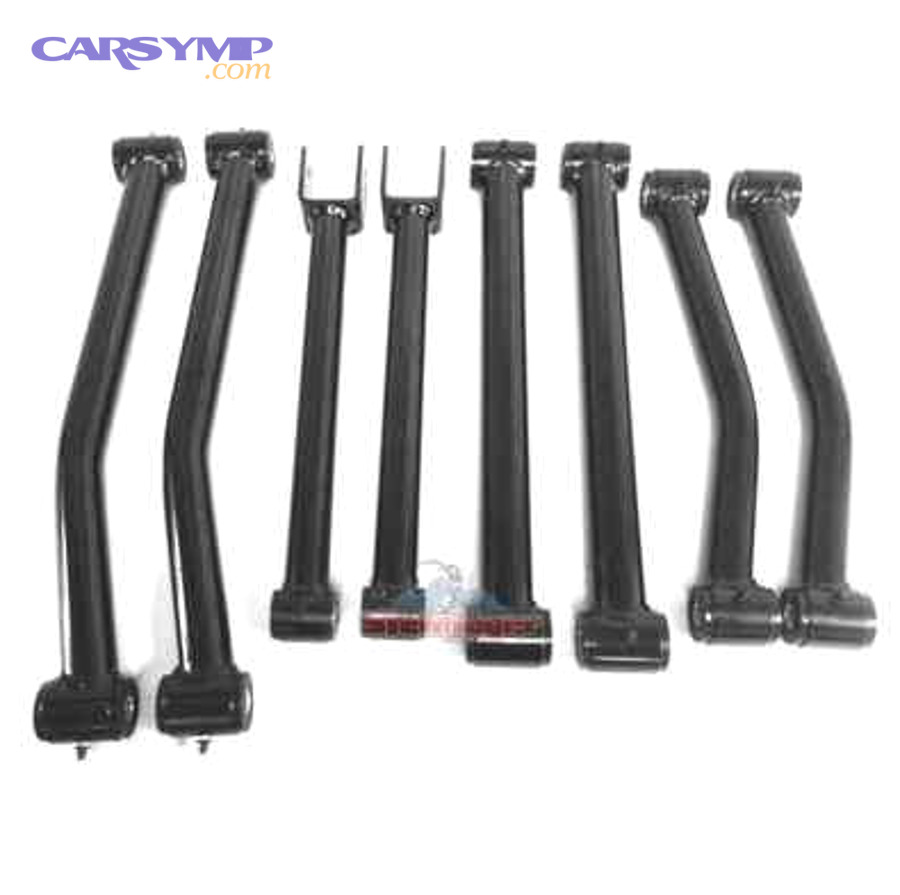
What is the average control arm lifespan range under normal driving?
Under typical commuting (mostly paved roads, moderate climate, no heavy impacts), many daily drivers see:
- Miles: ~80,000–150,000 miles
- Years: ~6–12+ years
More specifically, the bushings usually dictate the lower end of the range, while the arm itself often stays usable far longer unless damaged.
What lifespan should you expect in harsh conditions (potholes, salt, heavy loads)?
Harsh use tends to compress lifespan into a shorter band, especially when bushings are stressed and hardware corrodes:
- Miles: ~40,000–100,000 miles
- Years: ~3–8 years
Key harsh-condition multipliers:
- Frequent potholes / broken pavement
- Road salt + moisture (hardware corrosion, bushing degradation)
- Towing, heavy cargo, or constant high load
- Oversized tires or altered suspension geometry
Is there a mileage where control arm wear becomes “common”?
Yes—control arm wear becomes common after about 80,000–120,000 miles because bushing compliance and joint wear accumulate over time. Next, three reasons mileage clusters this way:
- Cyclic fatigue adds up: every braking event, turn, and bump flexes bushings.
- Rubber ageing accelerates with heat, ozone, and contamination.
- Small alignment drift compounds tire wear and loading, speeding deterioration.
Do upper control arms last longer than lower control arms?
Lower control arms often wear faster in load-bearing designs, upper arms may last longer in some layouts, and rear control arms can vary widely depending on suspension type. Next, compare the roles and loads to see why.
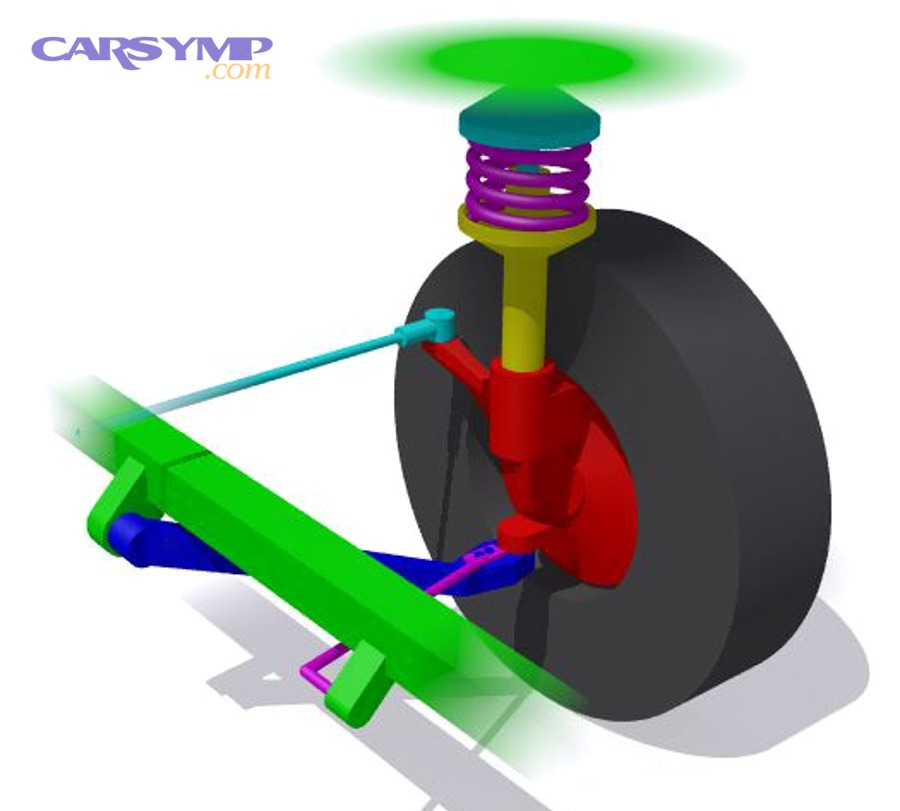
What design and load differences make lower arms wear faster?
Lower arms commonly:
- Carry more vertical load path influence (especially in MacPherson layouts)
- Absorb more braking and impact forces
- Use larger bushings that see bigger torsional deflection
More specifically, pothole hits and braking loads often “work” the lower arm bushings harder, so looseness shows up sooner.
When can upper control arms wear out first?
Yes—upper control arms can wear out first when geometry, corrosion, or bushing design loads them more aggressively. Next, three common scenarios:
- Double-wishbone systems where the upper arm has high camber-control duty
- Salt/corrosion exposure attacking upper ball joints and hardware
- Aftermarket alignment targets (aggressive camber) increasing bushing twist
Are rear control arms different from front control arms in lifespan?
Front control arms are more sensitive to steering/braking loads, rear control arms are more sensitive to toe-control and bushing compliance, and both are equally vulnerable to corrosion and poor installation. Next, the practical takeaway:
- If you feel steering wander, pull, braking drift → front control arm/bushing suspects rise.
- If you see rear tire inner wear, rear-end wiggle, unstable lane changes → rear toe-control arms and bushings become prime suspects.
Which factors shorten control arm lifespan the most?
There are 4 major factor groups that shorten control arm lifespan: road impact, environment, vehicle loading, and installation/alignment quality. Then, treat these as levers you can reduce (or at least recognize).
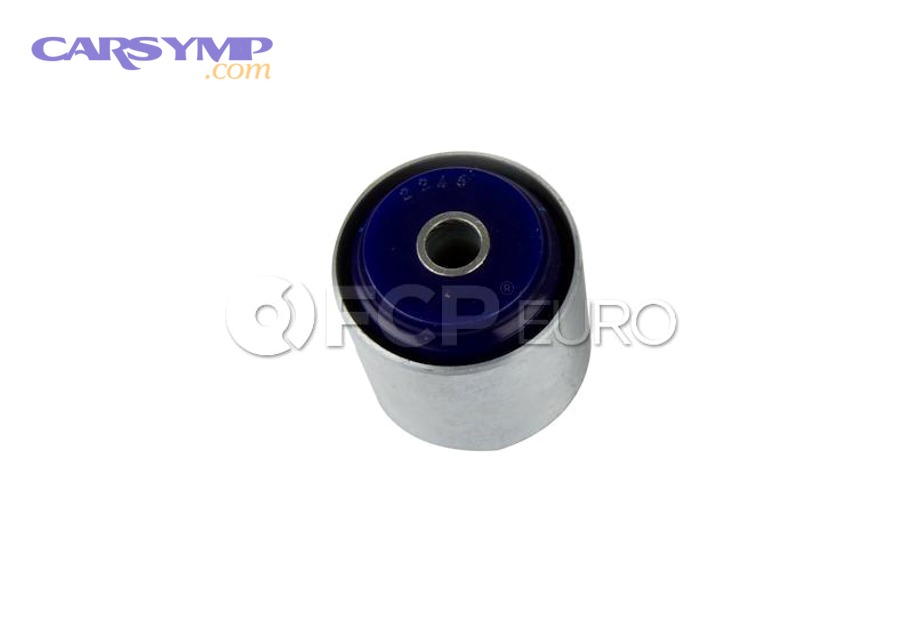
How do road quality and driving style change lifespan?
Road quality and driving style shorten lifespan by increasing impact energy and bushing deflection cycles. Specifically:
- Potholes at speed create sharp spike loads
- Aggressive cornering increases lateral bushing shear
- Hard braking increases longitudinal compliance loads
- Repeated curb strikes can bend arms or deform bushings
How do climate and corrosion affect control arm hardware and bushings?
Climate shortens lifespan two ways:
- Corrosion: rust expands, weakens mounts, seizes bolts, and can crack protective coatings.
- Rubber ageing: ozone/oxidation/heat leads to cracking and loss of elasticity.
According to a Master’s thesis carried out with the Division of Structural Mechanics at Lund Institute of Technology, the authors report that implementing a more physical rubber bushing model in crash simulation reduced elapsed simulation time by ~4%, highlighting how much bushing behavior matters in real structural response (and why bushing condition dominates “lifespan”). (byggmek.lth.se)
Does vehicle type (SUV, truck, sedan) matter for control arm wear?
Trucks win in ground clearance, SUVs are best for mixed-road loads, and sedans are optimal for smoother-road efficiency—but trucks and SUVs often wear control arm bushings faster due to higher mass, tire size, and load use. Next, what changes by type:
- Trucks: towing + payload + bigger tires = higher bushing loads
- SUVs: mixed driving, sometimes heavier and taller = more leverage on suspension
- Sedans: typically lighter and lower = gentler loads (but potholes still hurt)
Can poor installation or missed alignment reduce lifespan?
Yes—poor installation or skipping alignment can reduce lifespan because it loads bushings in the wrong position, creates constant twist, and accelerates tire-driven stress. Next, three repeat offenders:
- Tightening bushing bolts at full droop (not at ride height) → preloads rubber and tears it early.
- Reusing damaged hardware → movement and clunking return quickly.
- Skipping alignment after suspension work → constant scrub forces and heat.
According to a licentiate thesis by Chalmers University of Technology from the Department of Mechanics and Maritime Sciences in 2022, suspension hardpoints and bushing compliance strongly govern suspension kinematics, and the presented design approach reduced development lead time by about half, underscoring how sensitive geometry is to compliance changes. (research.chalmers.se)
What are the most reliable signs your control arms are wearing out?
There are 6 reliable signs of control arm wear—noise, braking drift, steering wander, tire wear, visible bushing damage, and measurable play—based on how the arm locates the wheel. Next, separate bushing clues from ball joint clues so you don’t replace the wrong part.

Which noises point to control arm bushings vs ball joints?
Bushings win as the usual cause of dull clunks, ball joints are best matched to sharper knocks and creaks, and other joints (tie rods/sway links) are optimal suspects when noise changes with steering input more than bumps. Next, quick pattern matching:
- Bushing noise: dull thunk/clunk over bumps, especially when braking or accelerating transitions occur.
- Ball joint noise: sharper knock on bumps; sometimes a creak when turning.
- Tie rod/sway link: often rattly, more steering-input-sensitive.
This is where Ball joint vs bushing vs control arm diagnosis prevents wasted parts.
What steering and handling symptoms suggest control arm wear?
Common handling symptoms include:
- Wandering / needing constant correction
- Steering pull under braking (compliance steer)
- Loose or delayed steering response
- Instability in crosswinds
- Clunk with throttle on/off transitions
More specifically, control arm bushings act like “soft hinges.” When they soften or tear, the wheel can shift slightly—changing toe and caster dynamically.
What tire wear patterns are linked to control arm problems?
There are 4 tire wear patterns commonly linked to control arm/bushing issues, based on how misalignment and compliance change contact patch:
- Inner-edge wear (often toe-out or negative camber; can be compliance-related)
- Feathering (toe drift and scrub)
- Cupping/scalloping (often combined suspension/shock issues)
- Uneven wear left vs right (one side’s bushings/joint looser)

When is it unsafe to keep driving with worn control arms?
Yes—it can become unsafe to keep driving if play is present, the ball joint boot is torn with looseness, the wheel shifts under braking, or the vehicle cannot hold alignment—because control arms locate the wheel and prevent unpredictable steering. Next, three “stop postponing” triggers:
- Measurable ball joint play or visible joint damage
- Severely torn bushing allowing obvious wheel movement
- Braking drift/pull that’s worsening or sudden instability
(If you’re documenting symptoms for a shop, Car Symp-style checklists often help: note speed, road type, braking vs coasting, and which side the noise comes from.)
How can you check control arm condition at home or at a shop?
The best method is a 3-part check—visual bushing inspection, controlled play tests, and confirmation via alignment/K&C clues—so you can isolate bushings vs ball joint vs bent arm. Then you’ll know whether you’re heading toward control arm replacement or a narrower fix.
What visual inspection checks can you do without special tools?
Start with a safe setup (flat ground, parking brake, wheel chocks). Specifically look for:
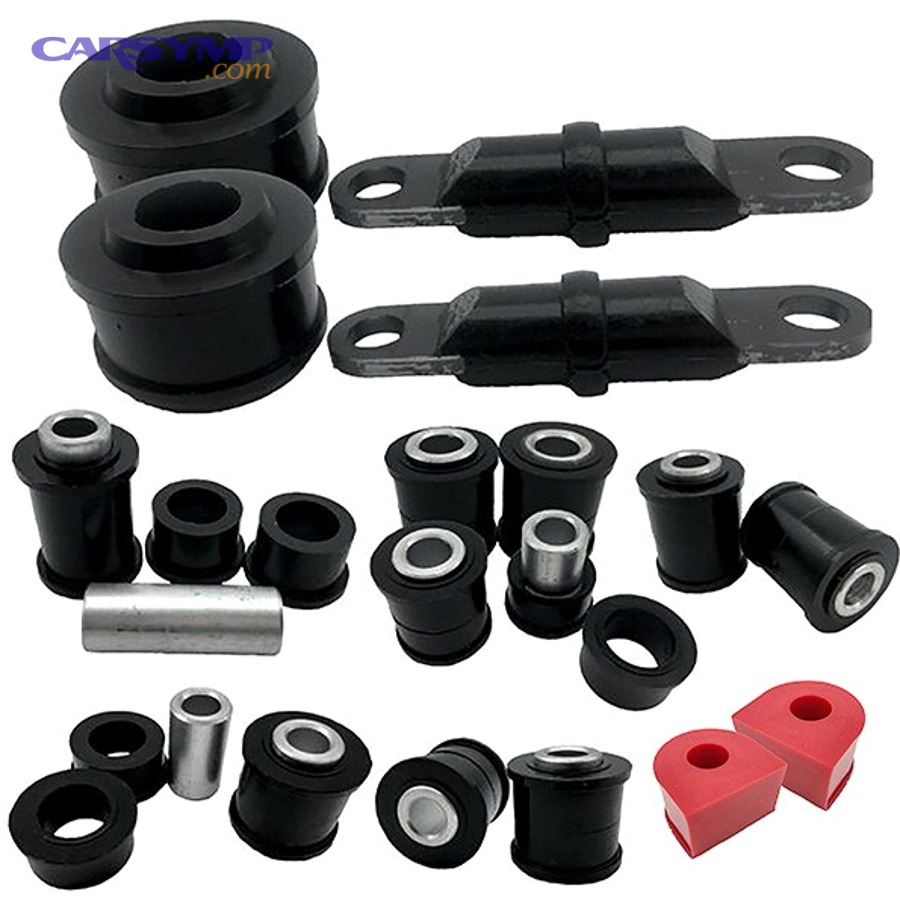
- Bushing cracks, missing chunks, or “wet” rubber (fluid-filled bushings can leak)
- Off-center bushing sleeves (rubber torn and sleeve shifted)
- Ball joint boot tears and grease leakage
- Rust swelling around mounts and seized hardware signs
- Bent arm geometry after curb/pothole hits
How do pry-bar and wheel-play tests work, and what do they reveal?
Use a pry bar carefully (or have a shop do it if unsure). The method includes 3 steps with a clear outcome:
- Pry bushing movement: small elastic movement is normal; clunking or large displacement suggests torn rubber.
- Wheel play at 12-and-6: can indicate ball joint or bearing issues (confirm by isolating components).
- Wheel play at 3-and-9: often tie rod-related, but can expose overall looseness.
More importantly, a “dead clunk” plus visible bushing cracking is a strong bushing diagnosis even if the ball joint seems okay.
What will a professional suspension inspection and alignment report show?
A shop inspection typically provides:
- Measured play at joints
- Bushing condition notes
- Alignment readings (camber/caster/toe) before and after adjustments
- Sometimes a road test confirming pull, drift, or wander
If your alignment numbers “won’t hold” after adjustment, that’s often a sign of compliance or looseness—especially in control arm bushings.
When should you replace control arms vs only replacing bushings or ball joints?
Replace the whole control arm when time, risk, and hardware condition favor it; replace only bushings or the ball joint when the arm is sound and the service path is practical. Next, use a clear decision rule so you don’t overbuy—or under-repair.

What is the decision rule for press-in bushing options vs full arm replacement?
Press-in bushing options win when the arm is rare/expensive and the bushings are serviceable; full arm replacement is best when labor time, seized hardware, or integrated ball joints make pressing uneconomical; and mixed repair is optimal when only one end is truly worn. Next, the decision rule:
Choose press-in bushings when:
- The arm is structurally perfect (no bends/cracks)
- Bushings are available separately and quality is known
- You (or the shop) has proper press tools and experience
Choose full arm replacement when:
- The ball joint is integrated and worn
- Bushings are fluid-filled or bonded in ways that make pressing risky
- Hardware is corroded/seized and you want the fastest reliable fix
This is exactly where “Press-in bushing options vs full arm replacement” becomes a cost-and-risk equation, not just a parts preference.
When does “ball joint vs bushing vs control arm diagnosis” change the repair plan?
Ball joint wear changes the plan toward full arm replacement if the joint is integral; bushing-only wear supports bushing service or a complete arm; and a bent/corroded arm makes full replacement the safest option. Next, the practical map:
- Ball joint loose + integral → full arm
- Ball joint boot torn but tight → sometimes boot/joint service (vehicle dependent), often still full arm for longevity
- Bushing torn + arm good → bushings or full arm
- Arm bent/corroded → full arm, confirm alignment after
Should you replace control arms in pairs (left/right)?
Yes—often you should replace control arms in pairs because both sides age similarly, it balances handling, and it reduces repeat labor—but you can do one side if damage is isolated and the other side is truly tight. Next, three reasons pairs are common:
- Symmetry: prevents a “new tight side vs old loose side” handling mismatch.
- Efficiency: saves a second alignment and labor repetition.
- Predictability: reduces comeback noise/steering complaints.
What is a realistic control arm replacement cost estimate?
A realistic Control arm replacement cost estimate depends on vehicle type, arm design, and rust level. Typical real-world ranges:
- Parts (per arm): ~$80–$350+ (more for premium/complex designs)
- Labor (per side): ~1–3 hours common; more if bolts seize
- Alignment: often recommended/needed afterward
To make the numbers actionable, here’s what most estimates include:
| Cost line item | What it covers | Why it varies |
|---|---|---|
| Control arm parts | Arm + bushings + sometimes ball joint | OEM vs aftermarket, integrated joint, design complexity |
| Labor | Removal + install + dealing with seized hardware | Rust, access, subframe layout |
| Alignment | Setting toe/camber/caster after geometry work | Multi-link complexity, adjustability |
If you’re comparing quotes, ask whether the quote includes new hardware, whether the ball joint is included, and whether they’re doing ride-height torque on bushings.
After replacing control arms, what should you do to protect the new parts?
Yes—you can protect new control arms by aligning the vehicle, torquing bushings at ride height, and adopting a few maintenance/driving habits that reduce bushing twist and impact loads. Next, treat post-install steps as part of the repair, not optional extras.
Is an alignment required after control arm replacement?
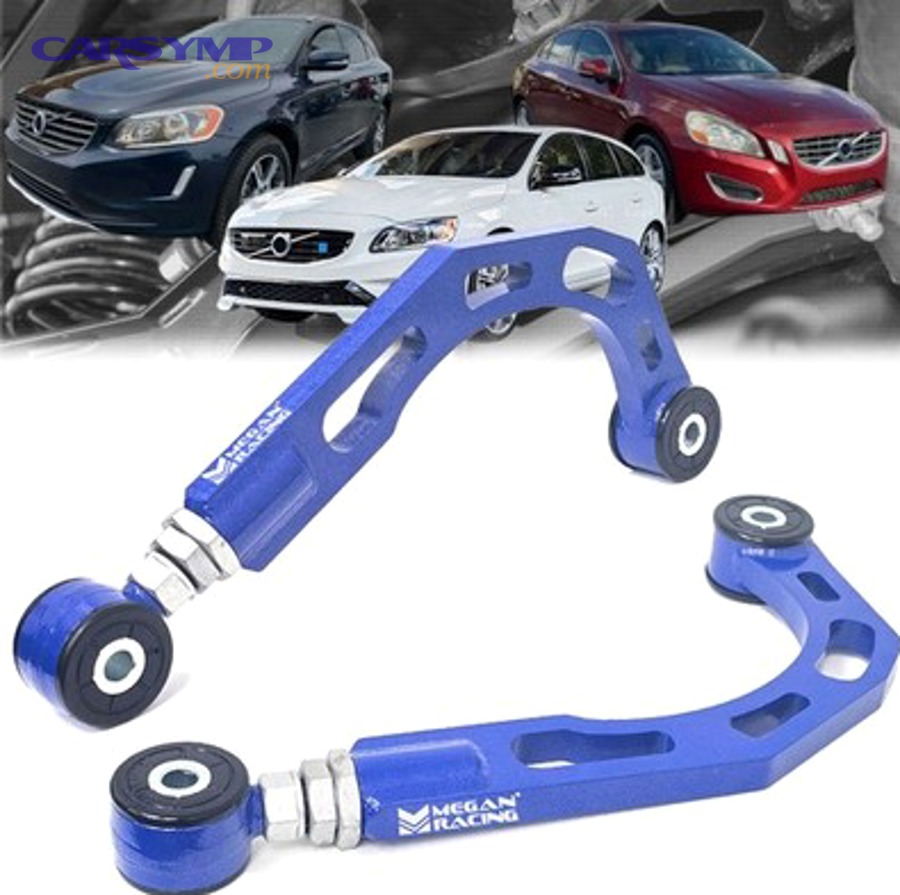
Yes—alignment is usually required after control arm replacement because the control arm locates the wheel and affects toe/camber/caster, and skipping it risks rapid tire wear and unstable handling. Next, three reasons it’s especially important:
- New bushings sit differently than worn ones
- Mounting tolerances shift under load when parts are replaced
- Toe changes quickly eat tires even if camber looks “okay”
What torque and ride-height tightening steps prevent bushing pre-load?
Use a 3-step tightening approach to prevent premature bushing tearing:
- Snug bolts with suspension unloaded (position parts correctly, don’t final torque)
- Load suspension to ride height (ramps, alignment rack, or simulated load)
- Final torque at ride height so rubber rests at neutral in its working position
More importantly, this single step (ride-height torque) is one of the biggest differences between a bushing lasting 2 years vs 8 years.
How can you extend lifespan with maintenance habits and driving changes?
A practical extension plan looks like this:
- Avoid potholes/curbs when possible (impact control is lifespan control)
- Wash undercarriage in winter if you drive salted roads
- Fix alignment drift early to reduce continuous scrub loads
- Check bushings during tire rotations (quick visual scan)
- Use quality parts (cheap rubber compounds can crack early)
If your goal is maximizing life, treat tires, alignment, and bushings as a single system—not separate repairs.
What special situations change control arm lifespan expectations?
There are 4 special situations that can sharply change control arm lifespan: modified geometry, bushing material changes, performance use, and known weak designs/recalls. Next, calibrate expectations before you assume “normal” mileage applies.
Do lifted trucks, oversized tires, or lowered cars reduce lifespan?
Yes—lifted trucks, oversized tires, and lowered cars often reduce lifespan because they increase leverage, change bushing operating angles, and amplify impact loads. Next, three reasons modifications shorten life:
- More leverage on joints (taller tire + offset increases moment)
- Constant bushing twist from altered static angles
- Higher unsprung mass impacts accelerating fatigue
Do polyurethane or solid bushings last longer than rubber?
Polyurethane wins for longevity under heat and oil exposure, rubber is best for comfort and NVH control, and solid bushings are optimal for precision but can transfer stress that increases wear elsewhere. Next, what to expect:
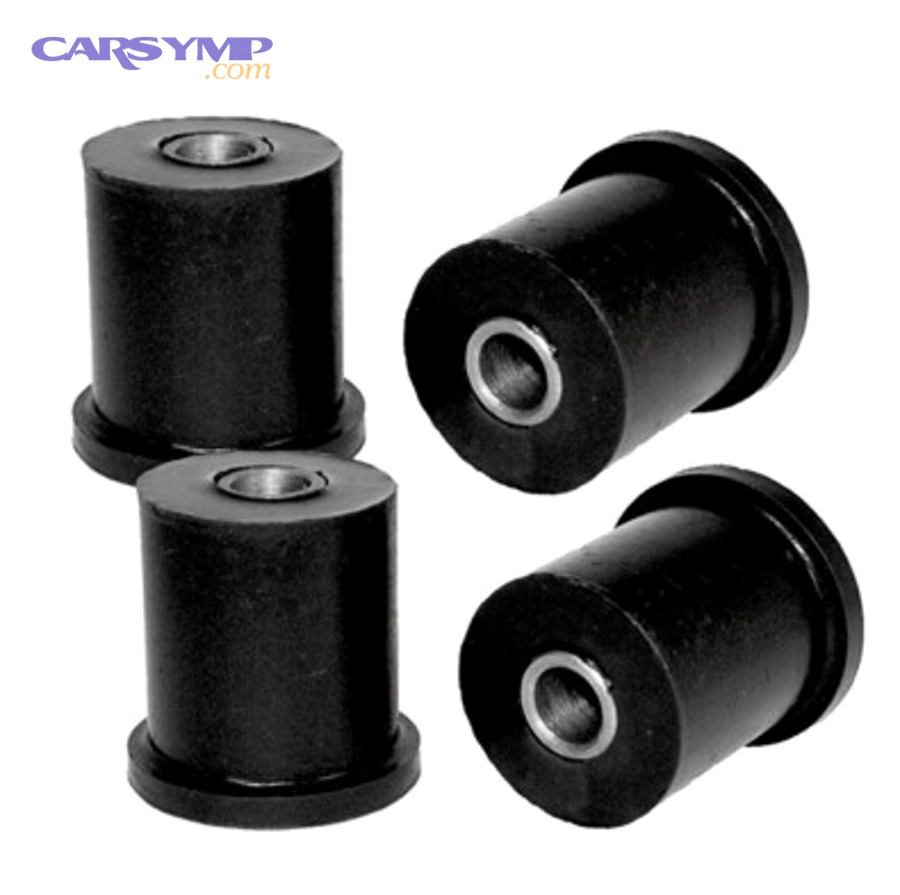
- Poly bushings: can last longer but may squeak and transmit more vibration; require correct greasing and fitment.
- Rubber bushings: best ride quality; lifespan depends heavily on compound and environment.
- Solid/monoball: sharp response; higher stress on mounts and other joints.
How do track use and performance alignments affect wear?
Performance alignments (more negative camber, different toe targets) and track use increase wear by:
- Increasing bushing deflection range
- Increasing heat and load cycles
- Increasing curb/rumble-strip impacts
If you track the car, assume your “lifespan” is measured more by sessions and impacts than mileage.
What if your vehicle has recalls or known weak control arms?
If there are known weak points:
- Check official recall databases and TSB patterns (vehicle-specific)
- Inspect the exact failure area (cracks, corrosion at welds, ball joint design)
- Use upgraded/revised part numbers when available
- Document symptoms (noise, drift, tire wear) for warranty/coverage discussions
If you’re publishing this as a guide for Car Symp readers, a strong closing CTA is: “If you’re seeing uneven tire wear or steering drift and you’re near 80k–120k miles, inspect control arm bushings and ball joints before you buy tires again.”