


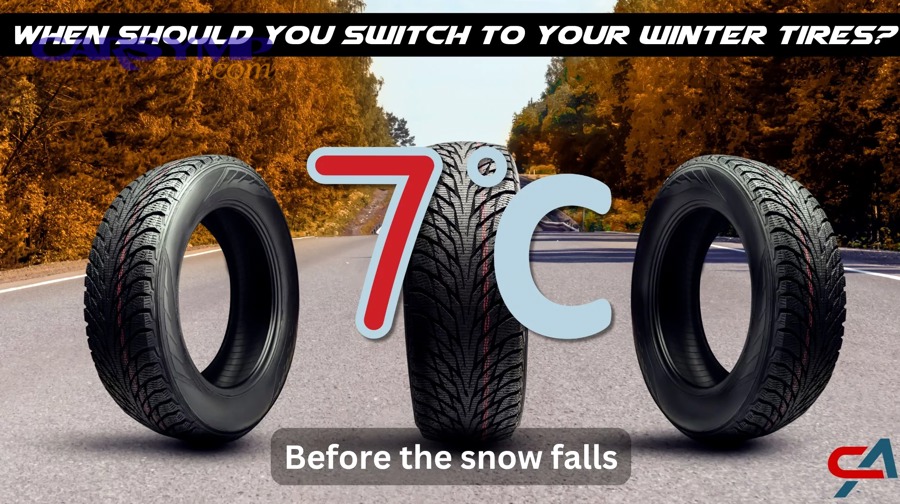
The critical temperature threshold for switching between summer and winter tires is 45-46°F (7°C), with winter tires recommended when temperatures consistently fall below this point and summer tires optimal when temperatures remain above it. This temperature matters because tire rubber compounds behave fundamentally differently across this threshold—winter tire compounds stay flexible in cold conditions while summer tire compounds harden, and conversely, winter tires wear rapidly in warm weather while summer tires maintain their structure and performance.
Beyond temperature alone, several practical indicators signal the right time for a seasonal tire change. Regional climate patterns, nighttime and early morning temperature trends, road condition observations, and weather forecasts all provide valuable guidance for timing your switch. Most experts recommend switching to winter tires before the first snowfall rather than waiting for winter conditions to arrive, and switching back to summer tires only after consistent warm temperatures have eliminated the risk of late-season frost or snow.
The performance differences between summer and winter tires extend far beyond tread patterns. Winter tires use specialized rubber compounds that remain pliable below freezing, feature deeper tread depths with thousands of tiny sipes for snow and ice grip, and deliver significantly shorter braking distances in cold conditions. Summer tires employ firmer rubber optimized for warm pavement, offer superior handling and cornering in heat, and provide better fuel efficiency during warmer months. Using the wrong tire type for the season compromises safety, accelerates tire wear, and reduces vehicle performance.
Understanding proper tire switching practices helps maximize both safety and tire longevity. Next, let’s explore the specific temperature guidelines, timing recommendations, and practical indicators that will help you determine exactly when to make your seasonal tire change.
What Temperature Should You Switch Between Summer and Winter Tires?
You should switch to winter tires when temperatures consistently fall below 45-46°F (7°C) and switch back to summer tires when temperatures remain consistently above this threshold for several consecutive days. This temperature range represents the point where tire rubber compounds fundamentally change their performance characteristics.
The 45-46°F threshold isn’t arbitrary—it reflects the temperature at which different rubber compounds either maintain or lose their effectiveness. Specifically, winter tire rubber compounds are engineered to stay soft and pliable in freezing temperatures, maintaining grip when other tires would harden. Summer tire compounds, conversely, are designed with firmer rubber that performs optimally in warm conditions but becomes rigid and loses traction when temperatures drop below this critical point.

Different tire manufacturers may specify slightly different temperature recommendations, with some citing 40°F and others 46°F as the switching point. However, the consensus among major tire manufacturers including Continental, Michelin, Pirelli, and Bridgestone centers around the 45-46°F (7°C) range. This consistency across the industry reflects extensive testing and research into rubber compound behavior at various temperatures.
When Should You Switch to Winter Tires in Fall?
Switch to winter tires when nighttime and early morning temperatures consistently drop below 45-46°F, even if daytime temperatures remain warmer. These cooler periods of the day represent the actual driving conditions many people face during their morning commutes and evening travels.
Regional variations significantly affect the optimal timing for installing winter tires. In northern states and mountainous regions, this typically occurs in October, while southern and coastal areas may not require winter tires until November or even December. For example, drivers in Minnesota often switch in early to mid-October, while those in Virginia might wait until late November. The key is monitoring your local temperature trends rather than following a fixed calendar date.
The “before first snow” principle remains crucial for safety. Waiting until snow actually falls creates several problems: tire shops become overwhelmed with last-minute appointments, causing delays of days or even weeks; roads may already be dangerous by the time you can schedule an appointment; and you risk being caught unprepared in sudden early-season storms. Installing winter tires 2-3 weeks before the typical first snowfall in your area provides a safety buffer while avoiding excessive warm-weather wear on your winter tires.
Many states with studded tire regulations provide helpful guidance on timing. These regulations typically allow studded tires from October 1st through April or May, reflecting when winter conditions genuinely require enhanced traction. Even if you’re not using studded tires, these date ranges offer useful benchmarks for when your region typically experiences winter conditions.
When Should You Switch Back to Summer Tires in Spring?
Switch back to summer tires when daytime temperatures remain consistently above 45-46°F for at least 5-7 consecutive days and nighttime temperatures no longer drop to freezing. This sustained warm period indicates that winter conditions have truly passed.
Road condition indicators provide practical confirmation that it’s safe to switch. Complete snow melt from shaded areas, absence of morning frost on windshields, and consistently dry road surfaces all signal that winter has released its grip. Don’t rely solely on calendar dates—a warm week in March doesn’t guarantee that April won’t bring a late-season snowstorm.
Typical spring switching timing varies substantially by region. Coastal areas in the southern United States might switch as early as late March, while northern states often wait until late April or even early May. Mountain communities at higher elevations frequently keep winter tires on well into May to account for late-season snow at altitude. According to data from tire retailers, the peak period for spring tire changeovers occurs between mid-April and early May across most of the United States.
The consequences of switching too early in spring can be severe. A surprise late-season snowstorm with summer tires installed creates dangerous driving conditions with significantly reduced traction and dramatically increased stopping distances. The inconvenience of keeping winter tires on for an extra week or two is minimal compared to the safety risk of premature switching.
What Happens If You Switch Too Early or Too Late?
Switching too early to summer tires exposes you to dangerous driving conditions during unexpected cold snaps or late-season snow, with summer tire rubber hardening and losing grip, resulting in stopping distances that can increase by 30-40% compared to winter tires in cold conditions.

Premature switching to summer tires creates multiple safety hazards. When temperatures drop below 45°F, summer tire rubber compounds become stiff and inflexible, dramatically reducing the tire’s ability to conform to road surfaces and maintain traction. This hardening effect occurs even on dry roads—you don’t need ice or snow to experience reduced grip. Braking performance suffers significantly, cornering becomes unpredictable, and acceleration traction diminishes. The risk multiplies exponentially if unexpected precipitation occurs in these cold conditions.
Delayed switching from winter to summer tires primarily causes accelerated tire wear and reduced performance. Winter tire rubber compounds are specifically formulated to remain soft in freezing temperatures, which means they become excessively soft in warm weather. This causes the tread to wear away much faster—potentially reducing the lifespan of winter tires from 4 seasons to just 2 seasons if regularly used in temperatures above 50°F. Additionally, the softer compound and deeper, more flexible tread design create higher rolling resistance, reducing fuel economy by an estimated 10-15% compared to summer tires.
Performance degradation accompanies this accelerated wear. Winter tires in warm weather exhibit mushy handling characteristics, longer braking distances on dry pavement, and reduced cornering precision. The deep, heavily siped tread that excels at gripping snow becomes a liability on hot, dry pavement, where summer tires’ firmer compound and optimized tread pattern deliver superior performance.
Financial implications make timing important beyond just safety. Replacing winter tires prematurely due to warm-weather wear costs hundreds of dollars unnecessarily. Similarly, the potential cost of an accident caused by using summer tires in winter conditions—including vehicle damage, insurance increases, and potential medical expenses—far exceeds the minor inconvenience of scheduling a timely tire change.
Why Does Temperature Matter for Tire Performance?
Temperature matters for tire performance because rubber compounds undergo fundamental physical changes at different temperatures, with tire grip, flexibility, and wear rates all dramatically affected by whether the rubber operates within or outside its designed temperature range. The molecular structure of tire rubber either remains pliable or becomes rigid based on temperature, directly impacting safety and performance.
To better understand this relationship, we need to examine the science behind rubber compounds and how they interact with road surfaces at different temperatures. Tire manufacturers invest millions in developing specific rubber formulations optimized for distinct temperature ranges, recognizing that no single compound can deliver optimal performance across all conditions.
Rubber compounds contain various chemical additives including polymers, carbon black, silica, and oils that determine their properties. In winter tires, these additives are selected to maintain elasticity at low temperatures—specifically, they keep the rubber from reaching its “glass transition temperature,” the point at which rubber becomes brittle and loses its ability to grip. Summer tires use different additives that create a firmer compound optimized for heat resistance and structural integrity when temperatures rise.
The contact patch—the small area where tire meets road—determines how effectively your vehicle can accelerate, brake, and corner. Temperature directly affects this contact patch’s ability to conform to microscopic road surface irregularities. Cold summer tires can’t mold to the road surface effectively, while overheated winter tires become too soft to maintain proper contact patch shape under cornering and braking forces.
How Do Summer Tires Perform in Cold Weather?
Summer tires lose significant grip and traction when temperatures fall below 45°F because their rubber compound hardens, reducing the tire’s ability to conform to road surfaces and maintain adequate contact patch flexibility, resulting in braking distances that can increase by up to 50% in cold conditions.
The hardening process occurs at the molecular level. Summer tire compounds are formulated with specific polymers that maintain their structure at warm temperatures but become increasingly rigid as temperatures drop. This isn’t simply a matter of the tire “feeling” harder—the actual molecular chains within the rubber lose their flexibility, preventing the tire from adapting to road surface textures that provide grip.

Braking performance deteriorates dramatically with cold summer tires. Tests conducted by tire manufacturers demonstrate that summer tires on cold pavement (below 40°F) require 20-50% more distance to stop compared to winter tires in identical conditions. A vehicle traveling 60 mph on cold pavement might need an additional 30-50 feet to stop with summer tires compared to winter tires—potentially the difference between stopping safely and causing a collision.
Traction loss affects all aspects of vehicle control, not just braking. Acceleration becomes problematic, particularly from a complete stop or when climbing hills, as the hardened rubber cannot grip the road surface effectively. Cornering becomes unpredictable, with the potential for sudden loss of grip mid-turn as weight transfers and the tire’s reduced flexibility prevents it from maintaining adequate traction. This unpredictability makes cold-weather driving with summer tires particularly dangerous.
Even on dry roads without any ice or snow, cold temperatures alone compromise summer tire performance. Many drivers mistakenly believe that as long as roads are clear and dry, their summer tires remain safe in cold weather. This misconception can lead to dangerous situations when unexpected braking or maneuvering is required and the hardened summer tires cannot provide adequate grip.
According to testing by the Tire Rack, a leading tire testing and sales organization, summer high-performance tires can require up to 70% more distance to stop from 40 mph on cold dry pavement (35°F) compared to winter tires in the same conditions, demonstrating the dramatic safety implications of using summer tires in cold weather.
How Do Winter Tires Perform in Warm Weather?
Winter tires wear 2-4 times faster in warm weather above 50°F because their soft rubber compounds overheat and degrade rapidly, while simultaneously delivering reduced fuel efficiency, mushy handling, and longer braking distances on dry, warm pavement compared to summer tires.
The accelerated wear stems from the same rubber compound characteristics that make winter tires effective in cold weather. The polymers and additives that keep winter tires flexible at freezing temperatures become excessively soft when heated, causing the tread to literally wear away at an accelerated rate. Drivers who leave winter tires on year-round may find themselves replacing a set that should last 3-4 winter seasons after just 1-2 years of use.
Fuel efficiency suffers measurably with winter tires in warm weather. The soft compound and deep, heavily siped tread pattern create significantly higher rolling resistance compared to summer tires. This forces your engine to work harder to maintain speed, reducing fuel economy by an estimated 10-15%. Over a full summer of driving, this can translate to hundreds of dollars in additional fuel costs—money essentially wasted due to improper tire choice.
Handling and performance characteristics deteriorate in warm conditions. Winter tires exhibit vague, imprecise steering response on warm, dry pavement. The tread blocks flex excessively during cornering, creating a delayed, mushy feel that reduces driver confidence and control. Braking distances on dry, warm pavement increase compared to summer tires because the soft compound can actually reduce rather than enhance grip when temperatures rise significantly above the tire’s design range.
The deep tread pattern with extensive siping that channels water and snow in winter creates unnecessary flex and movement in summer conditions. Each tread block moves independently rather than working as a cohesive unit, reducing the tire’s ability to transfer cornering and braking forces effectively. Summer tires, with their optimized tread design for warm conditions, maintain block stability and deliver predictable, responsive handling.
Heat buildup represents another concern with winter tires in summer. The soft compound generates more heat through flexing, and if driven aggressively (highway speeds, spirited cornering), this heat can potentially damage the tire structure. While catastrophic failure is rare, the combination of heat stress and accelerated tread wear significantly shortens tire lifespan and performance.
What Are the Key Indicators That It’s Time to Switch Tires?
The key indicators for switching tires include sustained temperature trends above or below 45-46°F, weather forecast patterns showing seasonal transition, road condition observations (frost appearance or complete snow melt), and regional climate data indicating typical first/last frost dates, with temperature trends proving more reliable than calendar dates alone.
More specifically, successful tire switching timing requires evaluating multiple data points rather than relying on any single indicator. Temperature alone provides valuable guidance, but combining it with weather patterns, visual observations, and regional norms creates a comprehensive picture of when conditions truly warrant a tire change.
Professional tire retailers and automotive service centers track these indicators systematically, often sending reminders to customers based on local temperature trends and historical seasonal patterns. However, understanding these indicators yourself empowers you to make informed decisions about your specific driving conditions and needs.
Should You Use Temperature or Calendar Date to Decide?
Temperature-based decisions prove more reliable than calendar dates for tire switching because actual weather conditions vary significantly year-to-year and region-to-region, making sustained temperature trends above or below 45-46°F for 5-7 consecutive days the most accurate switching trigger.
However, calendar-based guidelines provide useful benchmarks when combined with temperature monitoring. For most regions, general rules of thumb suggest installing winter tires in late October to mid-November and switching back to summer tires in late March to early May. These date ranges align with typical seasonal temperature transitions across much of North America.
The optimal approach combines both methods: use calendar dates as alerts to begin monitoring temperatures closely, then make the actual switching decision based on sustained temperature trends. For example, mark mid-October on your calendar as a reminder to check weather forecasts and daily temperatures. Once you observe temperatures consistently falling below 46°F, particularly overnight and in early morning, schedule your winter tire installation.
Regional climate patterns introduce significant variation in optimal calendar timing. Drivers in northern Minnesota might install winter tires in early October, while those in Tennessee might not need them until late November or even December. Conversely, spring switching dates vary just as dramatically—northern regions often keep winter tires until early May, while southern areas switch in late March.
Year-to-year weather variations further complicate calendar-based approaches. A particularly mild autumn might allow you to delay winter tire installation by 2-3 weeks compared to typical years, while an early cold snap might necessitate switching weeks earlier than usual. Rigid adherence to calendar dates ignores these real-world variations in weather patterns.
Studded tire regulations in various states provide legally mandated date ranges that offer additional guidance. For instance, Colorado allows studded tires from October 1 through April 30, while Washington permits them from November 1 through March 31. These regulations reflect each state’s typical winter season duration and provide reasonable benchmarks even for non-studded winter tires.
The financial consideration of tire shop availability also favors proactive calendar awareness. Tire retailers experience peak demand during predictable windows—typically late October to early November for winter tire installation and late March to mid-April for summer tire installation. Scheduling your appointment 1-2 weeks before these peak periods ensures availability and often faster service.
What Regional Factors Affect Switching Timing?
Regional switching timing varies by 6-8 weeks across the United States based on climate zone, elevation, proximity to large water bodies, and typical first/last frost dates, with northern tier states installing winter tires in early October while southern states may not require them until December.
Climate zone classification provides the most fundamental framework for timing decisions. The USDA Plant Hardiness Zone map, while designed for gardening, offers useful insights into temperature patterns. Zones 3-4 (northern tier) typically require winter tires from October through April, zones 5-6 (mid-latitude) from November through March, and zones 7-8 (southern regions) may need winter tires only during January and February, if at all.
Elevation dramatically affects tire switching timing regardless of latitude. Mountain communities at 7,000+ feet elevation experience winter conditions weeks earlier and later than nearby lowland areas. Drivers in Denver (elevation 5,280 feet) typically install winter tires in late October, while those in Boulder Canyon just 20 miles away at 8,000+ feet often switch in early October. Similarly, spring switching may occur in late April in Denver but not until mid-May in higher elevation areas.
Proximity to large bodies of water moderates temperatures and affects timing. Coastal areas benefit from oceanic temperature regulation, experiencing milder winters and later first frosts compared to inland regions at similar latitudes. For example, Seattle (coastal) typically sees first frost in mid-November, while Spokane (inland eastern Washington) often experiences frost by mid-October. This 4-6 week difference translates directly to tire switching timing variations.
Lake effect snow regions around the Great Lakes require special consideration. Cities like Buffalo, Cleveland, and Erie experience heavy snowfall starting in November and continuing through March or even April. Drivers in these regions benefit from installing winter tires by early November and keeping them installed through April, regardless of temperature fluctuations, due to the persistent snow threat from lake effect storms.
Mountain pass commuters face unique timing challenges. Drivers who regularly travel mountain passes for work may need winter tires installed several weeks before their home area requires them, and may keep them installed weeks after home conditions no longer need them. Many mountain pass regulations require chains or winter tires regardless of current conditions during winter months, providing clear guidance for these commuters.
Historical weather data for your specific location offers the most accurate timing guidance. National Weather Service records show average first and last frost dates by location, providing reliable benchmarks. Most regions’ first frost occurs within a 2-3 week window year after year, making this data highly useful for planning. Accessing this data through weather.gov or local meteorological resources takes just minutes and provides personalized timing recommendations.
What Road and Weather Conditions Signal a Tire Switch?
Visual road condition indicators that signal winter tire installation include first morning frost appearance on windshields, road surface ice formation in shaded areas, and weather forecasts showing consistent overnight lows below 35°F, while spring switching indicators include complete snow melt from all shaded areas, absence of morning frost for 7+ consecutive days, and consistently dry road surfaces.
Frost formation provides one of the most reliable visual indicators that winter tire installation should occur soon. When you begin noticing frost on your windshield in the morning, road surface temperatures are likely falling to or below freezing overnight. Even if daytime temperatures remain comfortable, these overnight freezing conditions create hazardous situations for summer tires, particularly during morning commutes when roads may still be frosty or icy.
Black ice formation in shaded areas represents a critical danger signal. Bridges, overpasses, and tree-shaded road sections freeze before surrounding areas because they lose heat more rapidly. If you observe ice formation in these areas, even if most roads remain clear, winter tires have become essential for safety. Black ice is nearly invisible and extraordinarily slippery—summer tires provide virtually no traction on this surface.
Weather forecast evaluation extends beyond current conditions to predictive planning. Examining 7-10 day forecasts for temperature trends helps identify the appropriate switching window. If forecasts show sustained temperatures below 45°F with overnight lows in the 30s, winter tire installation should occur within the next few days. Conversely, spring forecasts showing daytime highs consistently in the 50s-60s and overnight lows above 40°F indicate readiness for summer tire installation.
Snow accumulation patterns in your area provide additional guidance. Once you observe snow that persists for more than a few hours after the storm ends, ground temperatures have fallen sufficiently cold that winter conditions will likely persist. This differs from early season snow that melts within an hour or two of falling—such transient snow may not justify winter tire installation if temperatures quickly rebound above 45°F.
Spring road condition indicators require equal attention. Complete snow melt from all shaded areas signals that sustained warm temperatures have arrived. However, don’t rush to switch at the first sign of melt—wait until even the most sheltered, north-facing areas have been snow-free for at least a week. Late season snow events can occur even after significant melting, and being caught with summer tires in a March or April snowstorm creates dangerous conditions.
Sustained dry road conditions for 7+ consecutive days in spring, combined with temperatures consistently above 45°F, provide strong signals for summer tire installation. However, always check extended forecasts before scheduling the switch. A forecast showing potential cold snaps or precipitation in the coming 10 days suggests waiting a bit longer for more stable conditions.
Morning dew patterns offer subtle but useful information. In spring, when you observe dew formation on grass and vehicles but no longer see frost, temperatures are likely staying above freezing consistently. This transition from frost to dew represents the shift from winter to spring conditions and supports timing your seasonal tire change.
How Do Summer and Winter Tires Differ in Performance?
Summer tires excel in warm weather above 45°F with superior dry and wet handling, shorter braking distances, and better fuel efficiency, while winter tires dominate in cold conditions below 45°F with specialized rubber maintaining flexibility, deeper treads providing snow/ice grip, and significantly shorter stopping distances in winter conditions—neither tire type performs optimally outside its designed temperature range.
Understanding these performance differences clarifies why seasonal tire changes matter so much for both safety and vehicle performance. The engineering and design philosophies behind each tire type optimize for completely different operating conditions, making each superior in its intended environment but compromised outside it.
What Makes Winter Tires Essential for Cold Weather?
Winter tires remain essential for cold weather because their specialized rubber compounds maintain flexibility below 45°F when other tires harden, their deeper tread depth (typically 10-12mm new vs. 8-9mm for summer tires) channels snow and slush effectively, and their thousands of tiny sipes create additional gripping edges that deliver 25-50% shorter braking distances on snow and ice compared to summer or all-season tires.
The rubber compound technology represents the most fundamental difference. Winter tire manufacturers use high-silica content rubber compounds with specialized polymers that remain pliable at temperatures well below freezing. This flexibility allows the tire to conform to microscopic road surface irregularities even when temperatures drop to 0°F or below. Summer tire compounds, optimized for heat resistance and longevity in warm weather, lack these cold-weather additives and become rigid at low temperatures.
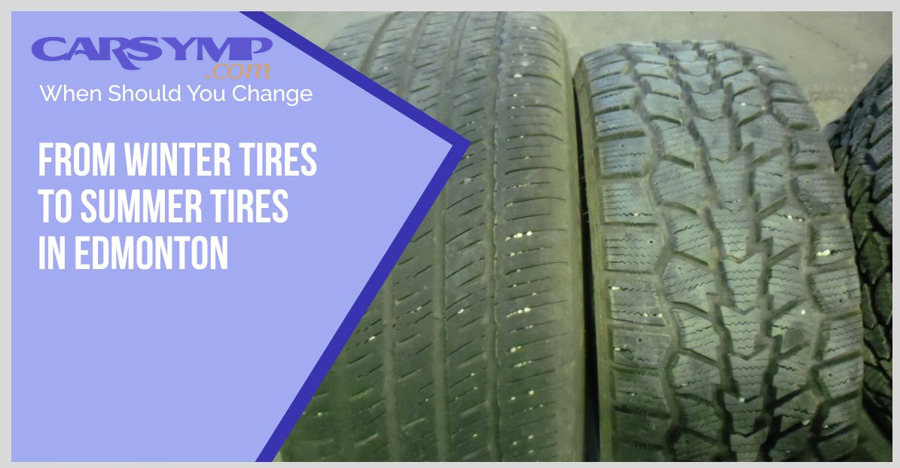
Tread depth plays a crucial role in winter performance. Winter tires typically measure 10-12mm tread depth when new, compared to 8-9mm for summer tires. This additional depth creates larger void spaces in the tread pattern that can accommodate and channel away snow, slush, and water. Deeper treads also provide more biting edges that can dig into snow for traction. The tread pattern itself features larger, more aggressive blocks designed specifically for snow grip rather than the optimized water evacuation patterns of summer tires.
Sipes—the tiny slits cut into tread blocks—multiply the number of gripping edges exponentially. A typical winter tire contains thousands of sipes across its tread surface. These sipes open as the tire flexes, creating additional edges that can grip ice and packed snow. They also channel water away from the contact patch on wet, slushy surfaces. Summer tires contain far fewer sipes because excessive siping would reduce tread block stability in warm, dry conditions.
Snow and ice traction improvements with winter tires prove dramatic. The combination of flexible compounds, deep treads, and extensive siping allows winter tires to maintain grip in conditions where summer tires simply cannot function. On packed snow, winter tires provide approximately 25-35% better traction than summer tires. On ice, the advantage increases to 40-50% or more, depending on specific tire models and ice conditions.
Braking distance comparisons illustrate the safety implications clearly. Testing by major tire manufacturers demonstrates that a vehicle traveling 30 mph on packed snow might require 70-90 feet to stop with winter tires, while the same vehicle with summer tires could require 120-150 feet—nearly double the distance. This difference could mean stopping safely before an intersection versus sliding through it into cross traffic.
Cornering and handling stability in winter conditions rely on the tire’s ability to maintain grip under lateral (sideways) forces. Winter tires’ flexible compounds and aggressive tread patterns maintain traction during turns and lane changes that would cause summer tires to break loose and slide. This lateral grip proves just as important as straight-line braking performance for overall winter driving safety.
Three-Peak Mountain Snowflake (3PMSF) certification provides standardized verification of winter tire performance. Tires bearing this symbol have passed specific traction tests on snow, demonstrating a minimum level of winter performance. When shopping for winter tires, always verify 3PMSF certification rather than relying on marketing terms like “winter-rated” or “snow-capable.”
According to research conducted by the Québec Ministry of Transport, vehicles equipped with four winter tires experience 38% fewer accidents in winter conditions compared to vehicles with all-season tires, demonstrating the substantial real-world safety benefit of proper winter tires.
What Makes Summer Tires Better for Warm Weather?
Summer tires deliver superior warm-weather performance because their firmer rubber compounds maintain structural integrity at high temperatures above 45°F, their optimized tread patterns maximize contact patch on dry and wet warm roads, and they provide 15-25% better fuel efficiency, more responsive handling, and shorter braking distances on warm pavement compared to winter tires.
The rubber compound firmness creates the foundation for summer tire advantages. These compounds use specific polymer blends and reduced silica content that maintain their shape and structure even when pavement temperatures exceed 100°F or more on hot summer days. This structural integrity prevents the excessive flexing and deformation that would occur if winter tire compounds were subjected to these temperatures, ensuring consistent performance throughout the tire’s contact with the road.
Tread pattern design in summer tires optimizes for water evacuation on warm, wet roads while maximizing rubber contact on dry surfaces. Summer tire treads feature wider circumferential grooves and fewer lateral grooves compared to winter tires, creating a design that efficiently channels water away while maintaining maximum rubber-to-road contact for dry performance. The tread blocks are larger and more stable than winter tire blocks, reducing flex and delivering more predictable handling characteristics.
Handling and cornering performance reach their peak with summer tires in warm conditions. The firm compound and stable tread blocks work together to provide precise steering response and high cornering limits. When you turn the steering wheel, summer tires respond immediately and predictably, transmitting your inputs directly to directional changes. Winter tires in the same conditions feel vague and mushy, with delayed response and reduced precision that makes spirited driving less enjoyable and potentially less safe.
Braking performance on dry, warm pavement favors summer tires significantly. The firmer compound creates ideal friction characteristics against warm asphalt or concrete, allowing summer tires to stop from 60 mph in approximately 120-130 feet under optimal conditions. Winter tires in the same situation might require 140-160 feet due to their softer compound creating less optimal friction characteristics on warm, dry surfaces.
Wet weather performance in warm conditions still favors summer tires over winter tires, despite winter tires’ deep treads. Summer tire tread patterns are specifically engineered for warm-weather water evacuation, with groove designs optimized for the viscosity of warm water. The firmer compound also maintains better contact patch pressure distribution on wet surfaces, reducing hydroplaning risk compared to the overly soft winter tire compound that can lose shape and effectiveness in warm water.
Fuel efficiency improvements with summer tires stem from reduced rolling resistance. The firmer compound and less aggressive tread pattern create less friction and flexing as the tire rolls, requiring less energy to maintain speed. This translates to measurably better fuel economy—typically 10-15% improvement compared to running winter tires in summer conditions. Over a summer of driving, this difference represents substantial fuel cost savings.
Tire longevity and wear patterns prove superior with summer tires in their intended season. Summer tires operated in warm weather typically deliver 40,000-60,000 miles of service, depending on driving style and tire quality. The same tires operated primarily in cold weather would wear unevenly and prematurely, while winter tires operated in summer might last only 15,000-25,000 miles before wearing through their tread.
The performance hierarchy for warm weather places dedicated summer tires at the top, followed by all-season tires, with winter tires dead last in nearly every performance metric relevant to warm, dry, or wet driving. This clear hierarchy demonstrates why seasonal tire changes make sense for drivers who experience both hot summers and cold winters.
What Are the Best Practices for Switching and Maintaining Seasonal Tires?
The best practices for switching and maintaining seasonal tires include scheduling changes based on sustained temperature trends rather than waiting for weather emergencies, investing in a second set of wheels for easier changes, storing off-season tires in a cool, dry, dark location, and maintaining proper tire pressure throughout storage and use—practices that extend tire life by 50-100% compared to improper handling while ensuring optimal safety and performance.
Beyond just knowing when to switch tires, understanding how to switch them properly and maintain them during off-seasons maximizes your investment and ensures reliable performance. Professional approaches to seasonal tire change involve systematic processes that protect your tires, save money long-term, and simplify the twice-annual changeover.
Should You Buy a Second Set of Wheels for Seasonal Tires?
Yes, buying a second set of wheels for seasonal tires proves cost-effective within 2-3 years because it eliminates $60-150 mounting/dismounting fees twice annually ($120-300/year savings), prevents tire bead damage from repeated mounting, allows DIY tire changes, and protects your primary wheels from winter road salt and debris.
The financial calculation favors dedicated wheels convincingly. Professional mounting and balancing for four tires typically costs $60-150 per visit, depending on your location and tire shop. Switching twice annually means $120-300 in annual costs just for the service of swapping tires on and off a single set of wheels. A second set of basic steel or aluminum wheels typically costs $300-600, meaning you break even in 2-3 years and save money every year thereafter.
Time savings become significant with dedicated wheels. Changing tires mounted on their own wheels takes 30-45 minutes, even doing it yourself at home with a basic jack and torque wrench. The same tire change at a shop, requiring dismounting and remounting on a single set of wheels, typically requires scheduling an appointment days or weeks in advance, dropping off your vehicle, and waiting potentially hours for completion. The convenience factor of swapping whenever weather dictates, without appointment scheduling hassles, proves valuable.
Tire preservation benefits from dedicated wheels substantially. Each time a tire is mounted and dismounted from a wheel, the bead (the tire’s edge that seals against the wheel) experiences stress and potential damage. Over multiple seasons of twice-annual mounting cycles, this stress can cause bead damage leading to air leaks or tire failure. Tires that remain on dedicated wheels throughout their service life avoid this repeated stress, lasting longer and performing more reliably.
Wheel protection represents an often-overlooked advantage. If you have attractive aluminum or chrome wheels on your vehicle, subjecting them to winter road salt, sand, and chemical de-icers accelerates corrosion and pitting. Purchasing an inexpensive second set of steel wheels specifically for winter use protects your primary wheels from this abuse, maintaining their appearance and value. When spring arrives, you reinstall your pristine primary wheels rather than heavily weathered ones.
DIY tire changing becomes practical with dedicated wheels. The process involves simply lifting the vehicle, removing four lug nuts per wheel, swapping the wheels, and torquing the lug nuts to specification. Basic tools required include a quality floor jack, jack stands, a torque wrench, and a lug wrench—equipment that costs $150-250 total and serves many purposes beyond tire changes. Compare this to the specialized tire mounting equipment costing thousands that shops require for dismounting and mounting tires on wheels.
Storage space requirements increase moderately with a second wheel set, but manageable solutions exist. Four wheels with tires require approximately the same storage space whether or not they’re mounted on wheels—the wheels themselves add minimal volume. Many homeowners store seasonal tire sets in garages, basements, or sheds without difficulty. For those with limited space, tire storage services offered by many tire shops (typically $40-80 per season) still cost less than repeated mounting/dismounting fees.
Wheel selection for your second set doesn’t require expensive matching. Basic steel wheels in the correct size for your vehicle cost as little as $50-80 each, providing functional performance without aesthetic concerns. For winter use, many drivers actually prefer these inexpensive steel wheels since any damage from potholes or road debris represents minimal financial loss. Alternatively, shopping for used wheels from salvage yards can reduce costs further, sometimes finding complete sets for $200-300.
How Should You Store Off-Season Tires Properly?
Store off-season tires in a cool (50-70°F), dry, dark location away from direct sunlight, ozone sources, and solvents, stacking them horizontally (flat) if unmounted or storing them vertically (standing) if mounted on wheels, after cleaning them thoroughly and maintaining proper inflation pressure—storage practices that can extend tire life by 2-3 additional seasons compared to improper storage.
Temperature control during storage proves critical for tire longevity. Excessive heat accelerates rubber compound degradation, causing cracking and premature aging. Ideal storage temperatures remain between 50-70°F year-round. Avoid attics (which often exceed 100°F in summer), uninsulated garages in extreme climates, or outdoor storage where temperature swings prove extreme. Basements typically provide excellent temperature-stable environments for tire storage.
Sunlight and UV exposure cause serious damage to tire rubber, even during relatively short storage periods. Ultraviolet radiation breaks down rubber compounds, causing surface cracking and structural weakness. Always store tires away from windows or other UV sources. If garage storage near windows is unavoidable, cover tires completely with opaque tire storage bags or tarps that block all light.
Ozone exposure damages tires significantly during storage. Ozone, produced by electric motors, fluorescent lights, and some other electrical equipment, attacks rubber compounds aggressively. Store tires away from furnaces, water heaters, sump pumps, and similar equipment that generates ozone. If your storage area contains such equipment, maintain maximum possible distance from tires and ensure adequate ventilation.
Cleaning before storage removes corrosive substances that could damage tires during the off-season. Wash tires thoroughly with mild soap and water, removing all dirt, brake dust, road salt, and other contaminants. Dry completely before storage to prevent moisture-related issues. Avoid tire dressings or protectants before storage—these products can actually accelerate degradation during long-term storage.
Storage position depends on whether tires are mounted on wheels. Unmounted tires should be stored standing vertically (upright) and rotated monthly to prevent flat spots from developing. Mounted tires (tires on wheels) should be stacked horizontally (flat) or hung on wall-mounted racks, as the wheel provides structural support preventing tire deformation. Never hang unmounted tires, as this can distort the tire structure.
Tire pressure maintenance during storage protects tire structure and prevents flat spots. For mounted tires, inflate to the vehicle manufacturer’s recommended pressure before storage and check monthly, adding air as needed. Tires naturally lose 1-2 PSI per month through normal permeation, and maintaining proper pressure prevents internal structural stress during storage.
Tire storage bags provide additional protection from light, moisture, and contaminants. These opaque plastic bags, available at automotive retailers for $20-40 per set, seal tires individually and protect them from environmental factors. For mounted tires, these bags prevent wheel corrosion while protecting tire rubber. Label each bag with position (LF, RF, LR, RR) to simplify reinstallation.
Storage location cleanliness matters for tire preservation. Keep storage areas free from gasoline, solvents, lubricants, and chemicals that can contact and damage tire rubber. Even fumes from these substances can accelerate rubber degradation. Dedicated tire storage areas or shelving that isolates tires from chemical exposure proves ideal.
According to the Rubber Manufacturers Association, proper tire storage can extend tire life by 25-40% compared to improper storage methods, potentially adding 2-3 additional seasons of service from a quality tire set.
What Is the Cost of Seasonal Tire Switching?
Seasonal tire switching costs $60-150 per changeover for professional mounting, dismounting, and balancing (totaling $120-300 annually for two changes), or approximately $30-50 per changeover if you own a second set of wheels and pay only for wheel installation—costs that prove worthwhile because proper seasonal tires extend overall tire life by 30-50% while providing safety benefits that could prevent costly accidents.
Professional service costs vary by region and service provider. Tire specialty shops typically charge $15-25 per tire for mounting, dismounting, and balancing, totaling $60-100 for a complete four-tire change. Dealerships generally charge more, often $25-40 per tire ($100-160 total). Mobile tire services that come to your location command premium prices of $35-50 per tire ($140-200 total) but offer maximum convenience.
Installation-only costs for tires already mounted on wheels prove substantially cheaper. Most shops charge $15-30 per wheel simply to remove four lug nuts, swap wheels, and reinstall lug nuts properly torqued. This $60-120 total cost for a wheel set swap represents 40-60% savings compared to full mounting/dismounting service, quickly justifying the investment in a second wheel set.
Disposal fees sometimes apply when replacing worn tires during seasonal changes. Many jurisdictions require tire shops to charge $2-5 per tire disposal fees, adding $8-20 to your total if you’re replacing tires at end-of-life rather than simply switching seasonal sets. Some shops include disposal in their service prices, while others itemize it separately.
Long-term cost analysis reveals seasonal tire changes actually save money compared to single-set year-round use. A quality tire set operated only during its appropriate season lasts approximately 40,000-60,000 miles. The same tire operated year-round in both appropriate and inappropriate conditions might last only 30,000-40,000 miles due to accelerated wear in non-optimal temperatures. Two seasonal sets, each operating half the year in proper conditions, deliver combined mileage of 80,000-120,000 miles—double the effective life compared to year-round all-season use.
Safety value transcends simple dollar calculations. The reduced accident risk from having proper tires for conditions could save thousands in vehicle repairs, insurance deductibles, medical costs, and insurance premium increases. One prevented accident easily justifies years of seasonal tire change costs. The Insurance Institute for Highway Safety estimates that proper winter tire use reduces winter accident involvement by 35-40%.
DIY seasonal changing costs drop dramatically for those with basic tools and mechanical confidence. Required equipment includes a floor jack ($50-150), jack stands ($40-100), torque wrench ($30-80), and lug wrench ($15-30)—a total investment of $135-360 that serves for years of tire changes and other vehicle maintenance. After initial tool purchase, seasonal tire changes cost nothing beyond your time.
Promotional pricing and package deals reduce costs substantially at many tire retailers. Seasonal promotions often include free installation and balancing with tire purchase, reducing first-year costs significantly. Some retailers offer annual storage packages ($40-80) bundled with seasonal changeovers, providing convenience at reasonable total cost.
Are All-Season Tires a Better Alternative to Switching?
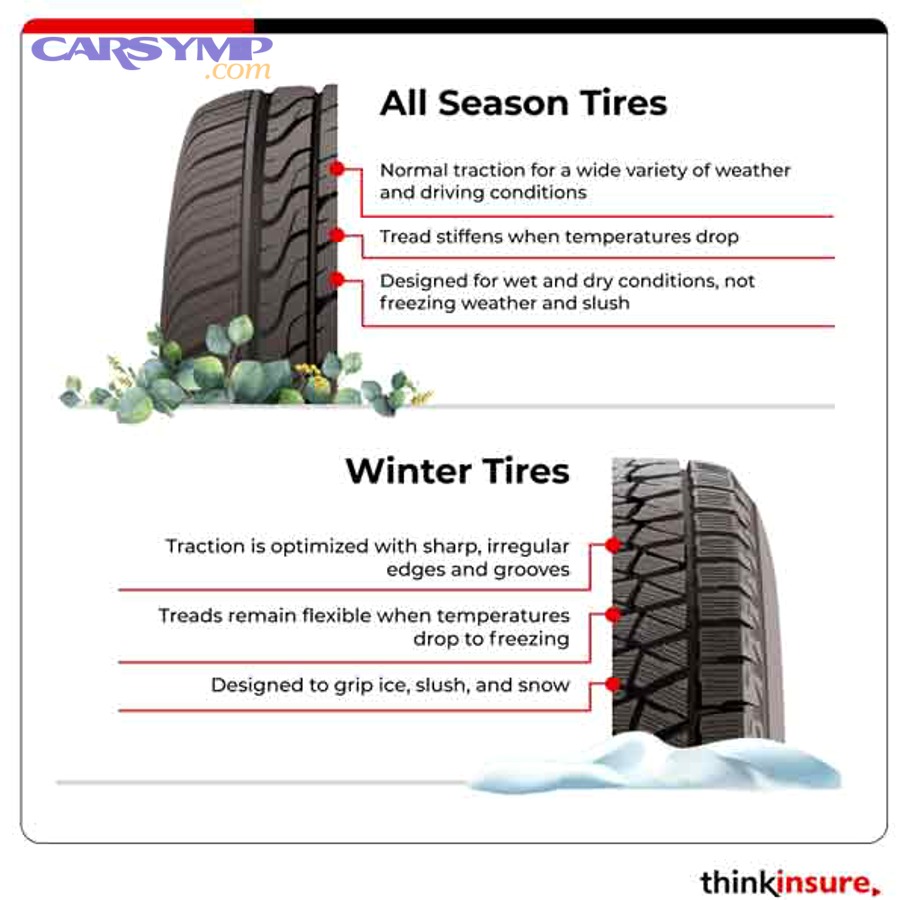
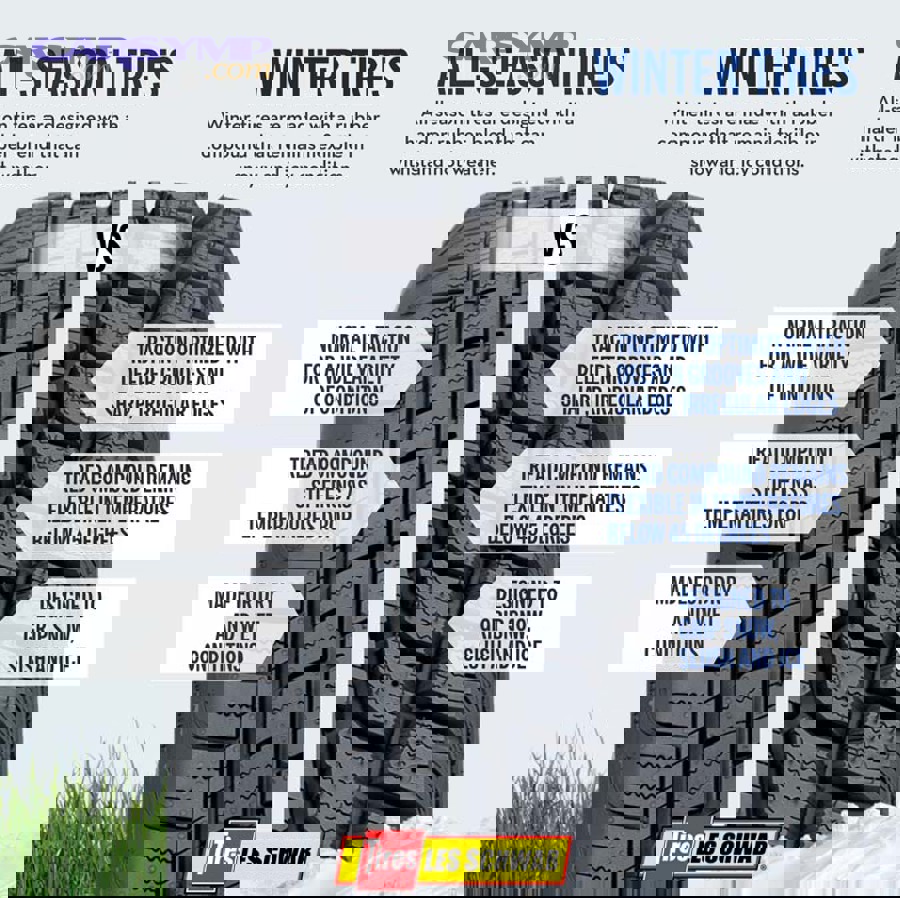
No, all-season tires are not better than dedicated seasonal tires in regions with true winter conditions because they compromise performance in both seasons—delivering 30-40% longer braking distances than winter tires in snow and ice while providing 15-20% less dry handling precision than summer tires—making them suitable only for moderate climates without temperature extremes or significant snow.
All-season tire performance represents exactly what the name implies: adequate but not optimal in all seasons. These tires use rubber compounds formulated to remain functional across a wider temperature range than either summer or winter tires, but this versatility comes at the cost of peak performance at either extreme. An all-season tire operating at 20°F performs worse than a winter tire, and the same all-season at 80°F performs worse than a summer tire.
Climate suitability determines whether all-season tires make sense for your situation. Regions with mild winters where temperatures rarely drop below 35-40°F and snowfall accumulation stays minimal (less than 3-4 inches annually) can function adequately with quality all-season tires. Examples include coastal California, the southern Gulf states, and southern Arizona. These areas simply don’t experience conditions severe enough to justify the expense and hassle of seasonal tire changes.
Conversely, regions with genuine winter conditions—sustained temperatures below freezing, regular snowfall, ice formation, and winter weather lasting 3+ months—benefit dramatically from dedicated winter tires. The performance gap between all-season and winter tires in true winter conditions proves so substantial that the safety improvement alone justifies seasonal switching. Northern states, mountain regions, and areas with regular winter precipitation fall clearly into this category.
Performance comparison testing reveals the magnitude of all-season compromises. In winter conditions (snow, ice, temperatures below 35°F), winter tires stop approximately 30-40% shorter distances than all-seasons, corner with 35-45% better lateral grip, and accelerate with 25-35% better traction. In summer conditions (dry pavement, temperatures above 65°F), summer tires deliver 15-20% shorter braking distances than all-seasons, corner with 20-25% better precision, and provide noticeably more responsive handling.
The all-season tire category itself includes significant quality variation. Premium all-season tires from manufacturers like Michelin, Continental, and Bridgestone perform substantially better in both summer and winter conditions compared to budget all-season offerings. If choosing all-season tires due to climate or budget constraints, investing in premium models provides meaningful performance and safety improvements over economy choices.
All-weather tires represent a newer category attempting to bridge the all-season/winter tire gap. These tires carry the Three-Peak Mountain Snowflake (3PMSF) winter performance certification while remaining suitable for year-round use. They offer noticeably better winter performance than traditional all-seasons while maintaining acceptable warm-weather characteristics. For drivers in moderate winter climates (occasional snow, temperatures down to 25-30°F), all-weather tires provide a viable single-set solution.
Cost analysis favors all-season tires only in specific scenarios. If you drive relatively few miles annually (under 10,000), live in a moderate climate, and prioritize convenience over ultimate performance, the simplicity of a single tire set proves attractive. However, for high-mileage drivers in areas with distinct seasons, the total cost of two seasonal tire sets proves competitive or even cheaper over the tires’ lifespan while delivering substantially better performance and safety.
According to comprehensive tire testing by Consumer Reports, vehicles equipped with dedicated seasonal tires (winter in cold weather, summer in warm) demonstrated 38% better overall performance across varied conditions compared to the same vehicles on all-season tires, with the performance gap widest in extreme conditions where safety matters most.