


Inspecting tire age and tread depth before mounting involves checking the DOT code on the sidewall to determine manufacturing date (tires over 6-10 years should be rejected) and measuring tread depth using the penny test, tread depth gauge, or wear bar indicators to ensure minimum depths of 2/32″ for legal safety or 4/32″-6/32″ for optimal performance. This pre-installation verification prevents mounting degraded rubber that appears visually acceptable but poses catastrophic failure risks including tread separation, blowouts, and loss of traction in wet or winter conditions.
Understanding why pre-mounting inspection matters protects you from invisible dangers that threaten vehicle safety. Aged tires undergo chemical degradation regardless of tread appearance, with failure rates increasing significantly after six years due to oxygen and heat exposure breaking down rubber compounds. Mounting old or worn tires compromises your ability to stop safely in emergencies, navigate wet roads without hydroplaning, and maintain control during seasonal tire change operations when switching between summer and winter sets.
The inspection process requires mastering specific techniques that deliver accurate assessments without professional equipment. The DOT code reading method reveals precise manufacturing dates hidden in a 4-digit sequence on tire sidewalls, while tread depth measurement techniques including the penny test, quarter test, and tread depth gauges provide quantifiable safety metrics. These DIY tire swap safety tips empower vehicle owners to make informed decisions about tire fitness before installation, whether purchasing new tires, evaluating used takeoffs, or assessing stored sets.
Storage conditions, seasonal requirements, and purchase scenarios introduce additional complexity to tire evaluation that extends beyond basic age and tread checks. Recognizing how indoor versus outdoor storage accelerates aging, understanding why winter tires need deeper tread than summer tires, and identifying signs of degradation in new old stock purchases complete the knowledge foundation for comprehensive pre-mounting tire inspection. Below, we’ll explore each critical inspection method in detail to ensure every tire you mount meets rigorous safety standards.
Why Should You Check Tire Age and Tread Depth Before Mounting?
You should check tire age and tread depth before mounting because aged rubber degrades structurally regardless of visual appearance, worn tread eliminates wet-weather traction, and both conditions create catastrophic failure risks including tread separation, blowouts, and loss of vehicle control. Specifically, the safety imperative stems from three critical factors: invisible material deterioration in tires over six years old, hydroplaning susceptibility when tread drops below 4/32″, and the legal liability of operating vehicles with unsafe tires.
Understanding these risks transforms tire inspection from optional maintenance to mandatory safety protocol. The consequences of mounting compromised tires extend beyond inconvenience to life-threatening scenarios that unfold without warning.
What Happens When You Mount Tires That Are Too Old?
Mounting tires that exceed recommended age limits installs time bombs on your vehicle because rubber compounds undergo irreversible chemical breakdown through oxidation and heat exposure. Even tires stored indoors and never driven experience molecular chain scission where polymer bonds break down, reducing tensile strength and elasticity. This degradation manifests invisibly within the tire structure before external cracking appears.
The catastrophic failure mode specific to aged tires is tread separation, where the outer tread layer detaches from the tire casing during operation. This separation occurs suddenly at highway speeds, causing immediate loss of control particularly dangerous in SUVs, trucks, and vans with higher centers of gravity. Unlike gradual air loss from punctures, tread separation provides no warning and leaves drivers with milliseconds to respond.
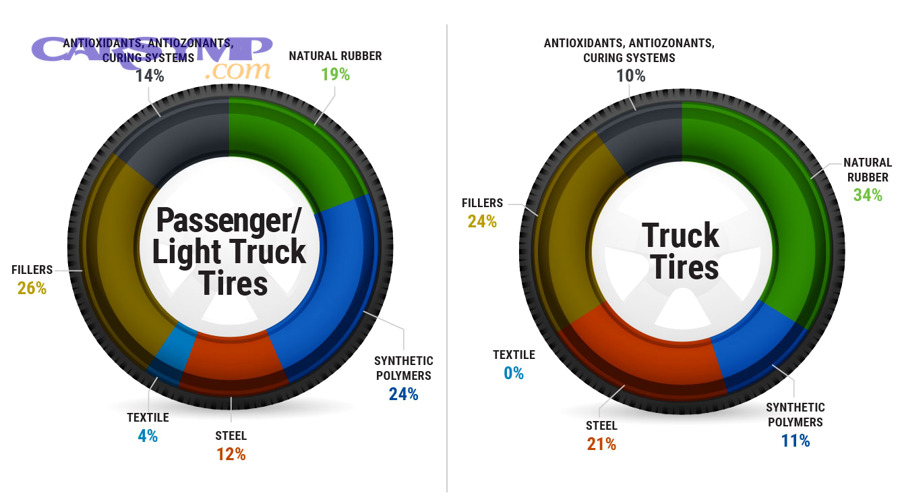
According to research from the National Highway Traffic Safety Administration, tire failure rates increase measurably after six years of service, with some manufacturers documenting failure incidents in tires as young as three years when subjected to extreme heat environments. The rubber industry consensus established through decades of field data recommends maximum service life of ten years from manufacture date, with many vehicle manufacturers specifying six-year replacement regardless of tread depth or mileage. This conservative standard acknowledges that anti-aging chemicals incorporated into modern tire compounds extend but cannot eliminate degradation processes.
What Are the Dangers of Insufficient Tread Depth?
Insufficient tread depth eliminates the tire’s ability to channel water away from the contact patch, creating hydroplaning conditions where a water layer separates rubber from road surface. At speeds as low as 35 mph with tread at 2/32″, tires lose contact with wet pavement and become unsteerable, unbrake-able objects sliding on water films. The physics are unforgiving: tread grooves must displace water volume equal to tire contact area multiplied by vehicle speed, and shallow treads cannot move sufficient water.
Winter driving with inadequate tread depth transforms routine commutes into hazardous expeditions. Snow and ice traction depends entirely on tread block edges biting into frozen precipitation and sipes creating suction against ice surfaces. When tread wears below 6/32″, these biting edges disappear and sipes become too shallow to function, leaving the tire unable to generate forward thrust or stopping force. Vehicles equipped with worn tires require 2-3 times greater stopping distances on snow compared to properly treaded tires.
Puncture vulnerability increases exponentially as tread wears thin because less rubber thickness separates the road from the tire’s internal structure. Sharp objects that would deflect off 10/32″ tread penetrate through 2/32″ tread, reaching air-holding inner liners and causing rapid deflation. Additionally, thin tread provides inadequate heat dissipation, allowing operating temperatures to rise and accelerate both tread and structural degradation—a self-reinforcing failure cycle.
How Do You Check Tire Age Using the DOT Code?
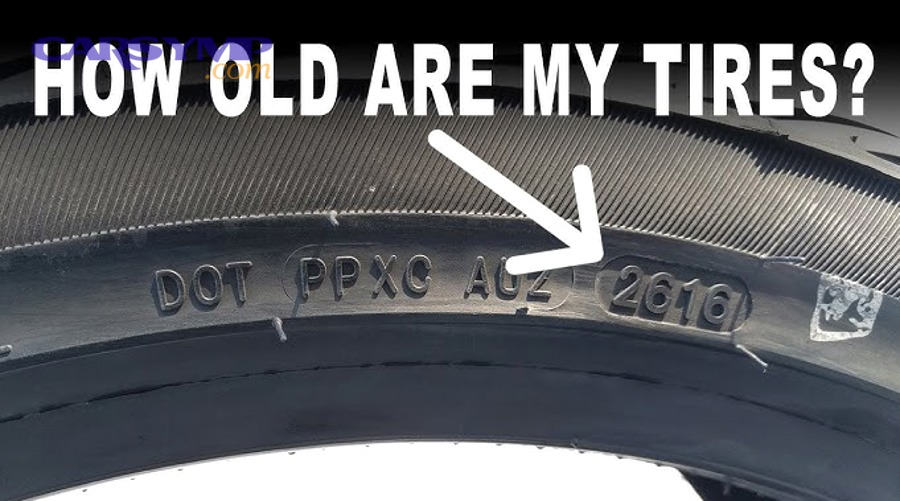
You check tire age using the DOT code by locating the alphanumeric sequence on the tire sidewall, finding the last four digits which represent manufacturing date, and interpreting them as week number (first two digits) and year (last two digits)—for example, “2618” means the 26th week of 2018. This Department of Transportation mandated code provides precise manufacturing dates that determine whether tires fall within safe age limits or require rejection regardless of tread condition.
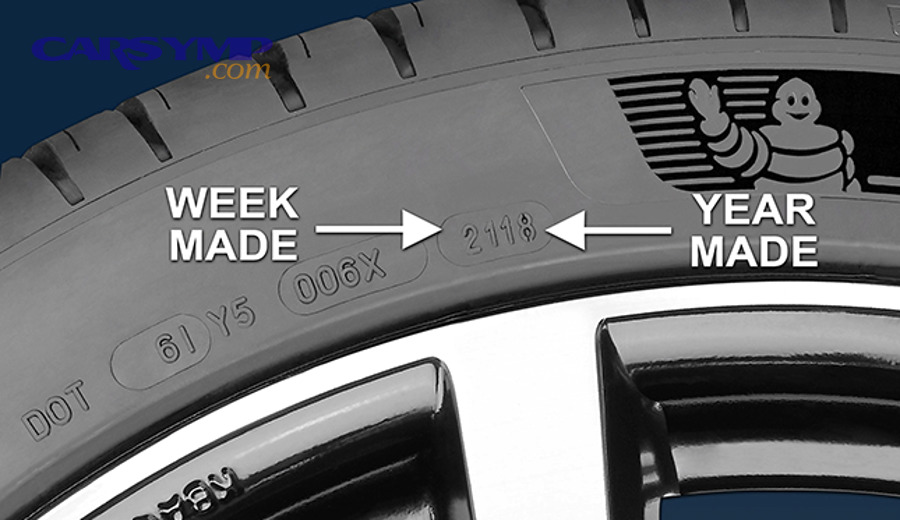
To begin the inspection process, understanding DOT code location and format enables accurate age determination for every tire you evaluate. The standardized marking system ensures consistency across all tire manufacturers sold in North America.
Where Is the DOT Code Located on a Tire?
The DOT code appears on the tire sidewall as a series beginning with the letters “DOT” followed by 10-13 alphanumeric characters, but critically, the complete code including the date digits may only appear on one sidewall. Regulations require manufacturers to mold the full DOT number on at least one side, meaning you must inspect both sidewalls if the first side shows only an abbreviated sequence. The date code you need always occupies the final position in the sequence, appearing as the last four digits on tires manufactured since 2000.
Locating the code requires examining the lower sidewall area near the rim, where molded lettering typically runs parallel to the tire circumference. The sequence appears smaller than brand names and model designations, often requiring you to rotate the tire to view all markings. In mounted tire scenarios, if the DOT code is oriented toward the vehicle, you may need to turn the steering wheel or jack up the vehicle to read the inner sidewall. When performing seasonal tire change preparations, check the DOT codes before remounting stored sets to verify they haven’t aged beyond safe limits during storage.
The incomplete DOT codes visible on one sidewall typically display only 8 characters ending after the plant code and size designation, intentionally omitting the date to reduce molding complexity. This partial marking frustrates many tire buyers examining new inventory on retail racks, as you cannot determine age without accessing the opposite sidewall. When buying tires, always insist on inspecting the complete DOT code with date digits before purchase to avoid unknowingly purchasing old inventory that may have sat in warehouses for years.
How Do You Read the Manufacturing Date from DOT Code?
Reading the manufacturing date from the DOT code requires identifying the final four-digit sequence and interpreting it as a week-year combination where the first two digits represent the calendar week (01-52) and the last two digits represent the year. For example, a tire displaying “DOT U2LL LMLR 3519” contains the date code “3519” indicating manufacture during the 35th week of 2019, which translates to late August 2019. Calculating age from this date involves subtracting the manufacture year from the current year and adding months if the current date hasn’t reached the manufacturing week.
The calendar week system starts each year on January 1st and counts sequentially through December, meaning week 01 represents early January while week 52 represents late December. A date code of “0124” indicates the first week of 2024, while “5224” represents the last week of 2024. This weekly precision matters when evaluating tires manufactured near the six-year or ten-year replacement thresholds, as a few months can determine whether a tire remains within or exceeds safe service life.
For tires manufactured before 2000, a three-digit date code format was used, creating potential confusion when evaluating older inventory. These pre-2000 codes show only week and single-digit year—for example, “418” means the 41st week of a year ending in 8, which could be 1988, 1998, or theoretically 2008 (though the 4-digit format was mandatory by then). When encountering three-digit codes, assume the tire is at least 25 years old and immediately reject it for mounting regardless of tread condition, as rubber compounds of this age have degraded beyond any safe operating threshold.
What Is the Maximum Safe Age for Tires Before Mounting?
The maximum safe age for tires before mounting is ten years from the manufacturing date according to tire industry standards, though most vehicle and tire manufacturers recommend replacement at six years regardless of tread wear, visual condition, or mileage accumulation. This conservative six-year guidance acknowledges that rubber degradation accelerates after the half-decade mark, particularly in hot climates where high ambient temperatures speed oxidation reactions. The ten-year absolute maximum applies to tires that have been properly stored indoors, never mounted, and show no visual degradation signs—even these should never be installed on vehicles used for regular transportation.
Moreover, tire warranties typically expire at six years from manufacture date, signaling that manufacturers themselves lack confidence in performance and safety beyond this threshold. This warranty structure reflects liability concerns grounded in failure data showing increased defect rates, tread separations, and blowouts in the 6-10 year age range. Rubber compounds contain anti-oxidant and anti-ozonant chemicals that slow but cannot prevent aging, and these protective additives become depleted over time, leaving the base rubber vulnerable to accelerated breakdown.
TPMS considerations when changing wheels add another dimension to age evaluation, as tire pressure monitoring sensors have battery lives typically ranging 7-10 years—coinciding with tire age limits. When mounting tires on wheels equipped with TPMS sensors, checking both tire age and sensor battery status ensures the complete wheel assembly remains functional and safe. Mounting fresh tires on wheels with failing TPMS sensors creates a mismatch where the safety monitoring system fails before the tire reaches its service life.
Special consideration applies to spare tires, which many vehicle owners forget to include in age-based replacement schedules. A spare tire manufactured in 2014 has reached or exceeded safe limits by 2024 regardless of never having touched pavement. When performing tire inspections before mounting, always verify spare tire age and replace spares that exceed six years even if they appear pristine and unworn. The consequences of discovering an aged, failed spare during a roadside emergency far exceed the modest cost of proactive replacement.
How Do You Measure Tire Tread Depth Before Installation?
You measure tire tread depth before installation using three primary methods: the penny test (inserting a penny with Lincoln’s head down and checking if the head disappears into tread), tread depth gauges (mechanical or digital tools measuring in 32nds of an inch), or visual inspection of molded wear bar indicators that become flush with tread at 2/32″ depth. Each method provides progressively greater precision, with the penny test offering quick screening, gauges delivering exact measurements, and wear bars confirming minimum legal limits.
Specifically, selecting the appropriate measurement method depends on your precision requirements and available tools. Professional tire technicians rely on calibrated depth gauges, while vehicle owners performing DIY tire swap safety tips can achieve adequate accuracy with coin-based tests for preliminary screening.
How Does the Penny Test Work for Checking Tread Depth?
The penny test works by inserting a U.S. penny into the tire tread groove with Lincoln’s head positioned upside down and facing you—if you can see all of Lincoln’s head above the tread, the depth has reached or fallen below 2/32″ and the tire requires immediate replacement. This simple screening method exploits the precise distance from the top of Lincoln’s head to the penny edge, which measures exactly 2/32″, creating a go/no-go gauge that requires no tools beyond pocket change. The test delivers binary results: head visible equals unsafe tire, head hidden equals adequate tread for legal operation.
However, the penny test contains a critical limitation that many vehicle owners overlook: passing the test confirms only that tread exceeds the bare legal minimum, not that the tire provides optimal safety margins for wet weather driving. Tires with 3/32″ tread pass the penny test yet demonstrate significantly compromised wet traction and hydroplaning resistance compared to tires with 6/32″ or greater depth. For this reason, many tire safety experts recommend the quarter test as a supplementary check.
When performing the penny test, you must check multiple locations around each tire’s circumference and across the tread width between different ribs. Tires rarely wear perfectly evenly—common wear patterns include center wear from over-inflation, edge wear from under-inflation, and one-side wear from alignment issues. Testing only the deepest tread area provides false confidence, while the shallowest area determines actual safety capacity. Insert the penny at least six locations around the circumference and in each of the major tread channels from outside edge to inside edge, recording whether Lincoln’s head remains visible at any point. If even one location shows full head visibility, the entire tire fails the test and requires replacement before mounting.
The penny test methodology applies equally to evaluating stored tires during seasonal tire change operations and assessing used tires considered for purchase. Before remounting winter tires stored since spring, test all four tires to verify they retain sufficient tread for the upcoming snow season. Similarly, when evaluating used tire purchases, the penny test provides instant rejection criteria for severely worn candidates regardless of asking price or claimed “good condition” status by sellers who may not understand safety thresholds.
How Do You Use a Tread Depth Gauge?
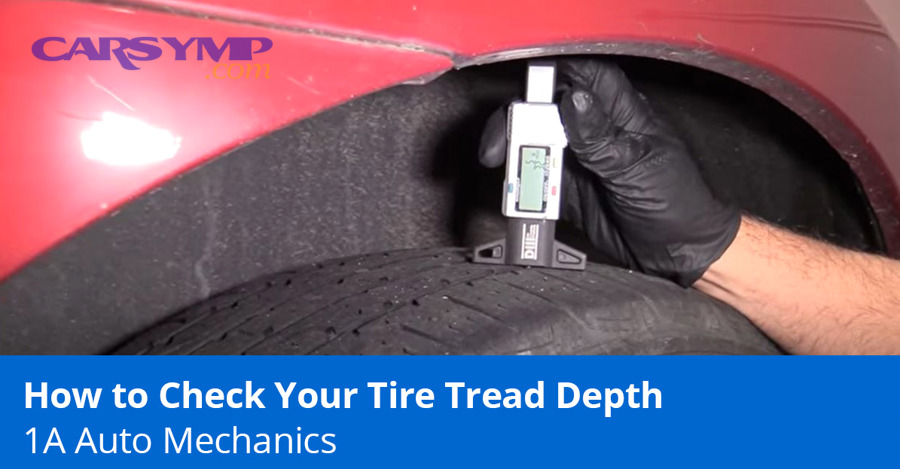
Using a tread depth gauge involves inserting the probe or pin vertically into the deepest part of a tread groove until the base of the gauge rests flush against the tread surface, then reading the measurement displayed on the gauge scale calibrated in 32nds of an inch or millimeters. Manual gauges feature a graduated probe that slides within a sleeve, with measurement markings visible along the probe shaft, while digital gauges display numeric readouts on LCD screens for easier interpretation. Both types deliver precision measurements accurate to within 1/32″, far exceeding the binary pass/fail assessment of coin tests.
To begin measurement, locate the central tread groove—the deepest channel running circumferentially around the tire—rather than the smaller lateral grooves or sipes that appear shallower by design. Position the gauge perpendicular to the tread surface and press firmly but gently until resistance indicates the base has contacted the tread blocks. On manual gauges, the probe automatically stops at the groove bottom, and you read the measurement where the probe exits the sleeve. On digital gauges, the display locks the reading when you press a button, allowing you to remove the gauge from the tire before recording the number.
Professional-grade tread depth gauges range from basic graduated probes costing under $5 to sophisticated digital models exceeding $50, but measurement accuracy remains consistent across price points when properly used. The investment in even a basic gauge pays dividends through precise monitoring of tread wear progression, allowing you to predict replacement timing and avoid the guesswork inherent in visual-only assessments. Many auto parts retailers and tire shops provide free gauge loans or inexpensive gauges as promotional items—acquiring one before performing seasonal tire evaluations eliminates ambiguity.
Depth gauge methodology requires measuring the same six-point pattern recommended for penny testing: multiple locations around the circumference and across the tread width. Record all measurements rather than relying on memory, as the shallowest measurement determines the tire’s actual safety capacity. Many tire owners discover significant variation—a tire might measure 7/32″ on one side, 5/32″ at center, and 3/32″ on the opposite side, indicating alignment issues that must be corrected before mounting new tires to prevent premature wear recurrence. This diagnostic capability represents a key advantage of gauge measurements over pass/fail coin tests.
What Do Tread Wear Indicator Bars Tell You?
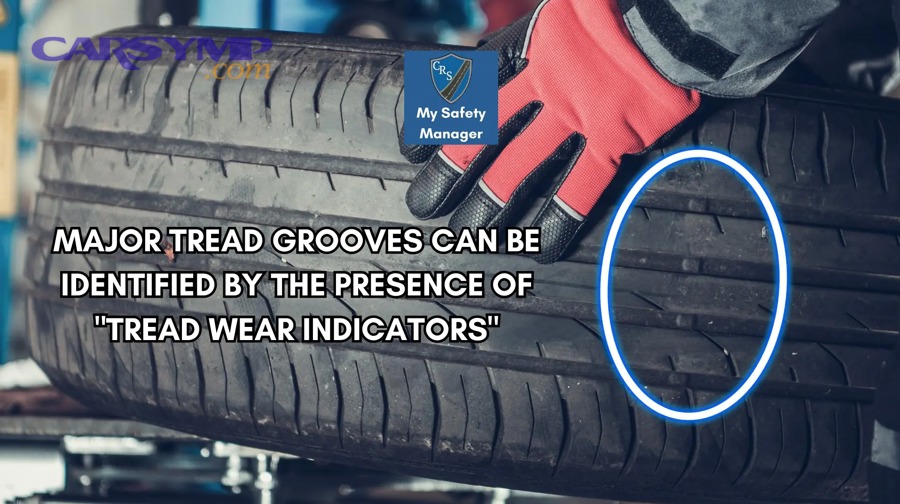
Tread wear indicator bars are raised rubber segments molded into the bottom of tread grooves at precisely 2/32″ depth, becoming flush with the surrounding tread blocks when the tire wears down to the minimum legal limit. These bars appear as solid rubber connections spanning across tread grooves at six to eight locations around the tire circumference, interrupting the otherwise continuous channel pattern. When the tread surface wears down to the level of these indicator bars, they create visible flat sections across the grooves, signaling that the tire has reached replacement threshold and should not be mounted or continued in service.
Locating wear bars requires examining the tire sidewall for small triangle symbols (△) or the letters “TWI” (Tread Wear Indicator) molded into the rubber. These markers point toward the groove locations containing wear bars, eliminating the need to inspect every groove around the entire circumference. Once you identify the marked locations, look directly into the groove at those points to assess whether the bar remains recessed below the tread surface or has become level with it. New tires show wear bars deeply recessed—visually they appear as small ridges at the groove bottom. As tread wears, the bars gradually rise closer to the surface until eventually becoming even with the tread blocks.
The binary nature of wear bar indication makes them valuable for quick visual screening but inappropriate for proactive tire management. By the time wear bars reach flush status, the tire has deteriorated to minimum legal standards with seriously compromised wet and winter traction. Relying solely on wear bar visibility means operating tires at the edge of unsafe conditions rather than replacing them when performance degrades below optimal levels. Prudent tire management involves gauge measurements that detect when tread approaches 4/32″, allowing replacement before reaching the 2/32″ wear bar threshold.
Manufacturer variations exist in wear bar placement and design, with some premium tire brands incorporating multiple bar heights to provide early warning at 4/32″ in addition to the standard 2/32″ indicators. These multi-level systems show a first bar becoming flush at the recommended replacement depth, followed by a second bar indicating absolute minimum depth. When inspecting unfamiliar tire brands or models, the presence of two different bar heights indicates this dual-warning design, and you should replace tires when the first (higher) bar becomes visible rather than waiting for the second bar to appear.
What Are the Minimum Tread Depth Requirements for Safe Mounting?
The minimum tread depth requirements for safe mounting are 2/32″ to meet legal standards in most jurisdictions, 4/32″ for adequate all-season performance and wet weather safety, and 6/32″ for winter tire effectiveness in snow and ice conditions. These thresholds reflect progressively conservative safety standards where legal minimums prevent citations but performance-based minimums preserve vehicle control capabilities across varying weather conditions and driving scenarios.

Specifically, understanding these tiered requirements allows you to make informed mounting decisions based on intended use rather than blindly accepting tires that barely pass legal thresholds. The difference between mounting a tire with 2/32″ versus 5/32″ tread can mean the difference between maintaining control and hydroplaning during an unexpected rainstorm.
What Tread Depth Is Required for Different Driving Conditions?
Different driving conditions require progressively deeper tread depths, with dry summer conditions allowing the legal 2/32″ minimum, wet all-season driving demanding 4/32″ for hydroplaning resistance, and winter snow/ice operation requiring 6/32″ minimum for adequate traction and handling safety. This sliding scale reflects the physics of water and snow displacement—deeper grooves move greater volumes of precipitation away from the contact patch, maintaining rubber-to-road contact that enables steering and braking forces to transmit effectively.
In wet weather conditions, tread grooves function as water evacuation channels that must displace liquid volume equal to the tire’s footprint area multiplied by vehicle speed. At highway speeds, thousands of gallons per hour flow through these channels on wet roads. When tread depth drops to 4/32″, channel capacity reduces by approximately 50% compared to new tire depth, significantly increasing hydroplaning risk above 45 mph. Below 4/32″, wet weather stopping distances extend by 30-40% compared to fresh tires, transforming routine rain showers into hazardous driving conditions requiring doubled following distances and reduced speeds.
Winter driving presents even more stringent tread requirements because snow traction depends on tread block edges compacting and gripping snow crystals while sipes create suction against ice surfaces. The Rubber Manufacturers Association recommends 6/32″ minimum for winter tire operation, with Transport Canada explicitly advising against operating any tire below 5/32″ on snow-covered roads. Tires worn below these thresholds lose the biting edge count and sipe depth necessary for winter functionality, essentially becoming smooth slicks incapable of generating thrust or stopping force on frozen precipitation. When mounting tires intended for winter use, reject any candidates measuring less than 6/32″ regardless of price or visual appearance.
All-terrain and aggressive off-road tires require even deeper tread for effective operation in their intended environments. These specialized tires typically ship with 12/32″ to 18/32″ tread depth when new, and performance degrades substantially when worn to conventional tire depths. A light truck tire designed for mud traction becomes ineffective below 8/32″ as the tread blocks lose their ability to shed mud and grip irregular surfaces. When mounting tires on vehicles used for off-road recreation or work applications, verify tread depth meets or exceeds the specific requirements for the terrain you’ll encounter.
How Does Tread Depth Below Minimum Affect Safety?
Tread depth below minimum thresholds affects safety by eliminating the tire’s ability to evacuate water and causing hydroplaning at speeds as low as 35 mph, extending stopping distances by 50% or more on wet pavement, and creating complete loss of snow traction requiring 2-3 times greater stopping distances on winter roads. These degraded capabilities transform everyday driving situations into emergency scenarios where the vehicle becomes difficult or impossible to control despite proper steering and braking inputs from the driver.
The hydroplaning phenomenon occurs when water layer thickness between tire and road exceeds the tire’s ability to displace it, creating a lubricating film that separates rubber from pavement. This separation eliminates friction necessary for steering and braking, converting the vehicle into an unguided projectile traveling at its pre-hydroplaning speed until friction is restored. Tires with 2/32″ tread begin hydroplaning at approximately 35-40 mph on wet roads with standing water, while tires with 4/32″ tread resist hydroplaning until 50-55 mph, and tires with 8/32″ tread maintain contact up to 65-70 mph. The non-linear relationship between tread depth and hydroplaning speed means that each 1/32″ of wear in the critical 4/32″ to 2/32″ range disproportionately increases hydroplaning risk.
Stopping distance extensions on wet pavement create rear-end collision risks that catch drivers unprepared for their vehicle’s reduced deceleration capability. Testing by tire manufacturers demonstrates that vehicles with 2/32″ tread require 30-50% greater stopping distance compared to vehicles with 8/32″ tread when braking from 60 mph on wet pavement. In practical terms, this translates to needing an additional 40-60 feet to stop—the difference between stopping before an intersection and sliding into cross traffic. Many drivers unconsciously compensate for worn tires by increasing following distances and reducing speeds in rain, but these adaptations often prove inadequate during emergency braking scenarios.
According to studies conducted by the National Highway Traffic Safety Administration’s tire research division, tire-related crashes increase measurably when tread depths fall below 4/32″, with wet weather incidents showing the strongest correlation to inadequate tread. The data reveals that vehicles equipped with tires between 2/32″ and 4/32″ experience wet-weather crash rates approximately 2.4 times higher than vehicles with tires above 6/32″, even after controlling for driver experience, vehicle type, and geographic location variables. This evidence-based risk quantification underscores why mounting tires near minimum legal limits represents a preventable safety compromise.
What Visual Inspections Should You Perform Before Mounting?
You should perform visual inspections before mounting that examine sidewalls and tread for cuts, punctures, bulges, cracks, exposed cords, and uneven wear patterns, as these damage indicators disqualify tires from safe service regardless of age or tread depth measurements. This comprehensive visual assessment detects structural failures, impact damage, and degradation signs that numeric measurements cannot reveal, preventing the mounting of tires that will fail catastrophically during operation despite passing age and depth tests.
To begin the visual inspection process, systematic examination of the entire tire surface under good lighting conditions reveals defects that casual glances miss. Rotating the tire through its full circumference while inspecting from multiple angles ensures no damage zones escape detection.
What Types of Tire Damage Indicate Unsafe Mounting?
Tire damage types that indicate unsafe mounting include sidewall bulges or bubbles (indicating internal cord separation), cuts or gashes deeper than 1/4″ in tread or sidewall, any visible cord material or fabric showing through rubber, punctures larger than 1/4″ diameter, and dry rot cracking that penetrates more than surface rubber. Each of these damage categories represents structural compromise that creates imminent failure risk, making the tire unsuitable for mounting even if age and tread depth fall within acceptable ranges. The presence of any single disqualifying defect requires tire rejection regardless of other favorable attributes.
Sidewall bulges appear as localized swelling or bubble-like protrusions on the tire’s side surface, indicating that internal cord layers have separated from surrounding rubber. This separation typically results from impact damage when the tire strikes potholes, curbs, or road debris with sufficient force to break internal reinforcement cords without penetrating the outer rubber. Bulges create weak spots where air pressure pushes against compromised structure, leading to sudden blowouts particularly at highway speeds or during hot weather when tire pressures increase. Any visible bulge of any size disqualifies the tire immediately—there is no “small bulge” that remains safe for operation.
Cuts and gashes in tread or sidewall rubber require careful assessment based on depth and location. Superficial surface cuts that don’t penetrate beyond the outer rubber layer typically don’t compromise structural integrity, but any cut exposing cord material or penetrating more than 1/4″ creates air loss paths and stress concentration points where failures initiate. Sidewall cuts prove particularly dangerous because sidewalls flex constantly during operation, working cuts open progressively until catastrophic failure occurs. A tire with a 1/2″ sidewall cut may hold air initially but will fail without warning after hours or days of flexing stress.
Dry rot manifests as surface cracking in web-like patterns across tread blocks and sidewalls, indicating rubber degradation from ozone exposure, UV radiation, and age-related chemical breakdown. Light surface checking with cracks less than 1/32″ deep represents early-stage degradation that progresses but hasn’t yet compromised structural integrity. However, deep cracks penetrating beyond surface rubber layers create water intrusion paths that accelerate internal deterioration and stress risers where rubber tears under load. The appearance of deep dry rot, particularly in sidewall areas, disqualifies tires from mounting regardless of tread depth or age measurements suggesting remaining service life.
What Does Uneven Tread Wear Indicate?
Uneven tread wear indicates underlying vehicle problems including incorrect tire pressure, wheel misalignment, worn suspension components, or improper tire rotation practices, manifesting as distinctive wear patterns: center wear from over-inflation, edge wear from under-inflation, one-side wear from alignment issues, and cupping or scalloping from worn shocks. While uneven wear itself may not immediately disqualify a tire from mounting if the shallowest point exceeds minimum depth, the patterns diagnose mechanical issues that must be corrected before mounting any tires to prevent premature wear recurrence.
Center wear appears as a narrow band of reduced tread depth running circumferentially around the tire’s middle, with deeper tread remaining on both shoulder areas. This pattern results from chronic over-inflation that causes the tire center to carry disproportionate vehicle weight while shoulders make minimal road contact. The over-inflated tire shape resembles a barrel rather than the intended flat footprint, concentrating wear in the center strip. Before mounting tires on a vehicle showing historical center wear, verify the tire pressure monitoring system functions correctly and the driver understands proper inflation specifications from the vehicle door jamb rather than the higher maximum pressure marked on tire sidewalls.
Edge wear presents as reduced tread depth on one or both outer shoulders while the center tread remains deeper, indicating chronic under-inflation that allows sidewalls to flex excessively and rolls tire shoulders into primary road contact. Under-inflated tires generate excessive heat from flexing, accelerating both shoulder wear and overall tire degradation. Vehicles consistently operated with under-inflated tires demonstrate shoulder wear patterns across all positions, signaling maintenance neglect that likely affects other vehicle systems. When mounting tires on vehicles with edge wear history, recommend TPMS considerations when changing wheels to ensure the monitoring system alerts drivers to pressure loss before edge wear initiates.
One-side wear shows dramatically reduced tread on either the inner or outer shoulder while the opposite shoulder and center remain adequately deep, indicating wheel misalignment where camber angle tilts the tire’s top inward or outward rather than maintaining vertical orientation. Misalignment typically results from impact damage to suspension components, worn ball joints or bushings, or failed alignment adjustments after suspension work. The appearance of one-side wear disqualifies mounting tires on the affected vehicle until a professional wheel alignment corrects the geometry, as fresh tires will reproduce the same wear pattern and require premature replacement.
Cupping or scalloping appears as wavelike high and low spots around the circumference, creating a scalloped edge appearance particularly visible on shoulder ribs, and indicates worn shock absorbers or struts allowing tires to bounce excessively during operation. Each bounce creates a localized contact patch that wears more rapidly than surrounding areas, progressively developing the scalloped pattern. Cupped tires produce characteristic rumbling noise that increases with speed and persists regardless of road surface smoothness. Before mounting tires on vehicles showing cupping patterns, suspension system inspection and necessary repairs prevent pattern recurrence that would destroy new tires within months.
How Does Tire Storage Affect Age and Condition Before Mounting?
Tire storage affects age and condition before mounting by accelerating or slowing rubber degradation based on environmental factors, with outdoor storage in sunlight and heat causing rapid ozone cracking and UV damage while indoor climate-controlled storage in sealed bags extends serviceable life by minimizing oxygen and temperature exposure. Specifically, storage environment determines whether a five-year-old tire remains mountable or has degraded beyond safe limits despite identical manufacturing dates and unused tread.
Understanding storage impact becomes critical when evaluating tires that have spent months or years unmounted, whether in personal garages, retail warehouses, or dealer inventory. The difference between proper and improper storage can mean years of useful life or premature failure.
What Storage Conditions Accelerate Tire Aging?
Storage conditions that accelerate tire aging include outdoor exposure to direct sunlight (UV radiation breaks down rubber compounds), high ambient temperatures above 80°F (heat speeds oxidation reactions), ozone exposure from electric motors and fluorescent lights (ozone attacks unsaturated rubber polymers), and storage on concrete floors where moisture and petroleum contaminants leach into rubber. These environmental stressors compound over time, meaning a tire stored outdoors in Arizona for two years may degrade equivalently to a tire stored indoors in Minnesota for five years despite identical manufacturing dates.
UV radiation from sunlight represents the most visible aging accelerator, causing sidewall rubber to fade from deep black to gray-brown while surface texture becomes chalky and brittle. The photochemical reactions initiated by UV exposure break polymer chains that provide rubber elasticity, creating surface cracks that propagate into deeper layers. Tires stored uncovered in direct sunlight for extended periods develop severe weather checking within 2-3 years that would take 6-8 years to appear on indoor-stored tires. The presence of weather checking visible as cracks or crazing disqualifies tires from mounting regardless of DOT date, as the surface damage signals deeper structural compromise.
Temperature cycling between hot days and cool nights stresses rubber through expansion and contraction while elevated average temperatures accelerate all chemical degradation processes. The Arrhenius equation governing reaction rates indicates that degradation speed approximately doubles for every 18°F temperature increase, meaning tires stored in a 100°F attic age roughly four times faster than tires stored in a 65°F basement. This temperature sensitivity explains why tires in hot climates require more conservative age limits—a six-year-old tire from Phoenix may show greater degradation than an eight-year-old tire from Seattle.
Ozone concentration in storage environments attacks rubber with particular effectiveness because ozone molecules (O₃) seek to stabilize into standard oxygen (O₂) by donating their extra oxygen atom to available chemical bonds in rubber polymers. This oxidation preferentially targets the double bonds in natural and synthetic rubber, creating cracks perpendicular to stress directions—typically appearing as circumferential cracks on tire sidewalls. Common ozone sources in garages include electric motor brushes, welding equipment, and fluorescent lights, making poorly ventilated garage storage nearly as damaging as outdoor exposure despite protection from UV and rain.
How Can You Assess Stored or Used Tires Before Mounting?
You assess stored or used tires before mounting by combining DOT code age verification with visual inspection for weather checking, sidewall cracking, and surface degradation, plus tread depth measurement and flexibility testing where you press firmly on the sidewall to verify rubber remains pliable rather than stiff and brittle. This multi-factor evaluation distinguishes tires with protected storage history from those with environmental exposure damage, allowing confident mounting decisions about stored inventory.
The flexibility test provides immediate feedback about rubber condition by compressing sidewall areas with thumb pressure—properly conditioned rubber deflects smoothly and recovers shape immediately upon pressure release, while degraded rubber feels hard and resists compression or shows slow recovery. Severely aged rubber may develop surface cracks at compression points, visible as fine lines appearing where you pressed. Perform this test at multiple sidewall locations around the tire circumference, as degradation may vary based on sun exposure orientation during storage.
Surface texture assessment reveals storage-related degradation through tactile and visual examination of sidewall rubber. Fresh or properly stored tires display deep black color with slight sheen and smooth texture when rubbed with fingers. Degraded tires show faded gray-brown color, chalky texture that leaves residue on hands when rubbed, and matte finish lacking any sheen. The chalky residue consists of degraded rubber particles and indicates advanced oxidation—tires showing this condition should be rejected for mounting regardless of tread depth or DOT date within nominal limits.
When evaluating used tire purchases from private sellers or small shops offering takeoff inventory, request storage history and examine tires under bright light for subtle degradation signs. Sellers often store takeoff tires outdoors or in unprotected shed environments where environmental exposure accelerates aging. The presence of soil staining, water marks, or grass embedded in tread patterns confirms outdoor storage history warranting extra scrutiny for weather damage. Before purchasing stored tires claiming “like new” condition, verify not only tread depth but also manufacturing dates and absence of storage damage that compromises safety regardless of attractive pricing.
What Is the Difference Between Tire Age and Tire Wear?
The difference between tire age and tire wear is that age represents time-based rubber degradation from manufacturing date regardless of mileage while wear represents mechanical tread removal from road contact distance, meaning a ten-year-old tire with full tread depth is unsafe due to age degradation while a two-year-old tire worn to 2/32″ is unsafe due to inadequate tread. These independent failure modes require separate evaluation—both age and wear must fall within safe limits for mounting approval, and neither acceptable factor compensates for the other’s deficiency.
This distinction confuses many vehicle owners who assume visible tread depth indicates tire fitness, not recognizing that invisible chemical aging creates failure risks independent of mechanical wear. A garage-stored spare tire manufactured in 2014 may display perfect 10/32″ tread in 2024 yet fail catastrophically if pressed into service due to decade-long degradation. Conversely, a heavily driven 2023 tire worn to 3/32″ remains structurally sound from an age perspective despite borderline tread depth for wet weather safety.
The aging process affects all tire components simultaneously while wear selectively removes tread material. Aged tires experience sidewall rubber stiffening, belt cord adhesion degradation, and internal liner cracking—none of which correlate with tread depth measurements. A tire can pass tread depth inspection with flying colors while its sidewalls contain micro-cracks invisible to casual inspection that will propagate into catastrophic failures. Professional tire technicians recognize this age-versus-wear distinction and reject tires failing either criterion, but consumers often focus exclusively on tread depth during Car Symp inspections or DIY mounting decisions.
Storage without use actually accelerates certain aging modes compared to regular operation because stationary tires develop stress cracks at fixed flexing points while rotating tires distribute stresses more evenly. Additionally, unmounted storage allows prolonged exposure to environmental contaminants that road use would abrade away. This counterintuitive reality means the stored spare in your garage may require earlier replacement than your regularly driven tires despite accumulating zero mileage—age trumps wear for unsafe condition determination.
Are New Old Stock (NOS) Tires Safe to Mount?
New Old Stock tires are potentially unsafe to mount if they exceed three years from manufacture date despite never having been mounted or used, because rubber aging begins immediately upon curing and continues regardless of installation status, with storage conditions at warehouses and retailers often accelerating degradation through heat, ozone, and improper handling. Specifically, purchasing “new” tires manufactured 4-5 years ago means acquiring products already halfway through their safe service life before installation, providing poor value and shortened replacement intervals.
Tire retailers periodically offer discounted NOS inventory to clear aging stock that hasn’t sold within normal timelines, marketing these tires as “new” while omitting manufacturing dates from promotional materials. Uninformed consumers see pristine appearance and full tread depth, assume newness, and purchase based on attractive pricing without checking DOT codes. These buyers unknowingly sacrifice 2-4 years of potential service life by starting with already-aged inventory, potentially requiring replacement as early as 3-4 years post-purchase when combined age reaches the 6-7 year caution threshold.
When purchasing “new” tires from any retailer, inspecting DOT codes before transaction completion protects against NOS inventory issues. Reputable dealers typically maintain stock turnover preventing excessive aging, but budget retailers, small shops, and online discount sellers often sell aged inventory without disclosure. Reject any tires manufactured more than 18 months prior to purchase date—this threshold ensures you receive genuinely fresh product with full service life potential. If a retailer cannot provide tires meeting this freshness standard, shop elsewhere rather than compromising safety and value for modest upfront savings.
The NOS problem extends beyond retail to include used tire markets where sellers offer “new takeoff” inventory removed from vehicles after minimal miles. While these low-mileage tires avoid mechanical wear, their manufacturing dates may significantly predate removal, particularly for vehicles that sat unsold on dealer lots or were used as rental fleet units. A “new takeoff” tire with 50 miles of use but manufactured three years ago provides no age advantage over regular inventory despite the appealing takeoff designation. Always verify DOT dates on takeoffs with the same scrutiny applied to warehouse NOS purchases.
This comprehensive guide provides vehicle owners with the knowledge and techniques necessary to perform thorough pre-mounting tire inspections. By mastering DOT code interpretation, tread depth measurement methods, visual damage assessment, and storage impact evaluation, you can make informed decisions that protect both safety and investment. Remember that both tire age and tread depth represent independent safety criteria—mounting decisions require both factors to fall within acceptable limits. Whether performing seasonal tire changes, evaluating used tire purchases, or assessing stored inventory, the systematic inspection approach detailed here ensures every tire mounted on your vehicle meets rigorous safety standards. When in doubt, consult tire professionals for assessment assistance, as the modest cost of expert verification far outweighs the catastrophic consequences of mounting compromised tires.