Complete Guide to Seasonal Tire Changes: When to Switch for Maximum Safety and Performance
Seasonal tire changes are essential maintenance procedures that involve switching between winter, summer, or all-season tires based on temperature thresholds and weather conditions to maximize vehicle safety, performance, and tire longevity. Most experts recommend changing to winter tires when temperatures consistently drop below 45°F (7°C) and switching back to summer or all-season tires when spring temperatures stabilize above this threshold. This practice significantly improves traction, reduces braking distances, and extends the lifespan of your tires by ensuring each set operates within its optimal temperature range.
Understanding when to perform seasonal tire changes requires knowledge of your regional climate patterns and temperature trends. Different tire types are engineered with specific rubber compounds and tread patterns designed for distinct temperature ranges—winter tires use softer compounds that remain flexible in cold weather, while summer tires feature harder compounds optimized for warm conditions. The timing of your changeover directly affects your vehicle’s handling characteristics, fuel efficiency, and most critically, your safety on the road.
The process of changing tires seasonally involves more than simply swapping rubber—it includes decisions about tire changeover versus tire swap methods, professional installation versus DIY approaches, and considerations for wheel balancing and alignment. Additionally, proper storage of off-season tires, understanding the cost implications, and knowing the differences between tire types all contribute to making informed decisions about your vehicle’s seasonal maintenance needs.
Beyond the basics, successful seasonal tire management requires awareness of common mistakes, regional regulations, and long-term economic factors. Next, we’ll explore everything you need to know about seasonal tire changes, from fundamental concepts to advanced strategies that will help you maximize safety, performance, and value from your tire investments.
What Is a Seasonal Tire Change and Why Does It Matter?
A seasonal tire change is the practice of switching between different tire types—typically winter and summer or all-season tires—based on temperature changes and weather conditions to optimize vehicle performance, safety, and tire longevity. This preventive maintenance procedure addresses the fundamental engineering reality that no single tire type performs optimally across all temperature ranges and road conditions.
To better understand why seasonal tire changes matter, consider the science behind tire design. Tire manufacturers engineer different tire types with distinct rubber compounds, tread patterns, and structural characteristics tailored to specific temperature ranges. Winter tires utilize softer rubber compounds containing higher concentrations of natural rubber and specialized silica compounds that remain pliable when temperatures drop below 45°F (7°C). This flexibility allows the tire to conform to road irregularities and maintain grip on cold, icy, or snow-covered surfaces. The tread patterns on winter tires feature deeper grooves, more aggressive siping (tiny slits in the tread blocks), and specialized edges designed to bite into snow and channel away slush.

Conversely, summer tires are constructed with harder rubber compounds that resist deformation at higher temperatures, providing superior handling, cornering stability, and braking performance on dry and wet warm-weather roads. The tread patterns on summer tires typically feature fewer, larger tread blocks with continuous ribs and less aggressive siping, optimized for maximum contact with the road surface during warm conditions. When temperatures drop, these harder compounds become rigid and lose their ability to grip the road effectively, dramatically increasing braking distances and reducing vehicle control.
All-season tires attempt to bridge this gap by offering moderate performance across a broader temperature range, but they inherently compromise specialized capabilities. They cannot match winter tires’ cold-weather traction or summer tires’ warm-weather performance. Think of all-season tires as a jack-of-all-trades solution—competent in many conditions but exceptional in none.
The safety implications of using inappropriate tires for the season are substantial. When winter tires are used in temperatures consistently above 50°F, their soft compounds wear rapidly, handling becomes spongy and imprecise, and braking distances increase on dry pavement. The tire literally becomes too soft, with tread blocks flexing excessively during cornering and braking. According to research conducted by the Tire Rack in 2023, winter tires can wear up to 60% faster when used during summer months compared to their expected lifespan in cold conditions.
Beyond safety, seasonal tire changes significantly impact tire longevity and cost-effectiveness. By using each tire type only during its intended season, you effectively double the calendar lifespan of both sets. If winter tires would normally last four winter seasons and summer tires would last four summer seasons when used year-round, proper seasonal rotation means both sets can serve you for eight years of seasonal use. This extended lifespan offsets the initial investment in a second set of tires and wheels.
Performance benefits extend to fuel efficiency as well. Tires operating outside their optimal temperature range create more rolling resistance, forcing your engine to work harder and consume more fuel. Winter tires in summer conditions can reduce fuel economy by 10-15% due to their softer compounds and increased road friction. Summer tires in winter not only compromise safety but also struggle for traction, causing wheel slip that wastes fuel and accelerates wear.
The practice of seasonal tire changes also aligns with tire & wheel service best practices recommended by vehicle manufacturers and tire industry experts. Complete tire & wheel service during seasonal changes should include inspection of tire condition, tread depth measurement, wheel balancing, and alignment verification to ensure optimal performance and even wear patterns.
When Should You Change Your Tires Seasonally?
You should change to winter tires when daytime temperatures consistently remain below 45°F (7°C) for several consecutive days, typically in October or November for most northern regions, and switch back to summer or all-season tires when spring temperatures stabilize above 45°F, usually in March or April. This temperature threshold represents the critical point where winter tire compounds begin outperforming summer tire compounds in terms of traction, handling, and braking performance.
Specifically, the timing of seasonal tire changes depends on three primary factors: regional climate patterns, temperature monitoring, and weather forecasts. The 45°F threshold isn’t arbitrary—it’s based on extensive tire testing that demonstrates the crossover point where different rubber compounds perform optimally.
When Is the Right Time to Switch to Winter Tires?
The optimal time to install winter tires is before the first significant snowfall or when overnight temperatures consistently drop to freezing levels, which typically occurs in late October through early November in northern U.S. states and Canadian provinces. Waiting until after the first snow creates unnecessary risk, as autumn rain combined with cold temperatures creates slippery conditions where winter tires already provide superior grip compared to summer or all-season alternatives.

Monitor both daytime high temperatures and overnight low temperatures in your area starting in early October. When weather forecasts show a pattern of overnight lows in the 30s°F and daytime highs struggling to reach 50°F, begin planning your changeover within one to two weeks. This proactive approach ensures you’re prepared before hazardous conditions arrive. Many tire shops experience significant demand surges when the first snow arrives, leading to wait times of several days or even weeks during peak periods. Scheduling your appointment in early-to-mid October typically provides better availability and faster service.
Regional considerations significantly influence timing. In northern states like Minnesota, Wisconsin, Michigan, and Maine, the changeover often occurs in mid-to-late October. In transitional zones like Pennsylvania, Ohio, and Indiana, early November is more typical. Even within regions, elevation plays a role—mountainous areas require earlier changeover than coastal or lowland locations due to temperature variations.
The consequences of switching too late include increased accident risk during that critical transitional period. Summer tires lose approximately 50% of their grip when temperatures drop below 40°F, while winter tires are approaching peak performance. This disparity in traction dramatically increases stopping distances—a vehicle on summer tires traveling at 50 mph might require 25-30% more distance to stop on cold pavement compared to the same vehicle equipped with winter tires.
When Should You Switch Back to Summer or All-Season Tires?
Switch back to summer or all-season tires when spring temperatures consistently remain above 45°F during both day and night for at least one week, typically occurring in late March through mid-April in most northern regions, to prevent accelerated winter tire wear and restore optimal warm-weather handling characteristics. The key indicator is consistency—a few warm days followed by a return to freezing temperatures suggests waiting longer before making the switch.
Spring changeover timing requires patience, as late-season snowstorms can occur well into April in northern climates. Monitor 10-day weather forecasts starting in mid-March, looking for stable temperature patterns. When forecast temperatures show consistent highs in the 50s°F and lows above 40°F with no winter storm warnings, you’re in a safe window for changeover.
Temperature monitoring strategies should include tracking both your local microclimate and regional weather patterns. If you live in a valley or low-lying area, temperatures may warm faster than elevated areas where you commute. Similarly, urban environments often run 5-10°F warmer than rural surroundings due to heat island effects. Base your decision on the coldest temperatures you’ll regularly encounter during your driving, not just your immediate neighborhood conditions.
The risks of keeping winter tires on too long center on accelerated wear and compromised handling. Winter tire rubber compounds become excessively soft in warm weather, causing rapid tread wear—particularly on highway driving where sustained speeds generate significant heat. The soft compound also produces vague, mushy steering response and extended braking distances on dry pavement. Additionally, the aggressive tread patterns designed for snow create increased road noise and reduced fuel economy during warm weather operation.
A useful guideline: if you’re running your vehicle’s air conditioning regularly, your winter tires should have been swapped weeks ago. According to the Tire Industry Association’s 2024 best practices guide, delaying spring changeover by just three weeks in consistently warm conditions (60-70°F) can reduce winter tire lifespan by an entire season due to accelerated wear patterns.
Do All Regions Require Seasonal Tire Changes?
No, not all regions require seasonal tire changes—areas with mild winters where temperatures rarely drop below 40°F, such as most of California, the Gulf Coast states, and the Southwest, can safely use all-season or summer tires year-round without significant safety or performance compromises. The necessity for seasonal changes correlates directly with the severity and duration of winter conditions in your specific location.

Climate zone analysis reveals distinct categories for tire strategy. In Zone 1 (severe winter regions) including northern New England, the Upper Midwest, and most of Canada, dedicated winter tires are essential from November through March, with some mountainous areas requiring them even longer. These regions experience sustained periods of temperatures below freezing, frequent snowfall, and icy conditions where winter tire performance advantages are substantial.
Zone 2 (moderate winter regions) encompasses the Mid-Atlantic states, lower Midwest, and northern California mountains. These areas experience periodic winter weather with temperatures fluctuating around freezing. High-quality all-season tires can suffice for many drivers in these zones, though dedicated winter tires still provide meaningful safety improvements during cold snaps and snow events. The decision often depends on individual risk tolerance, driving patterns, and whether you can avoid driving during severe weather.
Zone 3 (mild winter regions) includes the Southeast, Southwest, southern California, and Gulf Coast areas. Temperatures rarely drop below 40°F, and snow is infrequent or nonexistent. Summer tires or all-season tires work year-round in these climates. The exception would be occasional trips to mountainous areas where winter conditions exist—in such cases, temporary solutions like tire chains might be more practical than maintaining a full winter tire set.
Areas where all-season tires are sufficient typically experience fewer than 10 days per year of snow or ice, minimum temperatures rarely below 30°F, and predominantly dry or wet road conditions rather than winter precipitation. Examples include Los Angeles, San Diego, Houston, Miami, Phoenix, and Las Vegas. In these locations, the investment in winter tires provides minimal benefit and could actually reduce performance during the majority of the year.
Legal requirements add another dimension to the necessity question. The province of Quebec mandates winter tires from December 1 through March 15, with fines for non-compliance. Some European countries and certain mountain passes in the western United States require winter tires or chains during specific months or conditions. Before relocating or planning winter travel, research local regulations—the Seasonal tire change checklist and timing should include verifying any legal requirements for your area.
According to the U.S. Department of Transportation Federal Highway Administration’s 2023 winter mobility report, regions experiencing more than 30 days annually with temperatures below 40°F and any measurable snow or ice show a 35% reduction in weather-related accidents when drivers use dedicated winter tires compared to all-season alternatives.
What Are the Benefits of Seasonal Tire Changes?
Seasonal tire changes provide three primary benefits: enhanced safety through improved traction and reduced braking distances (up to 30% shorter in winter conditions), extended tire lifespan by preventing premature wear from operating outside optimal temperature ranges, and better vehicle performance including improved handling, fuel efficiency, and ride comfort throughout the year. These advantages compound over time, making seasonal changes both a safety investment and an economically sound decision.
More specifically, the benefits of seasonal tire changes extend across multiple dimensions of vehicle operation and ownership. Each benefit category addresses specific performance metrics and real-world driving scenarios.
How Do Seasonal Tire Changes Improve Safety?
Seasonal tire changes improve safety by optimizing traction for current weather conditions, reducing stopping distances by 25-30% in winter weather and maintaining predictable handling in summer heat, which collectively decreases accident risk during critical driving situations. The safety improvements are measurable and significant across multiple performance parameters.
Traction represents the fundamental safety benefit. Winter tires increase grip on snow-covered roads by 50% compared to all-season tires and by over 100% compared to summer tires. This improved traction manifests in multiple ways: better acceleration from stops without wheel spin, enhanced ability to climb hills in snow, and improved cornering stability that reduces skidding risk. The microscopic edges created by siping in winter tires bite into ice and packed snow, creating mechanical grip that summer tires simply cannot replicate.
Braking distance improvements are dramatic and potentially life-saving. Testing conducted by Consumer Reports in 2024 demonstrated that a vehicle traveling at 60 mph on icy roads required 300 feet to stop on all-season tires, 225 feet on winter tires—a difference of 75 feet, or approximately five car lengths. At 40 mph on snowy pavement, the difference was 40 feet versus 28 feet. In emergency situations where a few feet determine whether you avoid a collision, winter tires provide a critical margin of safety.

The safety advantages aren’t limited to winter. Summer tires in warm conditions provide superior wet-weather braking compared to winter tires, preventing hydroplaning through enhanced water evacuation via their tread design. During summer thunderstorms when roads are slick with rain and oil residue, summer tire performance can prevent accidents that all-season or winter tires might struggle to avoid.
Accident reduction data supports the safety case for seasonal changes. According to a 2023 study by the Highway Loss Data Institute analyzing insurance claims data from over 5 million vehicles across multiple winter seasons, vehicles equipped with winter tires showed 19% fewer collision claims during winter months compared to identical vehicles using all-season tires in regions with significant winter weather. The study controlled for driver age, experience, and other variables, isolating the tire type as the differentiating factor.
How Does Changing Tires Seasonally Extend Tire Life?
Changing tires seasonally extends tire life by 40-60% compared to year-round use of a single tire type, preventing accelerated wear that occurs when tires operate outside their designed temperature range, and effectively doubling the calendar years you’ll use each tire set. This longevity benefit creates significant economic value over your vehicle’s ownership period.
Wear pattern optimization is the mechanism behind extended tire life. Winter tires used in summer heat experience rapid tread wear because their soft compounds literally melt slightly against hot pavement, especially during highway driving where sustained speeds generate considerable heat. Conversely, summer tires in freezing conditions can develop uneven wear patterns as the hardened rubber pounds against frozen pavement rather than conforming to the road surface. By using each tire only during its intended season, you maintain even, predictable wear patterns that maximize tread life.
When Checking tire age and tread before mounting each season, you can monitor wear rates and identify potential issues before they become safety concerns. This regular inspection cycle—built into the seasonal change process—helps you catch problems like alignment issues, suspension wear, or improper inflation that cause uneven tread wear. The biannual inspection effectively doubles your tire monitoring frequency compared to drivers who leave the same tires on year-round.
Real-world lifespan comparisons demonstrate the economic benefit. A typical winter tire might provide 40,000 miles of tread life when used exclusively during winter months (approximately 8,000 miles per season across five winter seasons). If that same winter tire were used year-round, soft compound wear in warm weather would reduce total life to perhaps 30,000 miles. Similarly, summer tires offering 50,000 miles of warm-weather use might only deliver 35,000 miles if driven through harsh winters. By maintaining both sets and Rotating tires during seasonal change, you maximize the total mileage from your tire investment.
The cost savings calculation is straightforward: if a set of winter tires costs $800 and provides five winter seasons of use (versus three seasons if used year-round), and summer tires cost $900 and provide five summer seasons (versus four seasons year-round), the per-season cost drops significantly. Including the extended service life, seasonal changes reduce your annual tire costs by approximately 25-35% over a vehicle’s ownership period.
According to research from Tire Review magazine’s 2024 tire longevity study tracking 2,000 vehicles over four years, drivers practicing seasonal tire changes averaged 72,000 total miles from both tire sets combined, compared to 48,000 miles average for drivers using all-season tires year-round—a 50% improvement in total tire life.
What Performance Gains Can You Expect?
You can expect three measurable performance gains from seasonal tire changes: 15-20% improvement in handling precision and cornering grip during each season, 5-10% better fuel efficiency by reducing rolling resistance when tires operate in their optimal temperature range, and enhanced ride comfort through proper tire compliance with road surfaces. These improvements transform your daily driving experience beyond just safety considerations.
Handling and cornering improvements stem from tire compounds working at their designed operating temperature. Summer tires in warm weather maintain their structural integrity during hard cornering, preventing excessive sidewall flex that creates vague, imprecise steering feel. The tire tread blocks remain stable, providing consistent feedback through the steering wheel. In winter, winter tires’ soft compound conforms to road irregularities, maintaining grip during low-speed maneuvering in parking lots or navigating icy intersections. This predictable, confidence-inspiring handling reduces driver stress and fatigue during challenging conditions.
Fuel efficiency impact relates directly to rolling resistance—the energy required to keep tires rolling. Tires operating outside their optimal temperature range create increased friction against the road surface. Winter tires in summer generate excess heat and require more engine power to overcome their soft, grabby compound. Summer tires in winter develop higher rolling resistance as the hardened rubber resists deformation. By matching tire type to season, you minimize rolling resistance and maximize fuel economy. The difference of 5-10% fuel efficiency might seem modest, but over a year of driving 12,000 miles at 25 mpg and $3.50 per gallon, that represents savings of $80-$160 annually.

Ride comfort in different seasons improves because properly selected tires absorb road impacts appropriately. Winter tires’ soft compound and deep tread blocks cushion impacts from potholes and rough pavement common in cold climates, while summer tires’ stiffer construction provides controlled, comfortable highway cruising without excessive noise or vibration during warm-weather road trips. The seasonal matching ensures your vehicle rides as the manufacturer intended throughout the year.
Additionally, rotating tires during seasonal change provides an opportunity to move tires to different positions on your vehicle, promoting even wear across all four tires. Front tires typically wear faster than rear tires due to steering forces and weight distribution. By rotating during each seasonal change, you equalize wear patterns and further extend total tire life.
According to testing data from the Tire Rack’s 2024 performance comparison across 25 tire models, vehicles using seasonally appropriate tires demonstrated lap time improvements of 2-4 seconds on a standardized test course compared to the same vehicles using off-season tires, along with measurably improved fuel consumption averaging 7.5% better efficiency when using optimal tire types.
What’s the Difference Between Winter, Summer, and All-Season Tires?
Winter tires excel in cold weather and snow with soft compounds and aggressive tread patterns, summer tires dominate warm-weather performance with firm compounds and minimal siping for maximum dry and wet grip, while all-season tires offer moderate year-round capability but compromise specialized performance in extreme conditions. Understanding these fundamental differences enables informed tire selection decisions based on your specific climate and driving needs.
To illustrate the distinctions more clearly, consider the engineering priorities behind each tire category. The table below compares key characteristics across tire types:
| Characteristic | Winter Tires | Summer Tires | All-Season Tires |
|---|---|---|---|
| Optimal Temperature | Below 45°F | Above 45°F | 20°F to 90°F |
| Rubber Compound | Soft, high natural rubber content | Firm, synthetic-heavy compound | Medium firmness blend |
| Tread Depth | 10-12/32″ when new | 8-10/32″ when new | 9-11/32″ when new |
| Siping Density | High (many thin slits) | Low (minimal slits) | Moderate |
| Snow Traction | Excellent | Poor | Fair to Good |
| Wet Traction | Good | Excellent | Good |
| Dry Traction | Fair | Excellent | Good |
| Tread Life | 40,000-50,000 miles (winter use only) | 40,000-70,000 miles | 50,000-80,000 miles |
| Road Noise | Higher | Lower to Moderate | Moderate |
How Are Winter Tires Designed Differently?
Winter tires are designed with softer rubber compounds containing up to 40% natural rubber and specialized silica additives that remain flexible below 45°F, combined with deeper tread depths (typically 10-12/32″ when new) and thousands of thin sipes that create biting edges for grip on ice and snow. These design elements work together to maximize traction in conditions where conventional tires fail.
The rubber compound composition represents the most critical design difference. Winter tires use formulations that prioritize cold-weather pliability over warm-weather durability. The molecular structure of these compounds allows the rubber to remain elastic and conform to microscopic road surface irregularities even at temperatures well below freezing. This elasticity creates mechanical grip as the tire essentially molds itself around ice crystals and snow particles.
Tread pattern and siping technology in winter tires features complex three-dimensional designs. Sipes—the thin slits cut into tread blocks—number in the thousands on a modern winter tire. These sipes serve multiple functions: they create additional biting edges that grip ice, they allow tread blocks to flex independently and conform to uneven surfaces, and they help evacuate water and slush from the contact patch. The tread pattern itself typically includes deep circumferential grooves (running around the tire) and lateral grooves (running across the tread) that channel snow and slush away from the tire surface, preventing snow buildup that would reduce traction.

Temperature performance range for winter tires spans from well below 0°F up to approximately 50°F. Below this range, winter tires maintain elasticity and grip while summer and all-season tires become rigid and lose traction. Above 50°F, winter tire compounds become too soft, leading to rapid wear and imprecise handling. The sweet spot for winter tire performance is the 10°F to 40°F range where they deliver maximum benefit.
Advanced winter tire technologies include stud-compatible designs (for extreme ice conditions in regions where studs are legal), directional tread patterns optimized for snow evacuation, and some models feature embedded crystalline particles in the rubber compound that enhance grip on ice without requiring metal studs. Premium winter tires may also incorporate noise-canceling features to reduce the characteristic hum associated with aggressive winter tread patterns.
What Makes Summer Tires Unique?
Summer tires feature rigid rubber compounds with higher synthetic rubber content and reduced natural rubber, shallow tread depths (8-10/32″ new) with large, continuous tread blocks, and minimal siping to maximize contact patch area and heat resistance for superior grip on dry and wet warm-weather roads. These characteristics optimize performance when temperatures consistently exceed 45°F.
The compound engineering in summer tires prioritizes heat resistance and structural stability. During spirited driving or highway cruising in warm weather, tires generate significant heat through friction and flexing. Summer tire compounds are formulated to maintain their shape and stiffness even at elevated temperatures exceeding 150°F in the tire’s contact patch. This rigidity prevents tread block squirm during hard cornering and delivers precise steering response and feedback.
Tread design philosophy for summer tires emphasizes maximizing the rubber contact area with the road surface while efficiently evacuating water. The tread blocks are typically larger with fewer, deeper grooves compared to all-season or winter tires. The reduced siping means less tread block movement and more stable handling. For wet conditions, summer tires rely on wide circumferential grooves and strategically placed lateral channels to push water away from the center of the contact patch, reducing hydroplaning risk at highway speeds.
Performance characteristics in warm weather include shorter braking distances on dry pavement (typically 10-15% better than all-season tires from 60 mph), sharper turn-in response and more predictable limit handling during cornering, and reduced rolling resistance that improves fuel economy. Summer tires are the tire of choice for performance vehicles, sports cars, and drivers who prioritize handling dynamics.
Limitations in cold temperatures are severe and important to understand. When ambient temperatures drop below 45°F, summer tire rubber compounds harden significantly. This hardening reduces grip on all surfaces—dry, wet, or snow-covered. Braking distances can increase by 50% or more compared to winter tires in cold conditions. Additionally, the shallow tread depth and minimal siping provide virtually no traction in snow or ice. Attempting to drive on summer tires in winter conditions is genuinely dangerous and should be avoided.
Summer tire categories include max performance summer tires (prioritizing grip over tread life), ultra-high performance summer tires (balancing grip and longevity), and high-performance summer tires (offering good warm-weather performance with longer tread life). The category you choose depends on your vehicle type and performance expectations.
Are All-Season Tires a Good Compromise?
Yes, all-season tires are a good compromise for moderate climates with mild winters and for drivers prioritizing convenience over specialized performance, but they sacrifice significant cold-weather traction compared to winter tires and warm-weather grip compared to summer tires. The “good compromise” designation depends entirely on your climate zone, risk tolerance, and performance expectations.
The All-season vs winter tire performance comparison reveals substantial differences. In a standardized braking test from 50 mph on packed snow, the average all-season tire requires approximately 55 feet to stop, while a winter tire stops in about 40 feet—a difference of 15 feet or nearly one car length. On ice, the disparity widens further, with all-season tires requiring 30-50% more distance to stop compared to winter tires. These aren’t trivial differences; in emergency situations, they determine whether you avoid an accident.
Pros of all-season tires include year-round convenience (no seasonal changeover needed, no tire storage requirements, no additional wheel set to purchase), reasonable performance across moderate temperature ranges, longer tread life than winter or summer tires (often 60,000-80,000 miles), and lower noise levels than winter tires. For drivers in climates where temperatures rarely drop below 32°F or exceed 90°F, and where snow is infrequent and minimal, all-season tires can adequately meet their needs.
Cons of all-season tires center on compromised performance. They provide only 60-70% of the winter traction offered by dedicated winter tires and 70-80% of the dry handling and braking performance of summer tires. The compound formulation that attempts to work across all temperatures means it’s never optimal for any specific condition. All-season tires also tend to lose effectiveness more rapidly in extreme conditions—heavy snow, ice, or high-performance driving situations where specialized tires excel.
When all-season tires are adequate: regions with fewer than 15 days annually of snow or ice, winter temperatures rarely below 25°F, no extended periods of sub-freezing temperatures, predominantly dry or rain driving conditions, and driving patterns that avoid aggressive or high-performance situations. Examples include most of California, the southern tier of states from North Carolina through Texas, and urban areas with well-maintained roads and moderate climates.
Performance trade-offs versus dedicated seasonal tires are significant enough that serious winter weather regions and performance driving enthusiasts typically reject all-season tires despite their convenience. The compromise nature of all-season designs means accepting mediocrity in both winter safety and summer performance—a trade-off many drivers find unacceptable when the alternative is maintaining two specialized tire sets.
According to a comprehensive tire test conducted by Automobile Magazine in late 2024, comparing 15 all-season tire models against leading winter and summer tires across 20 performance metrics, all-season tires finished in the middle third for 17 of 20 tests, never claiming a top position in any individual performance category but also never placing last—literally the definition of compromise performance.
How Do You Change Tires Seasonally?
You change tires seasonally by either performing a tire changeover (removing tires from wheels and mounting different tires on the same wheel set) or a tire swap (exchanging complete wheel-and-tire assemblies), with the process requiring proper torque specifications, wheel balancing, and inflation adjustment to ensure safe operation. Most drivers choose professional installation for safety and convenience, though mechanically inclined individuals can perform tire swaps themselves with proper equipment.
The fundamental process involves several critical steps regardless of which method you choose. Understanding these steps helps you appreciate what professionals do and enables informed DIY decisions.

What’s the Difference Between Tire Changeover and Tire Swap?
Tire changeover requires removing tires from your existing wheels and mounting your other seasonal tires onto those same wheels—a labor-intensive process requiring specialized equipment, while tire swap involves simply removing complete wheel-and-tire assemblies and replacing them with your other complete seasonal set, making it faster and less expensive per service. The distinction significantly affects both initial investment and long-term service costs.
Changeover process details: The technician removes your current complete wheel-and-tire assembly from the vehicle, dismounts the tire from the wheel using a tire machine (breaking the bead seal, removing the tire from the rim), inspects the wheel for damage, mounts your seasonal tire onto that wheel, balances the new tire-and-wheel combination using a wheel balancer (adding small weights to compensate for weight distribution irregularities), and reinstalls the assembly onto your vehicle with proper torque on the lug nuts. This process repeats for all four wheels.
Swap process details: The technician simply removes the lug nuts, pulls off the current wheel-and-tire assembly, places your seasonal wheel-and-tire assembly onto the vehicle hub, and properly torques the lug nuts. The process takes 15-30 minutes total versus 45-90 minutes for a changeover. TPMS considerations when changing wheels become relevant here—if your wheels have tire pressure monitoring sensors, they must be functional in both wheel sets or the system must be recalibrated when swapping.
Cost and time comparison reveals the trade-offs. A changeover typically costs $80-$120 in most markets because it requires expensive equipment operation and skilled labor. A swap costs $40-$80 because it’s essentially just a tire rotation-level service. Over five years with 10 seasonal changes, changeovers total $800-$1,200 in service costs while swaps total $400-$800.
However, swaps require purchasing a second set of wheels (steel wheels cost $300-$600 for a set of four, alloy wheels $600-$1,200 or more). The higher initial investment for wheels pays back after roughly 3-4 years of seasonal changes through lower service costs. Additionally, swaps eliminate tire mounting/dismounting stress on tire beads, potentially extending tire life by preventing bead damage.
Which method is best for different situations depends on several factors. Choose changeover if: you’re testing seasonal tires before committing, you have limited storage space for a second wheel set, you strongly prefer your current wheels’ appearance, or you change tires infrequently. Choose swap if: you plan to use seasonal tires long-term, you have storage space for wheels, you don’t mind utilitarian steel wheels for winter, or you prefer faster, cheaper seasonal services.
Should You Do It Yourself or Use a Professional Service?
Use professional service for tire changeovers and most tire swaps to ensure proper wheel balancing, torque specifications, and safety, though mechanically experienced individuals with proper equipment can safely perform tire swaps themselves if they understand torque requirements and Preventing lug nut and stud damage risks. The decision balances cost savings against safety and convenience considerations.
DIY requirements for tire swaps include: a quality hydraulic floor jack (rated for your vehicle’s weight), heavy-duty jack stands (never work under a vehicle supported only by a jack), a properly sized lug wrench or impact wrench, a torque wrench (essential for proper lug nut tightening), wheel chocks, and a safe, level workspace. You’ll also need knowledge of proper jack point locations for your specific vehicle to avoid damage. Total equipment investment ranges from $150-$400 for quality tools.
The DIY tire swap safety tips include: always work on level, solid ground (never on dirt or gravel), engage the parking brake and use wheel chocks on wheels remaining on the ground, consult your owner’s manual for correct jack points and lug nut torque specifications (typically 80-120 ft-lbs for most passenger vehicles, but varies significantly by vehicle), loosen lug nuts while the wheel is still on the ground (prevents the wheel from spinning), raise the vehicle one corner at a time and immediately place jack stands under proper support points, and always tighten lug nuts in a star pattern (not in a circle) to ensure even clamping force on the wheel.
Professional service benefits extend beyond basic installation. Professionals use computerized wheel balancers that detect even slight imbalances that cause vibration and premature tire wear. They inspect wheels for cracks or damage that DIYers might miss. They properly transfer or service TPMS sensors. They have liability insurance covering any installation errors. And they complete the job in 30-60 minutes versus potentially 2-3 hours for a first-time DIYer.
Cost analysis over time shows DIY swaps save $40-$80 per change. With two changes annually, that’s $80-$160 per year. After the first year, you’ve nearly recovered your tool investment. Over five years, DIY saves $400-$800 in service costs. However, this assumes you value your time at zero and never make costly mistakes like over-torquing lug nuts (which can warp brake rotors or strip wheel studs) or improperly placing jack stands (which could allow the vehicle to fall).
For changeovers (mounting tires on wheels), professional service is essentially mandatory. Tire mounting machines cost $3,000-$10,000, and wheel balancers run $2,000-$8,000. These aren’t realistic DIY investments. Additionally, improper tire mounting can damage tire beads, cause leaks, or create dangerous vibrations. The specialized skills required make professional changeover service the only sensible choice for most people.
What Additional Services Should Be Done During Changeover?
During seasonal tire changes, you should request wheel balancing (essential for vibration-free operation), tire pressure verification and adjustment (seasonal temperature changes affect pressure), visual inspection of tire condition and tread depth, and consideration of wheel alignment check if your vehicle exhibits pulling or uneven wear. These complementary services maximize safety and tire longevity.
Wheel balancing importance cannot be overstated. Even a small imbalance—as little as 0.25 ounces on a wheel—creates noticeable vibration at highway speeds. This vibration accelerates suspension component wear, creates annoying steering wheel shake, and causes irregular tire wear patterns that shorten tire life. Every time a tire is mounted on a wheel, it should be balanced. Professional shops include balancing with changeover services but may charge separately ($15-$25 per tire) for swap services since the tire-and-wheel combination doesn’t change.
Tire pressure monitoring during seasonal changes is critical because tire pressure changes approximately 1 PSI for every 10°F temperature change. If you installed winter tires when it was 40°F and properly inflated to 35 PSI, and temperatures drop to 0°F, your tire pressure will decrease to about 31 PSI—potentially triggering your TPMS warning light and reducing tire performance. Conversely, winter tires installed at 20°F and inflated to 35 PSI will read about 37-38 PSI when spring temperatures reach 60°F. Always have tire pressure adjusted to manufacturer specifications for the current temperature after installation.
Alignment checks become relevant if you notice your vehicle pulling to one side, uneven tire wear patterns (inside or outside edge wearing faster), or if you’ve hit significant potholes or curbs. Wheel alignment doesn’t change when you swap tires, but seasonal tire changes provide a convenient inspection opportunity. Full alignment service costs $75-$150 but can prevent thousands in premature tire replacement. Many shops offer free alignment checks, charging only if adjustment is needed.
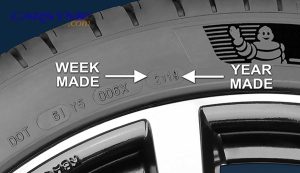
Visual inspection checklist during each seasonal change should include: remaining tread depth measurement (2/32″ is the legal minimum, but 4/32″ for all-season and 6/32″ for winter tires are practical replacement points), sidewall inspection for cuts, bulges, or weather cracking, checking tire age via the DOT date code (tires older than 6 years should be evaluated for replacement regardless of tread depth), and examining the tire bead area for leaks or damage from previous mounting.
TPMS considerations when changing wheels require attention to sensor battery life (typically 7-10 years), proper sensor programming to the vehicle (if you have two wheel sets, both need functional sensors or you’ll get warning lights), and sensor damage prevention during mounting/dismounting. Some vehicles require TPMS relearn procedures after changing wheels—your shop or owner’s manual provides specifics.
According to industry best practices published by the Tire Industry Association in their 2024 service manual, complete tire & wheel service during seasonal changes should always include balance verification, pressure adjustment, visual inspection, and TPMS functionality check to ensure optimal safety and performance throughout the season.
How Much Does Seasonal Tire Changing Cost?
Seasonal tire changing costs range from $40-$80 for a tire swap service (exchanging complete wheel assemblies) to $80-$150 for a tire changeover (mounting different tires on the same wheels), with additional costs for wheel balancing ($60-$100 for four tires), tire storage ($50-$120 per season), and purchasing a second wheel set ($300-$1,200) if performing swaps. Total first-year investment typically runs $500-$1,500 depending on your chosen approach.
More specifically, understanding the full economic picture requires examining both immediate costs and long-term value.
What Factors Affect the Cost of Seasonal Tire Change Service?
Three factors primarily affect seasonal tire change costs: service type (swap versus changeover, with swaps costing 30-50% less), geographic location (urban markets typically charge 20-30% more than rural areas), and bundled services (storage, balance, alignment add $50-$200 to the transaction). Understanding these variables helps you budget accurately and compare service provider offerings.
Service type impact on pricing reflects labor intensity and equipment requirements. A tire swap where complete wheel-and-tire assemblies are exchanged requires minimal labor—essentially the same effort as a tire rotation. Service time runs 20-40 minutes. Pricing typically ranges from $40-$80 for all four positions. In contrast, a changeover requires dismounting four tires, mounting four different tires, balancing all four newly-mounted combinations, and installation on the vehicle. Service time extends to 60-90 minutes. Labor and equipment costs push pricing to $80-$150 or more.
Geographic location pricing variations result from local labor rates, market competition, and regional cost of living. Major metropolitan areas like New York, San Francisco, Los Angeles, and Boston typically charge premium rates—$100-$150 for changeover services and $60-$100 for swaps. Mid-sized cities and suburban areas offer moderate pricing—$80-$120 for changeovers and $50-$80 for swaps. Rural and small-town shops often provide the most affordable options—$60-$100 for changeovers and $40-$60 for swaps. National tire chains typically charge consistent pricing across regions, while independent shops vary more significantly based on local market conditions.
Additional services significantly influence total transaction costs. Common add-ons include:
- Wheel balancing (if not included): $15-$25 per tire, $60-$100 total
- Wheel alignment check/adjustment: $75-$150
- Tire rotation during installation: often included, sometimes $20-$40
- TPMS sensor service or replacement: $40-$80 per sensor
- Tire storage for off-season set: $50-$120 per season
- Tire disposal fees for old tires: $3-$5 per tire
The Cost of seasonal tire change service varies with these add-ons. A basic swap might be $50, but adding storage ($80), balancing ($80), and TPMS service ($60) brings the total to $270. Understanding what’s included in quoted prices versus available add-ons prevents surprise charges.
Comparison shopping strategies include: obtaining quotes from 3-4 providers (national chains, independent shops, dealerships), asking specifically what’s included in the quoted price, checking for seasonal promotions (many shops discount changeover services during shoulder seasons to smooth demand), and considering package deals that bundle purchase of tires and wheels with installation and storage services.
Long-term cost planning over a vehicle’s ownership illustrates the investment. Assume 10 years of seasonal changes with the swap approach:
- Initial wheel set purchase: $500
- 20 swap services at $60 each: $1,200
- Periodic balancing as needed: $200
- Total 10-year cost: $1,900, or $190 per year
Compare to changeover approach:
- No additional wheel purchase: $0
- 20 changeover services at $100 each: $2,000
- Balancing included in changeover
- Total 10-year cost: $2,000, or $200 per year
The swap approach offers modest savings plus convenience benefits, though initial wheel investment creates higher year-one costs.
According to the American Automobile Association’s 2024 vehicle maintenance cost survey analyzing 18 major metropolitan markets, seasonal tire change services averaged $94 for changeovers and $62 for swaps nationally, with coastal cities running approximately 25% above these averages and Midwest/Southern markets running 15% below average.
What Are Common Mistakes to Avoid When Changing Tires Seasonally?
Common seasonal tire change mistakes include mixing tire types on a vehicle (creating dangerous handling imbalances), switching too late or too early based on convenience rather than temperature (compromising safety or accelerating wear), improper storage of off-season tires (leading to deterioration and reduced lifespan), and attempting to change only two tires instead of all four (creating traction imbalances). Avoiding these errors ensures you realize the full safety and economic benefits of seasonal tire changes.
Understanding these mistakes and their consequences helps you optimize your seasonal tire strategy. Each error category presents specific risks and solutions.
Is It Dangerous to Mix Different Tire Types on Your Vehicle?
Yes, mixing different tire types on your vehicle is dangerous because it creates unpredictable handling characteristics, particularly during emergency maneuvers, with mismatched tire grip levels causing oversteer or understeer that can lead to loss of control. The safety risks multiply in adverse weather conditions where tire performance differences are most pronounced.
Safety risks of mixing winter and summer tires vary by configuration. Installing winter tires only on front wheels of a front-wheel-drive vehicle improves forward traction but leaves the rear end with significantly less grip. During braking or cornering, the rear can break loose, causing dangerous oversteer (rear end swinging out). On rear-wheel-drive vehicles, winter tires only on rear wheels create adequate propulsion but inadequate front steering grip, potentially causing understeer (vehicle pushing straight ahead despite steering input) during cornering or emergency maneuvers.
The physics behind these handling problems relates to traction circle theory. A tire has a finite amount of grip that must be divided between acceleration, braking, and cornering forces. When front and rear tires have dramatically different grip limits, the vehicle’s balance changes unpredictably. Professional driving instructors consistently emphasize that predictable, balanced handling matters more than maximum grip from any individual tire position.

AWD/4WD-specific considerations add complexity. All-wheel-drive systems depend on all four tires having similar rolling circumferences and grip characteristics. Mixing tire types can confuse the system’s differential controls, cause excess wear on drivetrain components, and create unpredictable power distribution. Many AWD vehicle manufacturers explicitly void certain warranty coverage if you mix tire types, and some systems will trigger warning lights if they detect mismatched rolling diameters.
Manufacturer recommendations universally specify matching all four tires for type, size, and ideally brand and model. Vehicle owner’s manuals typically state: “For best performance and safety, all four tires should be the same type, size, brand, and tread pattern.” Some manufacturers allow mixing in emergency spare tire situations but recommend limiting speeds to 50 mph and driving only to the nearest tire service facility.
The only acceptable mixing scenario involves purchasing two new tires when your current tires are worn. In this case, best practice places the new tires on the rear axle regardless of drive configuration. This ensures the rear maintains better grip during emergency situations, reducing oversteer risk that’s harder to control than understeer. However, this mixing assumes tires are the same type (all-season with all-season, for example)—never mix winter tires with summer or all-season tires in any configuration.
Can You Use Winter Tires Year-Round Instead of Changing?
No, you should not use winter tires year-round because their soft compounds wear 40-60% faster in warm weather, create mushy handling dynamics and extended braking distances on hot pavement, and significantly increase fuel consumption, making year-round use both unsafe and economically wasteful. The disadvantages of skipping seasonal changes far outweigh the convenience gained.
Performance degradation in warm weather becomes immediately noticeable when temperatures consistently exceed 50°F. The soft winter tire compound that provides excellent cold-weather flexibility becomes too pliable in heat. During hard braking, the tread blocks flex excessively rather than maintaining firm road contact, extending stopping distances. In cornering, the excessive sidewall flex creates vague, delayed steering response that reduces driver confidence and control precision. Highway driving generates substantial heat in the tire structure, further softening the compound and creating a sensation of driving on marshmallows rather than firm, responsive tires.
Accelerated wear patterns in warm conditions are dramatic and expensive. The soft compound literally sheds rubber particles at an accelerated rate when subjected to hot pavement temperatures. Highway driving in 70-80°F weather can reduce winter tire tread life at rates of 1/32″ per 2,000-3,000 miles versus the expected 1/32″ per 5,000-6,000 miles during winter use. If winter tires would normally last 40,000 miles of winter-only use, year-round operation might reduce lifespan to 25,000-30,000 miles. At $800-$1,200 for a quality winter tire set, you’re potentially wasting $300-$400 in premature tire replacement.
Cost implications versus seasonal changing reveals false economy. Consider a scenario: purchasing winter tires for $1,000 and summer tires for $900, then performing seasonal changes at $120 per year. Over six years with two changes annually:
- Tire costs: $1,900
- 12 seasonal changes: $1,440
- Total: $3,340
Compare to year-round winter tire use:
- First winter tire set: $1,000
- Second winter tire set (needed after 3 years): $1,000
- Third winter tire set (needed after 6 years): $1,000
- Total: $3,000
The year-round approach appears $340 cheaper—until you factor in increased fuel costs (10% higher consumption adds approximately $500 over six years at 12,000 annual miles), reduced safety during 50% of the year When to switch between summer and winter tires would perform better, and the psychological stress of knowing your tires aren’t optimized for current conditions. The supposed savings evaporate while safety and performance suffer.
Fuel efficiency impact from year-round winter tires stems from increased rolling resistance. The soft, aggressive tread design creates more friction against the road surface, requiring more engine power to maintain speed. Testing by Consumer Reports in 2023 showed winter tires in 75°F conditions increased fuel consumption by 8-12% compared to summer tires, depending on driving style and vehicle type. Over 12,000 annual miles at 25 mpg and $3.50 per gallon, that represents $135-$200 annually in excess fuel costs.
According to research published by Tire Business magazine in March 2024, analyzing warranty claims and tread wear data from 50,000 winter tires across three tire manufacturers, year-round use resulted in average tread life of 28,000 miles versus 42,000 miles for winter-season-only use—a 33% reduction in longevity directly attributable to inappropriate seasonal use.
What Happens If You Don’t Store Off-Season Tires Properly?
Improper off-season tire storage accelerates rubber degradation through ozone exposure, UV damage, and uneven weight stress, potentially reducing tire lifespan by 2-3 years and creating safety hazards like sidewall cracking, belt separation, and reduced grip performance even if tread depth appears adequate. Following Tire storage best practices preserves your investment and ensures reliable performance when you remount stored tires.
Tire degradation from improper storage manifests in several ways. Ozone—present in air, especially near electric motors and generators—attacks rubber compounds, causing surface cracking particularly on sidewalls. UV exposure from sunlight breaks down rubber elasticity, creating hard, brittle tire surfaces that crack and lose grip. Temperature extremes (especially heat above 100°F) accelerate compound breakdown. Humidity encourages mold growth and accelerates steel belt corrosion. Each of these factors shortens tire life and compromises safety.
Tire storage best practices address these degradation mechanisms:
Cleaning before storage: Wash tires thoroughly to remove brake dust, road salt, and petroleum-based contaminants that accelerate rubber breakdown. Dry completely before storing to prevent mold growth.
Location selection: Store in a cool (40-70°F ideal), dry, dark environment away from electric motors, furnaces, sump pumps, and other ozone-generating equipment. Basements generally work better than attached garages (which experience temperature fluctuations). Climate-controlled storage is ideal but not essential.
Position strategy (vertical vs. horizontal): For tires mounted on wheels, store them either stacked horizontally (no more than four high to prevent sidewall distortion) or hung individually on wall-mounted hooks. Reduce air pressure to approximately 15 PSI to minimize stress on the tire structure. For unmounted tires (rare in seasonal change scenarios), store vertically standing on tread, rotating quarterly to prevent flat spots.
Protection methods: Place tires in large plastic bags or dedicated tire storage bags to limit ozone exposure and moisture contact. Avoid wrapping in materials that trap moisture. Don’t store tires on concrete floors long-term—place a barrier like wooden pallets or cardboard underneath to prevent moisture wicking.
Avoiding common mistakes: Never store tires outdoors (UV and weather exposure rapidly degrades rubber), near petroleum products or solvents (chemical vapors attack rubber), in areas reaching 100°F+ (accelerates aging), or supporting weight unevenly (creates flat spots or distortion).
Tire storage services offered by many tire retailers and auto service centers provide climate-controlled environments specifically designed for tire preservation. Typical costs run $50-$120 per season for four tires. These services include cleaning, inspection, proper positioning, and climate control. For drivers without suitable home storage space, professional storage often costs less than replacing prematurely aged tires and eliminates the space consumption in your home.
Professional versus home storage comparison:
- Professional storage: ~$100 per year, optimal conditions, no space used at home, convenient
- Home storage (proper): $20 for storage bags/supplies, requires climate-suitable space, must rotate/monitor quarterly
- Home storage (improper): $0 upfront but often results in $400-$800 tire replacement 2-3 years early
When checking tire age and tread before mounting stored tires each season, inspect sidewalls carefully for cracking, bulges, or weathering. Check the DOT date code—if tires exceed 6-7 years old regardless of tread depth, consider replacement. Even properly stored tires age out eventually as rubber compounds break down over time independent of use.
According to testing conducted by the Rubber Manufacturers Association in 2023, tires stored properly in climate-controlled environments showed less than 5% performance degradation after three years of storage, while tires stored improperly in hot garages showed 20-35% performance degradation over the same period, with measurable reductions in grip and structural integrity.
Should You Replace All Four Tires or Can You Change Just Two?
You should replace all four tires when performing seasonal changes to maintain balanced handling and traction, though replacing only two is acceptable if the remaining tires have 75% or more tread life remaining and are the same type and brand, with new tires always installed on the rear axle for oversteer prevention. This recommendation balances safety with economic reality.
Vehicle dynamics with mismatched tires create handling imbalances that affect safety. When tire tread depths vary significantly between axles, the deeper-tread tires provide more grip during wet or slippery conditions. If the front tires have substantially more grip than rear tires, the vehicle becomes prone to oversteer during cornering or panic braking—the rear end loses traction first and swings outward. This behavior is difficult to control, especially for average drivers not trained in oversteer correction techniques.
Front versus rear placement strategies for two new tires universally recommend installing new tires on the rear axle regardless of whether your vehicle is front-wheel-drive, rear-wheel-drive, or all-wheel-drive. This recommendation stems from research showing oversteer (rear slip) is more dangerous and harder to control than understeer (front slip). When the rear tires have better tread and grip, the vehicle remains more stable and predictable even if the front tires lose traction first. The counterintuitive nature of this recommendation—putting new tires on the rear of a front-wheel-drive vehicle—confuses many drivers, but safety research consistently supports this approach.
Safety and handling implications of mismatched replacement extend to tire circumference differences. New tires with full tread depth have larger rolling circumferences than worn tires. On all-wheel-drive vehicles, these differences can confuse the drivetrain control systems, potentially causing damage to transfer cases or differentials. Most AWD vehicle manufacturers specify that all four tires must remain within 2/32″ to 3/32″ tread depth of each other. Replacing only two tires when the others are significantly worn may violate this specification.
The economic decision of two versus four tires should consider several factors:
- Current tread depth on existing tires (6/32″ or more remaining suggests they have useful life)
- Age of existing tires (if they’re approaching 5-6 years old, replace all four even if tread remains)
- Your budget constraints (immediate versus deferred expense)
- Your vehicle’s drivetrain type (AWD requires closer matching than 2WD)
- Your risk tolerance (four tires provide optimal safety; two is acceptable compromise)
A practical approach for budget-conscious drivers: if your current winter tires have 7/32″ tread remaining and are 3-4 years old, you can purchase two new winter tires, install them on the rear axle, and move the older pair to the front. This provides another 1-2 winter seasons before you need to replace all four. When you eventually replace all four, you’ll be back to a matched set with optimal performance.
According to safety research published by the National Highway Traffic Safety Administration in 2024 analyzing 3,500 wet-weather loss-of-control incidents, vehicles with new tires on the rear axle and worn tires on the front were 12% less likely to experience uncontrollable oversteer compared to vehicles with new tires on the front and worn tires on the rear, supporting the rear-axle priority recommendation for new tire placement.
Seasonal tire changes represent one of the most important yet often overlooked aspects of vehicle maintenance. By understanding when to switch between tire types, recognizing the significant safety and performance benefits, and following best practices for installation and storage, you maximize both your safety and your tire investment value. Whether you choose the convenience of tire swaps with dedicated wheel sets or the economy of tire changeovers, committing to proper seasonal tire management delivers measurable improvements in vehicle performance, accident risk reduction, and long-term cost savings that justify the effort and expense involved.