


Preventing tire noise with proper maintenance is not only possible — it is one of the most cost-effective ways to protect your vehicle and improve your daily driving experience. The sounds your tires produce are direct feedback from the road, and when those sounds grow louder or change character, they almost always trace back to a maintenance step that was delayed or skipped. By keeping tires properly inflated, regularly rotated, balanced, and aligned, most drivers can eliminate excessive road noise before it ever becomes a serious problem.
Understanding why tire noise develops is just as important as knowing how to stop it. Noise does not appear randomly — it builds gradually through uneven tread wear, pressure loss, and mechanical drift that accumulates mile after mile. Each cause has a clear maintenance solution, and recognizing the pattern early gives drivers the advantage of acting before minor noise becomes a costly repair.
Beyond core maintenance, the tires you choose and how you drive them play a significant role in how much noise enters your cabin. Touring tires, multi-pitch tread designs, and foam-lined tire technologies have advanced considerably, offering quieter performance from the moment they are installed. Pairing smart tire selection with consistent upkeep creates a compounding effect — each good decision reinforces the next.
For drivers who want to take noise reduction even further, supplementary solutions such as wheel well soundproofing and cabin sound-deadening materials can reduce perceived interior noise by an additional 30 to 40 percent. Next, this guide walks through every layer of tire noise prevention — from the basics of inflation and rotation to advanced noise-reduction technology — so you can build a complete, practical strategy for a quieter, smoother ride.
What Is Tire Noise and Why Does It Matter for Vehicle Maintenance?
Tire noise is an acoustic category of road feedback — sounds ranging from low-frequency humming to sharp squealing — produced when rubber tread interacts with the road surface, and it matters because it serves as one of the most reliable early-warning signals in vehicle maintenance.
To better understand its importance, it helps to recognize that tire noise is not a single sound but a spectrum of signals. Specifically, each type of noise points to a different mechanical condition, and learning to read those signals is the foundation of effective tire noise diagnosis.
When tire noise is dismissed as background road sound, underlying issues — from dangerous tread wear to misalignment — continue to worsen silently. In addition to noise, poorly maintained tires reduce fuel efficiency, shorten tire lifespan, and create genuine safety risks at highway speeds. According to the U.S. National Highway Traffic Safety Administration (NHTSA), tire-related crashes account for approximately 11,000 accidents per year in the United States, many of which involve degraded tread conditions that also produce abnormal noise.
What Are the Most Common Types of Tire Noise Drivers Experience?
There are five main types of tire noise drivers experience — humming, squealing, scraping, grinding, and thumping — each classified by its acoustic pattern and the specific maintenance failure it signals.
Understanding these sound profiles is the first step in accurate tire noise diagnosis, allowing drivers to identify problems without waiting for a professional inspection.
- Humming or droning: A consistent low-frequency sound that typically points to uneven tread wear, under-inflation, or the need for rotation. It is the most commonly reported tire noise.
- Squealing: A high-pitched screech during turns or hard braking, usually caused by misalignment, over-inflation, or driving at excessive speed through corners.
- Scraping: A rhythmic or continuous abrasive sound often linked to debris lodged in tread grooves, worn brake pads making contact with rotors, or damaged suspension components.
- Grinding: A harsher, metallic sound that often indicates a failing wheel bearing or severely worn brake components — this category requires immediate professional attention.
- Thumping: An irregular, repetitive thud pattern commonly caused by flat spots on the tread, out-of-round tires, or a wheel balance issue. Thumping is closely connected to Cupping and uneven tread noise diagnosis, as both share similar rhythmic characteristics.
Is All Tire Noise a Sign of a Maintenance Problem?
No — not all tire noise signals a maintenance problem, but the distinction between normal and abnormal noise is important enough that every driver should know how to make it.
Normal tire noise is inherent to how rubber contacts pavement. At highway speeds, air circulates through tread grooves and creates a soft, consistent hum. Wide tires naturally generate more friction noise than narrow ones, and coarse road surfaces amplify sound that smooth asphalt would not. This baseline level of road noise is expected and does not indicate anything wrong with the tire or vehicle.
Abnormal tire noise, however, follows different rules. It tends to appear suddenly, change in character over time, or intensify at specific speeds or during certain maneuvers such as turning or braking. The key diagnostic markers that separate normal from problematic noise include:
- Sudden onset: Normal tire noise does not appear overnight. If a new sound develops unexpectedly, something has changed mechanically.
- Directional pattern: Noise that gets louder when turning left but quietens when turning right (or vice versa) points to a specific wheel — often indicating a bearing issue or localized tread wear.
- Speed correlation: Noise that escalates consistently with speed often relates to imbalance or uneven tread.
- Isolation to one wheel: As noted in cupping and uneven tread noise diagnosis, noise that originates from a single corner of the vehicle almost always points to irregular wear on that specific tire.
Safe-to-drive guidance with tire noise is straightforward: mild, consistent humming that has been present since tire installation is generally acceptable. Any new, worsening, or directional noise warrants inspection before the next long trip.
What Causes Tire Noise to Get Worse Over Time?
Tire noise worsens over time due to three compounding root causes — improper inflation, uneven tread wear, and mechanical misalignment or imbalance — all of which degrade the tire’s contact with the road and amplify friction-based sound.
These causes rarely act in isolation. More importantly, each one accelerates the others: an under-inflated tire wears unevenly, uneven wear throws off balance, and imbalance stresses alignment — creating a cycle that grows louder with every mile if no maintenance intervention occurs.
How Does Improper Tire Inflation Contribute to Road Noise?
Improper tire inflation contributes directly to road noise by distorting the tire’s contact patch — the area where rubber meets road — making it either too wide or too narrow for even, quiet contact.
Under-inflation is the more common offender. When a tire runs below its recommended PSI, the sidewalls flex excessively and the edges of the tread carry disproportionate load. This causes the inner and outer shoulders to wear faster than the center, creating an uneven surface that generates friction noise and vibration. The tire also acts as a larger resonance chamber under these conditions, amplifying the hum that reaches the cabin.
Over-inflation, on the other hand, creates the opposite geometry. The center of the tread bears the entire load while the shoulders barely contact the road. This produces center-strip wear and a harder, bouncier ride that transmits more road surface texture directly into the cabin as noise.
The Tire Pressure Monitoring System (TPMS), mandated by the U.S. TREAD Act (passed September 1, 2007) for all light vehicles under 10,000 lbs, helps drivers detect significant pressure loss. However, TPMS alerts typically activate only when pressure drops 25% below recommendation — meaning a tire can already be operating in the noise-generating range before any warning appears. Manual checks with a calibrated gauge remain the most reliable tool.
Does Uneven Tread Wear Make Tires Significantly Louder?
Yes — uneven tread wear makes tires significantly louder because irregular surface patterns disrupt the smooth, uniform contact that quiet rolling depends on, forcing different tread sections to strike the road at varying angles and depths.
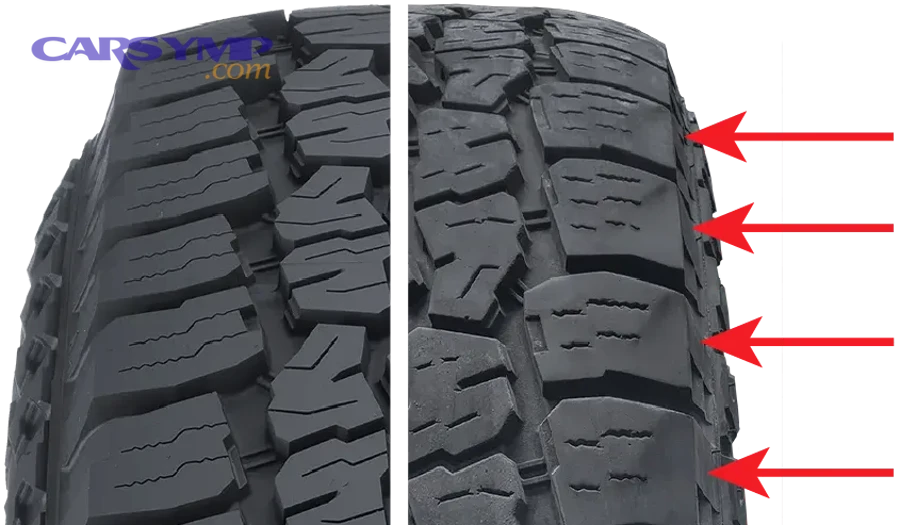
This is one of the most overlooked areas in whine explained discussions, as many drivers attribute the growing noise to tire age rather than to the specific wear pattern that is creating it. The table below summarizes the most common uneven wear patterns, their acoustic effects, and the maintenance failure that causes each.
| Wear Pattern | Sound Produced | Root Maintenance Cause |
|---|---|---|
| Feathering (sawtooth) | Directional whining or hissing | Incorrect toe alignment |
| Cupping / scalloping | Rhythmic thumping, worsening with speed | Worn shocks/struts, imbalance |
| One-sided wear | Persistent humming from one corner | Camber misalignment |
| Center wear | Droning hum at highway speed | Chronic over-inflation |
| Edge wear (both sides) | Low hum with vibration | Chronic under-inflation |
Each pattern in the table above reflects a specific maintenance gap. Cupping and uneven tread noise diagnosis in particular requires attention because cupped tires do not simply get noisier — they create vibration that spreads through the suspension, accelerating wear on shock absorbers and wheel bearings.
How Do Wheel Imbalance and Misalignment Amplify Tire Noise?
Wheel imbalance and misalignment amplify tire noise through two distinct mechanisms: imbalance creates vibration-based sound by causing uneven weight distribution across the wheel, while misalignment creates scuffing-based noise by forcing the tire to travel at a slight angle to its intended direction.
These are separate problems that require separate services, though both are typically addressed during routine tire maintenance visits.
Wheel imbalance occurs when weight is not distributed evenly around the wheel and tire assembly. Even a few grams of variance causes the wheel to wobble slightly at speed, generating a rhythmic vibration that translates into a droning or thumping noise in the cabin — often felt through the steering wheel or floor. The vibration also accelerates tread wear in the contact zone, leading to the cupping patterns described above.
Misalignment works differently. When camber, toe, or caster angles fall outside specification, the tire is constantly fighting its own direction of travel. This lateral scrubbing action wears the tread unevenly and produces the whining or hissing sounds associated with feathering wear. According to tire service data compiled by Les Schwab Tire Centers, misalignment is one of the leading causes of premature tire replacement in the United States, with improperly aligned vehicles losing up to 15,000 miles of tire life compared to correctly aligned ones.
How Can Proper Tire Inflation Prevent Noise Before It Starts?
Proper tire inflation prevents noise before it starts by maintaining the correct contact patch geometry — ensuring even pressure distribution across the full tread width — which produces the smooth, uniform road contact that minimizes friction noise.
This single maintenance habit is the most accessible and lowest-cost step available to any driver. Specifically, checking inflation takes under five minutes and requires only a quality pressure gauge, yet its impact on noise, wear, and fuel efficiency is immediate and measurable.
What Is the Correct Tire Pressure to Minimize Road Noise?
The correct tire pressure to minimize road noise is the manufacturer-recommended PSI listed on the driver’s door jamb label — not the maximum PSI printed on the tire’s sidewall, which represents the tire’s structural limit, not its operating optimum.
This distinction matters enormously. Many drivers inflate to the sidewall maximum, which over-inflates the tire, narrows the contact patch, and generates the center-strip wear and cabin vibration described earlier. The door jamb recommendation accounts for the vehicle’s weight, suspension geometry, and intended load — making it the only figure that reliably delivers both noise control and safe performance.
Key guidelines for maintaining correct pressure:
- Check pressure when tires are cold — pressure rises 4–6 PSI after driving as heat builds inside the tire. Cold readings give an accurate baseline.
- Check monthly minimum — tires naturally lose approximately 1–2 PSI per month through normal permeation.
- Adjust for load — vehicles carrying heavy loads or towing should follow the load-inflation table in the owner’s manual, which typically calls for slightly higher pressure.
- Do not rely solely on TPMS — the system confirms dangerous under-inflation but does not maintain the precise PSI range that noise prevention requires.
Does Checking Tire Pressure Regularly Actually Reduce Noise?
Yes — checking tire pressure regularly does reduce noise, because consistent inflation maintains the even contact patch that prevents the edge wear and center wear patterns responsible for most humming and droning road noise.
The mechanism is direct: a tire inflated to specification rolls with the full intended tread width in contact with the road, distributing load evenly across every tread block. This uniform distribution means each block strikes and lifts from the pavement at the same angle and depth, producing the minimum possible friction sound. Deviation from the correct PSI in either direction breaks this uniformity and begins the noise-generating wear cycle.
A practical habit recommended by tire professionals is to check pressure every time you stop for fuel — a 90-second investment that catches pressure loss early, before any acoustic or wear consequences develop.
Why Is Tire Rotation One of the Most Effective Noise Prevention Methods?
Tire rotation is one of the most effective noise prevention methods because it systematically equalizes tread wear across all four tires, preventing any single tire from developing the uneven surface patterns that produce road noise.
The logic is structural. Each wheel position on a vehicle carries a different share of the load and performs different functions — front tires steer and brake harder, rear tires primarily carry weight. Without rotation, this positional bias creates predictable, position-specific wear patterns. However, with regular rotation, wear distributes evenly, and all four tires maintain the smooth, consistent tread surface that produces a quiet, balanced ride.
How Often Should You Rotate Tires to Avoid Noise from Uneven Wear?
You should rotate tires every 5,000 to 8,000 miles — or at every oil change — to prevent the positional wear patterns that cause uneven tread surfaces and the road noise they generate.
The specific interval varies by drivetrain type because weight distribution and torque delivery differ significantly across vehicle configurations:
- Front-wheel drive (FWD): Front tires wear faster due to steering and drive forces combined. Rotate every 5,000 miles to prevent rapid frontal wear.
- Rear-wheel drive (RWD): Rear tires carry drive torque; front tires steer. Wear is more balanced, but rotation every 6,000–7,000 miles remains important.
- All-wheel drive (AWD): All four tires share torque; even small tread depth differences create drivetrain strain. Rotate every 5,000 miles to prevent both mechanical stress and noise.
- Trucks, RVs, heavy vehicles: Heavier loads accelerate wear asymmetry. Rotate every 5,000 miles and perform visual tread inspections more frequently.
Skipping even one rotation interval allows positional wear to begin compounding, making subsequent rotations less effective at restoring evenness.
What Rotation Patterns Best Prevent Tire Noise for Different Vehicles?
There are four main rotation patterns for preventing tire noise — forward cross, X-pattern, rearward cross, and side-to-side — classified by drivetrain type and tire directionality.
Matching the correct pattern to the vehicle ensures that wear is redistributed in the way that most effectively prevents noise-generating tread asymmetry:
- Forward cross (FWD vehicles): Front tires move straight to the rear; rear tires cross to opposite front positions. This directly counters the accelerated frontal wear typical of front-wheel-drive vehicles.
- Rearward cross (RWD and AWD vehicles): Rear tires move straight to the front; front tires cross to opposite rear positions. This balances the heavier rear-axle load typical of rear-drive configurations.
- X-pattern (all drivetrains): Every tire crosses to the opposite axle and opposite side simultaneously. This pattern achieves the most aggressive wear redistribution and works well on vehicles with significant wear disparities between positions.
- Side-to-side (directional tires only): Directional tires — those with V-shaped tread patterns designed for one-way rotation — cannot cross axles. They are swapped front-to-rear on the same side, preserving their rotational direction while still redistributing positional load.
Note: staggered fitment vehicles (different front and rear tire sizes, common on performance cars) typically cannot rotate tires at all — in these cases, more frequent individual replacements and alignment checks become the primary noise-prevention strategy.
How Do Wheel Balancing and Alignment Stop Tire Noise from Developing?
Wheel balancing and alignment stop tire noise from developing by ensuring that every tire contacts the road with even weight distribution and the correct directional angle — eliminating the two primary mechanical sources of noise-generating tread wear.
These are complementary but distinct services. To better understand their individual contributions, it is useful to examine balancing and alignment separately before seeing how they work together in a complete noise-prevention maintenance plan.
When Should You Get Tires Balanced to Prevent Humming and Vibration Noise?
You should get tires balanced every time they are rotated — typically every 5,000 to 7,500 miles — and additionally after any significant impact such as hitting a pothole, curb, or road debris.
Balancing addresses the weight distribution of the wheel-and-tire assembly as a unit. Even a brand-new tire mounted on a brand-new rim is rarely perfectly balanced — small manufacturing variances mean that weight is not perfectly even around the circumference. As tires wear, these imbalances shift and grow. Small counterweights attached to the rim during a balance service correct these variances, ensuring that the assembly rotates without wobble.
The acoustic consequence of imbalance is felt as much as heard: a rhythmic thumping or vibration at specific speed ranges (often 55–65 mph), which also appears through the steering wheel or seat. Left uncorrected, this vibration accelerates cupping wear — the scalloped tread pattern that creates its own separate, persistent noise problem. Balancing at every rotation intercepts this cycle before it begins.
How Does Wheel Alignment Prevent Tire Scuffing and Squealing Noise?
Wheel alignment prevents tire scuffing and squealing noise by ensuring that all four wheels point in precisely the correct direction relative to each other and to the road — eliminating the lateral scrubbing forces that wear tread unevenly and generate directional noise.
Three alignment angles control tire behavior: toe (whether tires point slightly inward or outward), camber (whether tires lean inward or outward at the top), and caster (the angle of the steering axis). When any of these angles drift from specification — which happens gradually through normal driving and more rapidly after hitting road hazards — the tire begins traveling at a slight angle to its intended path.
This constant lateral stress produces feathering wear (a sawtooth tread pattern that creates a directional whine) and one-sided shoulder wear (which generates a persistent hum from one corner of the vehicle). It also explains why misalignment-related noise frequently appears in whine explained discussions as one of the most misdiagnosed sources of road sound.
Recommended alignment schedule:
- Annual check as a minimum maintenance baseline
- After any suspension impact (pothole, curb strike, accident)
- When new tires are installed — mounting new tires on a misaligned vehicle immediately begins degrading the fresh tread
- If the vehicle pulls to one side or the steering wheel sits off-center — both are alignment symptoms that also generate noise
What Tread Maintenance Practices Keep Tires Quiet for Longer?
Tread maintenance practices keep tires quiet for longer through three core actions — regular inspection, accurate tread depth measurement, and timely replacement or retreading — all of which preserve the smooth, even tread surface that minimizes road noise.
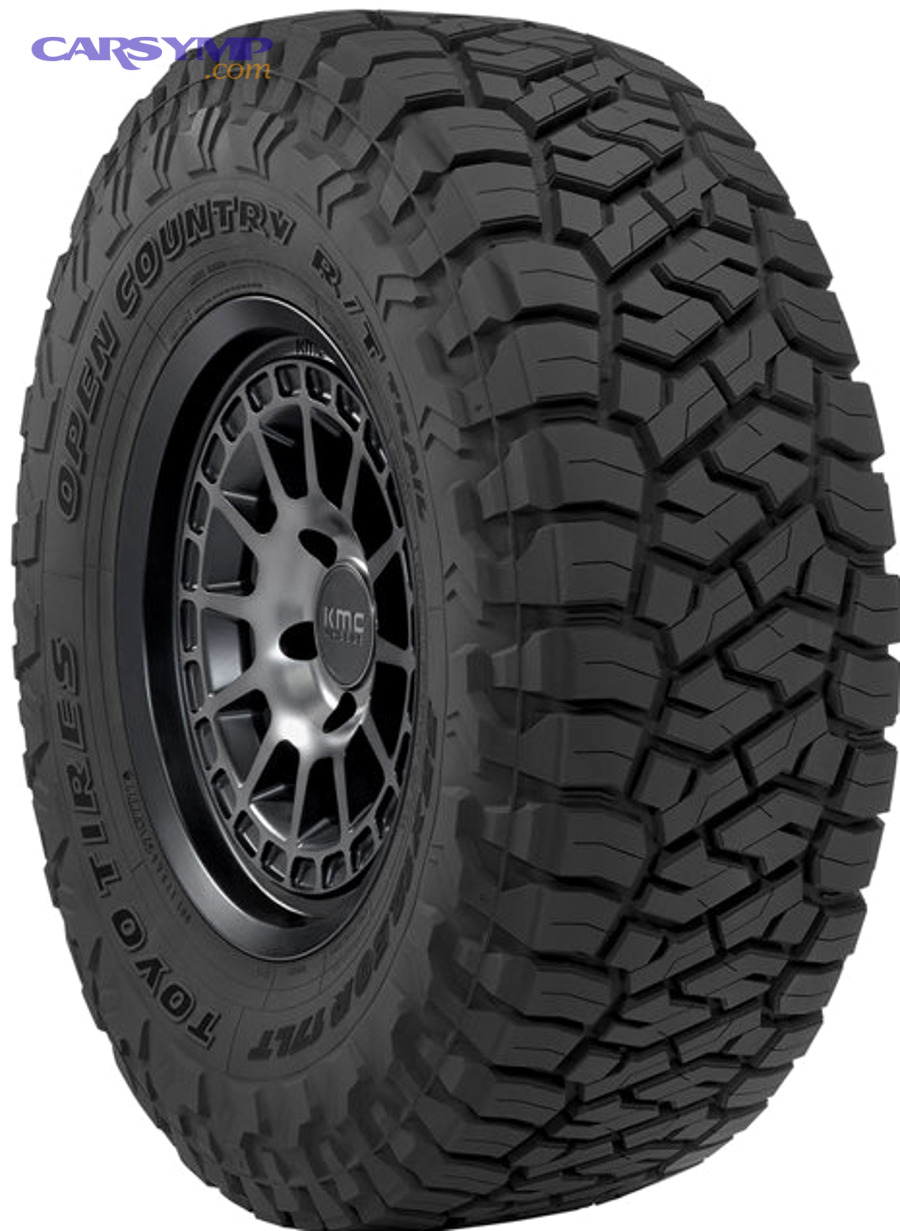
Tread is the primary noise-generating surface of the tire. As it wears, its interaction with the road becomes less predictable and more acoustically disruptive. Moreover, by the time tread depth reaches legal minimums, significant noise is already present — which is why proactive tread management, rather than reactive replacement, is the standard that keeps tires quiet throughout their service life.
How Do You Inspect Tire Tread to Catch Noise Problems Early?
Inspecting tire tread to catch noise problems early involves three methods — visual pattern analysis, the penny depth test, and a tread depth gauge measurement — performed together before and after long trips and at every fuel stop.
Each method targets a different dimension of tread health:
Visual pattern analysis reveals the type and location of wear. Inspecting each tire from the front and rear (not just the top) exposes shoulder wear, center wear, and the scalloped cupping pattern that is central to cupping and uneven tread noise diagnosis. Look specifically for:
- Scalloped or dipped sections (cupping — indicates imbalance or worn shocks)
- Sawtooth edge texture (feathering — indicates toe misalignment)
- Wear concentrated on one shoulder only (camber issue)
- Cracks, bulges, or embedded debris
The penny test provides a quick tread depth check. Insert a penny into the tread groove with Lincoln’s head pointing down. If the top of Lincoln’s head is visible, tread depth has reached 2/32″ — the legal minimum in most U.S. states and the point at which noise, wet traction, and stopping distance all degrade significantly.
A tread depth gauge provides precise measurement in 32nds of an inch. New tires typically start at 10/32″ to 11/32″. Noise and handling begin to degrade noticeably below 4/32″, giving drivers a practical early-warning threshold ahead of the legal minimum.
When Should You Replace Tires to Prevent Excessive Road Noise?
You should replace tires before tread depth reaches 2/32″ — but for noise and performance purposes, replacing at 4/32″ or below is the more proactive and acoustically effective standard.
At 4/32″, the tread blocks have worn short enough that air circulation through the grooves changes character, generating more acoustic energy per rotation. Wet-road noise also increases at this depth because the tire’s ability to channel water diminishes, creating more surface contact and friction sound.
Beyond tread depth, age matters independently of wear. Rubber degrades through oxidation over time, becoming stiffer and less effective at absorbing road vibrations that would otherwise be filtered before reaching the cabin. Most tire manufacturers recommend replacement every six to ten years regardless of visible tread condition, with six years as the target for vehicles in hot climates where UV exposure accelerates rubber degradation.
Retreading is a cost-effective alternative to full replacement for tires with structurally sound casings but worn outer tread. A professional retread restores the tread surface to new-tire depth and quiet performance at roughly 30–50% of full replacement cost. It is particularly viable for commercial truck tires and RV tires, which have large, expensive casings worth preserving.
Which Driving Habits Help Prevent Tire Noise on a Daily Basis?
There are three primary driving habits that prevent tire noise on a daily basis — maintaining moderate speeds, avoiding aggressive acceleration and braking, and navigating road hazards carefully — each of which reduces the friction forces and wear patterns responsible for noise development.
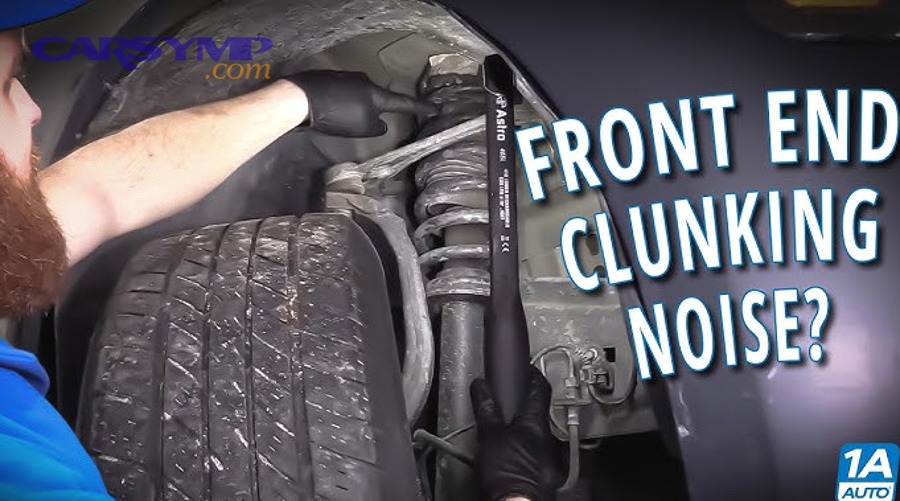
Maintenance services address the vehicle’s mechanical condition, but driving behavior determines how quickly that condition degrades between service intervals. A well-maintained tire driven aggressively will develop noise-generating wear faster than a moderately worn tire driven smoothly.
Does Driving Speed Significantly Affect How Much Noise Tires Produce?
Yes — driving speed significantly affects how much noise tires produce, because higher speeds exponentially increase air circulation through tread grooves and amplify the resonance within the tire’s air cavity, making the same tire noticeably louder at 75 mph than at 55 mph.
The physics are straightforward: as speed increases, tread blocks strike the road surface more frequently per second, compressing and releasing air in the grooves at a higher rate. The air chamber inside the tire — which functions acoustically like a large drum — resonates at greater amplitude under these conditions, producing the increased cabin noise that highway drivers commonly experience.
Practically, this means that drivers seeking the quietest possible ride should maintain speeds in the 55–65 mph range on open roads where posted limits allow flexibility. Beyond noise reduction, moderate speeds also reduce the lateral g-forces during lane changes and cornering that accelerate shoulder wear — directly connecting speed discipline to longer-lasting, quieter tread.
Do Aggressive Acceleration and Braking Habits Make Tires Louder Over Time?
Yes — aggressive acceleration and braking habits make tires louder over time because they impose concentrated stress on specific tread zones, accelerating the uneven wear patterns that are the primary source of increasing road noise.
Hard acceleration, particularly in front-wheel-drive vehicles, forces maximum torque through the front tires while they are also steering. This creates diagonal scuffing across the tread face that develops into feathering and cupping patterns over relatively few miles. Hard braking produces a different but equally damaging pattern: flat-spot wear, where a brief tire lock-up during emergency stops grinds a flat section into the tread that creates a repetitive thumping noise on every subsequent rotation.
Smooth, progressive acceleration and gradual brake application distribute these forces evenly across the full tread contact patch, preserving the uniform surface that keeps tires quiet. The difference in tread lifespan between smooth and aggressive driving styles can be substantial — tire industry data consistently shows that aggressive driving reduces tire life by 20 to 30 percent compared to smooth driving on identical roads.
The preceding sections have covered every foundational maintenance practice for preventing tire noise — inflation, rotation, balancing, alignment, tread care, and driving habits. What follows expands into the additional factors that influence noise levels: tire technology, tire selection strategy, soundproofing solutions, and the unique noise challenges faced by electric vehicle drivers.
What Other Factors Beyond Maintenance Influence Tire Noise Levels?
Beyond maintenance, four additional factors influence tire noise levels: built-in noise-reduction tire technology, tire category selection, cabin soundproofing, and vehicle type — with electric vehicles representing a particularly noise-sensitive category where all of these factors interact most visibly.
These factors do not replace maintenance — they amplify its benefits. A quiet tire kept in excellent maintenance condition delivers the lowest possible noise floor. A quiet tire that is poorly maintained still degrades toward noise. Understanding these additional levers gives drivers a complete picture of everything available to them in the pursuit of a genuinely quiet ride.
How Do Quiet Tire Technologies Like Foam Liners and Multi-Pitch Tread Reduce Noise?
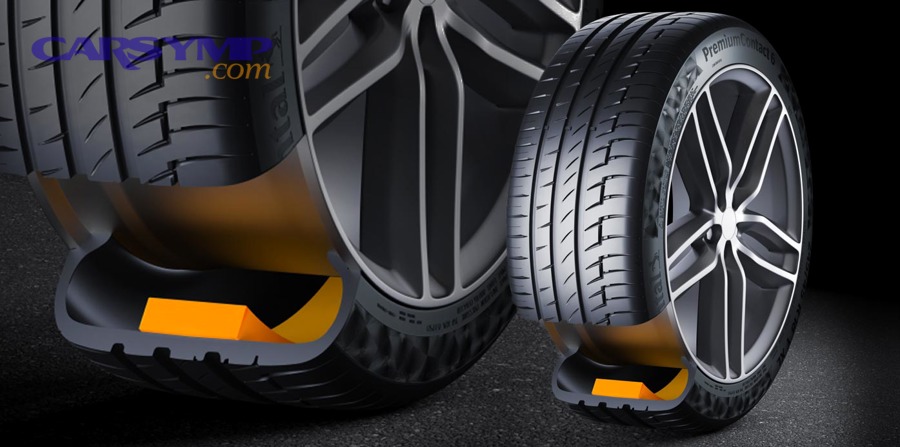
Quiet tire technologies reduce noise through two complementary mechanisms: foam liners dampen resonance within the tire’s air cavity, while multi-pitch tread patterns disrupt the harmonic frequencies that produce the consistent whine associated with uniformly shaped tread blocks.
Foam liner technology — used in products such as Continental’s ContiSilent system — involves bonding a layer of polyurethane foam to the inner surface of the tire. The foam absorbs the sound waves generated inside the tire cavity before they can vibrate through the wheel and into the vehicle structure. This is particularly effective against the low-frequency drumming hum that is most difficult to eliminate through other means. Continental has reported interior noise reductions of up to 9 decibels with ContiSilent-equipped tires — a reduction the human ear perceives as roughly halving the noise level.
Multi-pitch tread design works differently, targeting harmonic noise rather than cavity resonance. When tread blocks are uniform in size and shape, they strike the road at the same frequency, creating a consistent tone that the human ear registers as a clear whine. By varying the size, shape, and spacing of tread blocks across the tire’s circumference, engineers create a spread of impact frequencies that interfere with and partially cancel each other, producing a broader, less perceptible noise signature.
Both technologies are designed to perform consistently over the tire’s service life — but only when maintenance keeps the tread and pressure within specification. Uneven wear or incorrect inflation overrides the benefits of any noise-reduction technology built into the tire.
Are Touring Tires Significantly Quieter Than All-Season or Performance Tires?
Touring tires are significantly quieter than performance and off-road tires, moderately quieter than standard all-season tires, and broadly comparable to low-rolling-resistance (LRR) tires — making tire category selection one of the highest-impact decisions for drivers who prioritize cabin quiet.
The table below compares the major tire categories by noise profile, optimal use case, and the trade-offs involved in choosing each for noise reduction.
| Tire Category | Relative Noise Level | Quiet-Optimized Features | Primary Trade-Off |
|---|---|---|---|
| Touring | Lowest | Narrow tread blocks, smaller voids, softer compound, circumferential ribs | Less aggressive wet/snow traction |
| Low-rolling-resistance (LRR) | Very low | Reduced tread depth, hard compound, minimal void area | Reduced grip at limits |
| All-season | Moderate | Balanced tread pattern, variable block sizes | Compromise across all performance factors |
| Performance | Moderately high | Wide tread, large blocks for grip | Noise is accepted as a trade-off for handling |
| Off-road / all-terrain | High | Large void area, tall lugs for traction | Significantly louder on pavement |
| Studded snow | Highest | Metallic studs for ice grip | Maximum road noise; often restricted by regulation |
For everyday commuting and highway driving where a quiet, smooth experience is the priority, touring tires represent the clearest category choice. However, the trade-off in wet traction and winter performance means that drivers in high-precipitation or snow-prone regions must weigh noise against seasonal safety requirements — and may find that a quiet all-season or a dedicated summer/winter tire swap better serves their full-year needs.
Can Soundproofing Wheel Wells and Car Floors Reduce Tire Noise Inside the Cabin?
Yes — soundproofing wheel wells and car floors does reduce tire noise inside the cabin, with combined treatments delivering a measurable 30 to 40 percent reduction in perceived interior noise by blocking and absorbing sound at its two primary entry points into the passenger compartment.
This approach works as a second layer of defense after tire maintenance has already been optimized. It does not fix the source of noise — only maintenance does that — but it intercepts noise that would otherwise travel through the vehicle’s structure and into the cabin.
Wheel well soundproofing targets the most direct noise path. The wheel wells are the closest structural panels to the tires, and they act as amplifiers unless treated. Spray-on deadening products applied to the metal behind the wheel well liner create a barrier layer that absorbs structural vibration before it resonates through the car body. This treatment alone can yield 3–5 dB of interior noise reduction.
Floor-level soundproofing addresses the second major path. Sound-deadening mats (such as butyl rubber sheets) applied at 60% coverage on the floor metal dampen vibration traveling up through the chassis. Adding a mass-loaded vinyl barrier layer at 100% floor coverage on top of the deadening layer blocks airborne road noise from entering through the floor gap. The combination of these two layers achieves the 5–7 dB reduction that translates to the 30–40% perceived noise decrease referenced above.
For drivers considering this approach, the recommended sequence is: complete all tire maintenance first → confirm that maintenance has reduced noise as much as possible → then apply soundproofing to address the residual noise floor that mechanical maintenance cannot eliminate.
Why Are Tires Noisier in Electric Vehicles and How Can EV Drivers Prevent It?
Tires are noisier in electric vehicles because the absence of an internal combustion engine removes the masking noise that conventionally powered vehicles use to cover road and tire sound — making tire noise the dominant acoustic experience in the cabin at virtually all speeds.
In a traditional gasoline vehicle, engine noise, exhaust sound, and drivetrain vibration fill the cabin’s acoustic space and psychoacoustically mask tire noise below roughly 60 mph. In an EV, this masking layer is absent. The same tire that sounds acceptably quiet in a comparable combustion vehicle can seem strikingly loud in an EV, particularly at city speeds where the difference is most apparent.
This dynamic makes every aspect of tire noise prevention described in this guide more impactful for EV owners — and adds tire selection to the list of considerations where EV drivers benefit from additional scrutiny:
- Foam-lined tires (such as those in the Continental ContiSilent range or Michelin’s Acoustic technology) deliver the most significant noise reduction for EV applications, directly addressing the cavity resonance that is particularly audible in quiet cabins.
- Low-rolling-resistance tires designed specifically for EVs balance the noise and efficiency requirements unique to battery-powered vehicles — standard LRR tires optimized for combustion vehicles may not account for the higher curb weight typical of EVs, leading to premature wear patterns and increased noise.
- Narrower tire sizing, where the vehicle’s performance requirements permit, reduces the contact patch width and the friction noise it generates.
- Strict maintenance discipline — checking pressure more frequently, rotating on schedule, and balancing at every rotation — delivers more perceptible noise benefit in an EV than in a comparable combustion vehicle, precisely because there is no engine noise to absorb the improvement.
According to research published by the European Tyre and Rubber Manufacturers’ Association (ETRMA), tire and road noise is projected to become the dominant source of vehicle exterior noise for EVs at speeds above 30 km/h (approximately 19 mph), reinforcing why tire selection and maintenance are escalating in strategic importance as electric vehicles become the global standard.
Preventing tire noise is ultimately a system of compounding good decisions: correct pressure maintained consistently, rotation on schedule, balancing at every service, alignment checked annually, tread monitored proactively, and driving habits that protect the investment made in every maintenance visit. Each element reinforces the others, and each step skipped adds a measurable increment of noise to the next drive. The quietest tires are not necessarily the most expensive ones — they are the best-maintained ones, paired with the right tire choice for the vehicle and driven with care on the road.