


Tire noise that shifts in pitch, volume, or character as you move from one road surface to another is one of the most reliable — and most overlooked — diagnostic signals available to any driver. When your tires roll from smooth asphalt onto rough concrete and the sound dramatically changes, that acoustic shift is not random. It is the tire-road contact patch communicating information about the state of your rubber, your tread, your pressure, and your alignment. Understanding what those changes mean is the difference between catching a developing problem early and being stranded on the roadside with a failed tire or a seized wheel bearing.
The type of road surface you drive on acts as a natural amplifier or filter for tire noise. Smooth, new asphalt absorbs sound energy and creates a quiet baseline, while dense concrete reflects noise back into the cabin and produces a louder, sharper tone. Porous road surfaces can generate unexpected frequency interactions with certain tread patterns. This surface-to-surface variation is not a flaw in your vehicle — it is a diagnostic tool. When you learn how your tires normally sound on each surface type, any deviation from that baseline becomes a meaningful clue.
Not all tire noise is equal. There are four primary sound types that drivers encounter: humming, thumping, growling, and grinding. Each one responds differently to changes in road surface, and each points toward a different root cause — from minor tread wear to urgent structural failure. The pattern of how a sound behaves across surfaces is often more informative than the sound itself. A hum that disappears on smooth roads is telling you something very different from a hum that persists regardless of what pavement you are crossing.
Knowing when to act on tire noise — and when to simply note it — is the practical skill this article builds toward. Beyond diagnosis, a deeper understanding of the engineering principles behind tire-pavement interaction reveals why even new, perfectly maintained tires behave acoustically differently across road types, and why that surface sensitivity actually protects you. Next, we begin with the most fundamental question: what tire noise actually is, and why road surface is its most powerful modifier.
What Is Tire Noise and Why Does It Change With Road Surface?
Tire noise is the acoustic energy produced at the contact patch — the small footprint of rubber that connects your vehicle to the road — and it changes with road surface because that surface directly controls how sound energy is generated, reflected, and absorbed.
Specifically, every road surface has a unique texture, porosity, and rigidity that determines how much energy is released when a tread block strikes it, how well air can escape the gaps between tread and pavement, and how much sound is absorbed rather than reflected back into the vehicle cabin. These three variables shift constantly as you move through different road environments, and your tires respond acoustically to each one. This fundamental property — surface sensitivity — is precisely what makes tire noise such a valuable diagnostic signal. A noise that tracks consistently with surface type is almost always telling you something about normal tread-road interaction. A noise that remains constant regardless of surface type is telling you something is mechanically wrong.
What Happens to Tire Noise on Concrete vs. Asphalt Roads?
Concrete roads produce significantly more tire noise than asphalt roads because concrete is a dense, non-porous material that reflects sound energy instead of absorbing it. When tread blocks strike concrete, the acoustic energy bounces back into the wheel well and cabin rather than dissipating into the road surface.
New asphalt, by contrast, contains a mixture of aggregate and binder that gives it a degree of porosity and flexibility. This allows the surface to absorb a portion of the sound energy created at the contact patch, producing a noticeably quieter driving experience. Old or deteriorated asphalt loses its absorptive qualities as the pores fill with debris and the binder hardens — which is why a road that was once quiet begins to sound rougher and louder over time without any change in your tires. The practical takeaway for any driver performing a tire noise diagnosis is to establish your “normal” baseline sound on your most frequently driven surface. Deviations from that baseline, rather than the raw volume of the noise itself, are what matter most.
The table below summarizes how each major road surface type affects tire noise level, its acoustic property, and its usefulness as a diagnostic environment.
| Road Surface | Noise Level | Key Acoustic Property | Diagnostic Value |
|---|---|---|---|
| New asphalt | Low | High absorption | Best surface for detecting subtle fault sounds |
| Old/rough asphalt | Medium-High | Reduced porosity | Normal increase; monitor for sharp changes |
| Dense concrete | High | Sound reflection | Elevated baseline; harder to isolate fault sounds |
| Porous/chip-seal | Variable | Tread-texture resonance | Can amplify specific tread frequencies unexpectedly |
What Happens to Tire Noise on Smooth vs. Rough or Porous Surfaces?
Smooth roads produce the lowest tire noise baseline, while rough or porous surfaces elevate it — and this contrast is the most useful diagnostic environment a driver can use without any specialist tools.
On a smooth, well-maintained asphalt road, ambient tire noise drops to its minimum. This quiet baseline makes abnormal sounds — a rhythmic thump, an irregular hum, or a persistent growl — stand out clearly against the background. Rough or chip-seal roads raise the ambient noise floor significantly, which can mask subtle warning sounds entirely. Porous asphalt presents an interesting exception: while generally quiet, it can create unexpected resonances with certain tread block geometries, causing a tire that sounds perfectly normal on concrete to produce a noticeable drone on porous surfaces. This is not a fault — it is a tread-pavement frequency interaction. If the sound only appears on porous roads and disappears everywhere else, it is surface-specific and not diagnostic of a tire problem. Drivers who want to listen for developing issues should intentionally use smooth road stretches as their primary listening window.
What Are the Main Causes of Tire Noise That Change Across Road Surfaces?
There are four main categories of tire noise causes that respond differently across road surfaces: tread-related noise, pressure-related noise, wear-related noise, and bearing-related noise — classified by their origin at the tire-road interface.
Understanding this grouping matters because each category has a distinct acoustic fingerprint and a distinct relationship with surface type. Tread and pressure-related noises are highly surface-sensitive: they get louder or quieter depending on the road beneath you. Wear-related noises are moderately surface-sensitive, often becoming most audible on smooth roads where the ambient noise floor is low. Bearing-related noises are surface-insensitive by definition — they persist and intensify with speed regardless of what the pavement is doing. This framework turns the road surface into a sorting tool that separates tire problems from mechanical ones.
How Does Tread Pattern Affect Tire Noise on Different Surfaces?
Tread pattern is one of the primary drivers of tire noise variation across surfaces because the geometry of tread blocks determines how much air is compressed and released — and how hard rubber strikes the pavement — at every rotation.
Large, blocky tread blocks trap and compress more air between themselves and the road surface, then release it with a sharp pop as the block lifts. On coarse surfaces, this pumping action is amplified, generating louder and more irregular noise. Tires engineered with varied block sizes around the circumference distribute this energy across multiple frequencies, preventing a single dominant tone — which is why premium touring tires sound smoother. Directional tread patterns behave differently on concrete versus asphalt because the V-shaped groove channels interact with surface porosity in opposite ways: on concrete, they have no voids to channel into and create more surface-level turbulence; on porous asphalt, they work efficiently and reduce pumping noise. Studded winter tires represent an extreme case — the metal studs create a consistent mechanical tapping noise on almost every surface type, making them unsuitable as a surface-change diagnostic tool.
How Does Uneven Tire Wear Change the Sound Profile Across Road Surfaces?
Uneven tire wear changes how tire noise varies across surfaces by creating irregular contact patch geometry — meaning the tire no longer strikes the road consistently at each rotation, producing rhythmic or cyclic sounds that are most audible on smooth pavement.
Cupping, also called scalloping, is a wear pattern in which the tread surface develops a series of high and low spots around the circumference, typically caused by suspension imbalance or worn shock absorbers. These high spots strike the road more forcefully than the low spots, generating a rapid thumping or drumming noise that intensifies on rough surfaces where the amplitude of each impact is greater. Heel-toe wear — where the leading edge of a tread block wears faster than the trailing edge — produces a howling sound that is most noticeable on smooth asphalt, where the quiet background lets the tonal quality of the wear pattern come through clearly. Alignment issues causing tire noise are particularly associated with one-sided wear, where one shoulder of the tire carries disproportionate load and generates a sustained edge hum that varies in intensity as lane surface conditions change. According to research published in Applied Acoustics, irregular tread wear patterns can increase tire noise emissions by 4 to 8 dB compared to evenly worn tires of identical make and model.
Does Incorrect Tire Pressure Change How Noise Varies With Road Surface?
Yes, incorrect tire pressure changes how noise varies with road surface in two distinct ways — over-inflation increases surface sensitivity while under-inflation introduces a low-frequency drone that worsens on rough pavement.
An over-inflated tire has a reduced contact patch because the carcass is stretched tighter than designed. This smaller, stiffer contact zone makes the tire more reactive to every texture variation in the road surface: fine bumps that a correctly inflated tire would absorb and dampen are instead transmitted as sharp, crackling noise, especially noticeable on concrete and chip-seal roads. An under-inflated tire, conversely, has a larger contact patch with more flex in the sidewall. This generates a low, rolling drone that increases in intensity on rough surfaces where the sidewall flex is maximized. Both conditions accelerate uneven tread wear, which then compounds the noise problem further. Beyond acoustics, both states compromise safety and fuel economy — making tire pressure the simplest and most impactful maintenance action available to any driver.
What Do Different Tire Sound Types Reveal When They Change With Road Surface?
There are four primary tire noise types — humming/droning, thumping/knocking, whining/growling, and grinding — and each one follows a distinct pattern of surface-sensitivity that maps to a specific underlying cause.
The diagnostic logic is straightforward: use the road surface as a filter test. Drive deliberately from a rough surface onto a smooth one. If a sound softens significantly or disappears on the smooth road, the noise is surface-driven and is likely related to tread pattern, pressure, or minor wear — usually not urgent. If a sound persists at the same intensity or worsens regardless of which surface you are on, something is mechanically wrong and requires prompt inspection. Tire noise types including hum represent the most common category drivers encounter, and understanding how hum behaves across surface changes is the entry point for the whole diagnostic process.
What Does a Humming or Droning Noise That Changes With Surface Indicate?
A humming or droning noise that noticeably changes with road surface is most commonly a normal acoustic response of the tread pattern to surface texture, and in most cases does not indicate a fault.
Nearly every tire produces some level of hum on coarse concrete or chip-seal roads — this is the expected outcome of tread blocks interacting with a rough surface at speed. The diagnostic test is simple: move to a smooth asphalt road and listen. If the hum reduces substantially or disappears, your tires are functioning normally. However, a hum that remains persistent across all surface types, especially one that changes in pitch when you make a gentle lane change or slight steering input, is a different matter entirely. This behavior — hum that shifts with lateral weight transfer rather than with road texture — is a reliable indicator of wheel bearing wear rather than a tire issue. The affected bearing is on the side that takes on load during the turn: if the hum increases when you drift slightly left, the right-side bearing is the likely culprit.
What Does a Thumping or Rhythmic Knocking Noise Reveal?
A rhythmic thumping or knocking noise that repeats in sync with wheel rotation reveals either a flat spot in the tire, internal belt separation, or severe cupping — and the smooth road is actually your best tool for detecting it clearly.
On rough roads, the ambient noise floor is high enough to partially mask a low-amplitude thump. On smooth asphalt, that same thump stands out sharply against the quiet background, which is why many drivers first notice a developing problem after driving onto a freshly paved road. The rhythm of the thump matters: if it speeds up proportionally as you accelerate and slows as you decelerate, it is rotating with the wheel and is almost certainly tire-origin. Flat spots are common after a vehicle has sat stationary in cold temperatures overnight — the rubber deforms slightly at the contact point and creates a temporary thump that typically resolves after the tire warms up over the first few miles. Belt separation is the most serious possibility in this category: a separated internal belt creates a persistent, heavy thump that is consistent across all surface types and does not diminish with warmth or speed. This is a safety-critical condition requiring immediate inspection and likely replacement.
What Does a Whining, Growling, or Grinding Sound Signal?
A whining, growling, or grinding sound that increases with speed but does not change with road surface is a strong signal of wheel bearing failure rather than a tire problem — and distinguishing between the two is critical for repair decisions.
A growl that softens noticeably when you move from rough concrete to smooth asphalt is consistent with tread-related noise — the tread pattern is resonating with the coarser surface texture and quiets as that texture decreases. This is generally not urgent. A growl that maintains the same intensity across both surfaces, or that increases steadily with speed regardless of road type, is the acoustic signature of a worn wheel bearing. The bearing’s damaged race surface produces that consistent, speed-proportional grinding because it is entirely internal to the hub assembly — no road texture can absorb or change it. A grinding sound at low speeds across all surface types, particularly one accompanied by any feeling of roughness or resistance when the wheel is turned by hand with the vehicle raised, indicates either severe bearing damage or a foreign object embedded in the braking system — both requiring prompt professional attention.
Is Tire Noise That Changes With Road Surface a Sign of a Serious Problem?
No — tire noise that changes with road surface is not automatically a sign of a serious problem, because surface-responsive acoustic variation is a normal and expected property of how tires interact with pavement.
However, whether a noise is cause for concern depends on three factors: whether the noise is new, whether it is progressive, and whether it is accompanied by any physical sensation such as vibration, pulling, or reduced steering response. A noise that has always been present at a consistent level on your usual roads requires no further action beyond monitoring. A noise that appeared recently, is getting gradually louder, or has changed character is a different situation entirely. The following framework separates normal from concerning and urgent.
When Should You Ignore Tire Noise Changes on Different Road Surfaces?
You can reasonably ignore tire noise changes on different road surfaces in three specific scenarios: during the new-tire break-in period, on known rough pavement sections in your regular commute, and with tire types that are acoustically loud by engineering design.
New tires typically require between 500 and 1,000 miles to conform fully to their operating geometry. Tread compounds are somewhat stiff when fresh from the factory, and the full contact patch does not develop until the tire has cycled through heat and cooling a number of times. This break-in period often produces more surface-reactive noise than the same tire will generate once fully seated. Known rough sections of your daily commute — a stretch of old chip-seal, a bridge deck, a concrete highway interchange — will always produce a higher noise level, and this is baseline behavior rather than a new development. Studded winter tires and aggressive off-road tires are designed with tread geometries that prioritize grip over acoustics; surface-responsive noise from these tire types is the intended consequence of their design.
When Should You Act on Tire Noise That Changes With Road Surface?
You should act immediately or promptly on tire noise in four situations: when the noise appeared suddenly with no obvious explanation, when it is progressively worsening over days or weeks, when it is accompanied by vibration or vehicle pull, and when it persists on smooth roads at a consistent speed.
A sudden appearance of a new sound — especially a rhythmic thump or a grinding growl — is the highest-priority scenario. This can indicate a foreign object in the tread, a spontaneous belt separation, or a rapidly failing wheel bearing. Progressive worsening over weeks typically points toward accelerating wear: cupping from a failing shock absorber, or feathering from an alignment problem that is compounding with each mile driven. Vibration through the steering wheel combined with noise is a strong indicator of either a dynamic balance issue or a structural tire problem. A noise that refuses to disappear even on smooth, well-maintained asphalt at steady highway speed is perhaps the clearest signal of all — it has passed the surface-filter test and is telling you directly that something mechanical needs attention.
How Do You Diagnose Tire Problems Using Road Surface as a Testing Tool?
The most effective tire noise diagnosis method using road surface involves three deliberate steps — establishing a quiet baseline on smooth asphalt, conducting a steering test at highway speed, and performing a physical inspection — producing a clear picture of whether the issue is tire-origin or mechanical.

This structured approach transforms an ordinary drive into a diagnostic exercise requiring no specialist equipment. Most drivers already cover a variety of road surface types during a typical commute, and by paying deliberate attention to how noise responds to those transitions, they can generate actionable information before visiting a tire shop or mechanic.
What Is the Steering Test for Distinguishing Tire Noise From Wheel Bearing Noise?
The steering test is a gentle lateral weight transfer maneuver performed at highway speed that uses the road surface response to isolate whether a noise is tire-origin or wheel-bearing-origin — and it is the single most reliable field test a driver can perform.
At a safe highway speed on a smooth, straight road, gently drift the vehicle slightly to the left, then to the right — the equivalent of a mild lane change rather than a sharp swerve. The logic is straightforward: tire noise generally remains stable during this maneuver because the contact patch and tread interaction with the road surface do not change significantly with minor steering input. Wheel bearing noise, however, changes noticeably because the lateral drift shifts the vehicle’s weight from one side to the other. The bearing under load — the one on the outside of the drift — takes on greater force and produces a louder, more intense growl or hum. If the noise increases when drifting left, the right-side bearing is the likely problem, and vice versa. This test has been documented by automotive diagnostic organizations as a standard preliminary check precisely because it leverages the physics of load transfer rather than requiring any equipment beyond the vehicle itself.
How Should You Inspect Your Tires After Identifying a Suspicious Noise?
After identifying a suspicious sound through the road surface test and the steering test, a systematic physical inspection of five key areas will confirm or rule out the most common tire-origin causes.
Run your hand across the tread surface. Move your palm slowly across the full width of the tread on each tire, feeling for uneven texture. Cupping feels like a series of shallow bowls or scoops. Heel-toe wear feels like small ramps — smooth one way, abrupt the other. Feathering feels like the edges of each tread block are rounded on one side and sharp on the other. Any of these patterns indicates that rotation, alignment correction, or both are needed.
Check tread depth and wear distribution. Wear that is heavier on one shoulder than the other — particularly on the inner edge where it is harder to see — points directly to alignment issues causing tire noise. A tire worn evenly across its full width but below 4/32 of an inch is reaching the end of its acoustic and safety life.
Inspect both sidewalls thoroughly. Bulges, bubbles, or cracks in the sidewall indicate internal structural damage that no amount of rotation or balancing will resolve. A sidewall bulge is a sign of internal belt or carcass separation and represents a blowout risk.
Check tire pressure cold — before the vehicle has been driven — and compare each reading to the manufacturer’s specification found on the door jamb sticker. Even a 5 PSI deviation changes the contact patch geometry enough to alter noise behavior across surfaces.
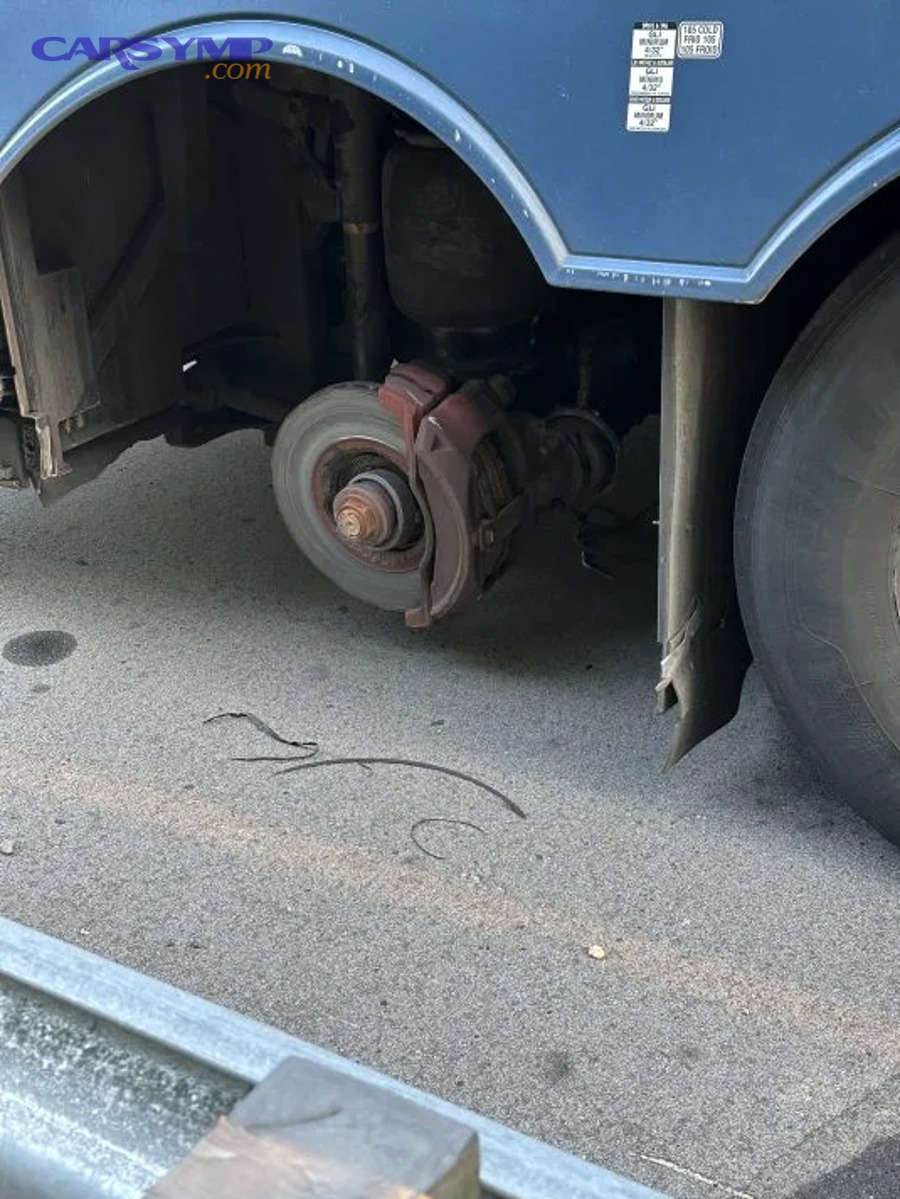
Raise the vehicle and spin each wheel by hand. With the vehicle safely supported on jack stands, rotate each wheel and listen for any grinding, roughness, or resistance. Smooth rotation indicates a healthy bearing. Any mechanical noise or feeling of catching under hand rotation warrants professional bearing inspection.
What Is the Science Behind Tire-Road Noise Interaction?
The science behind tire-road noise interaction is grounded in the engineering discipline of Tire-Pavement Interaction Noise (TPIN) — a specialized field that explains the two primary acoustic mechanisms generated at the contact patch: air pumping and tread block impact.
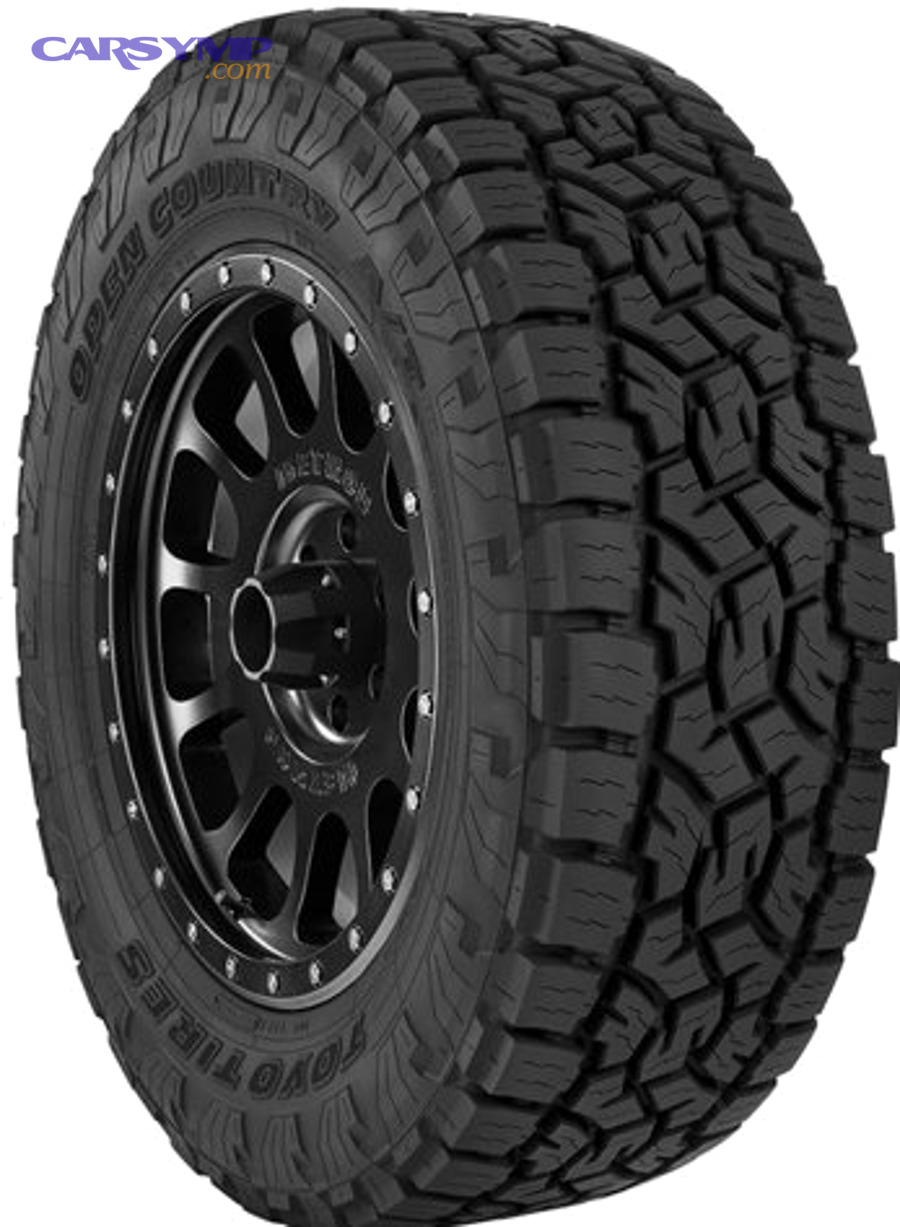
Understanding these mechanisms gives drivers and mechanics a deeper framework for interpreting noise behavior across surface types. It explains why certain tires that score well in laboratory acoustic tests can still sound louder than expected on real roads, and why aging road surfaces become progressively noisier regardless of tire condition.
What Is Tire-Pavement Interaction Noise (TPIN) and Why Does It Matter for Drivers?
Tire-Pavement Interaction Noise, or TPIN, is the engineering term for the dominant source of vehicle exterior noise above approximately 35 kilometers per hour — the speed threshold at which tire-road acoustic energy overtakes engine and powertrain noise.
TPIN is generated by two mechanisms operating simultaneously. The first is air pumping: as each tread block enters the contact patch, it traps a small volume of air between the rubber and the road surface, compresses it, and then releases it suddenly as the block exits. On dense concrete, this air has nowhere to go quickly, so the release is abrupt and loud. On porous asphalt, the void structure of the road absorbs the escaping air gradually, dramatically reducing pumping noise. The second mechanism is tread block impact: the physical collision of rubber against pavement at the leading edge of each tread block generates a mechanical impulse that travels through the tire carcass and radiates as sound. This impact energy is greater on rough, rigid surfaces and lesser on compliant, textured ones. For drivers, understanding TPIN means understanding that a large portion of what you hear is not coming from inside your tire — it is coming from the interaction between your tire and the road beneath it.
How Do Pavement Macrotexture and Microtexture Influence the Noise Drivers Hear?
Pavement macrotexture and microtexture influence tire noise through two separate mechanisms — macrotexture controls air pumping intensity, while microtexture controls the vibration frequency of the tread rubber — and their combined effect explains why tire noise behavior can reverse between different road surfaces.
Macrotexture refers to the large-scale surface profile of the pavement, typically visible to the naked eye — the coarse aggregate in chip-seal, the exposed stone in textured concrete, or the open voids in porous asphalt. High macrotexture surfaces generate more air pumping and tread impact noise. Microtexture is the fine, polished or rough quality of individual aggregate particles — it primarily affects the vibration frequency induced in the tread rubber at the contact interface. When a tire’s tread block geometry resonates with the macrotexture wavelength of a specific pavement, a tonal peak forms — a distinct pitch that makes that tire sound louder on that surface than on others. This phenomenon, sometimes called a surface-tread resonance reversal, explains why a tire ranked as quiet in standardized ISO tests can sound noticeably louder on a specific road section and vice versa. According to research by the Swedish Road and Transport Research Institute (VTI), the same tire tested on five different road surfaces can show a noise variation of up to 8 dB — a difference the human ear perceives as nearly twice as loud.
What Is NVH and How Do Tire Engineers Use It to Design Quieter Tires?
NVH — Noise, Vibration, and Harshness — is the engineering discipline responsible for managing all acoustic and tactile disturbances experienced by vehicle occupants, and tire engineers use NVH principles to systematically reduce the tonal peaks and amplitude of tire-road noise across multiple surface types.
The most widely applied NVH technique in tire design is pitch sequencing: varying the circumferential length of tread blocks around the tire so that their impact events are distributed across many different frequencies rather than concentrated in one dominant pitch. A tire with tread blocks of identical size would generate a single, loud tonal frequency at each rotation speed — essentially a hum tuned to your vehicle’s speed. By introducing five or six different block sizes in a carefully calculated sequence, engineers spread the acoustic energy across a broad frequency range, which the human ear and cabin acoustics perceive as a quieter, more neutral background hum. Additional NVH techniques include sipes — the fine cuts across tread blocks that interrupt air compression columns — and sub-groove channels that redirect escaping air gradually rather than allowing abrupt release. For consumers, the practical implication is that a tire labeled as “quiet” achieves its rating through these engineering choices, but that rating applies to a specific standardized test surface. On surfaces outside that test profile, the tire’s acoustic behavior may differ — which reinforces the value of the real-road diagnostic approach described throughout this article.
How Does Tire and Road Surface Aging Change the Noise You Hear Over Time?
Tire and road surface aging both independently increase the level of surface-reactive noise a driver experiences, and their combined effect means that a vehicle that once ran quietly will progressively become noisier even without any abrupt mechanical fault.
Road surfaces lose their acoustic absorptive properties over time as the pores in porous asphalt fill with dust, rubber particles, and road debris. Research published in Applied Acoustics found that tire-road noise on five types of low-noise asphalt surfaces increased by 1.2 to 1.5 dB per year of service — a gradual but cumulative change that adds up to a noticeably louder driving environment after just three to four years. Tire rubber hardness increases by approximately 0.6 Shore-A units per month during normal service, as heat cycles, UV exposure, and oxidation progressively stiffen the compound. A harder tire carcass transmits more vibration energy to the contact patch rather than absorbing it in the sidewall, increasing surface-reactive noise across all road types. The combined effect is significant: a tire that rolled quietly on a newly paved road when new may produce noticeably more surface-variation noise four years later — both because the tire is stiffer and because the road has lost its absorptive capacity. For drivers, this means that a gradual, multi-year increase in tire noise does not necessarily indicate a developing fault. However, any sudden step-change in noise against this gradual background still warrants investigation.