


CVT fault codes don’t “tell you what part to buy”—they tell you which system noticed something wrong (pressure control, ratio control, temperature, communication, or sensors). The fastest path to a correct fix is to decode the code family, confirm the symptom with live data, and then test the likely root causes in order.
Next, you’ll learn how the most common CVT code groups work (for example, why a “pressure” code can be caused by low fluid, a clogged filter, a weak pump, or a wiring fault) so you don’t jump straight into expensive CVT repair without proof.
Then, we’ll walk through a practical diagnosis flow: capture freeze-frame data, check fluid condition, verify temperatures, run a pressure-control sanity check, and only then decide whether the issue is a sensor, solenoid/valve body, belt/pulley slip, or internal wear.
Introduce a new idea: once you know what the code really means and what to test, you can also decide whether it’s safe to drive, how to prevent repeat failures (including CVT overheating causes and prevention), and when to consider Rebuild vs remanufactured CVT options.
What do “common CVT fault codes” actually mean, and why do they appear?
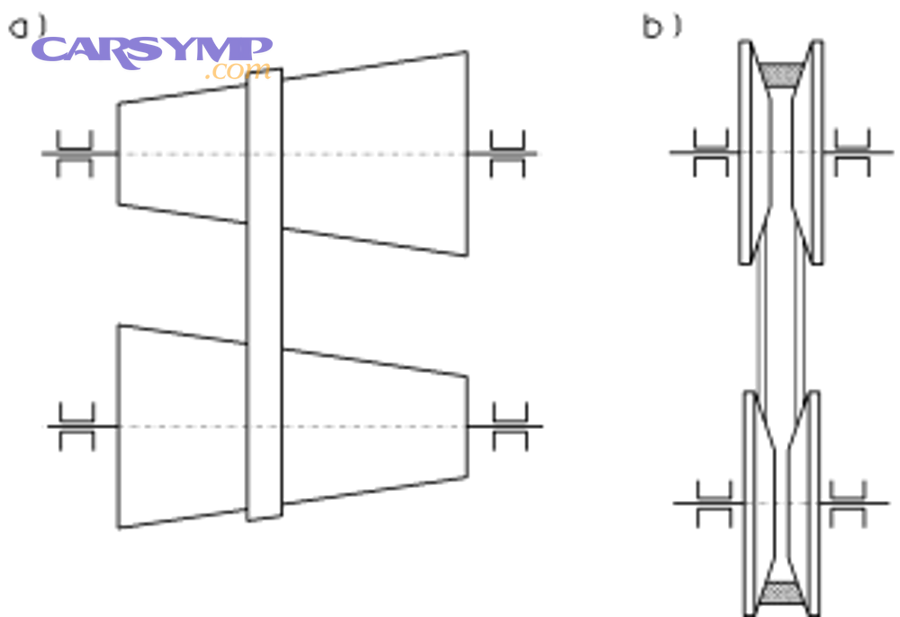
Common CVT fault codes are OBD-II diagnostic trouble codes that indicate the transmission control system detected abnormal pressure, ratio behavior, temperature, sensor signals, or module communication—usually because the CVT can’t control belt/pulley clamping force or hydraulic flow as commanded. Next, it helps to picture the CVT as two halves: mechanical variator (belt/chain + pulleys) and hydraulic/electronic control (pump + valve body + solenoids + sensors + TCM)—codes often point to the control half first, even when the mechanical half is the real culprit.
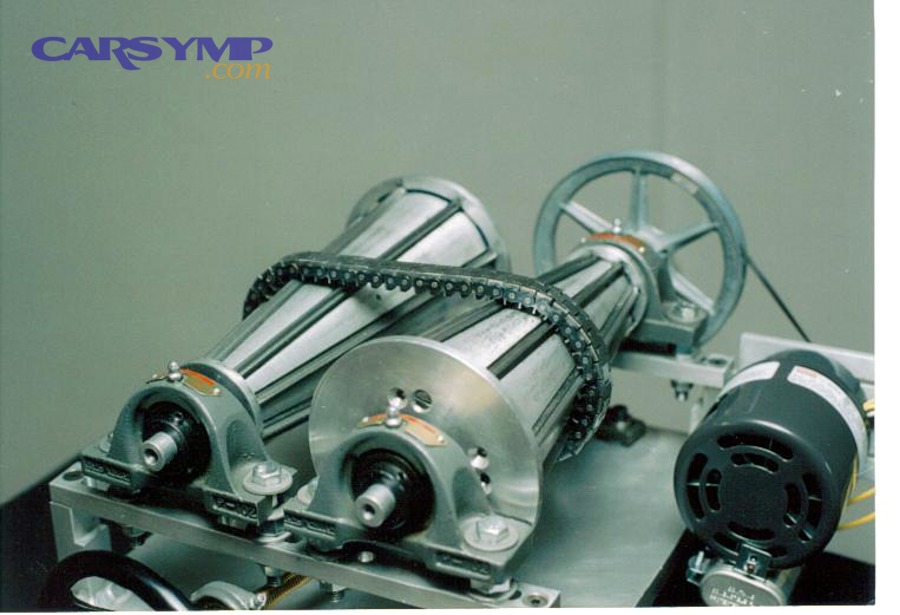
A CVT doesn’t shift through fixed gears; it continuously changes ratio by moving pulley faces and controlling belt/chain grip. That grip depends heavily on hydraulic clamping pressure. So when the system can’t hit the expected pressure, temperature, or ratio target, the TCM logs a code and may enter limp mode to protect the belt, pulleys, and fluid.
Why CVT codes behave differently than “engine codes”
Engine codes often point to emissions-related components (misfire, O2 sensors). CVT codes often reflect control performance—meaning the same code can be triggered by multiple upstream causes. Example: a “low pressure” code can be caused by:
- Low/incorrect fluid level
- Overheated or degraded fluid that can’t maintain viscosity and friction behavior
- Restricted filter, cooler, or valve body passages
- Weak pump, leaking seals, worn bushings
- Faulty pressure sensor signal or wiring
- Solenoid sticking or electrical failure
Why the TCM sets a code (the simple trigger logic)
Most CVT-related codes set when one or more of these are true:
- Commanded vs actual mismatch (pressure, ratio, pulley position, solenoid current)
- Signal out of expected range (sensor voltage, implausible temperature)
- Time-to-achieve target exceeded (ratio change too slow, pressure ramps too slow)
- Slip detected (engine speed vs input/output speed indicates belt/chain slip)
According to a report by Carnegie Mellon University’s Software Engineering Institute, in 2016, the OBD-II port has been mandated on new cars in the United States since 1996, and the OBD-II standard defines diagnostic trouble codes and related messaging used for vehicle diagnostics. (sei.cmu.edu)
Which CVT code groups are most common, and what systems do they point to?
There are 5 main CVT code groups—(1) general transmission request, (2) pressure control, (3) ratio/slip performance, (4) temperature/overheat protection, and (5) sensor/communication faults—based on which control loop failed (hydraulic pressure, ratio control, thermal control, or data integrity). To better understand what your scanner is telling you, start by classifying the code into a group, then match it to the symptom you feel (shudder, flare, limp mode, delayed engagement, overheating).
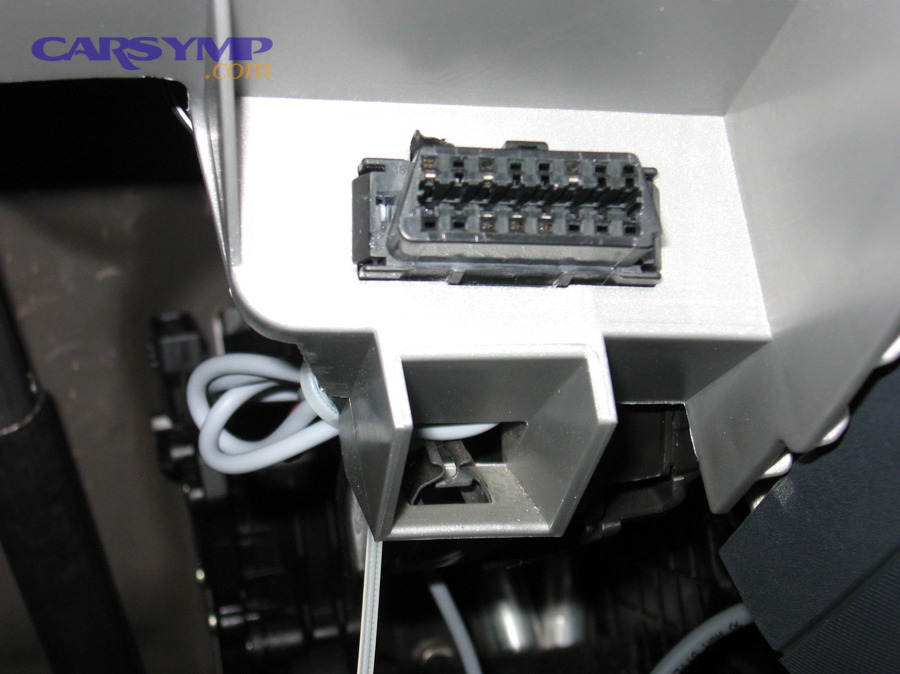
Below is a quick grouping table (it helps you decide what to test first, not what to replace first):
| Code group | Common examples | What it usually points to | What to check first |
|---|---|---|---|
| General “transmission control system” | P0700 | TCM requested MIL; other codes exist | Scan transmission module for stored codes |
| Pressure / pump / control | P0841, P0868, P0746 (varies by make) | Line pressure too low/high, pressure sensor plausibility, solenoid control | Fluid level/condition, leaks, temp, wiring to pressure sensor/solenoid |
| Ratio / slip / performance | P0730, P0796 (varies), “ratio incorrect” style codes | Belt/chain slip, pulley control issues, stuck valve | Live data: input/output speed, commanded ratio, stepper duty; fluid + debris |
| Temperature / overheat | P0218, manufacturer-specific CVT temp codes | Cooler flow issue, thermal overload, poor fluid | Cooler lines, radiator heat exchange, fans, driving load, fluid quality |
| Sensor / electrical / communication | P0715/P0720 (speed sensors), CAN/TCM comm codes | Bad sensor signal, harness damage, module power/ground | Connector corrosion, continuity, power/ground, signal plausibility |
“Pressure control” codes (why they’re so common)
CVTs rely on hydraulic pressure constantly. Even small issues (slight fluid aeration, marginal pump output, sticking valve) can cause pressure to lag behind command and trigger a code. If your symptom is delay into Drive/Reverse, flare, or limp mode, pressure control is often involved—even if the first code you see looks generic.
“Ratio” codes (why they can mean slip or control delay)
A ratio code can happen because the belt/chain truly slips, but it can also happen because the pulleys didn’t move to the commanded position fast enough (control problem). That’s why ratio codes require speed sensor plausibility checks and live commanded vs actual ratio review before condemning the CVT mechanically.
According to a study by Xiangtan University (School of Mechanical Engineering), in 2022, controlling CVT clamping force based on slip characteristics can reduce clamping force by 12.86–21.65% while improving efficiency and lowering energy consumption in simulation—highlighting how sensitive CVT behavior is to pressure/clamping control. (pmc.ncbi.nlm.nih.gov)
How do you diagnose CVT fault codes step by step without guessing?
A reliable CVT diagnosis method is a 7-step workflow—scan all modules, capture freeze-frame, verify fluid and temperature, confirm sensor plausibility, compare commanded vs actual ratio/pressure, run targeted electrical tests, and only then decide on mechanical vs control-system repair. Let’s explore a repeatable process that reduces misdiagnosis and helps you avoid replacing parts that aren’t bad.
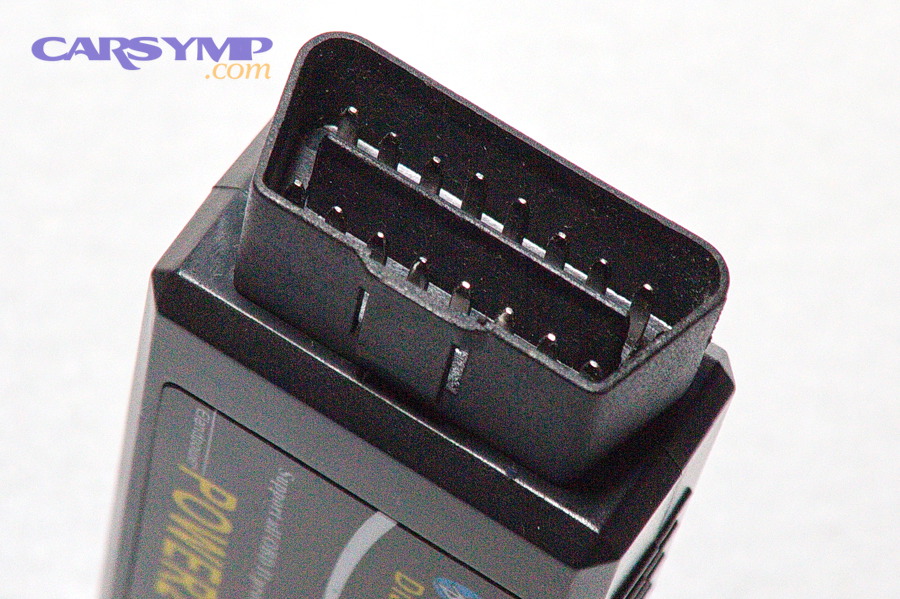
Step 1: Scan the right modules (not just “engine”)
Many basic scanners show P0700 but hide the real CVT-specific codes stored in the transmission control module. Use a scan tool/app that can:
- Read TCM/CVT module codes
- Show live data (CVT fluid temp, line pressure command, stepper/solenoid duty, input/output speed)
- Display freeze-frame for transmission codes
Step 2: Capture freeze-frame and reproduce the condition
Freeze-frame tells you what the CVT saw when it set the code:
- Vehicle speed
- CVT fluid temperature
- Engine load / throttle
- Gear range commanded
- Input/output speed relationship
Reproducing the same condition matters: a pressure code that happens hot at highway speed leads you down a different path than one that happens cold on first engagement.
Step 3: Check fluid level and condition correctly (CVTs are picky)
Before you chase electronics, confirm:
- Correct fluid type for your CVT (wrong fluid can cause shudder and control errors)
- Level set at the correct temperature range (many CVTs require a specific temp window)
- Fluid appearance/smell: dark/burnt suggests overheating; glitter suggests metal wear
If your CVT has a service dipstick or level plug procedure, follow the OEM method—CVT fluid expansion with temperature is significant, and “a little low” can be “very low” when hot.
Step 4: Verify temperature data (overheat can masquerade as pressure/ration faults)
If the scanner shows unusually high CVT fluid temperature, treat that as a root-cause clue:
- Restricted cooler flow (kinked lines, clogged cooler)
- Radiator heat exchanger efficiency issues
- Fan operation problems
- Heavy load driving (towing, steep grades) without adequate cooling
This is where CVT overheating causes and prevention becomes part of diagnosis, not just maintenance advice—because overheated fluid changes friction behavior and pressure stability.
Step 5: Compare commanded vs actual behavior (the “control loop” check)
Use live data to answer:
- Is the TCM commanding high line pressure but pressure stays low? → suspect pump, leaks, restriction, or pressure control valve/solenoid issues.
- Is the commanded ratio changing but actual ratio lags or overshoots? → suspect stepper motor/ratio control valve, pulley actuator issues, or belt/chain slip.
- Do input/output speed sensors agree logically? → if not, you may be diagnosing a sensor problem, not a CVT problem.
A practical “tell”: if sensor signals are unstable or implausible, fix that first—otherwise the TCM can’t control the CVT correctly even if the hardware is fine.
Step 6: Do targeted electrical checks (fast wins)
When codes point to sensors/solenoids:
- Inspect connectors for fluid intrusion/corrosion
- Check power/ground integrity to the TCM and solenoids
- Measure sensor reference voltage and signal return (when applicable)
- Perform continuity and wiggle tests on the harness near hot/exposed areas
Step 7: Decide whether it’s control-system repair or internal mechanical wear
Only after the above steps should you choose between:
- Fluid/cooler service and adaptation reset (when appropriate)
- Solenoid/valve body service
- Sensor/harness repair
- Internal repair (belt/chain, pulleys, bearings)
At this point, if your tests indicate internal wear, you can evaluate Rebuild vs remanufactured CVT options based on cost, warranty, and turnaround—rather than guessing.
According to a report by Carnegie Mellon University’s Software Engineering Institute, in 2016, the OBD-II standard defines diagnostic trouble codes and messaging used by diagnostic tools, reinforcing why scanning the correct modules and interpreting DTC context (freeze-frame/live data) is essential for correct troubleshooting. (sei.cmu.edu)
What are the most reliable fixes for common CVT codes?
The most reliable fixes for common CVT codes fall into 4 buckets—fluid/thermal correction, electrical/sensor repair, hydraulic control repair (solenoids/valve body), and internal mechanical repair—because codes usually originate from temperature, signal integrity, pressure control, or slip/wear. More specifically, “best fix” means “the fix that matches your confirmed test result,” not “the fix that matches the code description.”
Fix bucket 1: Fluid, filter, and cooling corrections (when tests support it)
This is the right fix when you confirm:
- Fluid is low, aerated, burnt, or incorrect type
- CVT temps are consistently high
- Cooler flow is restricted
Common actions:
- Correct the level using OEM temperature procedure
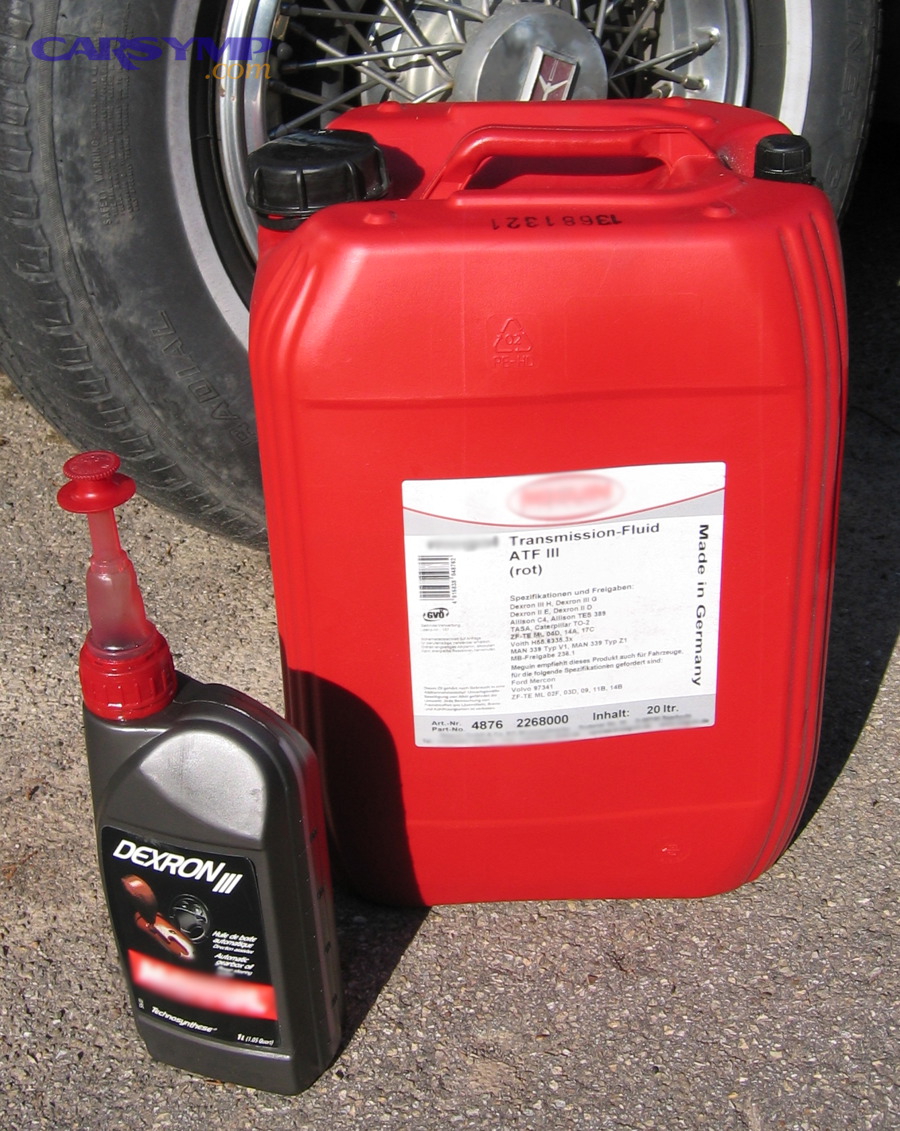
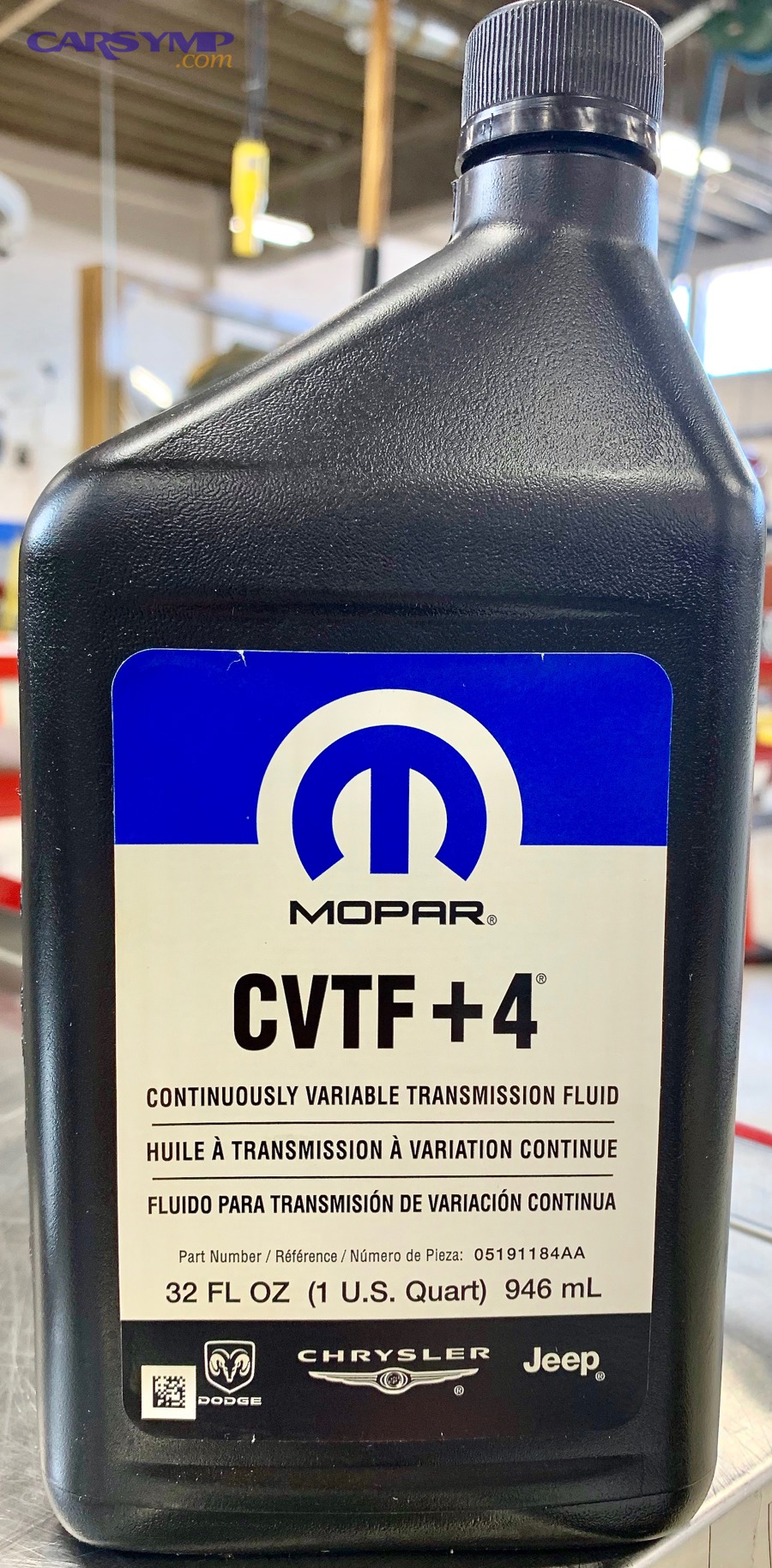
- Use the correct CVT fluid specification
- Replace/clean filter(s) if serviceable
- Restore cooler flow (flush/replace cooler if appropriate, fix kinked lines, ensure fan operation)
Why this works: stable viscosity + friction characteristics help the CVT maintain clamping force and reduce slip, which reduces pressure and ratio errors.
Fix bucket 2: Sensor and wiring fixes (especially for “implausible signal” patterns)
This is the right fix when you confirm:
- Intermittent speed sensor dropouts
- Pressure sensor voltage out of range
- Temperature sensor reading doesn’t match reality
- Harness damage near exhaust/engine movement points
Common actions:
- Repair connector pins, grounds, or broken conductors
- Replace failing sensors only after verifying signal faults
- Clear codes and verify with a drive cycle and live data
Fix bucket 3: Valve body / solenoid control fixes (a frequent root cause)
This is the right fix when you confirm:
- Commanded pressure changes but response is slow/erratic
- Ratio control is delayed even with good sensors
- Solenoid current/duty command is abnormal for the condition
Common actions:
- Solenoid testing (resistance, activation where supported)
- Valve body service or replacement (depends on design)
- Fluid service after hardware work, followed by relearn/adaptation (OEM procedure)
This is often where “code-based parts swapping” goes wrong: a pressure code can be a pressure sensor, but it can also be a sticky pressure control valve. Test first.
Fix bucket 4: Internal mechanical repair (belt/chain, pulleys, bearings)
This is the right fix when you confirm:
- Persistent slip under load with correct pressure command
- Metal debris in pan/filter (especially ferrous glitter)
- Noise that correlates with pulley speed
- Repeated ratio errors after control-side fixes
At this stage, you’re firmly in CVT repair territory. When internal repair is indicated, compare:
- A rebuild with upgraded wear parts vs
- A remanufactured unit with warranty and known updates (Rebuild vs remanufactured CVT options)
One helpful diagnostic video (overview)
According to a study by Xiangtan University (School of Mechanical Engineering), in 2022, CVT efficiency and energy use can measurably change with clamping force control strategy—supporting why fixes that restore stable hydraulic control (fluid, cooling, valve body function) can directly reduce slip-related behavior and related faults. (pmc.ncbi.nlm.nih.gov)
Is it safe to keep driving with a CVT code?
No—driving with a CVT code is not “safe by default,” because many CVT codes indicate pressure loss, overheating, or slip that can rapidly accelerate belt/pulley wear; the safest choice depends on 3 factors: the code group, the symptom severity, and the presence of overheating or limp mode. In addition, you can make a smarter decision by checking a few “stop-now” signs before you move the car again.
When you should stop driving immediately (tow recommended)
Stop if you have:
- Limp mode with very limited speed and harsh engagement
- Burning smell, smoke, or visible fluid leaks
- CVT temperature warning / repeated overheat codes
- Severe shudder, grinding noise, or no-move condition
- Sudden loss of acceleration at steady throttle (possible slip)
Why: these conditions often mean the CVT can’t maintain clamping force. Continued driving can turn a control problem into internal damage.
When you can drive a short distance (carefully) to get service
Sometimes you can limp a short distance if:
- No overheat warning and temps are normal
- Engagement is normal (no delay into Drive/Reverse)
- No severe shudder, no slipping sensation under light throttle
- The code is intermittent and you’re driving gently
Even then:
- Avoid highway speeds
- Avoid hills and towing
- Keep RPM modest
- Watch for temperature rise and symptom worsening
Why CVTs are less forgiving than many traditional automatics
With a belt/chain variator, slip is not just inefficient—it can be destructive. Excessive slip increases heat and wear at the belt/pulley contact, and heat further degrades fluid, creating a feedback loop.
According to a study by Xiangtan University (School of Mechanical Engineering), in 2022, excessive slip can harm CVT operation while controlled slip can improve efficiency—reinforcing why “driving through” slip-related symptoms can increase damage risk if the system is already outside its safe control range. (pmc.ncbi.nlm.nih.gov)
What are the less-obvious causes of repeat CVT codes after repairs?
There are 4 less-obvious causes of repeat CVT codes—unfinished thermal root causes, missed adaptation/relearn steps, hidden wiring/ground faults under load, and contamination/debris re-entering the valve body—because CVT control depends on clean fluid, stable signals, and correct calibration. To sum up, repeating codes often mean the first repair fixed a symptom but not the underlying condition that created it.
Why “overheating history” keeps coming back
A CVT that has repeatedly overheated may continue to throw pressure and ratio codes even after a basic fix if:
- Cooler capacity is marginal for the driving pattern
- Fluid was not exchanged thoroughly enough
- Heat-damaged seals cause internal leakage when hot
This is why CVT overheating causes and prevention belongs in your post-repair checklist: verify cooling performance under the same conditions that originally triggered the code.
Why adaptations/relearn can matter (and when they don’t)
Many CVTs use adaptive learning for pressure control and ratio changes. After certain repairs (valve body work, solenoid replacement, sometimes fluid changes), an OEM relearn procedure may be needed. If skipped, you can see:
- Harsh engagement
- Ratio hunting
- Recurring “performance” codes
However, relearn doesn’t fix mechanical wear. If the variator is worn, relearn may temporarily mask symptoms but won’t solve the cause.
Why wiring can “test good” until you drive
A harness can pass a static continuity test but fail under:
- Heat soak
- Engine movement
- Vibration
- Moisture intrusion
A good practice is to re-check live sensor signals while doing a controlled road test (or using a heat gun carefully on suspect harness areas, if you know what you’re doing).
Why contamination defeats “new parts”
If debris remains in the cooler, pan, or valve body passages, it can quickly contaminate a replacement valve body/solenoid and recreate the same pressure-response issues. If you found significant metal debris, you may need a deeper strategy—up to and including evaluating Rebuild vs remanufactured CVT options if internal wear is confirmed.
According to a report by Carnegie Mellon University’s Software Engineering Institute, in 2016, the OBD-II interface and diagnostic ecosystem depend on accurate data exchange and module behavior, supporting why post-repair verification with live data (not just “code cleared”) is critical when faults can reappear under real driving conditions. (sei.cmu.edu)