


CVT overheating usually happens when heat generation inside the transmission outpaces heat removal through fluid circulation and the cooler, so the fluid thins or oxidizes, pressure control gets unstable, and the CVT protects itself by limiting torque. In practice, prevention starts with keeping the right fluid condition, keeping airflow and cooling hardware clear, and changing how you load the drivetrain.
Next, most drivers want a clear list of causes they can actually verify—low or degraded CVT fluid, restricted coolers, fan/airflow problems, and driving conditions like towing or long climbs that keep the belt/chain under high load for extended time.
Then, search intent also includes symptoms and diagnosis: what the warning light means, why you might feel “rubber-band” flare or limp mode, and how to use an OBD2 scan tool to confirm transmission temperature and related codes before you pay for parts.
Introduce a new idea: the fastest way to avoid expensive damage is to treat overheating as a system problem—fluid + cooling + load + controls—so you can prevent repeat events and make smarter decisions about service, CVT repair, or replacement.
What does CVT overheating mean and why does it happen?
CVT overheating is a condition where transmission heat rises beyond what the fluid and cooling path can manage, causing control pressure and friction behavior to drift, which can trigger protective “reduced power” strategies and accelerate wear. To better understand this, it helps to picture where the heat is made and where it’s supposed to go.
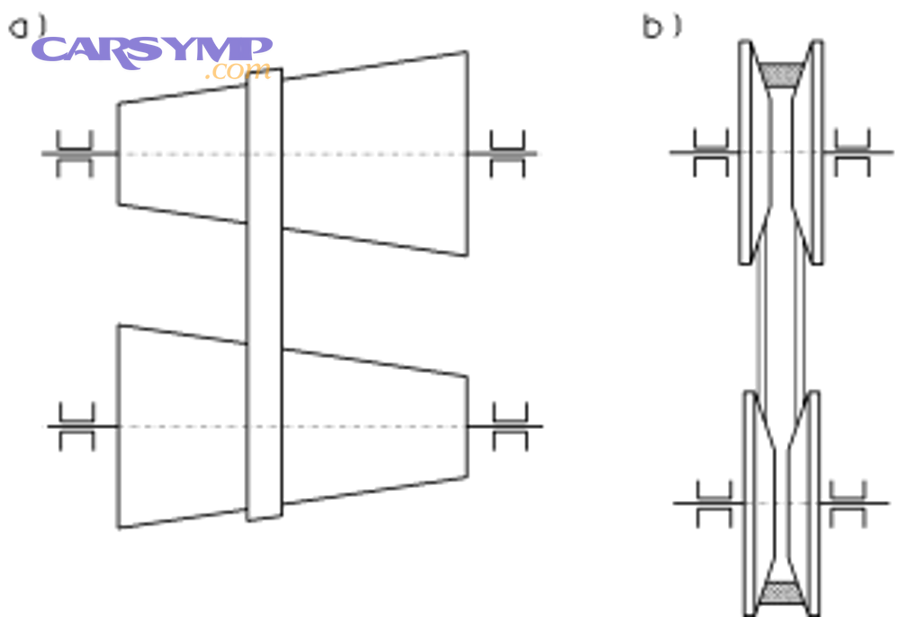
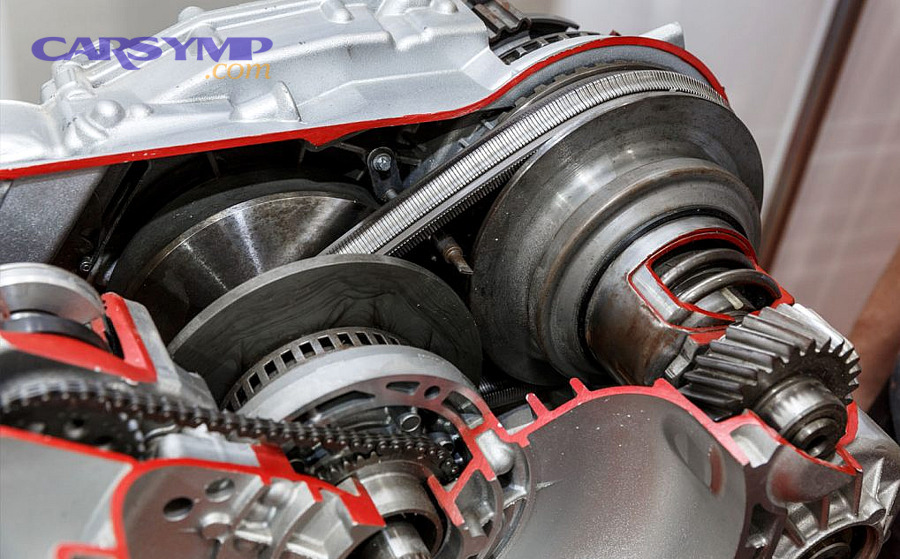
A belt/chain CVT (the most common passenger-car style) creates heat in three main places:
- The belt/chain-to-pulley contact zone: clamping force is high, and tiny micro-slips under load convert energy into heat.
- The hydraulic pump and valves: the CVT constantly adjusts ratio and pressure; inefficiencies become heat.
- Bearings, gears, and differential: even though the ratio change is “continuous,” many CVTs still have reduction gears and final drive sections that generate heat.
What temperatures are considered ‘overheating’ for a CVT?
In real-world ownership, “overheating” is best defined by your manufacturer’s threshold (what triggers the warning light or limp mode), not a universal number—because CVT designs, sensors, and strategies vary widely. More importantly, the trend matters: a CVT that spikes during a climb but rapidly recovers is a very different risk profile than one that creeps upward in mild driving and stays elevated.
A practical, repeatable approach is:
- Use an OBD2-capable app or scan tool that can read CVT fluid temperature (or “transmission oil temperature” if that’s the PID your car exposes).
- Compare what you see during normal commuting vs. stressful situations (hot day, steep hill, stop-and-go).
- Treat any event that triggers a warning light or reduced power/ratio lockout as “overheat,” because the transmission controller is telling you it’s outside its safe control window.
How does heat damage CVT fluid, belt/chain, and pulleys?
Heat harms a CVT in layers—first fluid, then control, then hardware.
- Fluid chemistry and cooling efficiency drift
Oxidation and aging can change viscosity and thermophysical properties that affect cooling behavior. According to a study by the University of Oviedo from the Department of Marine Science and Technology and the Department of Construction and Manufacturing Engineering, in 2022, oxidation changed ATF properties (including viscosity and heat-transfer-relevant figures of merit) in ways that can affect cooling performance. (eprints.bournemouth.ac.uk) - Pressure control becomes less stable
CVTs depend on precise hydraulic pressure to clamp pulleys and maintain ratio control. When fluid thins (high heat) or degrades (oxidation, contamination), the system can struggle to hold target pressure under load. - The belt/chain and pulley faces take the hit
Elevated heat can reduce friction stability and contribute to glazing or surface distress. Even outside CVTs, research on transmission fluids and clutch systems shows that fluid condition influences friction behavior and durability under controlled oil temperature. According to a study by Luleå University of Technology from the Division of Machine Elements, Department of Engineering Sciences and Mathematics, in 2013, ATF condition and contaminants can influence stable friction characteristics and durability in wet clutch systems where oil temperature is controlled during testing. (diva-portal.org)
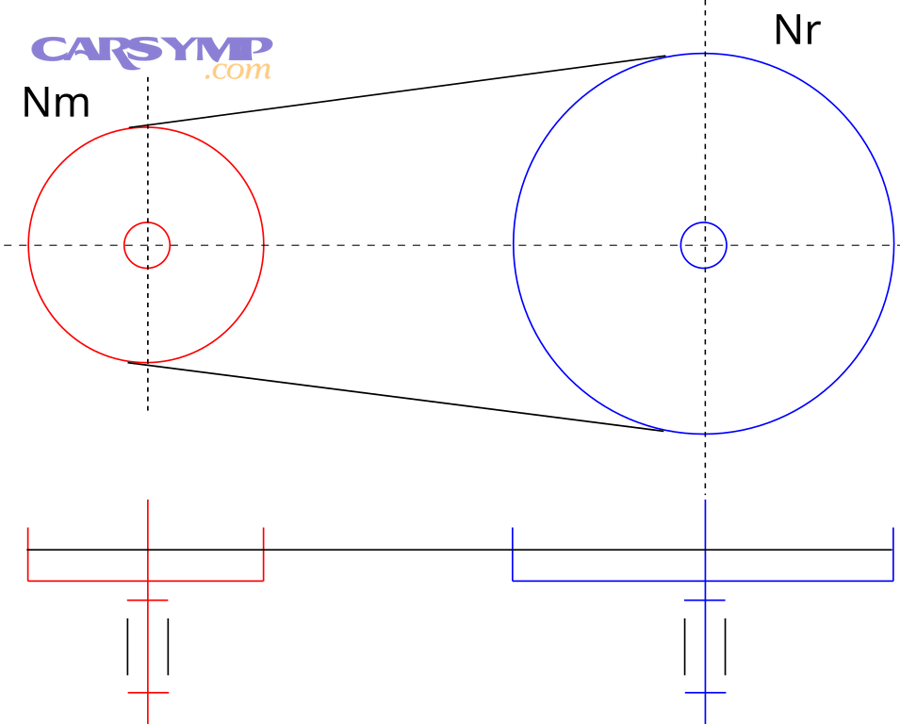
What are the most common causes of CVT overheating?
There are 4 main causes of CVT overheating: (1) fluid problems, (2) cooling-path restrictions or failures, (3) high-load driving conditions, and (4) internal wear/pressure-control problems, based on where heat is created and where cooling capacity is lost. More specifically, each cause leaves different clues you can use to narrow the diagnosis.
Is low or degraded CVT fluid the #1 cause of overheating?
In many everyday cases, yes—because CVT fluid is both a hydraulic control medium and a coolant, and it must be at the right level and in good condition to carry heat to the cooler.
What “fluid problems” typically look like:
- Low level from seepage, a line leak, or an incomplete service fill
- Wrong fluid (incorrect spec) causing poor friction and pressure behavior
- Aged/oxidized fluid (darkened, burnt odor) that has lost additive performance
Why it overheats the CVT:
- Lower fluid volume reduces heat capacity and circulation effectiveness.
- Degraded fluid can increase frictional losses and reduce stable control.
How do cooling system issues (cooler, radiator, airflow) trigger overheating?
Cooling issues cause overheating when the CVT can’t shed heat, even if fluid and internal hardware are fine.
Common cooling-related culprits:
- Blocked cooler fins (bugs, dirt, leaves)
- Restricted cooler lines or kinked hoses
- Cooling fans not operating correctly
- Integrated radiator heat exchanger issues (if the CVT is cooled through the radiator end tank)
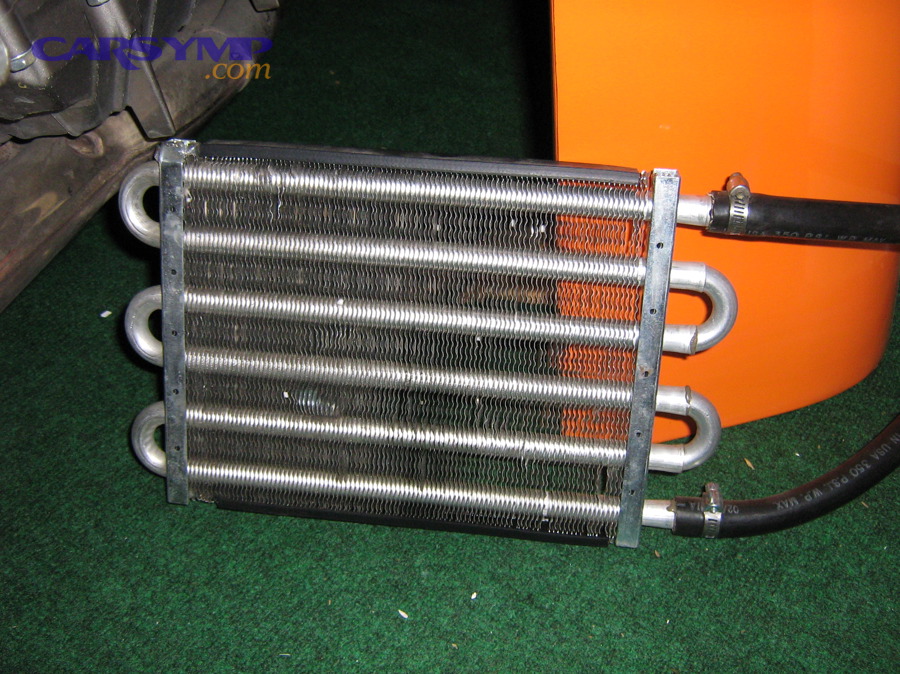
Here’s what an external cooler looks like in simple terms (the part that needs airflow):
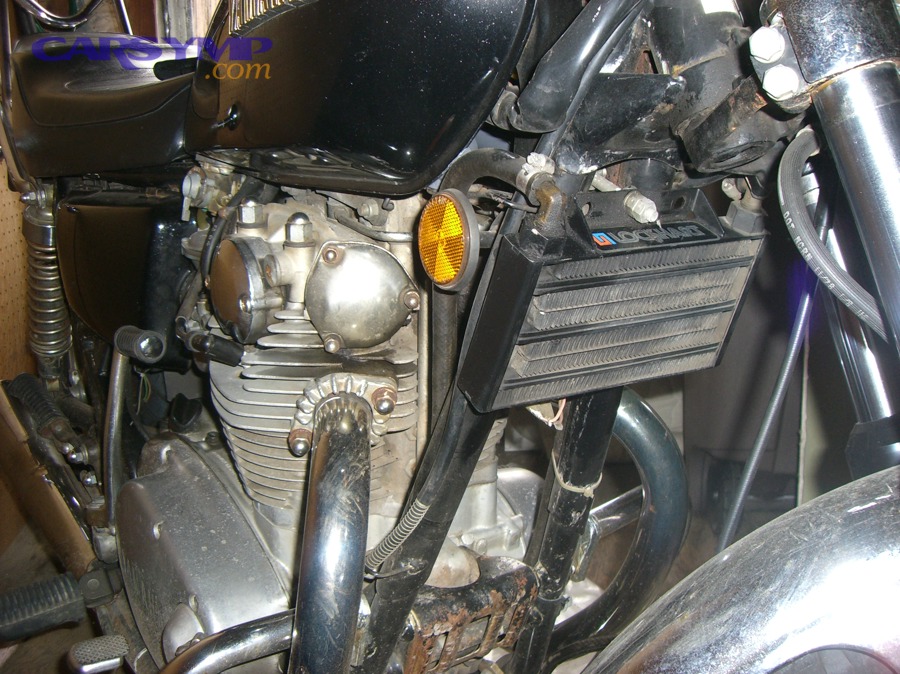
And here’s a clear example of a cooler mounted for airflow:
Can driving conditions (towing, hills, stop-and-go) overheat a CVT?
Yes—because these conditions keep the CVT in a high-torque, high-clamping-force state where heat generation stays elevated for long periods.
High-risk driving patterns include:
- Towing (especially near the vehicle’s limit)
- Long, steep grades where speed is low and load is high
- Soft sand / deep snow where the drivetrain works hard but airflow can be limited
- Stop-and-go in extreme heat where cooling airflow is reduced
A key idea: you can sometimes “drive around” overheating by reducing sustained load (lower speed, gentler throttle, strategic breaks to restore airflow).
Can internal CVT wear or failing components create excess heat?
Yes—internal issues can turn normal operation into a heat generator.
Typical internal contributors:
- Pressure-control solenoid or valve body issues causing slip or excessive pump work
- Worn belt/chain or pulley faces that increase friction losses
- Bearing wear creating drag
- Torque converter clutch behavior (if applicable) adding heat under certain conditions
If overheating happens in mild driving, returns quickly, and repeats after fluid/cooling checks, internal pressure control becomes more likely.
What are the warning signs and symptoms of an overheating CVT?
There are 3 main symptom groups of an overheating CVT: (1) dashboard/driver warnings, (2) driving behavior changes, and (3) smell/noise/fluid clues, based on how the control module protects the transmission and how heat changes friction and pressure. Then, you can use which group shows up first to guess the most likely cause.
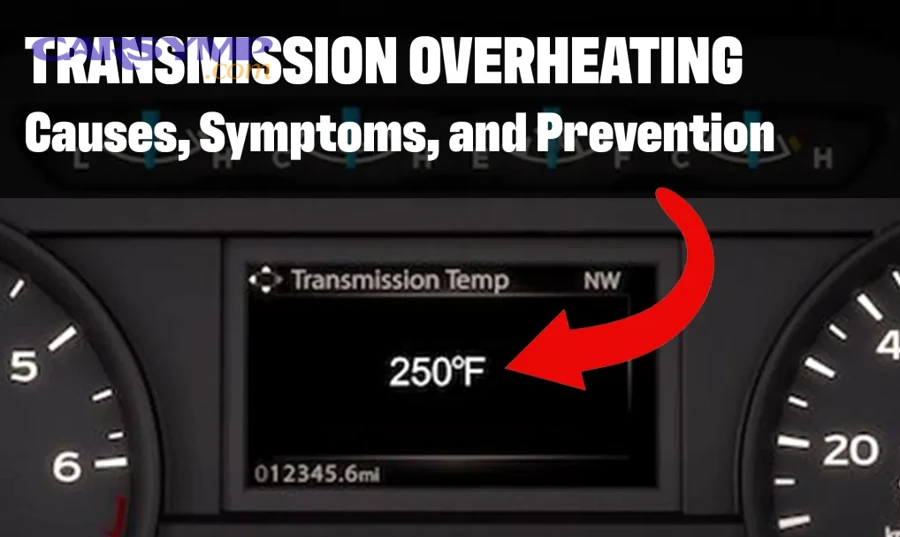
Does a CVT overheat warning light always mean the transmission is in danger?
Yes, a CVT overheat warning should be treated as urgent for at least three reasons: it signals the control system is outside a safe operating window, it often triggers protective behavior that masks real slip, and repeat events can accelerate fluid breakdown and wear. However, the severity varies—one brief event that cools quickly is not the same as repeated overheating under light load.
What you should assume when the light appears:
- The CVT has detected a thermal condition it doesn’t like.
- Continuing hard driving can turn a recoverable event into hardware damage.
- The correct next step is to reduce load and begin a controlled cool-down (covered later).
What driving symptoms point to heat-related slip or limp mode?
Heat-related control changes often feel like:
- Reduced power / sluggish acceleration (torque limitation)
- Ratio “stuck” behavior (limited ratio change)
- Shudder or flare under load (especially on hills)
- Delayed engagement after a stop (less common, but possible if pressure is unstable)
If the car suddenly feels like it “won’t pull” the same way on a hot climb, treat that as a thermal warning even if the light hasn’t appeared yet.
What smells, noises, or fluid changes signal overheating?
Look for:
- Burnt smell (hot fluid or overheated components)
- Whining that rises with load (pump work or bearing drag—non-specific, but important if new)
- Fluid darkening and a sharper odor after an overheat event
- Visible seepage around cooler lines or case areas (a leak can start after extreme heat)
How can you diagnose CVT overheating causes at home before a shop visit?
You can diagnose most CVT overheating causes at home with 4 steps—check fluid basics, confirm temperature and codes, inspect cooling airflow/hardware, and set a “stop driving” threshold—to identify the likely failure zone before you pay for parts. Next, work from the lowest-cost checks to the highest-risk ones.
How do you check CVT fluid level and condition safely?
Start with the owner’s manual procedure (some CVTs have no dipstick and require a specific fill/level method). General safe principles:
- Park on level ground and follow the specified warm-up procedure.
- Use the specified temperature window if your model requires it.
- Inspect fluid color/odor on the dipstick (if equipped) or note what drains during service.
For some Jatco CVT procedures, you may need a scan tool to confirm fluid temperature for accurate level checking. Gearsmagazine notes an example of verifying temperature in a specific range before a fluid level check to avoid inaccurate readings. (gearsmagazine.com)
How can you use an OBD2 scanner to confirm transmission temperature and codes?
A basic plan:
- Read stored and pending codes (powertrain and transmission modules if accessible).
- Monitor CVT/transmission fluid temperature during a normal drive.
- Recreate the condition that causes overheating (carefully) and watch:
- How quickly temperature rises
- Whether fans engage
- Whether temperature drops quickly once load is reduced
If temperature rises fast in mild load, suspect cooling flow restriction or control issues. If it rises mainly under heavy load, suspect load/airflow limits, fluid condition, or cooler capacity.
How do you inspect the cooler lines, radiator, and airflow path for restrictions?
Do a simple “airflow and plumbing” inspection:
- Look through the grille for matted debris on the cooler/radiator stack.
- Check for bent fins or a blocked air channel.
- Inspect cooler lines for wetness, seepage, or crushed sections.
- Confirm coolant level and radiator condition if the CVT uses an integrated heat exchanger.
A quick reality check: if your AC condenser and radiator are packed with debris, the transmission cooler is often suffering too.
When should you stop driving and tow the vehicle?
Stop driving and tow if:
- The overheat warning stays on after a cool-down attempt
- The vehicle repeatedly enters limp mode under light load
- You smell strong burning fluid or see fresh leaks
- Engagement becomes delayed or erratic (possible pressure loss)
Towing is cheaper than turning a borderline transmission into a failed one.
How do you prevent CVT overheating in daily driving?
The best prevention method combines 4 habits—reduce sustained load, keep cooling airflow strong, keep fluid healthy, and upgrade cooling when needed—to keep CVT temperatures stable and avoid repeat overheat events. More importantly, prevention works best when you match your habits to your real use case (city heat, hills, towing).
What driving habits reduce heat buildup in a CVT?
The most effective habit changes are simple:
- Avoid sustained wide-open throttle on long grades; ease into power.
- Manage speed on climbs so the engine and CVT aren’t lugging.
- Use “L” or a lower range mode if provided when climbing/descending (varies by vehicle).
- Give the drivetrain airflow breaks—short stops or lighter-load cruising can drop temps quickly.
If you tow: reduce speed, avoid peak heat hours, and keep following distances large so you don’t have to constantly re-accelerate.
What maintenance tips to extend CVT life also reduce overheating risk?
This is where the phrase matters: Maintenance tips to extend CVT life almost always reduce overheating because they preserve fluid performance and pressure control.
High-impact maintenance actions:
- Use the correct CVT fluid spec (not “universal ATF”).
- Replace fluid at an interval that matches your use (heat, hills, towing = shorter intervals).
- Replace filters if your model uses serviceable filters.
- Fix small leaks early—small leaks become big problems during heat events.
Tie this to the “system” concept: healthy fluid supports stable pressure and better heat transfer, which makes the cooler’s job easier. (eprints.bournemouth.ac.uk)
Should you add an auxiliary transmission cooler for a CVT?
Yes, sometimes, and the best candidates share at least three conditions: frequent high-load driving (towing/hills), repeated near-overheat temperature trends, and a cooling stack that struggles in your climate. However, your vehicle’s design matters—some CVTs require specific flow and thermostat behavior, so the right solution is “properly engineered cooling,” not just “bigger cooler.”
If you’re adding cooling:
- Prefer a kit designed for your vehicle (line routing, fittings, mounting).
- Ensure airflow is strong and not blocked by other accessories.
- Avoid setups that overcool in winter if your CVT is sensitive to cold fluid behavior (more on that in myths/edge cases).
What fluid and service intervals help prevent overheating?
There’s no universal interval, but a useful strategy is:
- Treat severe use (hot climate + stop-and-go + hills + towing) as a reason to shorten intervals.
- If you track temperature, shorten interval if you frequently run hotter than your “normal commute baseline.”
- After a confirmed overheat event, consider a fluid assessment (and service if odor/darkness changes noticeably).
What should you do immediately when your CVT overheats?
The safest response is a 3-step cool-down procedure—reduce load immediately, restore airflow and circulation, and verify recovery before continuing—to protect fluid and hardware and prevent a minor event from becoming permanent damage. Then, you can decide whether to limp home or stop entirely.
What is the safest cool-down procedure on the road?
- Ease off throttle and avoid hard acceleration.
- Find a safe place to pull over if the warning persists.
- Let the vehicle cool with airflow (hood up can help heat escape, but safety first).
- After a cooldown, drive gently and see if the warning stays off.
If the warning returns quickly, treat it as a “tow” situation.
Should you turn off the engine or keep it idling to cool the CVT?
It depends on your vehicle’s cooling strategy, but a conservative approach is:
- If you can safely do so, idle briefly to allow circulation and fan operation, especially if fans are electric and will run at idle.
- If you see signs of severe overheating or smell burning, shutting down may be safer—then tow rather than risk further damage.
When in doubt: shorter idle for stabilization, then shut down and tow if the warning persists.
What quick checks can confirm whether it’s safe to continue?
Quick checks you can do without tools:
- Is the warning light gone and staying gone at gentle load?
- Is there any fresh leak under the car?
- Is there a strong burning smell that wasn’t there before?
- Does engagement feel normal?
Quick checks with tools:
- Does temperature drop and stabilize near your normal baseline?
- Are there new transmission-related codes?
CVT repair or replacement after overheating: what are your options and costs?
Service and CVT repair win for lowest cost and minimal disruption when damage is mild, replacement wins for predictable outcome when internal damage is severe, and rebuild/reman options are optimal when you need a balance of warranty, turnaround time, and long-term reliability. Meanwhile, the smartest choice depends on how many overheat events happened, whether slip is present, and what the fluid and codes say.
To make this concrete, the table below compares the decision logic (not exact pricing, which varies heavily by model and region).
| Option | Best when | What it usually includes | Overheat risk if root cause isn’t fixed |
|---|---|---|---|
| Fluid service + cooling fix | First overheat, no slip, no persistent codes | Correct fluid, filters (if serviceable), cooler cleaning/repair | High (overheat will return) |
| Targeted CVT repair | Clear fault in cooling/pressure control | Valve body/solenoids, sensors, cooler lines, sometimes pump work | Medium–High (depends on diagnosis quality) |
| Rebuild / remanufactured unit | Repeat overheating, wear symptoms, or metal contamination | Full teardown or reman unit, updated parts | Medium (must fix cooling/load causes) |
| Full replacement | Severe slip, noise, major contamination, repeated limp | New/reman CVT assembly | Medium (still must fix cooling/load causes) |
When is a simple service enough versus CVT repair?
A simple service is more likely to be enough when:
- Overheat was brief and rare
- No persistent limp mode
- Fluid isn’t burnt and there’s no slip symptom
- Cooling issue is obvious and correctable (debris, fan problem)
CVT repair becomes more likely when:
- Overheat repeats under light load
- You have control-related codes or pressure behavior issues
- Symptoms include flare, shudder under load, or delayed engagement
How does a CVT repair vs replacement cost comparison typically look?
A realistic CVT repair vs replacement cost comparison is usually driven by labor and risk:
- Repairs can be cheaper, but only if diagnosis is correct and internal damage is limited.
- Replacement costs more upfront, but can reduce “comeback risk” when wear is advanced.
- Reman units often sit between repair and new replacement, with warranty as a deciding factor.
The expensive mistake is fixing symptoms (fluid) without fixing root causes (cooler restriction, fan failure, load pattern, or pressure-control faults), because overheating will return.
What questions should you ask a shop about remanufactured vs rebuilt CVTs?
Ask questions that force clarity:
- What evidence shows overheating caused internal damage (codes, pressure data, debris, slip tests)?
- What root cause will you fix so overheating doesn’t repeat?
- Is the unit rebuilt in-house or remanufactured by a supplier—and what’s the warranty scope?
- Are cooler lines and heat exchangers being flushed or replaced?
If the shop can’t explain the overheating mechanism in your case, you’re gambling.
What myths and edge cases affect CVT overheating diagnosis?
There are 4 common myths/edge cases that distort CVT overheating decisions: lifetime-fluid assumptions, design differences (eCVT vs belt CVT), software strategy effects, and the opposite problem—overcooling/cold fluid—based on how people misread what “overheat” really means. Besides, clearing these up prevents the two biggest traps: ignoring repeat heat events or throwing parts at the wrong system.
Can a ‘lifetime’ fluid claim increase overheating risk?
Yes—because “lifetime” often means “lifetime under ideal conditions,” and heat is the condition that most aggressively ages fluid. Fluid oxidation can shift properties tied to cooling and control, which is why fluid aging matters even when the transmission still “drives fine.” (eprints.bournemouth.ac.uk)
Is overheating different in hybrid eCVTs versus belt-driven CVTs?
Yes—hybrid eCVTs (often power-split planetary designs) manage torque differently than belt CVTs, and some rely heavily on fluid not only for lubrication but also for cooling electric components. That means thermal requirements can be more complex, and fluid heat-transfer behavior matters more than many drivers expect. (eprints.bournemouth.ac.uk)
Can software updates and recalibration reduce CVT heat events?
Sometimes, yes. Control software can change:
- How aggressively the CVT holds ratio under load
- Fan activation strategies
- Torque reduction thresholds
- Lockup behavior (when applicable)
Software won’t fix a clogged cooler, but it can reduce unnecessary heat generation in borderline cases.
What are the antonyms of overheating—how do overcooling and cold fluid cause problems?
“Overheating” has a useful antonym in practice: overcooling, or more commonly cold, thick fluid operation. When CVT fluid is too cold:
- Pumping losses increase
- Ratio control can feel sluggish
- Some systems delay full lockup or normal behavior until warmed
So the goal isn’t “as cold as possible”—it’s stable temperature control. If you add an auxiliary cooler, make sure the system still reaches and maintains a healthy operating window for your climate and vehicle design.
Evidence (selected)
According to a study by the University of Oviedo from the Department of Marine Science and Technology and the Department of Construction and Manufacturing Engineering, in 2022, oxidation changed ATF thermophysical properties and cooling-related figures of merit, showing that fluid aging can affect cooling performance. (eprints.bournemouth.ac.uk)
According to a study by Luleå University of Technology from the Division of Machine Elements, Department of Engineering Sciences and Mathematics, in 2013, ATF condition and contaminants influence stable friction characteristics and durability in wet clutch systems tested with controlled oil temperature, highlighting how fluid condition links to heat-sensitive performance. (diva-portal.org)